
Chapter 6 : Floor Loading Considerations

When planning a mobile storage system, understanding floor loading is crucial. Structural engineers evaluate the overall weight load to ensure the floor can safely support a mobile system’s weight. This chapter explores how to calculate pounds per square foot and line load, as well as reinforcement and seismic anchoring options.

Calculating Pounds Per Square Foot

Traditionally, structural engineers calculate floor loading by determining the weight of the entire storage system, including carriages, shelving, media, and rails, and then dividing this by the total square footage of the installation space. This method is typically used for stationary storage, such as:

  • Lateral Filing Cabinets
  • Static Shelving
  • Rotary Cabinets

By calculating the pounds per square foot, engineers ensure that immovable storage units remain stable and secure.

Image of various storage cabinets against a yellow backdrop. Includes tall blue lockers, a metal shelving unit with three shelves, and a large mobile shelving system with a handle—perfect for college office organization.
A woman with red hair stands in an office storage area, examining a file in a compact mobile shelving unit designed for state offices. The space is modern, with light walls, a plant, and an empty chair in the foreground. Various files and items are stored neatly on the shelves.

Calculating Line Load for Movable Systems

For movable systems, such as high-density mobile shelving, line load calculations are often more accurate. Here’s how it works:

  1. Measure the weight in front of the first rail and each subsequent section.
  2. Divide the total weight across the rail system, considering each rail’s load-bearing capacity.
  3. Multiply the resulting figure by the number of carriages, adding the weight of the rails to find the system’s total load.

This method allows structural engineers to determine whether the floor can support the system’s dynamic weight and movements.

Floor Loading Reinforcement Options

If a floor cannot support the calculated load, reinforcement options are available:

  • Support Posts and Jacks: Installed beneath the floor to provide additional support.
  • I-Beam or Box Beam Reinforcement: Positioned under the rails for added stability.
  • Carbon Fiber Reinforcement: A modern solution that adds strength without significant structural changes.
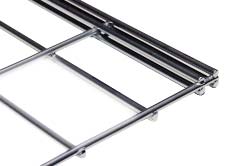
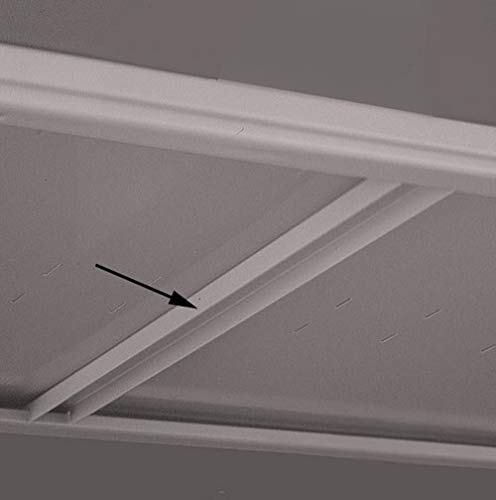
A white coffered ceiling with a grid pattern is shown, with a black arrow highlighting one beam. This resembles Aurora Quik-Lok Shelving Shelf Reinforcement, likely indicating reinforcement or a key feature. The design appears simple and clean.
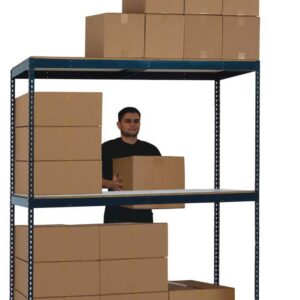
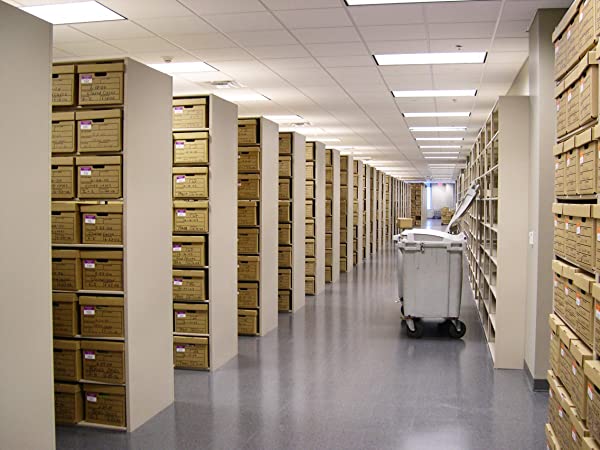
An archive room with bright lighting features Aurora Quik-Lok Shelving, adjustable heavy-duty steel units with 350 lbs capacity. Stacked brown boxes line the shelves, enhancing a clean atmosphere on a gray floor and white ceiling, while a large gray cart stands at the center.

Seismic Considerations

Seismic stability is essential, especially in regions near fault lines. Factors like ground composition, foundation type, and floor level impact the design of seismic anchoring systems.

Seismic Anchoring Options

  • Mobile Products: Rails should be securely anchored to the floor to prevent shifting during seismic activity. Pull tests assess rail deflection.
  • Shelving Products: Anchoring systems may include floor base anchors, aisle ties, and wall anchors.
  • Rotary Cabinets: Floor anchors provide stability, keeping cabinets in place during seismic events.

In Chapter 6, we cover the importance of proper floor loading calculations and the available reinforcement and seismic anchoring options. These considerations ensure that mobile storage systems are safe, stable, and compliant with structural standards, even in areas with seismic activity.

City skyline with tall buildings set against snow-capped mountains under a partly cloudy sky. The logo Material Handling USA appears in the upper left corner, highlighting our case studies and innovations in urban landscapes.

We Are MH USA

At MH USA, we specialize in providing innovative storage solutions that are tailored to your specific needs. As a trusted name in the material handling industry, we understand the importance of efficient storage planning and the role it plays in optimizing space and productivity. Our team is dedicated to helping architects, designers, and businesses create storage systems that are not only functional but also compliant with all federal regulations.

With years of experience in delivering high-quality storage products and services, we bring expertise and reliability to every project. Whether you’re taking the AIA Storage Planning Course or looking for customized storage solutions, MH USA is here to support you every step of the way.

Contact MH USA today for personalized assistance and discover how our tailored storage solutions can improve your business operations. Let us help you maximize efficiency and cost-effectiveness with a solution designed specifically for you.