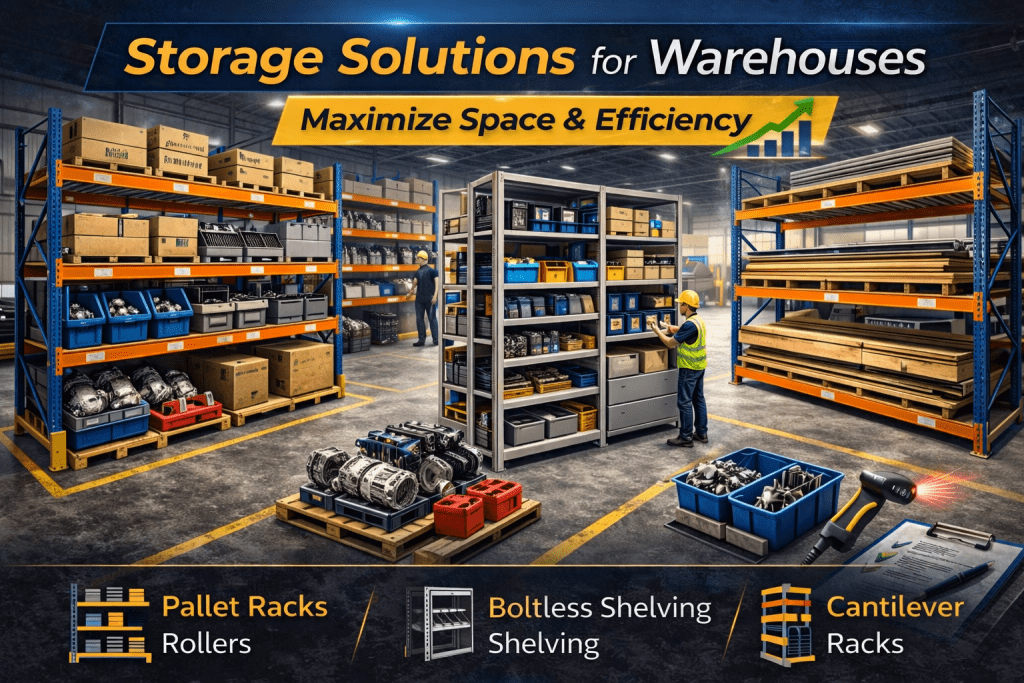
Searching online for a “warehouse shelving supplier near me” is the easy part. Finding the right one is a critical business decision that impacts your entire operation. Your supplier is more than just a vendor selling steel beams; they are a strategic partner. The best suppliers bring the expertise to maximize every cubic foot of your space and fundamentally improve your workflow.
This guide is built from years of industry experience to help you find a partner who can genuinely transform your facility, ensuring you invest in a solution that delivers efficiency and value for years to come.
Why a Local Supplier Is a Strategic Partner
Choosing a warehouse shelving supplier is one of the most impactful decisions you will make for your operational efficiency. This is not just about buying racks. It is an investment in the backbone of your entire workflow, from receiving and stocking to picking and fulfillment.
A great supplier helps you sidestep the common pitfalls that can cripple a project, like inefficient layouts that create bottlenecks, surprise permit delays that halt construction, or systems that cannot handle your growth six months down the line. The process of finding the right partner involves a few key stages, starting with a deep dive into your own needs long before you think about installation.
This simple flow—Assess, Find, Optimize—underscores a crucial point: the project’s success is determined well before a purchase order is signed. Nailing the planning phase ensures the final system is perfectly aligned with your business goals.
The Growing Demand for Smart Storage
The need for efficient, intelligent storage has never been more intense. The global warehouse racking market is projected to jump from USD 8,043 million in 2025 to over USD 11,128 million by 2035.
In the USA, that growth is even more aggressive. It is fueled by the relentless demands of e-commerce and a push toward systems that can boost storage density by up to 50% compared to traditional setups. You can read more about these market trends and how they are reshaping the industry.
What does this mean for you? Securing a spot on a quality supplier’s project calendar is becoming more challenging. With current demand, businesses that plan ahead can avoid installation delays and secure better project timelines.
Key Takeaway: The best warehouse shelving suppliers do far more than just sell products. They provide comprehensive services, including free, no-obligation layout designs that turn your empty floor plan into a high-performance operational asset. This initial design phase is absolutely vital for visualizing workflow and maximizing your return on investment.
Ready to see what’s possible for your space? Explore our extensive collection of warehouse shelving and racks and let’s start building a solution that works for you.
How to Assess Your Space and Operational Needs
Before you start searching for a “warehouse shelving supplier near me,” the real work begins inside your own facility. Getting this first part right is the foundation of a successful project. It ensures you invest in a system that fits your space perfectly, supports your daily workflow, and delivers a genuine return, instead of just filling a room with expensive steel.
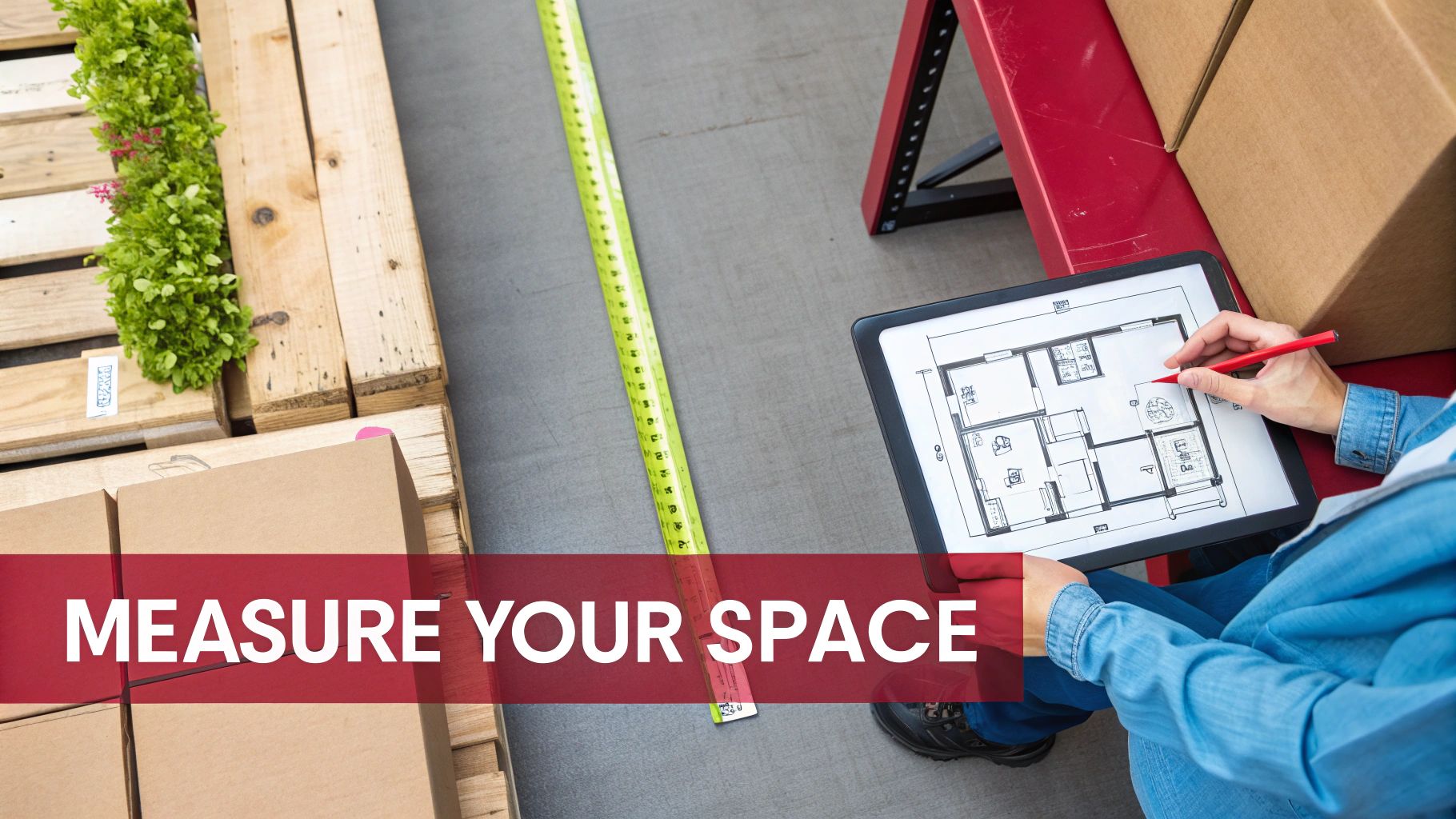
This is not just about pulling out a tape measure. It is about creating a detailed blueprint of your operational reality. When you have a clear, comprehensive needs analysis, you can walk into a conversation with a potential supplier knowing exactly what you need, ensuring their proposals are on-target from the very first call.
Nail Down Your Physical Environment
First, document the physical constraints and features of your warehouse. Countless projects have been derailed by a surprise sprinkler head or a forgotten support column. Precision here prevents costly headaches during design and installation.
- Overall Floor Space: Get the total length and width of your storage area. This gives you the gross square footage you have to work with.
- Clear Height: This is crucial. Measure from the floor to the lowest overhead obstruction, whether it is ceiling joists, sprinkler heads, or lighting. This measurement dictates the maximum vertical height of your shelving units.
- Column Spacing: Map out the location and distance between all support columns. A smart layout will work with these columns, not against them, maximizing storage bays while keeping aisles clear and safe.
- Dock and Door Locations: Note every receiving and shipping door. Their placement has a huge impact on traffic patterns and the natural flow of your inventory.
Dig Into Your Inventory and Workflow
Once you have the physical space mapped out, it is time to shift your focus from the building to what actually moves through it. The characteristics of your inventory are the most important factor in choosing the right type of shelving. Think about the velocity of each SKU, its physical dimensions, and its weight.
Getting these details right helps you decide on a storage philosophy. For example, a system built for high-density, low-access storage would be a disaster for a fast-paced e-commerce operation that needs constant, individual item access.
Expert Insight: Don’t just measure your shelves—measure your equipment. The turning radius of your forklifts or the type of pallet jacks you use will directly determine your minimum aisle width. This is a critical factor that dictates your layout’s storage density.
The type of product you store will point you directly to the best shelving solution. This table shows how different inventory types match up with specific racking systems.
How Inventory Type Influences Shelving Selection
This table breaks down how common inventory characteristics point to the most suitable type of industrial shelving, helping you optimize both storage and workflow from day one.
| Inventory Characteristic | Recommended Shelving Type | Primary Benefit |
|---|---|---|
| High-turnover, uniform-sized pallets | Pallet Flow Rack | Automatic First-In, First-Out (FIFO) rotation and high density. |
| Low SKU count, high-volume pallets (LIFO) | Drive-In/Drive-Thru Rack | Unbeatable space utilization for bulk storage. |
| Varied SKUs, individual item picking | Boltless Shelving | Maximum accessibility and flexibility for hand-picking operations. |
| Heavy, bulky non-palletized items | Cantilever Rack | Unobstructed horizontal storage perfect for lumber, pipe, or furniture. |
This data puts you in the driver’s seat. You are now equipped to find a supplier who can deliver a solution that truly solves your problems. If you are ready to turn this assessment into a functional design, our team is here to help. We offer free layouts and designs with no obligation.
Explore our versatile industrial shelving options or Contact Us to get your complimentary design consultation started.
Choosing the Right Type of Warehouse Shelving
Once you have a solid handle on your space, inventory, and operational flow, it is time to match those realities to the right hardware. Picking the best shelving is not just about finding a place to put things; it is a strategic decision that impacts your bottom line. The right system boosts productivity and safety, while the wrong one creates bottlenecks and headaches for years to come. The goal is to find a system that does not just store your inventory but actively makes it easier and faster to move.
You have to look past the basic specs and think about how each option fits your specific products and picking methods. A system that is a home run for a bulk food distributor could be a complete disaster for a fast-paced e-commerce fulfillment center.
Common Types of Industrial Shelving
Let’s walk through some of the most effective types of warehouse shelving available. Each is engineered to solve a specific storage problem, whether that is maximizing product density or providing instant access to every item you stock.
- Selective Pallet Racking: This is the most popular type of warehouse storage for a reason. It offers incredible versatility and gives you direct, unimpeded access to every single pallet. If you manage a high number of SKUs and do not turn over massive quantities of any single item, this is almost always your best starting point. You can learn more about how to configure pallet rack shelving to fit your specific layout.
- Drive-In/Drive-Thru Racking: When you need to maximize every cubic inch of storage space, nothing beats the density of drive-in racking. This system lets forklifts drive right into the racking structure to place or retrieve pallets, effectively eliminating most of the aisles. It is the perfect solution for facilities that store high volumes of just a few SKUs and operate on a Last-In, First-Out (LIFO) inventory model.
- Boltless Shelving: For hand-picked items, small parts, or archive rooms, boltless shelving is an absolute workhorse. It is easy to assemble and adjust without special tools. This flexibility means you can reconfigure your storage on the fly as your inventory changes, making it a favorite for e-commerce picking zones and back-of-house stock rooms.
Matching Shelving to Your Operation
Let’s look at how this plays out in the real world. A medical device company might use specialized mobile shelving in a cleanroom to store sensitive components in a compact, controlled space. A lumber yard, on the other hand, will depend entirely on cantilever racks designed to handle long, heavy, and awkward materials that cannot go on a pallet.
By understanding these fundamental differences, you can have a much more productive and efficient conversation with a supplier. Instead of asking “What shelving should I buy?” you can ask, “Can you design a layout using pallet flow racking to support our FIFO requirements for our perishable goods?”
This simple shift changes the entire dynamic. It shows you have done your homework and ensures you get a quote for a system that truly solves your operational challenges. An informed buyer is far more likely to find a supplier who becomes a long-term partner, not just someone making a quick sale.
Finding the Right Supplier and Comparing Quotes
Once you have a shortlist of shelving suppliers, the vetting process begins. This step separates a smooth project from a costly headache. Anyone can sell you steel, but finding a true partner who understands design, installation, and the permitting maze takes more digging.
Skipping this step is a classic mistake. You might save a few dollars on the initial quote, only to get hit with surprise freight charges, installation delays, or the dreaded “we don’t handle permitting” conversation after it is too late. The goal is to find a supplier who gives you a complete, all-in price, not just a lowball number to get their foot in the door.
Key Questions to Ask Every Potential Supplier
Before you glance at the price, you need to understand who you are dealing with. A supplier’s experience and the services they bundle into their process tell you a lot about how your project will go. A partner who manages everything from design to final sign-off ensures your project has a dedicated spot on their schedule, which is invaluable when industry lead times can be unpredictable.
Here are the must-ask questions to start with:
- Industry Experience: “How long have you been designing and installing systems for warehouses like mine?”
- Service Scope: “Do you handle the layout design, engineering, and permitting process in-house, or do you outsource that?”
- Lead Times: “What is your average lead time from design approval to the completion of installation?”
- Material Quality: “Can you give me the specs on the steel gauge and where your racking is manufactured?”
A professional supplier should have no problem letting you review their capability statement, which outlines their offerings and experience.
How to Do a True Apples-to-Apples Comparison
When quotes land in your inbox, resist the urge to jump to the bottom-line number. A smart comparison means breaking down each proposal line by line to see what you are really getting.
Expert Tip: Always demand an itemized quote. If a supplier sends a single lump-sum price, push back and ask for a detailed breakdown. Vague, all-inclusive pricing is where hidden costs love to hide.
Make sure every quote you compare has these distinct line items:
- Material Costs: The price for the actual racks, beams, and decking.
- Freight and Delivery: The cost to get all that heavy steel to your facility.
- Engineering Fees: The charge for the stamped drawings your local building department will require.
- Installation Labor: The price for the professional crew to assemble everything safely and correctly.
- Permitting Fees: Any costs they will handle for filing and securing the necessary permits.
If one of those is missing, you are not looking at the full project cost. A supplier who offers a free, no-obligation layout and a transparent quote from the start shows confidence that their total package is competitive and complete.
Ready for a proposal that leaves no room for surprises? Request a Quote from our team. We will deliver a free layout and a crystal-clear estimate that covers your project from start to finish.
Bringing Your Shelving Plan to Life
You have picked a supplier. Now for the exciting part: turning plans into a real, working system on your warehouse floor. This is where a great partner proves their worth. It is not just about ordering steel; it is about executing a plan that will define your operations for years.
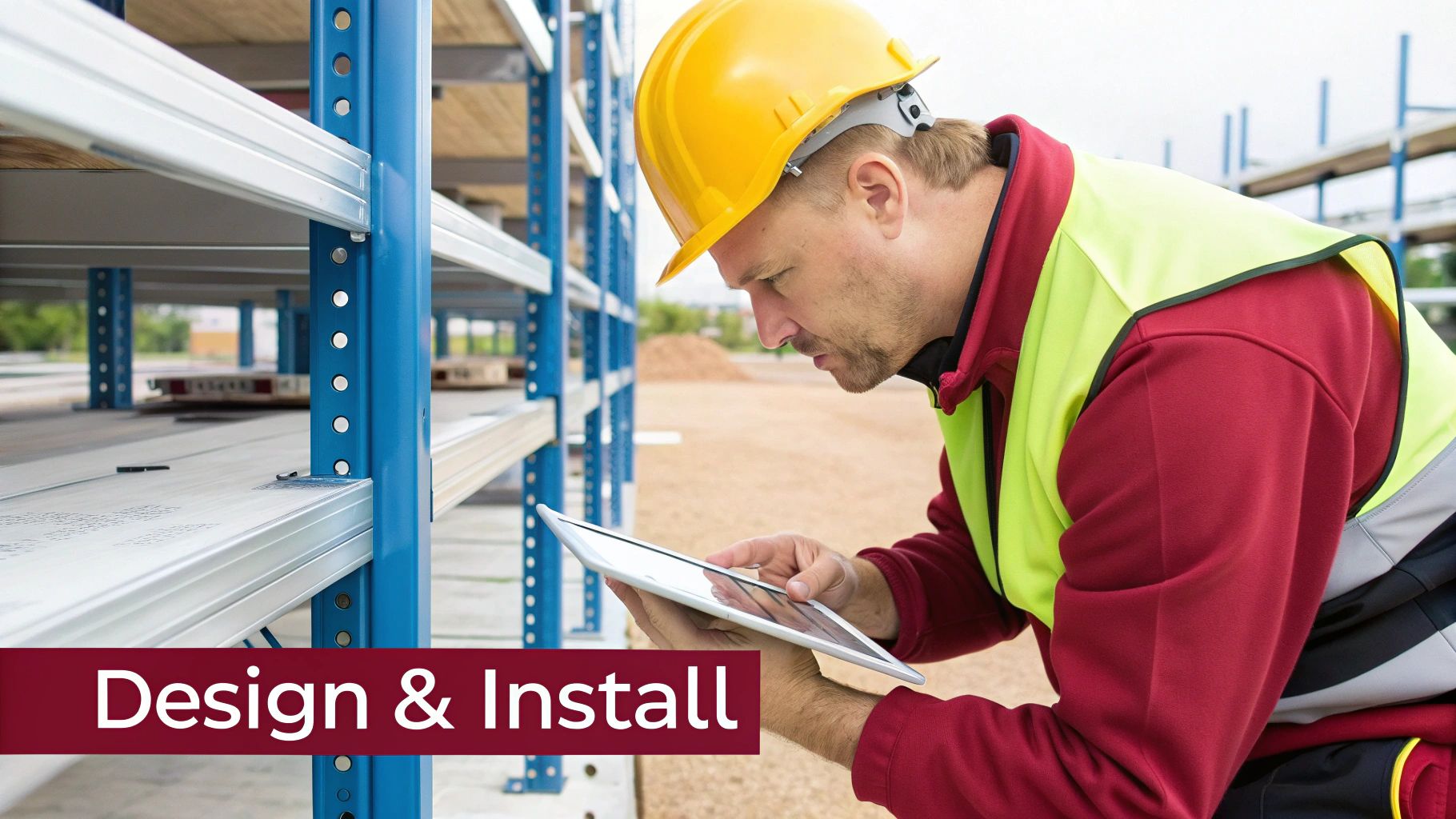
The first critical step is a professional layout service. This is where your space measurements and operational needs are translated into detailed CAD drawings. These blueprints are invaluable, letting you visualize everything from forklift traffic patterns to actual storage capacity before a single beam ships. It is your last chance to catch potential bottlenecks on paper instead of dealing with them on the concrete floor.
From Layouts to Permitting
Once you sign off on the design, the project moves into the permitting stage—a step that trips up many projects. In most municipalities, you cannot just install or significantly alter pallet racking without the proper permits. It is all about ensuring the system complies with local building, fire, and seismic codes.
A seasoned supplier will handle this entire process for you. They will submit the necessary engineered drawings and paperwork to the right authorities, preventing the bureaucratic delays that can kill a project timeline. Having a partner who manages this in-house is a massive advantage.
The push for professionally installed, compliant racking is not slowing down. With e-commerce demanding faster fulfillment, the warehouse racking market is set to grow by USD 2.3 billion between 2025 and 2029. This growth is pushing safety regulations forward, especially in areas that require seismic-rated structural racks. You can learn more about how consumer habits are driving this market evolution.
Here’s the bottom line: Find a supplier who manages the whole journey, from the first sketch to the final inspection. It takes a huge weight off your shoulders and guarantees the final system is safe, compliant, and ready to go from day one. That end-to-end service is what separates the pros from the rest.
Professional Installation and Final Sign-Off
With permits secured, it is time for the installation crew to get to work. A professional team is non-negotiable. They work safely and efficiently, following the approved plans to the letter. They know how to handle proper anchoring, precise beam placement, and load placarding—details crucial for safety and compliance. After the build is complete, a final inspection by a local building official might be required to give the official sign-off.
This is why you want a supplier who offers comprehensive support. By managing everything from the initial concept to the final handshake with the inspector, they deliver a true turnkey solution. It frees you up to focus on running your business. Explore our professional warehouse design and layout services to see how we handle this entire process.
If you are ready for a seamless installation process, Request a Quote or call us at 800-326-4403 for a free consultation.
Let’s Build Your Perfect Storage Solution
You have just walked through the key steps to finding the right warehouse shelving, from assessing your needs to planning a smooth installation. A successful project boils down to two things: making smart, informed choices and finding a partner who understands your operational goals.
At Material Handling USA, we do more than just sell high-quality products. We bring expert design services, offer some of the industry’s fastest shipping, and provide competitive pricing. Our goal is to become an extension of your team, delivering a system that makes your warehouse more efficient from day one.
Making the right call now saves you from the headache of costly redesigns and operational jams down the road. By planning your project sooner rather than later, you can secure faster installation times and avoid potential delays caused by increasing industry demand. When you work with our experienced team, you are not just buying racks; you are investing in a streamlined process and a storage solution built to perform for years.
Ready to optimize your storage and improve your operations? Our team is here to make it happen.
To get started with a free, no-obligation layout design and a detailed estimate, request a quote or call our specialists at 800-326-4403 to discuss your project today.
Got Questions About Warehouse Shelving? We’ve Got Answers.
When you’re searching for a “warehouse shelving supplier near me,” you are bound to have a few questions. Getting straight answers is the first step to making a smart, confident decision for your facility. Let’s tackle some of the most common ones we hear.
How Do I Figure Out the Load Capacity I Need?
This comes down to the maximum weight you plan to put on a single shelf or pallet position. Calculate the weight of your heaviest typical load and then add a reasonable safety margin. Bringing this number to your supplier is non-negotiable. It is what they will use to engineer a system with the right beam, frame, and decking specs to keep your team and products safe. Our design experts will walk you through this calculation during your free consultation to ensure you get a system that is both safe and cost-effective.
What is the Real Difference Between Roll Formed and Structural Steel Racking?
Think of it like this:
- Roll-formed racking is made from coiled steel that is shaped into its final form, often using a boltless, clip-in connection. It is the more affordable, easier-to-install option you will see in most standard warehouses and e-commerce fulfillment centers.
- Structural steel racking is built from heavy, hot-rolled steel channels that are bolted together. This gives it far superior durability and impact resistance, making it the go-to choice for heavy-duty applications, freezer environments, or in areas with high seismic activity.
We can quickly help you figure out which type makes the most sense for your operation.
Do I Really Need a Permit to Install New Warehouse Shelving?
In most places, yes. Installing or making significant changes to your warehouse pallet racking is usually considered a structural modification. This means you will likely need a permit from your local municipality to move forward.
The permitting process is not just paperwork; it typically involves submitting engineered drawings that prove your system complies with local building, fire, and seismic codes. Partnering with a supplier who handles permitting support can save you a massive headache by ensuring all your documentation is correct from the start.
At Material Handling USA, we have the experience to answer all your questions and make sure your project is seamless from start to finish.
Contact Us today or give us a call at 800-326-4403 for your free, no-obligation quote and layout design.