
Cold storage space costs 2-3x more per square foot than ambient warehousing. Every cubic foot matters. The right racking system can increase your usable storage capacity by 40-75% in the same freezer footprint — and that directly impacts your cost per pallet position.
Cold Storage Racking Challenges
Temperature-controlled warehouses present unique engineering and operational challenges that standard racking suppliers often overlook:
- Extreme temperatures: Freezer environments (-20°F or colder) affect steel properties, hardware, and worker efficiency. Every minute a forklift spends in the freezer costs money.
- Cubic footage is king: You’re paying a premium for every square foot of refrigerated space. High-density storage systems that maximize vertical and depth utilization are essential.
- Condensation and corrosion: Temperature transitions between zones cause condensation that accelerates corrosion on standard finishes.
- FIFO compliance: Perishable goods require strict first-in, first-out inventory rotation. Your racking system needs to support FIFO without slowing throughput.
- Limited labor time: Workers in freezer environments have restricted shift times. Faster put-away and retrieval means lower labor costs per pallet.
Storage Solutions for Cold & Frozen Environments

Drive-In & Drive-Through Rack
The highest-density pallet storage system for cold environments. Drive-in rack eliminates aisles between rows, allowing 5-10 pallets deep per lane. Ideal for freezer warehouses storing large quantities of the same SKU.
- Up to 75% more storage density than selective rack
- Reduces refrigeration costs by shrinking the required footprint
- Structural steel construction rated for freezer temperatures
- Drive-through configuration available for FIFO operations
Push-Back Rack Systems
Push-back rack stores 2-6 pallets deep on inclined cart systems. Pallets are loaded from the aisle — when one is removed, the next rolls forward automatically. Faster cycle times than drive-in with similar density.
- 2-6 pallets deep per lane
- Single-aisle loading and unloading — no driving into the rack
- Gravity-fed: pallets roll forward automatically when the front pallet is removed
- Excellent for multi-SKU cold storage with medium-depth lanes
Pallet Flow (Gravity Flow) Rack
The gold standard for FIFO compliance in cold storage. Pallets are loaded at the back and flow forward on roller conveyors to the pick face. Guarantees product rotation — essential for perishable inventory.
- True FIFO inventory rotation built into the system
- Automatic lane replenishment — no forklift needed to advance pallets
- Speed controllers and brakes maintain safe pallet movement
- Common in food, beverage, and pharmaceutical cold chain
Wire Shelving (Metro)
For cooler rooms, walk-in freezers, and case-pick areas, NSF-rated wire shelving provides ventilated storage that meets health code requirements. Chrome, stainless, and epoxy-coated finishes resist corrosion in cold, wet environments.
- NSF Listed for food service and cold storage applications
- Open wire design allows airflow and sprinkler penetration
- Epoxy-coated and stainless steel options for maximum corrosion resistance
- Adjustable shelf heights in 1″ increments
Common Applications
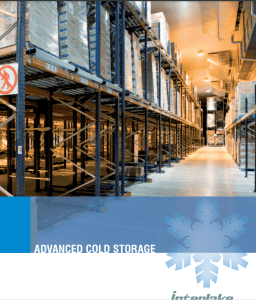
Freezer Warehouse (-20°F)
A frozen food distributor uses drive-in rack for bulk storage of uniform pallets, push-back rack for medium-rotation SKUs, and selective rack for high-pick items near the dock — maximizing density while keeping cycle times low.
Multi-Temperature Distribution Center
A food distributor running ambient, cooler (34-38°F), and freezer (-10°F) zones uses different rack configurations in each area — selective rack in ambient for variety, drive-in rack in the freezer for density, and pallet flow in the cooler for FIFO rotation.
Cold Storage 3PL
A temperature-controlled 3PL uses security cages within the cooler to segregate client inventory, drive-in rack for bulk blast-freeze storage, and wire shelving in case-pick areas for small-lot fulfillment.
Why Choose Material Handling USA for Cold Storage & Temperature-Controlled Warehousing
Optimizing Efficiency in Temperature-Controlled Environments
Maximizing vertical space is a primary objective when managing cold storage facilities because of the high operational costs associated with refrigeration. High density racking systems, such as drive-in or pallet flow configurations, can be configured to reduce the number of aisles required for forklift access. By minimizing open floor space, facilities typically experience improved thermal efficiency as the dense product mass helps maintain consistent temperatures. These solutions are often tailored to accommodate specific pallet sizes and weight requirements while ensuring that airflow remains sufficient for uniform cooling throughout the structure.
Selecting the appropriate materials for racking components is essential in sub-zero environments where standard steel can become brittle. Specialized finishes, including hot-dipped galvanized coatings, are frequently utilized to prevent corrosion caused by condensation and moisture buildup. Structural steel options may include reinforced uprights and heavy-duty base plates to withstand the physical demands of high-volume operations. Facility managers should consider how temperature fluctuations during loading and unloading cycles might impact the structural integrity of the storage system over time, necessitating a focus on robust engineering and high-quality manufacturing standards.
Operational throughput is another critical factor when designing a temperature-controlled warehouse layout. Systems like push-back racking or radio shuttle technology can be implemented to facilitate faster retrieval times while maintaining high storage density. These automated or semi-automated options may include features that reduce the time personnel spend inside the freezer, which can improve safety and labor productivity. When planning a new installation or a retrofit, it is important to evaluate the balance between storage capacity and the speed of inventory rotation to ensure the facility meets its logistical goals without compromising energy efficiency.
- High-density storage configurations to maximize refrigerated cubic footage.
- Corrosion-resistant finishes designed for high-moisture environments.
- Compatibility with various pallet types and specialized handling equipment.
- Scalable designs that can be configured for future facility expansion.
- Structural components engineered to maintain integrity in extreme cold.
- Integration of automated systems to reduce manual labor in low temperatures.
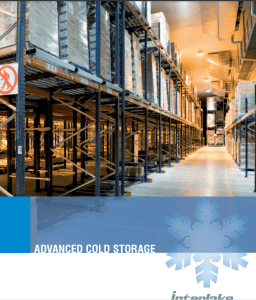
- Cold storage expertise: We’ve supplied racking systems for freezer warehouses, cold chain distribution centers, and temperature-controlled 3PLs across the US.
- Density-first design: Our team understands that cold storage = premium real estate. We design for maximum cubic footage utilization.
- Corrosion-resistant options: Galvanized, powder-coated, and stainless steel products available for the harshest environments.
- Free layout design: Send us your cooler/freezer dimensions and we’ll configure the optimal rack layout to maximize your positions.
- Fast delivery: Standard rack components ship in 5-10 business days.
Frequently Asked Questions
What’s the best pallet rack system for a freezer warehouse?
For maximum density in a freezer, drive-in rack is the most common choice — it eliminates aisles and stores 5-10 pallets deep. If you need FIFO rotation for perishable goods, pallet flow rack is the better option. Many facilities use a combination: drive-in for bulk storage and pallet flow for high-rotation items.
Does cold temperature affect pallet rack structural integrity?
Standard carbon steel pallet rack performs well in cold storage environments down to -20°F. At extremely low temperatures, steel can become more brittle, so proper impact protection (column guards, bollards) is especially important. We can recommend appropriate protection for your temperature range.
How do you prevent corrosion on racking in cold storage?
The main corrosion risk comes from condensation during temperature transitions — loading docks, doorways between zones, and ceiling areas. Galvanized and powder-coated finishes provide good protection. For wet environments or washdown areas, stainless steel or epoxy-coated wire shelving is recommended.
Get a Free Warehouse Storage Consultation
Our storage specialists will help you design the right solution for your facility. Free layout design, competitive pricing, and expert installation.
Request a Free Quote → | Call (800) 326-4403
Related Resources
Ready to Get Started?
Explore our products or talk to a specialist about your project.
Take the first step toward better cold storage
Ready to maximize capacity in your temperature-controlled facility? Talk with our team to compare racking systems rated for cold environments and plan your project.
Ready to Get Started?
Material Handling USA can help you find the right products for your facility. Get a free quote and expert guidance.
Or call 1-800-326-4403