Home | Mezzanines | Define Mezzanine: A Three-Story Structure
Define Mezzanine: A Three-Story Structure
Ready to define mezzanine structures and transform unused vertical space into a game-changing three-story solution?
What is a Mezzanine?
Let'd Define a 3-Story Mezzanine
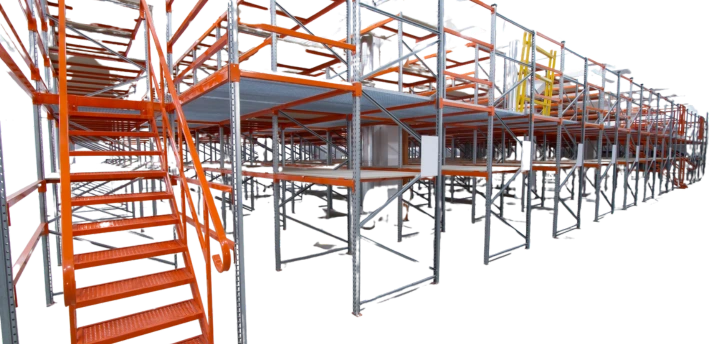
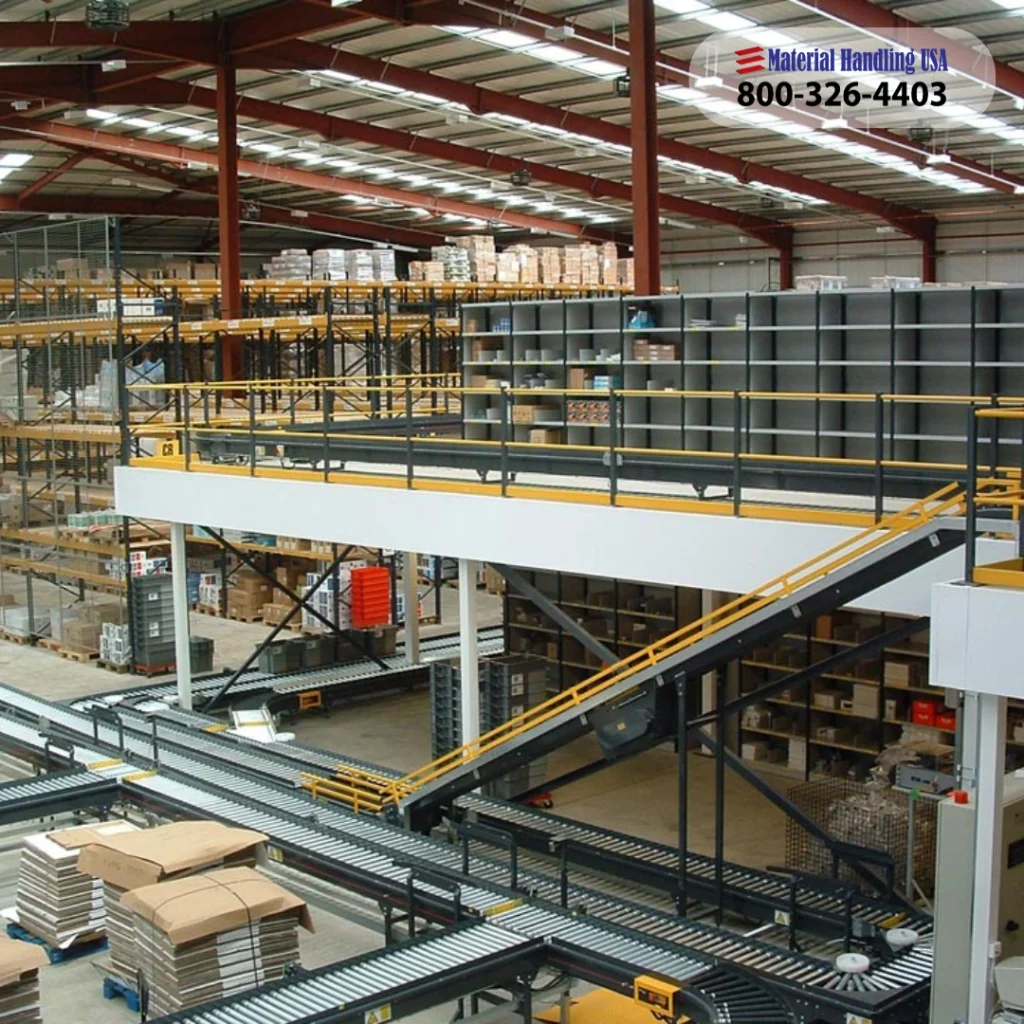
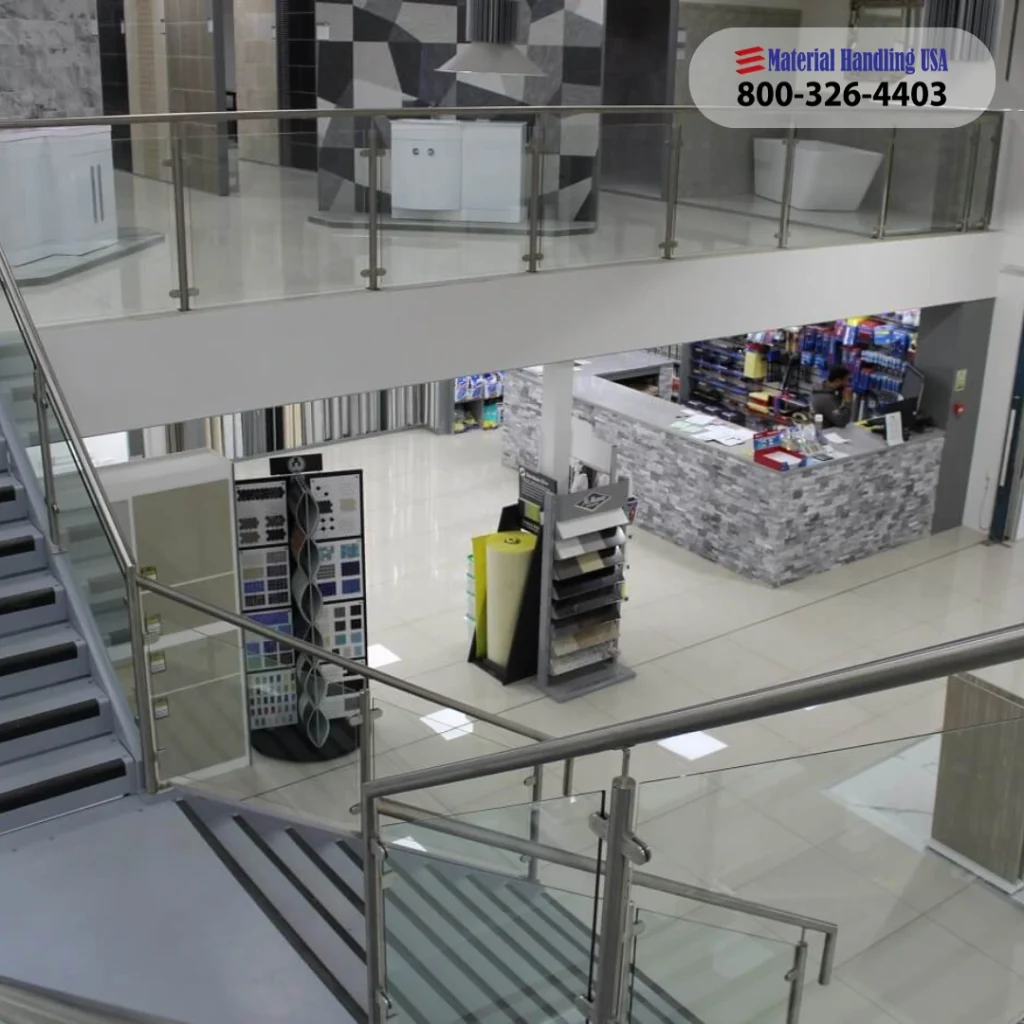
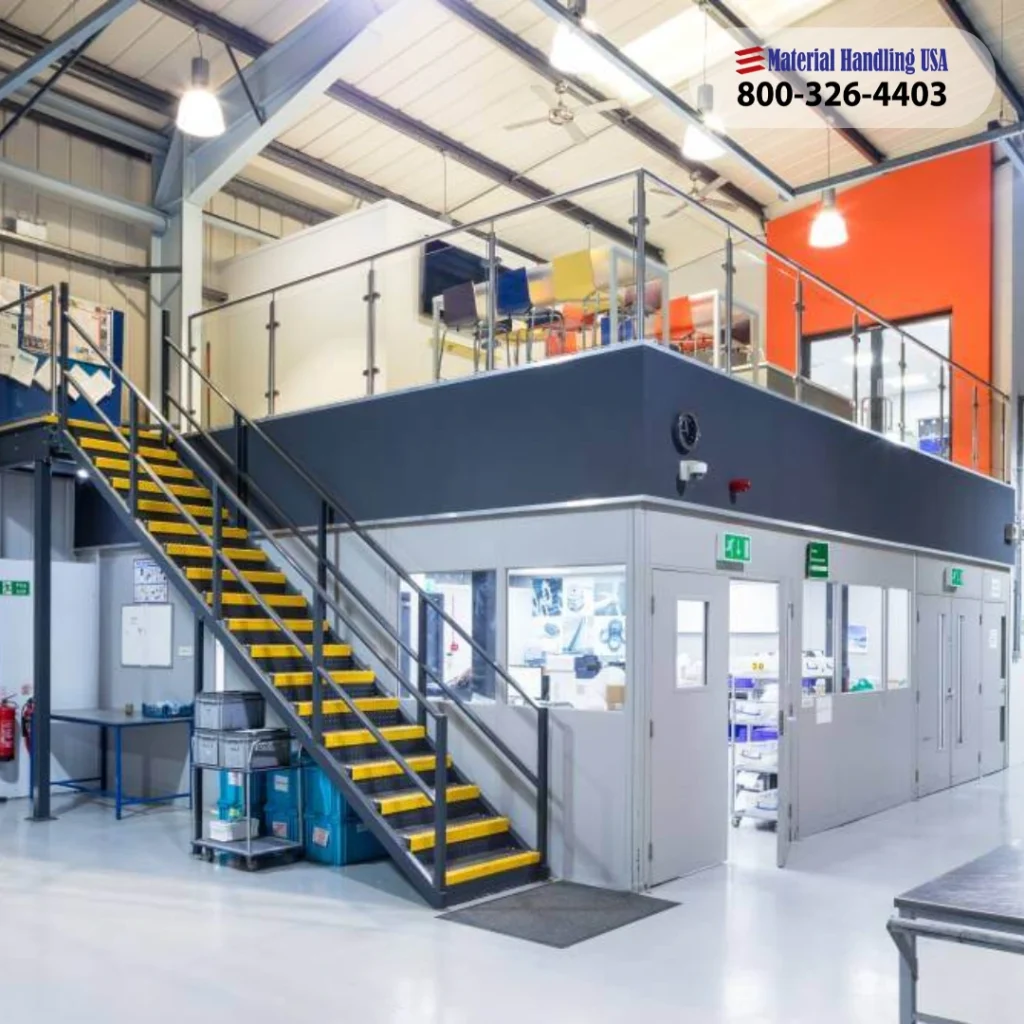
A mezzanine is an intermediate floor built between the main floors of a building. It is a cost-effective way to utilize unused vertical space without extending the footprint of your facility. Commonly used in warehouses, offices, and retail spaces, mezzanines are versatile and customizable, making them a practical solution for storage and workspace needs.
Why Choose a Three-Story Mezzanine?
A three-story mezzanine offers the ultimate in vertical space optimization. Instead of expanding outward, businesses can maximize headroom to create multiple levels of functional space. This approach reduces costs associated with construction and makes efficient use of high ceilings often found in industrial buildings.
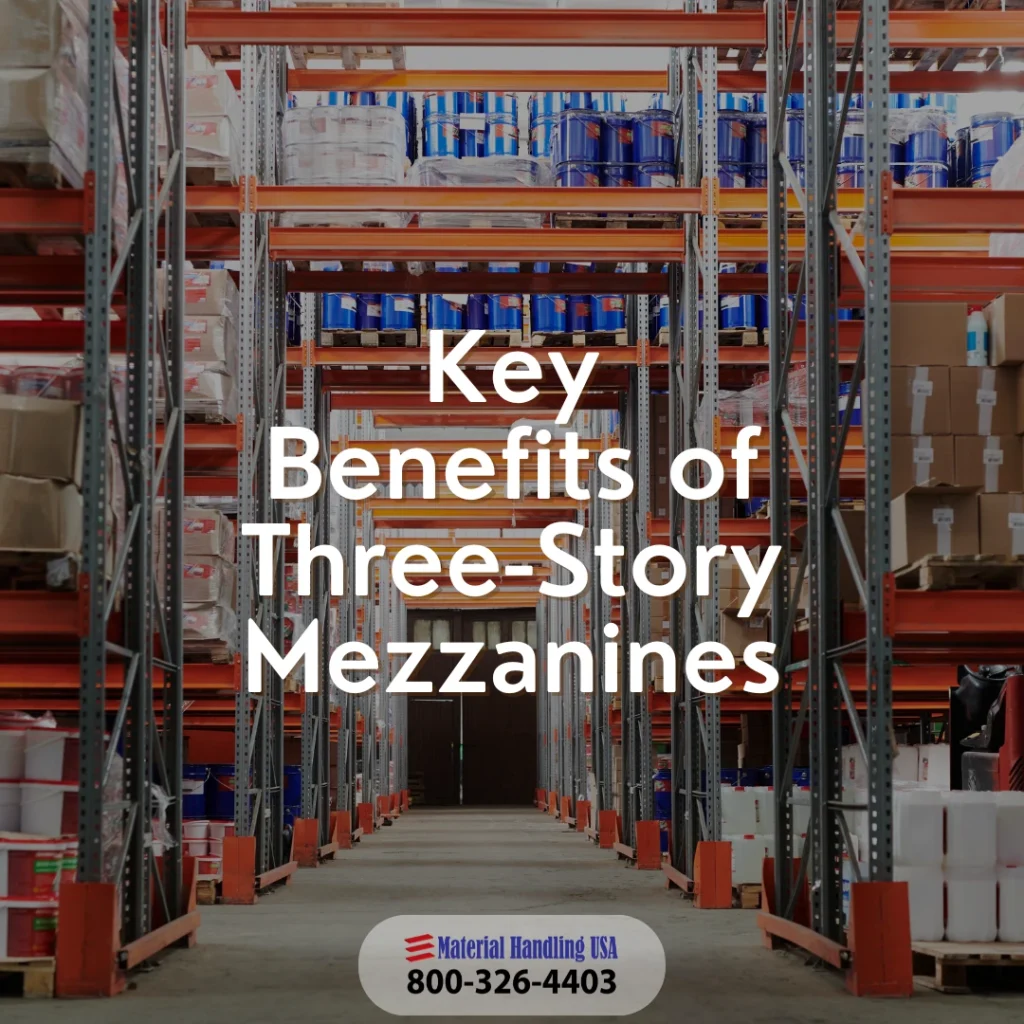
Key Benefits of Three-Story Mezzanines
Increased Storage Capacity: Add up to three times the storage without expanding the building.
Improved Workflow: Separate operations like storage, assembly, and offices across levels.
Cost-Effective Solution: Avoid expensive renovations or relocations.
Customizable Features: Tailor designs to meet specific operational needs.
Increased Storage Capacity
With a three-story mezzanine, you can triple your available storage space without changing the building’s footprint. This is ideal for facilities with high ceilings, where vertical space often goes unused. By building up instead of out, you save on the costs of land acquisition or new construction while accommodating more inventory, tools, or equipment within your existing space.
Improved Workflow
Organizing operations across three levels boosts productivity and efficiency. For example, storage can occupy the top floor, assembly lines the second, and offices the ground level. This separation reduces congestion, streamlines material handling, and ensures employees have designated areas for specific tasks, fostering a more organized workflow.
Cost-Effective Solution
Expanding your facility can be prohibitively expensive, requiring significant investment in land, permits, and construction. A mezzanine provides a cost-effective alternative by leveraging vertical space, significantly reducing costs. Additionally, modular designs allow for scalability, so you can add levels or adjust layouts as your needs evolve.
Customizable Features
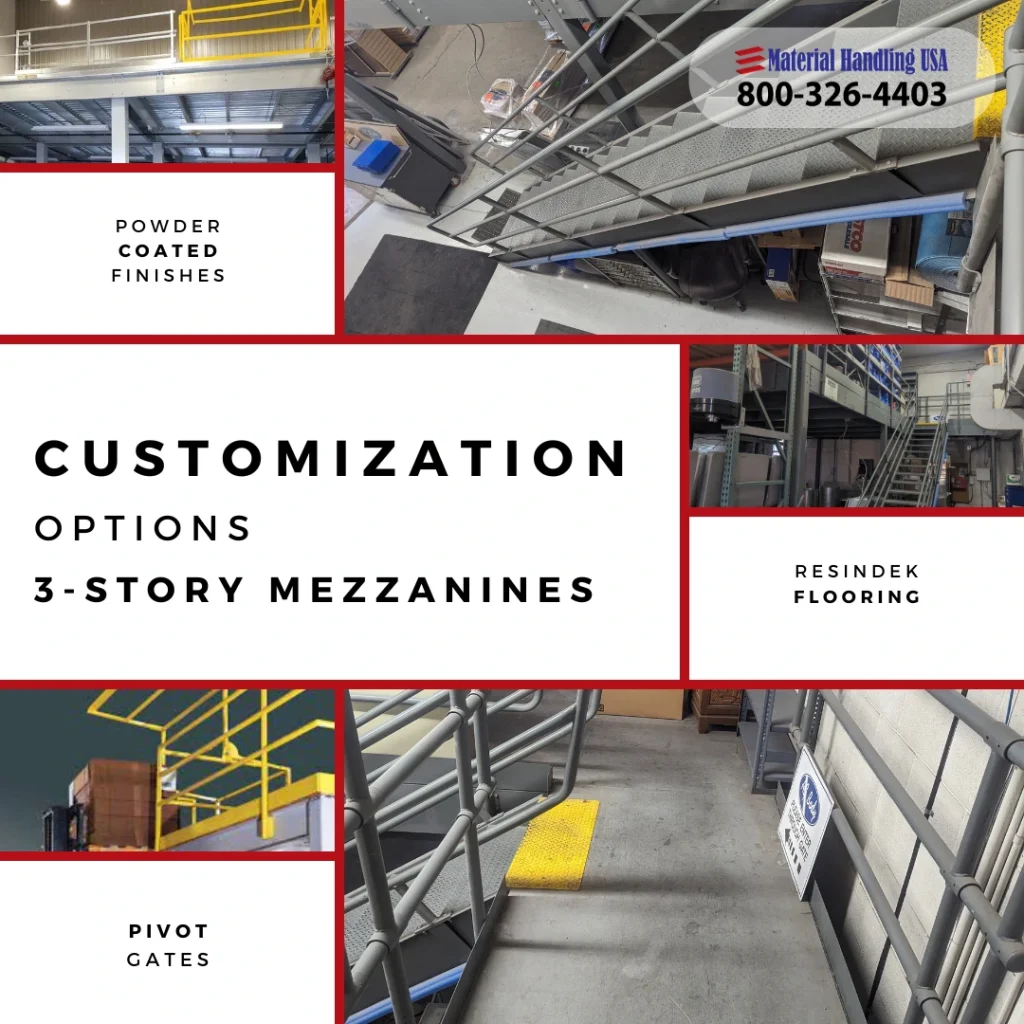
Every mezzanine can be tailored to meet your specific requirements. Options like powder-coated finishes enhance durability and aesthetics, while ResinDek flooring ensures strong, slip-resistant surfaces. Safety features such as pivot gates and handrails can be added for seamless material handling and employee protection. Customization ensures your mezzanine integrates perfectly into your operations.
Speak to a Storage Specialist
Have questions about optimizing your space? Our storage experts are here to help.
Let’s design the perfect mezzanine for your space.
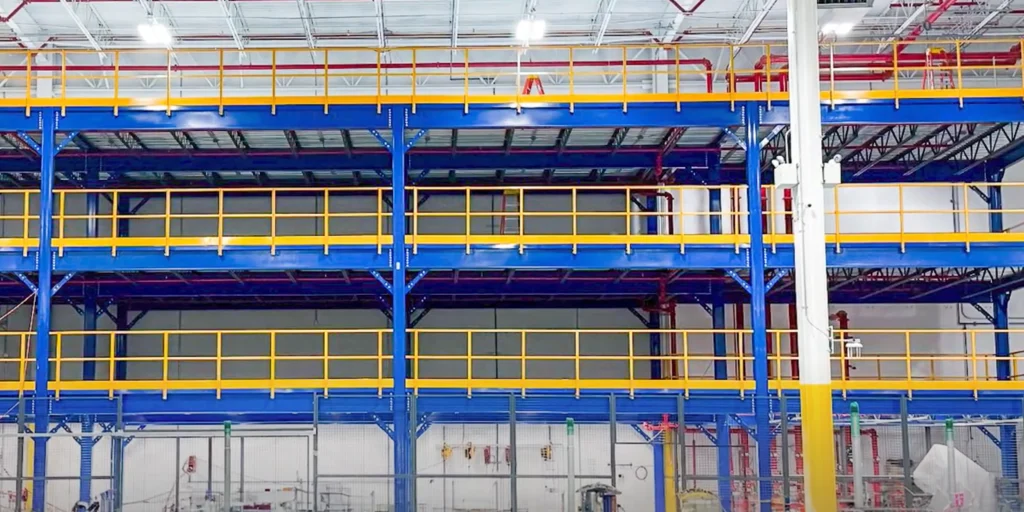
For facilities with high ceilings and fully occupied floor space, three-story mezzanines offer a transformative storage solution. Unlike single-level options, three-story designs make the most of vertical headroom by adding not one but three levels of usable space. For instance, a recent project involved two custom-built three-story mezzanines—one measuring 28×60 feet and the other 32×70 feet. These structures provided ample storage capacity without requiring any building expansion.
Each level of the mezzanine was outfitted with ResinDek flooring, ensuring a durable and slip-resistant surface suitable for heavy-duty use. Multiple six-foot pivot gates allowed forklifts to easily access all levels, streamlining material handling processes. Safety features like powder-coated handrails and reinforced frames enhanced the structure’s functionality and security, making it a comprehensive solution for facilities struggling with storage constraints.
By growing vertically, businesses can accommodate inventory, equipment, and operations efficiently, turning underutilized vertical space into a key asset.
Design Considerations for Three-Story Mezzanines
When designing a mezzanine, several key factors must be considered to ensure functionality and safety. For instance, load capacity plays a vital role in determining the structural requirements. Moreover, material handling is significantly enhanced by features like pivot gates on all levels, which allow for seamless and efficient material transfer. Additionally, handrails and powder-coated finishes not only improve safety but also enhance durability, making the structure long-lasting. Furthermore, ResinDek flooring ensures functionality on every level by providing a slip-resistant and sturdy surface suitable for various operations.
Key Design Elements
Dimensions
Tailor dimensions to fit facility layouts, such as 28×60 or 32×70 feet.
Access Points
Incorporate stairs, lifts, or pivot gates for efficient movement.
Three-story mezzanines are used in various industries:
Warehousing and Logistics
Maximize inventory storage and streamline operations with multi-level shelving.
Manufacturing Facilities
Separate production, assembly, and storage areas to improve efficiency.
Retail Spaces
Create additional sales floors or backroom storage areas.
Offices and Workspaces
Add more workstations or break rooms without expanding the building.
How to Choose the Right Mezzanine
When selecting a mezzanine, consider these factors:
Load Requirements
Determine the weight each level will hold.
Space Needs
Assess the area available and the vertical clearance
Material Options
Choose materials based on durability and aesthetics.
Vendor Support
Work with experienced professionals to ensure quality.
Installation and Maintenance Tips
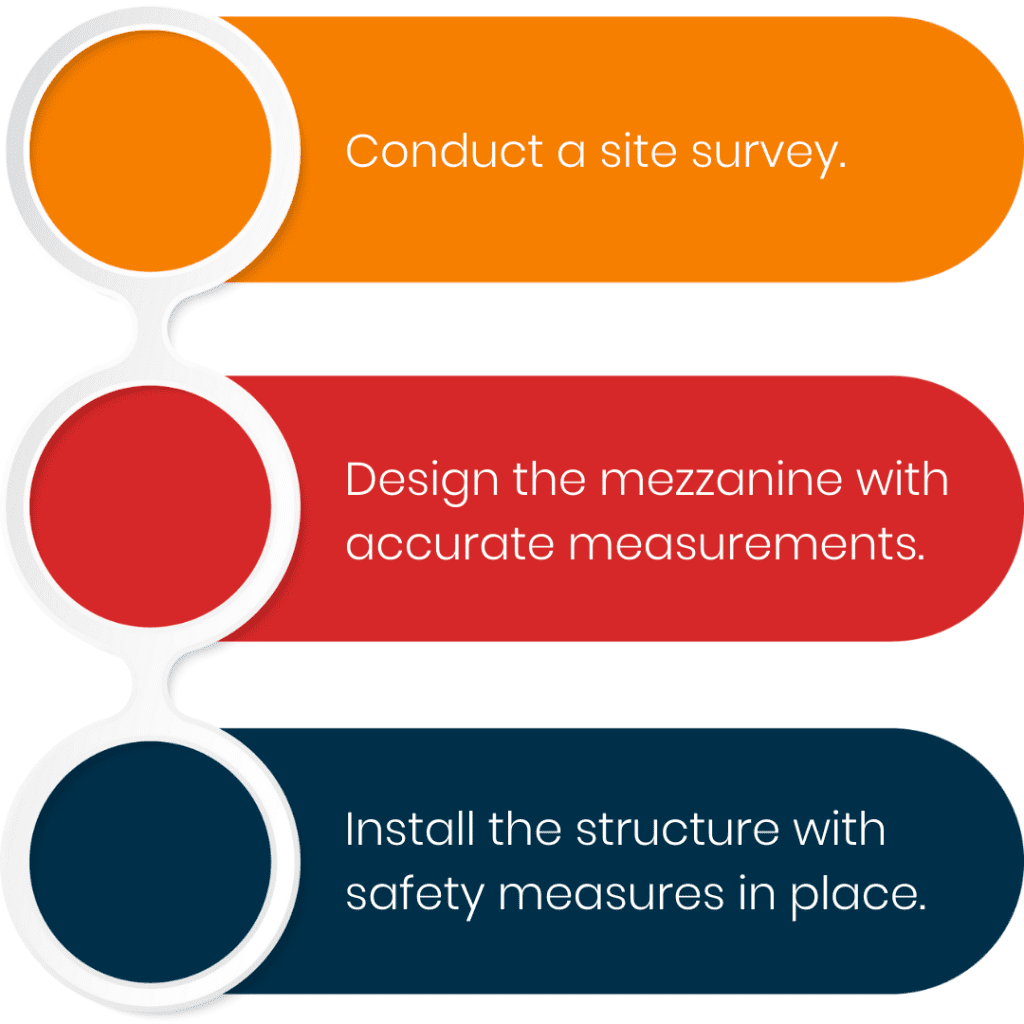
Installation Steps
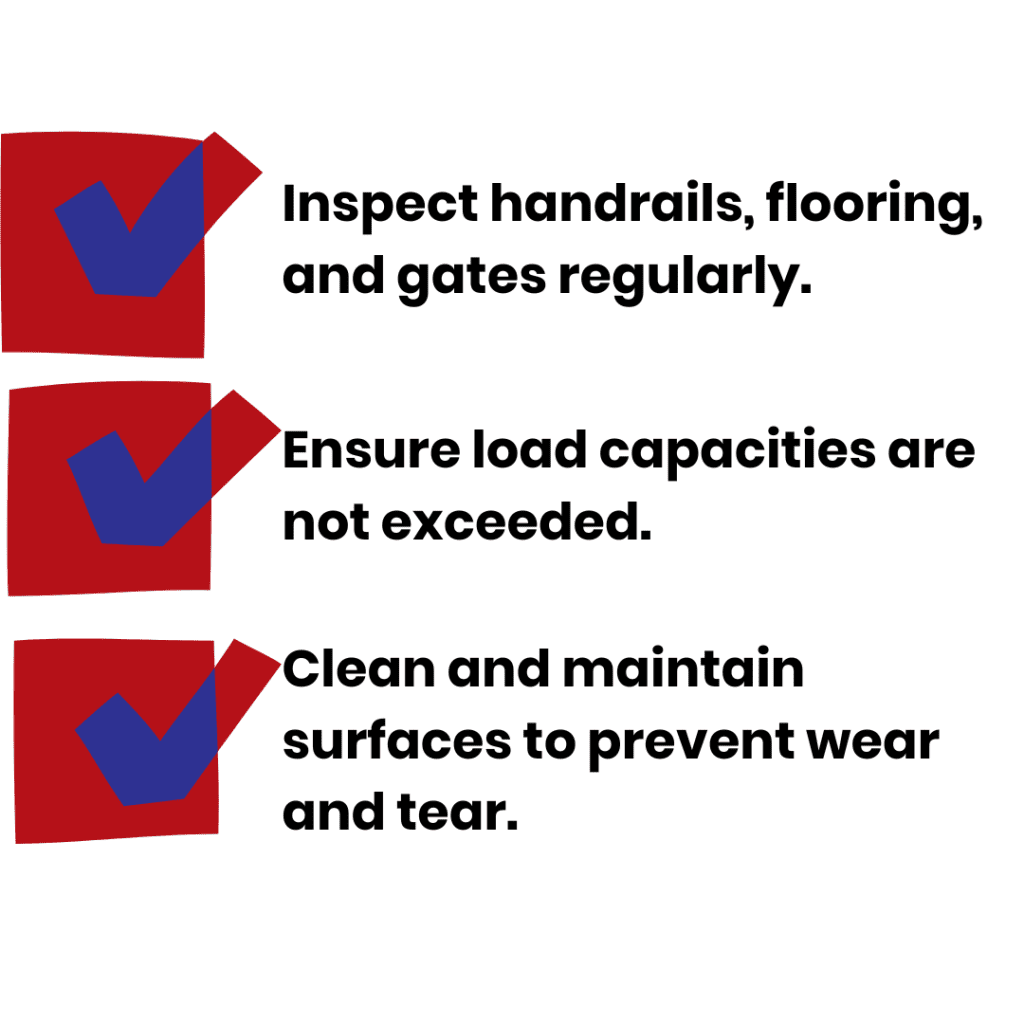
Maintenance Guidelines
FAQ's
Three-story mezzanines are a game-changing solution for businesses looking to optimize their space without expanding outward. With customizable features, durability, and safety, they cater to a wide range of industries and needs. Ready to enhance your facility’s efficiency? Contact us today to explore your mezzanine options.