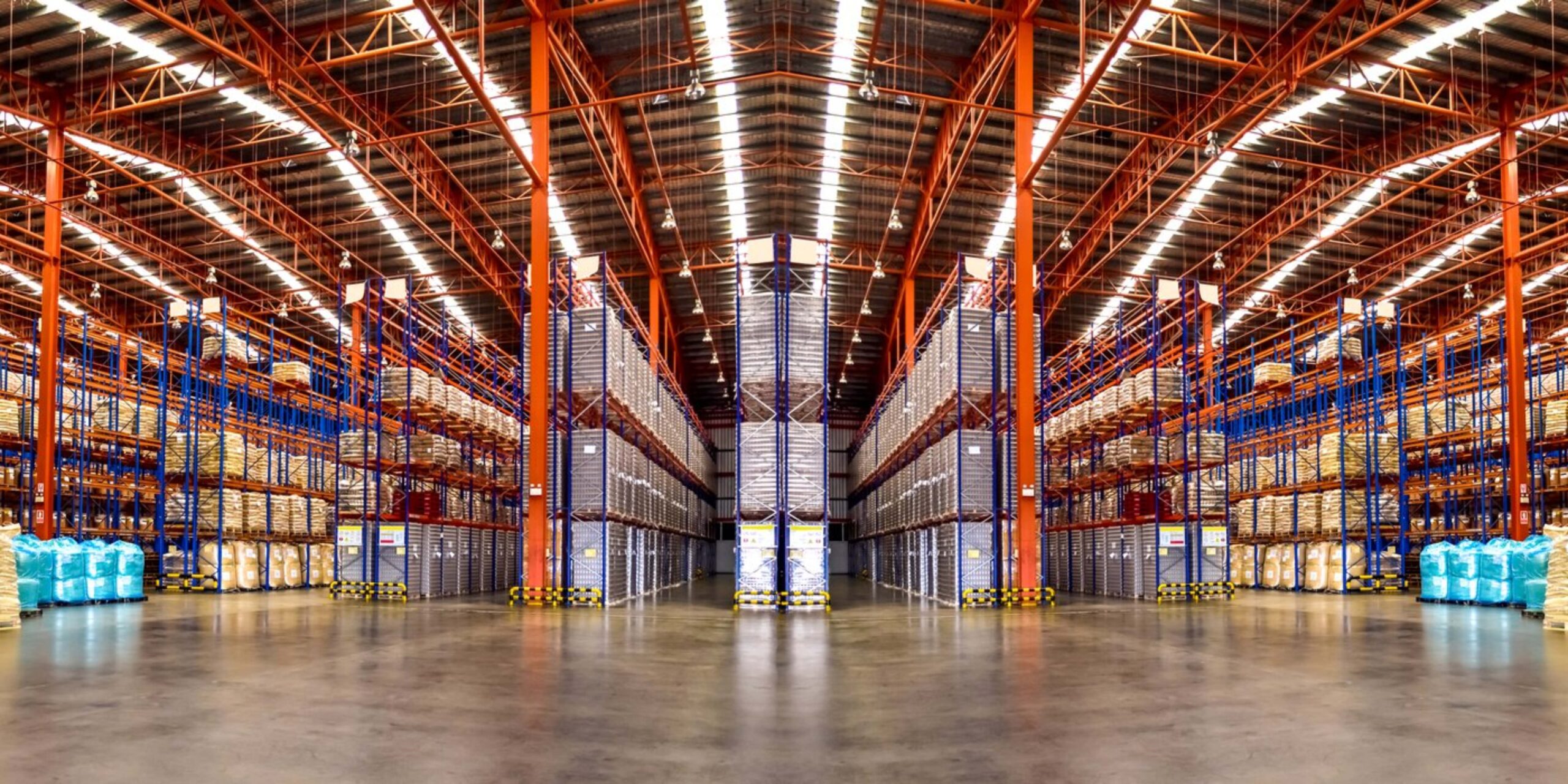
Discover how to improve warehouse designs for better efficiency and safety.
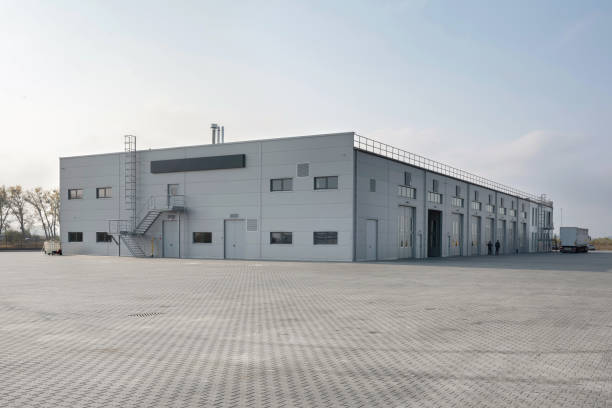
In the fast-paced world of manufacturing and logistics, the design of your warehouse can make or break your operation. A well-designed warehouse promotes efficiency, safety, and cost-effectiveness, while a poorly designed one can lead to bottlenecks, accidents, and increased operational costs. By focusing on optimizing material flow, enhancing safety, and incorporating innovative solutions, businesses can significantly improve their warehouse designs and overall performance.
Understanding the Impact of Warehouse Design
The Role of Material Flow in Warehouse Efficiency
Material flow is the backbone of warehouse operations. It refers to the movement of materials from the point of entry to their final destination within the warehouse. When material flow is optimized, operations run smoothly, costs are minimized, and products move seamlessly through the production process. Conversely, poor material flow can lead to downtime, higher labor costs, product damage, and reduced productivity.
Safety Risks in Poorly Designed Warehouses
A poorly designed warehouse not only hampers efficiency but also poses significant safety risks. Crowded aisles, inefficient workflows, and poorly organized storage can lead to accidents, injuries, and even fatalities. Ensuring that your warehouse design prioritizes safety is essential for protecting your employees and maintaining compliance with safety regulations.
The first step in improving warehouse design is to assess your current material flow. Identify bottlenecks, inefficiencies, and areas where materials are not moving as smoothly as they should. Once these areas are identified, consider implementing solutions such as reorganizing storage layouts, improving aisle spacing, and using automation to streamline processes.
Incorporate Safety into Design
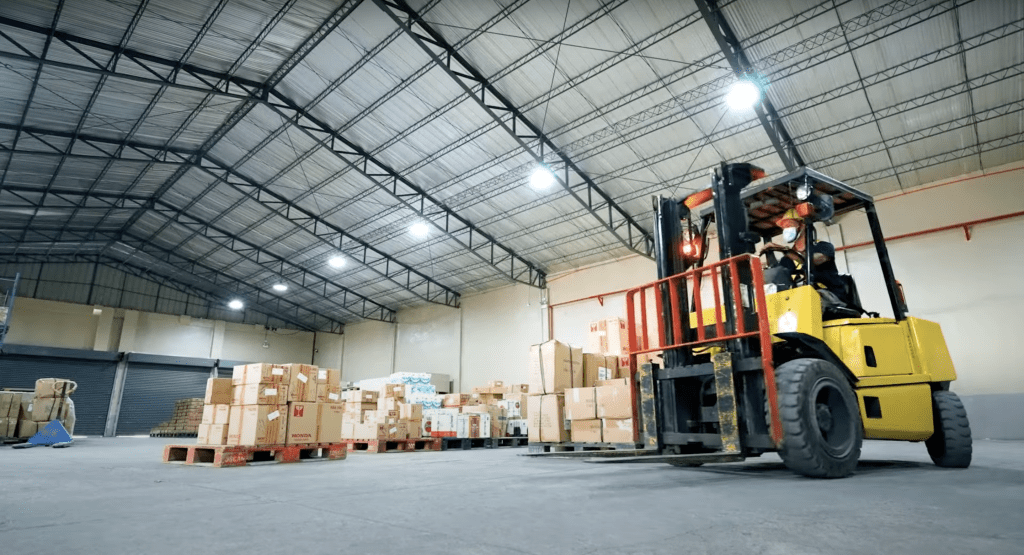
Safety should be at the forefront of any warehouse design improvement plan. This includes ensuring that aisles are wide enough for forklifts to navigate safely, installing proper signage, and using safety barriers where necessary. Additionally, consider implementing ergonomic designs to reduce strain and overexertion injuries among workers.
Leverage Innovative Technologies
Incorporating advanced technologies can significantly enhance warehouse design. From automated guided vehicles (AGVs) to smart shelving systems, technology can improve material flow, reduce errors, and increase overall efficiency. Investing in these innovations can lead to long-term cost savings and a more productive warehouse environment.
How It Works
Experience the streamlined process of Material Handling USA’s Warehouse Solutions, guiding you from consultation to implementation with personalized solutions and ongoing support.
Why Choose Us?
Over 30 Years Of Experience
We design and install the right storage solutions for your specific needs
Custom Options
We offer a range of customizable options to meet your unique needs
Customer Satisfaction
We are committed to excellent service and support, ensuring satisfaction with every purchase
Competitive Pricing
We offers competitive pricing, making it easy to find a solution that fits any budget
The Importance of Customization in Warehouse Design
Tailoring Solutions to Your Specific Needs
No two warehouses are alike, which is why customization is key to effective warehouse design. Whether you need specialized storage solutions, customized racking systems, or tailored workflows, designing your warehouse to meet your specific needs ensures maximum efficiency and safety.
Industry-Specific Considerations
Different industries have unique requirements when it comes to warehouse design. For example, a warehouse handling hazardous materials will have different needs compared to a facility storing perishable goods. Understanding these industry-specific considerations is crucial for designing a warehouse that meets all regulatory requirements and operates at peak efficiency.
Case Study: Transforming a Warehouse for Improved Efficiency
The Challenge
A leading manufacturer faced significant challenges with material flow and safety in their warehouse. The facility was plagued by bottlenecks, high labor costs, and frequent accidents due to poor design.
The Solution
By partnering with Diverse Global, the manufacturer implemented a comprehensive redesign of their warehouse. This included optimizing material flow through better layout design, incorporating safety barriers, and investing in automated material handling systems. The result was a safer, more efficient warehouse that reduced downtime, lowered labor costs, and improved overall productivity.
Bring Your Vision to Life! Looking for a tailored approach to warehouse design? Reach out to us to explore our range of customized storage and material handling solutions.
The Team provided a highly professional service from start to finish.
They always available for meetings and questions, firsts, in figuring out what system would work best for our needs then by assessing how much shelving space would be required for our existing as well as future needs, and finally, by insuring the timely delivery and quality installation of the product.
Tate W. Curtis
Space Coordinator, United States Department of Agriculture
★★★★★Rated 5 out of 5
The team was very supportive. They were extremely attentive in assessing our needs in Logan. They provided several plans to show us our shelving options.
Sharon L. Hancey
First District TCE of Administrative Office of the Courts
★★★★★Rated 5 out of 5
We also appreciated, at the time of installation, the courteous and professional manner in which the installers conducted themselves.
Julie Froff
Assistant Clerck of Third District Court
★★★★★Rated 5 out of 5
You guys are great! Thanks so much for working so hard to get us into our new space.
Efficient warehouse design includes optimized material flow, adequate aisle spacing, proper storage solutions, and the integration of technology to streamline operations.
Technology such as automated guided vehicles (AGVs), smart shelving systems, and warehouse management software can enhance material flow, reduce errors, and increase efficiency.
Yes, warehouse design should be tailored to meet the specific needs of your industry, whether it involves hazardous materials, perishable goods, or large-scale manufacturing.