Discover effective strategies to improve warehouse safety and productivity!
Warehouse safety and productivity are crucial for any business that handles large volumes of goods. Poorly managed workflows and outdated safety practices can lead to accidents, downtime, and decreased productivity. However, by addressing these inefficiencies and embracing innovative solutions, businesses can significantly improve both safety and operational efficiency. Whether through advanced material handling equipment or optimizing storage solutions, creating a safer, more efficient warehouse environment is key to long-term success.
The Impact of Poor Material Flow on Safety and Productivity
Downtime and Increased Labor Costs
When materials don’t flow smoothly through the production process, the result is often downtime, delays, and bottlenecks. Workers may spend more time managing materials than performing value-added activities, and you may find yourself needing more labor to handle the same volume of materials. These inefficiencies lead to increased labor costs, slower production, and missed deadlines.
Product Damage and Waste
Inefficient material flow can also lead to product damage and waste, particularly when packaging is poorly designed, or items are improperly handled. This not only impacts your bottom line but also harms your reputation with customers. Implementing innovative packaging solutions and ergonomic material handling systems can reduce these risks, ensuring that products are delivered in top condition.
Safety Risks and Injuries
Poor material flow doesn’t just affect productivity—it also increases the risk of accidents. Forklifts moving through crowded spaces, manual lifting of heavy loads, and cluttered work environments can lead to serious injuries, including collisions and strain-related accidents. Slip, trip, and fall hazards are also more likely in disorganized spaces, further compromising employee safety.
Explore Custom Solutions Today!
Don’t wait for inefficiencies and safety hazards to slow your operations. Contact us today to discover how our innovative solutions can transform your warehouse.
Key Solutions to Improve Warehouse Safety and Productivity
Advanced Material Handling Equipment
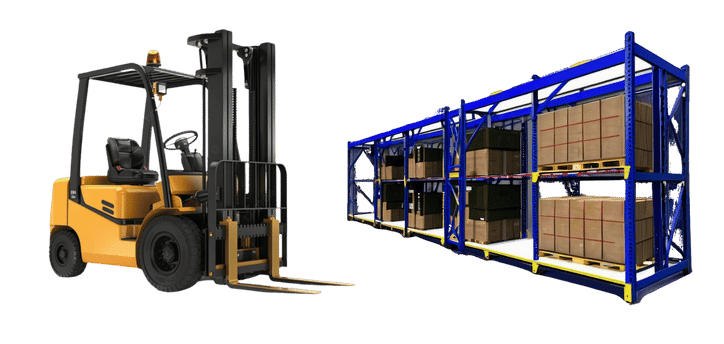
Investing in advanced material handling equipment is one of the most effective ways to optimize your warehouse. Forklifts, pallet jacks, and automated systems that streamline the movement of goods help reduce the time spent handling materials manually. These solutions not only speed up operations but also minimize the risk of injuries caused by overexertion or heavy lifting.
Ergonomic Designs for Worker Safety
Ergonomic designs, such as height-adjustable workstations and proper storage systems, improve worker comfort and reduce strain-related injuries. These designs enable workers to operate more efficiently while reducing the risk of musculoskeletal disorders, which are common in labor-intensive environments.
Organizational Solutions: Warehouse Layout and Storage
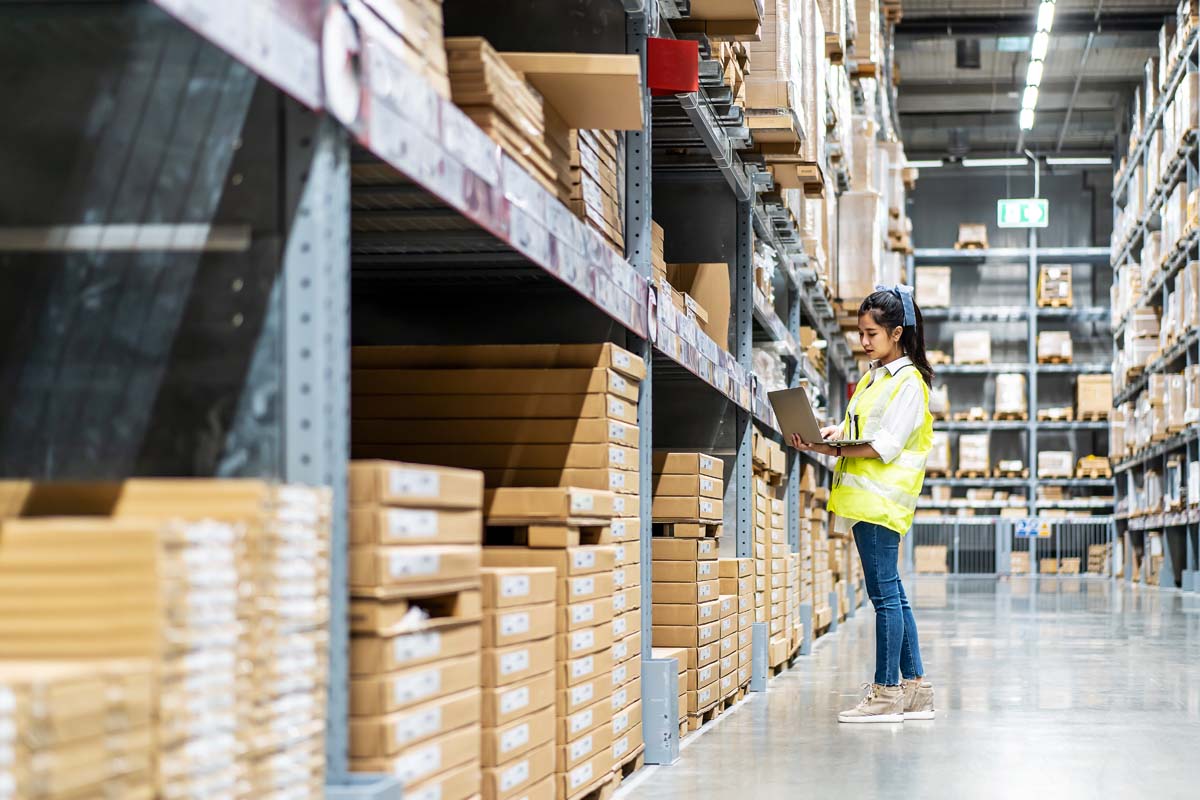
Reorganizing the layout of your warehouse to allow for smooth material flow is critical. Consider using shelving systems that maximize vertical space and improve access to items. Netting solutions and barriers are essential for keeping materials securely stored and preventing accidents, while well-planned aisle spacing ensures that equipment can move freely without obstruction.
Innovation in Material Flow and Safety
Exploring New Technologies
Innovation is essential when tackling the challenges of material flow and safety in a warehouse. New technologies such as warehouse automation, smart packaging systems, and real-time tracking can significantly enhance both safety and productivity. Automated storage and retrieval systems reduce the need for manual labor while optimizing storage capacity and accuracy.
Continuous Monitoring and Improvements
Improving warehouse safety and productivity isn’t a one-time effort. Continuous monitoring of workflow processes and safety protocols allows businesses to identify areas for improvement. Regular audits and the use of data analytics can reveal bottlenecks, inefficiencies, and safety hazards that can be addressed with targeted solutions.
How It Works
Experience the streamlined process of Material Handling USA’s Warehouse Solutions, guiding you from consultation to implementation with personalized solutions and ongoing support.
Why Choose Us?
Over 30 Years Of Experience
We design and install the right storage solutions for your specific needs
Custom Options
We offer a range of customizable options to meet your unique needs
Customer Satisfaction
We are committed to excellent service and support, ensuring satisfaction with every purchase
Competitive Pricing
We offers competitive pricing, making it easy to find a solution that fits any budget
5-Step Plan to Improve Warehouse Safety and Productivity
STEP 1
Assess Current Material Flow and Safety
Conduct a thorough review of your warehouse’s material handling processes to identify inefficiencies, safety risks, and potential bottlenecks. This assessment will provide a clear understanding of where improvements are needed.
STEP 2
Analyze Safety Data and Risks
Evaluate incident reports, near-miss data, and injury records to understand where the greatest risks lie. Use this information to inform your safety strategy and prioritize changes.
STEP 3
Engage Employees and Gather Feedback
Your workforce is on the front lines and often has valuable insights into daily challenges. Gather feedback from employees about material handling and safety concerns, and involve them in the decision-making process for new solutions.
STEP 4
Implement New Technologies and Ergonomic Designs
Research and invest in ergonomic designs, advanced material handling equipment, and innovative technologies. These tools can optimize material flow, reduce accidents, and improve the overall efficiency of your operations.
STEP 5
Continuously Monitor and Improve
Once new systems are in place, monitor their effectiveness. Continuously evaluate performance metrics and safety data to ensure that improvements are lasting and to identify further opportunities for optimization.
Bring Your Vision to Life! Get expert advice tailored to your specific needs. Schedule a free consultation to learn how you can improve both safety and productivity in your warehouse.
The Team provided a highly professional service from start to finish.
They always available for meetings and questions, firsts, in figuring out what system would work best for our needs then by assessing how much shelving space would be required for our existing as well as future needs, and finally, by insuring the timely delivery and quality installation of the product.
Tate W. Curtis
Space Coordinator, United States Department of Agriculture
★★★★★Rated 5 out of 5
The team was very supportive. They were extremely attentive in assessing our needs in Logan. They provided several plans to show us our shelving options.
Sharon L. Hancey
First District TCE of Administrative Office of the Courts
★★★★★Rated 5 out of 5
We also appreciated, at the time of installation, the courteous and professional manner in which the installers conducted themselves.
Julie Froff
Assistant Clerck of Third District Court
★★★★★Rated 5 out of 5
You guys are great! Thanks so much for working so hard to get us into our new space.
Investing in advanced material handling equipment, optimizing warehouse layout, and using ergonomic designs are effective ways to improve material flow.
Ensure that your warehouse complies with OSHA and NFPA standards for workplace safety, including proper storage of hazardous materials and ergonomic guidelines.
An efficient warehouse layout reduces the time spent moving materials, minimizes bottlenecks, and ensures that equipment can move freely without obstructions.