
Welcome to our comprehensive Lab Assessment Guide, your ultimate resource for ensuring your lab operates at peak efficiency. This guide provides essential insights into lab assessment, covering everything from safety protocols to equipment optimization. Our goal is to help you create a safe, efficient, and compliant laboratory environment.

Lab Assesment Clipboard

Why Lab Assessments Are Crucial

Lab assessments are vital for maintaining a safe and efficient workspace. Regular assessments help identify potential hazards, optimize equipment use, and ensure compliance with safety regulations. A well-assessed lab is not only safer but also more productive, reducing downtime and increasing overall efficiency.

Learn More

Download our detailed Lab Assessment Guide to get started.

Download Here

Key Benefits of Lab Assessments

Safety Compliance

Ensures all safety standards and regulations are met.

Equipment Optimization

Identifies underutilized or faulty equipment.

Hazard Identification

Detects potential risks and hazards in the lab environment.

Operational Efficiency

Enhances workflow and reduces unnecessary steps.

Cost Savings

Prevents costly accidents and equipment failures.

Get Started Today! Contact us to schedule your comprehensive lab assessment.

Why Choose Us

Over 30 Years Of Experience

We design and install the right storage solutions for your specific needs

Custom Options

We offer a range of customizable options to meet your unique needs

Customer Satisfaction

We are committed to excellent service and support, ensuring satisfaction with every purchase

Competitive Pricing

We offers competitive pricing, making it easy to find a solution that fits any budget

How It Works

Experience the streamlined process of Material Handling USA’s Warehouse Solutions, guiding you from consultation to implementation with personalized solutions and ongoing support.

MH-USA Process Flow

Steps for Conducting a Lab Assessment

Conducting a thorough lab assessment involves several key steps. Follow these steps to ensure a comprehensive evaluation of your lab’s current state.

Two Person Assessing Inside a Laboratory

1. Preliminary Survey

Start with a preliminary survey to gather basic information about your lab. This includes identifying key contacts such as the facilities manager, lab technicians, and quality assurance manager.

2. Environment Assessment

Evaluate the environment for shelving and storage. Consider factors such as:

  • Temperature Conditions: Assess if the lab operates in dry, wet, cold, or high-temperature environments.
  • Shelving Requirements: Determine the type and capacity of shelving needed.

3. Equipment Check

Inspect all lab equipment for corrosion, wear, and tear. Identify any equipment that needs replacement or maintenance.

4. Safety Inspection

Check for clutter and potential safety hazards. Ensure all safety regulations are being followed, and identify any areas that need improvement.

5. Room Layout

Examine the room’s layout, including available height, aisle width, door clearances, and the presence of windows. This helps in planning the optimal arrangement of lab equipment and furniture.

6. Final Report

Compile all findings into a detailed report. Highlight areas that need improvement and provide recommendations for enhancing lab efficiency and safety.

People Discussing Something

Optimize Your Lab Today!

Ready to enhance your lab’s safety and efficiency? Schedule your free lab assessment with our experts now and take the first step towards a more secure and productive workspace.

Common Lab Equipment and Their Assessment

Assesment of Some Lab Equipments

Shelving and Storage Solutions

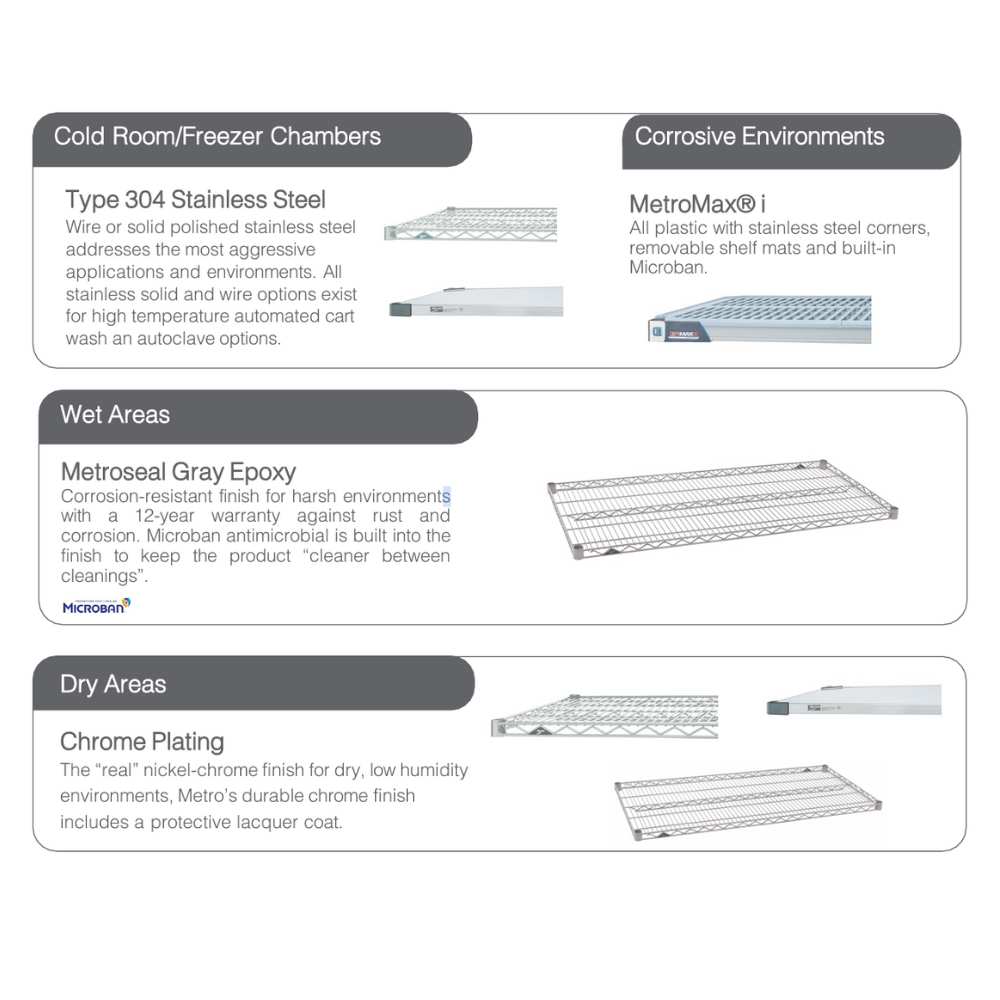
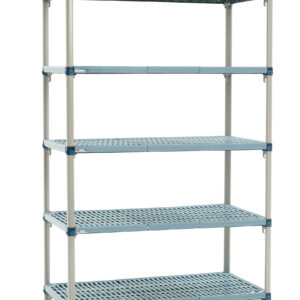
  • Dry Storage: Ideal for dry environments. Options include chrome wire, Metroseal grey, and galvanized solid shelving.
  • Wet Areas: Use Metroseal shelving for wet environments.
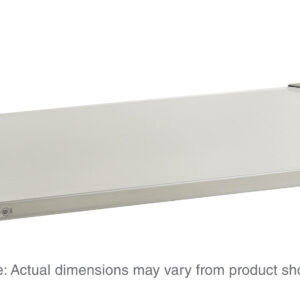
  • Cold Environments: Stainless steel wire or solid shelving is suitable for walk-in coolers and freezers.
  • Corrosive Environments: MetroMax I shelving is recommended for temperatures down to minus 20°F.
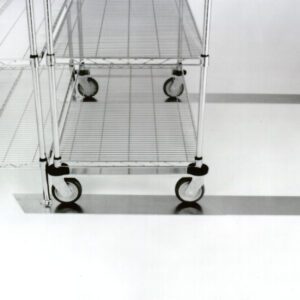
  • Autoclave Requirements: Stainless steel with high-temperature casters and appropriate accessories.

Tables and Workstations

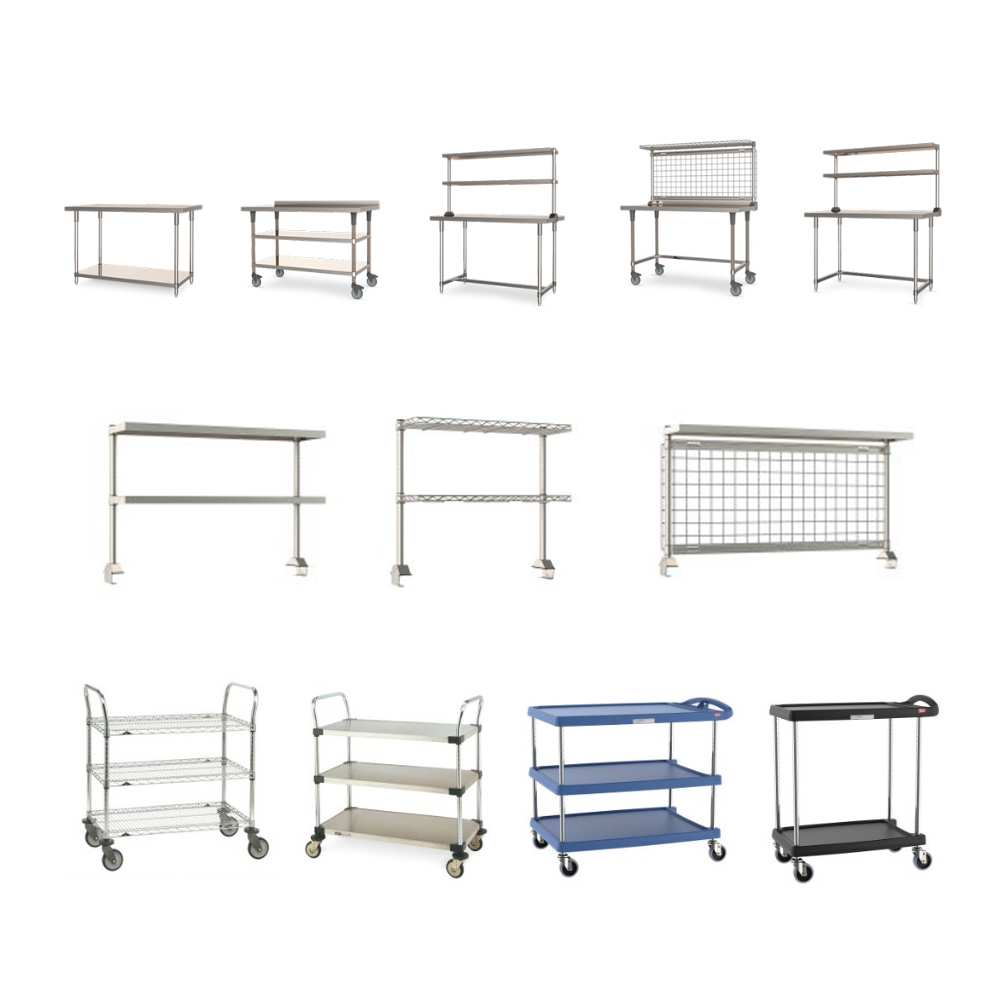
  • Stainless Steel Tables: Available in various sizes, these tables are ideal for labs using harsh cleaning agents.
  • Utility Carts: Options include solid and grid polymer, wire chrome, and solid stainless-steel carts.
Table, Workstations , and Cart
High Density Storages

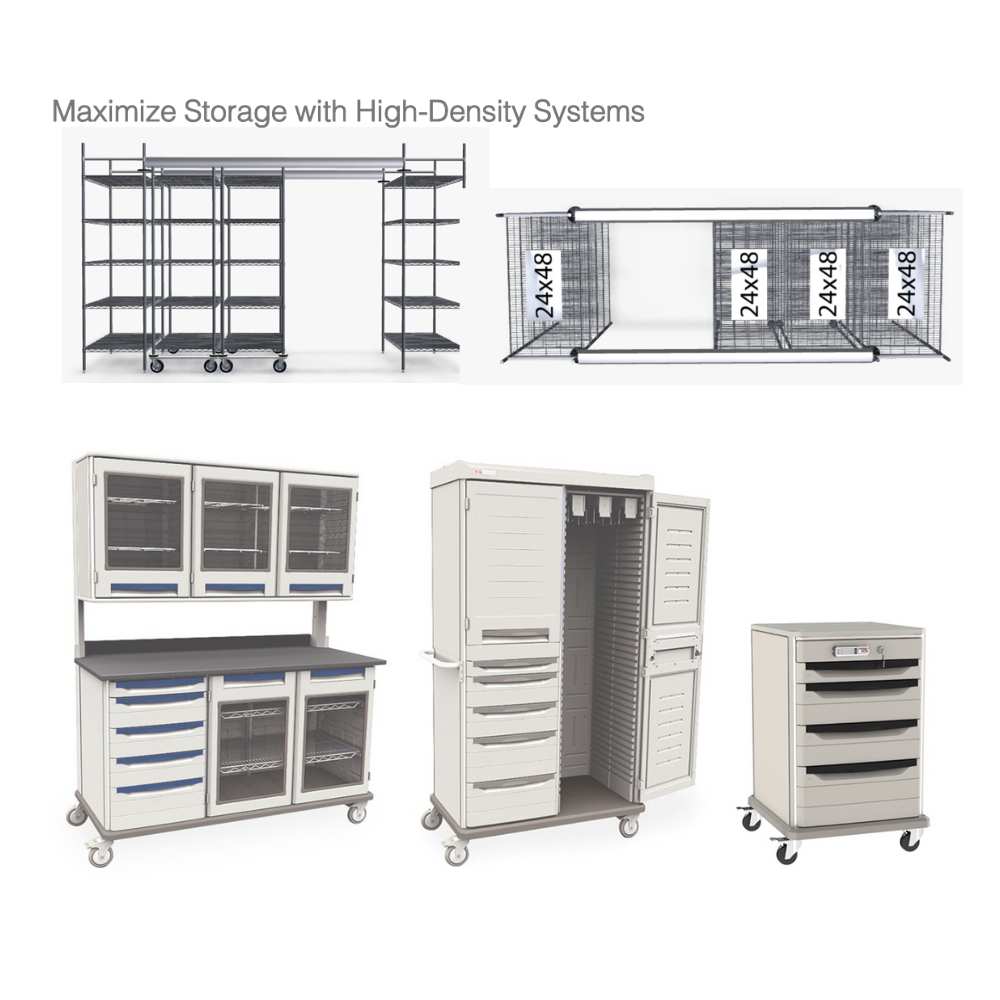
High-Density Storage Systems

  • EZ Add Solution: Easily add more storage space with high-density systems available in chrome and Metroseal green.

Our Clients

Don’t just take our word for it

Rated 5 out of 5
The Team provided a highly professional service from start to finish. They always available for meetings and questions, firsts, in figuring out what system would work best for our needs then by assessing how much shelving space would be required for our existing as well as future needs, and finally, by insuring the timely delivery and quality installation of the product.
Tate W. Curtis
Space Coordinator, United States Department of Agriculture
Rated 5 out of 5
The team was very supportive. They were extremely attentive in assessing our needs in Logan. They provided several plans to show us our shelving options.
Sharon L. Hancey
First District TCE of Administrative Office of the Courts
Rated 5 out of 5
We also appreciated, at the time of installation, the courteous and professional manner in which the installers conducted themselves.
Julie Froff
Assistant Clerck of Third District Court
Rated 5 out of 5
You guys are great! Thanks so much for working so hard to get us into our new space.
Nancy Herd
Human Resources Manager of Ray Quinney & Nebeker

FAQ's

A lab assessment aims to evaluate the safety, efficiency, and compliance of a laboratory. It identifies potential hazards, optimizes equipment use, and ensures adherence to safety regulations.

Lab assessments should be conducted at least annually. However, high-risk labs may require more frequent assessments.

Look for signs of corrosion, wear, and tear. Identify any equipment that requires maintenance or replacement.

Training ensures that staff are aware of safety protocols and proper equipment use, reducing the risk of accidents and improving efficiency.

Regular assessments, proper equipment maintenance, and staff training are key to meeting safety regulations.