Overcome space constraints in manufacturing lines!
Maximizing available space in a manufacturing environment is critical for improving productivity and efficiency. Overcoming space constraints allows manufacturers to grow without sacrificing workflow or safety. In this article, we’ll explore how businesses can tackle these challenges and optimize their operations to make the most of their existing space.
The Importance of Addressing Space Constraints
Space is a valuable asset in any manufacturing facility. Whether you’re dealing with cramped areas or looking to expand operations, solving space issues is key to maintaining productivity and profitability. Companies that take a proactive approach to space management can enjoy streamlined workflows, increased output, and safer working conditions.
Impact of Space Constraints on Production
Limited Capacity for Growth Space constraints limit your ability to expand and meet growing demand. If production lines are at capacity, scaling up becomes difficult without disrupting current operations.
Workflow Disruptions A congested workspace can cause bottlenecks and inefficiencies, making it harder for employees to navigate and work efficiently. Overcrowded conditions slow down production and increase the likelihood of errors.
Safety Concerns Tight spaces can increase the risk of accidents and injuries. Employees working in cramped environments are more likely to encounter hazards, such as equipment-related accidents, falls, and limited access to emergency exits.
Redesign your manufacturing layout by using lean principles to minimize waste and improve efficiency. Streamlining workflows and rearranging equipment can free up valuable floor space and enhance production speed.
Invest in Vertical Storage Solutions
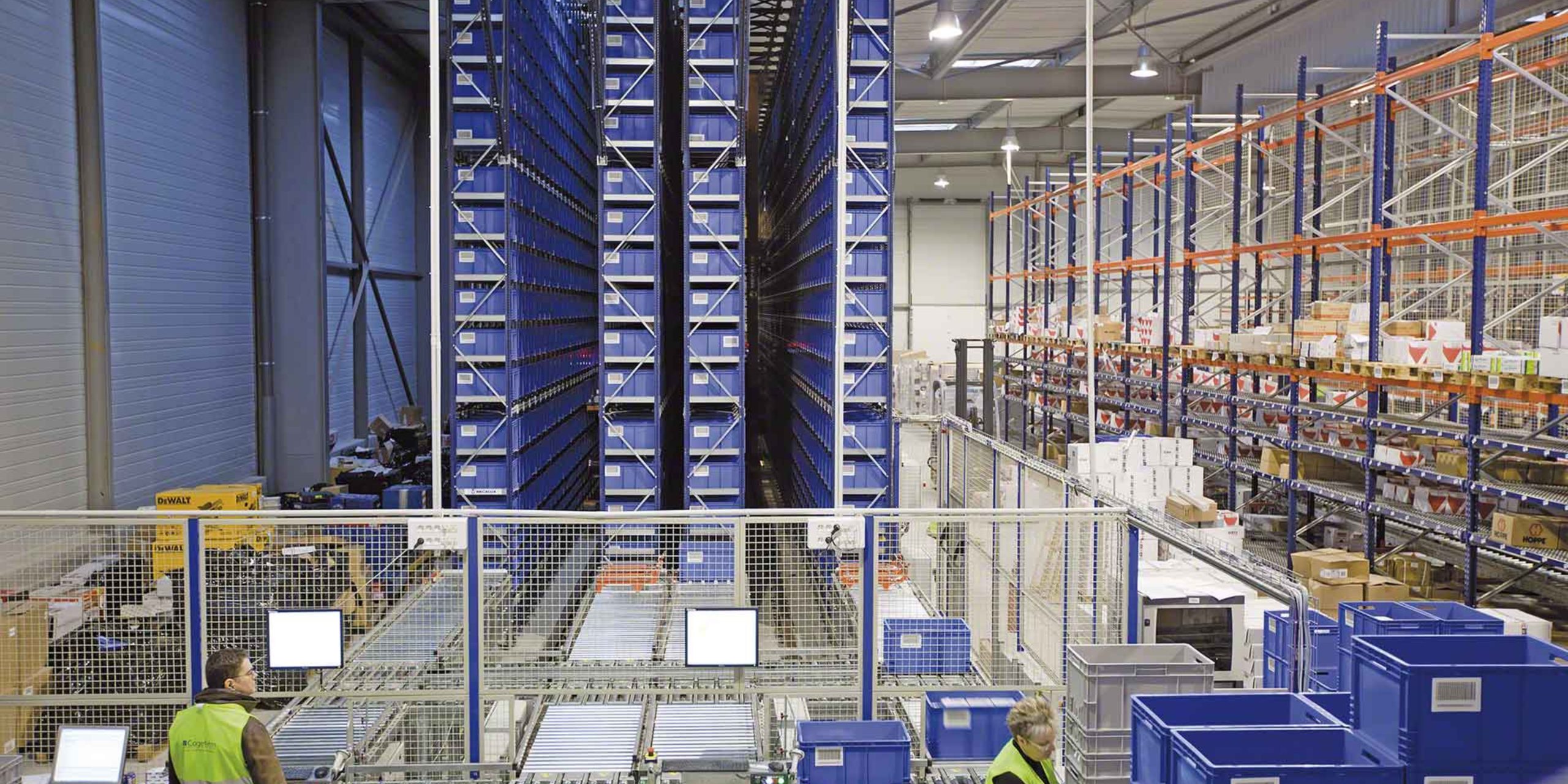
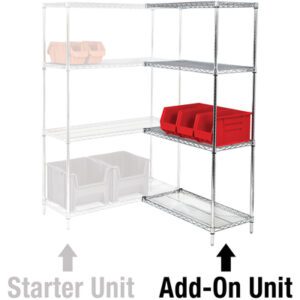
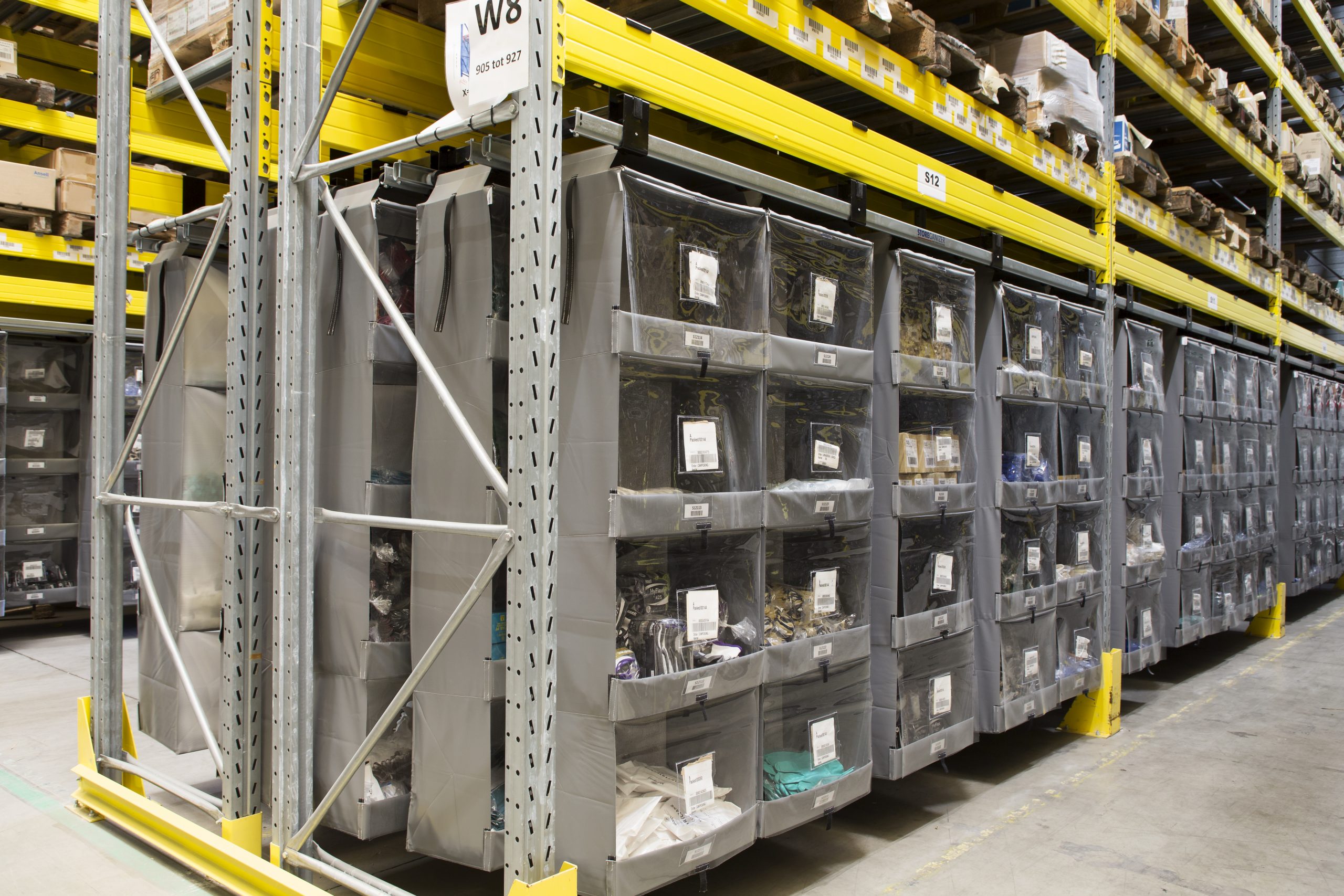
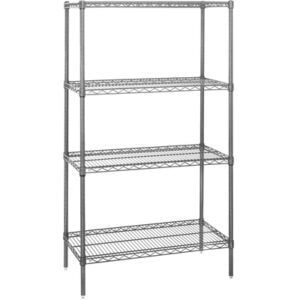
When floor space is limited, think vertical. Use mezzanines, high-density shelving, and other vertical storage systems to store materials above ground level. This creates additional room on the factory floor for operations.
Use Modular and Flexible Equipment
Invest in modular workstations and adjustable machinery that can be easily reconfigured. These flexible systems allow for quick changes based on production needs, maximizing efficiency without taking up unnecessary space.
Consider Offsite Assembly
If onsite space is too limited, consider offsite assembly for components or subassemblies. This frees up space for final assembly and packaging on the main production floor.
Collaborate with Innovative Suppliers
Working with suppliers who understand space challenges and provide innovative solutions is critical. For example, MATERIAL HANDLING USA offers tailored storage and production solutions designed to maximize space and improve workflow efficiency.
Why Choose Us?
Over 30 Years Of Experience
We design and install the right storage solutions for your specific needs
Custom Options
We offer a range of customizable options to meet your unique needs
Customer Satisfaction
We are committed to excellent service and support, ensuring satisfaction with every purchase
Competitive Pricing
We offers competitive pricing, making it easy to find a solution that fits any budget
How It Works
Experience the streamlined process of Material Handling USA’s Warehouse Solutions, guiding you from consultation to implementation with personalized solutions and ongoing support.
Strategies to Overcome Space Constraints
Increased Productivity
By optimizing the layout and workflow, employees can work more efficiently, completing tasks faster and with fewer errors.
Improved Safety
Creating more space for equipment and personnel reduces the risk of accidents, improving overall safety in the workplace.
Reduced Downtime
Optimized spaces make it easier to maintain and access equipment, reducing downtime and improving operational continuity.
Room for Growth
By addressing space issues now, manufacturers can scale up their operations without major disruptions, ensuring they can meet future demand.
Enhanced Workflow
By implementing smart storage solutions and improving material flow, companies can ensure a smoother and more efficient workflow.
Bring Your Vision to Life! Struggling with space constraints? Let’s work together to develop innovative storage and production solutions. Reach out today!
The Team provided a highly professional service from start to finish.
They always available for meetings and questions, firsts, in figuring out what system would work best for our needs then by assessing how much shelving space would be required for our existing as well as future needs, and finally, by insuring the timely delivery and quality installation of the product.
Tate W. Curtis
Space Coordinator, United States Department of Agriculture
★★★★★Rated 5 out of 5
The team was very supportive. They were extremely attentive in assessing our needs in Logan. They provided several plans to show us our shelving options.
Sharon L. Hancey
First District TCE of Administrative Office of the Courts
★★★★★Rated 5 out of 5
We also appreciated, at the time of installation, the courteous and professional manner in which the installers conducted themselves.
Julie Froff
Assistant Clerck of Third District Court
★★★★★Rated 5 out of 5
You guys are great! Thanks so much for working so hard to get us into our new space.
Space constraints often lead to inefficiencies, such as workflow disruptions, safety concerns, and a reduced capacity for growth. These challenges limit your ability to scale operations and impact the overall productivity of the facility.
You can maximize your space by optimizing your layout, using vertical storage solutions, adopting flexible manufacturing systems, and considering offsite assembly for specific processes.
Crowded lines increase the risk of accidents, including falls, equipment collisions, and other workplace hazards. They also make it harder to access emergency exits and maintain a safe working environment.
Flexible manufacturing systems, such as modular workstations, allow you to reconfigure your space as needed, improving workflow and accommodating new machinery without requiring additional space.
Vertical solutions such as mezzanines, vertical lifts, and high-density shelving can help you maximize your facility’s height, freeing up floor space for production activities.