Explore Custom Solutions Today!
Ready to upgrade your lab countertops? Contact us today for a free consultation on selecting the best materials for your lab environment.

Home | Laboratories | When to Replace Your Lab Countertops
Learn when it’s time to replace your lab countertops!

Lab countertops endure constant use, exposure to harsh chemicals, and heavy equipment. While they are built to last, even the highest-quality countertops will eventually show signs of wear. Replacing your lab countertops at the right time ensures that your work surfaces remain durable, safe, and efficient for the work you do. Let’s explore the key signs that indicate when replacement is necessary and how to prolong the life of your lab surfaces.
For lab countertops made of materials like epoxy resin and phenolic resin, joint failure and fractures are common over time. Chemicals like liquid nitrogen and extreme temperatures can cause cracks, which compromise the physical integrity of the countertop. Damaged joints can also become breeding grounds for bacteria, especially in laboratories working with biological specimens.
Countertops are subject to deep scratches from sharp lab equipment, heavy objects, and abrasives. Materials like stainless steel and laminate may show wear faster than others. Deep scratches are more than cosmetic issues—they can compromise the countertop’s resistance to chemicals, moisture, and heat.
Exposure to chemicals over time can lead to staining, blistering, and corrosion on lab countertops. For example, stainless steel countertops may develop pitting corrosion when exposed to chemicals like chlorides. Stains can be a sign that the material has lost its protective properties, making it vulnerable to further damage.
On materials like chemical-resistant laminate, delamination may occur due to exposure to heat, moisture, or impact along seams. Once the surface layers start to peel away, the countertop loses its chemical resistance, making it necessary to consider replacement.
Ready to upgrade your lab countertops? Contact us today for a free consultation on selecting the best materials for your lab environment.
Regular cleaning and maintenance can help extend the lifespan of your lab countertops. For materials like epoxy resin and phenolic resin, promptly clean up chemical spills and avoid using abrasive cleaning agents. Stainless steel can be cleaned with mild detergent or vinegar, while laminates should be tested regularly to ensure ESD or chemical resistance is still effective.
Perform routine inspections of countertop joints and surfaces to identify cracks, pitting, or other signs of wear. Repair small damages early using the appropriate adhesives or sealants to prevent further deterioration. Regularly inspecting areas near sinks, edges, and high-use zones ensures any damage is quickly addressed.
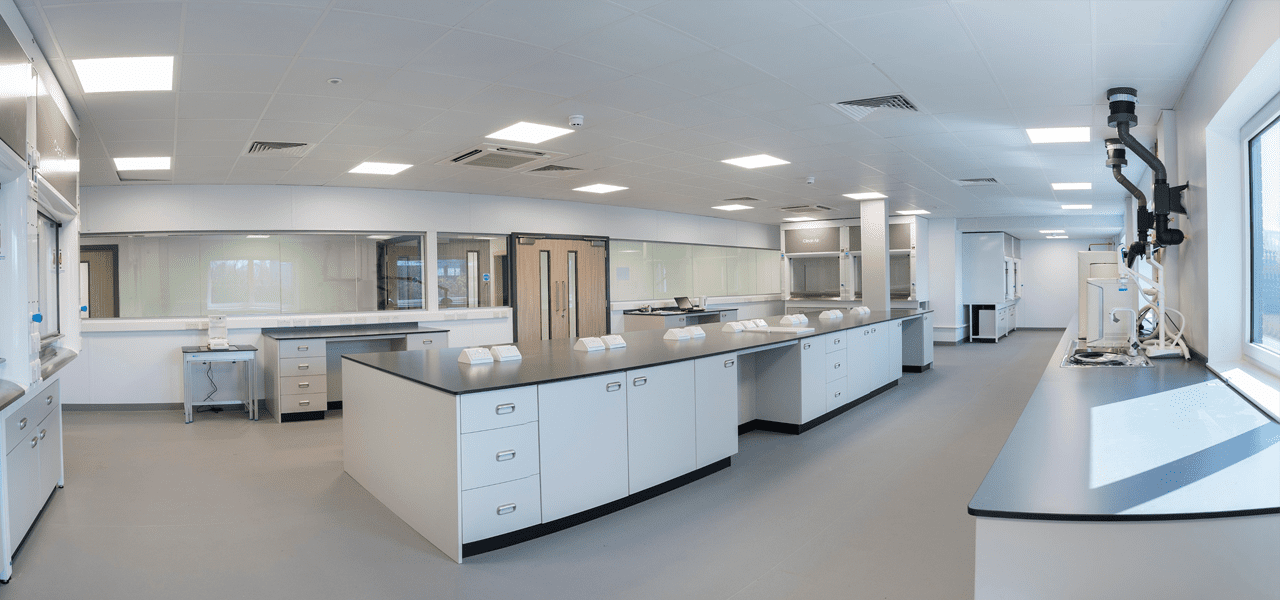
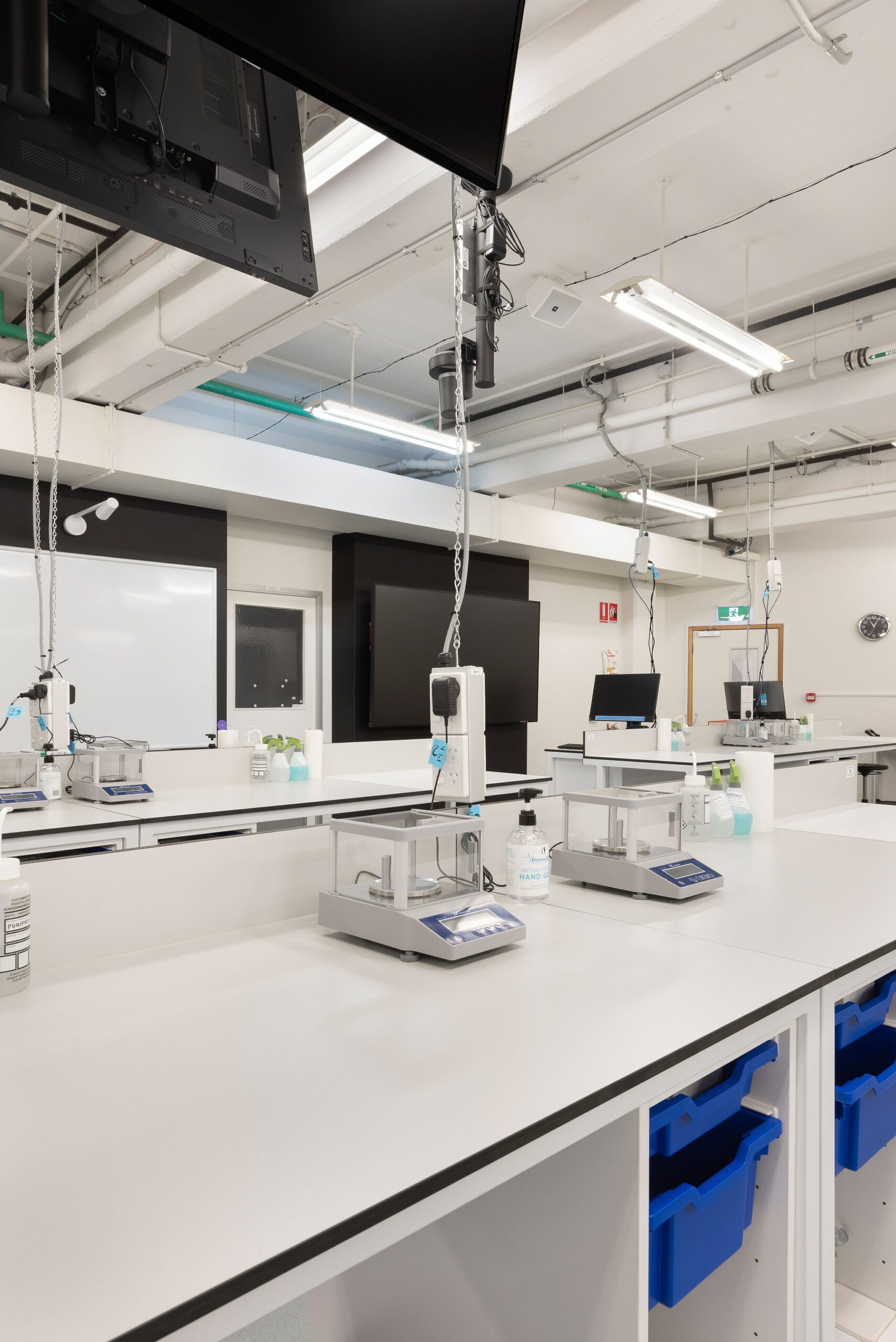
Replacing damaged lab countertops reduces the risk of accidents, such as chemical spills or equipment malfunctions caused by unstable surfaces. A smooth, clean surface ensures that lab work can continue without safety concerns.
Worn countertops can slow down work processes due to frequent repairs or workarounds. New, well-maintained surfaces allow staff to work more efficiently, speeding up tasks and improving overall productivity.
Cracked or compromised countertops can harbor bacteria or contaminants, especially in labs that handle biological specimens. Replacing countertops when necessary maintains the cleanliness and safety of the environment.
Experience the streamlined process of Material Handling USA’s Warehouse Solutions, guiding you from consultation to implementation with personalized solutions and ongoing support.

Over 30 Years Of Experience
We design and install the right storage solutions for your specific needs
Custom
Options
We offer a range of customizable options to meet your unique needs
Customer Satisfaction
We are committed to excellent service and support, ensuring satisfaction with every purchase
Competitive Pricing
We offers competitive pricing, making it easy to find a solution that fits any budget
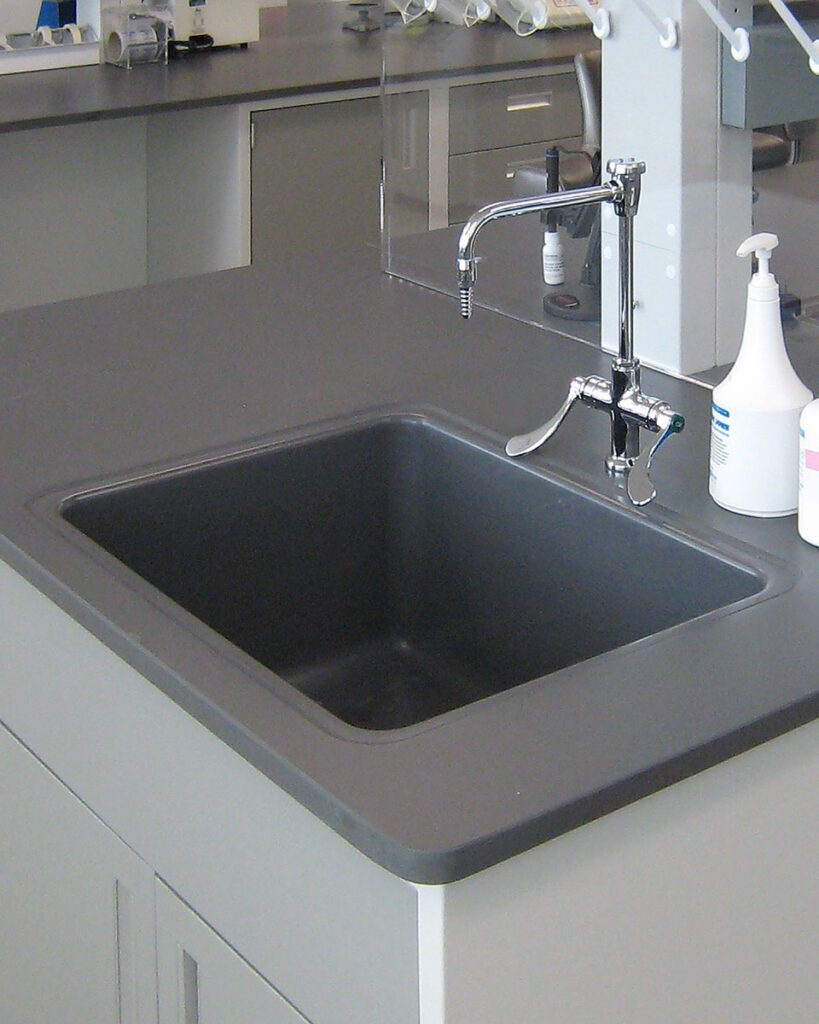
Epoxy resin countertops are extremely durable, but over time, they may show joint failures or deep scratches. If chemical stains or significant structural damage occurs, replacement is likely needed.
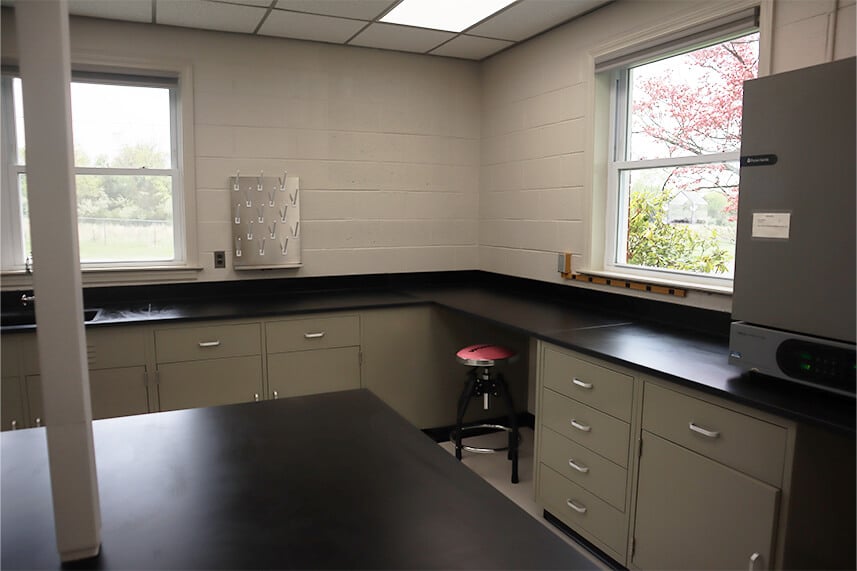
When phenolic resin countertops experience excessive heat exposure or surface damage, replacement is necessary. These countertops are highly resistant, but once compromised, they lose their impermeability.
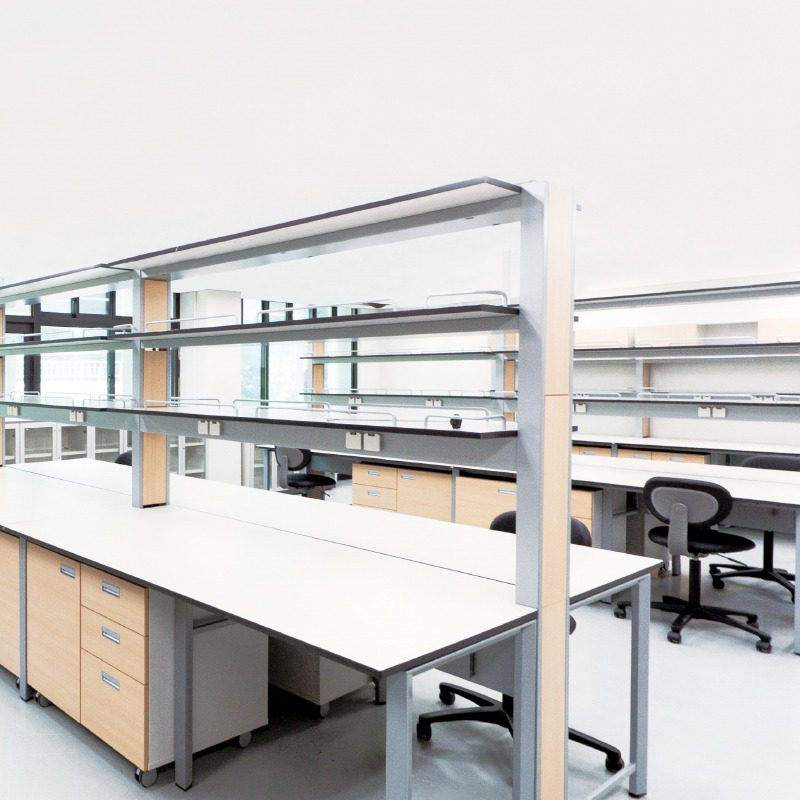
Damage to the protective coating on laminate countertops, such as deep scratches or delamination, signals the need for replacement. This ensures that the chemical resistance and static dissipation properties remain intact.
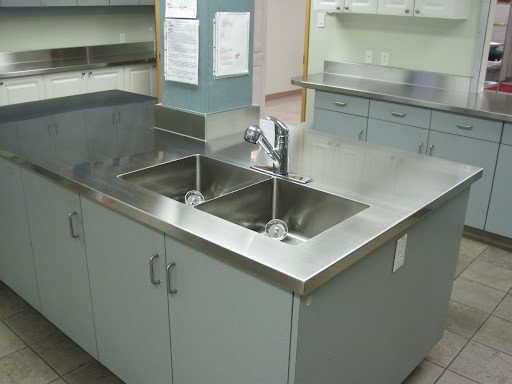
Stainless steel countertops should be replaced if pitting corrosion or stress corrosion cracking occurs, as these can lead to structural failures.
Bring Your Vision to Life! Maximize the life of your countertops with expert advice and maintenance solutions. Reach out now to learn more.
Lab countertops, depending on the material, can last 10-20 years with proper care and maintenance.
Look for signs like cracks, joint failure, deep scratches, chemical stains, corrosion, and delamination.
Minor damage can often be repaired, but significant damage, especially to the structural integrity or chemical resistance, usually requires replacement.
Regular cleaning, avoiding abrasive materials, and inspecting for damage will help prolong the life of your countertops.
Minor scratches can be buffed out, but deeper scratches that compromise the surface’s resistance to chemicals may require replacement.