
Safe Touchless Parcel Lockers for Universities
University mailrooms handle thousands of packages every week, and the volume keeps growing. Smart parcel lockers give campuses a secure, low-contact way to receive, sort, store, and distribute packages — without long lines, lost packages, or overworked staff.
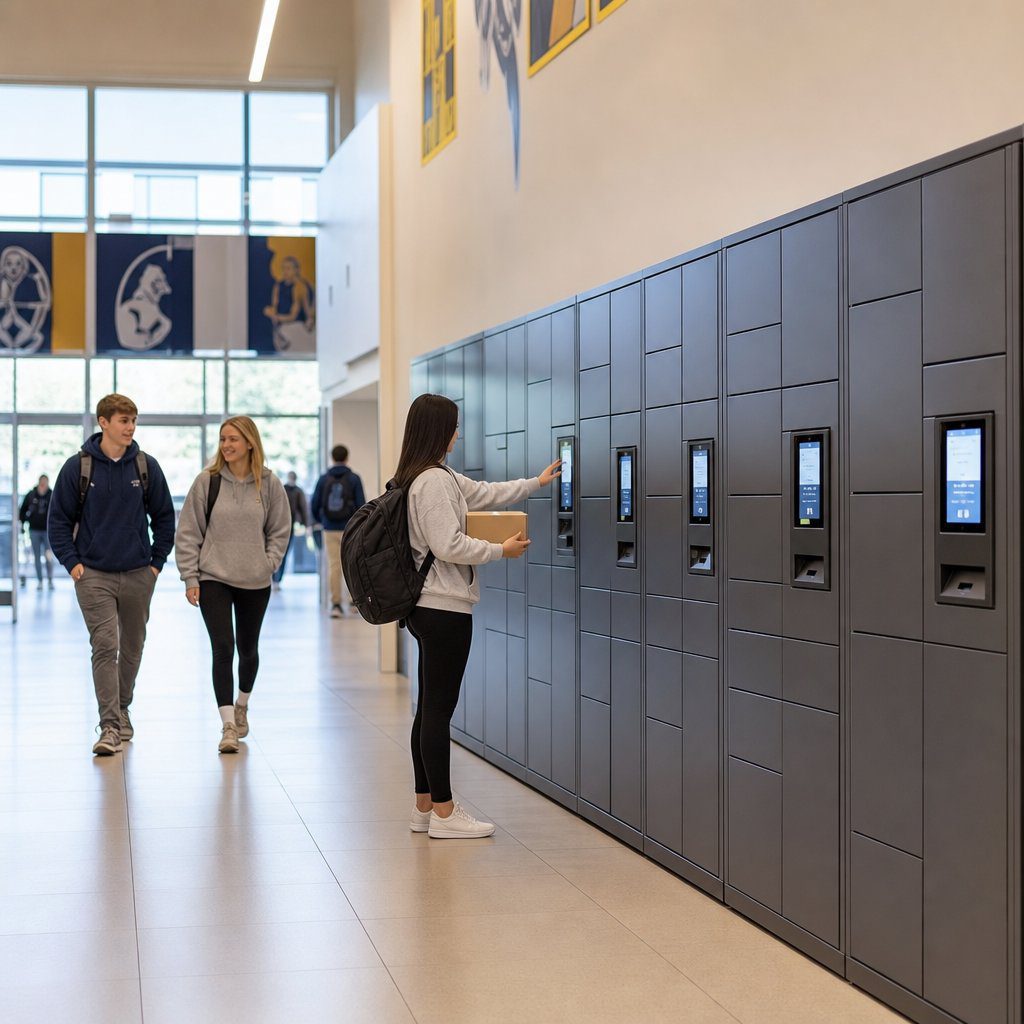
The Campus Package Problem
Between e-commerce deliveries, campus bookstore orders, lab and department supplies, and personal shipments, traditional mailroom operations simply were not built for the volume a modern campus receives.
Every semester the flood grows. Students order textbooks, electronics, clothing, food, and personal items online, and every one of those packages lands at the campus mailroom or a residence hall front desk. The result is predictable: crowded mailrooms, pickup lines that stretch into the corridor, misdelivered or missing packages, frustrated students, and staff who spend their day on retrieval instead of service.
The workflow itself is the bottleneck. Packages pile up on shelves and folding tables, staff sort and notify by hand, and students can only collect during posted hours. When an item is lost or handed to the wrong person, the university absorbs the dispute and often the replacement cost — and there is no record to settle the argument with.

Manual sorting and counter retrieval is the step that creates the line.
Smart parcel lockers remove that step. Each package gets a secure, individually assigned compartment that only the intended recipient can open, the system notifies the student the moment it is loaded, and pickup happens whenever the student is free. No line, no counter search, no staff involvement in the routine case.
What Are Smart Parcel Lockers?
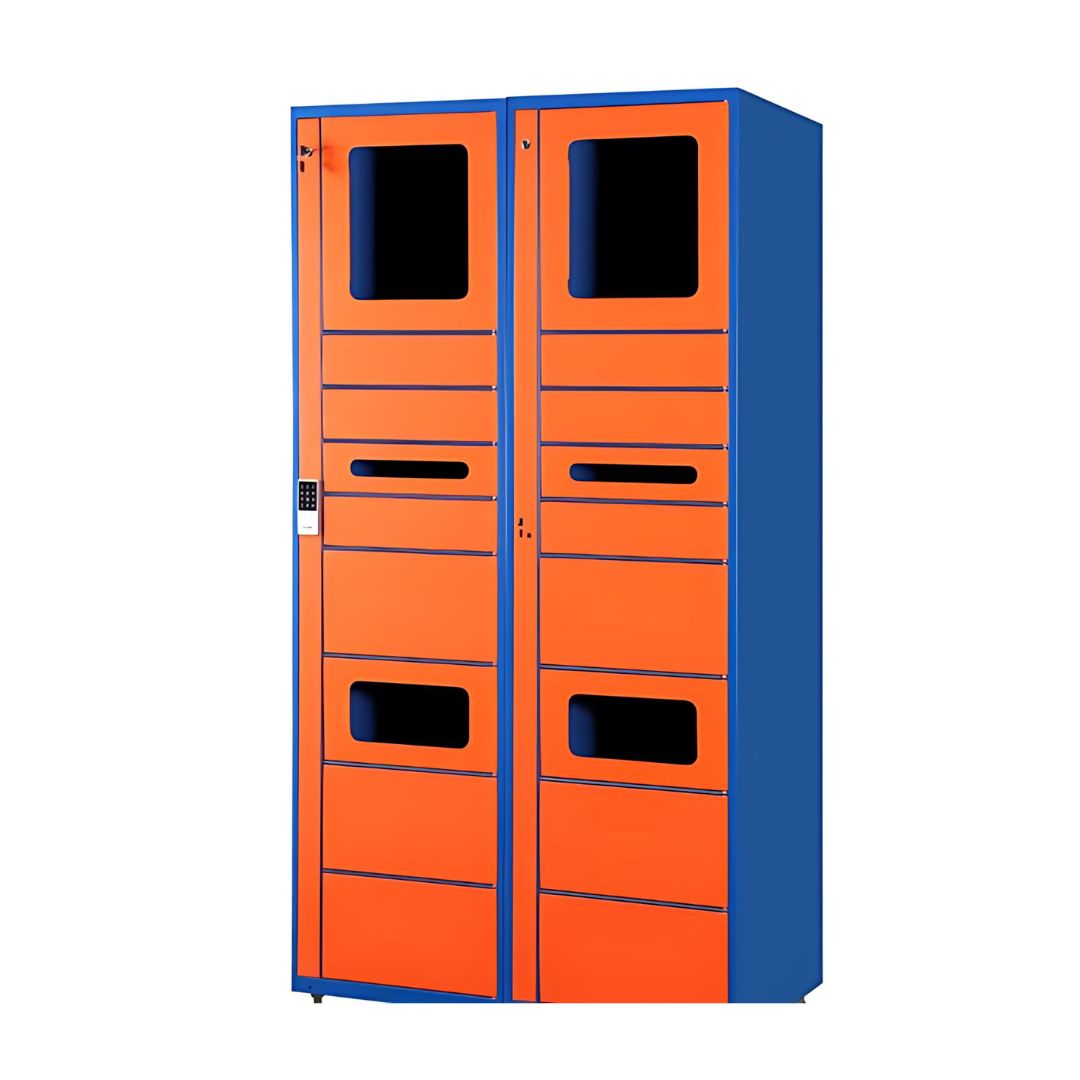
Smart parcel lockers are modular, electronically controlled locker systems designed to receive, store, and distribute packages securely. Each compartment is individually assigned and locked. When a package is loaded, the recipient receives a notification containing a unique pickup code; at the locker they enter the code, scan a QR code, or present a student ID, and only their compartment opens.
That is the difference from mailroom shelving. Shelving stores packages in a shared, staff-accessible space and depends on a person to find the right item. A locker system stores each package in its own locked space and records every deposit and every retrieval, so the chain of custody is complete without anyone writing anything down.
1. Receive
Carriers deliver to the mailroom or directly to the locker bank. Staff scan the label and the recipient information.
2. Load
The system designates a compartment sized to the item — or selects one at random for added security — and the door is closed on it.
3. Notify
The recipient is notified automatically by text or email with a randomly generated PIN for that specific compartment.
4. Retrieve
The student enters the PIN, scans a code, or taps an ID card. Only their compartment opens, and the pickup is timestamped.
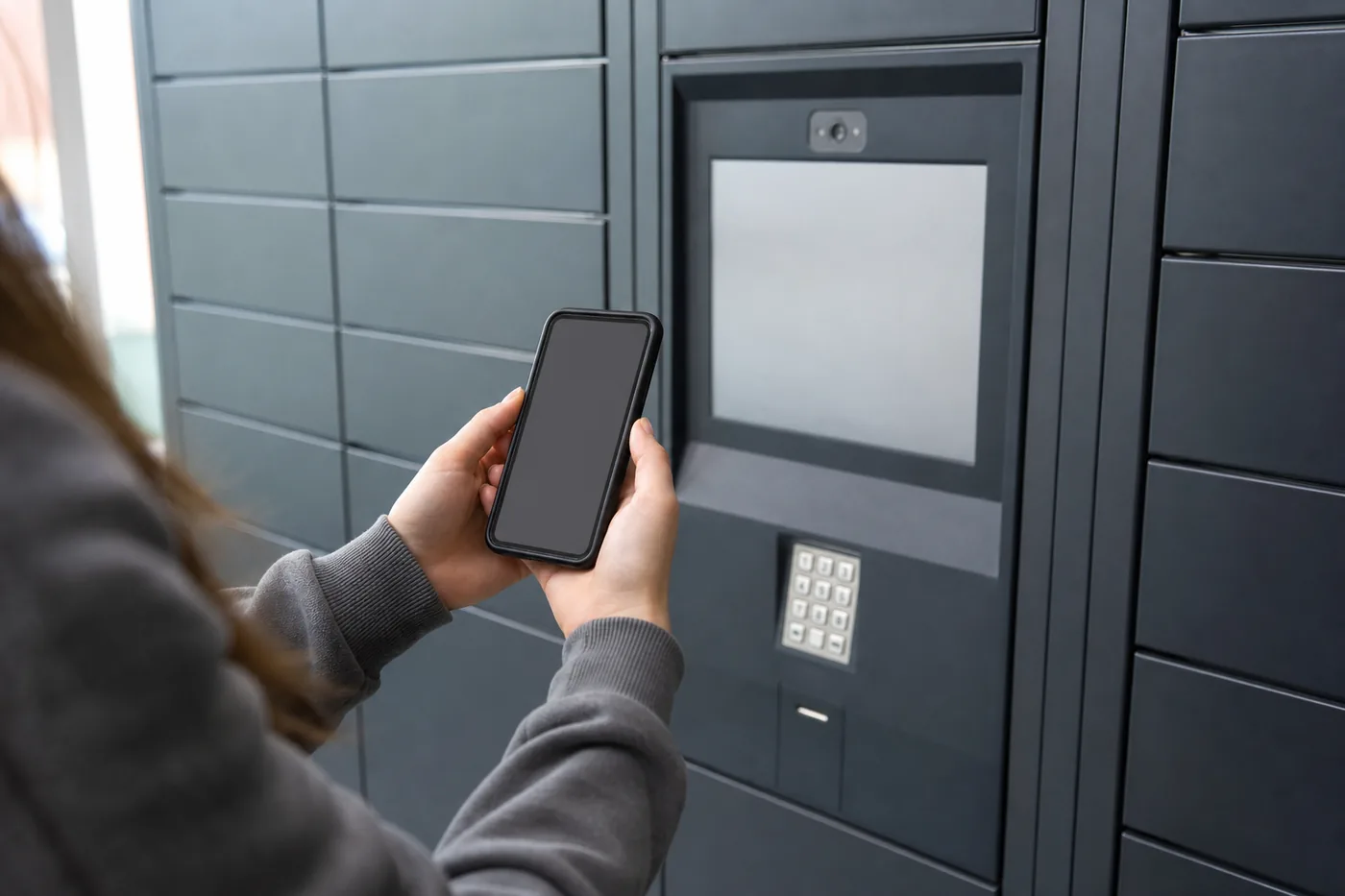
Retrieval takes seconds and needs no staff member present.
Modular Millwork MultiSort® HD Mail & Parcels
Material Handling USA supplies the MultiSort® HD Mail & Parcels system from Modular Millwork, a modular casework and mailroom manufacturer founded in 1994 and based in Greer, South Carolina. MultiSort HD is built for campuses, housing complexes, and institutions that move high package volumes every day.
The operating model is scan-and-deliver. Staff scan each item and place it into a designated or randomly selected parcel locker or HD Mailbox. The recipient is notified automatically by text or email with a randomly generated PIN and can collect the item on their own schedule, 24/7 where building access allows. Every system is designed, manufactured, and installed to fit the space, the security level required, and the size and volume of the assets being handled — it is specified to your room rather than dropped in from a fixed catalog.
Multiple Compartment Sizes
Small, medium, large, and oversized compartments in one modular run, so envelopes and large boxes are handled by the same bank.
Contactless Pickup
Retrieval by PIN, scan, or ID card. No staff interaction is required for a routine pickup.
Automated Notifications
Text or email notification is sent the moment an item is loaded, with a randomly generated PIN for that compartment.
Full Chain of Custody
Every deposit and pickup is logged with a timestamp and an identity, producing an audit trail per item.
Designed to Your Space
Configured, manufactured, and installed to the room, the security level, and the asset sizes and volumes involved.
Modular and Scalable
Cabinets combine into longer runs and additional units can be added at any location as volume grows.
Random Assignment and Designated Assignment
MultiSort HD can place an item in a compartment designated for a specific recipient — useful for faculty, departments, and interdepartmental transfers — or in a randomly selected compartment, which is the normal mode for high-volume student parcels. Random selection keeps utilization high, because a compartment is never held idle waiting for one person, and it means the compartment a given student uses changes from delivery to delivery.
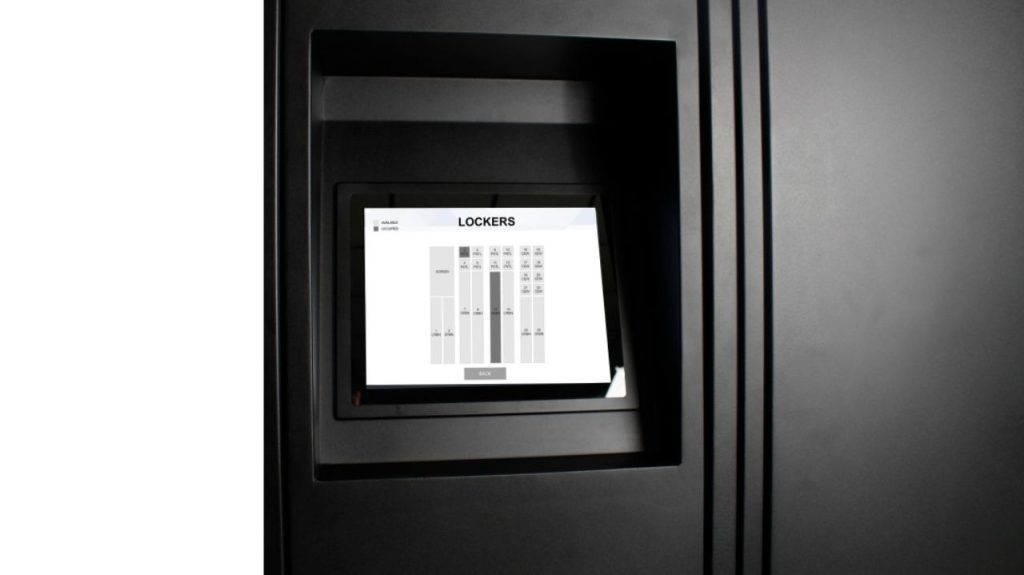
Electronic access control is the interface students touch.

Oversized compartments keep large boxes out of the floor pile behind the counter.
Need Parcel Lockers for Your Campus?
Material Handling USA can help you plan a smart parcel locker system for mailrooms, residence halls, student unions, and multi-location campus networks. Request a quote or email Sales@MH-USA.com.
Campus Mailroom Lockers
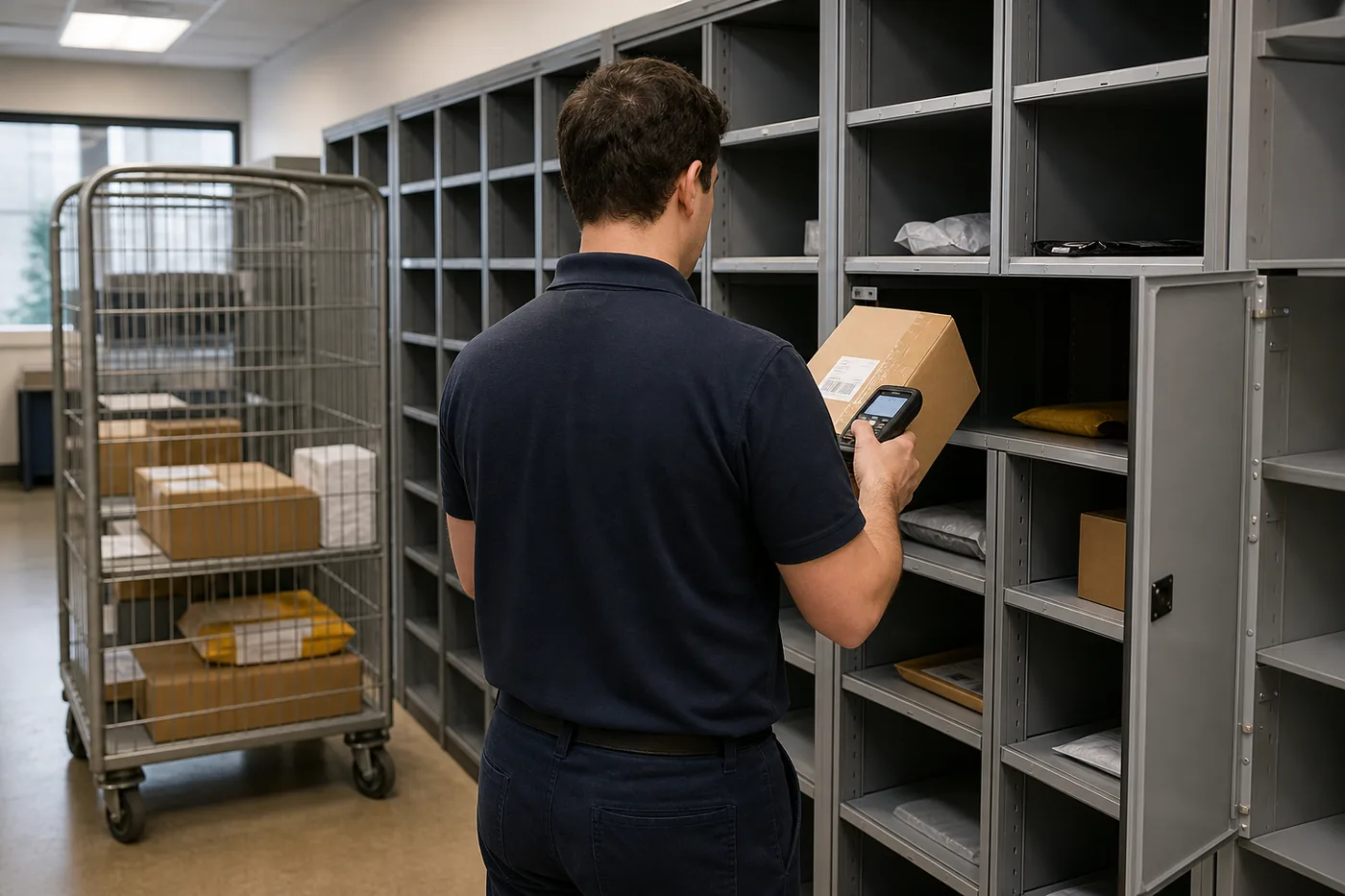
Scan-and-load replaces sort-and-search.
Central mailrooms are the highest-volume package handling point on most campuses. They take deliveries from every major carrier — USPS, UPS, FedEx, Amazon, DHL — and distribute to students, faculty, and staff across every building.
With a locker bank in the mailroom, staff sort incoming packages straight into secure compartments instead of onto shelves. Loading becomes the last time anyone handles the item: the system notifies each recipient and pickup happens without a counter transaction. That eliminates manual search-and-retrieve, collapses pickup time, and frees staff for the work that actually needs a person — exceptions, oversized freight, special deliveries, and outbound shipping.
It also changes the shape of the room. Space previously given to staging tables and overflow shelving is recovered, and the queue that used to form at the counter disappears because there is nothing to queue for.
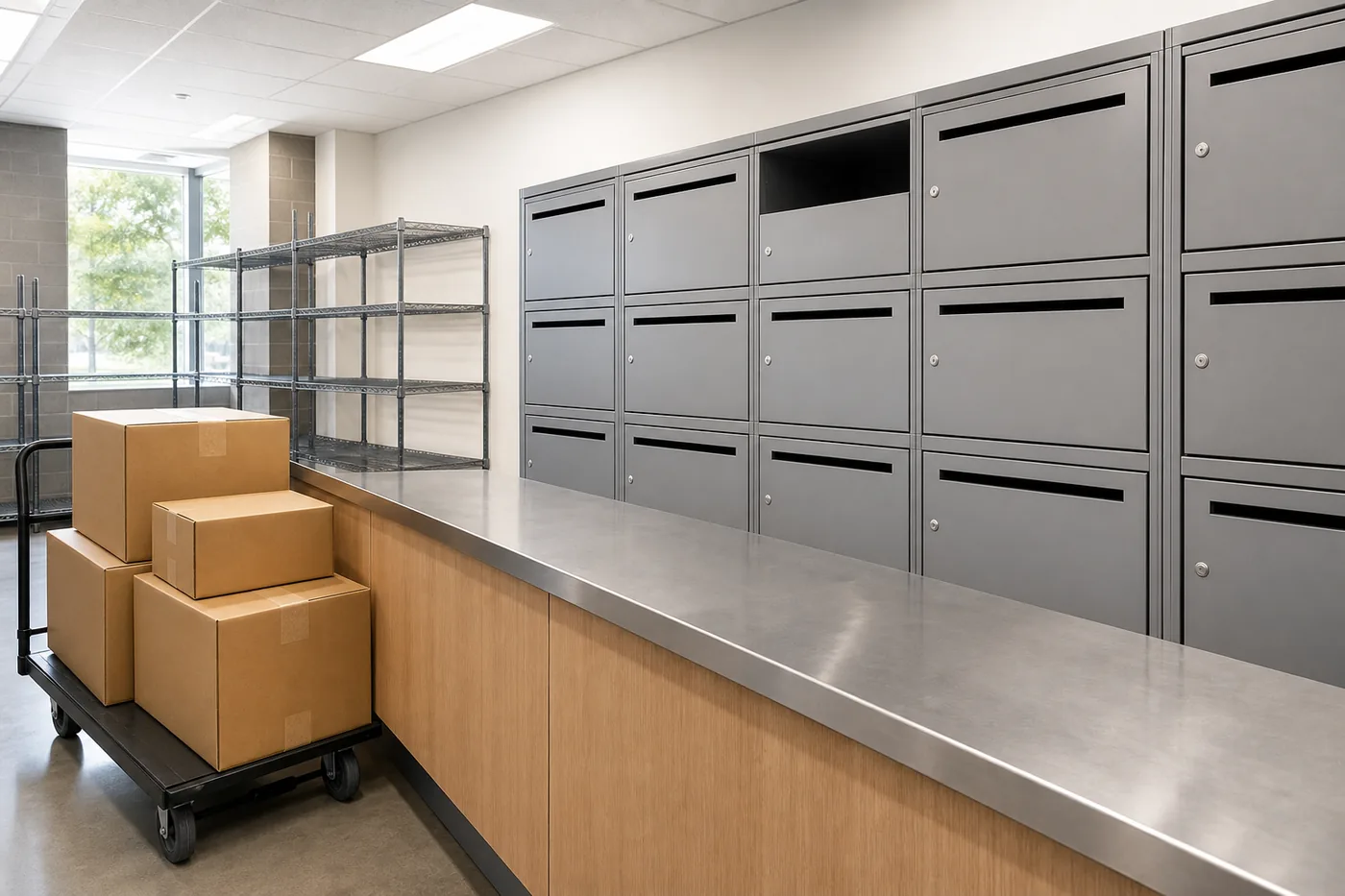
Drop-off compartments let the same bank handle outbound shipments and retail returns.
Residence Hall and Dorm Parcel Lockers
Residence halls carry a large share of campus volume, because students living on campus order nearly everything online. Putting lockers directly in the hall lobby brings pickup to where students already are, and takes those trips off the central mailroom entirely.
It also takes the work off the front desk. Without lockers, desk staff receive, store, log, and hand out every package on top of their actual duties. With a locker bank in the lobby, carriers or mailroom runners load the compartments and students collect on their own — the desk is out of the package business.
For halls with tight lobbies, the modular design lets the run be sized to the wall available. A small building may need a single cabinet; a large hall may need several connected cabinets, or a second bank near a side entrance.
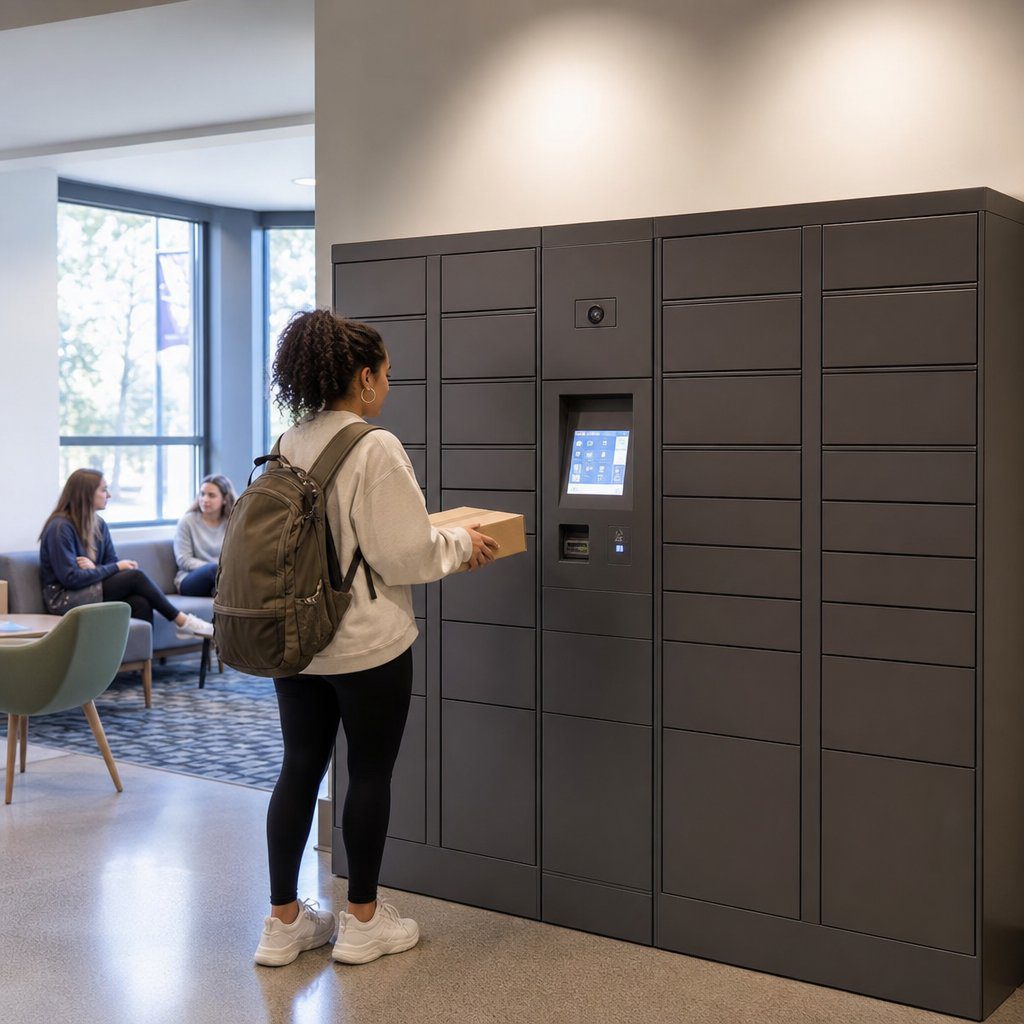
Lobby banks put pickup where students live.

A weather-protected exterior bank can extend pickup beyond building hours.
Student Unions, Libraries, and Common Areas
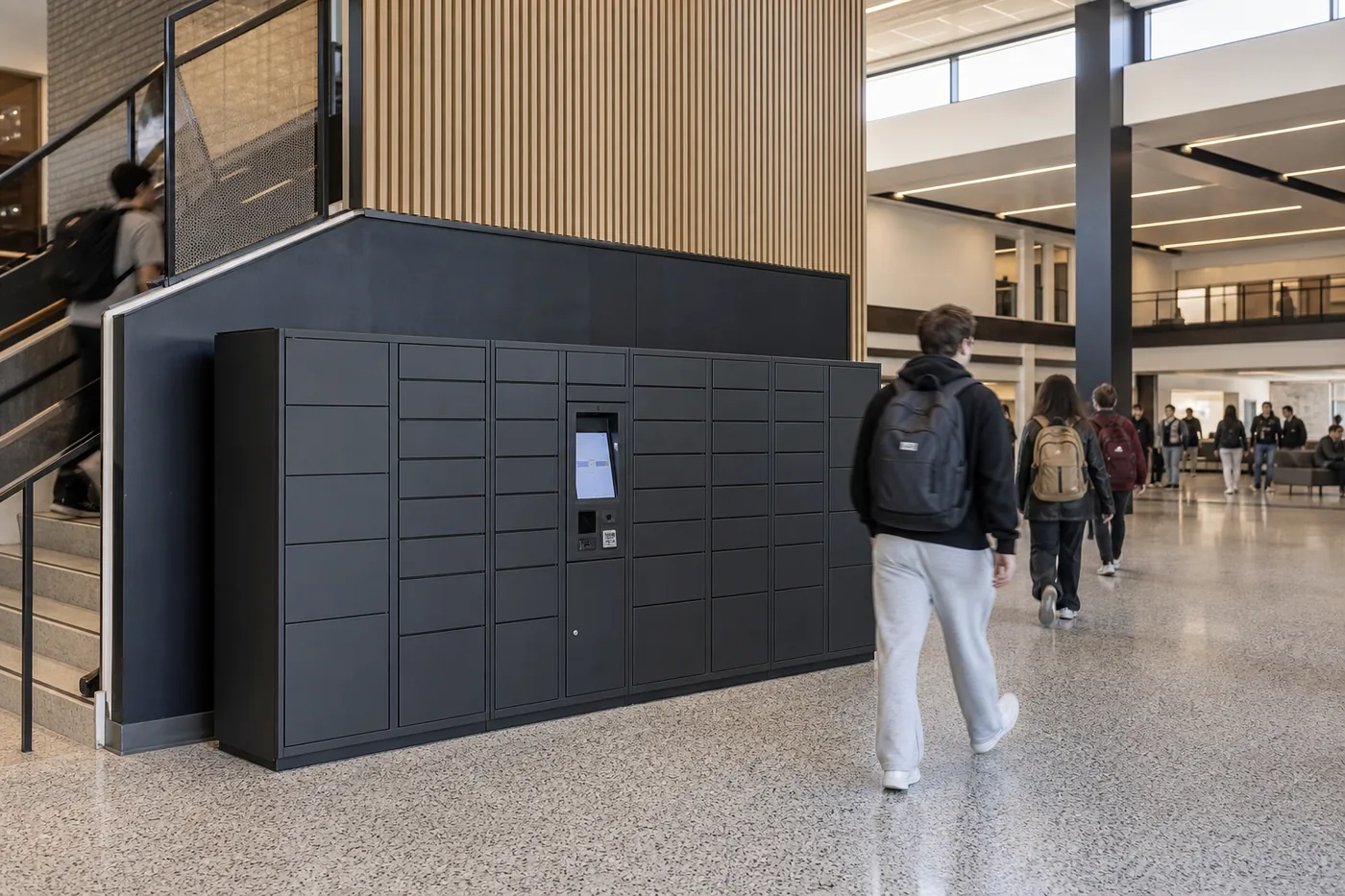
High-traffic buildings — student unions, libraries, dining halls — make good satellite locker locations. Students pass through them anyway, so pickup becomes something that happens on the way to somewhere else rather than a dedicated errand.
Satellite stations also spread load. Campuses that distribute pickup across several buildings instead of concentrating it in one mailroom reduce congestion at every individual point and give students a choice of where to collect. The trade-off is logistics: someone has to move parcels from receiving to the satellite banks, so plan the internal run route alongside the locker locations.

Athletic Facilities and Recreation Centers
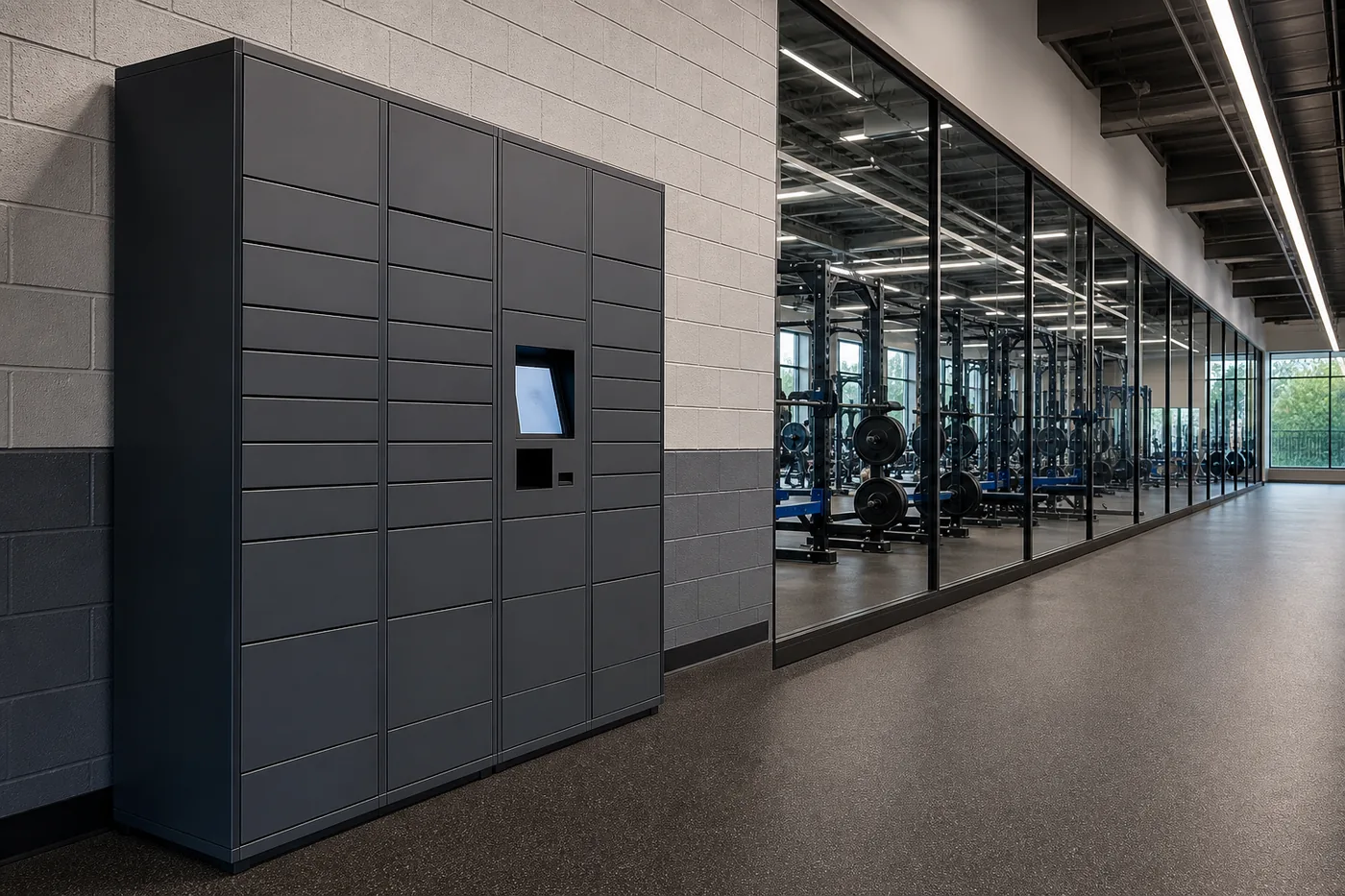
Equipment and supply distribution without a staffed window.
Athletic departments and recreation centers use parcel lockers for equipment distribution, supply pickup, and internal asset transfers rather than for mail. Staff load gear, uniforms, team supplies, or a returned personal item into an assigned compartment, and the athlete collects it without waiting for the equipment room to be staffed.
The logged access matters here as much as the convenience. When issued equipment is tracked by compartment and timestamp, the department knows exactly who took what and when — which is the same problem an equipment cage manages with a sign-out sheet, solved without the sheet.
Student Apartment Buildings and Off-Campus Housing
University-managed apartments and privately operated student housing face the same volume problem as on-campus halls, usually with less staff to absorb it. A locker bank in the lobby gives residents secure, contactless pickup without a staffed front desk or a package room that has to be unlocked by someone.
That makes lockers particularly useful in buildings with part-time or remote management, where the alternative is packages left in an unsecured vestibule. Pair the bank with the building access control you already have and pickup is limited to residents without any additional staffing.

Lobby lockers replace an unsecured vestibule or a staffed package room.
Administrative Buildings and Faculty Offices
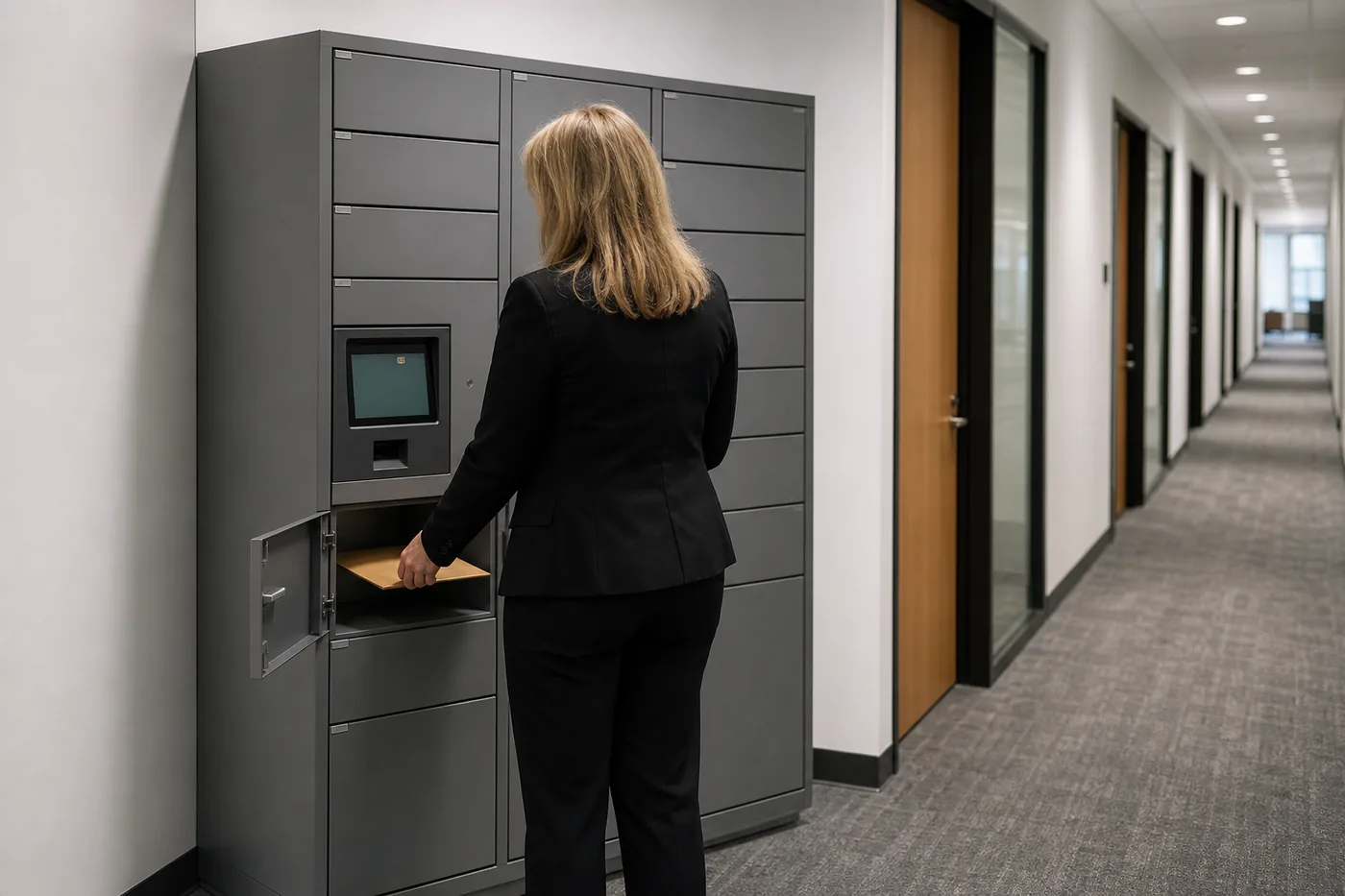
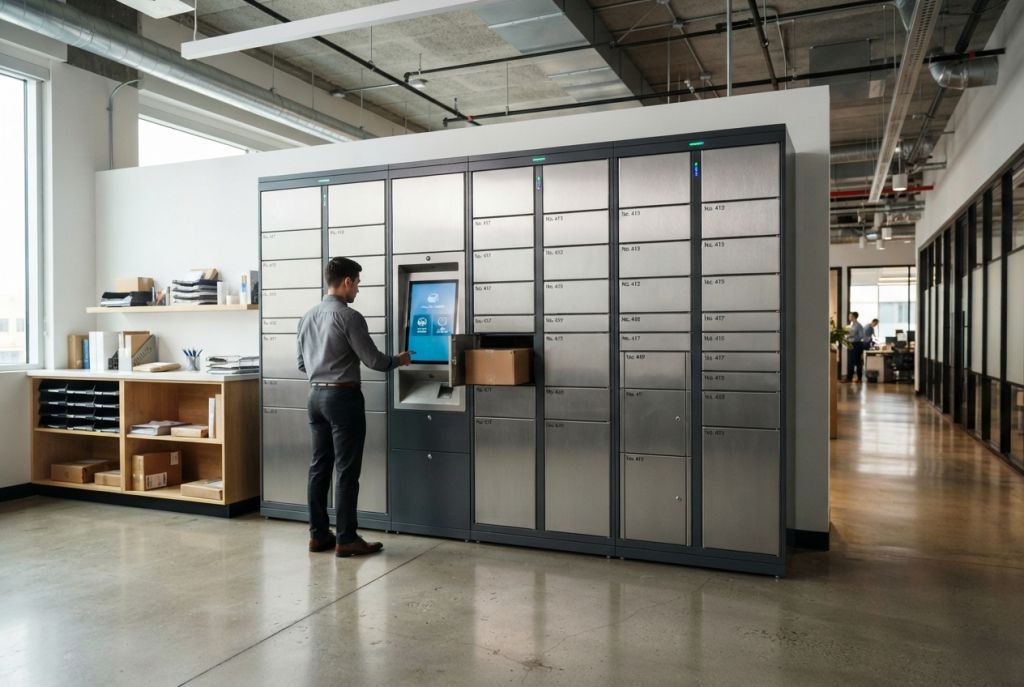
Designated compartments suit named recipients and department transfers.
Lockers are not only for student parcels. Administrative buildings and faculty office areas use them for interdepartmental transfers, supply distribution, IT equipment checkout, and confidential document exchange — any handoff where the two people involved are rarely in the same place at the same time.
Because each transaction is logged, the system produces an audit trail for sensitive or high-value items: who deposited it, when, who collected it, and when. For IT asset checkout in particular, that record replaces an email thread and a spreadsheet.
Campus Health Centers and Medical Facilities
Campus health centers and university medical facilities use secure lockers for prescription pickup, lab supply distribution, and controlled item transfers. Individually assigned compartments plus logged access make them a practical fit where chain of custody and restricted access are requirements rather than conveniences.
Verify the specific handling, temperature, and recordkeeping rules that apply to what you intend to distribute before finalizing a configuration — the locker system supports the workflow, but the policy has to come first.
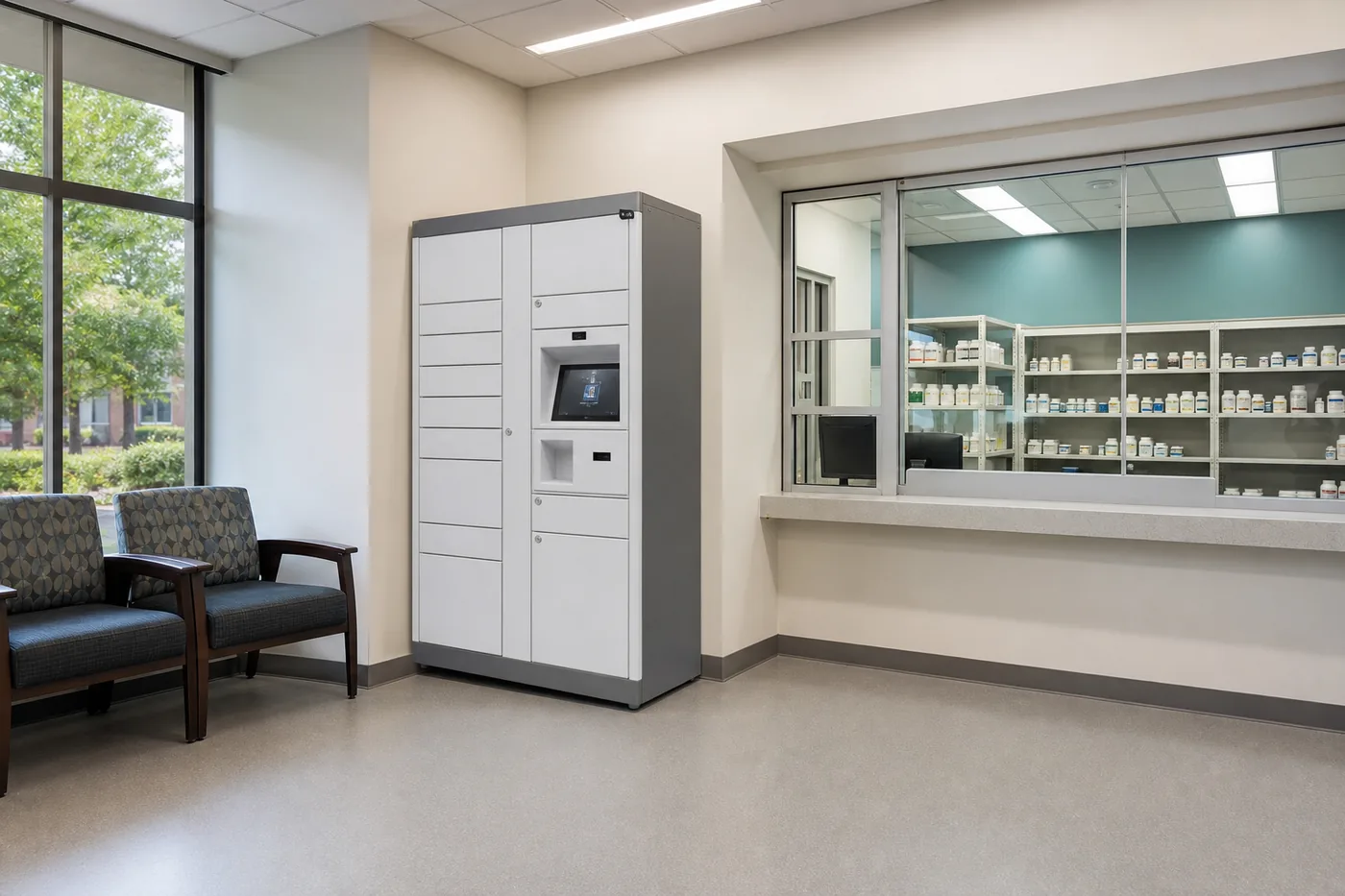
Secure pickup beside a pharmacy or dispensing window.
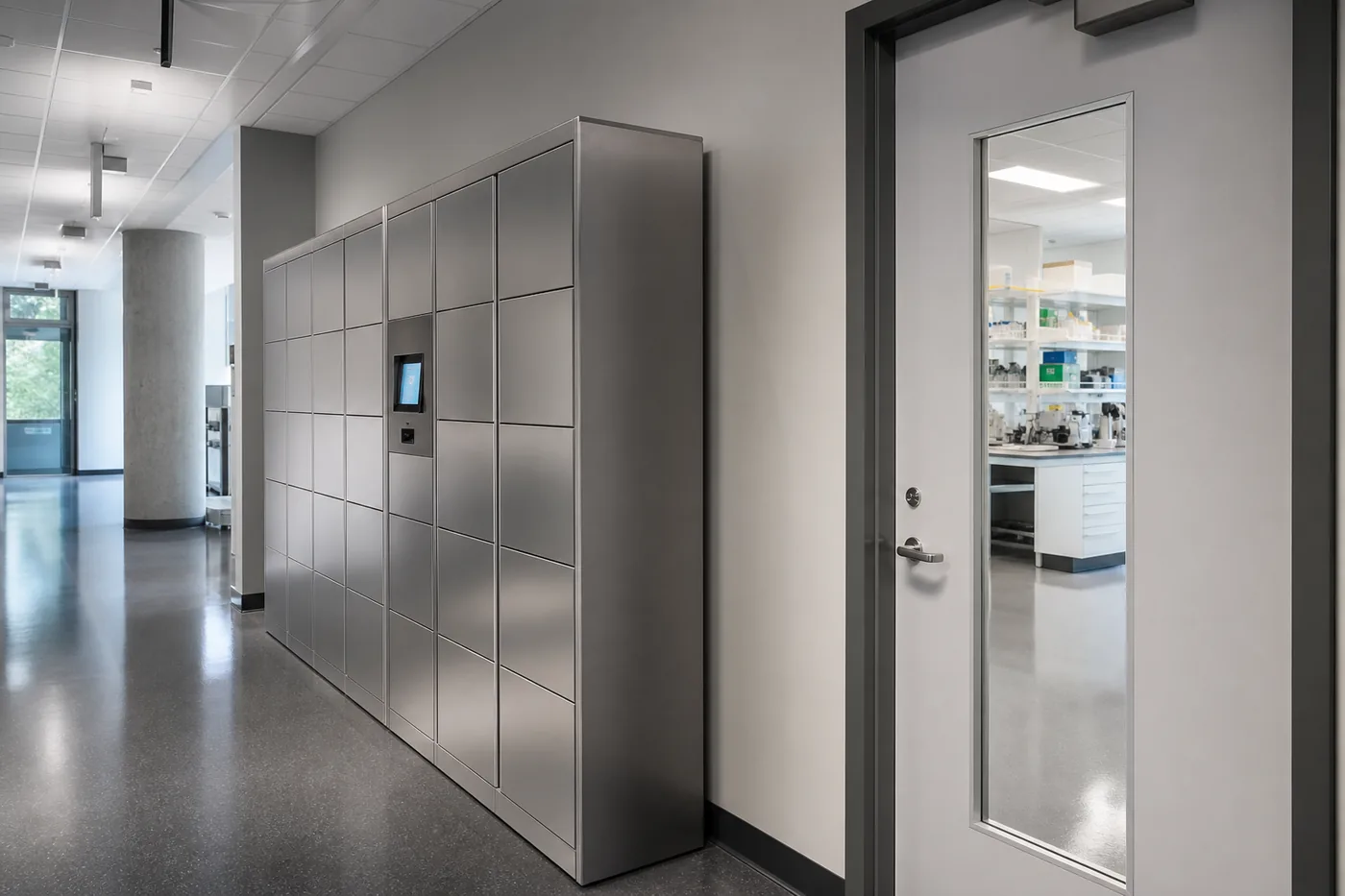
Research buildings use the same approach for lab and department supply delivery.
Multi-Location Campus Locker Networks
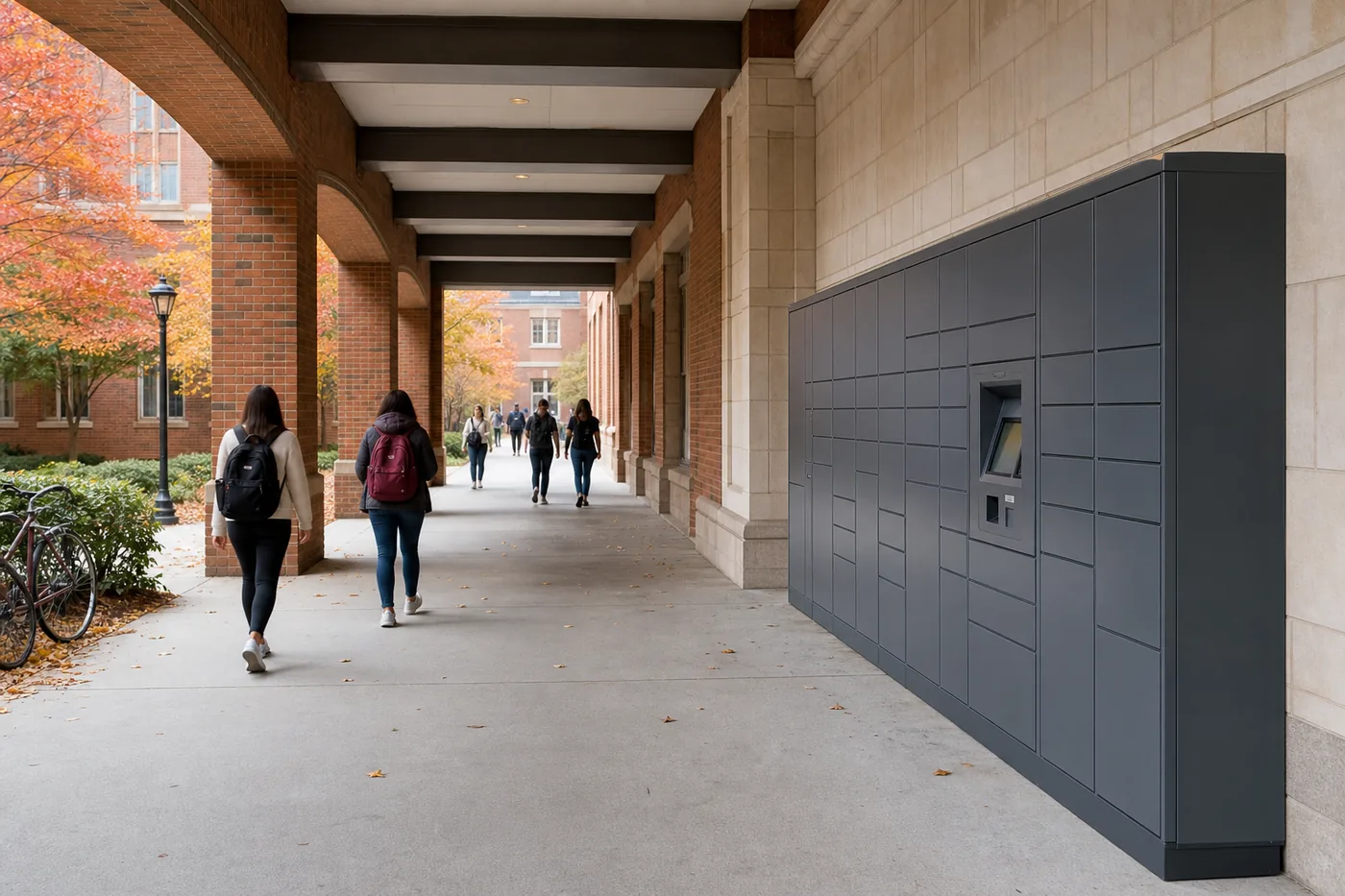
Covered walkways and connectors are practical satellite locations.
Large campuses with many buildings, residence halls, and satellite sites can deploy locker stations at several points and manage them together. The distributed model puts pickup close to where students spend their time and takes peak load off any single location.
Management software options may allow administrators to monitor every station, track package flow, and generate usage reports from one dashboard — confirm the specific reporting and integration capabilities you need during planning. Where those reports matter most is expansion: after a semester of data you know which buildings are saturated and which are underused, and you can add cabinets where the numbers point instead of where the requests are loudest.
Why Universities Are Switching to Contactless Parcel Lockers
Reduce Lost Packages
Every item sits in a locked, individually assigned compartment with a full audit trail, which cuts misdeliveries, theft, and disputed claims.
Faster Pickups
Retrieval takes seconds with a code, scan, or ID. Nobody waits for a staff member to find a box on a shelf.
Reduce Staff Workload
Routine distribution is handled by the system, freeing mailroom staff for exceptions, oversized freight, and service.
Low-Contact Operations
Self-service pickup removes person-to-person handoffs from routine package distribution.
Extended Pickup Hours
Pickup hours are set by building access rather than mailroom staffing, so retrieval can run well outside office hours.
Space Efficient
Vertical compartments in a compact footprint store more packages than shelving or table-based sorting in the same floor area.
Accessibility Planning
Touchscreen height and the placement of lower compartments determine whether the bank works for every student. Specify the interface at an accessible mounting height, keep a clear floor approach in front of the run, and reserve a share of larger compartments in the lower rows rather than putting all of them at the top of the cabinet.
Confirm the exact accessibility requirements that apply to your building and jurisdiction during design — that review belongs in the planning phase, before the cabinet layout is fixed.
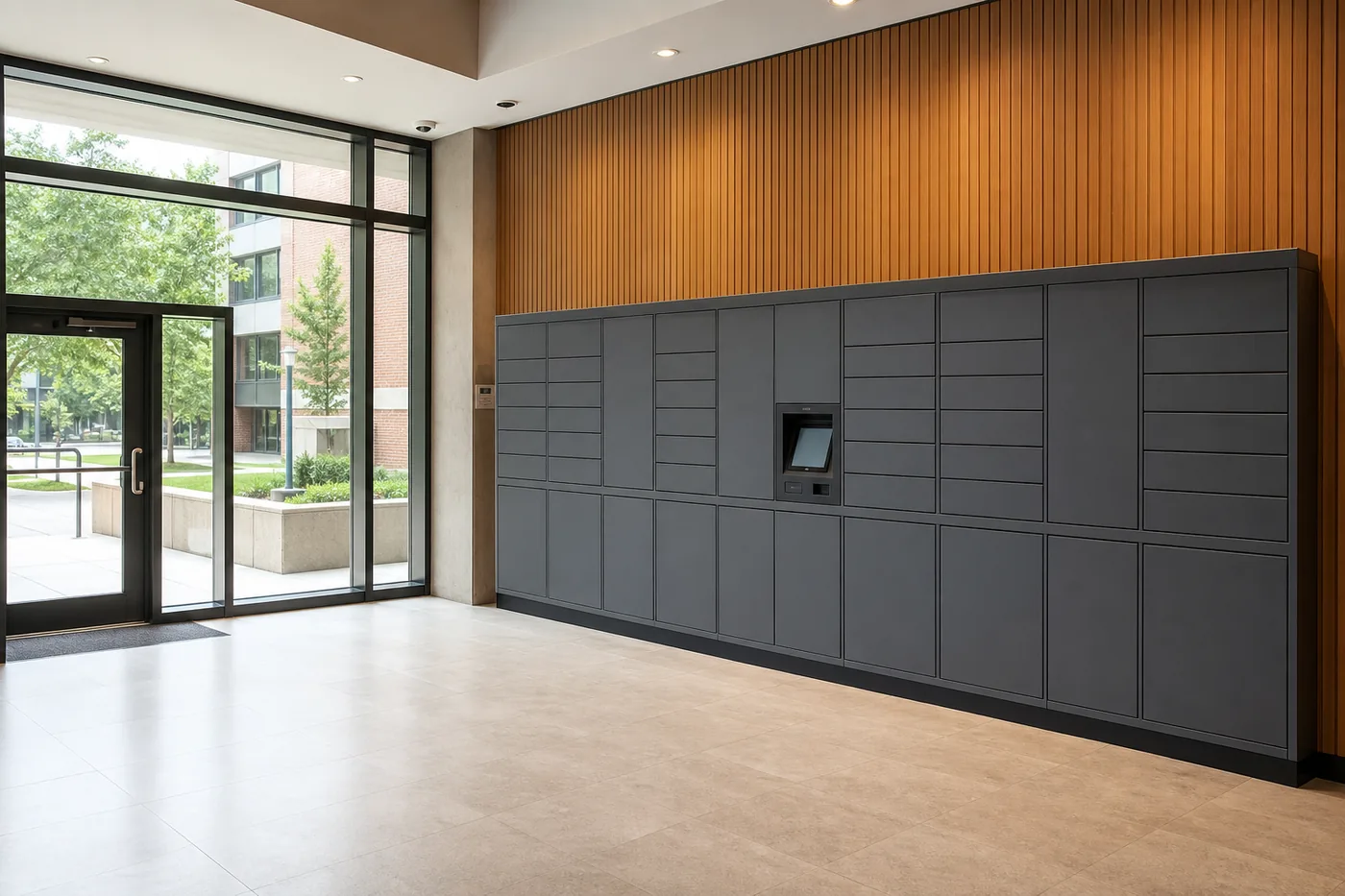
Lower-mounted controls and accessible compartment rows.
Features and Options to Consider
When evaluating smart parcel lockers for a campus, the following options drive both the configuration and the price. Work through them against your own volume, locations, and operational goals.
| Feature | Details |
|---|---|
| Compartment Sizes | Small (envelopes, small boxes), medium (shoe boxes, book orders), large (electronics, bulk items), oversized (large packages, multi-piece orders) |
| Access Methods | Unique pickup PINs, QR code scans, student ID card readers, or mobile app access depending on configuration |
| Assignment Mode | Designated compartments for named recipients and departments, or randomly selected compartments for high-volume student parcels |
| Notifications | Automated text or email notification with a randomly generated PIN when an item is ready |
| Tracking and Reporting | Deposit and pickup logs, chain of custody records, usage reports, and dwell time data |
| Modular Design | Cabinets combine into longer runs and additional units can be added as volume grows |
| Installation Location | Indoor lobby, corridor, and mailroom installations; weather-protected exterior alcoves where extended-hours access is the goal |
| Accessibility | Control height and lower compartment placement; confirm the specific requirements for your building during planning |
| Finish and Signage | Cabinets are manufactured to order, so finish and signage are part of the specification — confirm available options during quoting |
Configuration details vary by system layout and site conditions. We confirm every specification for your project before quoting.
How to Choose the Right Parcel Locker System
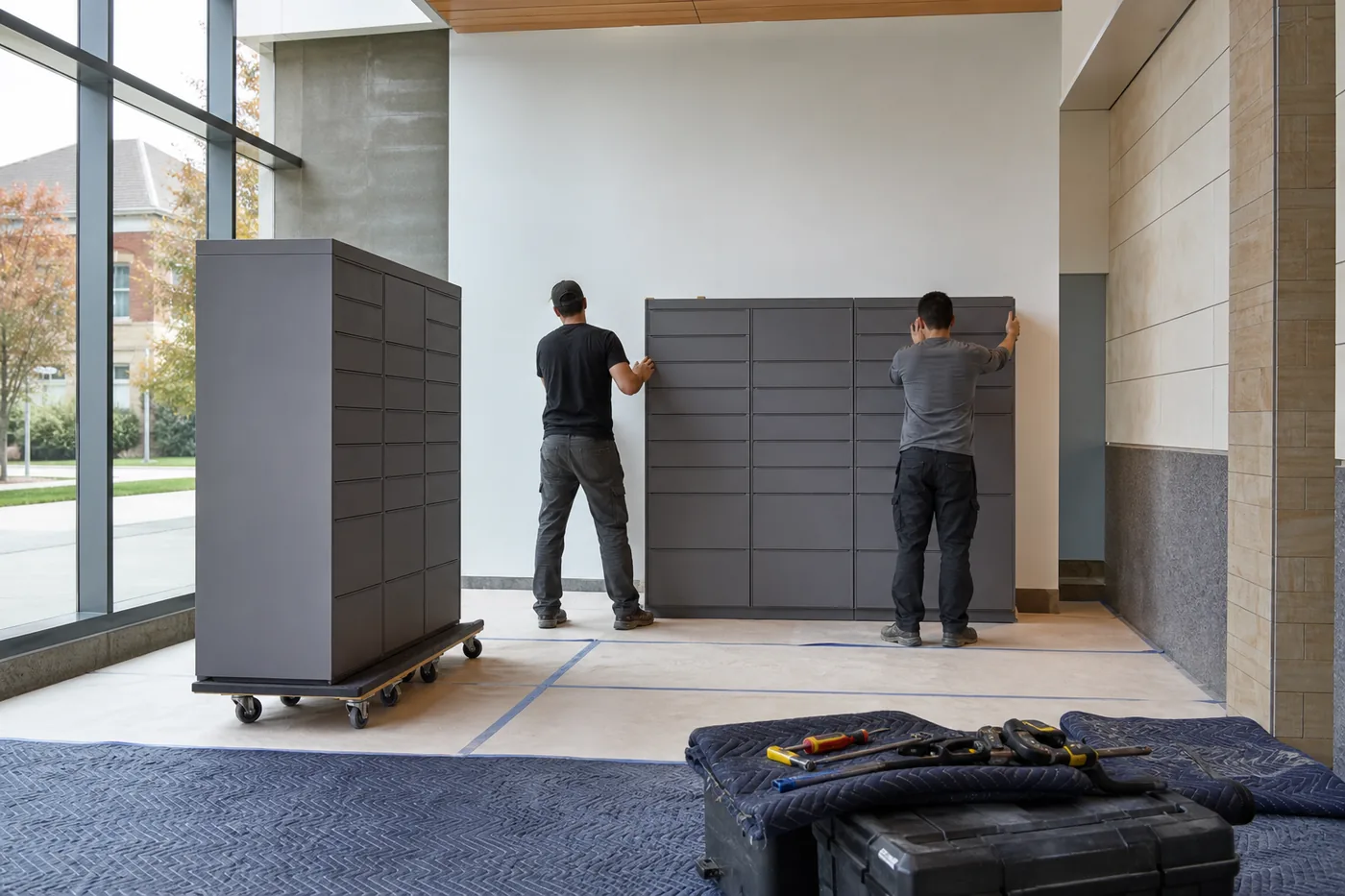
Installation planning is easier when power, network, and wall length are settled early.
Seven questions decide the configuration. Answer them with your own numbers before you compare systems, because the answers are what a supplier needs in order to quote something real.
- How many packages on your busiest day? Size from peak volume — move-in week and the start of each semester — not the daily average.
- What size mix do you receive? Count a week of your own receiving log by size rather than assuming an even split.
- How many locations? One central mailroom, banks in every residence hall lobby, or satellite stations in high-traffic buildings.
- What access method? PIN, QR scan, ID card, or app — consider the campus card system you already run and what students will actually use.
- What space is available? Measure the usable wall length, depth, and clearance at each proposed location, and check power and network access.
- What reporting do you need? Package tracking, utilization, dwell time, or integration with existing campus systems.
- What is the growth plan? Modular cabinets let you expand later, but rough-in for the eventual footprint now.
Contact Material Handling USA with those answers and we will help configure the right system for your locations and volume.
Interested in Parcel Lockers for Your University?
We can help you evaluate options for your campus mailroom, residence halls, student unions, and multi-building networks — and configure the Modular Millwork MultiSort® HD system for your volume and layout. Call 1-800-326-4403 or email Sales@MH-USA.com.
Why Choose Material Handling USA?
Campus-Ready Products
We supply the Modular Millwork MultiSort® HD system, built for high-volume campus mailroom and package distribution environments.
Custom Configuration
Every system is configured for your locations, volume, compartment mix, and access requirements.
Nationwide Service
We serve universities across the country and coordinate delivery, installation planning, and project support for single or multi-location deployments.
Free Quotes
Quotes and product recommendations cost nothing. Tell us about your campus and we will help you find the right solution.
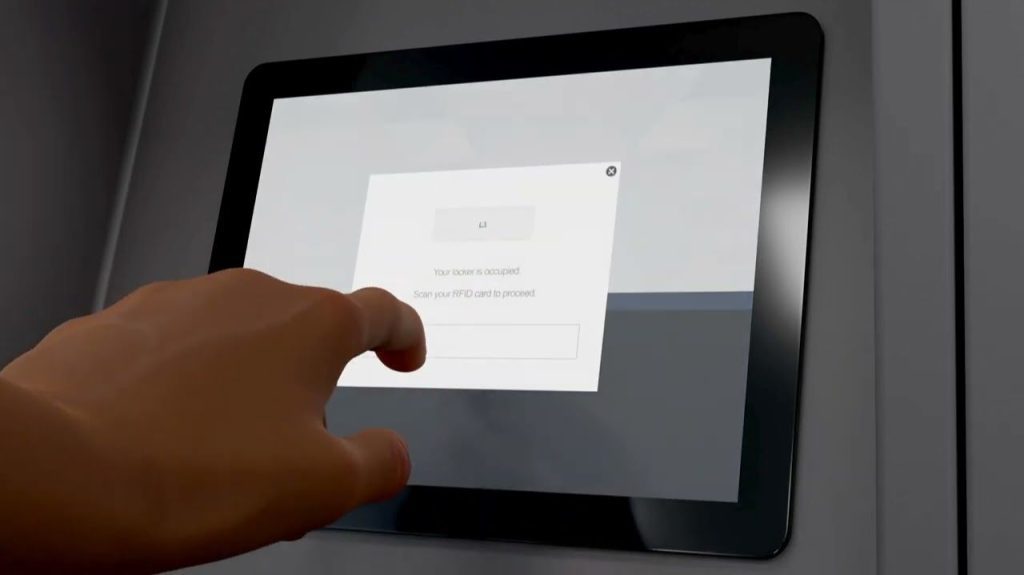
Touch-and-go retrieval is the outcome; the planning behind it is where we help.
Frequently Asked Questions
What are smart parcel lockers for universities?
How do contactless parcel lockers work?
What is the Modular Millwork MultiSort HD system?
Can parcel lockers be placed in residence hall lobbies?
Can students pick up packages outside of mailroom hours?
Do smart parcel lockers track packages?
Can we add more locker units later as volume grows?
How many compartments does a campus need?
What compartment sizes should we specify?
Can the lockers match campus branding?
How do I get a quote for campus parcel lockers?
Related Storage Solutions for Universities
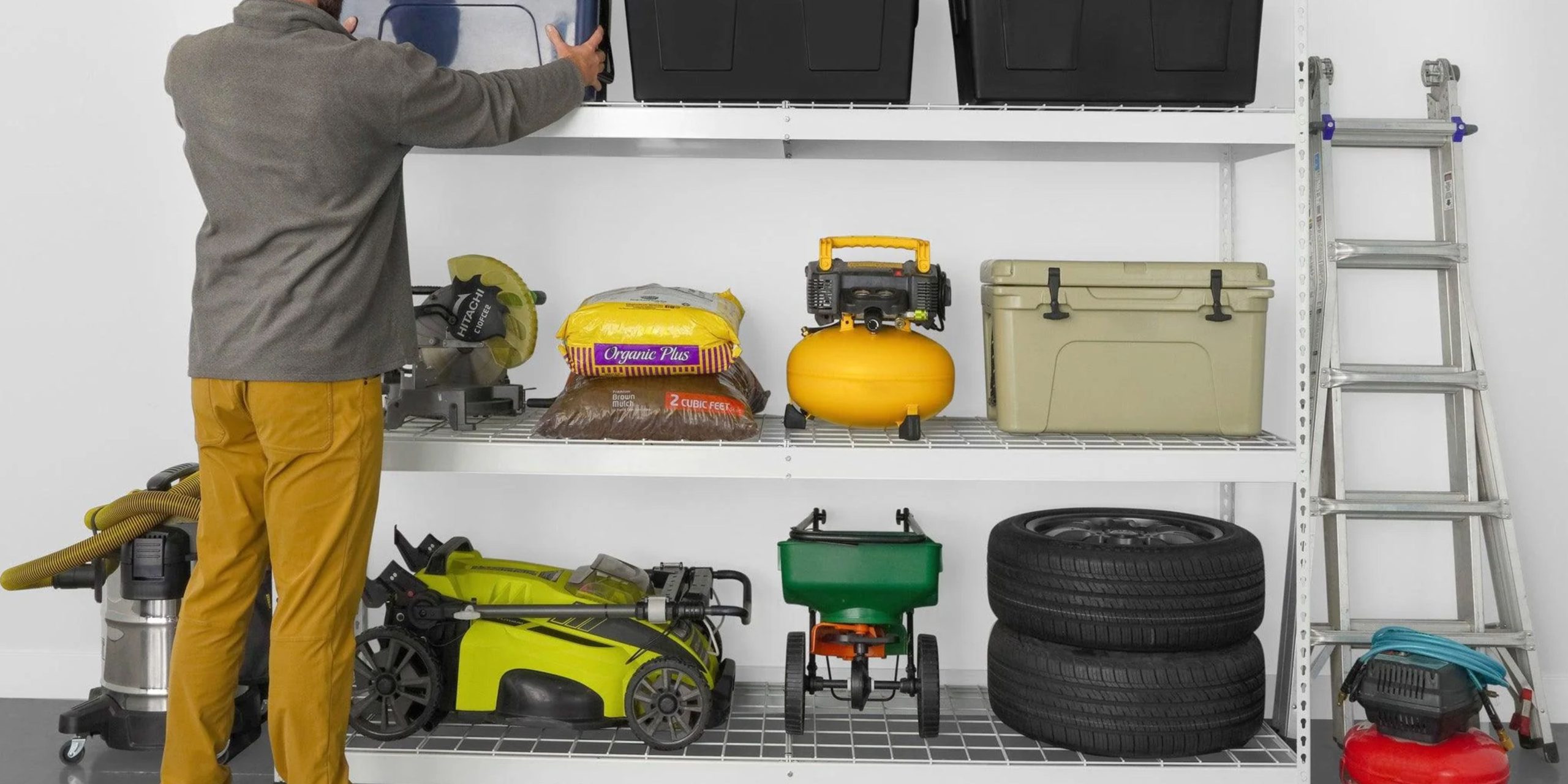
Beyond parcel lockers, Material Handling USA supplies storage and organization systems used across university campuses — including standard lockers for personal storage in gyms, locker rooms, and common areas.


Ready to Upgrade Your Campus Package Management?
We can help you compare smart parcel locker options, configure the Modular Millwork MultiSort® HD system for your campus, and plan mailroom, residence hall, and multi-location deployments. Call 1-800-326-4403 or email Sales@MH-USA.com.