The Importance of ADA Compliance in Queues

Creating an inclusive environment is crucial for businesses and organizations that serve the public. This includes making sure that every aspect of your space is accessible, from entrances to queues. ADA compliance is not just a legal requirement; it’s a commitment to providing equal access for everyone, including individuals with disabilities. One of the most important aspects of ADA compliance in public spaces is the design of queues, which must be accessible and navigable for all.

Most Popular Visiontron Products

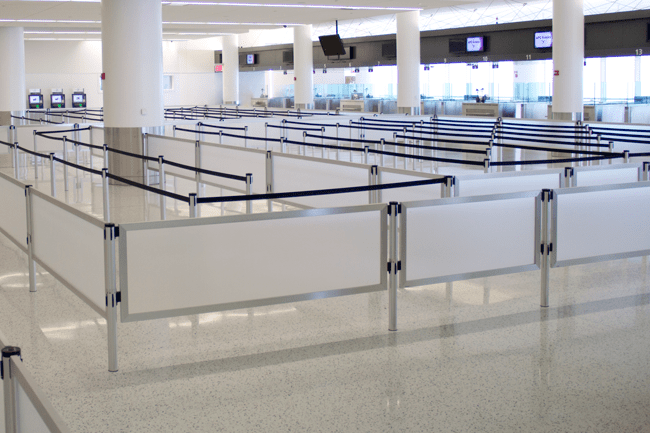
An empty airport check-in area features ADA-compliant queues with multiple row dividers and retractable barriers guiding passengers. Four check-in counters with screens are visible in the background, all under bright lighting and a clean, modern atmosphere.

Understanding ADA Requirements for Queues

What Does ADA Compliance Mean for Queues?

The Americans with Disabilities Act (ADA) requires that all public spaces provide equal access to individuals with disabilities. When it comes to queues, this means ensuring that they are designed to accommodate everyone, including those with visual impairments and mobility challenges. Queues must be free of obstacles, provide clear paths of travel, and include features that assist those who rely on tactile cues or need additional guidance.

Key ADA Guidelines for Queues

To be ADA compliant, queues should:

Have no protruding obstacles that could pose a hazard to individuals with visual impairments.

Include clear signage and tactile elements, such as braille signs and tactile ground surface indicators.

Ensure sufficient space for individuals using mobility devices, such as wheelchairs, to navigate comfortably.

Explore Custom Solutions Today!

Take the first step towards creating an inclusive environment. Contact us today to learn how dual line belts, beams, and panels can help you achieve ADA compliance in your queues.

Enhancing ADA Compliance
with Dual Line Belts, Beams, and Panels

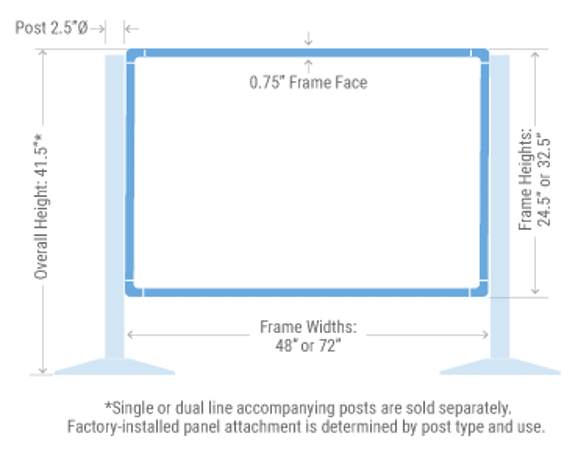
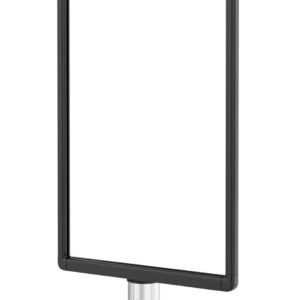
Diagram of an ADA-compliance rectangular frame with dimensions. Frame widths are 48 or 72, and frame heights are 24.5 or 32.5. Overall height is 41.5. Post diameter is 2.5. A note mentions posts sold separately. Ideal for organizing queues, the frame face is 0.75.

What Are Dual Line Belts and Beams?

Visiontron’s Dual line belts, also known as dual belt or twin belt stanchions, and dual beams are effective tools for ensuring ADA compliance in queues. This Dual line belts consist of two parallel belts positioned at different heights, with the lower belt designed to guide individuals with visual impairments who use canes. Dual beams serve a similar function but are made from rigid materials like aluminum.

How Dual Line Belts and Panels Enhance Accessibility

Visiontron’s Dual line belts and panels provide an additional level of guidance and organization within queues. For those with visual impairments, the lower belt or panel serves as a tactile cue, helping them navigate the queue safely. This system also prevents hazards by ensuring that objects do not protrude into the path of travel.

  • Dual Line Belts: These belts ensure that the lower portion of the queue barrier is detectable by canes, meeting the ADA/UFAS 4.4.1 standard.
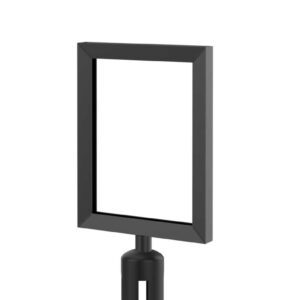
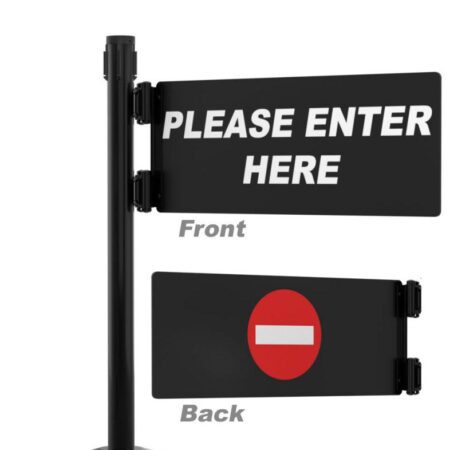
  • Panels: Panels can act as barriers or signage boards that provide additional guidance and prevent line ducking.
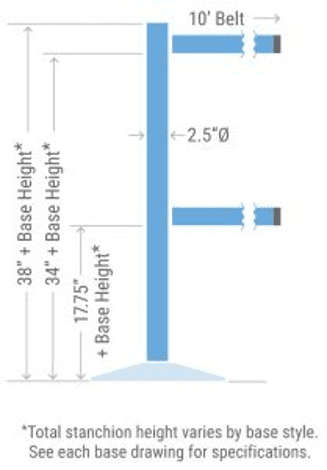
Diagram of a stanchion showing measurements: height options of 38 inches, 34 inches, and 17.75 inches. Pole diameter is 2.5 inches with two horizontal belts extending 10 feet each. Designed for ADA compliance queues, the base height varies to meet accessibility needs.
Diagram illustrating ADA compliance for accessible signage placement. Left: Signage in a lobby with clear width and height requirements. Right: Clear path with tactile warning area marked, ensuring signage is higher than 27 inches and protrudes a maximum of 4 inches for seamless navigation queues.

Customization Options for Dual Line Systems

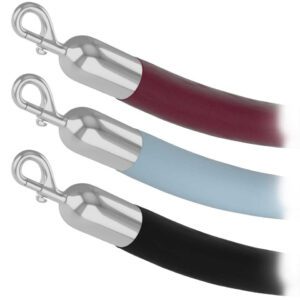
Beyond functionality, Visiontron’s dual line belts and panels offer customization options. Businesses can choose belts in various colors, add logos, or incorporate signage into panel systems. This not only helps with branding but also ensures that important information is conveyed effectively.

Why Choose Us?

Over 30 Years Of Experience

We design and install the right storage solutions for your specific needs

Custom
Options

We offer a range of customizable options to meet your unique needs

Customer Satisfaction

We are committed to excellent service and support, ensuring satisfaction with every purchase

Competitive Pricing

We offers competitive pricing, making it easy to find a solution that fits any budget

Other Considerations for ADA Compliant Queues

Incorporating Tactile and Visual Cues

In addition to dual line systems, queues should incorporate tactile elements and high-contrast colors to assist individuals with visual impairments. Tactile ground surface indicators and braille signage provide essential information and help individuals navigate the space independently.

Regular Maintenance for Continued Compliance

Maintaining an ADA compliant queue requires regular inspections and updates. Check for obstacles, ensure that all signage remains clear and visible, and replace worn-out belts or panels as needed. By staying proactive, businesses can continue to meet ADA standards and provide an inclusive environment for all customers.

In an ADA-compliant queue at the airport terminal, people stand in line, each clutching their luggage. A blue suitcase stands out among backpacks, while sunlight dances off the polished floor.

Bring Your Vision to Life! Looking for tailored queue solutions? Explore our range of customizable dual line systems and panel options to enhance both accessibility and branding.

FAQ's

ADA compliant queues are designed to provide safe and accessible paths for individuals with disabilities, including those with visual or mobility impairments.

Dual line belts provide additional guidance for individuals with visual impairments by ensuring that the lower belt is detectable by canes.

The ADA/UFAS 4.4.1 standard specifies that the bottom belt or barrier in a queue must be no more than 27 inches above the floor to prevent hazards.

Regular inspections should be conducted to ensure that the queue remains free of obstacles and that all ADA compliance features are functioning correctly.

ADA compliant queues enhance the customer experience by ensuring that all individuals, regardless of ability, can navigate the space safely and comfortably.

For a comprehensive guide, refer to the ADA Standards for Accessible Design, which provides detailed requirements for all aspects of accessibility.