Biggest Problems Shelving Can Solve in Warehouses
The right shelving system eliminates disorganization, reclaims wasted floor space, speeds up order picking, improves inventory accuracy, and creates a safer workplace. Here is how.
1. Running Out of Space
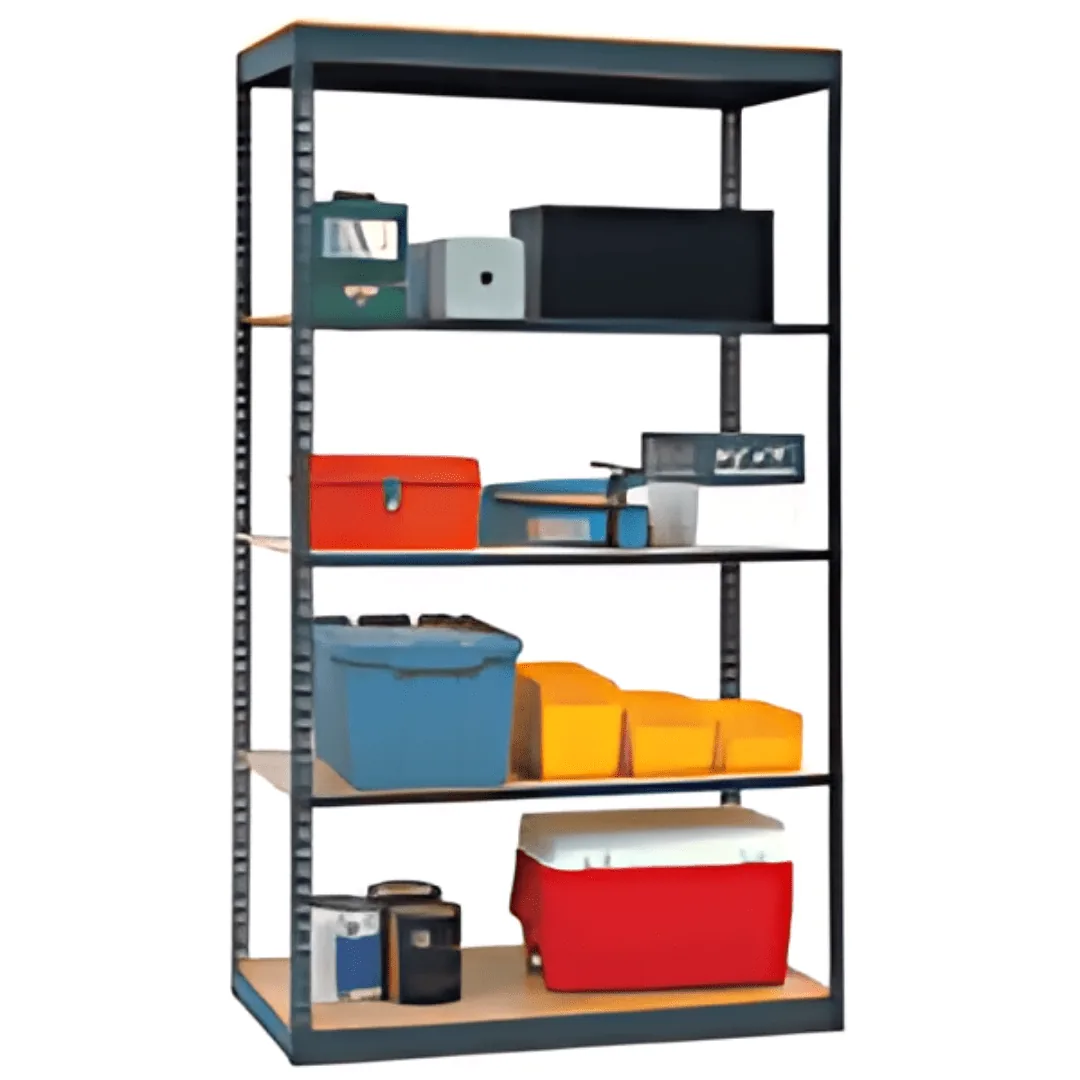
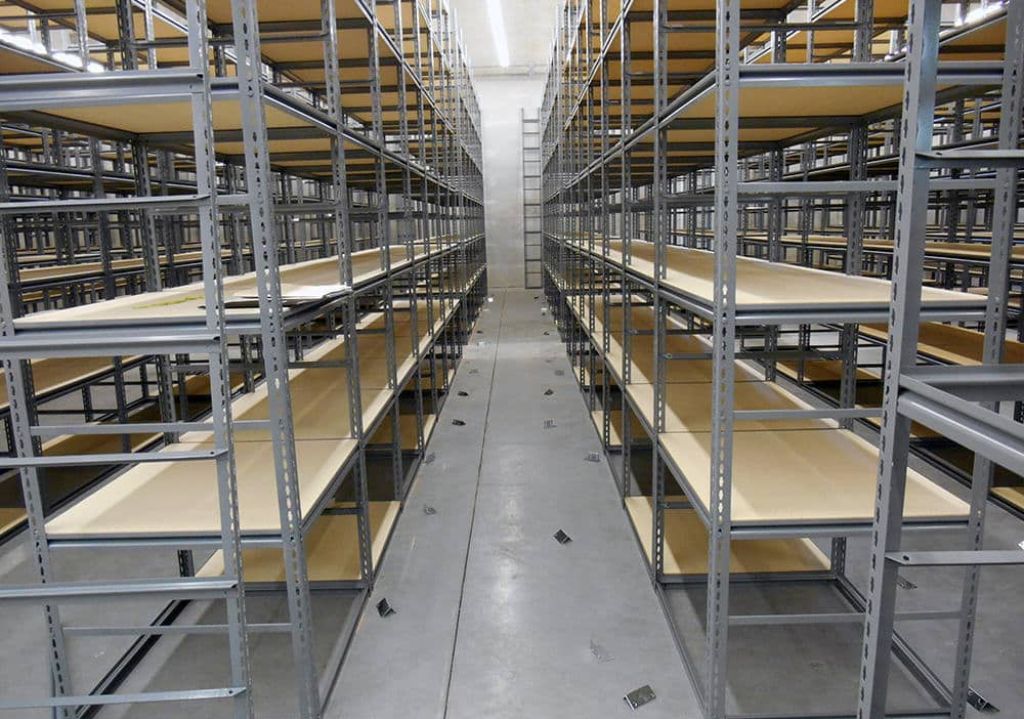
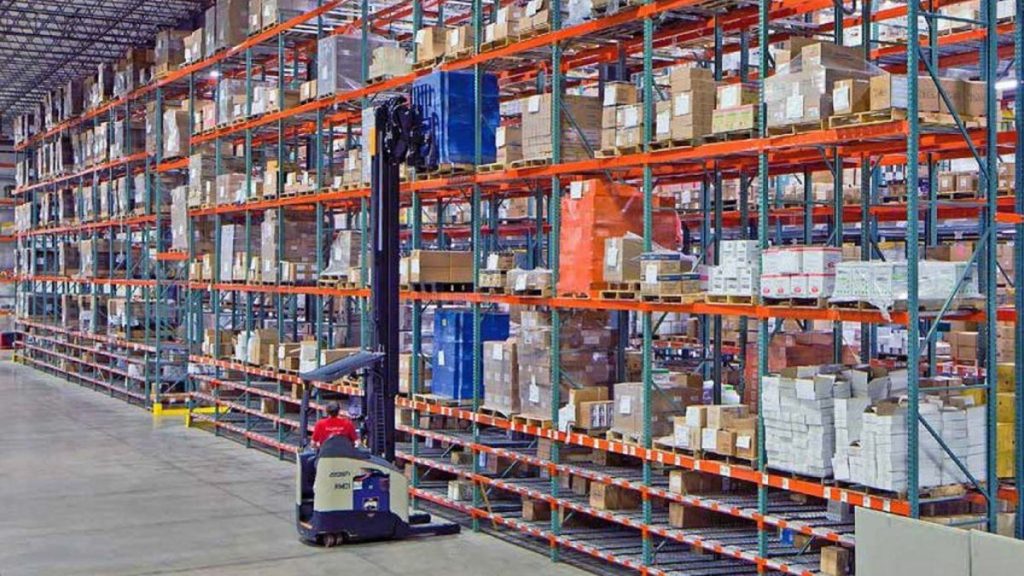
The most common warehouse problem is not actually a space problem — it is a storage density problem. Many warehouses use only 25–40% of their available cubic space because shelving and racking do not extend high enough, aisles are too wide, or products sit on the floor instead of in vertical storage.
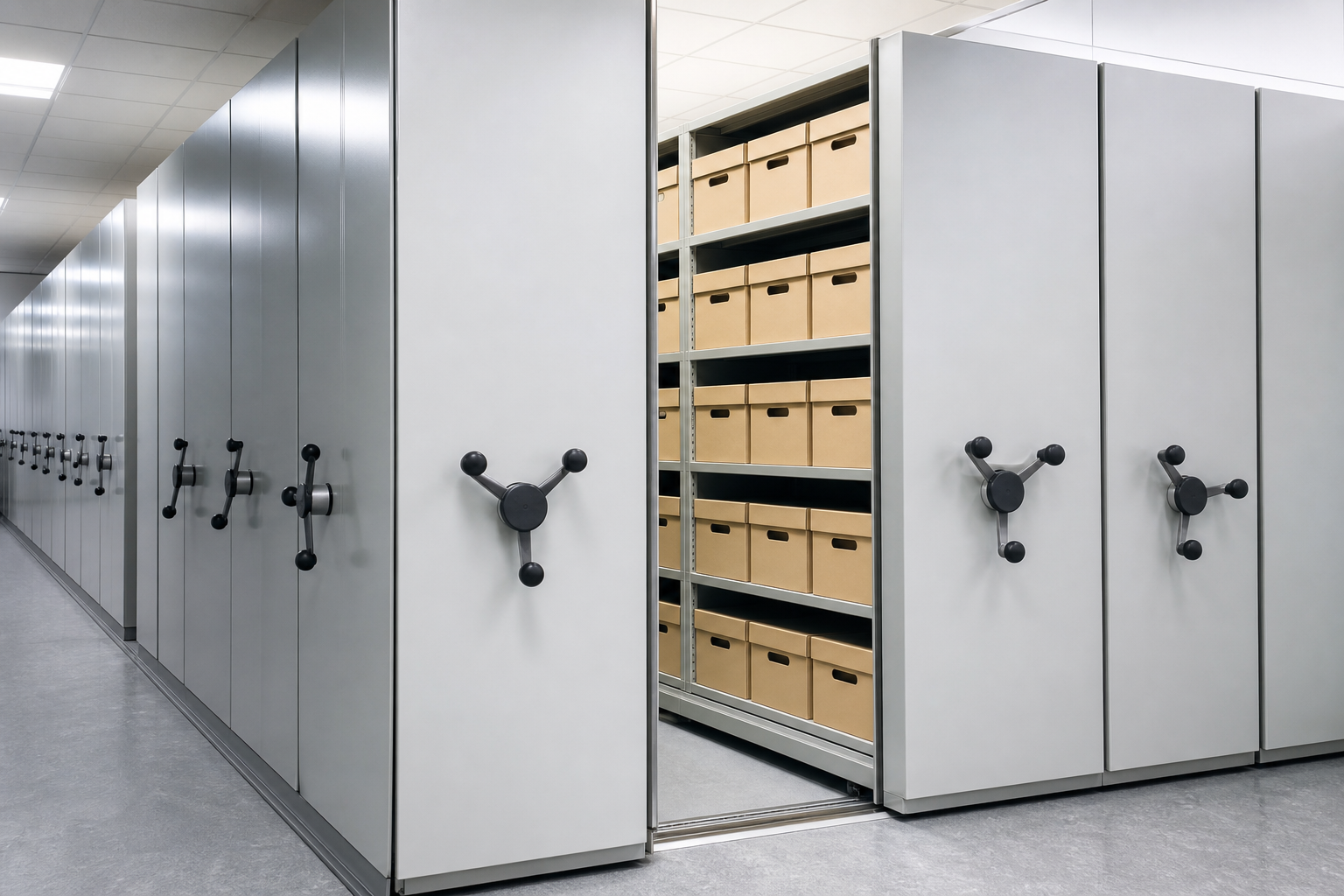
How shelving helps: industrial shelving converts unused vertical space into organized storage. A 7-shelf unit uses the same footprint as a 4-shelf unit but stores 75% more product. High-density mobile shelving on tracks eliminates aisles entirely, doubling storage capacity in the same square footage. Mezzanine-mounted shelving adds an entire second level above existing operations.
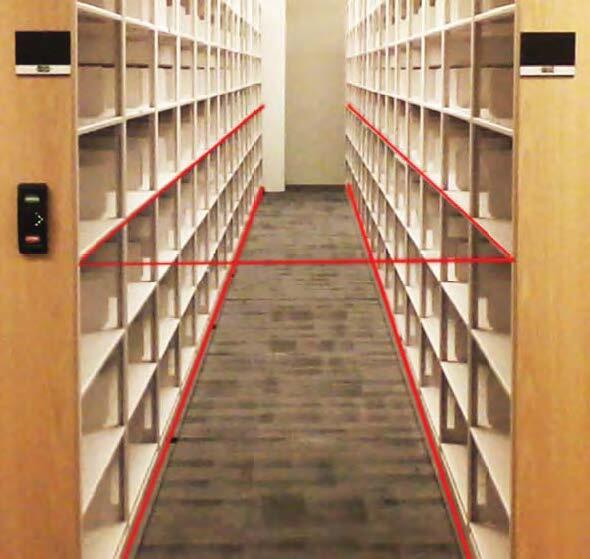
Mobile shelving removes the aisles that eat your floor space
2. Slow Order Picking
Gravity carton flow keeps the next pick always presented
When pickers spend more time walking and searching than actually picking, the shelving layout is the problem. Items stored randomly, labels missing or illegible, bins too deep to see into, and fast-movers placed far from packing stations all slow down picking rates.
How shelving helps: proper slotting puts A-movers at waist height in pick-face shelving closest to pack stations. Bin shelving with clear labels and dividers makes items instantly visible. Carton flow shelving presents the next item automatically using gravity rollers. These changes typically reduce pick times by 30–50%.
3. Inventory Inaccuracy
When items do not have a fixed home, they end up in a different location every time someone puts them away. That leads to phantom inventory, stockouts on items that are actually in the building, and wasted time searching for misplaced products.
How shelving helps: labeled bin shelving assigns every SKU a fixed location. Bin dividers prevent mixing of similar items, and color-coded zones make putaway intuitive. When every item has one correct home, inventory accuracy improves from the typical 70–80% range to 95% or better without expensive technology investments.
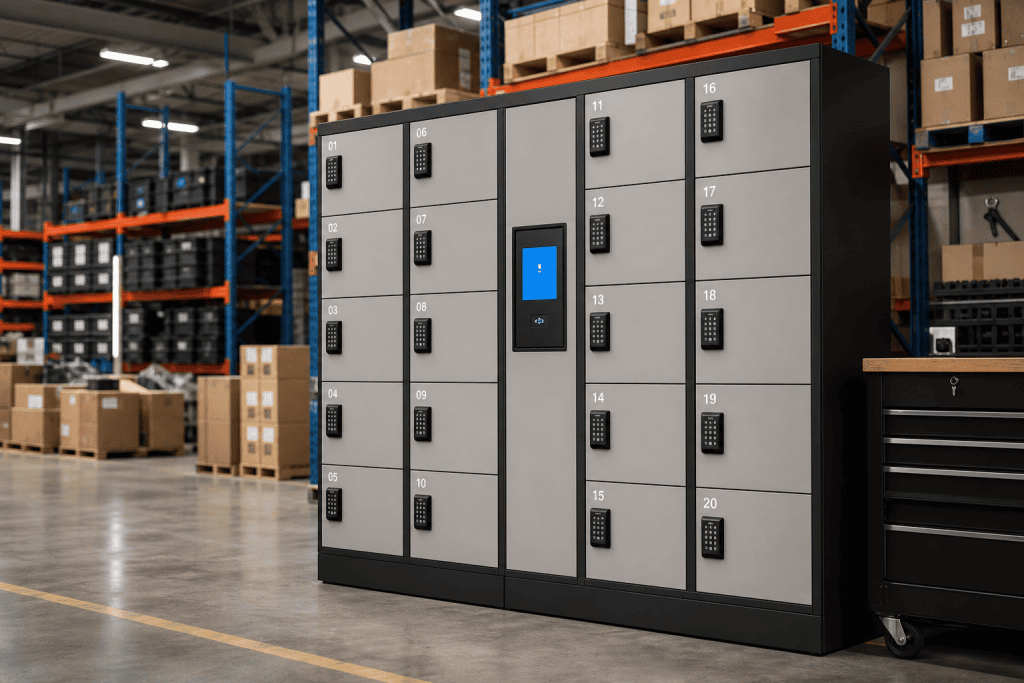
A fixed, labeled home for every SKU
4. Product Damage
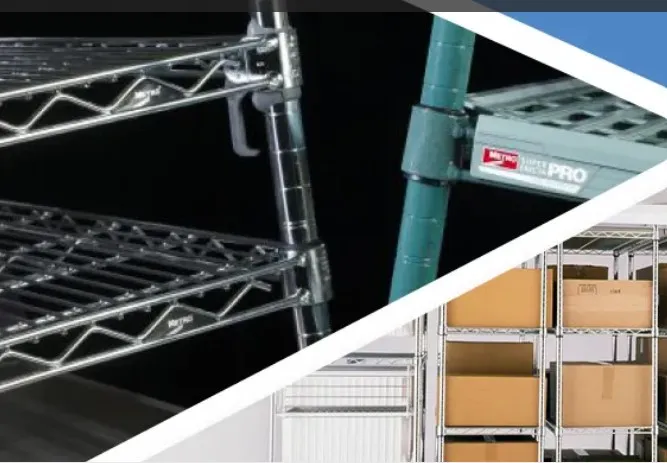
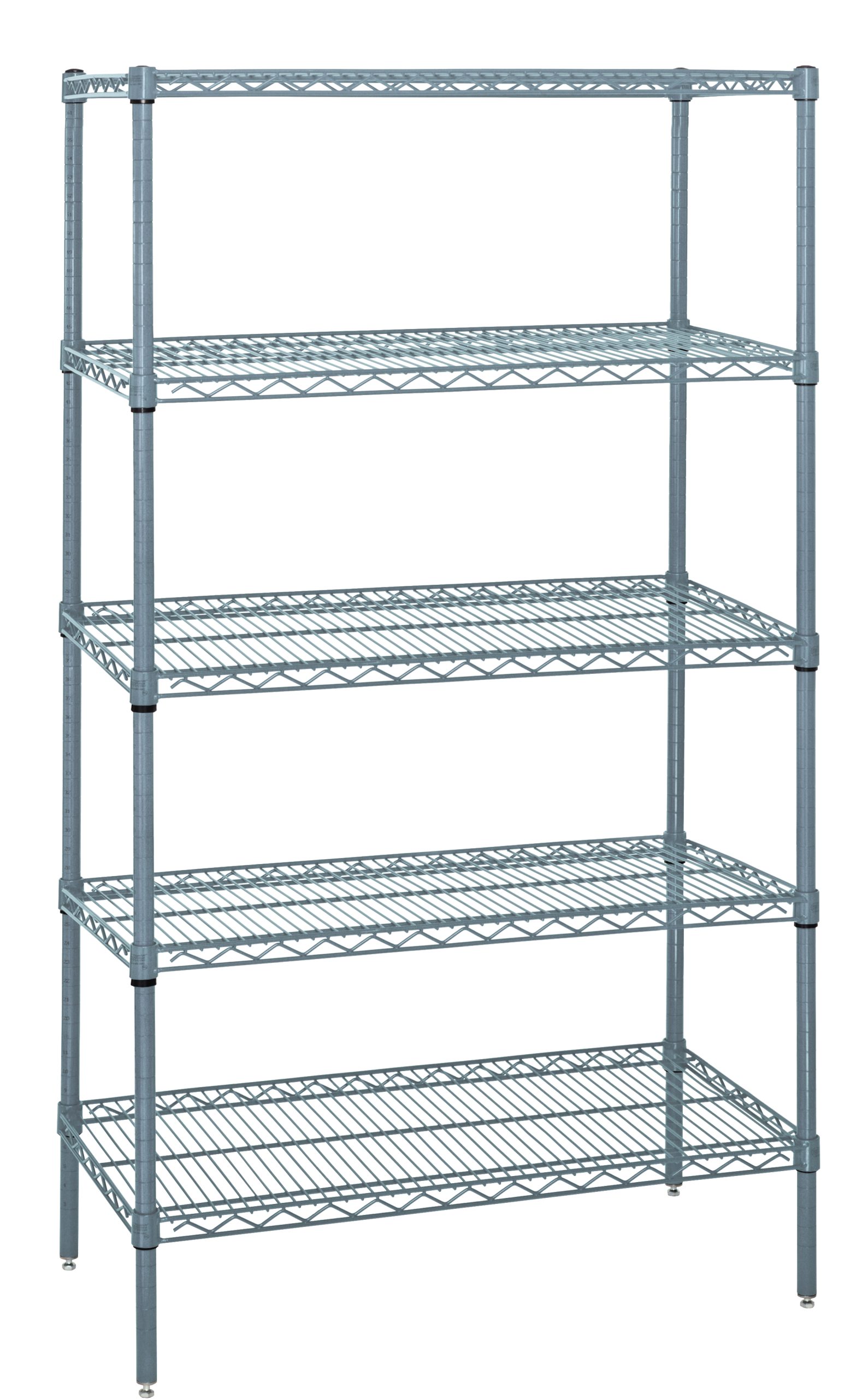
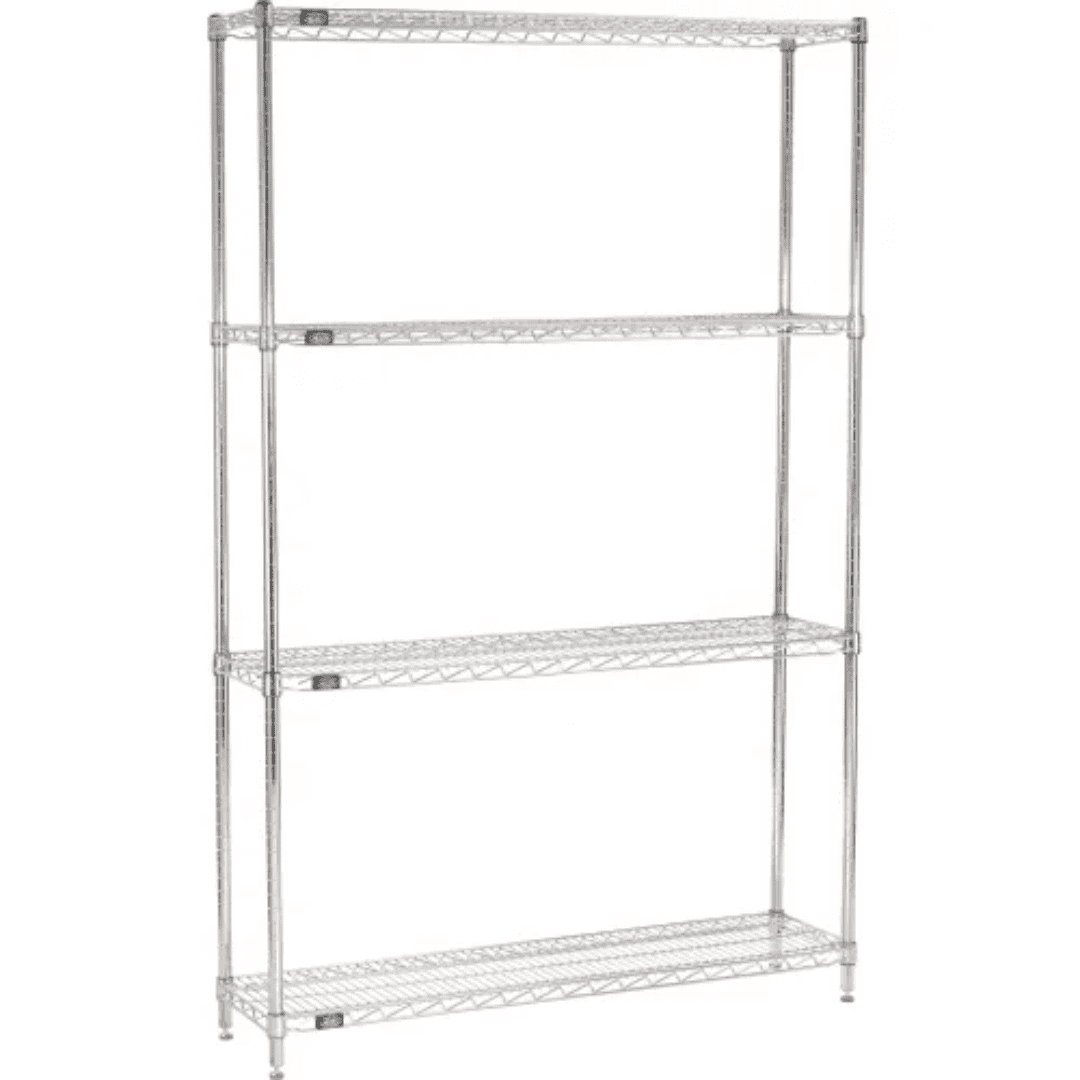
Open wire shelving for air circulation in cold and humid storage
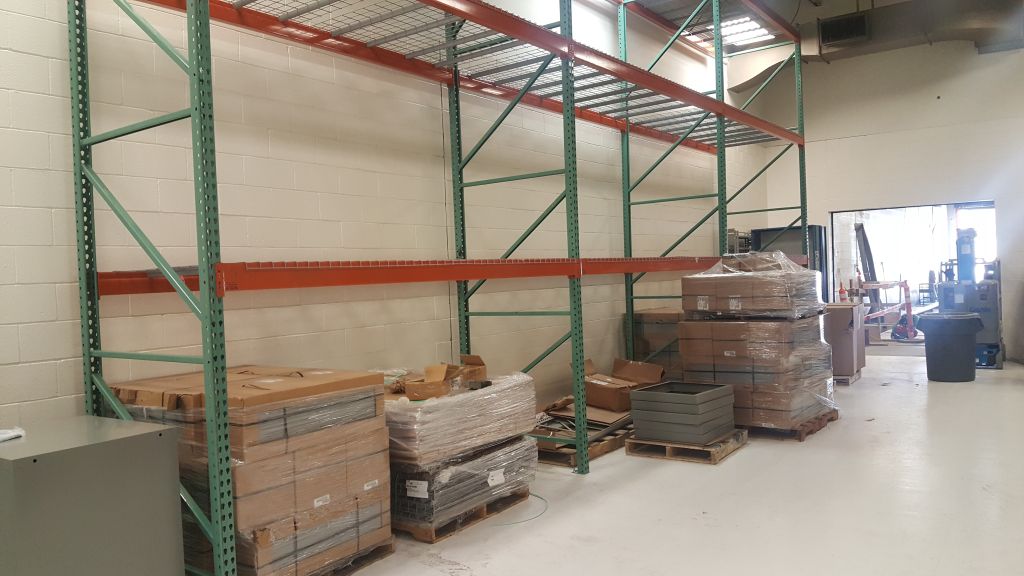
Products stored on the floor get stepped on, driven over, water damaged, and crushed by other items stacked on top. Products leaning against walls fall over. Boxes stacked too high collapse.
How shelving helps: shelving gets products off the floor and into organized positions with proper weight distribution. Shelf dividers prevent items from falling. Wire shelving in coolers and freezers allows air circulation to prevent moisture damage. Heavy items go on lower shelves where they are stable and easy to access safely.
5. Safety Hazards
Cluttered aisles, unstable stacks, items stored at dangerous heights without proper equipment, and blocked exits are OSHA violations waiting to happen. One workplace injury can cost more than an entire shelving installation.
How shelving helps: properly rated industrial shelving distributes weight safely across engineered structures. Clear aisles improve traffic flow. Items at accessible heights reduce the need for ladders and climbing. Seismic bracing in earthquake zones prevents collapse, and shelving keeps floors clear for safe forklift and pedestrian traffic.
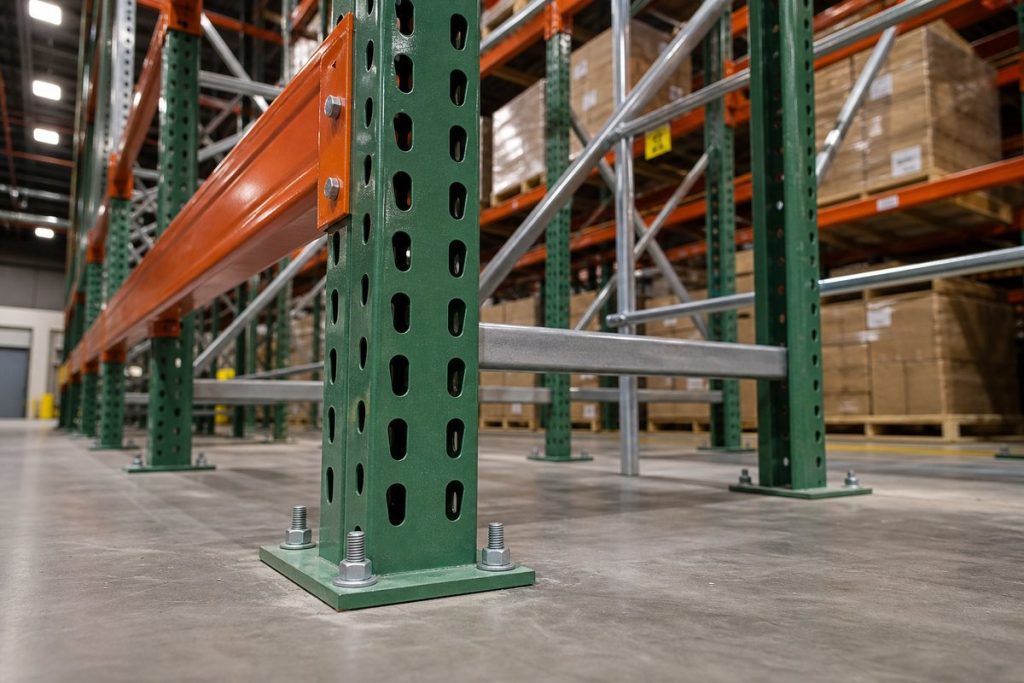
Engineered structures and seismic bracing, not stacked boxes
6. Wasted Labor
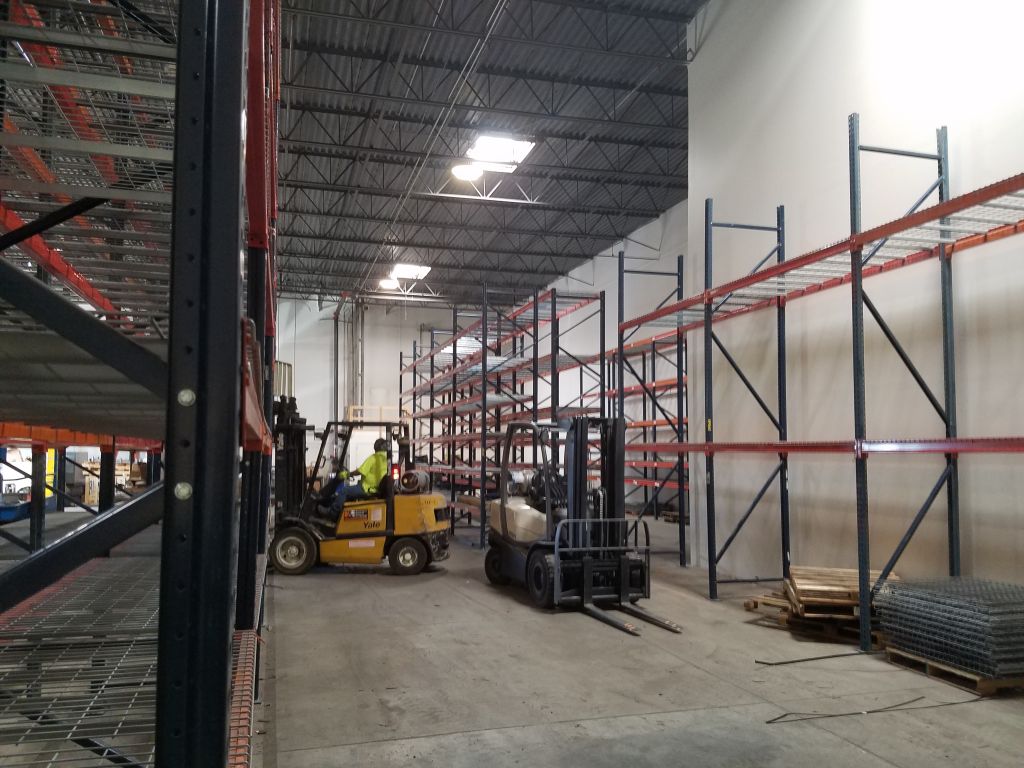
Organization is a labor decision, not just a tidiness decision
Disorganized warehouses require more people to do the same work. Extra workers get hired to compensate for inefficiency rather than investing in better storage systems. That is the most expensive way to manage a warehouse, because labor costs recur every month.
How shelving helps: organized shelving with proper slotting, labels, and bin systems lets each worker accomplish more per hour. One worker with a well-organized shelving system outperforms two workers in a disorganized space, and the shelving pays for itself in reduced labor costs within months.
Shelving Types by Problem
| Problem | Best Shelving Solution | Why |
|---|---|---|
| Out of space | Mobile shelving | Eliminates aisles and can double capacity in the same footprint |
| Slow picking | Carton flow shelving | Gravity-fed, FIFO, and reduced walk time |
| Mixed inventory | Bin shelving with dividers | Fixed locations and clear organization |
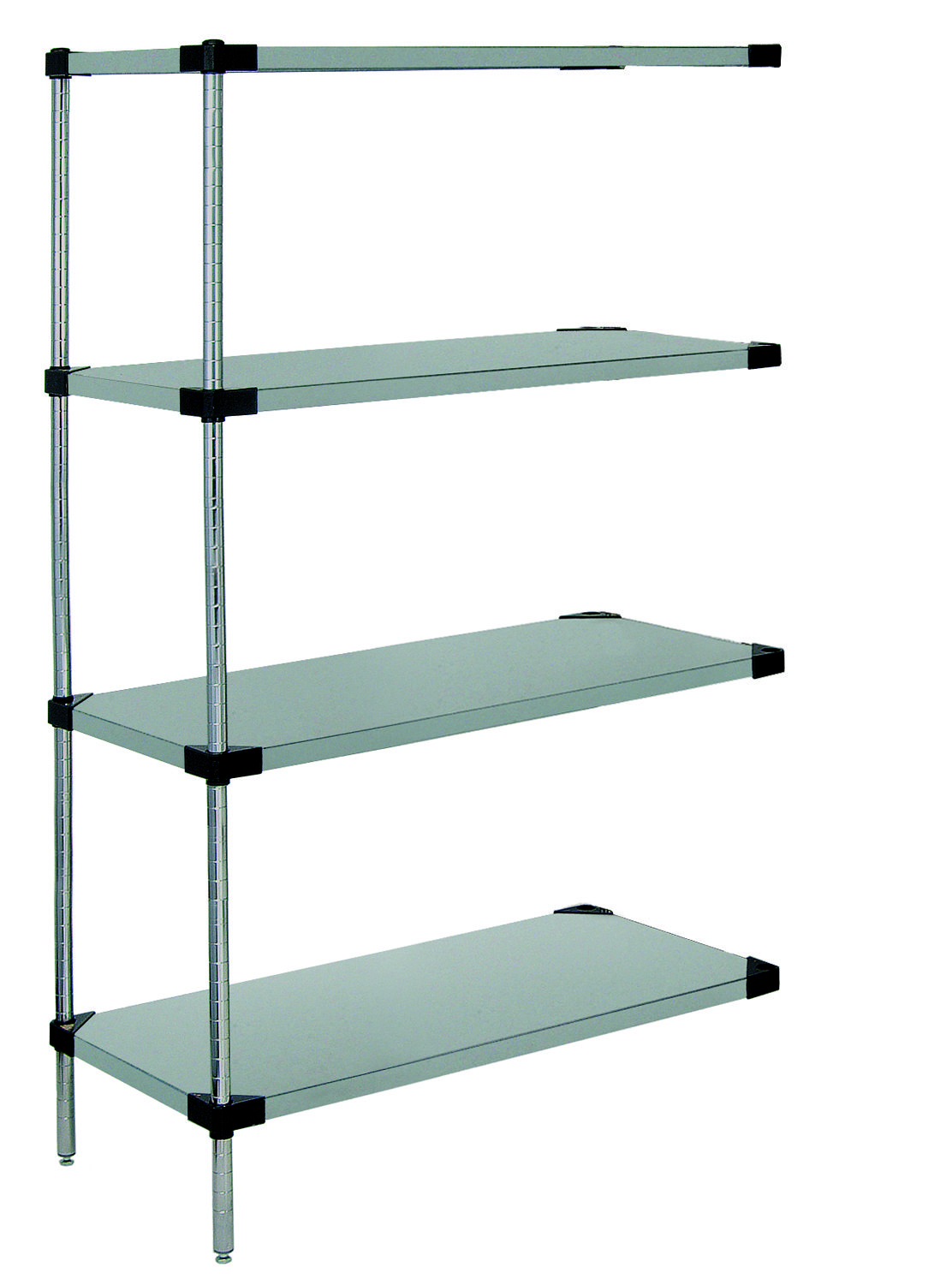
| Product damage | Wire or solid shelving | Off-floor storage with proper support |
| Wasted vertical space | Tall multi-tier shelving | Uses the full ceiling height you already pay for |
| Heavy items | Heavy-duty steel shelving | 500–2,000 lb per shelf capacity, depending on configuration |
What to Look For in Industrial Shelving
- ✓Adjustable shelf levels to accommodate changing inventory dimensions and seasonal stock fluctuations.
- ✓Load capacities rated for heavy industrial components and bulk storage requirements.
- ✓Modular design so the system can be expanded or reconfigured as the business grows.
- ✓Durable finishes such as powder coating to resist wear, scratches, and corrosion in busy environments.
- ✓Compatibility with bin and container systems for organized small parts management and retrieval.
Warehouse Shelving FAQs
How do I choose the right shelving for my warehouse?
How quickly does shelving pay for itself?
Can shelving be installed in an operating warehouse?
Do you help with layout design?
Is shelving or pallet rack the right choice?
Can existing shelving be reconfigured instead of replaced?
Related Products & Resources

Solve Your Warehouse Problems
Free warehouse shelving consultation. Tell us your biggest challenge and we will recommend the right solution.
Shop Shelving Kits Online
Buy select items directly from our online store, or request a quote for volume, custom sizes and freight-rated orders.