
Automated Storage and Retrieval Systems for Warehouse Automation
Automated storage and retrieval systems, or ASRS, move inventory between defined storage locations and transfer or picking points. A useful project begins with the goods, orders and handling tasks the operation needs to support. Material Handling USA can help organize those requirements and discuss storage automation as part of a warehouse layout and equipment plan.
The right system depends on more than available height or a headline picking rate. Inventory compatibility, replenishment, software, exception handling and maintenance all affect the result. Build the comparison around your operation's evidence and a clearly defined scope.
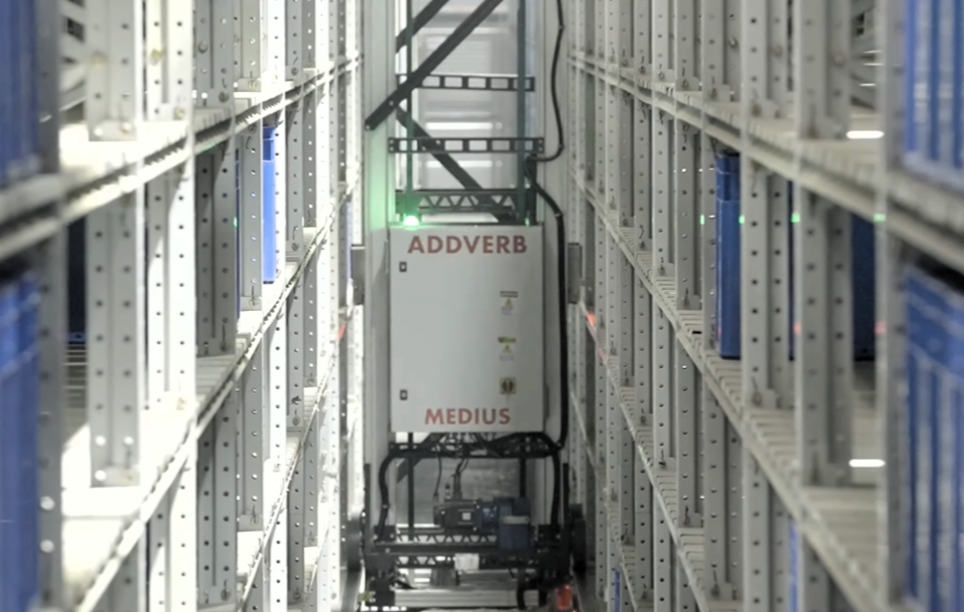
Establish the inventory and order profile
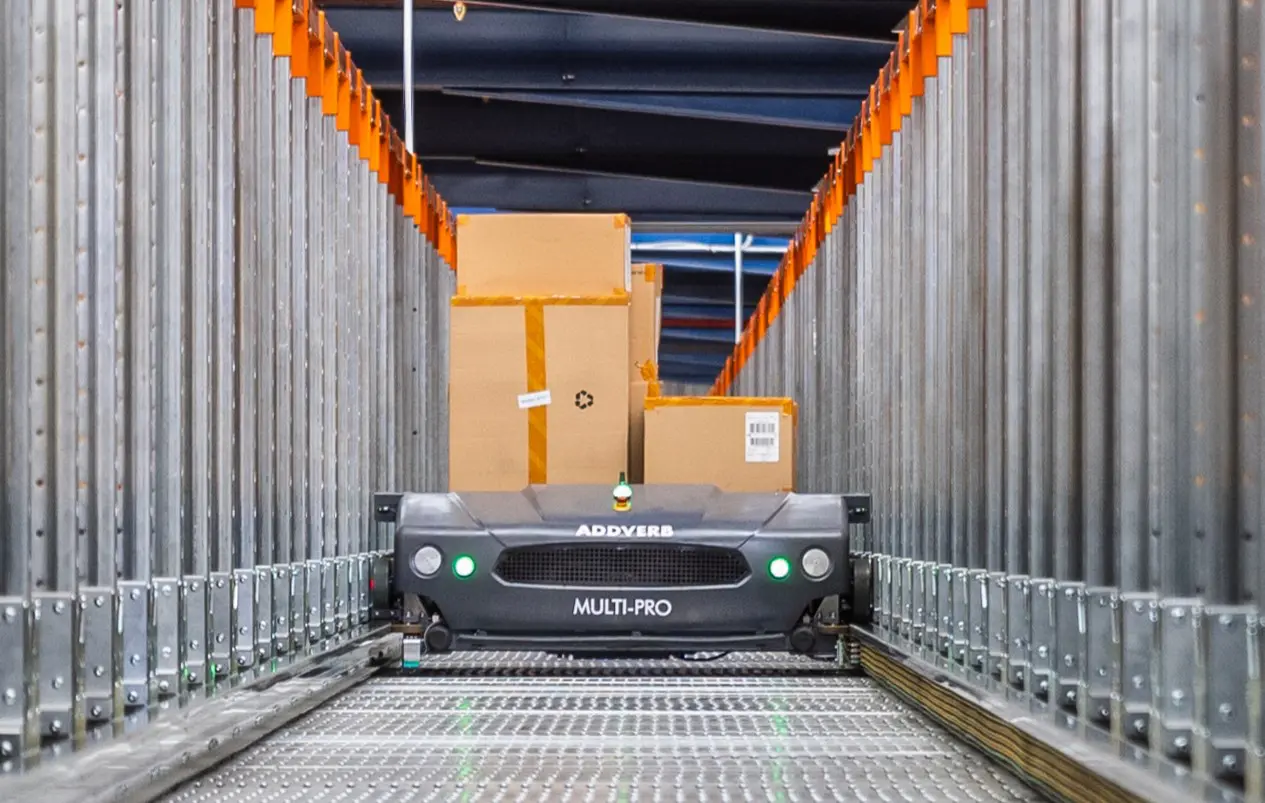
Start with the units the system will handle. Pallets, cartons, totes and trays impose different requirements on storage and transfer equipment. Record dimensions, weights, condition and variation, including packaging that extends beyond nominal sizes. Identify items that cannot use the proposed handling unit so they remain visible in the overall warehouse plan.
Analyze order activity over a representative period. Daily totals can hide short peaks, seasonal changes and repeated demand for a small group of items. Separate replenishment movements from order retrieval and identify work that occurs at the same time. The system must support the relevant combination of tasks, not just an isolated demonstration cycle.
Collect decision-ready operating data
- Active item count and quantities normally held.
- Container dimensions, loaded weights and exceptions.
- Order lines, units per line and demand by time period.
- Replenishment frequency and delivery patterns.
- Current travel, handling, waiting and error observations.
Define the problem the project is intended to solve. It might be constrained storage, excessive travel, inconsistent availability at a work area or difficulty supporting growth. Keep those goals distinct so a proposal can explain which improvements it is designed to address.
Use verified data where possible and label assumptions. A model based on incomplete measurements can still support an early discussion, but it should not be presented as a validated performance forecast. Agree on which missing information must be collected before equipment selection and investment approval.
Compare technologies by the load and retrieval task
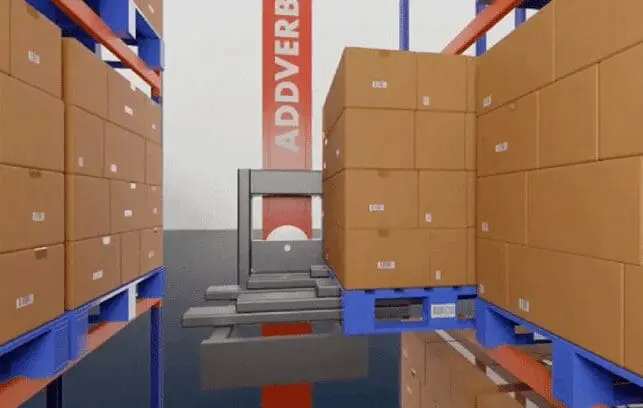
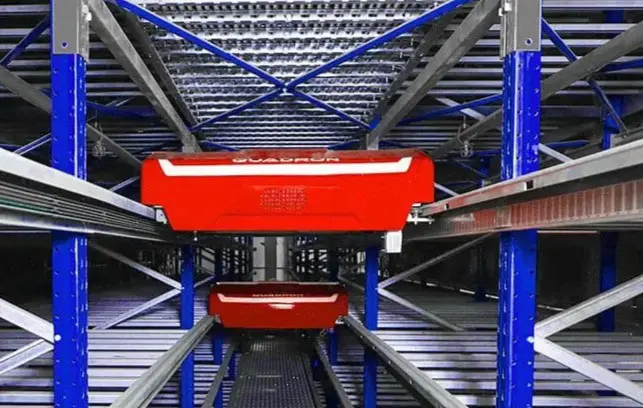
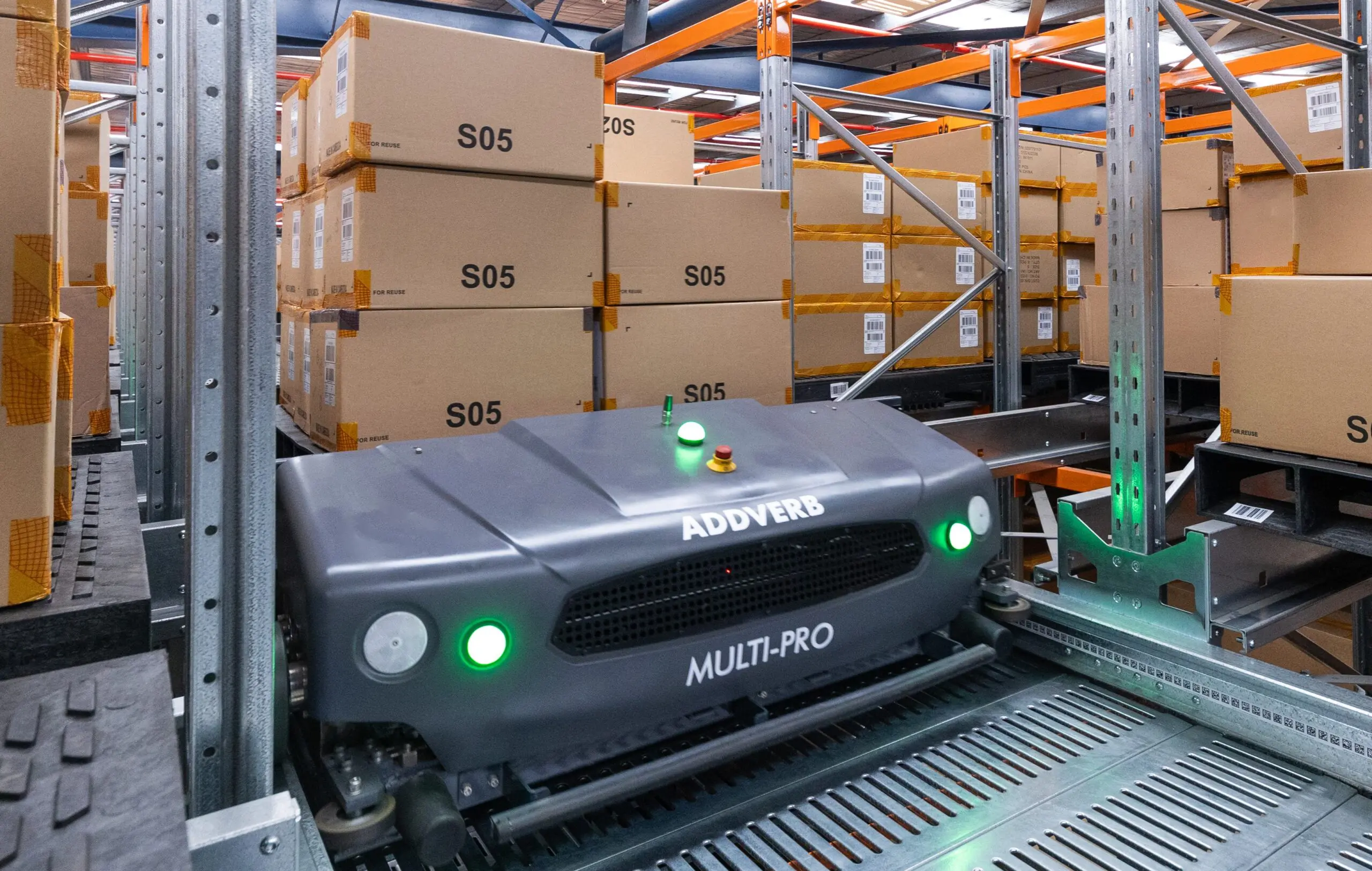
ASRS describes several equipment categories. Vertical lift modules present stored trays at an access opening; carousel systems move carriers through a defined path; shuttle systems transfer handling units within storage structures; crane-based systems move loads through racking aisles. The useful distinction is how each approach handles the actual inventory and work demand.
The recovered equipment imagery on this page includes Addverb systems. The manufacturer identifies Explore our related solutions and Explore our related solutions. Those are specific product families, not interchangeable names for every automated storage installation. Any proposed model should be identified and evaluated using its own documentation.
Match the concept to the requirement
| Equipment approach | Main comparison question |
|---|---|
| Tray-based vertical storage | Do the items and access pattern fit the proposed trays and opening? |
| Carousel storage | Does carrier movement suit the inventory and retrieval task? |
| Tote or carton shuttle | Are the handling units consistent and compatible with the interfaces? |
| Pallet automation | Do pallet quality, load stability and movements fit the proposed system? |
| Crane-based storage | Does the complete aisle, transfer and storage arrangement meet demand? |
Avoid selecting technology from a single advertised capacity or cycle-time figure. Ask how the supplier translates component capabilities into system performance for your inventory and order profile. Include transfer equipment, workstations and software in that explanation.
For a broader product overview, see our ASRS equipment guide. Keep the proposed configuration and its operating assumptions attached to any performance comparison so the project team can assess the same system.
Model replenishment and goods-to-person work together
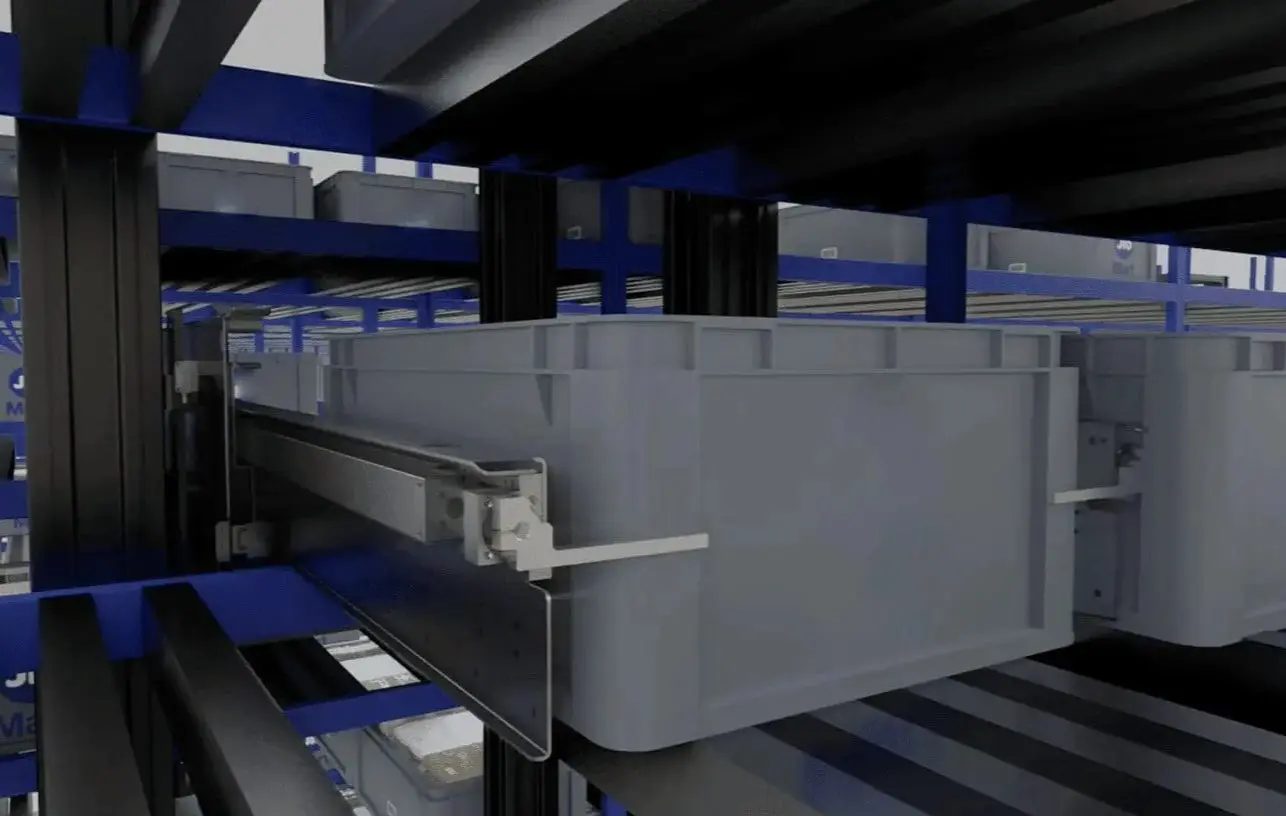
A retrieval system can deliver inventory to a work position, but the operator's complete task still matters. Picking, checking, packing, labeling and handling exceptions can determine the pace of the station. Observe those tasks and identify which are included in the proposed performance model.
Replenishment deserves the same attention as outbound work. Establish how incoming goods are checked, assigned to compatible containers and introduced into storage. Identify who resolves damaged packaging or inventory that does not match the expected record. Unplanned work at the input point can affect the rest of the operation.
Define each handoff
Show where the ASRS receives a handling unit and where responsibility transfers to another process. Include buffers, staging and the way empty containers return. If conveyors or other equipment connect the system to packing or production, document those interfaces instead of treating them as an unspecified future addition.
- Distinguish storage movements from completed order lines.
- Include the time needed for the operator's actual tasks.
- Model simultaneous replenishment and retrieval where relevant.
- Identify congestion and exception-handling locations.
Ask the supplier to explain the basis of any throughput statement. A single-machine rate may not describe the complete operating system. Use representative demand patterns and agreed assumptions to evaluate the concept, then define how performance will be tested during acceptance. This makes a proposal more useful than an unsupported promise that automation will eliminate every delay or error.
Specify software responsibilities and inventory controls
An automation project needs a clear information flow as well as an equipment layout. Identify which system holds item records, inventory locations and order status. Describe how instructions reach the automation and how completed movements or exceptions are reported back. Avoid assuming that a general claim of WMS integration covers every required interface.
Prepare the master data needed for the proposed system. Item identifiers, container definitions, dimensions and location rules should be consistent enough to support the intended handling process. Assign responsibility for correcting records and managing changes after commissioning.
Write down the operating scenarios
Review ordinary receipts and orders, then work through exceptions: an unreadable identifier, a missing unit, a canceled order, a quantity discrepancy or a container that cannot be accepted. The project team should know which system reports the condition and who decides what happens next.
| Interface topic | Requirement to define |
|---|---|
| Item and container data | Ownership, format and change process |
| Order instructions | Priorities, release rules and cancellation handling |
| Movement confirmation | Status updates and reconciliation |
| Exceptions | Notification, decision owner and recovery process |
| Access and support | Authorized users and service responsibilities |
Include the site's IT and operations teams early. Connectivity, access permissions, software support and change management can affect the project schedule. Ask for an interface specification and a testing plan tied to the actual systems involved. Do not treat a successful demonstration with sample data as proof that all production scenarios have been addressed.
Review the building, maintenance and continuity plan

Survey the proposed installation area and the routes serving it. Record usable height, obstructions, floor conditions, doors and existing services. Include space for installation, maintenance and adjacent work. An equipment footprint does not describe every clearance or access requirement of the complete system.
Provide the proposed loads and layout to the responsible building professionals. Structural, electrical, fire-protection and other facility requirements need review for the actual site. Equipment used in a special environment must be selected and documented for that environment; do not assume a standard configuration is suitable.
Plan for service before commissioning
Ask how routine inspections and maintenance are performed, which parts need access and what support arrangement is available. Identify the training, documents and spare-parts decisions the operating team will need. The maintenance plan should correspond to the exact equipment and duty profile being proposed.
Continuity planning should address the operation's tolerance for interruption. Determine which inventory or tasks are critical and what procedures the organization will use during a planned outage or equipment fault. A generic promise of manual override is not enough; recovery options depend on the particular system and must follow approved procedures.
Keep responsibilities clear between the equipment supplier, software providers, site maintenance and other contractors. Ask who receives the first support call, how problems are escalated and what information should be recorded. A defined support process helps the team assess the proposed operating model before committing inventory to an automated installation.
Evaluate the business case and acceptance criteria
Compare automation with a defined baseline. Measure the current storage arrangement and the work required to serve it, then identify which costs or constraints the proposed system could change. Distinguish cash savings from released staff time, avoided future expansion and other operational benefits. They are different outcomes and should not be counted twice.
Include the complete project cost in the discussion: equipment, integration, building work, installation, training and ongoing support. Identify assumptions about growth, operating hours and staffing. Ask how sensitive the business case is to those assumptions rather than relying on a standard payback period.
Agree on what success will mean
| Evaluation area | Evidence to request |
|---|---|
| Storage fit | Locations for the agreed inventory and handling units |
| Flow | Performance model using representative demand |
| Software | Documented interfaces and exception scenarios |
| Operations | Training, support and maintenance responsibilities |
| Acceptance | Test conditions, measures and sign-off process |
Define acceptance criteria before the order is finalized. The tests should reflect the agreed scope and operating conditions, with a clear method for recording results and resolving outstanding items. Decide which scenarios must be demonstrated before the system enters routine use.
For the surrounding warehouse, use our warehouse design guide to review receiving, staging and circulation. Automation should fit the complete operation. Improving one storage task while leaving a constrained handoff unchanged can limit the practical value of the investment.
Build a phased implementation brief
A focused brief helps the project move from an initial idea to a reviewed proposal. Include the inventory and order profile, room information, current systems and the specific problem to solve. Identify what has been measured and what still needs verification. State the desired timing and any operating periods the project must accommodate.
Use decision stages appropriate to the complexity of the work. An early concept can compare technologies and layouts; a later stage can validate interfaces, performance assumptions and the installation scope. Keep the approval status of each document visible so a preliminary concept is not treated as a final design.
Prepare the operation for change
Identify who will clean up data, prepare inventory, train users and manage the transition. Decide how work continues while equipment is installed and tested. The implementation plan should include the people and information needed to put the system into routine service, not just the date machinery arrives.
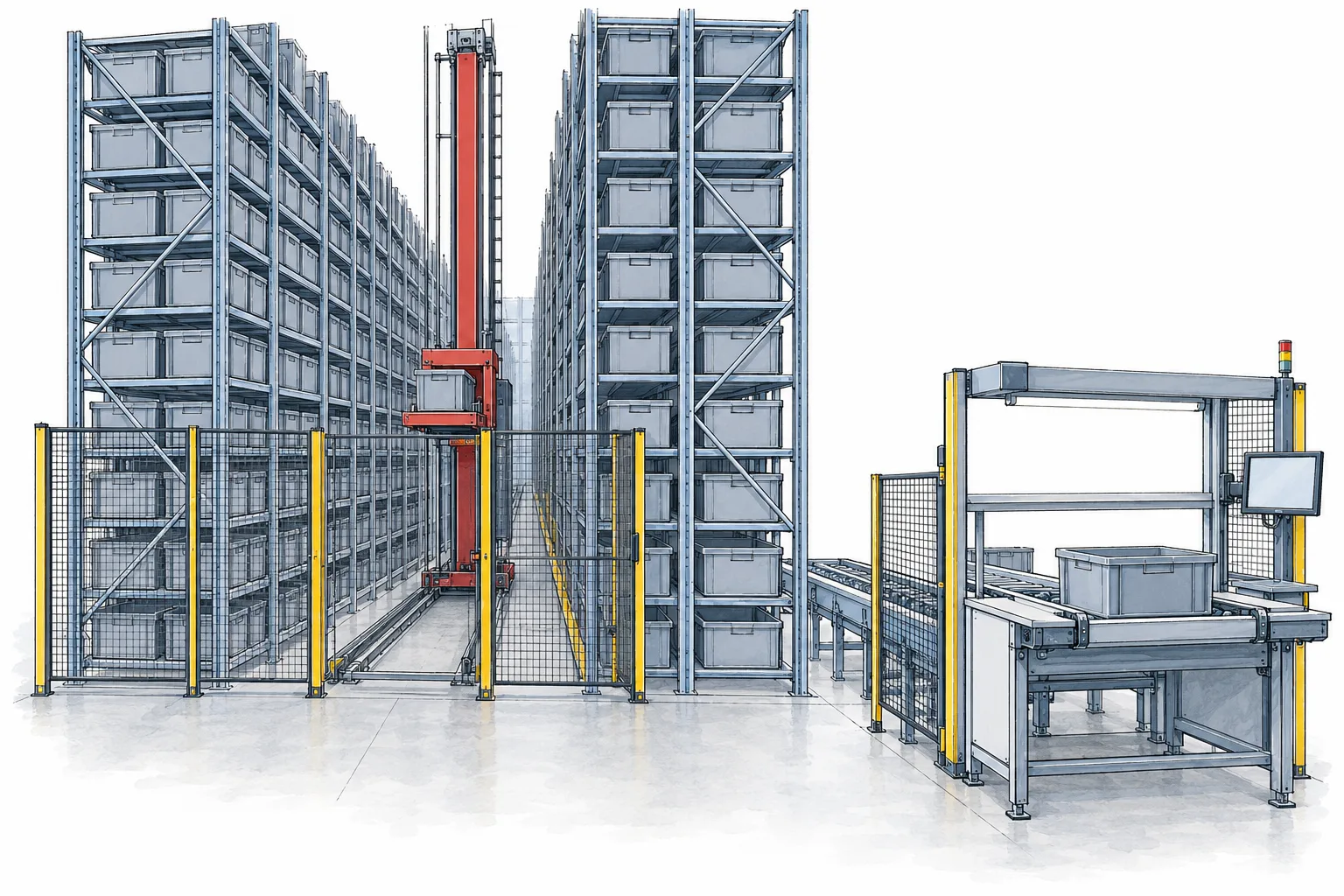
The final supporting illustration is an AI-generated concept showing automated storage and a separate work position. It does not represent a named manufacturer model, approved machine layout or completed MH-USA installation. Actual guarding, controls, dimensions and operating procedures must come from the selected system's reviewed documentation.
Contact Material Handling USA with your inventory data, room plan and operating goals. A useful next step is a clear automation brief that suppliers can evaluate consistently and that your operations, facilities and IT teams can review together. The goal is a supported equipment decision with measurable expectations and a practical implementation path.
See our full warehouse design solutions page for products, design methodology and project support from one partner.
Frequently asked questions
What is an automated storage and retrieval system?
ASRS is a category of equipment that stores and retrieves inventory between defined locations and transfer or work points. Different systems handle trays, totes, cartons or pallets, with configuration-specific capabilities.
Does automation eliminate picking errors?
No universal error-elimination claim is appropriate. Results depend on item data, replenishment, interfaces, operator tasks and exception handling. Define accuracy requirements and acceptance tests for the proposed operating process.
Is there a standard ASRS payback period?
No. The business case depends on the current operation, complete project cost, workload and benefits being measured. Use a documented baseline and review assumptions rather than applying a generic timeline.
Can an ASRS connect to our existing WMS?
Integration must be evaluated for the actual systems and required information flows. Define data ownership, instructions, confirmations and exceptions, then ask for an interface specification and testing plan.
Can employees access inventory during an equipment fault?
Recovery options depend on the selected system and approved procedures. Ask the supplier to document maintenance and continuity arrangements. Do not assume every system has a suitable manual retrieval mode.
What should we provide for an initial review?
Share inventory dimensions and weights, order and replenishment activity, a room plan, current software information and the problem to solve. Identify peak demand, unusual handling units and installation constraints.
Build an automation brief from operating evidence
Share your room measurements, photographs and requirements with Material Handling USA to start a focused project discussion.