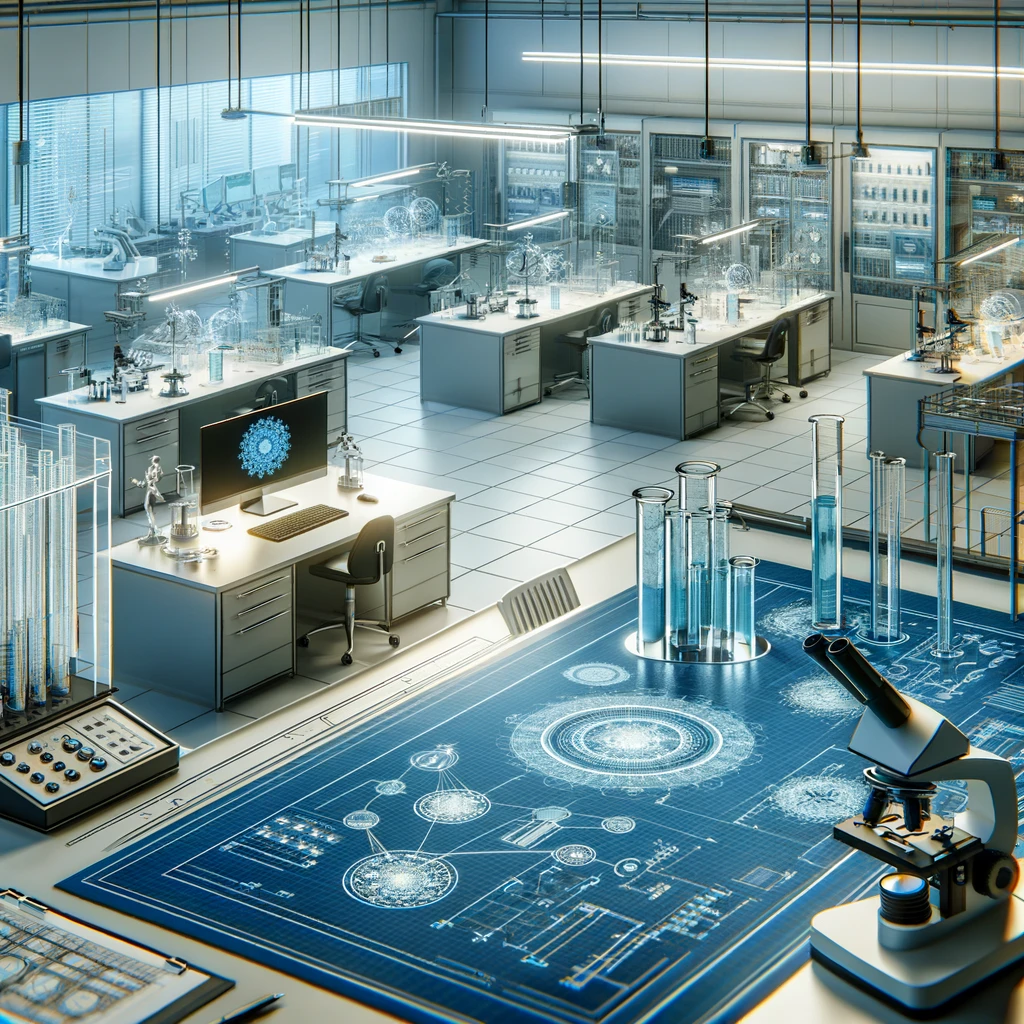
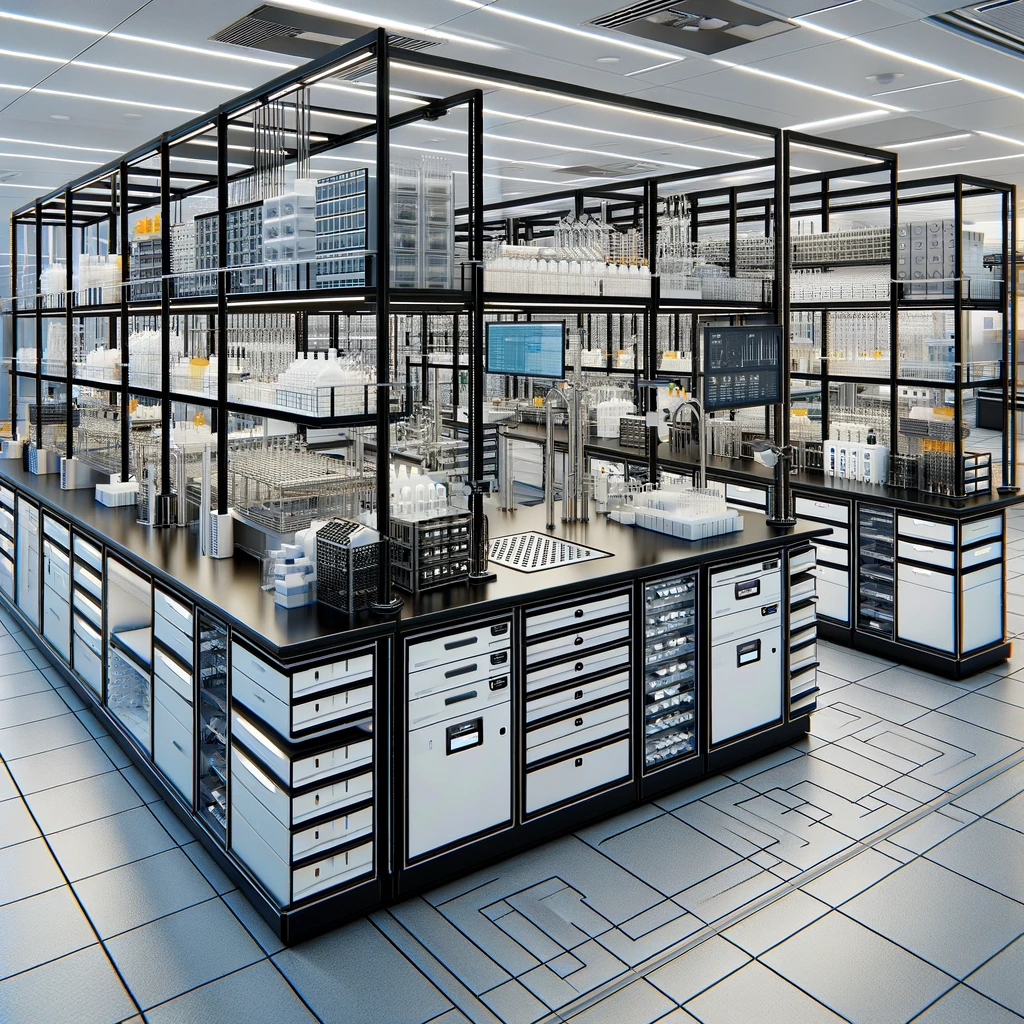
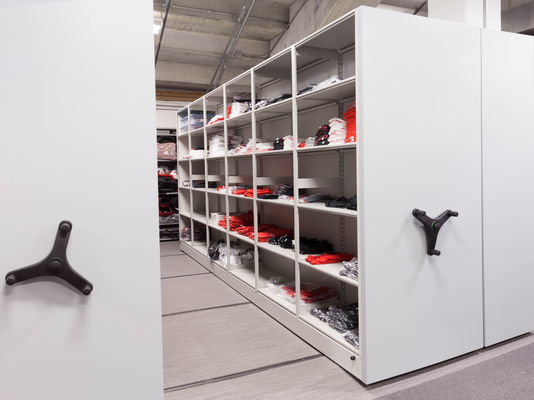
Lab island stanchions and shelving are more than mere storage solutions; they are integral components that enhance the functionality and safety of a laboratory. Understanding their design, material choice, and arrangement is key to creating an efficient lab environment.
Designing for Specific Laboratory Needs
Each laboratory has its own set of requirements based on the type of experiments or procedures carried out. Island stanchions and shelving must be designed keeping in mind these specific needs. For example, in a chemical laboratory, shelves might need to be resistant to corrosive substances, while in a biology lab, they might need to accommodate larger equipment like microscopes or incubators.
Material Selection: Durability and Safety
The choice of materials for lab furniture is crucial. Black phenolic resin, for example, is popular in lab settings due to its durability, chemical resistance, and ease of cleaning. It’s ideal for surfaces that are frequently exposed to harsh chemicals. Stainless steel is another option, known for its strength and resistance to heat and moisture, making it suitable for high-temperature environments or where sterility is a priority.