
Home › Laboratories › Laboratory Furniture
Laboratory Furniture & Lab Workstations
Stainless steel lab benches, workstations, modular casework, countertops and sinks specified for industrial, research and production labs — quoted, submitted and delivered by MH-USA.
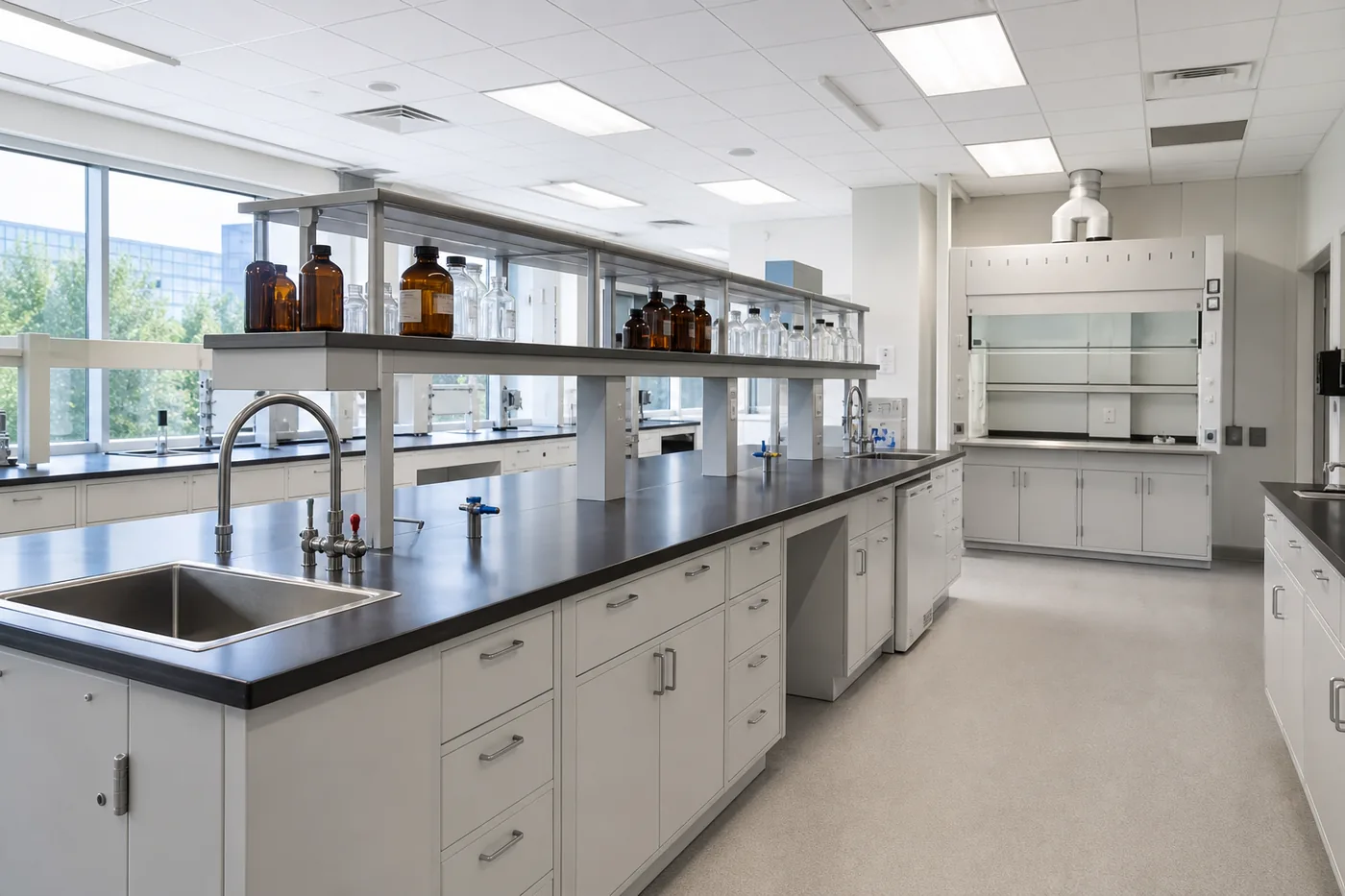
304 / 316
Stainless types specified
14–16 ga
Standard top gauges
29.5″ / 35″
Sitting & standing heights
1997
Serving labs since
Laboratory Furniture, Specified Like Equipment Instead of Office Furniture
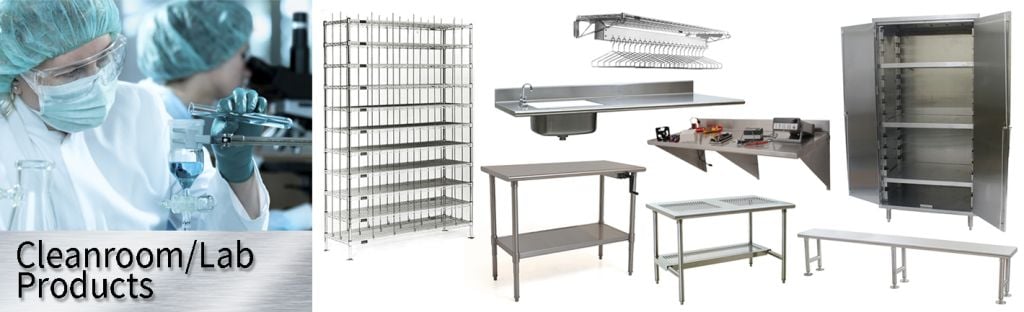
A lab bench is process equipment. It carries instrument mass, absorbs vibration, takes solvent and reagent spills, gets wiped on a schedule, and hosts plumbing and power decided months before anyone ordered furniture. Furniture bought by the linear foot fails in year two: the top oil-cans under a centrifuge, the epoxy chips at a sink cutout, the height is wrong for the task, and nothing moves without a contractor.
MH-USA specifies lab furniture the way we specify racking and stainless production equipment — by duty cycle, load, cleanability and workflow. We represent Eagle Group and its Eagle MHC division for stainless lab casework, work surfaces, workstations and sinks, and we still quote WorkStation Industries for ergonomic technician benching. One schedule, one freight shipment.
This page covers furniture: benches and workstations, ergonomic and height-adjustable work surfaces, modular systems, stainless casework and countertops, sinks and bench-level fixtures, and the storage that mounts to the bench itself. If your problem is bulk storage instead of bench work, or the whole-facility view of receiving, sample logistics, cold storage and racking, the related pages at the bottom of this page cover it.
The three questions that decide most of the package
What is the heaviest thing that will ever sit on this surface? What gets wiped on it, and how often? Will the room be re-laid out inside five years? Those answers set gauge and alloy, finish and edge, and fixed versus modular. The rest is dimensions.
Lab Benches and Workstations: Fixed, Mobile, Wall-Hung
Four bench formats cover almost every lab we quote. The choice is rarely about looks — it is about who has to clean under it, whether it moves, and how much weight it carries.
 Stainless Workstations14- or 16-gauge type 304 tops with hat-channel reinforcement, sound-deadening tape between channel and top, and an adjustable stainless undershelf or open tubular base. Ends turn down 90° so tables butt into a continuous run.
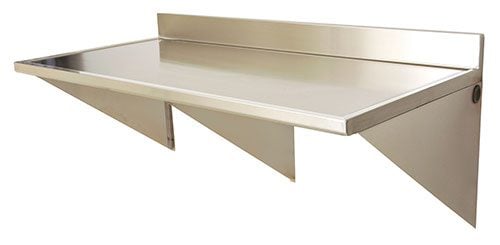 Wall-Mounted Tables14-gauge brackets with a knockout for electrical runs, 200 lb capacity, available with integral sink bowls, drawers and end splashes. The floor stays clear for washdown or rolling cabinets underneath.
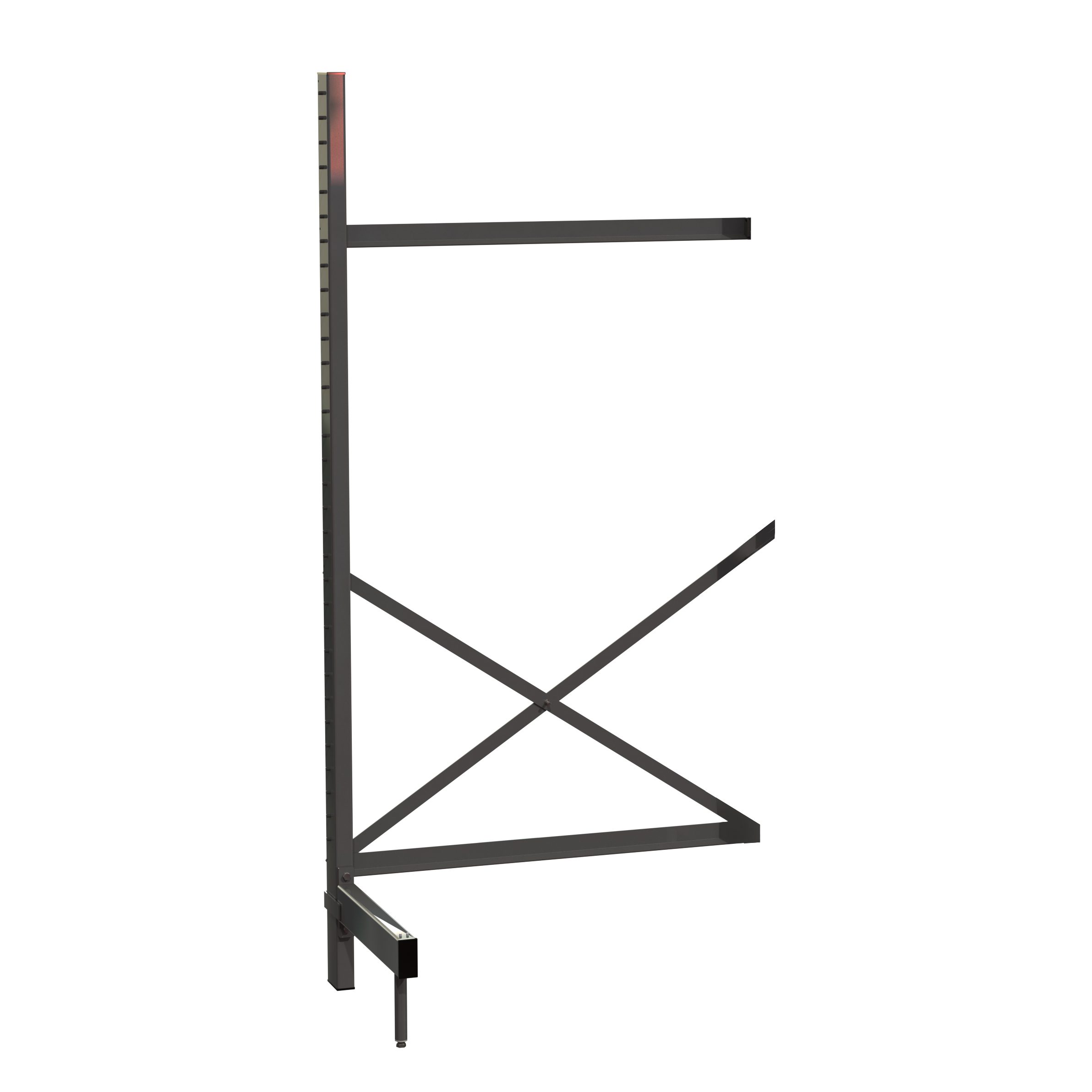
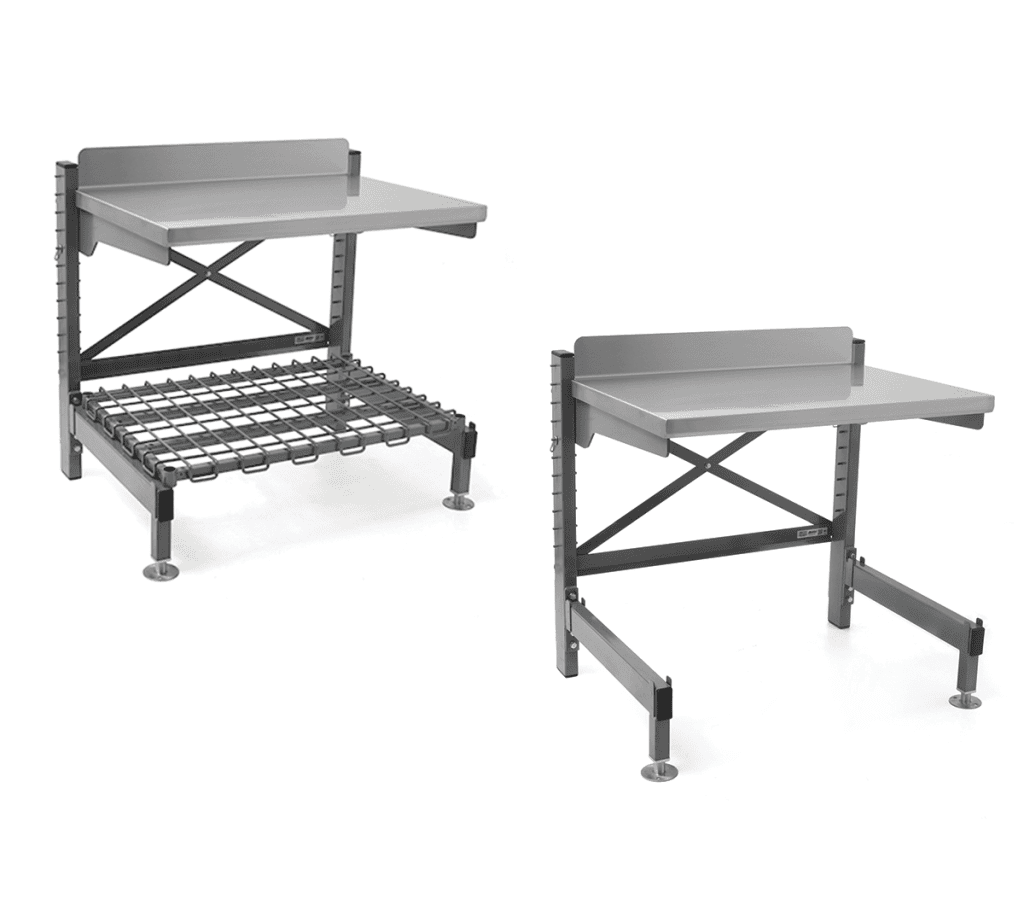 Modular Post WorkstationsA pair of 36-inch uprights with legs and feet plus a removable stainless top with a 4½-inch backsplash, open base or epoxy-finish storage shelf. Reconfigurable without tools.
 Task StationsUprights, X-brace, two wire overshelves, a removable 14-gauge type 304 top and a wall grid for hanging tooling. Prepunched feet for anchoring. Good for kitting and QC benches.
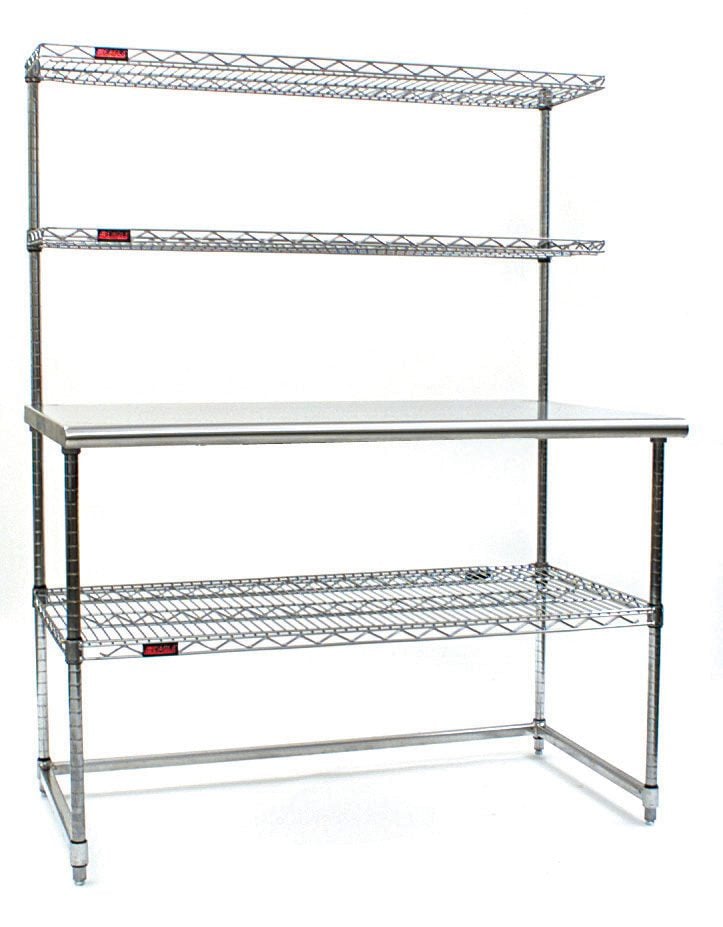 AdjusTable Systems — CantileveredSolid or perforated top, brushed or electropolished, on 33-inch front and 63-inch rear posts numbered in 1-inch increments, with two 12-inch cantilevered overshelves. About 34½-inch working height.
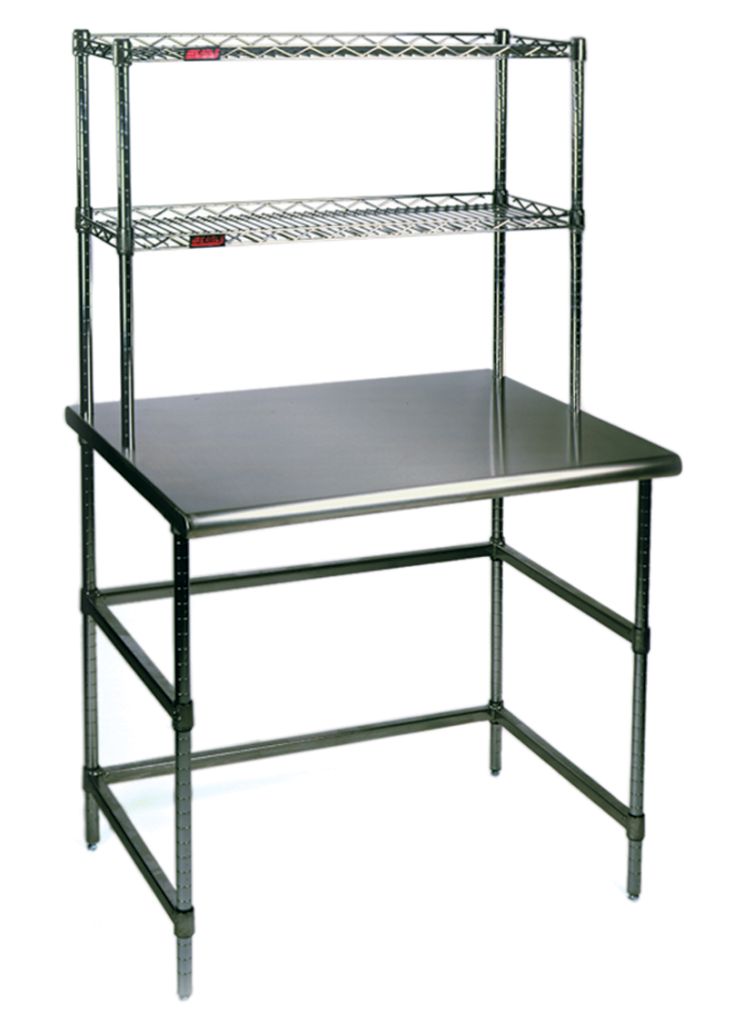 AdjusTable Systems — Wire OvershelvesSame numbered-post platform with two 14-inch wire overshelves, 29-inch front posts, optional wire undershelf and H-frame or C-frame bases. Better airflow above the bench.
The detail that gets missed on a continuous run is the end condition. Turned-down ends butt flush, but a run terminating against an out-of-plumb wall needs a filler or scribe, not a shoved table. Field-measure wall to wall first.
Ergonomic and Height-Adjustable Lab Workstations
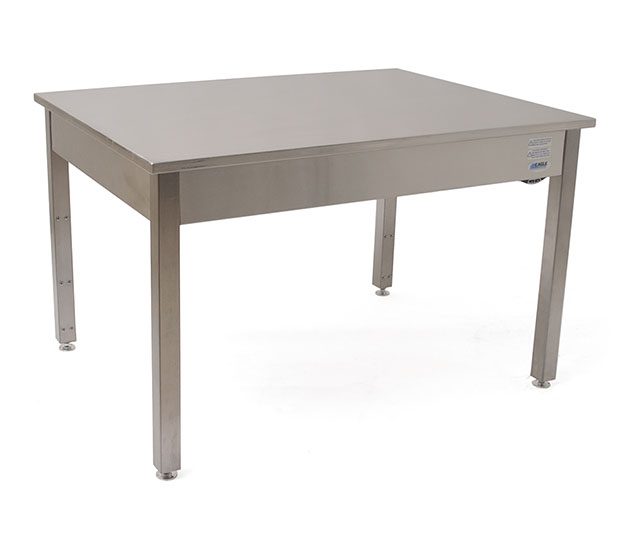
Bench height is the ergonomic decision with the largest payback, because a technician holds one posture for hours. Seated precision work — microscopy, pipetting, data entry — wants the surface near seated elbow height, which is why sitting height casework is 29.5 inches. Sample prep, weighing and instrument loading want 35-inch standing height casework. Most labs need both, and the mistake is running one height down an entire wall because it simplified the drawing.
Where the same station is shared across shifts or across tasks, specify adjustability instead of a compromise height. Electronic drive height adjustable stainless tables move from about 29 to 40 inches on synchronized electro-mechanical drives in each leg, with a controller that supports lockout and programmable minimum and maximum heights — useful when a station has a fixed overhead shelf, a hood sash or a piece of plumbing that a table must never rise into. Frames are 22 or 28 inches deep, legs are 2-inch square with leveling mounts, and you can buy the frame alone if a countertop is already fabricated.
Knee space matters too: apron kits mount between adjacent bases in 24- to 48-inch widths with a 5-inch apron, optionally with a 3-inch drawer on full-extension slides, so a seated technician gets legroom instead of a cabinet door in the shins. Above the bench, monitor arms, keyboard trays and task lighting keep the surface clear — where the WorkStation Industries line earns its place.
Stainless Steel Lab Casework: Base, Tall and Specialty
Eagle MHC builds stainless steel inset casework for pharmaceutical, vivarium, pathology, cannabis, test lab and cleanroom work, and publishes its construction and performance characteristics as conforming to SEFA 8M metal standards. Base cabinets come in both working heights with hinged doors, wire-style pulls, adjustable shelves and removable backs — the removable back is what lets a plumber into a sink base without pulling the cabinet.
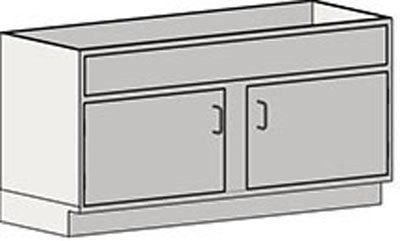
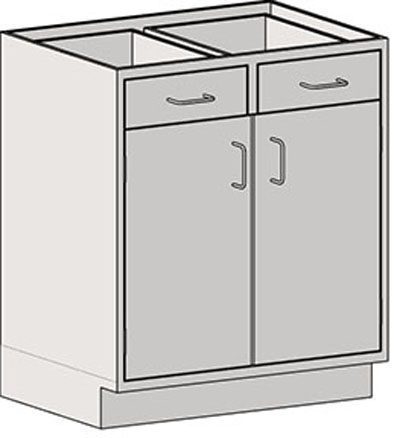 Door / Drawer Base CabinetsStanding height 35-inch bases with 6-inch drawers above hinged doors, plus adjustable shelf and removable back. Configurations run from shallow instrument drawers to deep glassware bases.
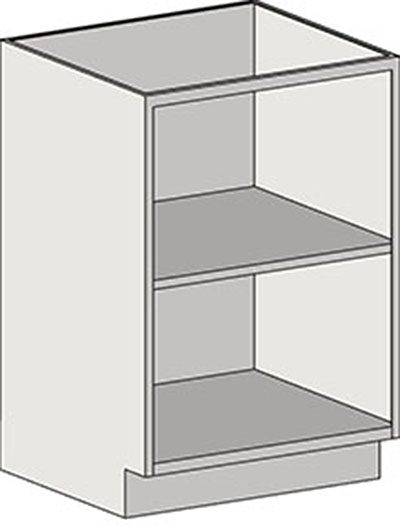 Open Base CabinetsOpen-front bases in sitting (29.5″) and standing (35″) height with an adjustable shelf — cleanable, ventilated under-bench storage where doors are not needed.
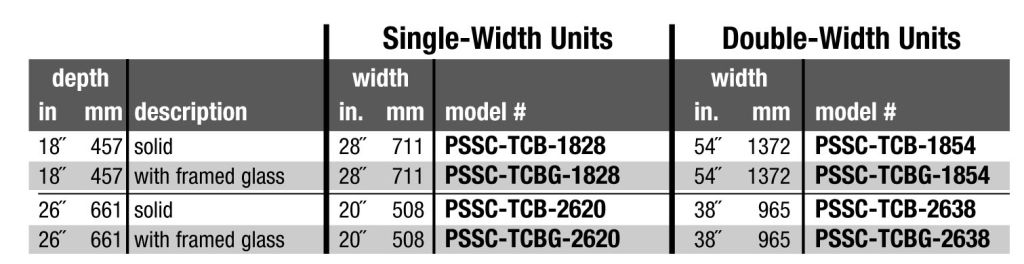 Tall & Glass-Door Storage CabinetsHeavy-gauge type 304 with 45 slides spaced 1⅝″ apart for baskets and trays, solid or framed glass doors, five-knuckle hinges and roller catches, in 18- or 26-inch depths.
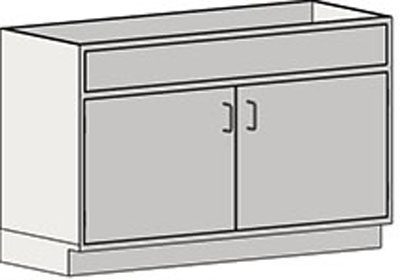 Sink Bases & SpecialsSitting and standing height sink bases with partial-height back panels for plumbing, plus corner bases, fillers and scribes that finish a run cleanly against real walls.
Deep drawers are not free capacity
A drawer full of glassware or dense consumables gets heavy fast, and slide capacity — not cabinet strength — is usually the limit. Tell us what actually goes in each drawer bank and we will spec slides and drawer heights to match, instead of handing you six identical drawer bases.
Stainless Countertops and Work Surfaces

The countertop is where a lab furniture package is won or lost, because it is the only component that is genuinely custom on almost every job. Stainless lab countertops are built in 16 or 14 gauge, type 304 or type 316, with other gauges and alloys available where the chemistry demands it. Standard front edge is square or box marine unless the drawing says otherwise; back and end splashes are made to the specification, and every working surface and sink bowl gets coved sanitary corners, horizontal and vertical, so there is no crevice to trap residue.
Length drives cost. The maximum run without a seam is 144 inches, and that figure is reduced by 5.5 inches for each end splash. Past that you choose between a mechanical hairline seam and a field-welded, polished joint. A welded joint is the right answer in wet and high-sanitation zones and the wrong answer if the site cannot support a finisher. Fabricated sink bowls can be almost any size and depth, single or multi-compartment, dropped straight into the top — and for a backsplash-mounted faucet the splash needs to be at least 2 inches deep to take the plumbing.
Solid stainless is not the only surface we quote. Perforated tops move air in laminar flow rooms, epoxy and phenolic still make sense on aggressive reagent benches, and polymer tops appear on non-critical staging. Match the surface to the chemistry and to the cleaner that gets used every night.
| Spec decision | Common choice | Step up when | Why it matters |
|---|---|---|---|
| Gauge | 16 gauge | Heavy instruments, cart traffic, long unsupported spans → 14 gauge | Deflection and drumming under load, and dented edges at aisle ends |
| Alloy | Type 304 | Chlorides, aggressive reagents, frequent bleach → type 316 | Pitting and staining show up first at sink rims and splash lines |
| Finish | Brushed | Cleanroom and particle-sensitive areas → electropolished | Smoother finishes shed particulate and wipe down faster |
| Edge | Square or box marine | Spill containment on a wet bench → marine edge | A marine edge keeps a spill on the top instead of in a drawer |
| Seam | None up to 144″ | Longer runs → hairline seam or field weld | Field welding needs site access; each end splash costs 5½″ of length |
| Sink | Drop-in bowl | High-sanitation wet zone → integral fabricated bowl | Integral coved bowls remove the joint that traps residue |
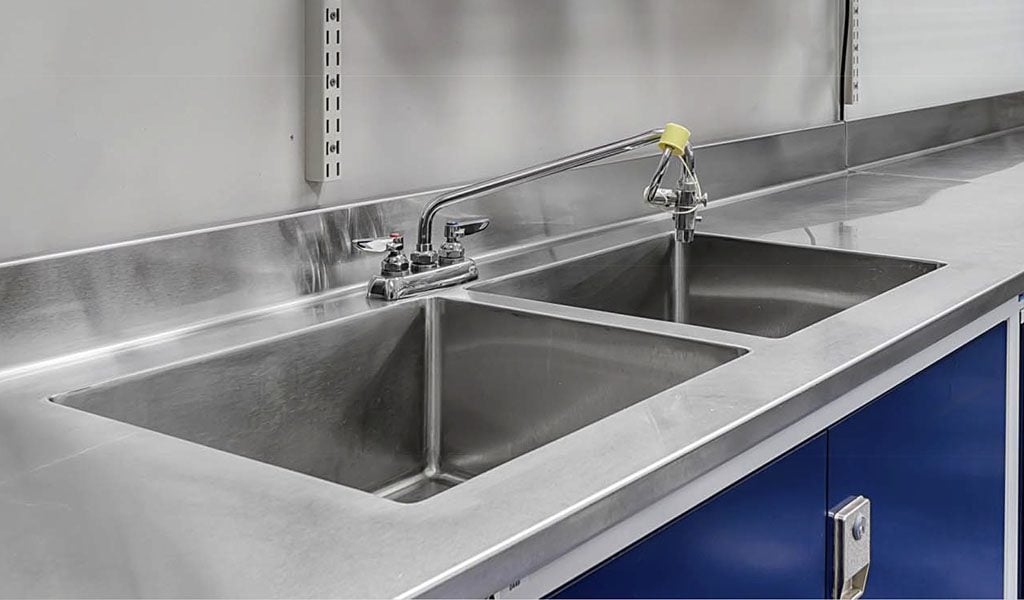
Lab Sinks and Wet-Zone Fixtures
Sinks are specified with the furniture because the top, the base and the plumbing all have to agree. Four categories cover most labs, and they should be counted separately on the schedule instead of lumped together as “sinks.”
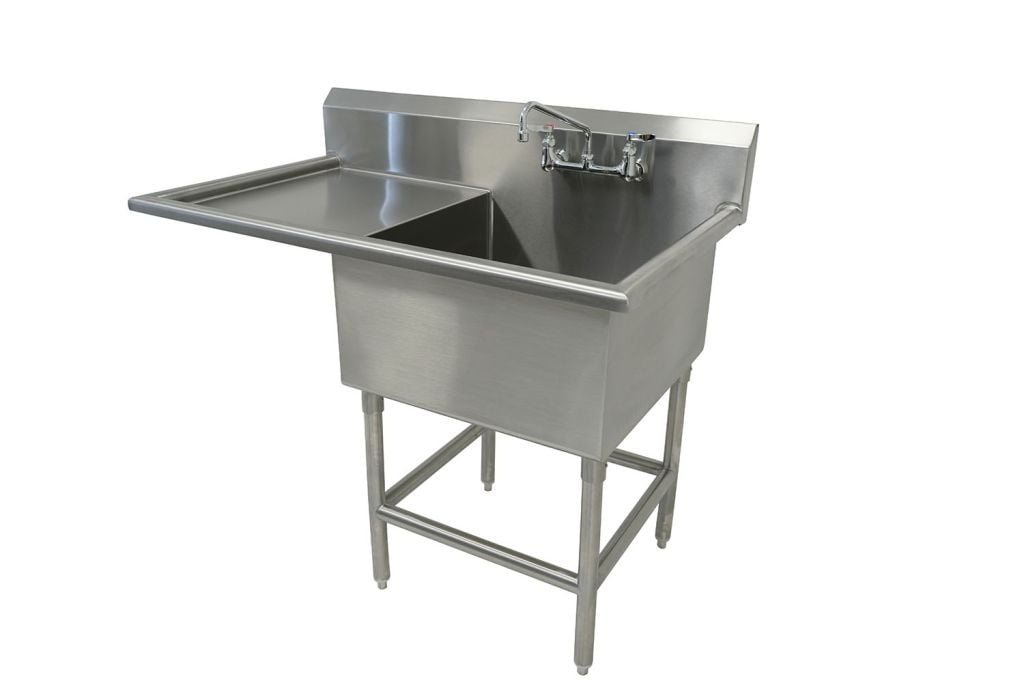 Freestanding Service Sinks14-gauge type 304, fully welded and polished bowls with radius corners, rolled front and side edges, 8-inch backsplash with downturn and clips, stainless legs and feet. One to three compartments, optional sloped drainboards.
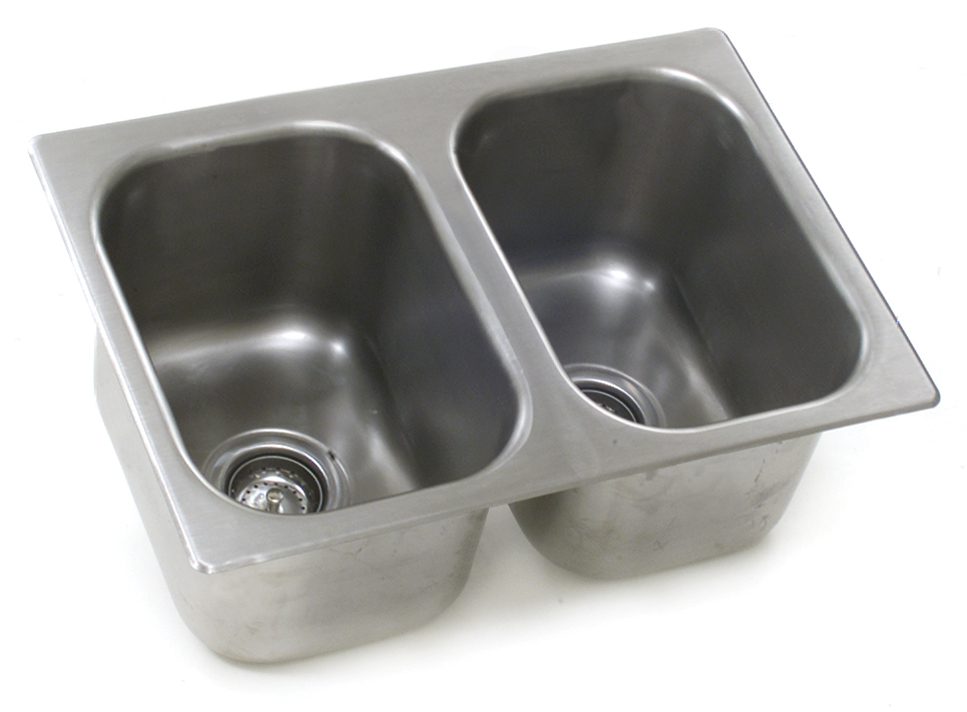 Drop-In Countertop BowlsDeep-drawn self-rimming type 304 bowls, coved interiors, large radius corners, 18 or 20 gauge, 1⅜-inch trim all four sides. Top or bottom mount with the right kit.
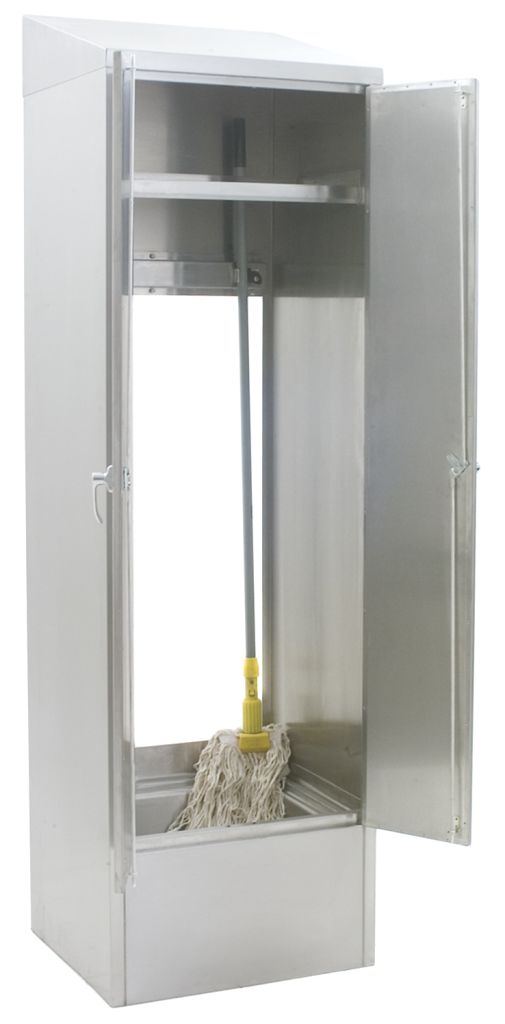 Mop Sink CabinetsHeavy-duty stainless cabinet with an open back that envelops a wall-mounted service faucet, 15° sloped top, seamless deep-drawn 8-inch bowl with 3-inch radius corners, 2-inch NPS drain and mop holder.
Settle two things before tops release for fabrication: exact bowl location relative to the cabinet below (a bowl centered on the top is often not centered on the base), and whether the faucet is deck-, backsplash- or wall-mounted. Cheap on a drawing, expensive after welding.
Send us your lab plan or a sketch
Email a floor plan, an equipment schedule or a hand sketch with wall dimensions. We will return a line-by-line quote with model numbers, spec sheets, CAD and Revit files, lead times and freight — and flag the height, clearance and sink-location conflicts we find while we are in the drawing. Call 800-326-4403.
Bench-Level Storage: Shelves, Pegboards and Carts
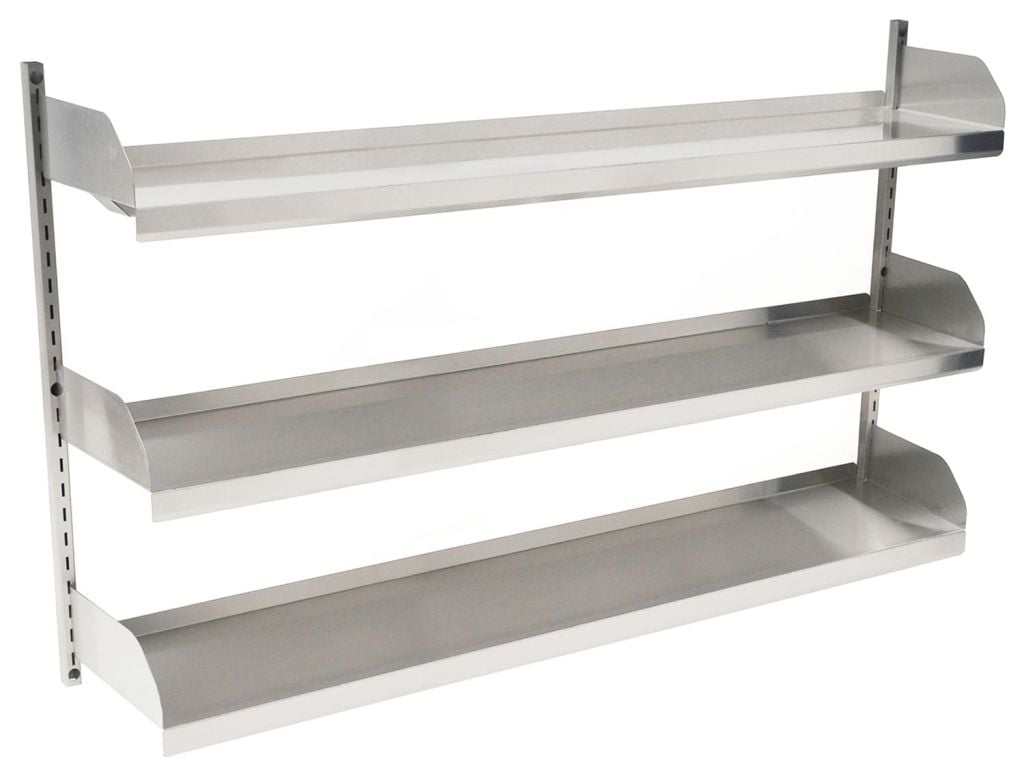
The fastest way to ruin a good bench is to leave nowhere for the reagent bottles, tip boxes and log sheets to live. Bench-level storage is part of the furniture package, and it is measured in reach: anything a technician touches every hour belongs within the arc of a seated or standing reach, and everything else belongs off the bench entirely.
Stainless lab wall shelves are built from heavy 16-gauge stainless with a reinforced center hat channel and a 1¼-inch rear upturn so bottles do not walk off the back. Shelves adjust in 1½-inch increments, bookends come upturned or downturned, and an optional front wire retaining ledge adds a second stop. Modular three-shelf systems use 16-gauge tubular uprights, laser-cut notches, triple hooks per shelf end and 36½-inch uprights. Eagle publishes these shelves as built to SEFA recommended practices. Simple wall-mounted shelves come in 16-gauge type 430, 16-gauge type 304 or 14-gauge type 304 with a 1½-inch roll on the front, 1½-inch upturns on rear and ends, and stud-welded brackets.
Pegboards handle the drying problem that every wet lab has: heavy-gauge 304 stainless with 6-inch white polymer pegs, a 4-inch integral drip trough and 36 inches of clear flexible drain tubing, wall bracket included. Above and beside the bench, security modules convert part of a shelving unit into a lockable enclosure for controlled substances or high-value reagents, with hinged or flip-up doors.
When the storage question outgrows the bench, it stops being furniture: bulk consumables, case quantities, cold storage and archive volume belong on shelving and racking instead of on a work surface.
Furniture for Controlled and Classified Areas
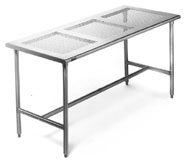
Once a room is classified, furniture changes in three ways: air has to move through it, the finish has to shed particulate, and the item has to arrive clean. Perforated stainless cleanroom tables are built with heavy-gauge type 304 construction and 14-gauge electropolished or brushed tops reinforced with hat channels, perforated 3/4 inch on 1-inch centers to allow a minimum 40% laminar flow, with 1½-inch rolled-down front and rear edges, ends turned down 90° for flush installation, 16-gauge 1⅝-inch legs with welded front-to-back crossbracing, a welded uni-lok gusset system in the hat channel to reduce lateral movement, adjustable bullet feet — and they ship alcohol-wiped and cleanroom bagged.
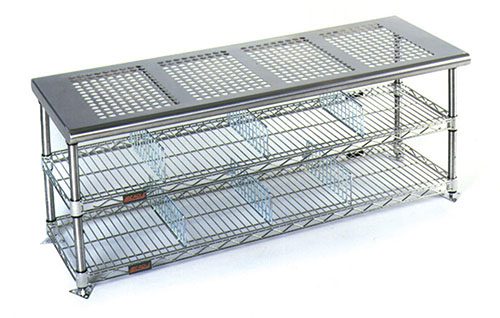
Gowning benches follow the same logic on a smaller footprint: 18-inch-wide perforated seats with 3/4-inch perforations on 1-inch centers for 40% laminar flow, rolled edges, ends turned down 90°, a 500-lb seat capacity, 18-inch 16-gauge type 304 legs, 13-gauge triangular foot plates that can be bolted to the floor, and a Quad-Truss wire undershelf for shoe and bootie storage.
We keep the classified-area detail — gowning layouts, crossover bench decisions and the wider controlled-environment catalog — on the dedicated pages linked at the bottom of this page rather than duplicating it here.
Industries Served
Lab furniture is specified against the process, not the building type. These are the environments we quote most, and what actually changes between them.
Specifying, Submittals, Lead Time and Install

A lab furniture package fails on sequence more often than on product. Tops are the long-lead item because they are fabricated to your dimensions, so they release early — but not until working heights, sink locations, faucet mounting, splash configuration and knee-space positions are frozen. Those decisions are due before mechanical and plumbing rough-in, not after.
What we need to quote: a floor plan or wall-by-wall dimensions, ceiling and soffit constraints if overshelves are in play, working heights per station, which positions need sinks or knee space, service locations for power, gas, vacuum and drain, whether the space is classified, and what gets wiped on the surfaces every night. If all you have is a napkin sketch and a room size, send it — we will come back with questions instead of a guess.
What you get back: a line-by-line quote with model numbers, spec sheets, CAD and Revit files, fabrication drawings for custom tops, lead times per line item and freight. We stage large packages so casework lands when the room is ready and tops land after the walls are true. MH-USA has done this from Salt Lake City since 1997 and ships nationwide.
What we will not tell you
We do not make per-model certification, antimicrobial or code-compliance claims. Listings and standards conformance are model- and revision-specific; send us the model numbers and we will confirm exactly what documentation exists for those items, in writing, before you buy. We represent Eagle Group — we are not the manufacturer’s compliance department, and we will not guess on your behalf.
Shop Lab Furniture & Workstation Products Online
Buy select items directly from our online store, or request a quote for volume, custom sizes and freight-rated orders.

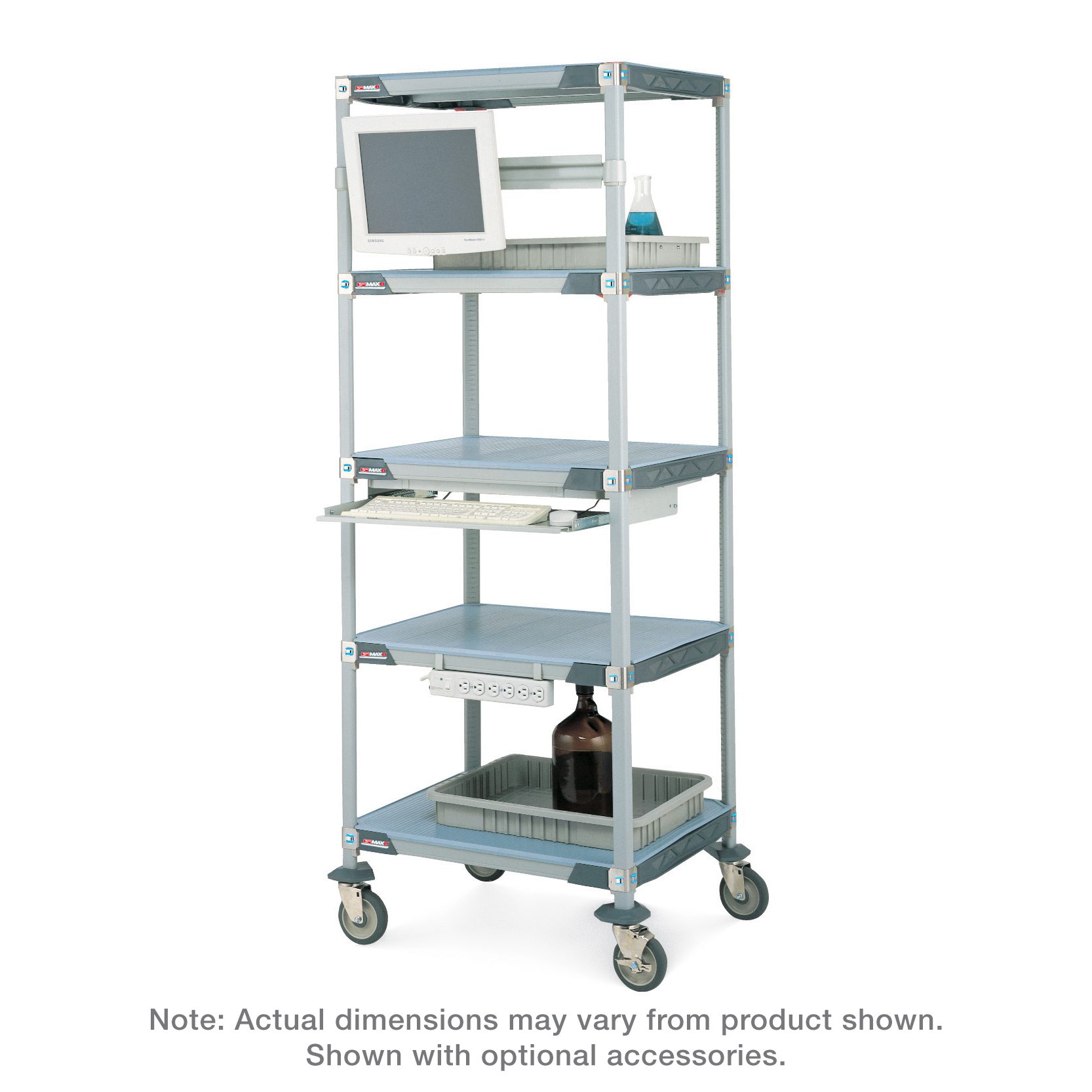
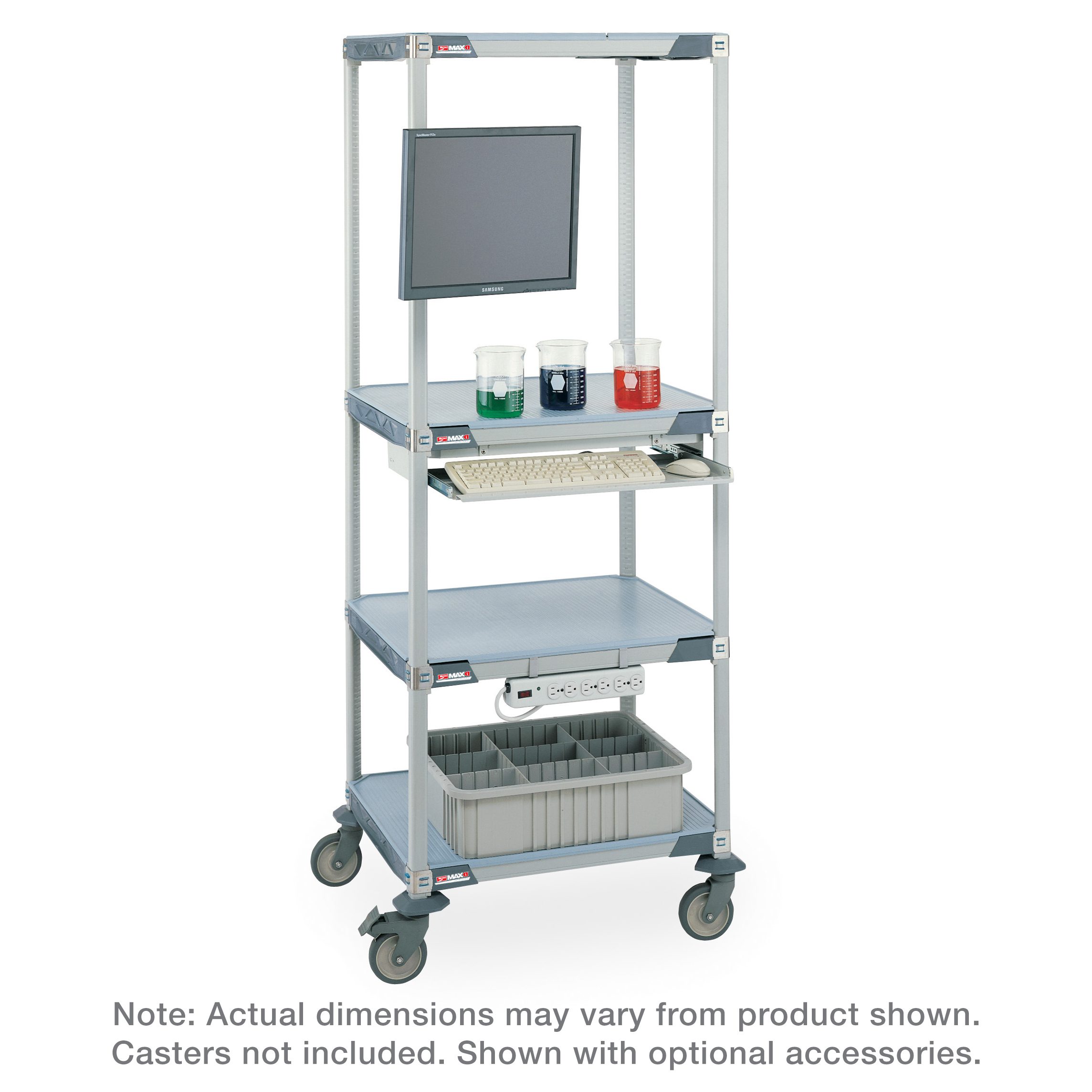
Design & price it online: Metro Workcenters & Furniture Configurator
Configure Starsys workcenters, gowning benches and cleanroom furniture in our free Metro Workcenters & Furniture configurator — build the layout, see a full bill of materials and save or send the quote in minutes. Need a different Metro product? Browse all 17 tools in the Metro configurator hub.
Laboratory Furniture FAQ
What counts as laboratory furniture, and what should be on the schedule?
What stainless gauge and type should a lab bench or countertop be?
What are standard lab bench and casework heights?
How long is a stainless steel lab countertop before it needs a seam?
Do you sell modular lab furniture that can be reconfigured later?
Does MH-USA still supply WorkStation Industries ergonomic lab furniture?
Are your lab products certified or listed?
What are realistic lead times, and what do you need from us to quote?
Get a Laboratory Furniture Quote
Send the plan, the schedule or the room dimensions. We will spec the benches, casework, tops and sinks, catch the conflicts and get the package to your site. Call 800-326-4403.