
When to Replace Your Lab Countertops
Knowing when to replace your lab countertops requires more than judging their appearance. The right decision considers the surface material, the condition of joints and supports, the work performed at the bench and whether the area can still be cleaned appropriately. Material Handling USA can help turn those observations into a practical countertop and casework proposal.
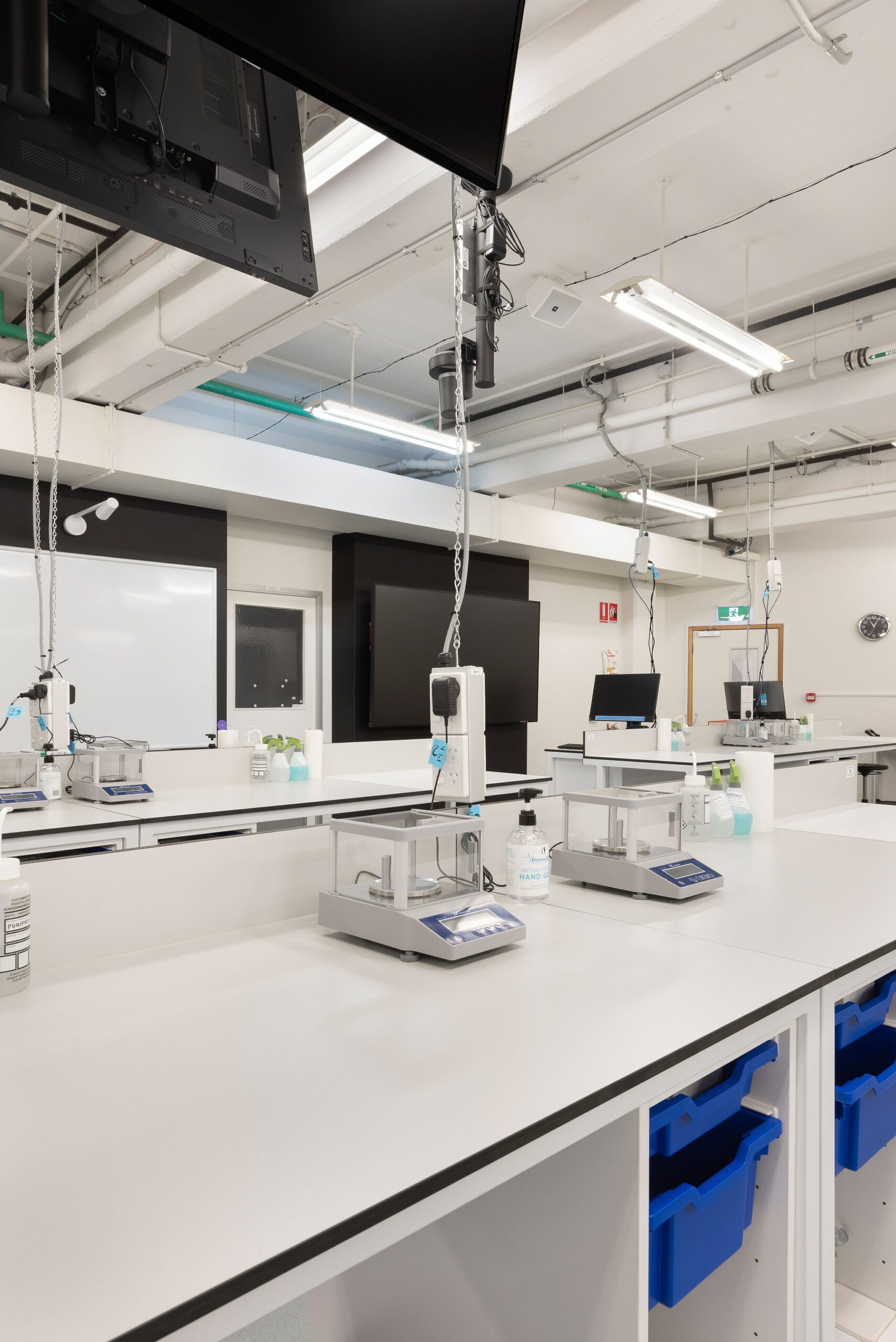
Start with the damage, its location and its effect
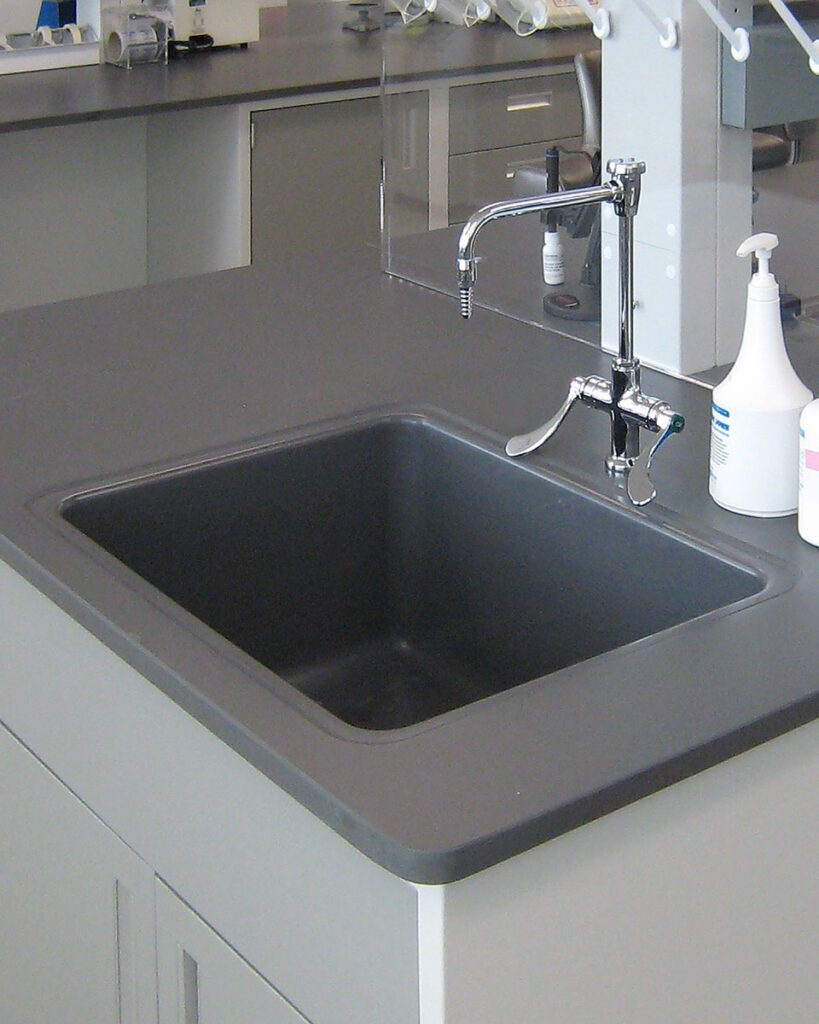
A useful inspection describes what has changed and what that change prevents people from doing. Record a lifting edge, an opening joint, a leak or an unstable instrument position separately from a light surface mark. The consequences may be very different even when both are described as a damaged countertop.
Include the bench edge, backsplash, sink rim, seams and service penetrations. Look below the top where accessible and safe: a surface problem may coincide with moisture-damaged cabinetry, a missing support or a connection that needs attention. Follow the laboratory’s access and contamination procedures during the inspection.
Document observations consistently
- Take an overall photo and a close view of each affected area.
- Record the material and manufacturer if known.
- Note when the defect appeared and whether it is changing.
- Describe the work, equipment and cleaning method used there.
A condition log gives the supplier and facility team a common starting point. Avoid diagnosing chemical resistance from a photograph alone. A photo can show a visible defect, but it cannot establish how an unknown surface will perform with a particular chemical or process.
If the bench is unstable, leaking or unsuitable for the current work, follow the facility’s procedure for restricting use and escalating the issue. The purchasing process should not determine whether an affected area remains in service.
Separate cosmetic wear from a replacement decision
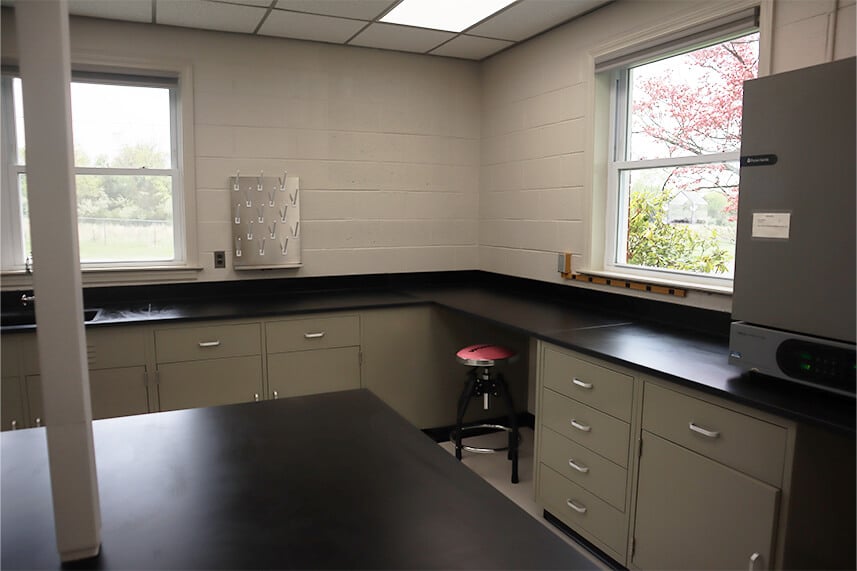
Appearance is one part of the assessment. Metal transfer marks, scratches, stains, fractures and delamination are different conditions. Treating them as interchangeable can lead to unnecessary replacement or an unsuitable repair.
Durcon’s epoxy-resin care guidance distinguishes deposited surface marks from scratches and describes how substantial chemical damage can affect a top. Those distinctions are specific to the material and condition; they are not a universal test for every laboratory surface. Start with the identified manufacturer’s guidance and the laboratory’s own requirements.
Review for continued use
A stable surface with an appearance issue may warrant a documented cleaning or maintenance review before replacement is considered.
Assess a defined repair
A localized joint or accessory issue may have a manufacturer-supported repair, provided the surrounding structure remains suitable.
Evaluate replacement
Extensive damage, repeated failures or a surface incompatible with the new task can justify a broader replacement scope.
Ask what the proposed remedy restores. Improving appearance is different from repairing a joint, correcting a support problem or establishing suitability for a new application. Obtain the intended result and any limits in writing.
Do not assume polishing, sanding, coating or filling is appropriate for every top. A treatment may change the finish or create a maintenance problem. Have the material supplier review the specific condition before approving a method.
Choose the replacement for the actual work
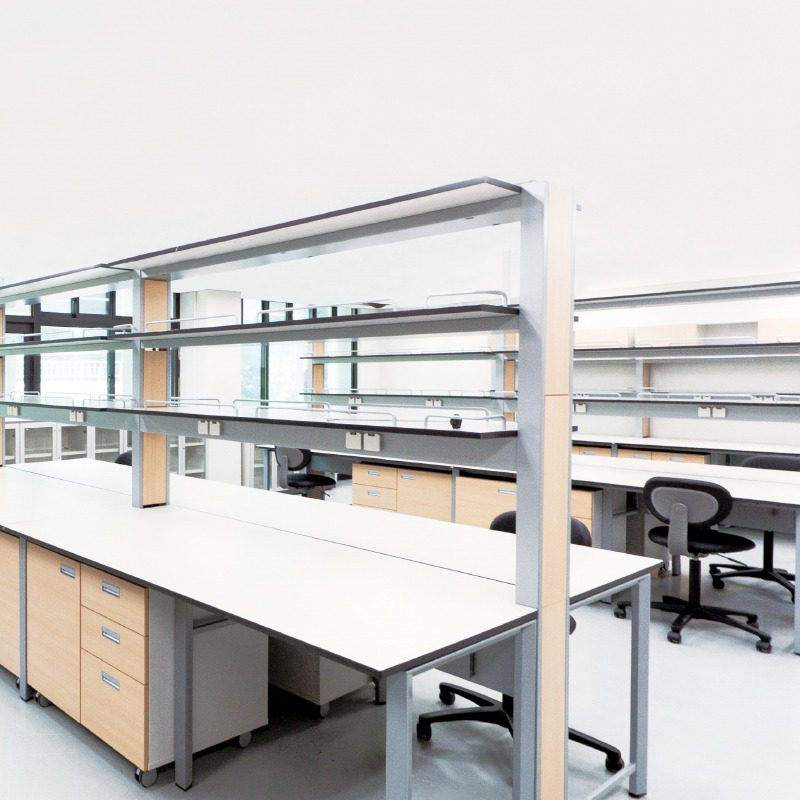
Start a material comparison with the exposure list: substances, concentrations, temperatures, contact times and cleaning products used in the area. Include occasional activities as well as routine work. A surface selected only for the most common task may be poorly suited to an infrequent but important procedure.
Epoxy resin, phenolic resin, laboratory-grade laminate and stainless steel are distinct options. Within each category, performance depends on the exact product. Request current product data and compatibility guidance instead of treating a material name as a guarantee.
Build a work-surface schedule
- Identify wet and dry work areas.
- List equipment footprints and supported loads.
- Describe heat sources and required protective accessories.
- Identify any electrical, static-control or hygiene requirements.
ICI Scientific offers laboratory casework and work-surface options, including phenolic and laminate products and stainless steel counter and sink arrangements. The specified material should follow the application review, not simply match what another laboratory purchased.
Keep specialized requirements separate. A chemical-resistant surface is not automatically an electrostatic-control surface, and a stainless appearance does not establish a particular alloy or finish. If the process requires a documented property, include that requirement in the request and ask how it will be verified.
Our laboratory expansion service can help when new countertops are part of a wider equipment, casework or layout change.
Include sinks, cutouts and service connections
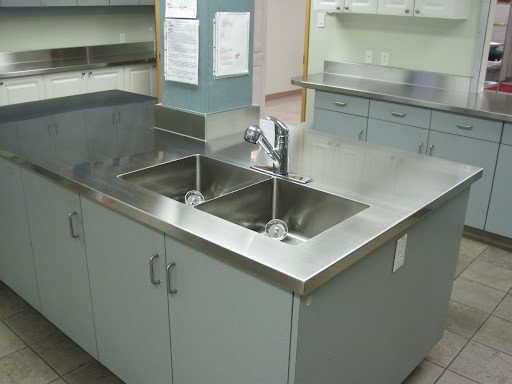
A countertop drawing is incomplete without the features that interrupt it. Sink openings, fixtures, service penetrations, backsplashes and instrument connections affect fabrication and installation. A replacement with the correct overall dimensions can still be unusable if one of those details is wrong.
Record whether sinks and fixtures will be retained or replaced. Confirm their mounting method and condition with the responsible installer. Existing openings should be measured rather than copied from a general catalog image, especially where equipment has been changed over the life of the laboratory.
Clarify the trades and handoffs
- Identify the equipment and services connected to the bench.
- Assign responsibility for isolation and disconnection.
- Confirm who installs the surface and reconnects each service.
- Agree on inspection and release before work resumes.
Discuss seams and access with the fabricator before production. The delivery route, available lifting space and the size of individual sections may affect how the countertop is made. Coordinate that decision with the desired working surface and the installation team’s handling plan.
A top-only quote may exclude plumbing, electrical work, fixture replacement or disposal. Those exclusions are not necessarily a problem, but they need an owner and a budget. Compare the complete project rather than the material price alone.
Check the cabinets and supports before ordering
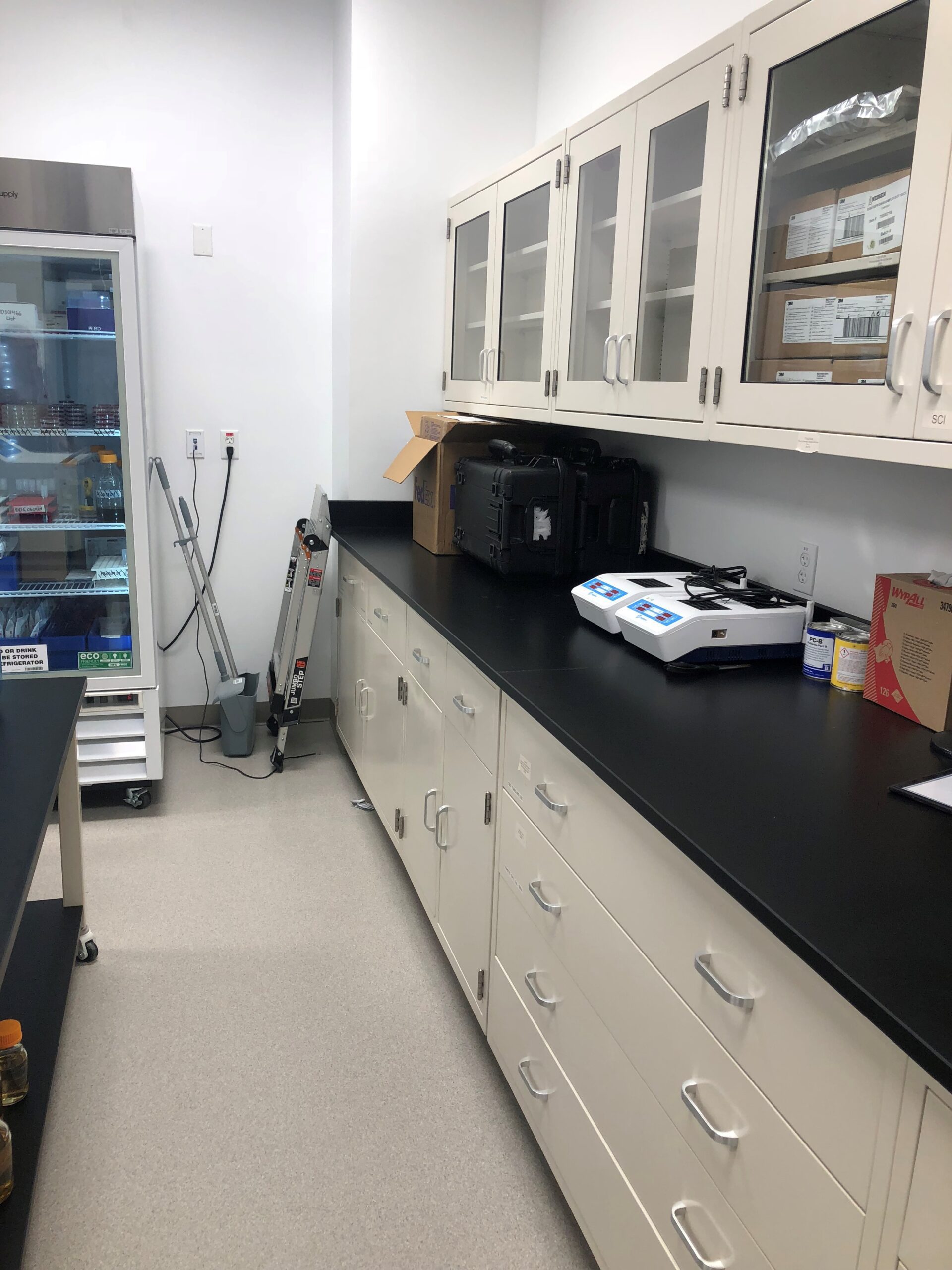
The new surface depends on what is beneath it. Review the condition of base cabinets, frames, mounting points and adjacent units. A replacement top does not correct a damaged cabinet or an unsuitable support arrangement.
Give the supplier equipment information, including concentrated loads and any unusual operating conditions. The facility and product team should review the complete assembly. Avoid assuming that a visually similar top has the same support requirements as the original.
Decide how much should be retained
- Identify cabinets that remain serviceable.
- Record areas affected by leaks or repeated repairs.
- Check whether drawers and doors can operate in the proposed layout.
- Allow access to connections that require maintenance.
Top-only replacement may be appropriate where the supporting system remains suitable and the layout still serves the work. A more extensive casework change may make sense where equipment, storage or user access has changed substantially.
Consider the relationship between the work surface and the person using it. Instrument height, seated work, reach and knee space can all affect the arrangement. Discuss these needs during the planning stage; changing the surface thickness or bench configuration later can affect several connected decisions.
Keep the reasons for retaining or replacing each component in the project record. That makes scope changes easier to evaluate and helps prevent serviceable equipment from being removed simply because it is next to a damaged section.
Plan installation around laboratory continuity
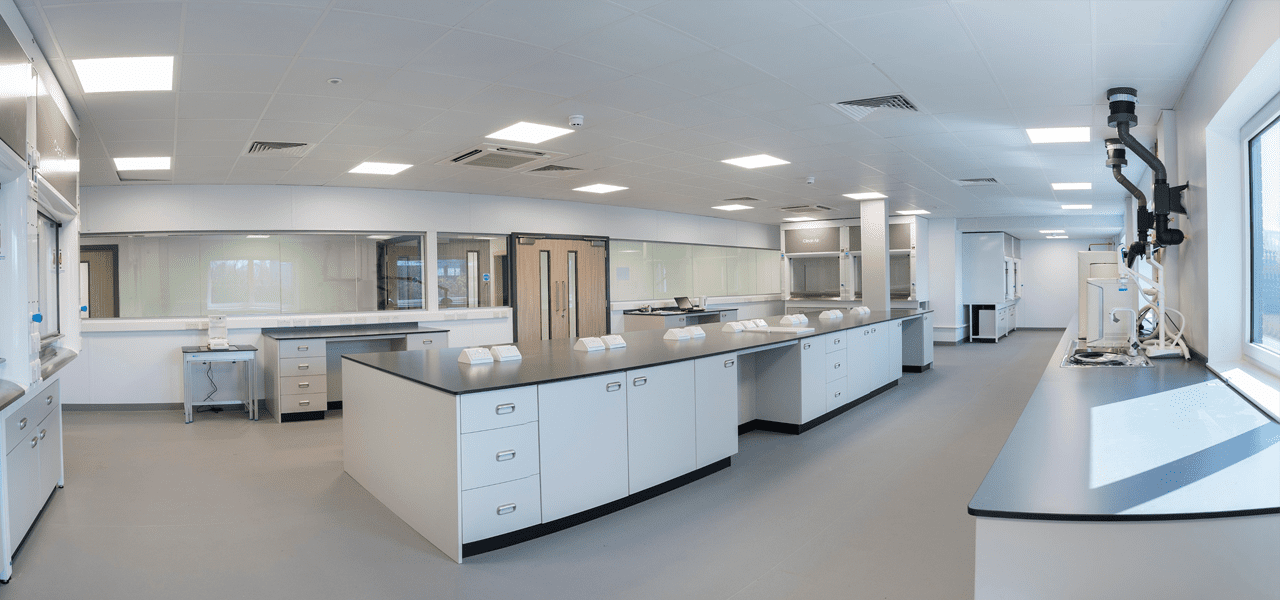
Set the installation sequence before the final order. Identify which activities must continue, which equipment can move and what temporary space is available. A phased replacement requires more coordination than simply splitting the purchase into smaller deliveries.
The laboratory should establish cleaning, decontamination and release requirements for the existing surfaces and connected equipment. Contractors need clear information about the area they will enter and the boundaries of their work. Do not use a construction schedule as a substitute for those arrangements.
Prepare the room and delivery route
- Confirm receiving hours and handling arrangements.
- Measure doors, corridors and turning points.
- Identify protected temporary equipment locations.
- Coordinate access with adjacent laboratory activities.
Agree on acceptance checks that relate to the ordered scope. These may include the installed configuration, joint finish, fixture operation and completion of assigned connections. Any equipment recommissioning or laboratory qualification belongs in the plan with its responsible owner.
Before regular work resumes, give users the care instructions for the actual installed material. Retaining a cleaning routine developed for an older surface can undermine the benefit of replacement. Keep approved products and methods accessible to both laboratory users and cleaning personnel.
Prepare a clear countertop replacement brief

A good request combines the condition assessment with the intended use. Include a measured sketch, photographs, the known material, sink and fixture details, equipment information and installation restrictions. State which parts are definitely in scope and which need evaluation.
The planning illustration shows the relationship among a work surface, sink, base storage and a separate instrument table. It is a discussion aid rather than a fabrication drawing. Your actual dimensions, supports and service requirements determine the final arrangement.
Ask for a comparable proposal
- Exact surface product and fabrication details.
- Included supports, fixtures and accessories.
- Delivery, installation and trade responsibilities.
- Exclusions, care documentation and acceptance steps.
Compare alternatives against the same brief. If one proposal retains existing cabinets while another replaces them, make that difference explicit before comparing totals. Keep a dated revision of the layout so everyone prices the same requirement.
Material Handling USA can help organize the product and layout choices into a defined scope. Whether the right result is a localized repair review, replacement tops or a broader laboratory update, the decision should follow the condition and the work the surface needs to support.
Record the basis for the decision
Keep the inspection photos and the selected product information with the approved proposal. Record why an area is being replaced, which existing components will remain, and who accepted the final scope. This creates a useful reference if another bench develops a similar issue later.
After installation, establish a simple condition log for the new surfaces. A dated record of recurring leaks, marks or changes in use can help the team identify a developing problem early and provide better information when requesting maintenance advice.
Countertops are one part of a complete lab. See our laboratory furniture overview for benches, casework, countertops, sinks and storage specified for your lab.
Frequently asked questions
Does every scratch mean a lab countertop needs replacement?
No. The significance depends on the material, depth, location and intended work. Ask the identified manufacturer to distinguish an appearance issue from damage that affects the required use. Do not apply a repair method intended for a different surface.
Can we replace countertops and keep the cabinets?
Possibly, if the casework and supports remain suitable for the selected surface and equipment. Review damage, mounting conditions, service access and the proposed loads before approving a top-only replacement.
How long should laboratory countertops last?
There is no single replacement age that fits every laboratory. Exposure, material, use, maintenance and changes in the work all matter. Use documented condition and application requirements to guide the decision.
What information helps select a new surface?
Provide the chemicals and cleaning products used, exposure conditions, equipment loads, sink requirements and any specialized performance needs. Request guidance for the exact product rather than relying on a broad material category.
Can replacement take place in stages?
Often a phased plan can be evaluated, but it depends on equipment relocation, connected services and the laboratory’s operating requirements. Define temporary space, access restrictions and release responsibilities before scheduling installation.
What should we send for a countertop review?
Send overall and close-up photos, dimensions, the known material, a description of the damage and the work performed there. Include sinks, fixtures, equipment and restrictions on when installation can occur.
Plan the right next step for your laboratory surfaces
Share photographs, a measured layout and the activities performed at each bench. We can help define countertop, casework and installation options around the condition of your existing laboratory.