
Lab Shakers: Orbital, Rocking, Vortex and Incubated Shakers
Compare laboratory shaker types, motions and features, choose the right shaker for flasks, plates, gels or tubes, and plan the bench space, power, floor loading and room conditions each one needs.
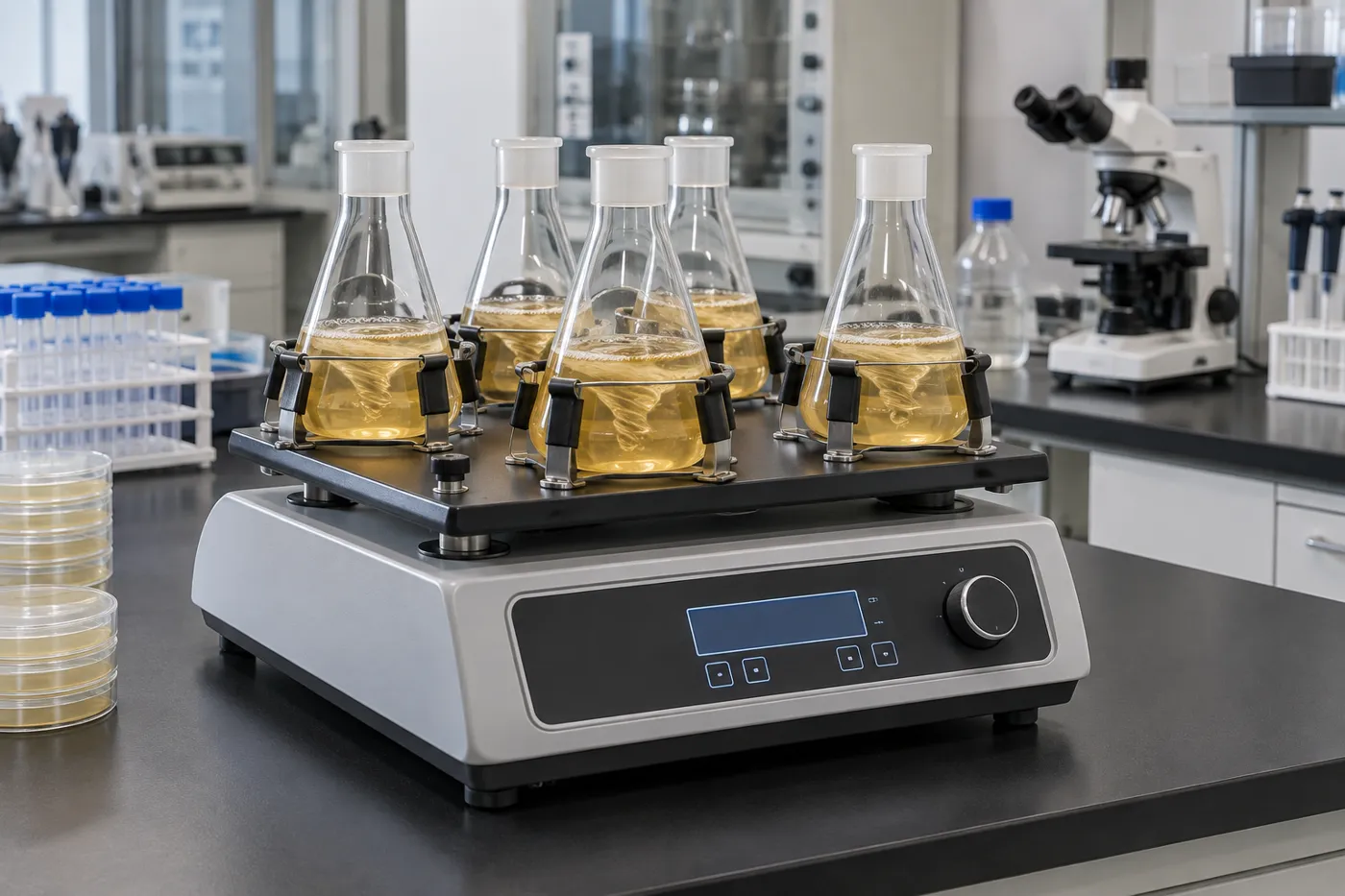
6 types
Shakers compared
3–50 mm
Common orbit sizes
Bench/floor
Placement planned
Free
Lab layout help
What Is a Lab Shaker?
A laboratory shaker agitates samples in flasks, tubes, plates or trays with a controlled motion and speed, so cultures get oxygen, solutions mix evenly and membranes stain uniformly. Orbital shakers, reciprocating shakers, rockers, vortex mixers and incubated shakers each move samples differently for different jobs.
Shakers also put real demands on the room: vibration, heat, floor and bench loading, and power. MH-USA plans those needs into benches, shelving and equipment locations as part of our laboratory design and installation projects.

Types of Laboratory Shakers
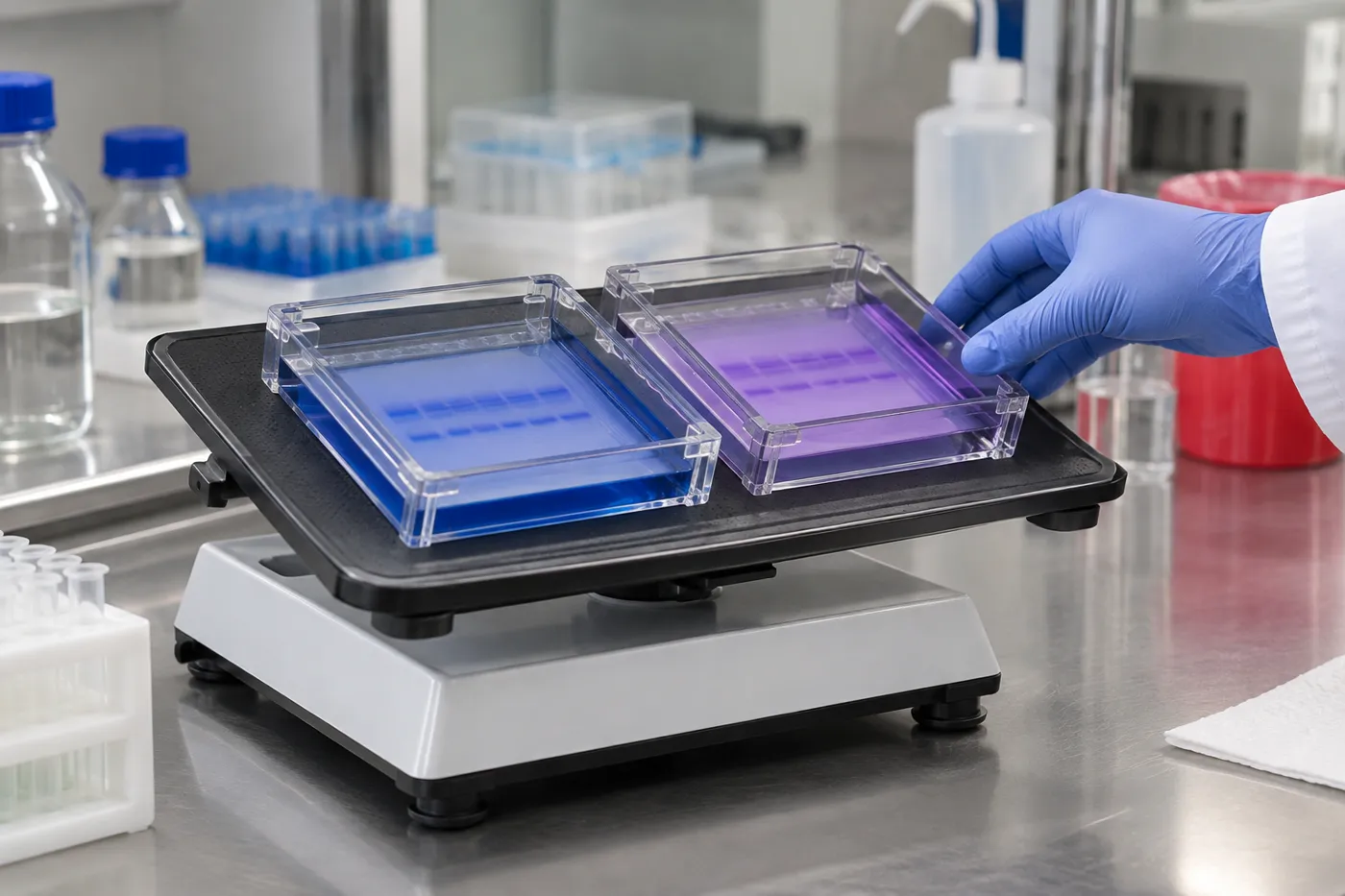
Rocking and vortex shakers at the bench
Rockers handle gel and membrane work, where an even, gentle wash matters more than speed. Vortex mixers live at nearly every bench for seconds-long tube mixing. Both are small, but both are frequent sources of vibration on shared benches — keep them off the same surface as analytical balances and microscopes.
Vortex mixers
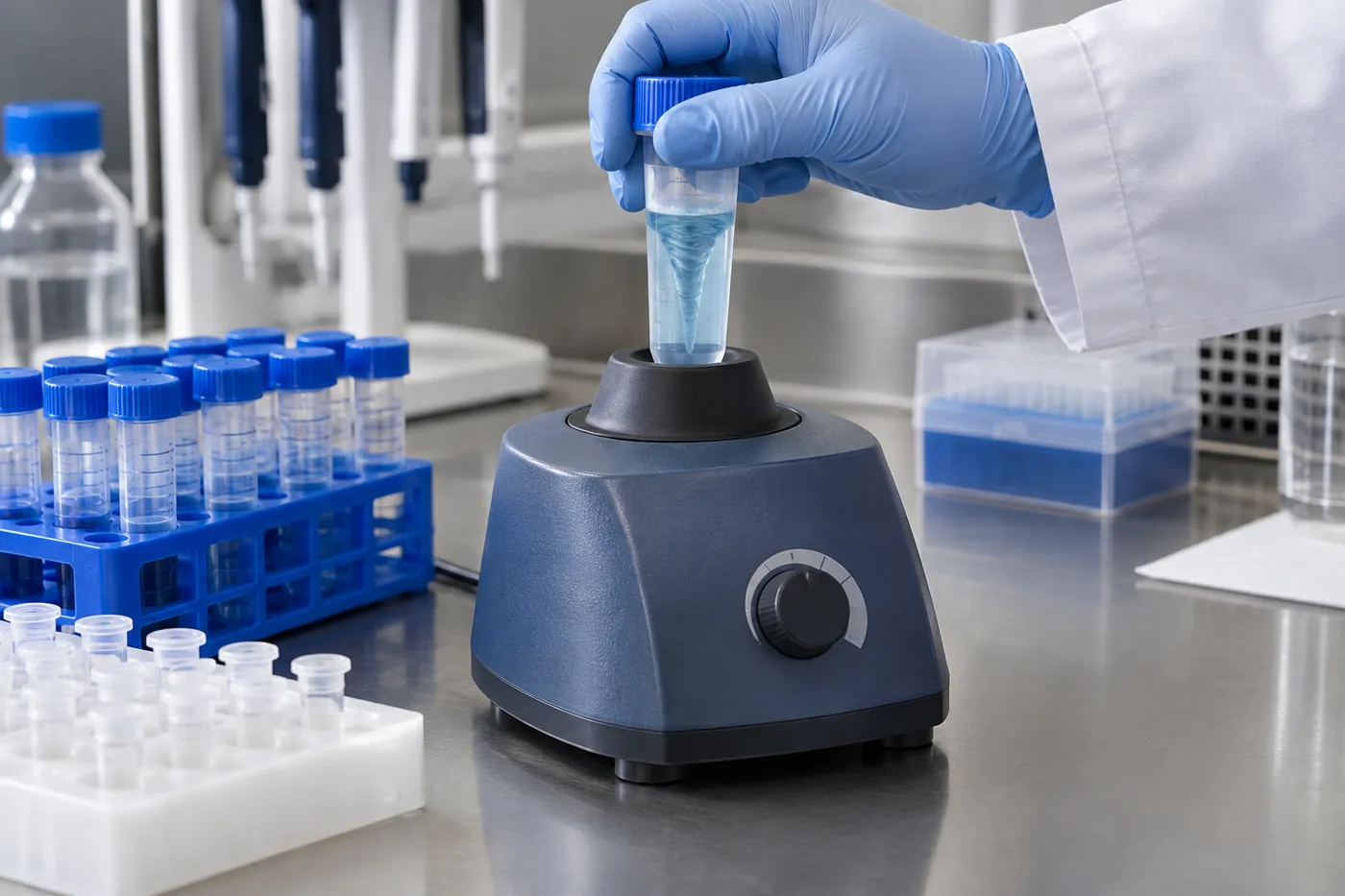
Touch-activated or continuous vortex mixers mix one tube at a time; platform attachments handle tube racks or plates. Variable speed protects delicate samples, and a heavy, rubber-footed base keeps the unit from walking across the bench. Plan an outlet at every station that uses one.
Shaker Comparison: Motion, Best Use and Placement
| Shaker type | Motion | Best for | Where it usually goes |
|---|---|---|---|
| Orbital (benchtop) | Circular, 3–50 mm orbit | Flask cultures, microplates, tubes | Heavy bench, or inside an incubator or cold room |
| Incubated orbital (floor/stackable) | Circular, in a heated or cooled chamber | Microbial and cell culture at set temperature | Floor, on a level slab with service clearance |
| Reciprocating | Linear back-and-forth | Extractions, separatory funnels, staining | Bench or under a fume hood for solvents |
| Rocking / see-saw | Tilting | Gels, membranes, western blots | Bench away from balances |
| Vortex mixer | Fast small orbit | Single tubes and vials | At each workstation |
| Rotator / nutator | End-over-end or 3D | Blood tubes, beads, gentle suspensions | Bench, cold room or refrigerator |
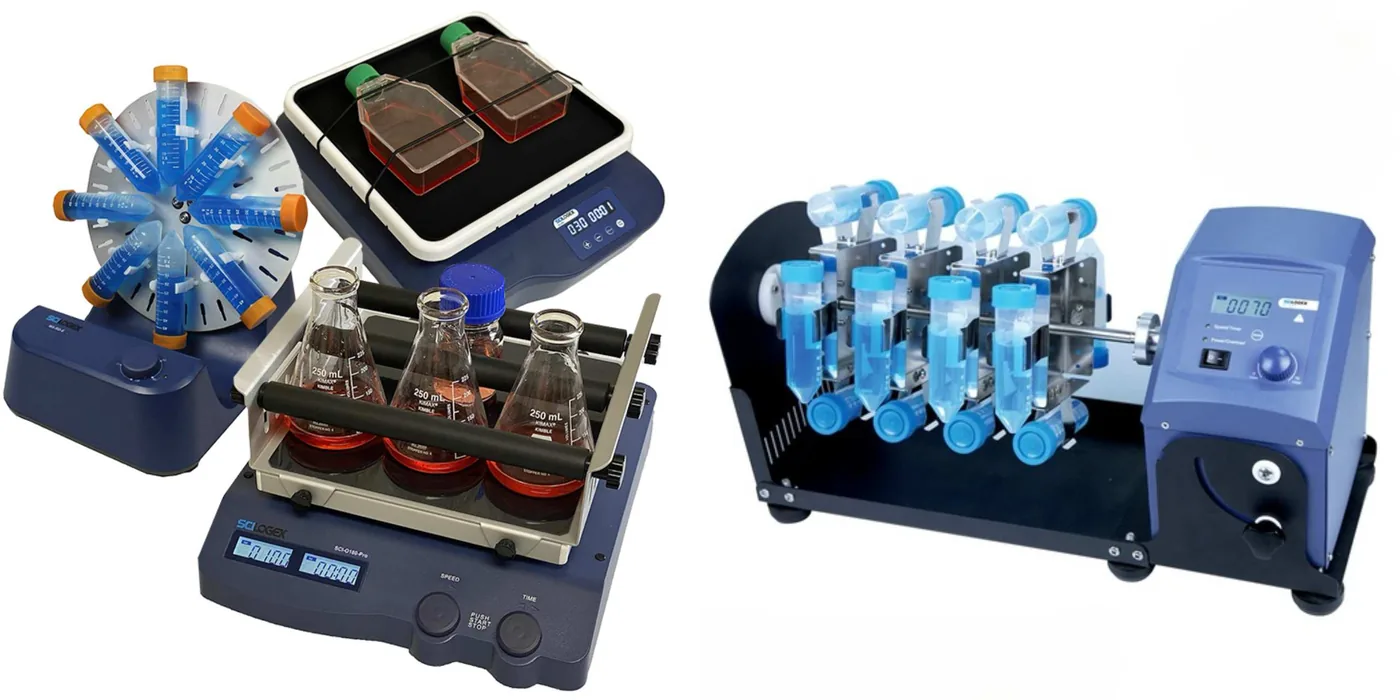
Many labs also use mixing equipment alongside shakers: magnetic stirrers and hot plates for beakers, overhead stirrers for viscous batches, and tube rollers for blood samples. Planning them as one group of mixing equipment helps size bench length and outlets correctly.
Key Features to Compare
How to Choose a Lab Shaker
Shaker selection checklist
- Vessel type and size: flasks, tubes, microplates, gel trays or bottles — and how many at once.
- Motion: orbital, linear, rocking, vortex or rotating, matched to the application.
- Orbit diameter and speed range for your flask volume and oxygen demand.
- Temperature: ambient, incubated, refrigerated or for use inside an incubator or cold room.
- Total load with full vessels, and the platform and clamp options available.
- Footprint, weight and whether the unit is benchtop, stackable or floor-standing.
- Electrical needs, run duration and whether it needs backup power.
- Noise, vibration and heat output for the room it will share.
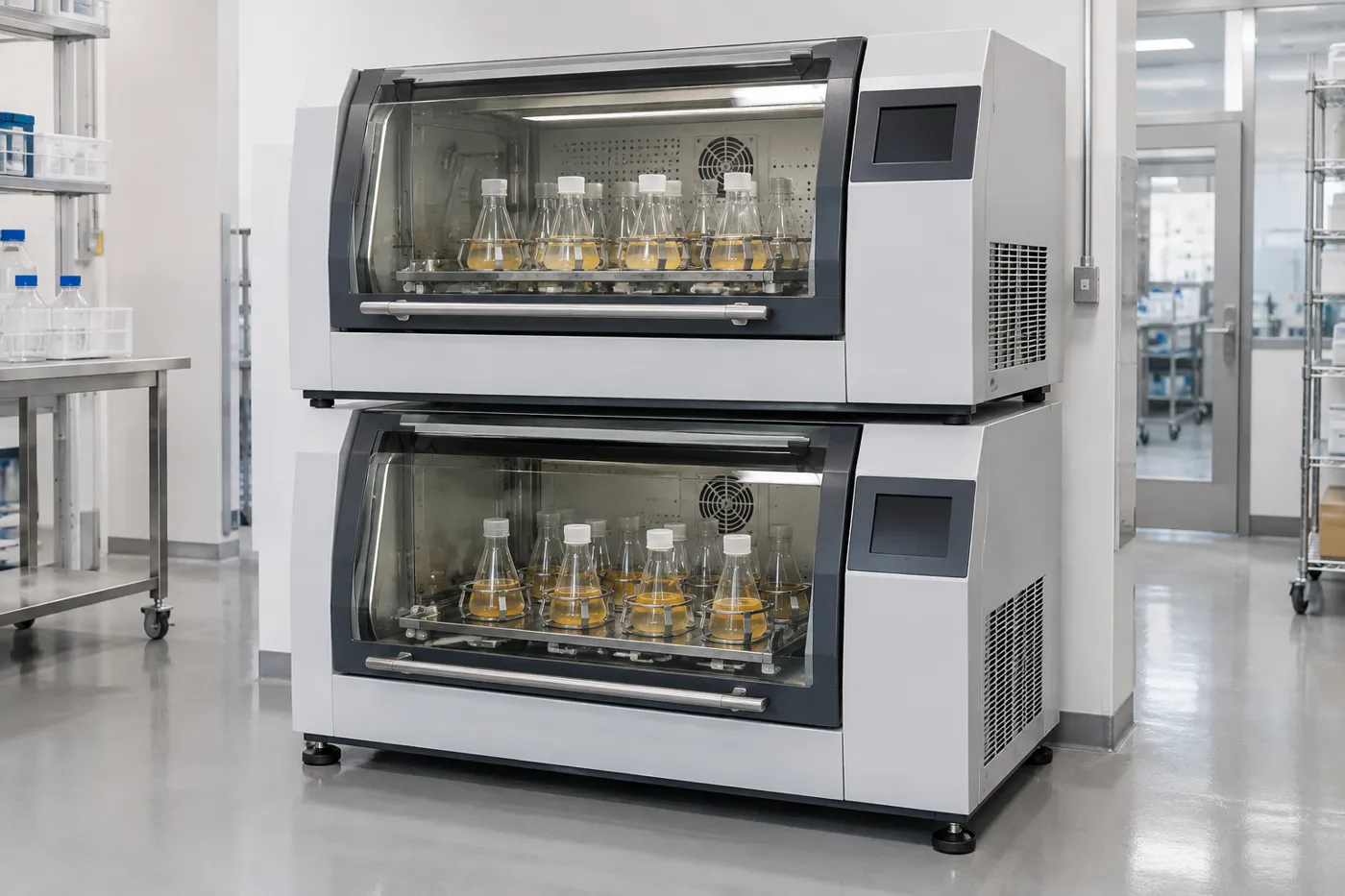
Shaker or shaking incubator?
If cultures only need ambient temperature, an open-air orbital shaker on a bench or inside an existing incubator is simplest. When temperature control matters, an incubated shaker combines both in one chamber. For many flasks at controlled temperature, stackable floor models save floor space — but they change the room’s power, heat and floor-loading needs.
Compare enclosure options in our guide to lab incubators.
Planning Space, Power and Benches for Lab Shakers
This is the part most buyers’ guides skip — and the part that delays installations. Use these points when locating shakers in a new lab or an expansion, and confirm figures in the manufacturer’s installation guide.
| Planning item | What to check | Why it matters |
|---|---|---|
| Bench strength | Rated load of the bench or shelf vs. shaker plus full flasks | Large benchtop shakers with full flasks are heavy and dynamic |
| Vibration | Keep shakers off benches shared with balances and microscopes | Shaker vibration spoils weighing and imaging |
| Floor loading & stacking | Slab capacity and level floor for stacked floor models | Stacked incubated shakers concentrate weight |
| Clearance | Rear and side clearance, lid swing, service access | Airflow, heat rejection and maintenance |
| Power | Dedicated circuits for large units; outlets at each bench for vortexers | Avoid nuisance trips and extension cords |
| Backup power | UPS or emergency power for multi-day cultures | A power cut can end a long run |
| Heat load | Add incubated and refrigerated shakers to the HVAC heat load | Rooms full of shakers run warm |
| Delivery path | Door widths, elevator size and turning space | Floor models may not fit standard doors |
Shakers in cold rooms and incubators
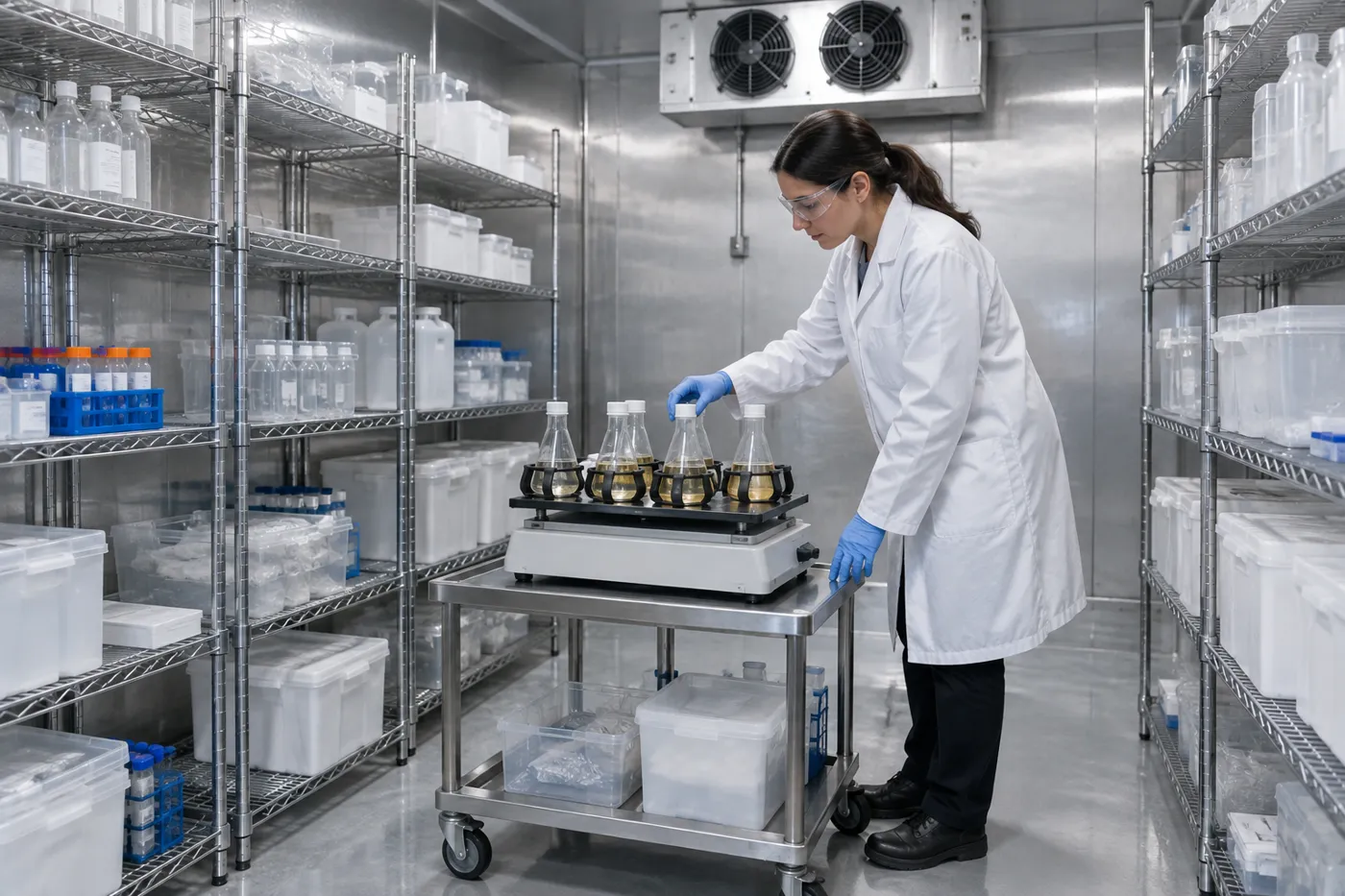
Open-air shakers rated for cold rooms or incubator chambers let you shake at controlled temperature without a dedicated shaking incubator. Plan corrosion-resistant shelving or a sturdy stainless cart to carry them, and check the unit’s rating for humidity and low temperature. Wire shelving and carts for cold rooms are part of our lab storage range.
Lab Shaker Applications by Field
Shakers turn up in almost every kind of laboratory. The application decides the motion, the temperature control and the vessel platform, and it also tells us where the shaker should sit in the lab: next to the biosafety cabinet for culture work, under or near a fume hood for solvent extractions, or in a quiet corner well away from balances.
Shaker Care, Verification and Records
Shakers run for long hours, often overnight, so a simple care routine protects both the unit and the experiment. In accredited labs, shaker speed and temperature are often part of equipment records, the same as balances and pipettes.
| Interval | Typical tasks |
|---|---|
| Each run | Balance the load across the platform; check clamps are tight and flasks seated; confirm speed, time and temperature settings |
| Weekly | Wipe the platform and chamber; clean spills immediately; check that vents and fans are clear |
| Monthly | Inspect clamps, mats and platform screws; check power cords; review run logs and alarms |
| Every 6–12 months | Verify speed with a tachometer and chamber temperature with a calibrated probe; service per the manufacturer |
| After a spill or repair | Decontaminate per your biosafety plan; verify performance before returning to service |
Design a culture room, not just a shelf
Labs that grow many cultures often dedicate a room or alcove to incubators and shakers. Grouping them lets you size one dedicated electrical panel, add HVAC capacity for the heat they release, keep vibration away from balances and microscopes, and put cold storage and media prep next door. We plan that adjacency into the floor plan before equipment is ordered.
How MH-USA Helps Equip and Lay Out Your Lab
MH-USA designs, supplies and installs lab furniture, casework, shelving and storage, and coordinates equipment locations so shakers, incubators and cold storage arrive at a room that is ready for them. For lab instruments and consumables, our laboratory division Labs USA can help.
Equipment list
Share your shakers, incubators and instruments; we flag space, power and load needs.
Layout
We place benches, shelving and equipment on your floor plan.
Specify & quote
Benches, casework, shelving and carts quoted with lead times.
Install
We deliver, install and coordinate with your trades.
Planning a culture room or a new lab?
Send your equipment list and floor plan. We’ll return a layout and a quote.
Request a Quote Try the Lab Layout Configurator Call (800) 326-4403
Related Laboratory Planning Guides
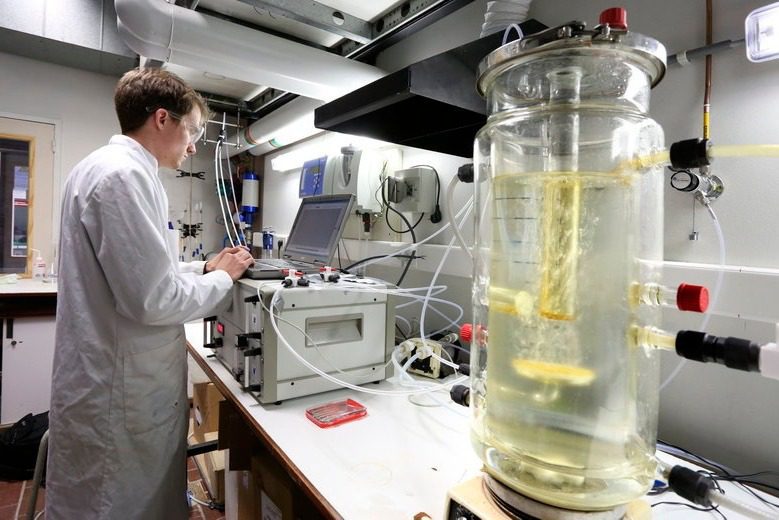 Comprehensive Laboratory DesignDesign services for the whole lab: casework, hoods, utilities, equipment and safety.
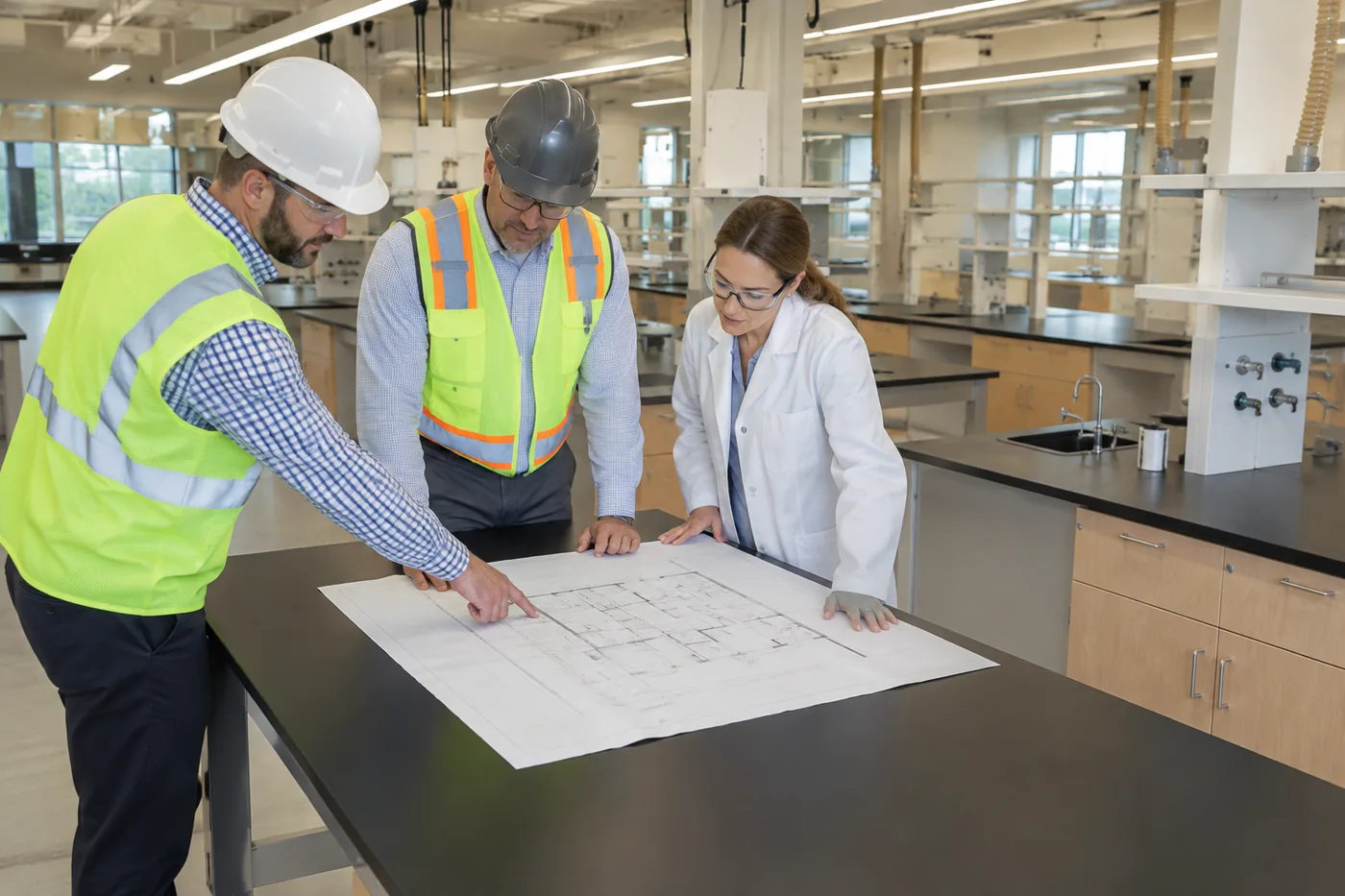 Laboratory Equipment ChecklistWhat a new lab needs, with the space and utilities for each item.
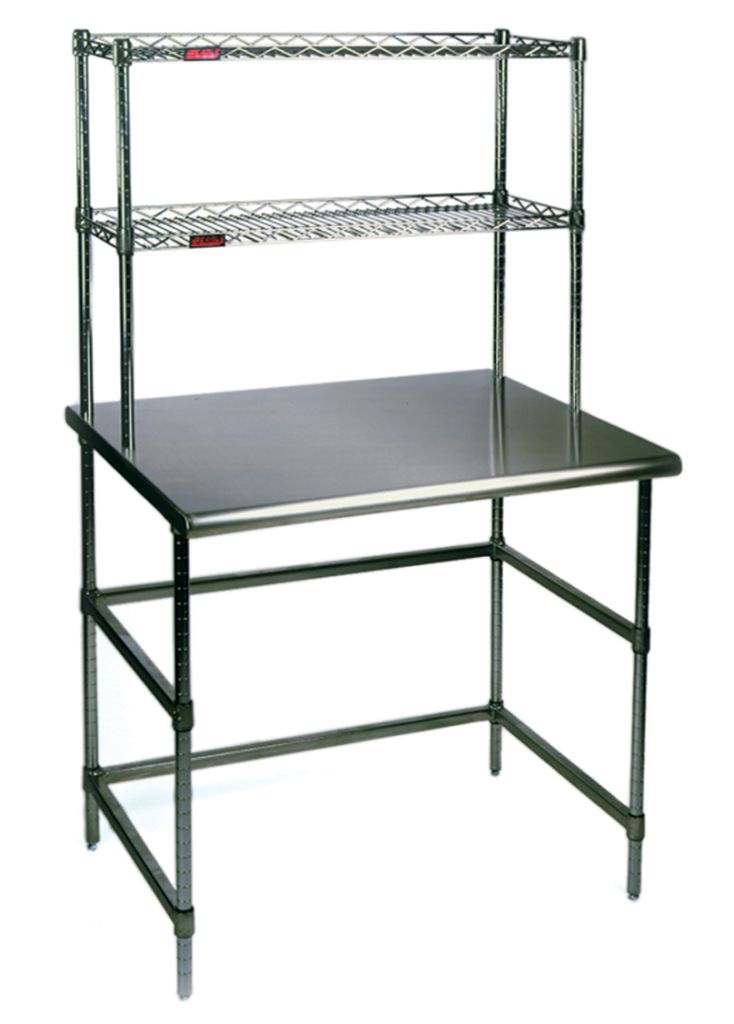 Lab Benches and WorkstationsRigid, mobile and adjustable-height benches for lab equipment.
Lab Shaker FAQs
What is a lab shaker used for?
What is the difference between an orbital and a reciprocating shaker?
What orbit size do I need?
When do I need an incubated shaker?
Where should a lab shaker be placed?
Can lab shakers be stacked?
How do I maintain a lab shaker?
Does MH-USA install lab benches and storage for shakers?
Give Your Shakers and Incubators the Right Room
Send your equipment list and floor plan. We’ll design the benches, storage and layout, quote it and install it.