
Essential Laboratory Equipment Checklist for New Labs and Expansions
Everything a new or expanding lab needs to plan and buy — general equipment, safety equipment, instruments, cold storage, furniture and utilities — with the space, power, water and exhaust each item needs before it arrives.
9
Equipment categories
6
Questions to answer first
1 table
Utility needs per item
Free
Layout and quote help
Shop Lab Carts, Storage and Safety Cabinets
Lab furniture and storage we sell online. Casework, fume hoods, benches and complete lab packages are quoted and installed by our team; some common sizes are in stock at select manufacturers, subject to confirmation.


Answer These Six Questions Before You Buy Anything
A laboratory equipment list is easy to write and hard to install. The centrifuge needs a bench that will not walk, the autoclave needs a drain and a dedicated circuit, the fume hood needs an exhaust duct and make-up air, and the −80 °C freezer needs power, clearance and somewhere for its heat to go. When those needs are discovered after delivery, equipment sits in crates while trades come back.
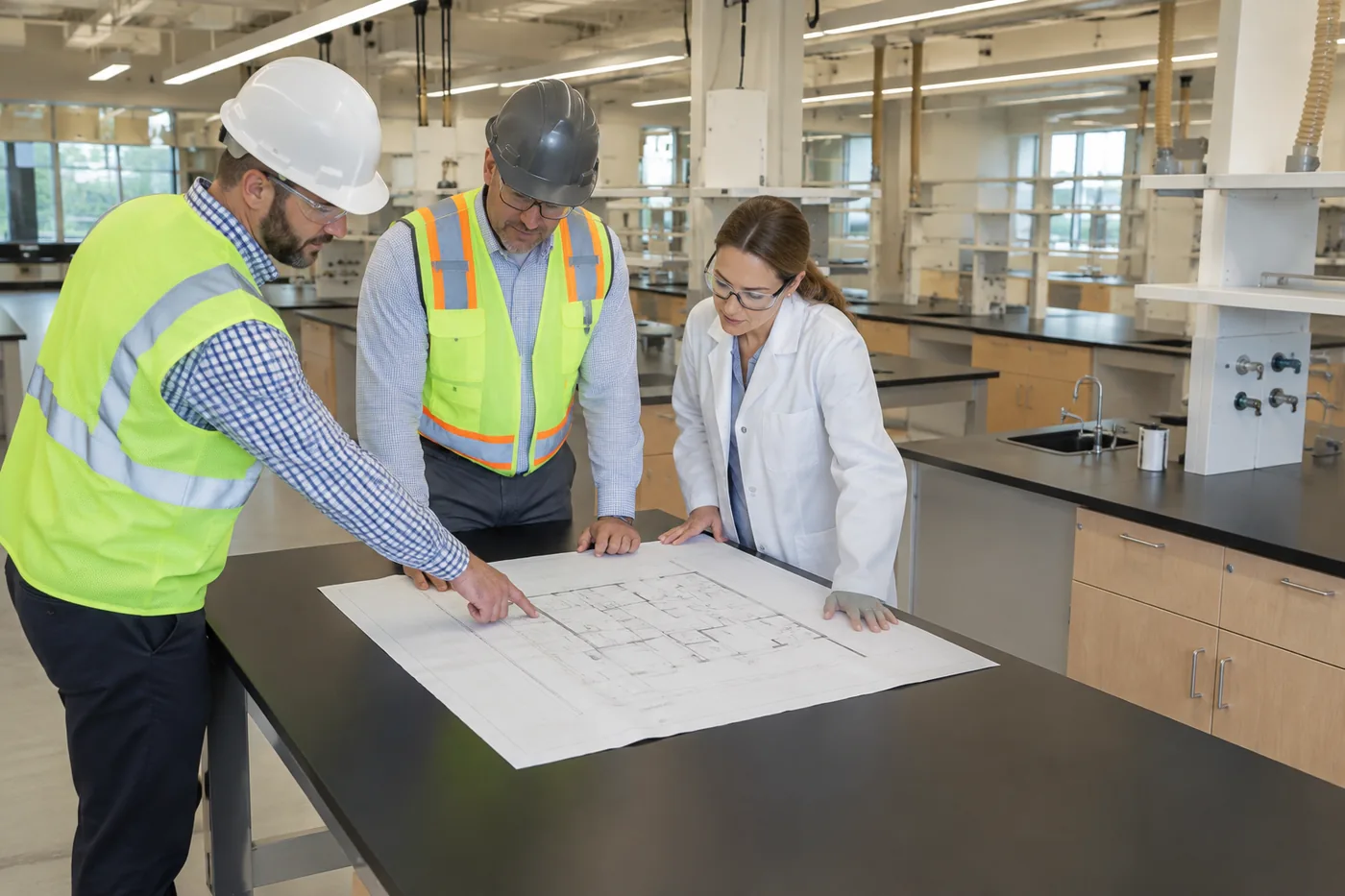
This checklist covers what to buy and what each item needs from the room. Use it alongside your floor plan, and share it with your architect, contractor and equipment vendors early.
The Essential Laboratory Equipment Checklist
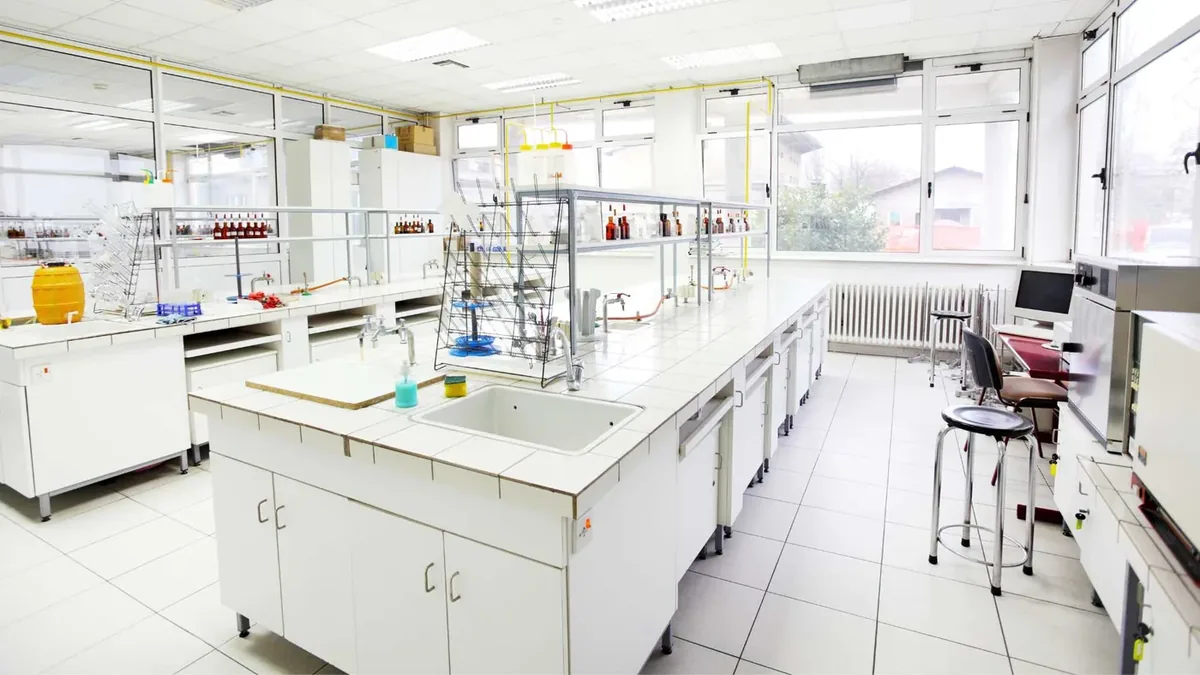
Tick what your lab needs, then use the “plan for it” notes to capture the space and utility requirements. Depending on the focus of your lab — biological, chemical, clinical or physical testing — you will add specialized equipment to the base list.
1. General Lab Equipment
- Microscopes – for viewing microscopic organisms and cells.
- Scales and balances – for accurate measurement of various substances.
- Bunsen burners, hot plates or heating mantles – for heating and sterilization.
- Glassware (beakers, flasks, test tubes, graduated cylinders) – for mixing, heating and storing chemicals.
- Pipettes and droppers – for transferring small volumes of liquids; see our guide to laboratory pipettes.
- Tongs and forceps – for handling chemicals and heated materials.
- Stirring rods and magnetic stirrers – for mixing solutions.
- Funnels – for transferring liquids or fine-grained materials.
- Wash bottles – for dispensing distilled or deionized water.
2. Safety Equipment
- Lab coats – to protect clothing and skin from chemicals.
- Safety goggles and face shields – to protect eyes from chemical splashes.
- Gloves (nitrile, latex or chemical-specific) – to protect hands from chemicals.
- First aid kit – for emergency medical treatment.
- Fire extinguishers – for small lab fires, mounted and inspected.
- Safety shower and eyewash station – for emergency flushing after chemical splashes.
- Fume hood – to safely ventilate noxious or harmful fumes; see laboratory fume hoods.
- Flammable, corrosive and gas cylinder storage – listed cabinets and cylinder restraints.
- Spill kits and secondary containment – matched to the chemicals in use.
3. Measurement Instruments
- Thermometers and temperature data loggers – for measuring and recording temperature.
- pH meters – for determining the acidity or alkalinity of solutions.
- Analytical and precision balances – for weighing substances.
- Timers or stopwatches – for timing experiments.
- Conductivity, dissolved oxygen or moisture meters – depending on the samples.
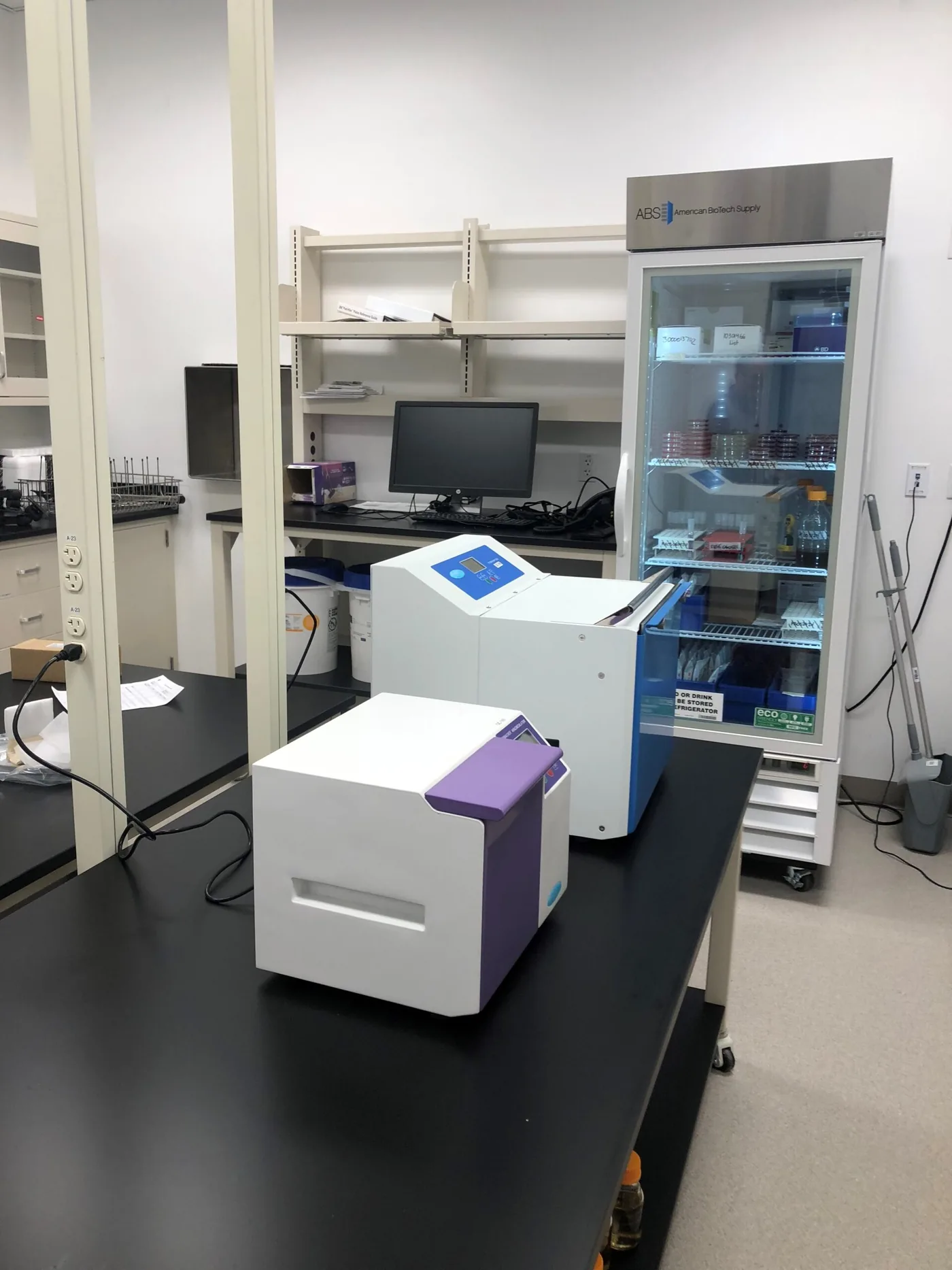
Balances and instruments need a stable home
Analytical balances read vibration, drafts and temperature swings. Place them away from doors, hood faces and supply diffusers, on a dedicated balance table or a heavy bench that is not shared with a centrifuge or vortex mixer. Benchtop instruments also need clean, dedicated power and data at the bench, which is far easier to build into casework than to add later.
See lab benches and workstations for fixed, mobile and adjustable-height options.
4. Specialized Equipment (depending on lab focus)
- Centrifuge – for separating substances of different densities.
- Spectrophotometer – for measuring light absorption.
- Incubators – for growing cultures; see our lab incubator guide.
- Autoclave – for sterilizing equipment and waste.
- Water bath and dry bath – for heating samples at a constant temperature.
- Shakers and vortex mixers – for mixing cultures and samples; see lab shakers.
- Biosafety cabinet – for work with biological agents.
- Water purification system – for type I, II or III lab water.
- Chromatography (HPLC/GC) or other analyzers – for chemical and clinical analysis.
5. Cold Storage
- Laboratory refrigerators (2–8 °C) for reagents and samples.
- Laboratory freezers (−20 °C / −30 °C).
- Ultra-low temperature freezers (−80 °C) for long-term sample storage.
- Flammable-material storage refrigerators wherever flammable liquids need cold storage.
- Temperature monitoring and alarms for every unit holding samples.
6. Lab Furniture, Casework and Storage
- Lab benches and workstations (fixed, mobile or adjustable-height).
- Base and wall casework with chemical-resistant work surfaces.
- Lab sinks, faucets and drying racks.
- Shelving for reagents, consumables and glassware; carts for moving samples and supplies.
- Tall storage, high-density storage or mobile shelving for archives and bulk supplies.
- Seating and step stools.
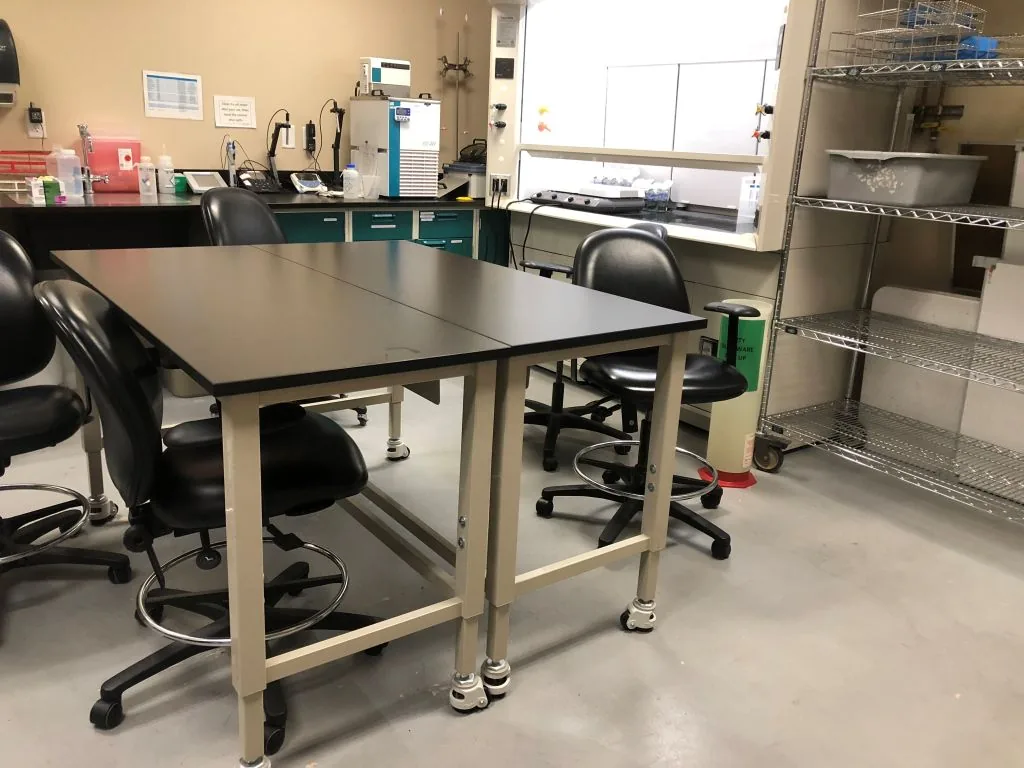
Furniture is the frame everything else plugs into
Casework carries the sinks, the gas turrets, the power and data, and the work surfaces your instruments sit on, so it is usually specified first and installed before equipment arrives. Choose surfaces by chemical exposure: epoxy and phenolic resin for wet chemistry, stainless steel for clinical, cleanroom and heat-heavy work.
Our laboratory furniture page compares benches, casework, surfaces and storage, and the laboratory casework page covers cabinet types.
7. Utilities and Infrastructure
- General and dedicated electrical circuits; emergency or UPS power for critical equipment.
- Data connections at benches and instrument locations.
- Hot, cold and purified water; floor drains and acid-resistant waste lines where needed.
- Lab gases (natural gas, nitrogen, CO₂, compressed air) and vacuum.
- Exhaust for fume hoods, snorkels, vented cabinets and autoclaves; make-up air for the room.
- Lighting suited to the work, and rated fixtures where the area is classified — see explosion-proof lights for laboratories.
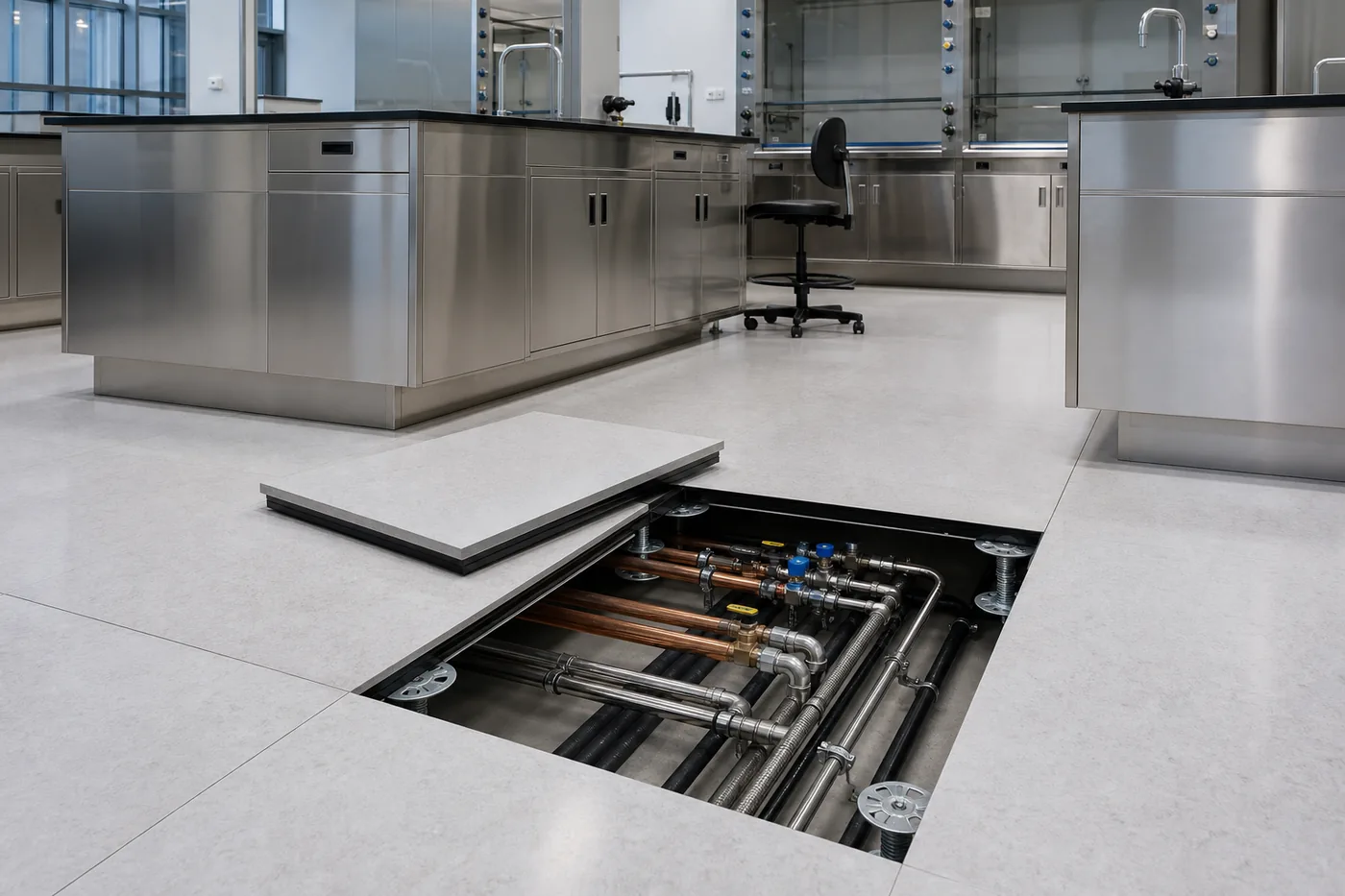
Raised floors and service chases keep labs flexible
Utilities are the most expensive thing to move once a lab is built. Raised access floors, overhead service carriers and casework with removable panels let you add or relocate equipment without trenching the slab or rebuilding walls — useful in labs that expect to change their test menu or grow into an adjacent room.
8. Miscellaneous
- Lab notebooks or an electronic lab notebook – for recording experiments and observations.
- Calculators – for calculations and data analysis.
- Computers with relevant software (LIMS, instrument software) – for data entry and analysis.
- Labels, label printers and sample tracking supplies.
- Waste containers for chemical, biological and sharps waste.
9. Additional Items (specific to your lab’s needs)
- Equipment required by your test methods or standard operating procedures.
- Equipment required by your accrediting body or regulator.
- Spare capacity: bench length, outlets and storage for the next two years of growth.
- Anything else unique to your work — add it here with its space and utility needs.
Remember, this checklist is a starting point. Depending on the specific focus of your laboratory (biological, chemical, clinical, physics), you may require additional specialized equipment. Always consider the particular needs of your research or testing when compiling your lab equipment list. For a plain-language explainer of what each instrument does, Labs USA has a guide to the types of lab equipment.
Space and Utility Needs by Equipment Type
Use this table to turn the equipment list into requirements your architect and contractor can design to. Always confirm exact figures from the manufacturer’s installation guide for the model you buy.
| Equipment | Where it goes | Utilities to plan | Watch for |
|---|---|---|---|
| Fume hood | Away from doors and traffic | Exhaust duct and fan, make-up air, power, possibly gas/water | Exhaust fan is often outside the hood supplier’s scope |
| Biosafety cabinet | Low-traffic end of the room | Power; exhaust connection for some classes/types | Cross-drafts from doors and diffusers |
| Autoclave | Wash-up or support room | Dedicated circuit, water, drain, heat and steam exhaust | Door width and floor load for larger units |
| −80 °C freezer | Equipment corridor or alcove | Dedicated circuit, backup power, alarm | Heat output and rear clearance |
| Centrifuge | Floor or heavy bench | Dedicated circuit for larger units | Vibration and clearance around the rotor |
| Analytical balance | Balance table, away from drafts | Clean power | Vibration from nearby equipment |
| Water purification | Near the main use point | Feed water, drain, power | Space for the storage reservoir |
| CO₂ incubator | Bench or stand | Power, CO₂ supply line or cylinder restraint | Cylinder storage and changeover |
| Eyewash / safety shower | Within about 10 seconds of hazards | Potable or tempered water, drain where required | Clear, marked floor area |
Core Equipment by Type of Lab
Most labs start from the same base list and then add a core set for their work. These are typical starting points, not complete specifications.
Building or adding a lab inside an existing facility?
Many of the labs we work on sit inside plants, warehouses and hospitals rather than dedicated lab buildings. A modular laboratory building or in-plant QC lab can be the fastest way to create a controlled room, and the same equipment checklist applies inside it.

Receiving, Installation and Equipment Records Checklist
When equipment arrives, the job is not finished until it is installed, verified and recorded. Accredited labs (ISO/IEC 17025, CAP, CLIA, GMP) are expected to keep equipment records, and every lab benefits from them when a result is questioned or a unit fails.
Use the list below for each piece of equipment. It mirrors the equipment-records expectations of common quality systems in plain language.
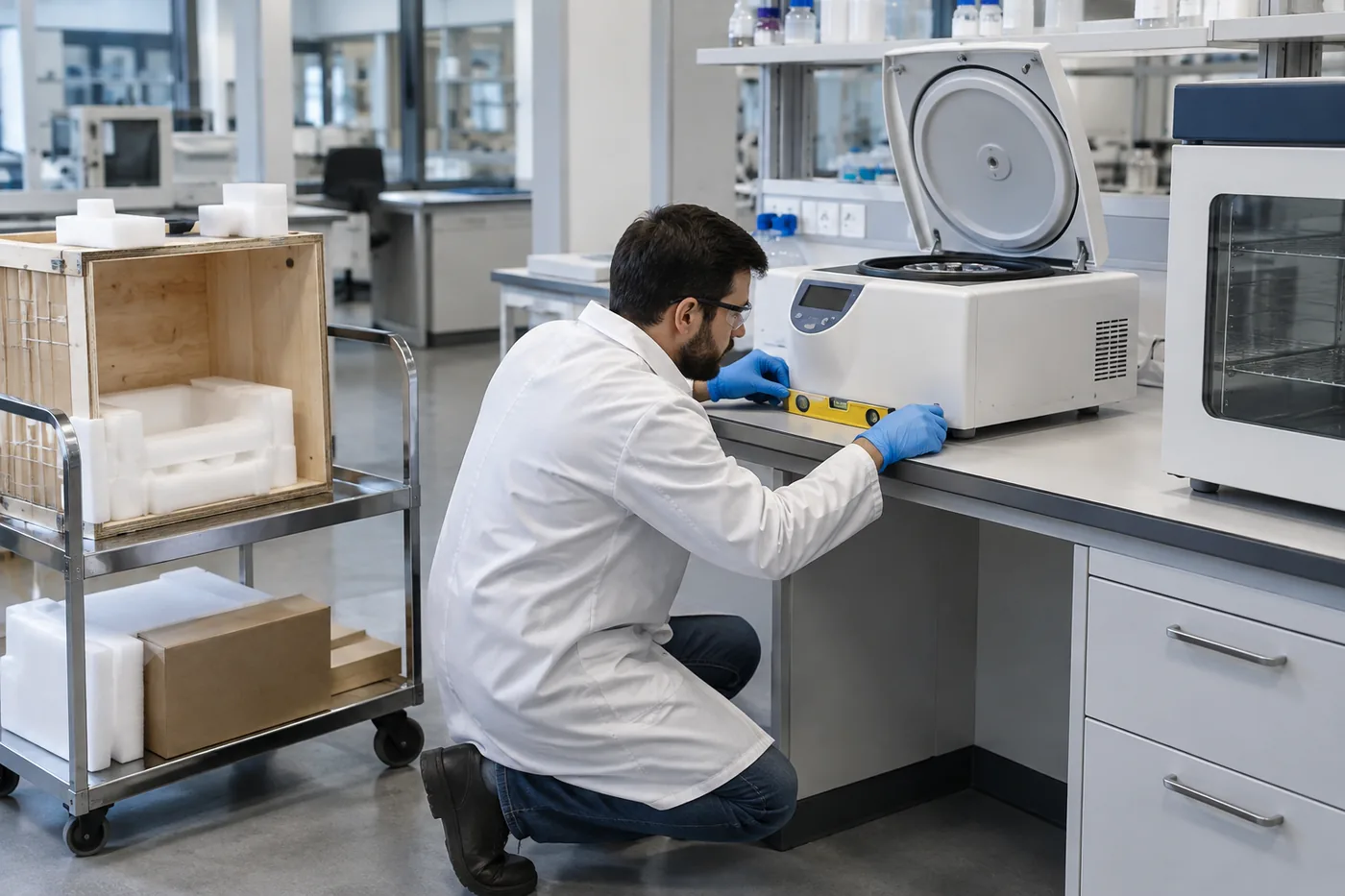
For each new piece of equipment
- Inspect for shipping damage before signing; photograph crates and tilt/shock indicators.
- Confirm the location, utilities and clearances are ready before unpacking.
- Install and level per the manufacturer; record installation qualification (IQ) where required.
- Verify performance (OQ/PQ or calibration) before first use, and label the calibration status.
- Record a unique ID, manufacturer, model, serial number, location and software/firmware version.
- File manuals, certificates and the maintenance plan where users can find them.
- Train users and record the training.
- Define how damaged or out-of-service equipment is labeled and removed from use.
Ongoing Equipment Maintenance Checklist
| Interval | Typical tasks |
|---|---|
| Daily / each use | Check balances and pipettes against quick checks; wipe down surfaces; check freezer and refrigerator temperatures |
| Weekly | Activate eyewash and showers; empty and clean water baths; check incubator CO₂ and humidity |
| Monthly | Inspect cords and plugs; check gaskets on cold storage; review equipment logs |
| Quarterly / semiannual | Pipette calibration (frequency depends on use and method); defrost freezers as needed; clean condenser coils |
| Annual | Fume hood and biosafety cabinet certification; balance calibration; autoclave validation; service contracts |
Use the manufacturer’s schedule first
Intervals above are common starting points. Manufacturer instructions, your test methods and your accrediting body set the required frequencies for your equipment.
How MH-USA Helps You Equip a New Lab
MH-USA designs, supplies and installs laboratory furniture, casework, storage and safety equipment, and coordinates the equipment layout so instruments arrive at a room that is ready for them. Our laboratory division, Labs USA, works alongside us on lab furniture and lab equipment.
Equipment list
Send your draft list or test menu; we flag space and utility needs for each item.
Layout
We draw benches, hoods, storage and equipment locations on your floor plan.
Specify & quote
We quote furniture, casework, storage and safety equipment, with lead times.
Install
We deliver and install, coordinate with your trades, and hand over documentation.
Planning a new lab or an expansion?
Send us your equipment list and floor plan. We’ll return a layout and a quote, and show what can be ordered online today.
Request a Quote Try the Lab Layout Configurator Call (800) 326-4403
Related Laboratory Planning Guides
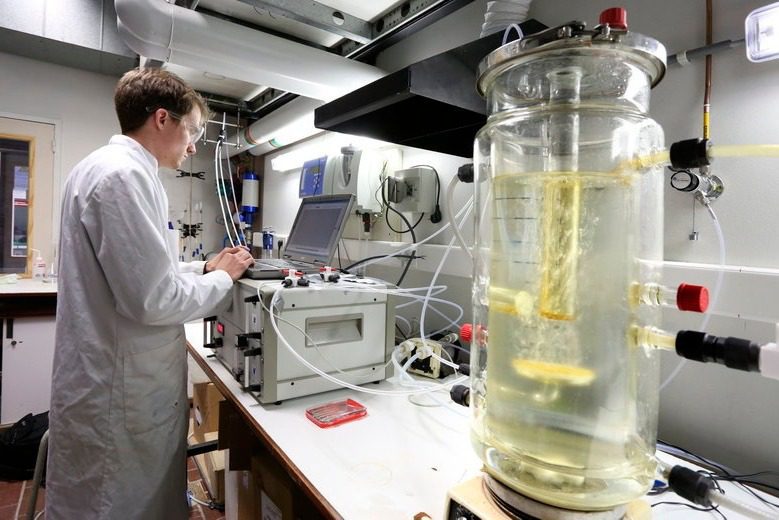 Comprehensive Laboratory DesignDesign services for the whole lab: casework, hoods, utilities, equipment and safety.
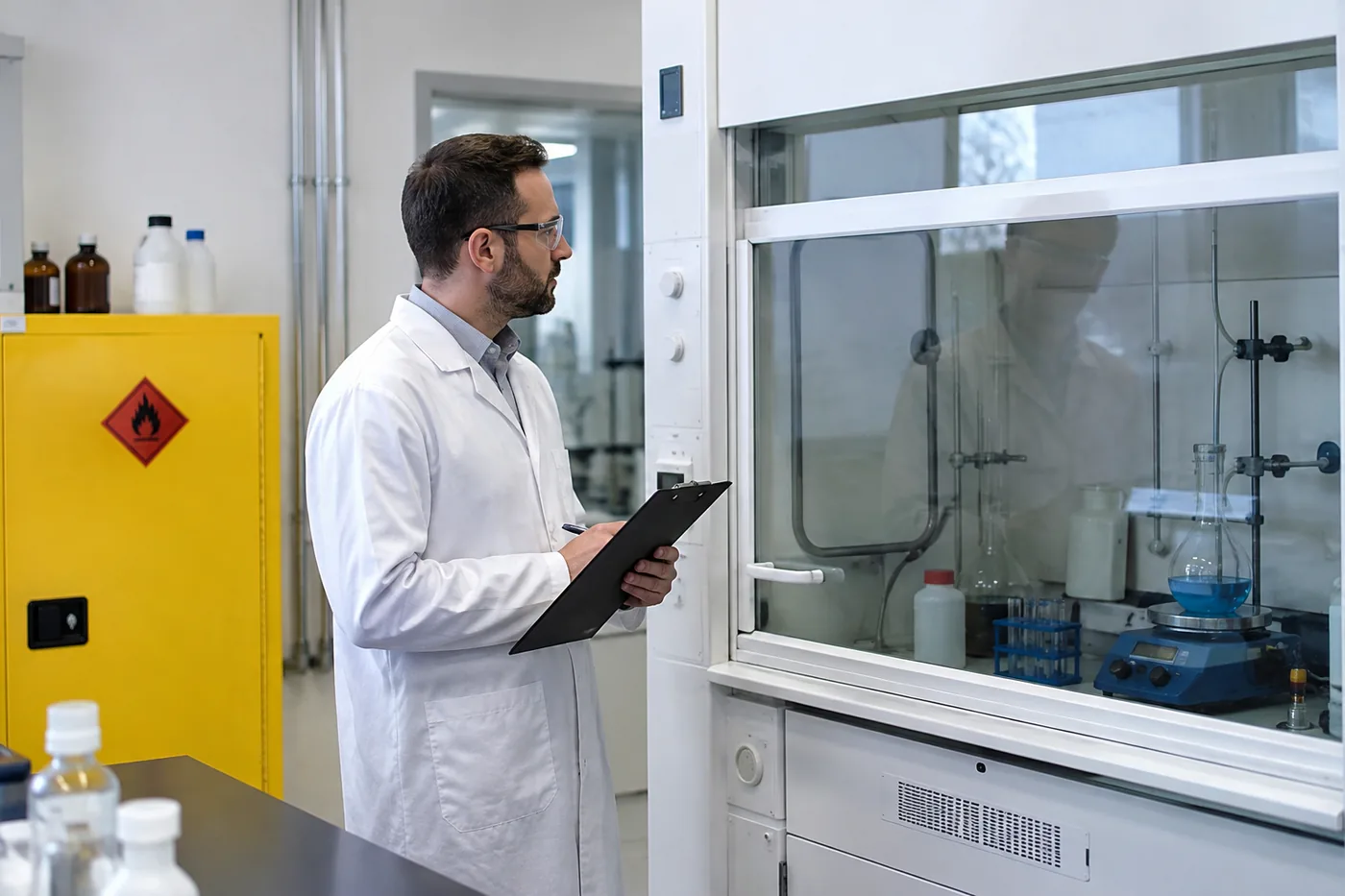 Lab Safety ChecklistInspect PPE, storage, hoods, eyewash, fire and egress once the lab is running.
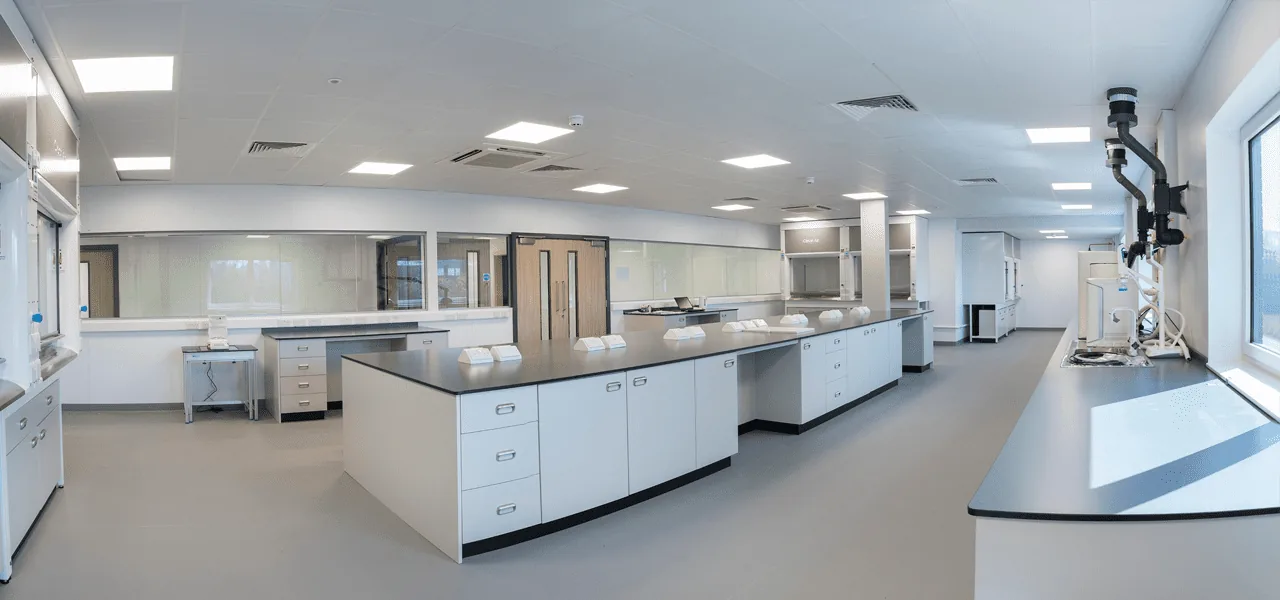 Medical Lab DesignLayout and furniture planning for clinical and medical laboratories.
Planning the full project timeline? Labs USA publishes a laboratory design and planning checklist covering the fit-out schedule.
Laboratory Equipment Checklist FAQs
What equipment does a new laboratory need?
What should I plan before buying lab equipment?
Which lab equipment needs dedicated power or plumbing?
What records should a lab keep for each piece of equipment?
Does MH-USA sell and install laboratory equipment?
Is there a printable laboratory equipment checklist?
Get Your Lab Equipped and Installed Right the First Time
Send your equipment list and floor plan. We’ll design the layout, quote the furniture and storage, and install it.