
Laboratory Refrigerators and Freezers: A Complete Buying Guide
Everything you need to know about laboratory cold storage — the types, the temperature ranges, the features that matter, and how to specify a unit that holds its set point and proves it.
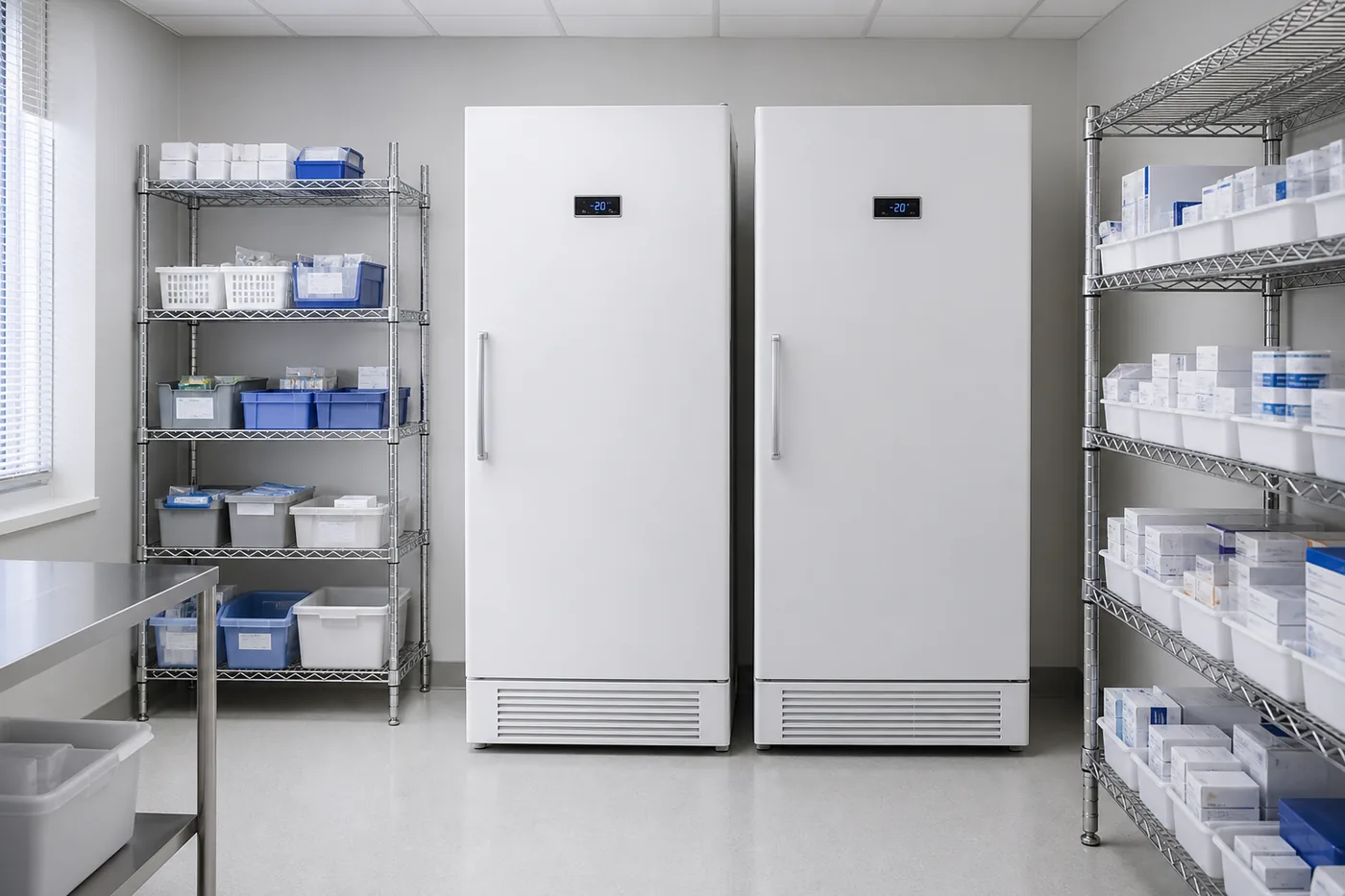
Laboratory refrigerators and freezers are among the few pieces of lab equipment that run every hour of their service life, and the only ones where a quiet failure can destroy years of work. Whether you are a seasoned researcher or specifying cold storage for the first time, understanding the differences between unit types — and what separates a laboratory-grade unit from a domestic one — is what protects the integrity of your samples.
This guide walks through the six unit types you will be choosing between, the temperature bands each one covers, the features worth paying for, and the maintenance and monitoring practices that keep a validated unit validated. It ends with the questions our lab customers ask most often.
Material Handling USA supplies and installs laboratory refrigeration alongside casework, fume hoods and shelving, so we specify these units in the context of the room they sit in — clearances, electrical service, heat rejection and the workflow around the door. If you already know what you need, send us the specification and we will quote it.

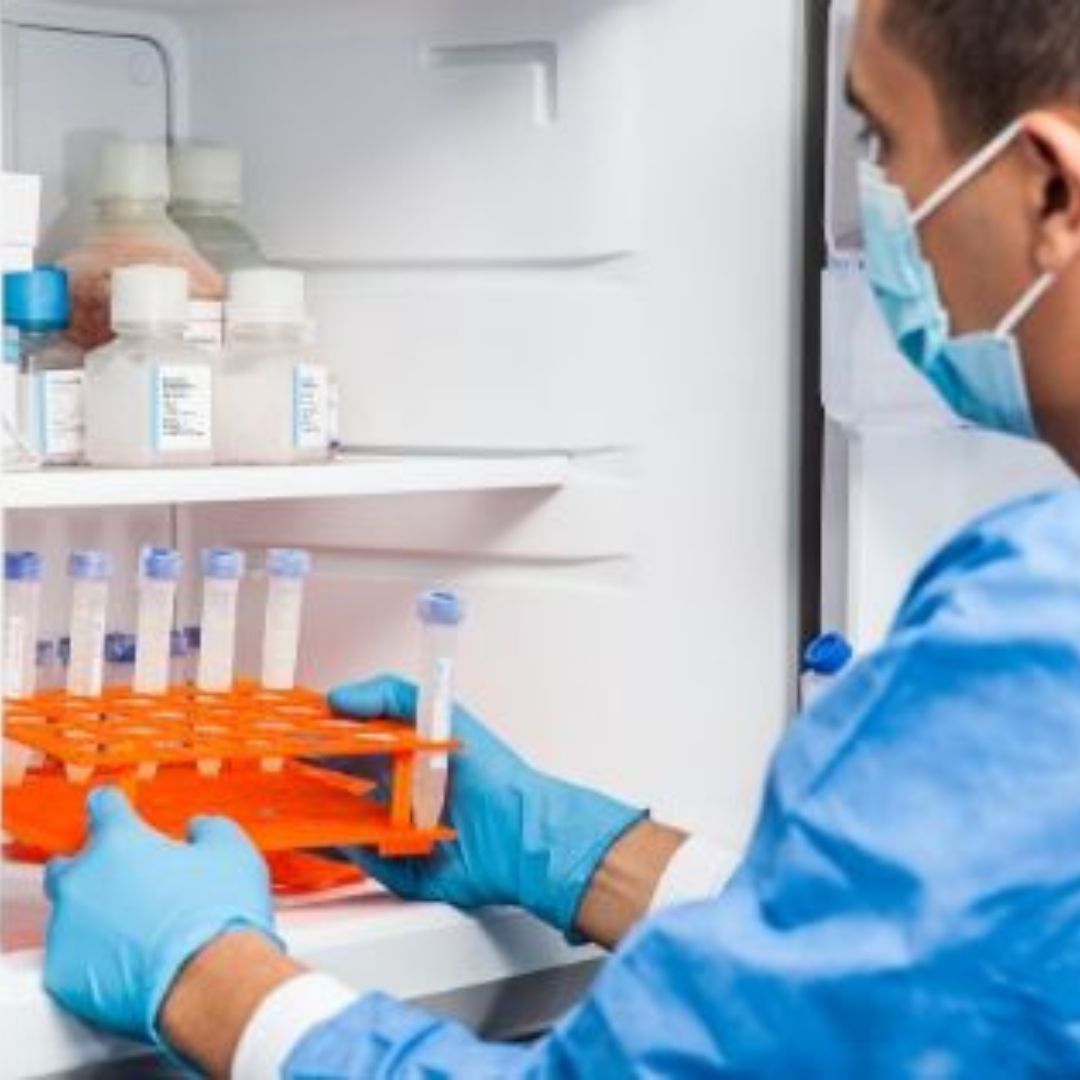
Cold storage decisions start with what you store and how often you touch it.
Types of Laboratory Refrigerators and Freezers
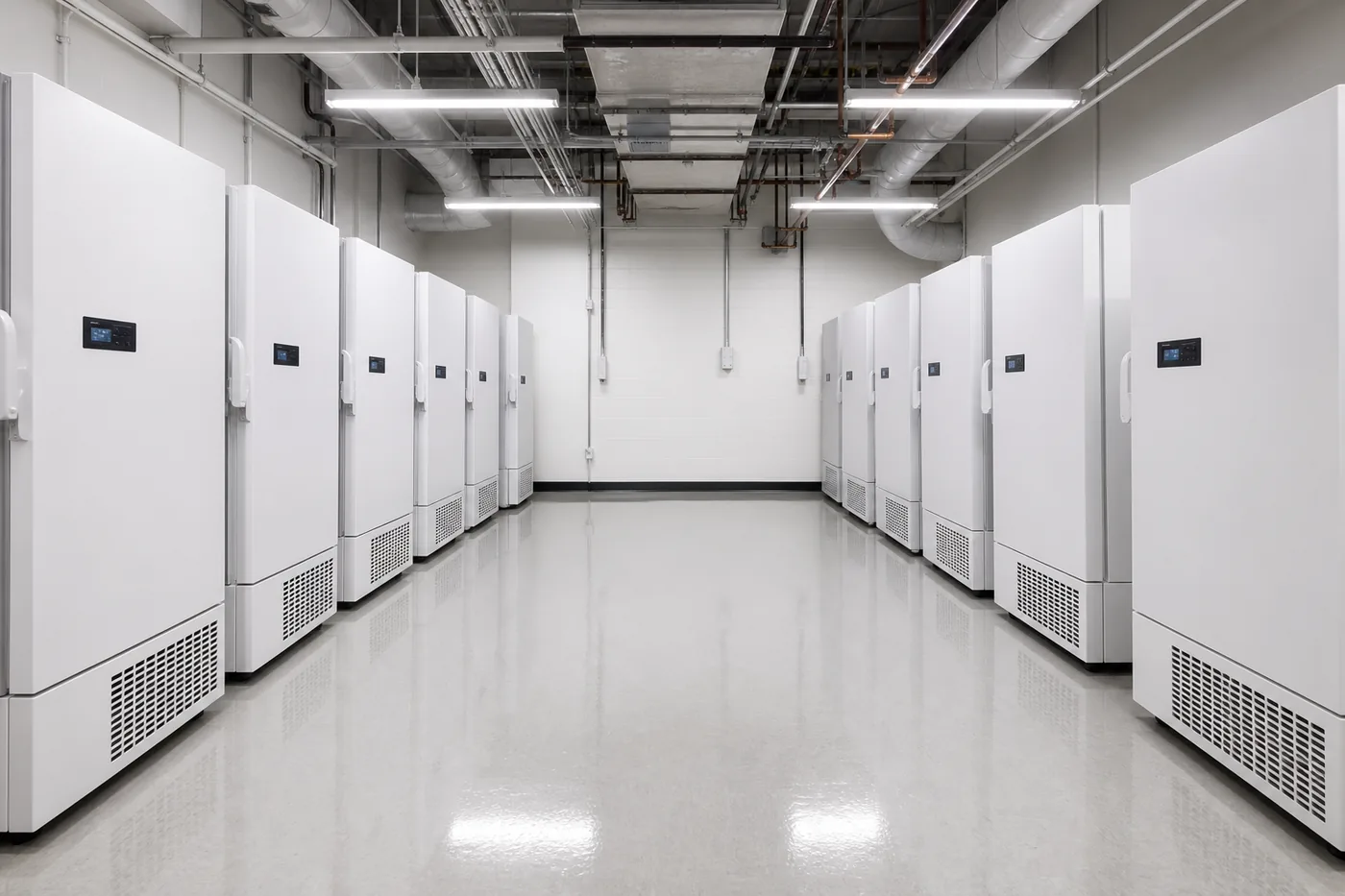
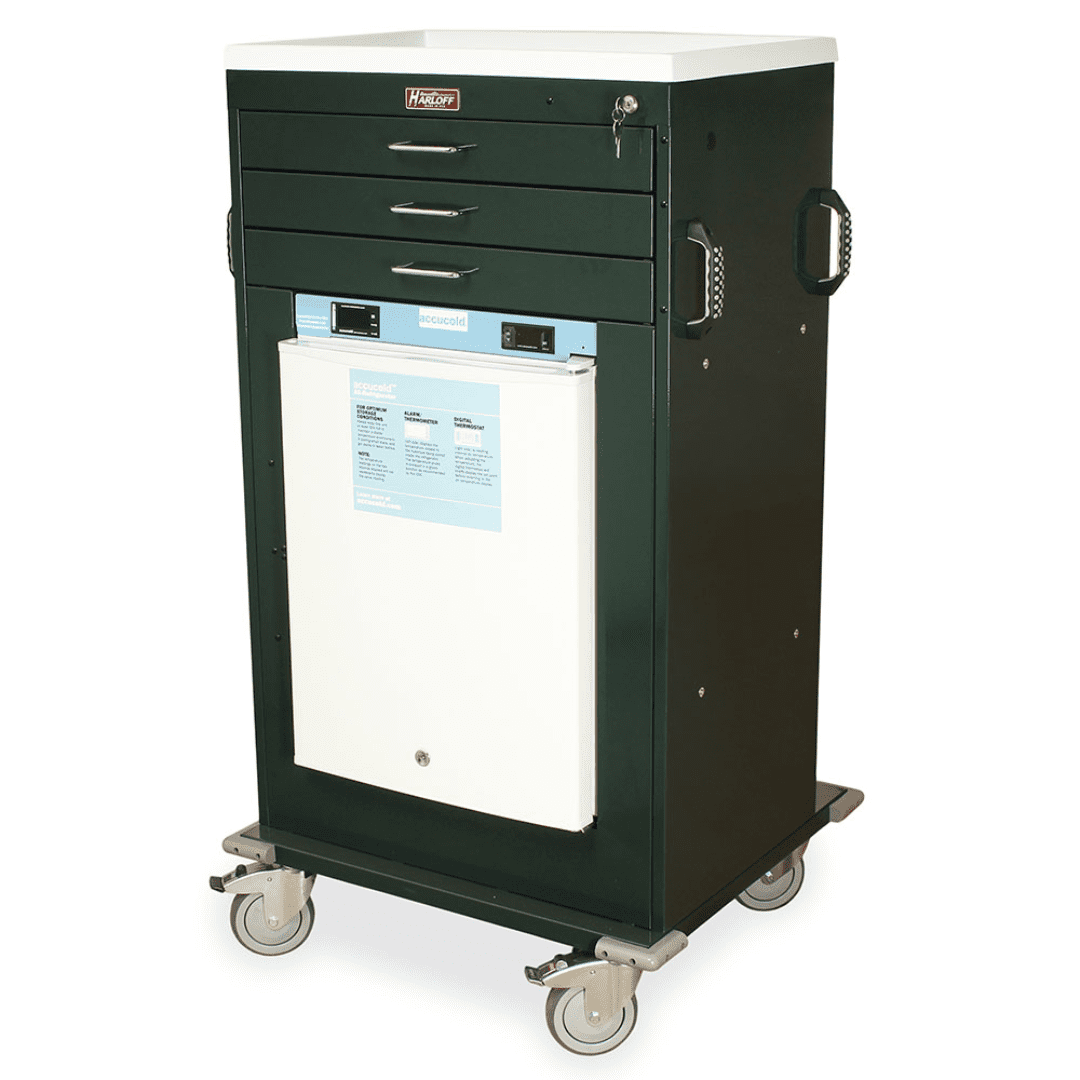
Laboratory refrigerators come in various types, each designed for specific applications. These six cover the great majority of laboratory requirements.


Temperature Ranges at a Glance
The fastest way to narrow the field is to start from the temperature band your material requires, then work outward to size, door style and monitoring.
| Unit Type | Typical Range | Commonly Used For |
|---|---|---|
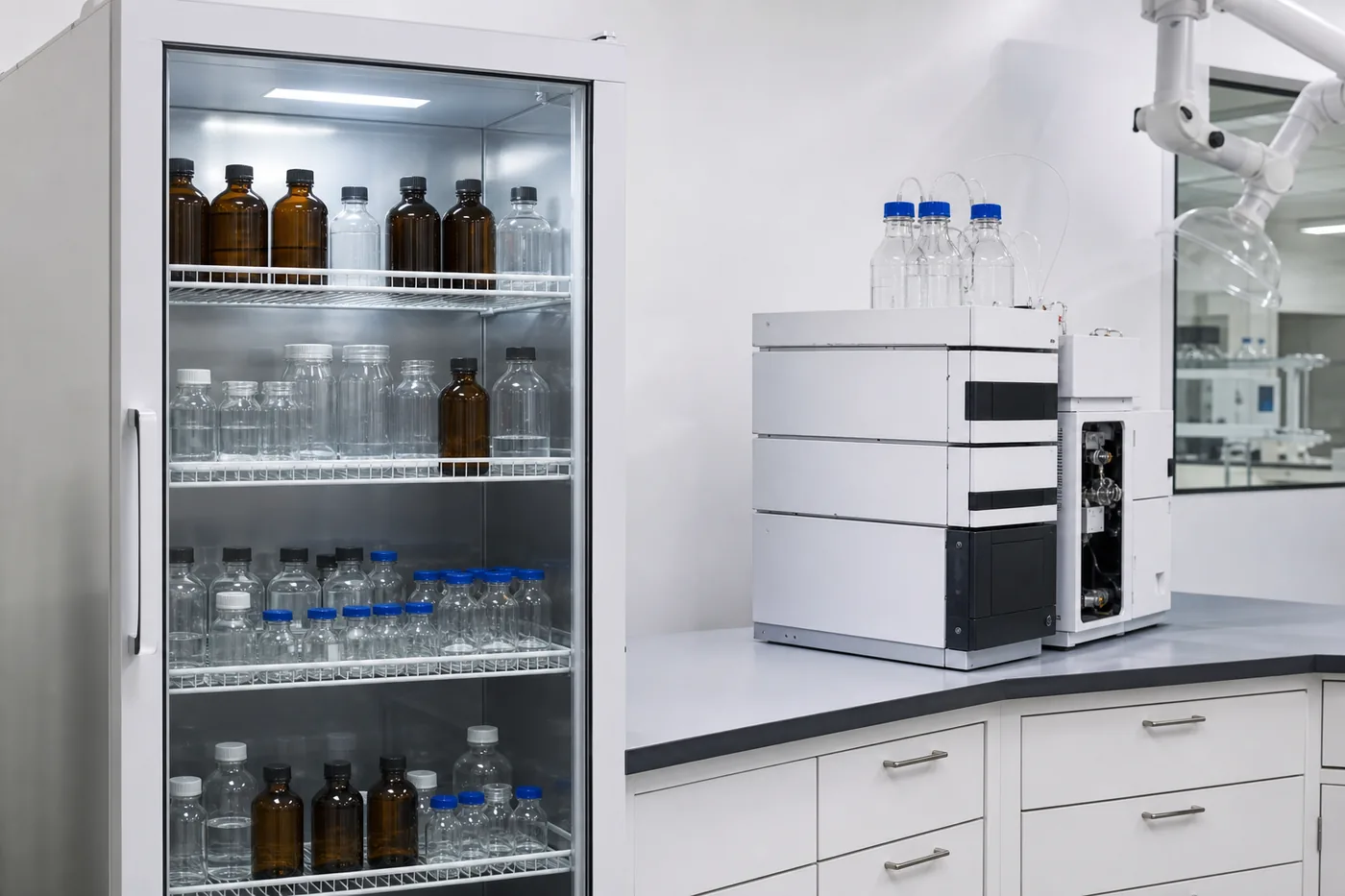
| Chromatography refrigerator | +2°C to +8°C | Reagents, buffers, chromatography and mass spectrometry work |
| Standard laboratory refrigerator | +2°C to +8°C | Biological samples, blood products, refrigerated vaccines |
| General-purpose refrigerator | −5°C to +15°C | Pharmaceuticals, reagents, general biological samples |
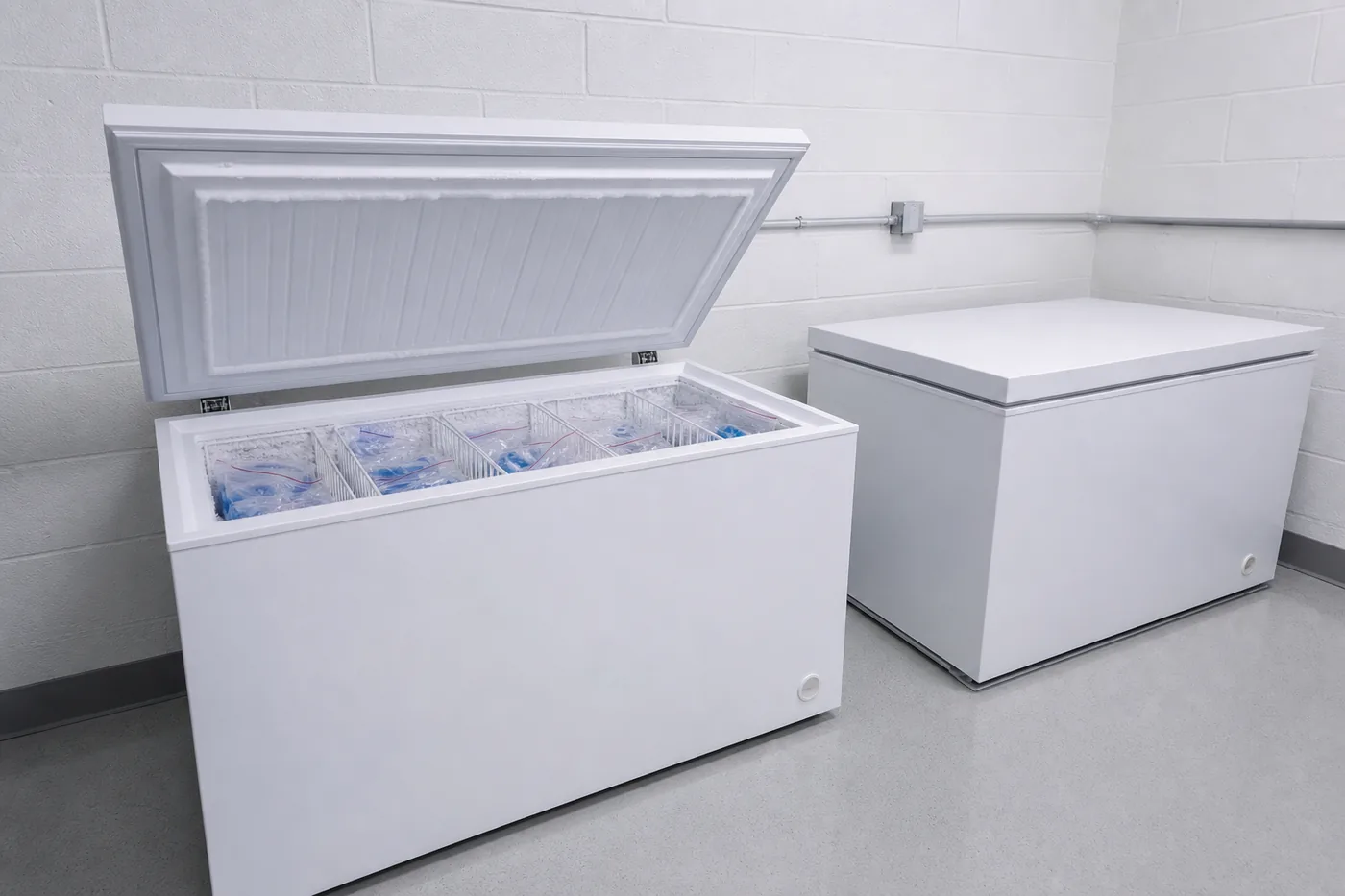
| Low temperature freezer | −10°C to −40°C | Perishable material, blood samples, frozen vaccines |
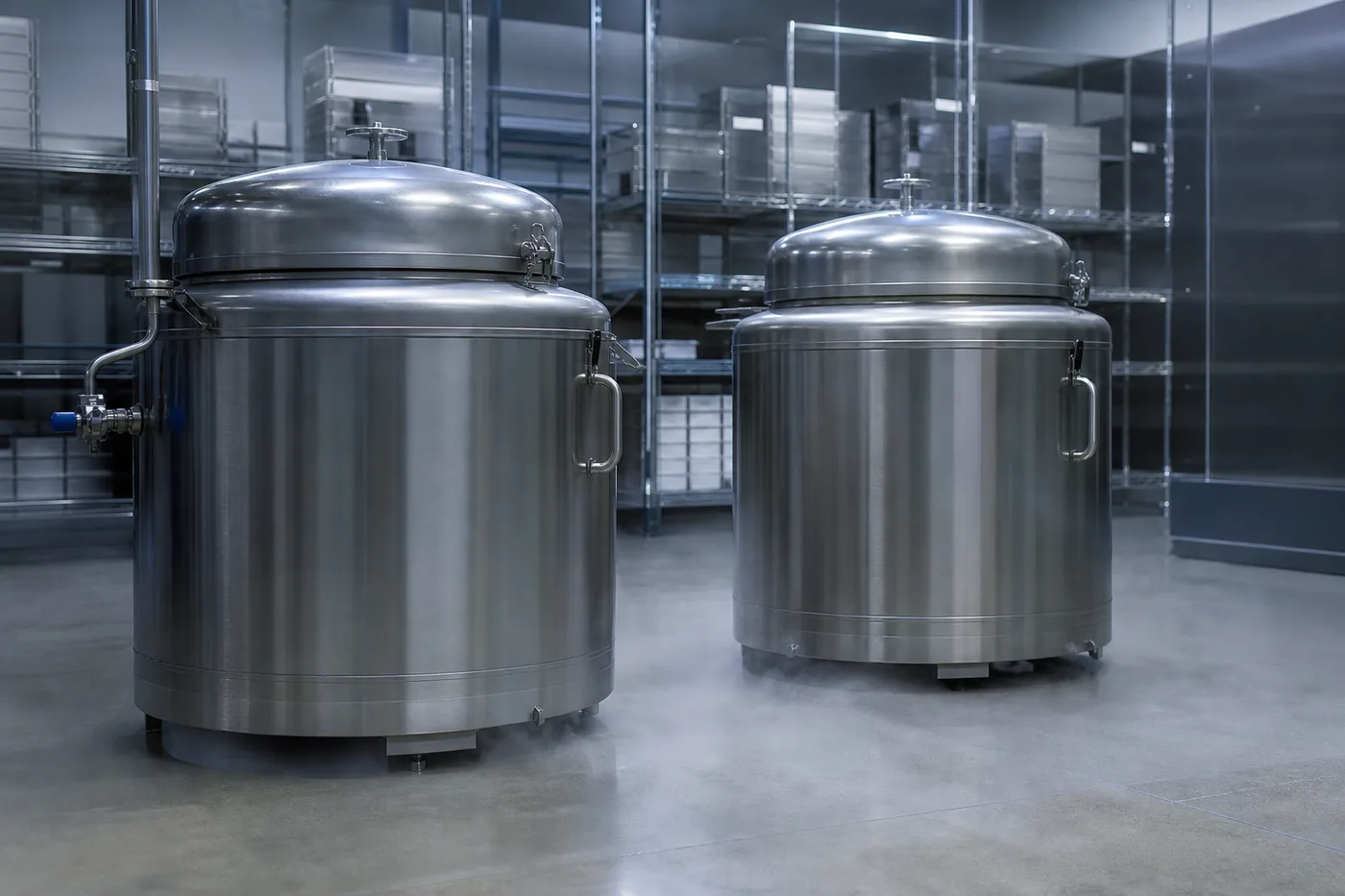
| Ultra-low temperature freezer | down to −80°C | Long-term storage of sensitive biologicals, enzymes, nucleic acids |
| Cryogenic storage | liquid nitrogen / helium | Indefinite archival storage of cells and tissue |
Ranges are typical for the category. Always store product to the range specified by its manufacturer or package insert, and confirm the unit’s rated range on the model you order.
Refrigerator, not a freezer
The most common cold-chain error we see is refrigerated product stored in a freezer compartment or up against a freezer wall. If a single unit has to do both duties, specify a purpose-built refrigerator/freezer with separate compressors and separate controllers — not a combination unit sharing one cooling circuit.
Features to Consider
When choosing a laboratory refrigerator, several features should be taken into consideration to ensure optimal performance and suitability for your needs.
Temperature Control
Paramount. The unit must allow precise adjustment and then hold the set point through door openings and ambient swings, not merely average out to it.
Energy Efficiency
Cold storage runs continuously for its whole service life, so efficiency shows up in operating cost and in sustainability reporting.
Alarm Systems
Audible and remote alerts on temperature excursion, door-ajar and power loss are what stand between a fault and a lost sample set.
Size and Capacity
Available floor and bench space is a real constraint. Match interior volume and footprint to the load you actually hold, plus the growth you expect.
Accessibility
Shelf height, drawer travel and door swing matter most where samples are handled many times a day — frequent retrieval is where poor layouts cost time and cold-chain stability.
Serviceability
Gasket, filter and compressor access, plus availability of local service, determine how quickly a unit comes back online after a fault.
Benefits of Laboratory Freezers and Refrigerators
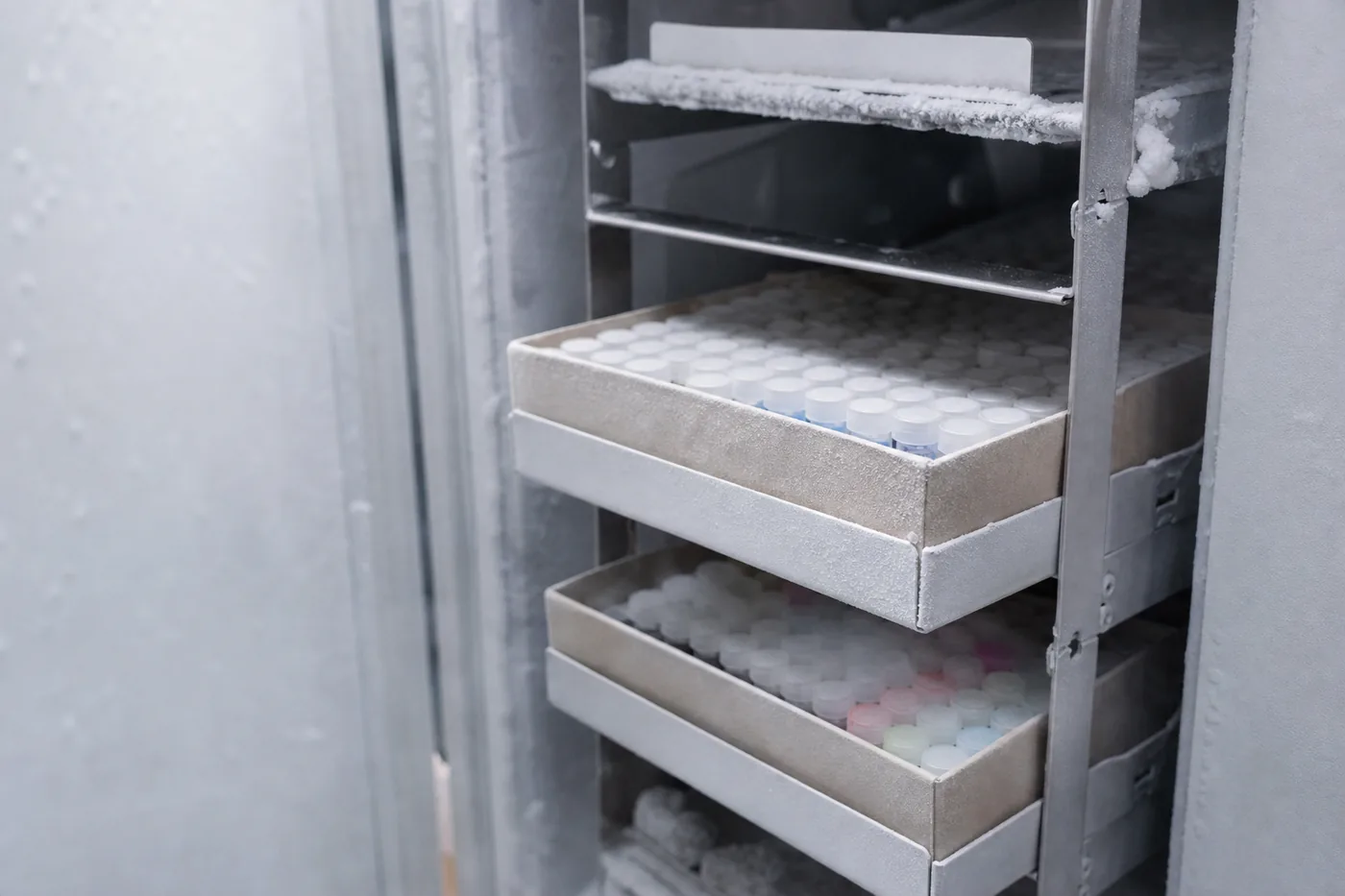
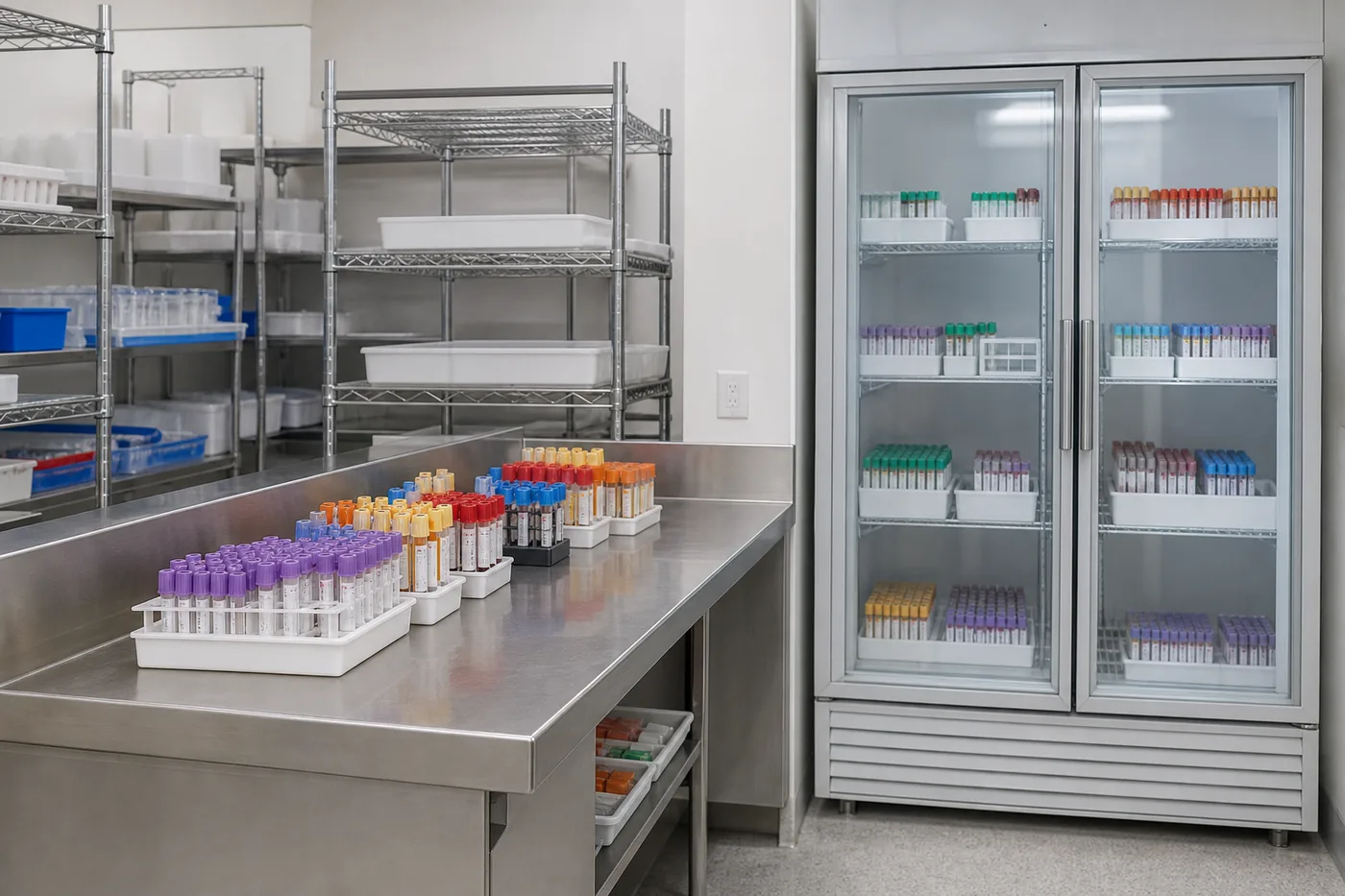
Racked cryogenic boxes make retrieval fast and keep the door open for less time.
Sample Preservation
Laboratory freezers — especially ultra-low temperature units — provide an environment with very little to no moisture, which supports preservation of biological and chemical samples over long periods.
Efficient Sample Management
Purpose-built cold storage gives you a safe, organized and efficient way to manage samples. Features such as RFID tagging, barcode records and temperature monitoring systems make organizing and locating material far easier.
Increased Productivity
A more organized and automated cold-storage system needs less manual intervention, which frees lab technicians and researchers to spend their time on research rather than on hunting for material.
Compliance with Industry Regulations
Proper storage of biological samples, pharmaceuticals and chemical products is essential to regulatory compliance. Laboratory-grade units give you the documentation and controls to meet those rules and reduce the risk of spoilage or improper use.
Applications of Laboratory Refrigerators
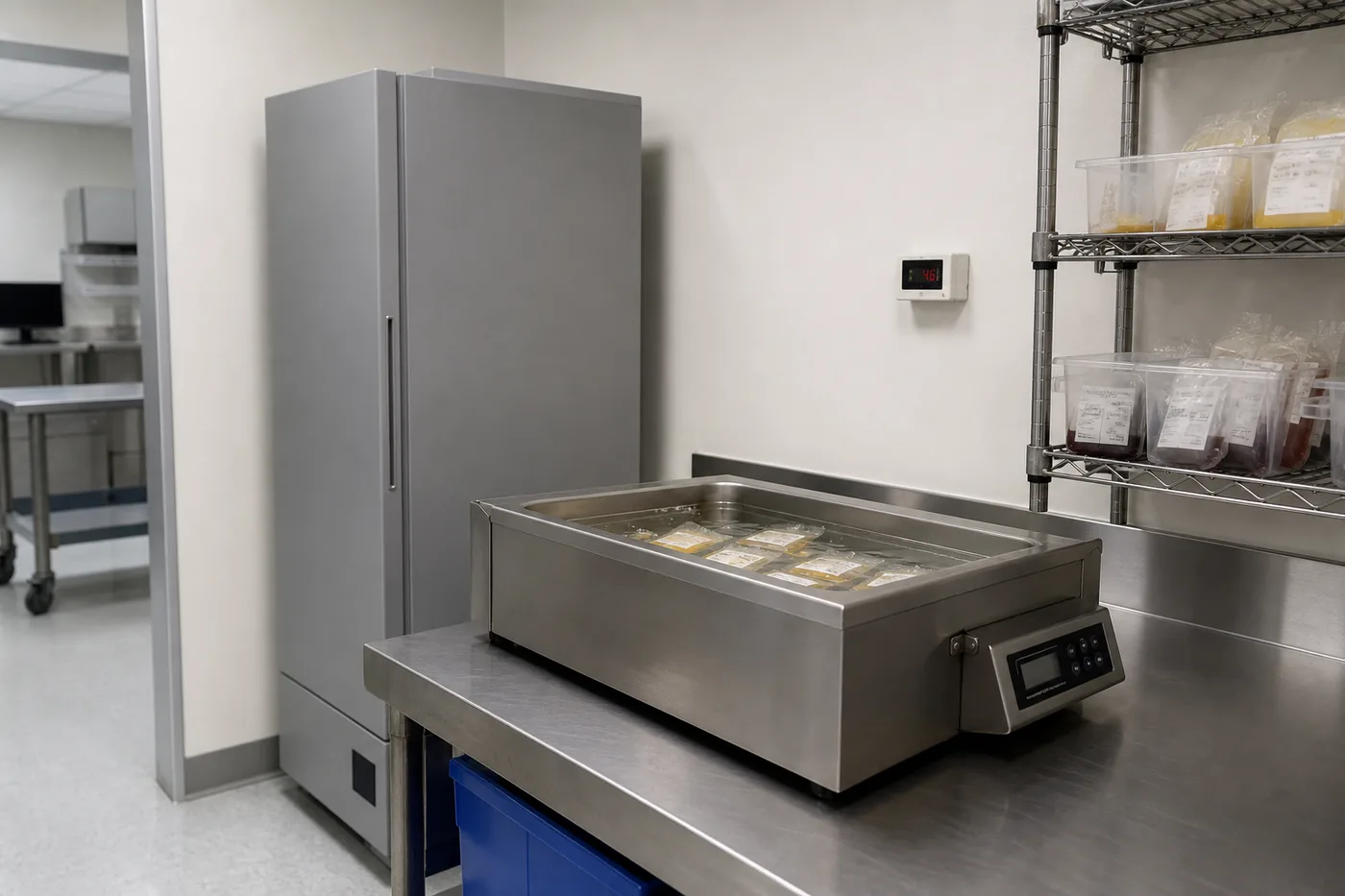
Laboratory refrigerators find extensive use across scientific fields and industries. In biomedical research they are indispensable for storing biological samples, reagents and vaccines. Pharmaceutical companies rely on them to maintain the stability of drugs and vaccines during storage and transport. Blood banks use specialized refrigerators for the safe preservation of blood products, while labs running tissue culture need precise temperature control for cell culture work.

Maintenance and Safety
Proper maintenance and safety protocols are essential to the longevity and reliability of laboratory refrigerators. Regular cleaning and calibration maintain performance and prevent contamination of samples. Safety features such as door locks and temperature monitoring systems protect valuable material and support compliance with regulatory standards.
- ✓Clean the interior and wipe the door gasket monthly; replace a gasket that has hardened, torn or stopped sealing.
- ✓Keep the condenser coil and air filter clear — restricted airflow is the most common cause of a unit that slowly loses its set point.
- ✓Do not overload shelves or block interior air circulation; leave the manufacturer’s clearance at the back and top of the cabinet.
- ✓Site the probe in a buffered vial or glycol bottle, not in open air, so the record reflects product temperature rather than door openings.
- ✓Verify and document calibration on a fixed interval, and keep the certificate with the unit.
- ✓Have a written excursion plan: where product moves, who is called, and how the event is recorded.
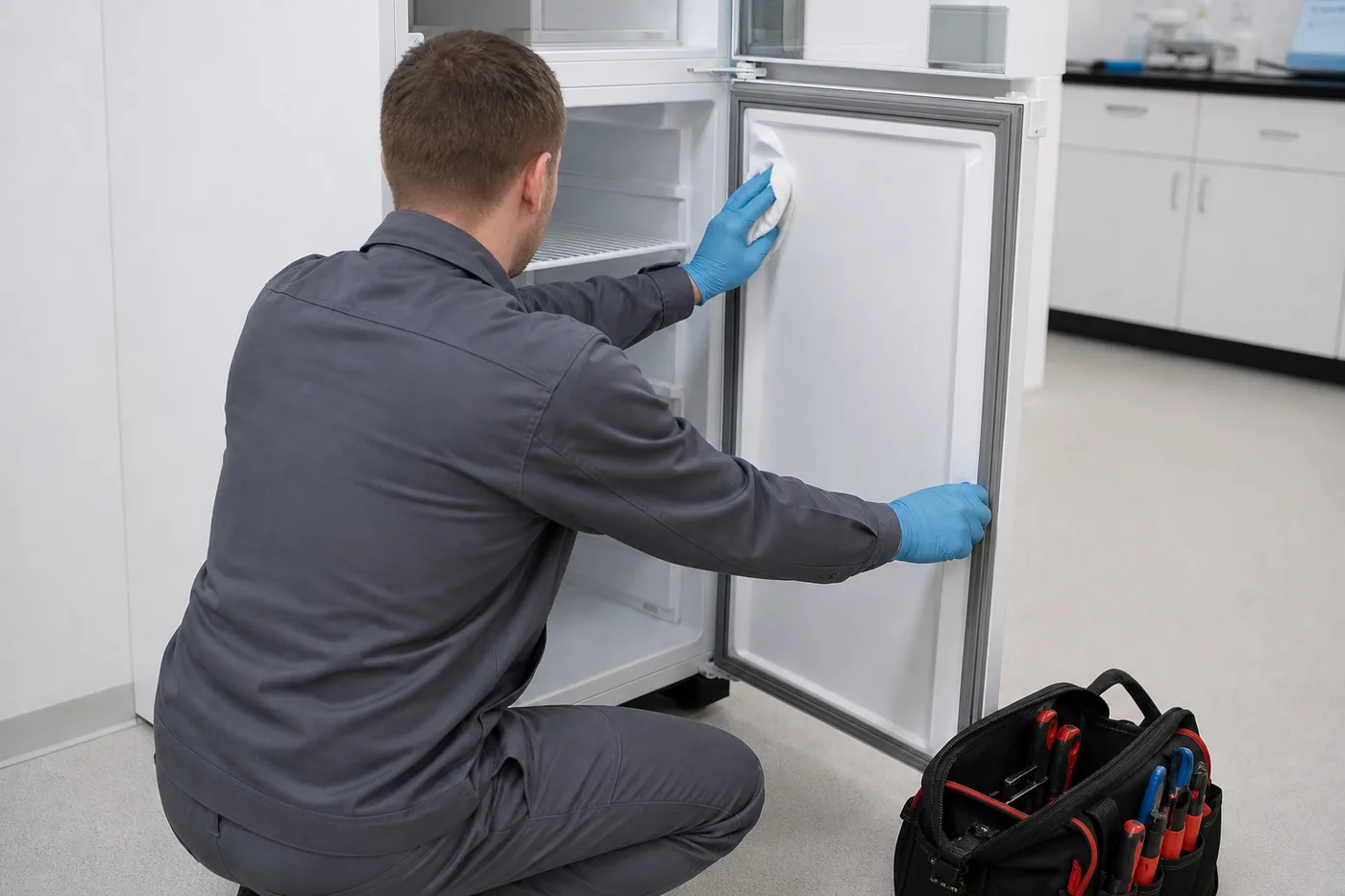
Gasket, coil and calibration checks are what keep a validated unit validated.
Standards and Regulations
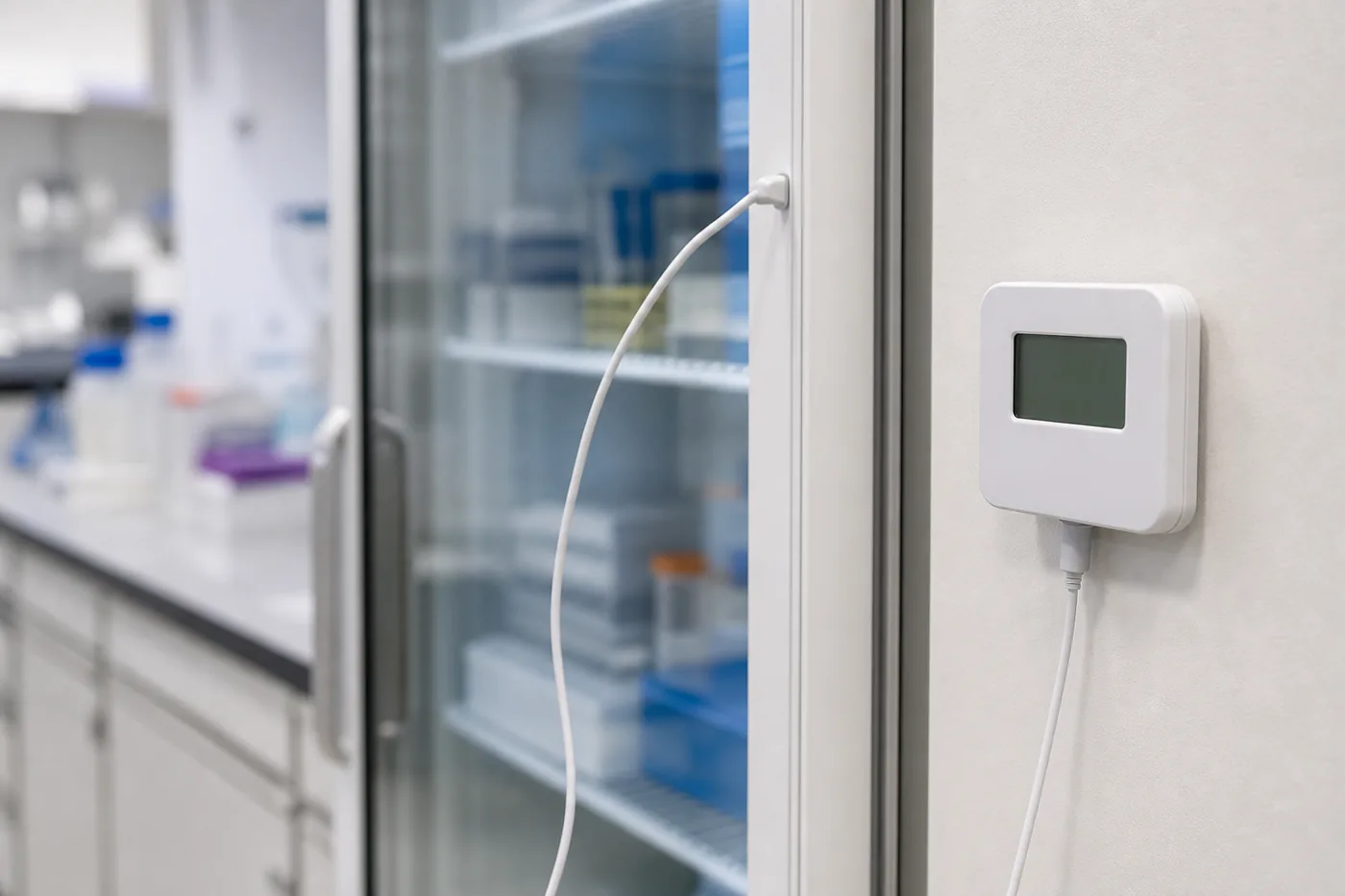
Continuous monitoring produces the temperature record audits ask for.
Laboratory refrigerators must meet stringent standards to protect the safety and integrity of stored samples. Regulatory bodies including the FDA and CDC publish guidance for the design, operation and maintenance of laboratory cold storage. Depending on what you store, compliance with UL certification and Good Manufacturing Practices is also part of ensuring product quality and safety.
Which requirements bind your particular lab depends on your accreditation and on the material itself — a research freezer holding cell lines and a pharmacy refrigerator holding vaccines answer to very different rules. Confirm the applicable standard before you specify a unit, because retrofitting monitoring and access control after installation always costs more.
Guidance, not compliance advice
This page is general product guidance. It is not regulatory or compliance advice, and requirements change. Confirm current FDA, CDC and accreditation requirements for your specific program and material before you rely on any storage configuration.
Technology Advances and Trends
Advances in refrigeration technology have produced genuinely better laboratory units. Traditional compressor-based systems now use variable-speed compressors for improved energy efficiency and tighter temperature stability. Thermoelectric cooling offers an environmentally friendlier alternative for smaller duties. Smart monitoring systems allow remote visibility of temperature and alarm status, giving real-time insight into performance.
Sustainability
Energy-efficient refrigeration and lower-impact refrigerants have become a primary selection factor, not an afterthought, for equipment that runs continuously.
IoT and Remote Monitoring
Networked monitoring allows remote oversight and control, sends excursion alerts out of hours, and logs the record automatically.
Modular Designs
Modular and scalable configurations let a lab add capacity as storage needs change rather than replacing whole units.
Variable-Speed Compressors
Modulating output instead of cycling on and off narrows the temperature band the product actually experiences.
Accessories for Enhanced Functionality
Beyond the refrigerator itself, a handful of accessories change how well the unit works in daily use and how easily it passes an audit.
- Storage racks, boxes and drawers — organize samples and make full use of interior volume, so retrieval is fast and the door stays open for less time.
- Temperature data loggers — accurate, continuous monitoring and recording for regulatory compliance.
- Backup power — keeps the unit running through an outage and prevents loss from a temperature excursion nobody was there to see.
- Temperature chart recorders — a visual record of temperature trends over time, which is what makes intermittent faults diagnosable.
- Buffered probes and remote alarm contacts — report product temperature rather than air temperature, and route alarms to the people who can act on them.
- Access control and locking doors — required wherever controlled or high-value product is stored.
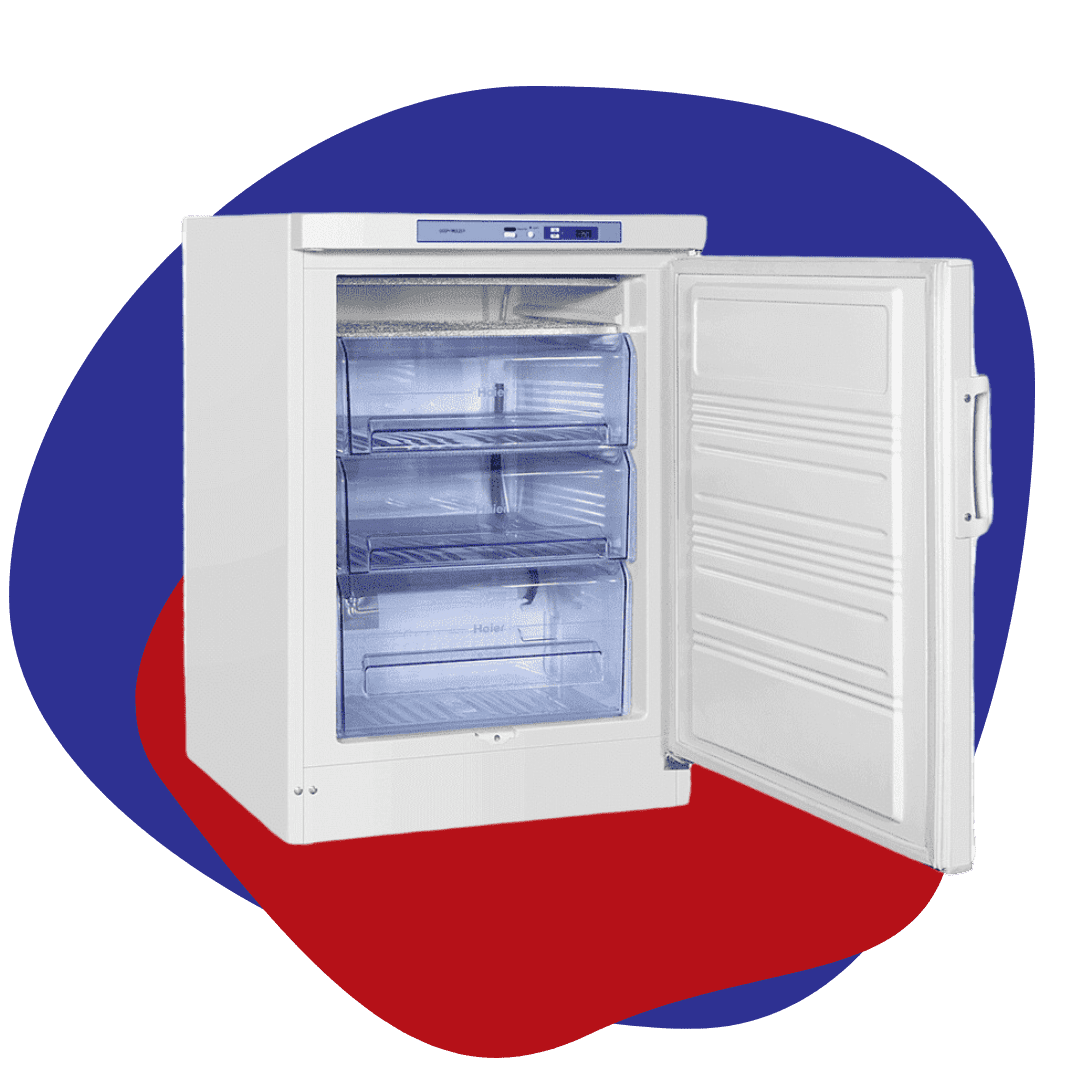
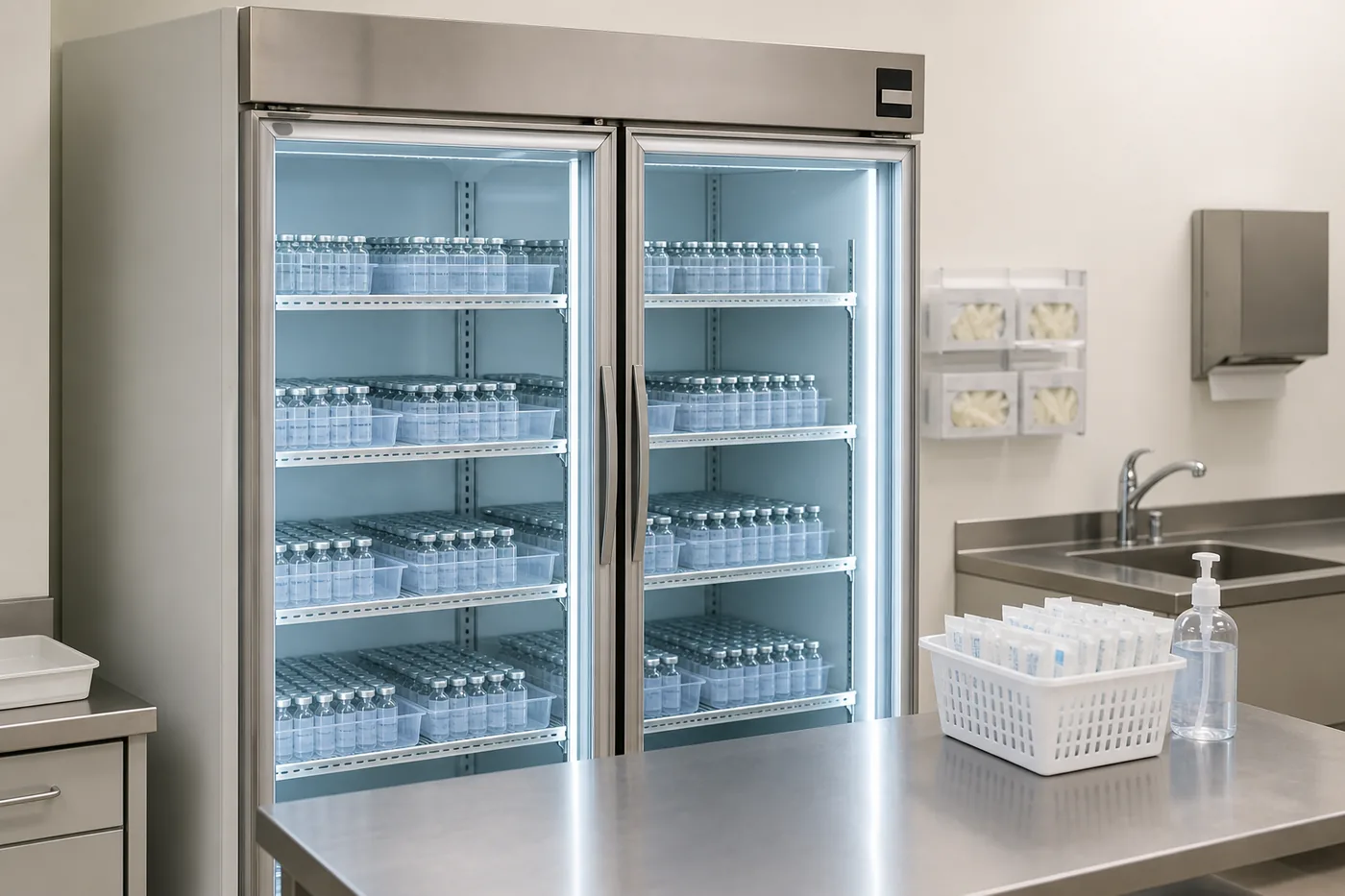
Interior fit-out decides whether the rated volume is usable volume.
Why Specify Cold Storage Through MH-USA
Expert Guidance
Our team gives personalized guidance to help you find the right laboratory refrigerator for your specific application, not just the nearest catalog match.
Quality Assurance
We supply laboratory-grade units built to recognized industry standards, and we tell you plainly when a cheaper unit will not hold what you need it to hold.
Custom Solutions
Every laboratory is different, so we configure doors, interiors, monitoring and anchoring around your room and your workflow.
Full-Service Delivery
From selection through delivery, installation and follow-up support — including coordination with the casework and ventilation going in around it.
Frequently Asked Questions
What is the optimal temperature range for a laboratory refrigerator?
How often should a laboratory refrigerator be cleaned and maintained?
Can laboratory refrigerators be used for storing flammable or hazardous materials?
How do laboratory refrigerators differ from domestic refrigerators?
How do I choose the right size laboratory refrigerator for my needs?
What are the benefits of remote monitoring?
How do I troubleshoot common issues with a laboratory refrigerator?
Are there regulations governing the use of laboratory refrigerators?
Can laboratory refrigerators be customized to suit specific requirements?
Related Laboratory Solutions



Talk to us about your cold storage requirement
Tell us what you store, the range it has to hold, and the room it has to fit. We will come back with a configuration and a quote — and flag anything in the room that needs to change first.