
Home | Specifications | Exhaust Snorkel Specifications
Exhaust Snorkel Specifications
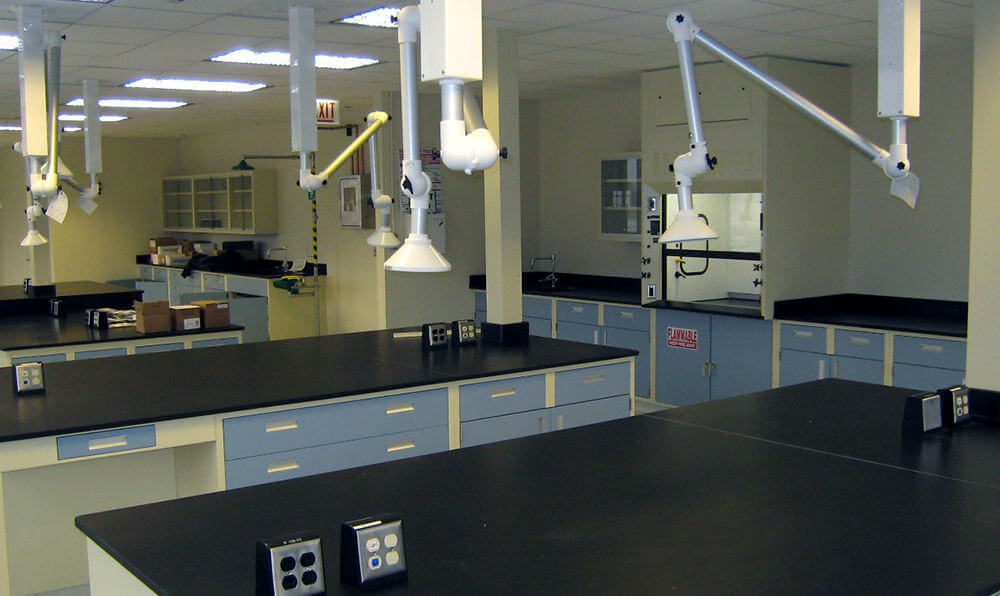
Nederman FX2 BenchTop Extraction Arms — flexible, articulated exhaust snorkels for lab benches and workstations in 2″, 3″ and 4″ diameters, in Original, ESD/EX and CHEM versions.
2″ / 3″ / 4″
Arm diameters available
30-265 CFM
Airflow range by diameter
360°
Swivel on the two outer joints
Up to 94″
Maximum working radius
Articulated Fume Extraction Arms for the Bench

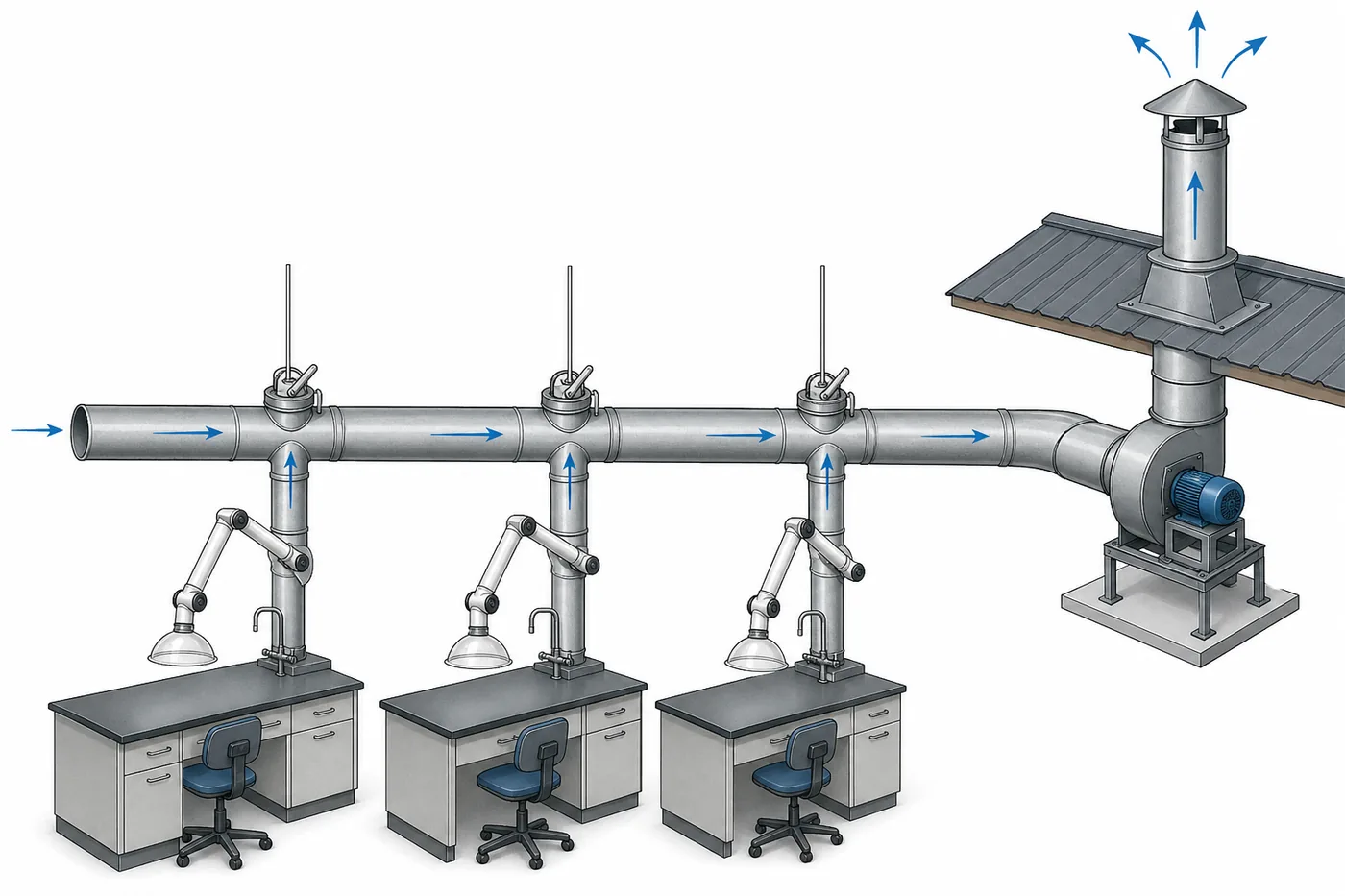
An exhaust snorkel is an articulated extraction arm that pulls fumes, smoke, dust or solvent vapor away from a specific work point — a lab bench, a soldering station, a small parts-cleaning setup — and routes it into building ductwork. Material Handling USA supplies the Nederman FX2 BenchTop Extraction Arm line, a globally established design used across laboratories, electronics assembly and light industrial facilities.
Nederman describes itself as a global leader in industrial air filtration, and the FX2 is its flexible, lightweight arm platform: anodized aluminum tube sections joined by two or three adjustable composite friction joints, with the two outermost joints able to rotate and swivel through a full 360° for maneuverability at the bench.
The arms are sold in three diameters (2″, 3″ and 4″) and three material variants (Original, ESD/EX and CHEM) so the arm can be matched to both the airflow you need and the environment the fumes are coming from.
Speccing exhaust snorkels for a new or renovated lab?
Send us your bench layout and the fume sources involved and we will help you select diameter, length, hood style and mounting for each work point as part of a full lab design.
FX2 Models & Material Variants
Every FX2 arm is available in three diameters. Choosing Original, ESD/EX or CHEM depends on what is moving through the arm, not on how much air you need to move — airflow is set by diameter, not by material variant.
 FX2 50 Original — 2″The base arm for general fume and dust capture where there is little risk of static discharge or aggressive chemical attack. Anodized aluminum tubes, PP plastic joints, EPDM rubber duct connector. 30-65 CFM, 60 dB(A) at 65 CFM.
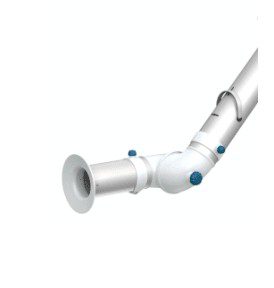 FX2 75 Original — 3″The mid-size general-purpose arm for higher-volume capture at a bench or workstation. Same anodized aluminum / PP / EPDM construction as the 50, sized for 65-150 CFM at 58 dB(A) at 140 CFM.
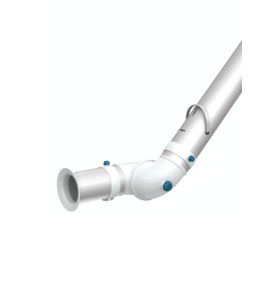 FX2 100 Original — 4″The largest standard arm, built for higher-airflow fume, smoke or dust extraction. 110-265 CFM, 62 dB(A) at 265 CFM, same general-duty materials as the smaller Original arms.
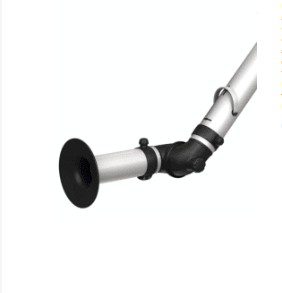 FX2 50 ESD/EX — 2″Conductive PP joints and conductive EPDM duct connector dissipate static charge for electronics, solvent and other static-sensitive or explosion-risk extraction points. Same 30-65 CFM airflow as the 2″ Original.
 FX2 75 ESD/EX — 3″The 3″ conductive arm for static-sensitive extraction at higher airflow: 65-150 CFM, 58 dB(A) at 140 CFM, conductive PP and EPDM throughout the joint and duct path.
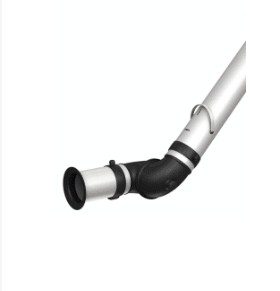 FX2 100 ESD/EX — 4″The largest conductive arm, for high-volume static-dissipative extraction: 110-265 CFM, 62 dB(A) at 265 CFM.
 FX2 75 CHEM — 3″Anodized aluminum with a white electrophoretic deposition coating resists corrosion from aggressive chemical fumes. 65-150 CFM, 58 dB(A) at 140 CFM — same airflow class as the 3″ Original, built for harsher chemistry.
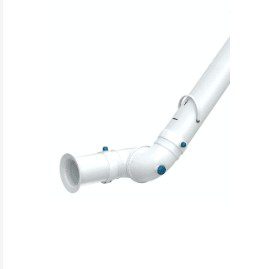 FX2 100 CHEM — 4″The largest corrosion-resistant arm, for high-volume extraction of aggressive airborne chemicals. 110-265 CFM, 62 dB(A) at 265 CFM, white e-coated aluminum construction.
Specifications by Model
Pulled directly from the Nederman OEM datasheets for each model. Maximum fume temperature is 70°C (158°F) across every variant.
| Model | Diameter | Airflow | Noise Level | Materials |
|---|---|---|---|---|
| FX2 50 Original | 2 in. | 30 – 65 CFM | 60 dB(A) at 65 CFM | Anodized aluminum tubes, PP joints, EPDM duct connector, PP minihood |
| FX2 75 Original | 3 in. | 65 – 150 CFM | 58 dB(A) at 140 CFM | Anodized aluminum tubes, PP joints, EPDM duct connector, PP minihood |
| FX2 100 Original | 4 in. | 110 – 265 CFM | 62 dB(A) at 265 CFM | Anodized aluminum tubes, PP joints, EPDM duct connector, PP minihood |
| FX2 50 ESD/EX | 2 in. | 30 – 65 CFM | 60 dB(A) at 65 CFM | Anodized aluminum tubes, conductive PP joints, conductive EPDM duct connector |
| FX2 75 ESD/EX | 3 in. | 65 – 150 CFM | 58 dB(A) at 140 CFM | Anodized aluminum tubes, conductive PP joints, conductive EPDM duct connector |
| FX2 100 ESD/EX | 4 in. | 110 – 265 CFM | 62 dB(A) at 265 CFM | Anodized aluminum tubes, conductive PP joints, conductive EPDM duct connector |
| FX2 75 CHEM | 3 in. | 65 – 150 CFM | 58 dB(A) at 140 CFM | Aluminum tubes with white electrophoretic coating, PP joints, EPDM duct connector |
| FX2 100 CHEM | 4 in. | 110 – 265 CFM | 62 dB(A) at 265 CFM | Aluminum tubes with white electrophoretic coating, PP joints, EPDM duct connector |
A Note on Airflow
Airflow (CFM) is a range, not a fixed number — the arm performs across that range depending on static pressure from your ductwork, damper position and fan selection. Fan and ductwork sizing is normally handled by your HVAC contractor using the arm manufacturer’s pressure-drop data.
Arm Lengths & Working Radius
Arm length is tied to diameter. The 2″ and 3″ arms share one set of lengths; the 4″ arm uses a separate, longer set built for its larger joints and tube diameter.
| Arm Diameter Group | Working Radius | Typical Use |
|---|---|---|
| 2″ / 3″ diameter arms (FX2 50 / FX2 75) | 700 mm (≈ 27.5″) | Tight benchtop reach, closely spaced work points |
| 2″ / 3″ diameter arms (FX2 50 / FX2 75) | 1100 mm (≈ 43.3″) | Standard benchtop or wall-mount reach |
| 2″ / 3″ diameter arms (FX2 50 / FX2 75) | 1500 mm (≈ 59″) | Longer reach across a wide bench or between two work positions |
| 4″ diameter arms (FX2 100) | 1200 mm (≈ 47.2″) | High-airflow extraction at close range |
| 4″ diameter arms (FX2 100) | 1800 mm (≈ 70.9″) | High-airflow extraction with standard reach |
| 4″ diameter arms (FX2 100) | 2400 mm (≈ 94.5″) | Maximum reach for high-airflow ceiling or wall installations |
Mounting Options
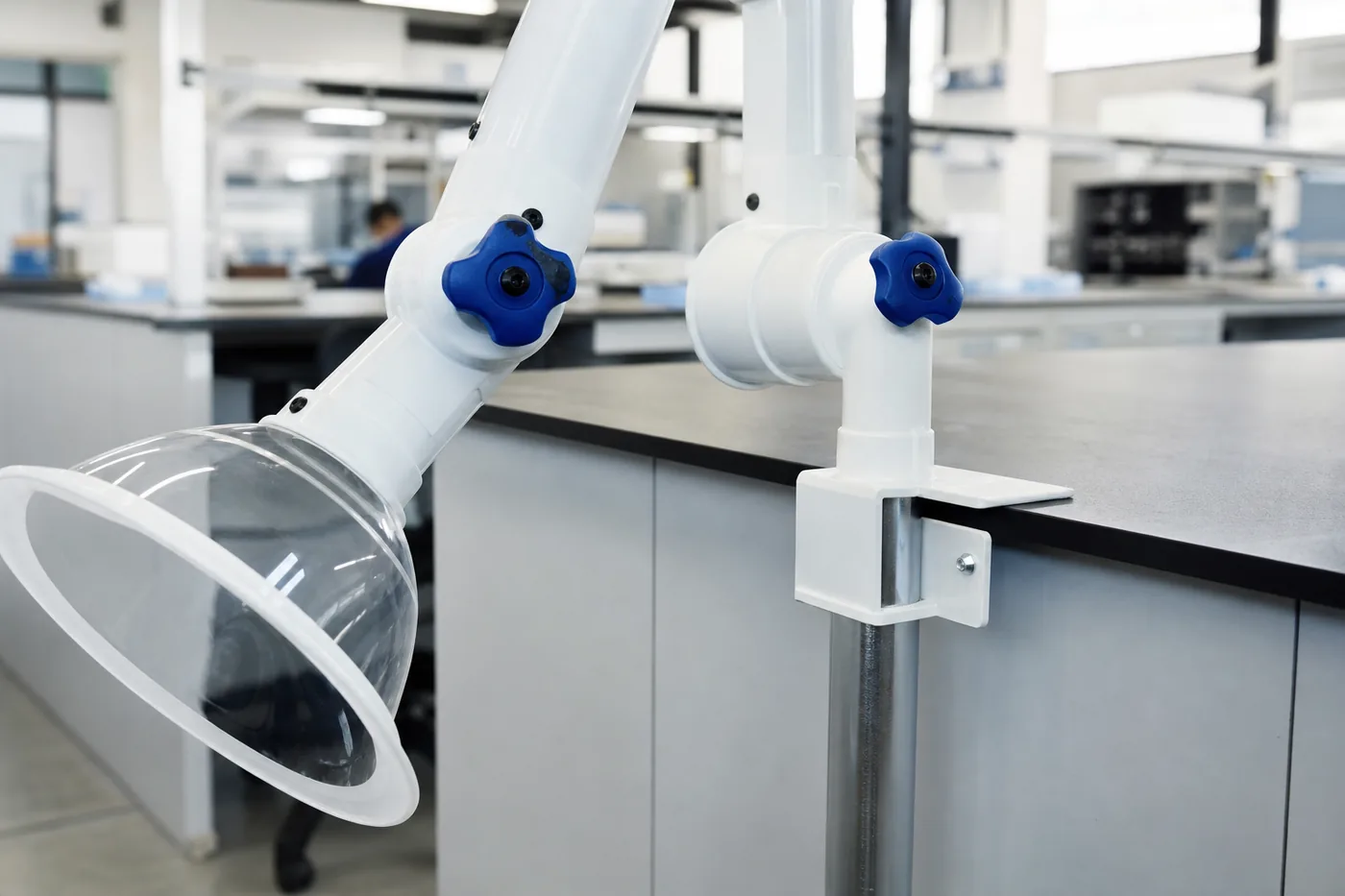
The same arm can be mounted four different ways depending on the room. Cut2fit extension profiles let any of these mounts reach a higher ceiling or a taller drop-ceiling void without changing the arm itself.
Hoods & Nozzle Styles
The capture hood determines how the arm gathers fumes at the work point, and it is independent of arm diameter or material variant — the same minihood connection accepts several hood styles:
- Combi hood — a general-purpose funnel hood for most bench applications.
- Dome hood — wider capture area for high-dispersion or aggressive contaminants; the CHEM version is corrosion-resistant PE plastic.
- Metal hood — durable metal construction for harsher physical environments.
- Flange hood — a flat flange design that maximizes capture without an oversized hood body.
Ducting from the arm to building ductwork uses a flexible hose over a duct connector sized to the arm diameter, with a hose support ring to keep the connection secure.
Where Exhaust Snorkels Are Used
The right arm diameter, material variant and hood turn a single flexible part into point-source capture for very different fume sources.
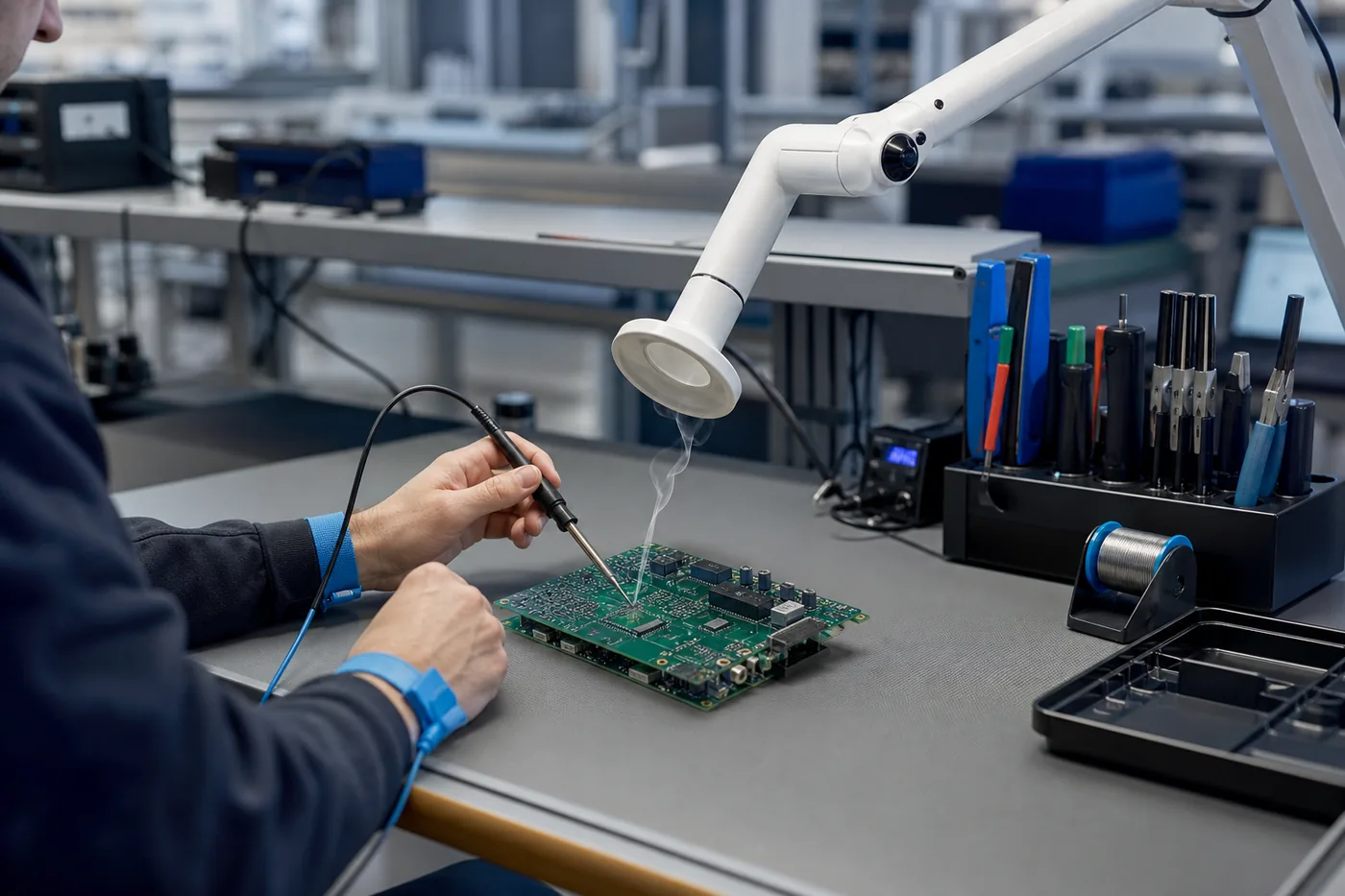 Electronics & ESD BenchesA conductive ESD/EX arm captures solder fume right at the board without introducing static risk to sensitive components.
 Pharmacy CompoundingA snorkel positioned over a compounding bench captures powder dust and vapor before it spreads across the work surface.
 Clinical & Diagnostic LabsBenchtop arms over pipetting and specimen-handling stations capture reagent and solvent vapor at the point of use.
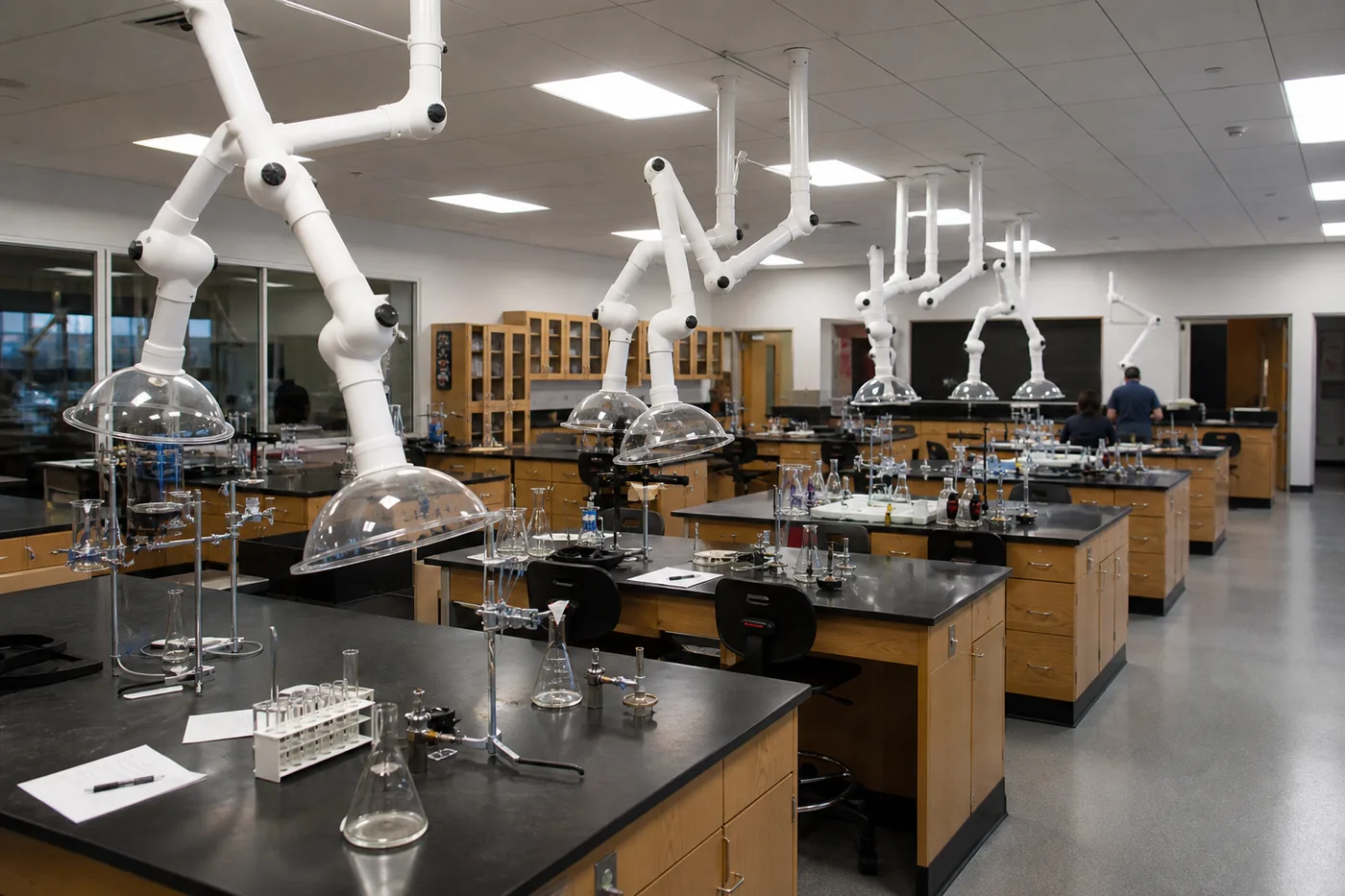 School & Teaching LabsCeiling-mounted arms over student benches in a chemistry classroom give each station its own point-source capture without a full fume hood at every seat.
Exhaust Snorkel FAQs
What diameters do exhaust snorkel arms come in?
What are the standard arm lengths?
What is the difference between Original, ESD/EX and CHEM arms?
What mounting options are available?
What hood or nozzle styles can I use?
Do exhaust snorkels include the blower, fan, ductwork or HVAC work?
What is the maximum fume temperature the arms can handle?
Can the arm rotate to reach different positions on a bench?
Related Products & Resources
 Walk-In Fume HoodsFull walk-in fume hood enclosures for larger apparatus and higher-volume fume capture than a benchtop snorkel arm alone.
 Advanced Laboratory Snorkel Arm Ventilation SystemA deeper look at ceiling-mounted snorkel arm ventilation systems for labs with high or drop-ceiling configurations.
 Efficient Lab Snorkels for IVF ApplicationsHow benchtop extraction arms are used in andrology, embryology and IVF media-prep workflows.
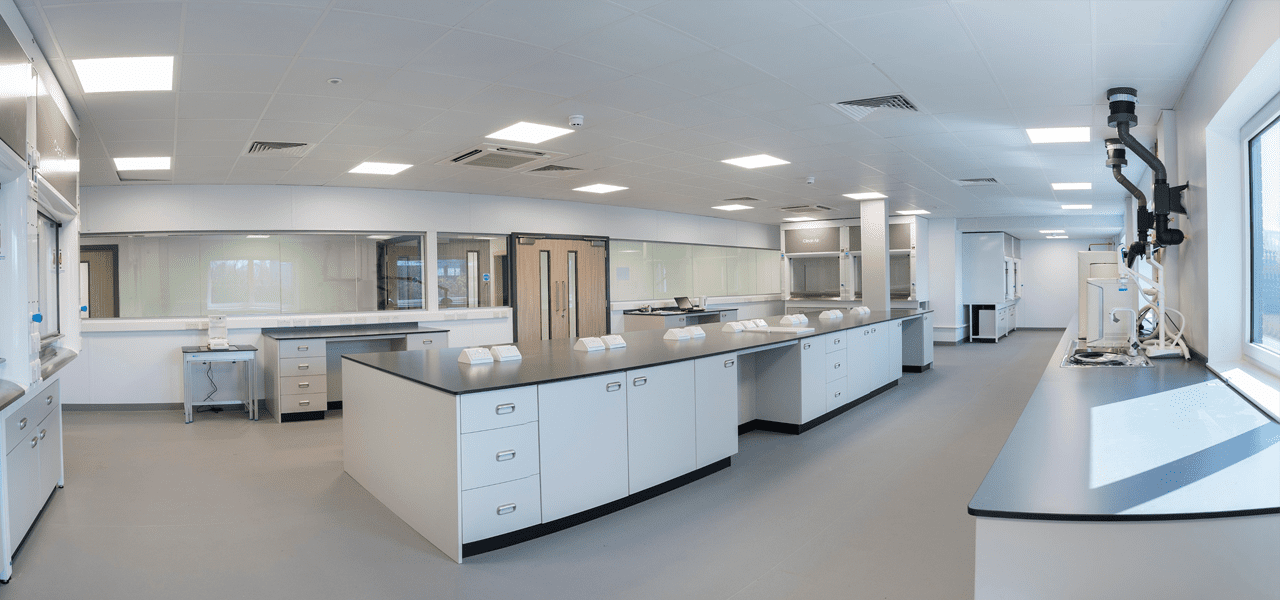 Medical Lab DesignFull medical and clinical laboratory design services, from casework and benchtops to ventilation and storage layout.
 Laboratory DesignComplete laboratory design services — casework, benches, fume hoods, storage and utility layout for new and renovated labs.
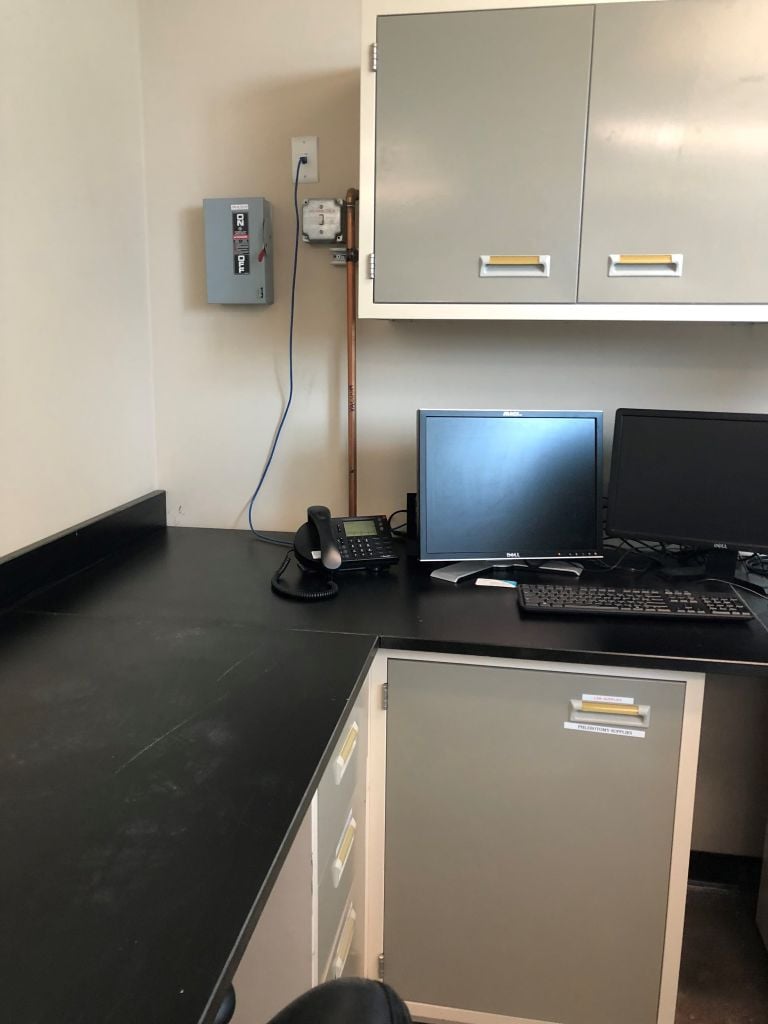 Complete Laboratory SolutionsCasework, sinks, shelving and furniture for a fully equipped laboratory, sourced and installed as one project.
Ready to Spec Exhaust Snorkels for Your Lab?
Tell us the diameter, reach and fume type for each bench position and we will put together a complete arm, hood and mounting package as part of your lab design. Free design consultation.