Discover efficient picking and packing solutions to optimize warehouse operations!
In the fast-paced world of warehousing and logistics, efficient picking and packing solutions are crucial for ensuring smooth operations. A well-organized picking and packing process not only speeds up order fulfillment but also enhances accuracy and customer satisfaction. Whether you’re managing a large distribution center or a small e-commerce warehouse, implementing effective strategies can make a significant difference in productivity and profitability.
Why Picking and Packing Solutions Matter
Picking and packing are at the core of warehouse operations. They involve selecting items from storage and preparing them for shipment. Streamlining these processes reduces errors, speeds up delivery times, and improves overall efficiency. By optimizing your picking and packing solutions, you can minimize costs, maximize space utilization, and enhance customer experiences.
Key Elements of Effective Picking and Packing Solutions
Warehouse Layout
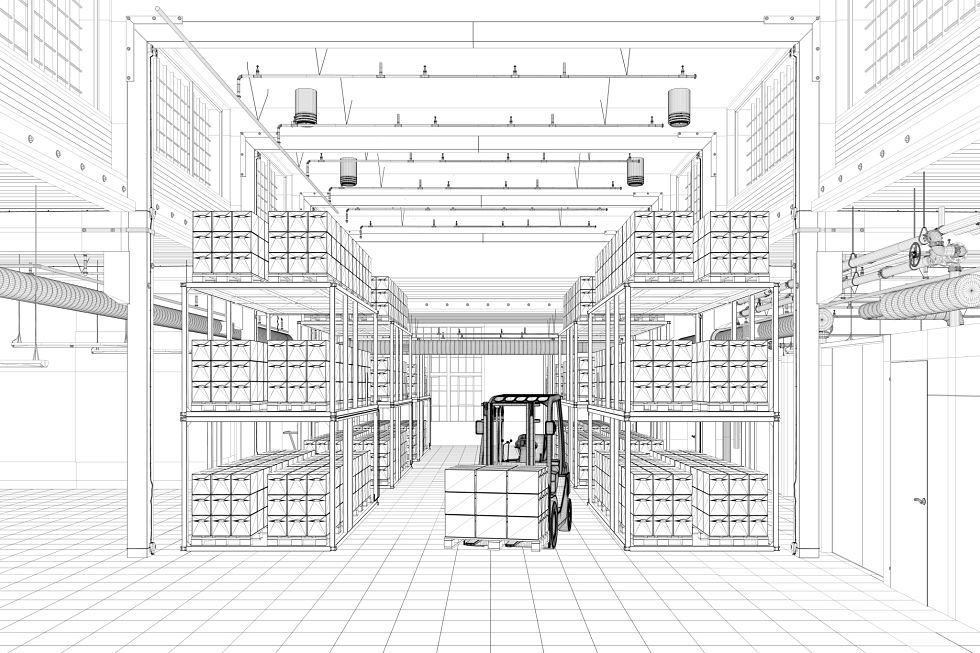
A well-designed warehouse layout ensures smooth flow of goods and minimizes unnecessary movements. It includes designated areas for storage, picking, packing, and shipping. By organizing your warehouse layout effectively, you can reduce travel time for workers and increase productivity.
Racking and Shelving Systems
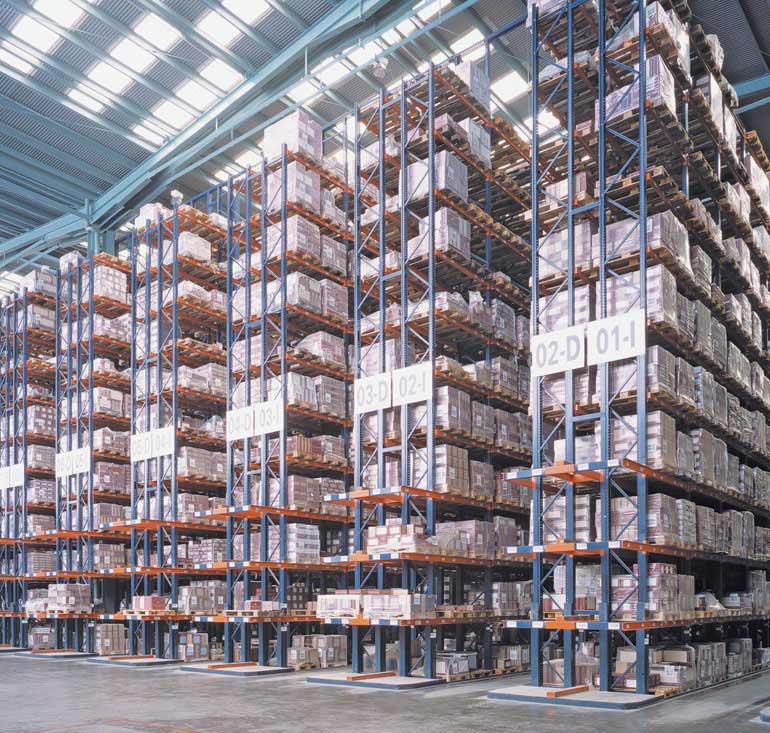
Choosing the right racking and shelving systems is essential for optimizing space and allowing easy access to items. Options like pallet racks, mezzanines, or shelving units should be tailored to your inventory type and turnover rates. Proper storage solutions improve organization and facilitate quicker picking.
Material Handling Equipment
The use of forklifts, conveyors, and carts can significantly enhance picking and packing efficiency. Planning designated pathways for this equipment helps avoid congestion and accidents, ensuring a safer and more streamlined workflow.
Picking and Packing Stations
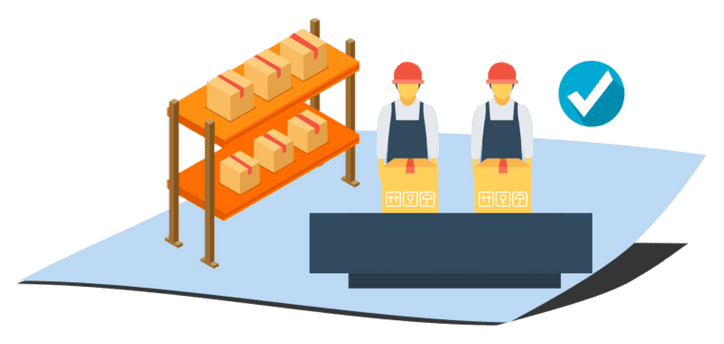
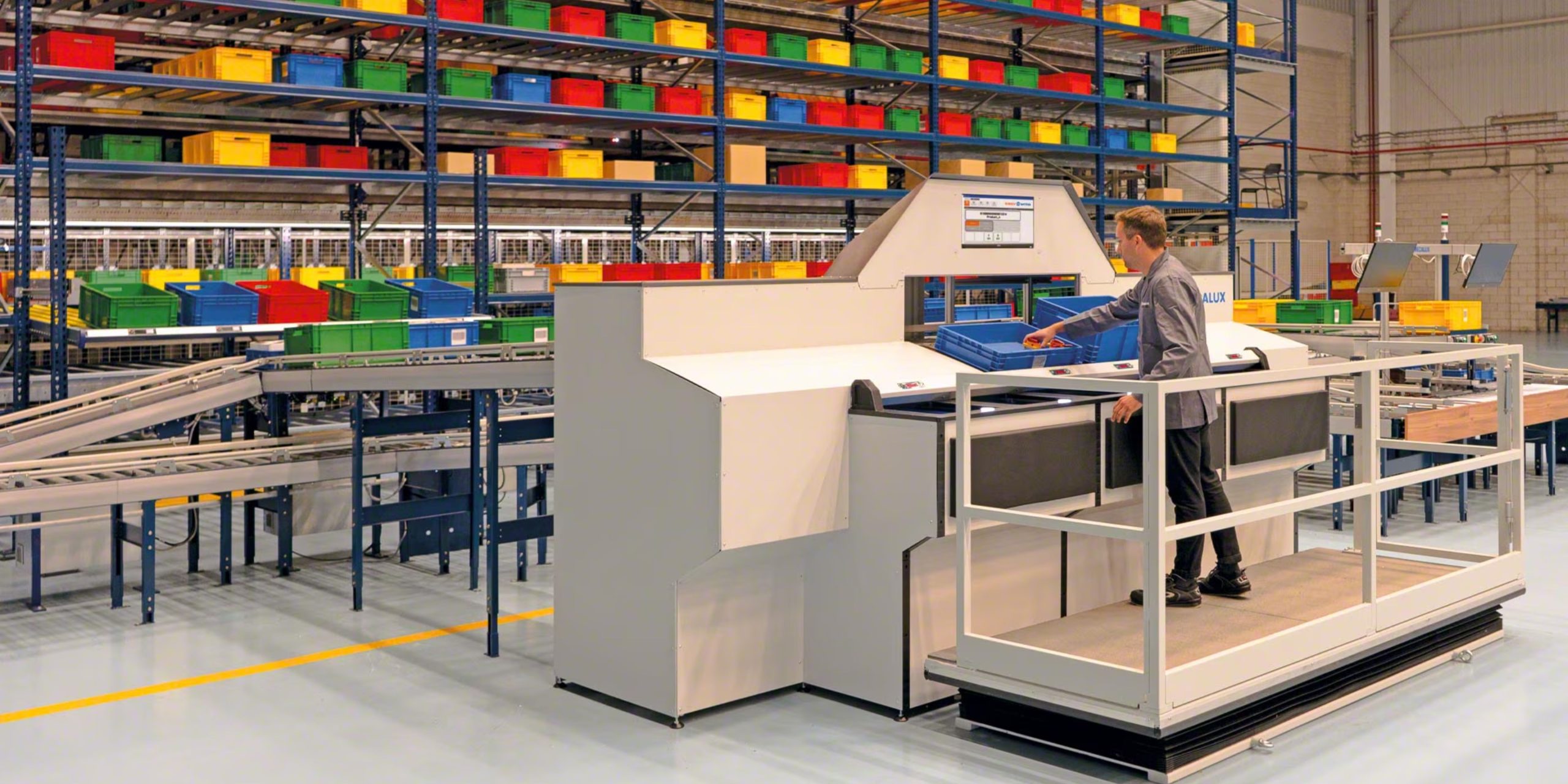
Well-designed workstations minimize movement and improve efficiency. Equipping these stations with the necessary tools for packing, labeling, and processing orders ensures that workers can complete tasks quickly and accurately.
Inventory Management System
Incorporating digital or automated systems to track inventory movement, storage, and retrieval is vital. An effective inventory management system helps maintain accurate stock levels and supports efficient picking and packing processes.
Explore Custom Solutions Today!
Ready to improve your warehouse’s picking and packing efficiency? Contact us for a custom solution tailored to your needs.
How to Implement Effective Picking and Packing Solutions
Enhanced Accuracy
Implementing efficient picking and packing solutions reduces the likelihood of errors, such as picking the wrong items or incorrect quantities. This results in higher order accuracy and customer satisfaction.
Increased Productivity
By optimizing the warehouse layout and using the right equipment, you can speed up the picking and packing process. This leads to faster order fulfillment and the ability to handle a higher volume of orders.
Cost Savings
Efficient picking and packing solutions minimize labor costs by reducing the time and effort required to process orders. Additionally, they reduce the need for excess inventory, leading to cost savings on storage.
Better Space Utilization
Proper racking and shelving systems, along with an organized layout, ensure that every square foot of your warehouse is used effectively. This maximizes storage capacity and allows for easier access to items.
Improved Worker Safety
Designing safe and efficient picking and packing stations reduces the risk of workplace injuries. Clear pathways, proper lighting, and ergonomic workstations contribute to a safer work environment.
How It Works
Experience the streamlined process of Material Handling USA’s Warehouse Solutions, guiding you from consultation to implementation with personalized solutions and ongoing support.
Why Choose Us?
Over 30 Years Of Experience
We design and install the right storage solutions for your specific needs
Custom Options
We offer a range of customizable options to meet your unique needs
Customer Satisfaction
We are committed to excellent service and support, ensuring satisfaction with every purchase
Competitive Pricing
We offers competitive pricing, making it easy to find a solution that fits any budget
How to Implement Effective Picking and Packing Solutions
Optimize Warehouse Layout
Start by analyzing your current layout and identifying areas for improvement. Organize the warehouse into distinct zones for receiving, storage, picking, packing, and shipping. Ensure that high-demand items are placed in easily accessible locations to reduce travel time.
Choose the Right Storage Systems
Select storage solutions that match your inventory needs. For example, use pallet racks for bulk storage and shelving units for smaller items. Incorporate mezzanines if you need to maximize vertical space.
Invest in Material Handling Equipment
Equip your warehouse with the necessary material handling equipment such as forklifts, conveyors, and carts. Designate clear pathways for these machines to ensure safe and efficient movement of goods.
Set Up Efficient Picking and Packing Stations
Design workstations that minimize worker movement and include all the tools needed for packing and labeling. This streamlines the packing process and reduces errors.
Implement an Inventory Management System
Use digital or automated systems to track inventory levels and streamline the picking process. This helps maintain accuracy and ensures that stock levels are up to date.
Bring Your Vision to Life! Enhance your warehouse’s productivity and accuracy by implementing the latest picking and packing solutions. Reach out to learn more.
The Team provided a highly professional service from start to finish.
They always available for meetings and questions, firsts, in figuring out what system would work best for our needs then by assessing how much shelving space would be required for our existing as well as future needs, and finally, by insuring the timely delivery and quality installation of the product.
Tate W. Curtis
Space Coordinator, United States Department of Agriculture
★★★★★Rated 5 out of 5
The team was very supportive. They were extremely attentive in assessing our needs in Logan. They provided several plans to show us our shelving options.
Sharon L. Hancey
First District TCE of Administrative Office of the Courts
★★★★★Rated 5 out of 5
We also appreciated, at the time of installation, the courteous and professional manner in which the installers conducted themselves.
Julie Froff
Assistant Clerck of Third District Court
★★★★★Rated 5 out of 5
You guys are great! Thanks so much for working so hard to get us into our new space.
Picking involves selecting items from storage to fulfill an order, while packing is the process of preparing those items for shipment, including labeling and securing them for transport.
You can improve efficiency by optimizing your warehouse layout, using appropriate storage systems, and implementing an inventory management system to track stock levels and streamline order processing.
The best storage systems depend on your inventory. Pallet racks are ideal for bulk storage, while shelving units work well for smaller items. Mezzanines can help maximize vertical space.
An inventory management system helps maintain accurate stock levels, supports efficient picking and packing processes, and reduces the risk of stockouts or overstocking.
Reducing errors involves using an organized layout, implementing an inventory management system, and providing clear instructions and training to workers.