Introduction to Wholesale Shipping Supplies

Efficient shipping starts with the right supplies. Using quality materials ensures your products arrive safely and professionally. This guide covers the essential supplies that support effective picking and packing solutions, from boxes and protective materials to seals and labels.

Material Handling

Benefits of Quality Wholesale Shipping Supplies

Product Protection

To begin with, it’s essential to use durable and reliable packaging to prevent damage during transit, which also ensures that your items arrive intact and maintain a professional appearance.

Cost
Savings

For this reason, it is essential to use proper packaging materials and techniques to minimize returns and replacements caused by damaged goods, which, in turn, helps reduce expenses and improve overall efficiency.

Enhanced
CX

Enhanced CX not only creates a positive impression but also ensures neat, secure, and professional packaging.

Streamlined Operations

Reduce packing time by using user-friendly and efficient supplies that simplify your workflow and enhance productivity.

Brand Reputation

To reinforce your brand’s commitment to quality and care, it is important to ensure well-packaged deliveries. As a result, this leaves a positive impression on customers and strengthens trust in your brand.

Types of Wholesale Shipping Supplies

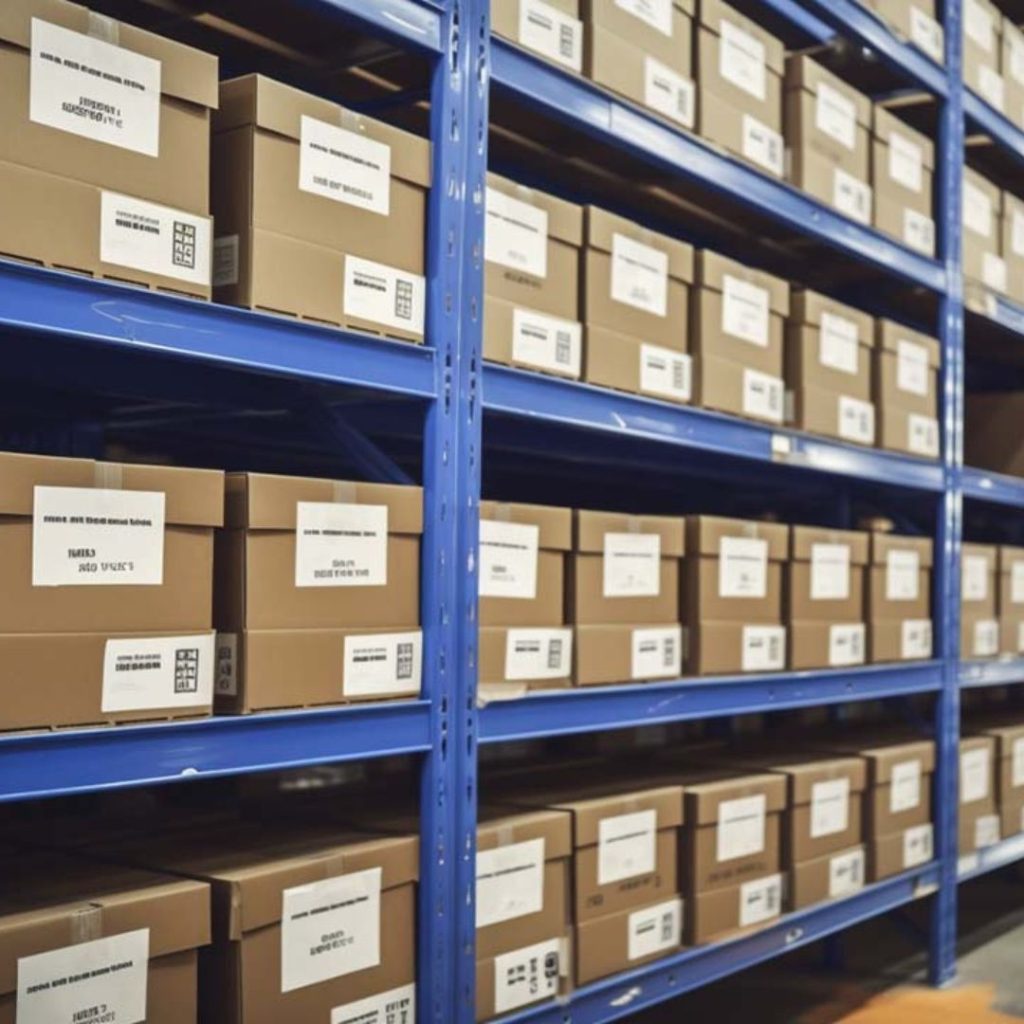
layers and fows of boxes piled up on a racking or shelving

Shipping supplies are essential for safely transporting goods, and investing in the right type of box or container is key to a smooth shipping process. To begin with, for items requiring extra protection, consider our Heavy Duty Boxes, which are specifically designed to provide ultimate durability and security during transit. Furthermore, with options ranging from lightweight cartons to these robust heavy-duty solutions—and even poly bags—we ensure a solution for every need. As a result, you can protect your shipments, enhance efficiency, and ensure customer satisfaction by choosing the appropriate shipping supplies. Learn more about our Heavy Duty Boxes here.

Selecting the right protective material depends on the nature of the product and its fragility, size, and shipping conditions. For instance, fragile items often require cushioning to prevent damage during transit, while bulkier products may need sturdier options for added support. To help you decide, here’s an overview of the common protective materials we offer:

  • Bubble Wrap: Ideal for cushioning fragile items and providing lightweight protection.
  • Foam Products: Perfect for securing sensitive equipment or irregularly shaped products.
  • Air Pillows: Great for filling voids and preventing movement inside boxes.
  • Vermiculite: Best for absorbing shocks and securing delicate items during transit.

In conclusion, choosing the appropriate protective material not only safeguards your products but also enhances customer satisfaction and reduces the risk of returns. Explore our full range of protective packaging solutions to find what suits your needs best.

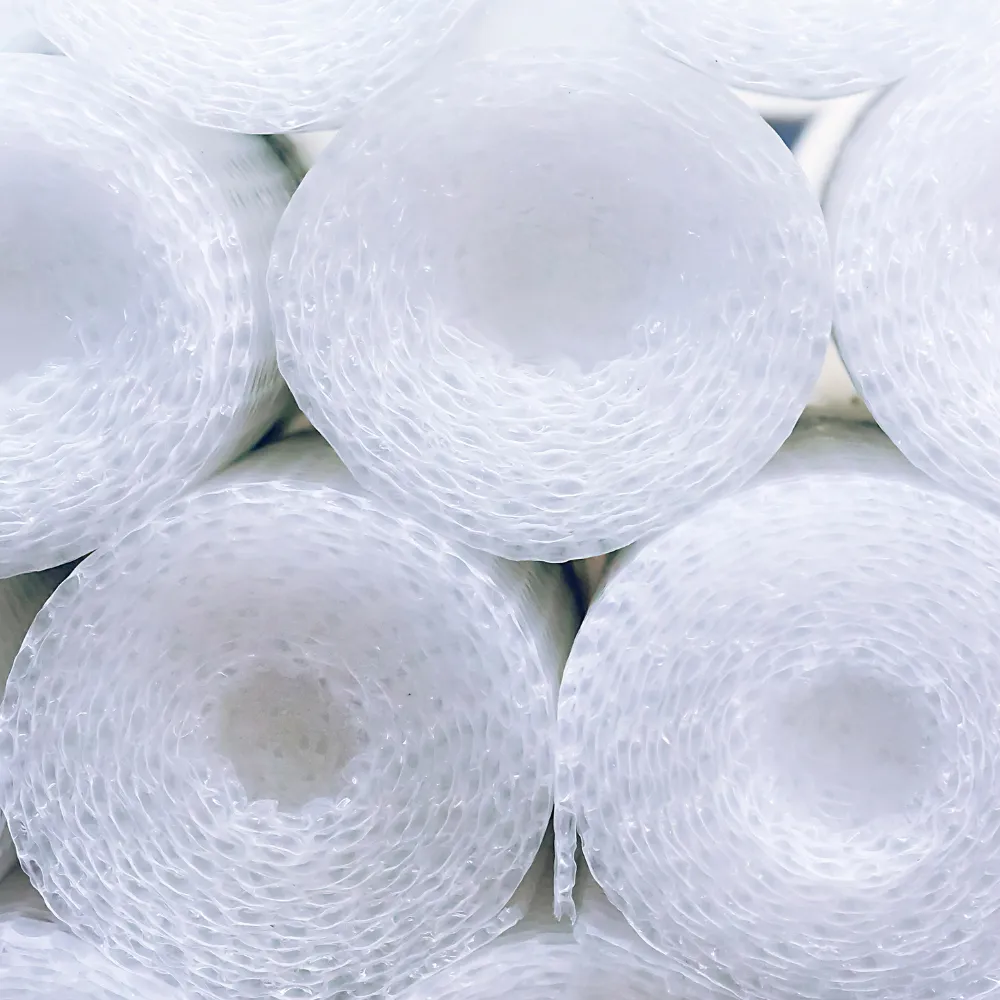
Close-up of multiple tightly rolled and stacked sheets of clear bubble wrap, creating a symmetrical, repeating pattern. The rolls are viewed from the side, highlighting their circular shape and translucent texture, a key feature in shipping supply wholesale.
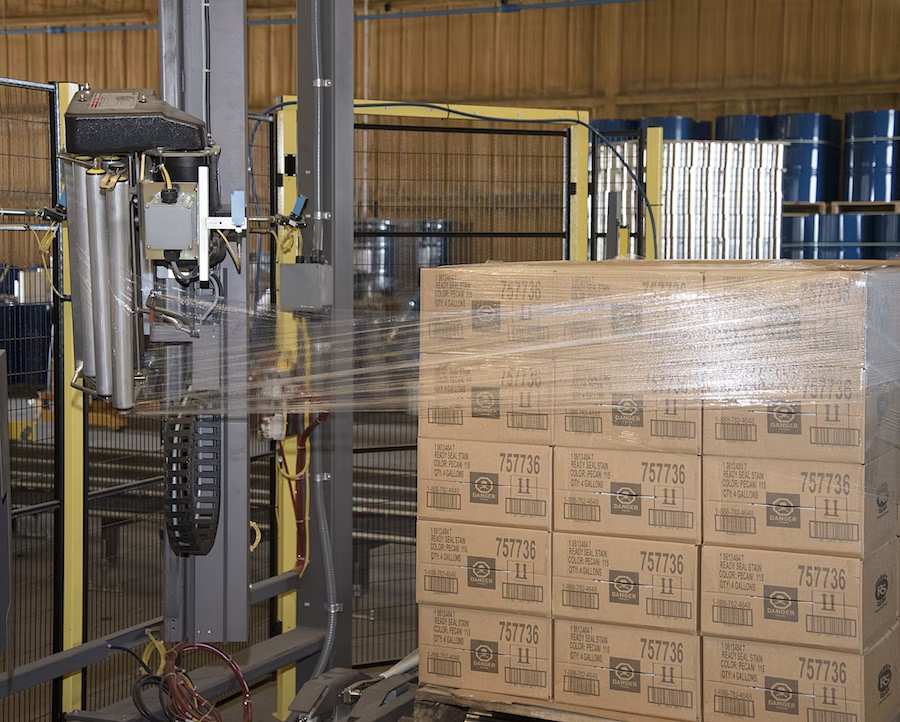
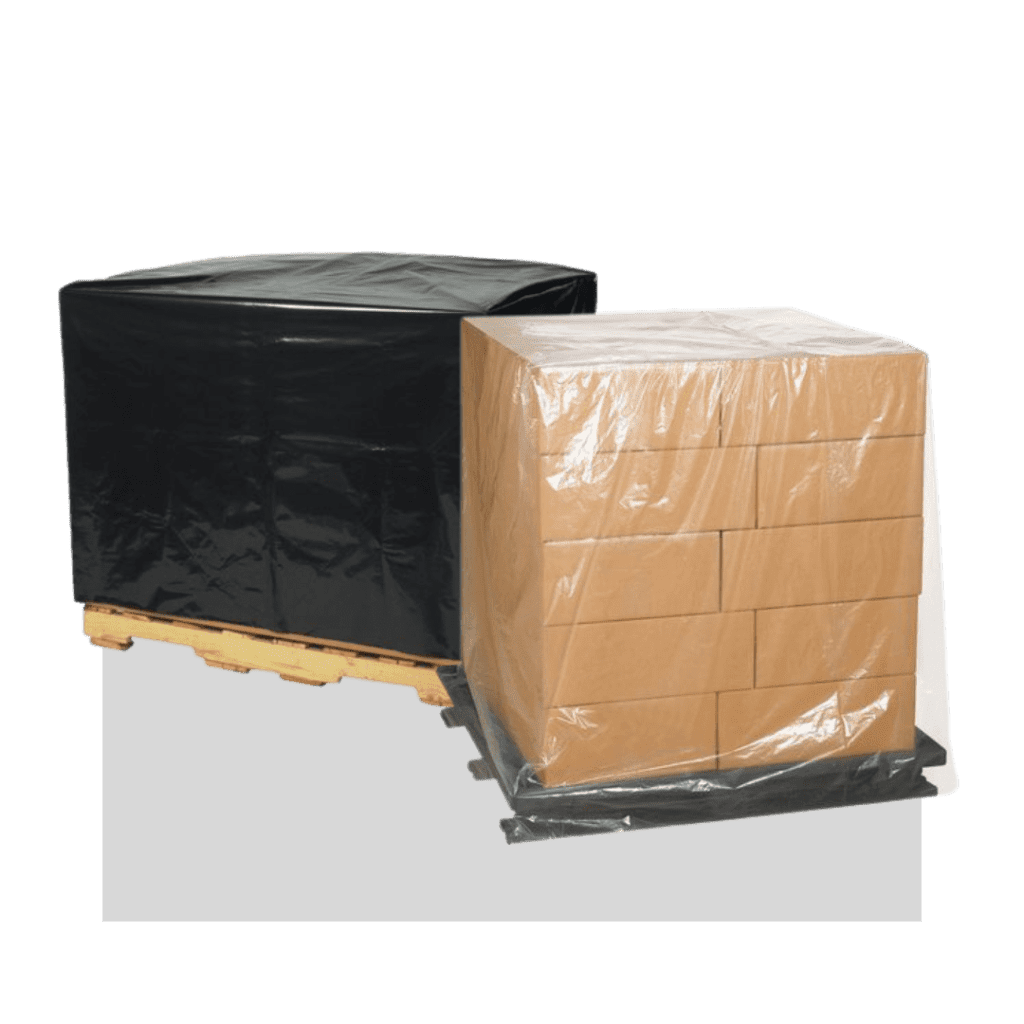
sealing wrap used on huge orders or bought as wholesale shipping supplies

Sealing Solutions

Ensuring that packages are securely sealed is vital for protecting contents, particularly during transit. In addition to providing security, proper sealing prevents tampering and safeguards against potential damage caused by environmental factors such as moisture or dust. Therefore, choosing the right sealing solution is essential to maintain the integrity of your shipments and ensure they arrive safely. The sealing solutions available include:

Labels and Tags

Shipping labels and tags are essential components in the logistics process, as they play a critical role in ensuring that packages are correctly identified, tracked, and handled. Moreover, they help streamline operations, reduce errors, and improve overall efficiency throughout the supply chain. By using the right labels and tags, you can ensure proper handling instructions are visible and minimize the risk of misdelivery or damage. Here’s an overview of the various types we offer:

  • Badges: Perfect for identifying personnel or specific shipments in busy warehouses.
  • Self-Laminating Tags: Durable and ideal for protecting critical information in challenging conditions.
  • Shipping and Handling Labels: Clearly communicate instructions like “Fragile” or “This Side Up” to ensure proper care during transit.
  • Inventory Tags and Labels: Essential for tracking stock and organizing inventory efficiently.
  • Safety Labels: Highlight hazards and ensure compliance with safety regulations for a secure working environment.

In summary, selecting the appropriate labels and tags not only enhances logistics efficiency but also ensures better customer satisfaction. Explore our complete range to find the best solutions for your needs.

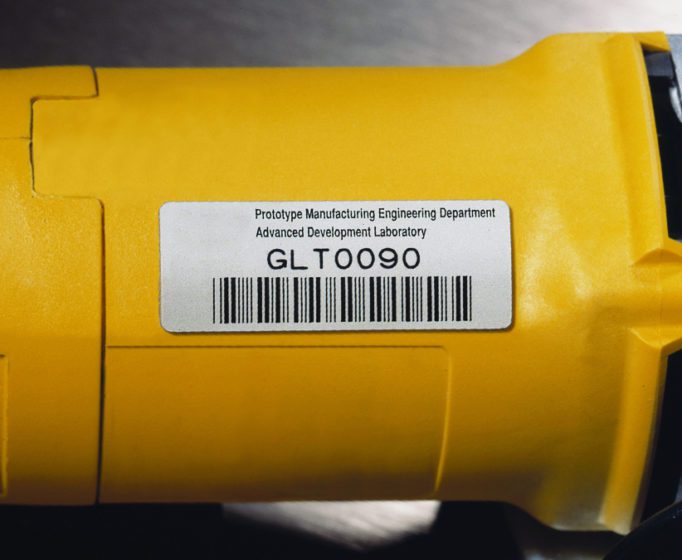
industrial tags considered as shipping essentials
cut resistant gloves in MH USA

Protective Gear (Gloves)

The right gloves are essential for workplace safety, as they not only protect hands from injuries but also enhance grip and provide comfort during prolonged use. In fact, choosing the correct type of gloves can significantly improve efficiency and reduce the risk of accidents in various environments. Additionally, gloves tailored to specific tasks ensure optimal performance and durability, making them a crucial part of any safety gear. Here’s an overview of the glove types exclusively available from us:

  • Cut Resistant Gloves: Provide superior protection against sharp objects, making them ideal for handling glass, metal, or tools.
  • Nylon Gloves: Lightweight and flexible, offering excellent dexterity for precise tasks such as assembly work.
  • Leather Gloves: Known for their durability and heat resistance, perfect for heavy-duty tasks and industrial applications.
  • Vinyl Gloves: Cost-effective and versatile, suitable for protecting hands during general-purpose use or handling chemicals.

Ultimately, investing in the right gloves not only enhances safety but also boosts productivity by ensuring workers can perform their tasks confidently and comfortably. Explore our full selection to find the gloves best suited for your specific needs.

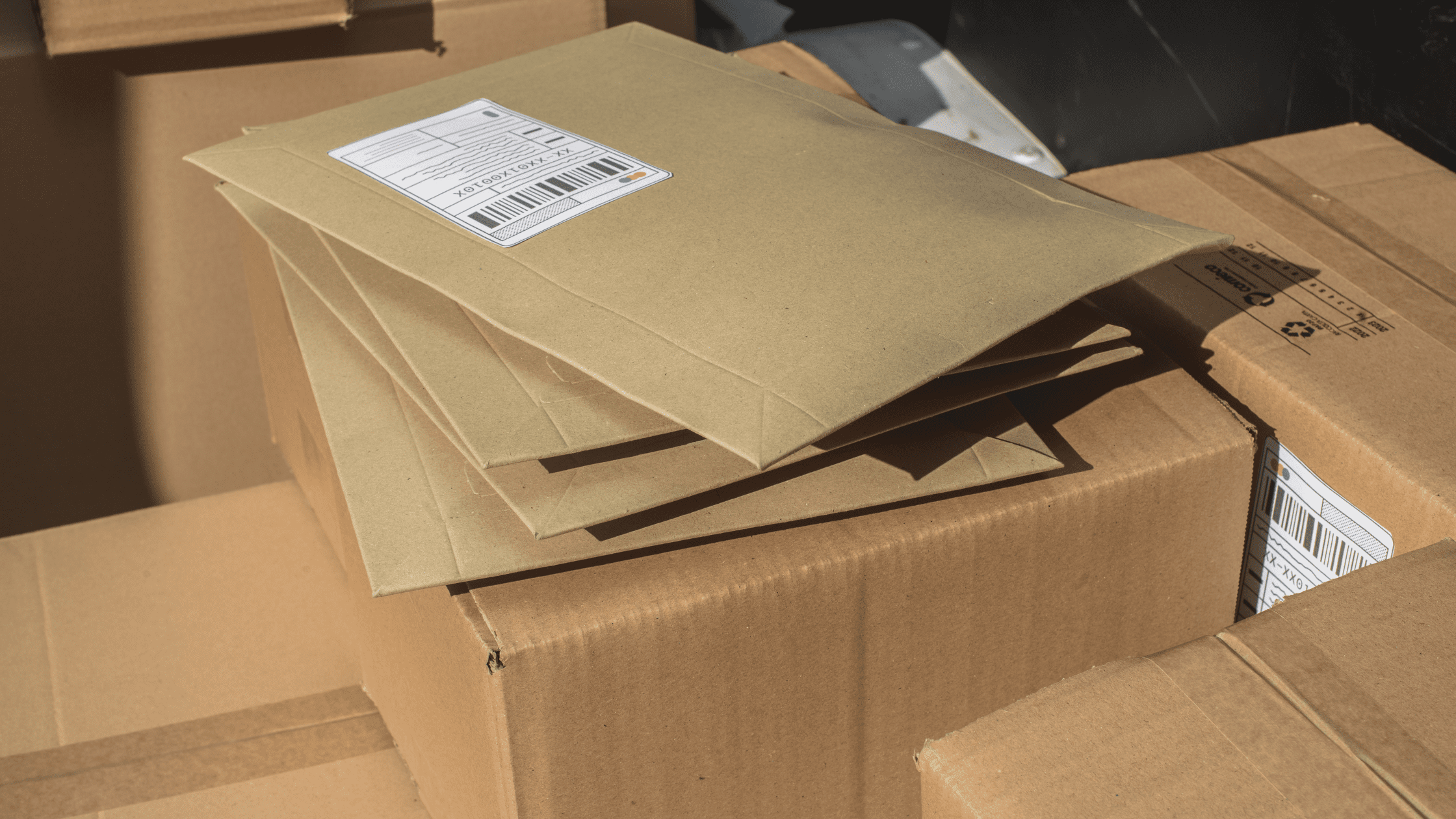
Envelops that are used as shipping supplies

Understanding Packaging vs. Shipping Supplies

While the terms are often used together, it’s helpful to understand the difference between packaging supplies and shipping supplies.

  • Packaging Supplies are materials used to cushion and protect the product inside the box. Examples include bubble wrap, foam, and air pillows.

  • Shipping Supplies are materials used for the exterior of the shipment. This includes boxes, mailing bags, tape, and shipping labels.

How to Choose the Right Wholesale Shipping Supplies

When selecting supplies, consider your product’s weight, fragility, and shipping conditions. Developing smart sourcing habits can also improve your bottom line. For more tips on making informed decisions, read our guide on wholesale supplies and smart shipping sourcing strategies.

Ready to find the right materials for your business? Explore our list of frequently purchased shipping and packing supplies to get started.

MH-USA Corrugated Sheets

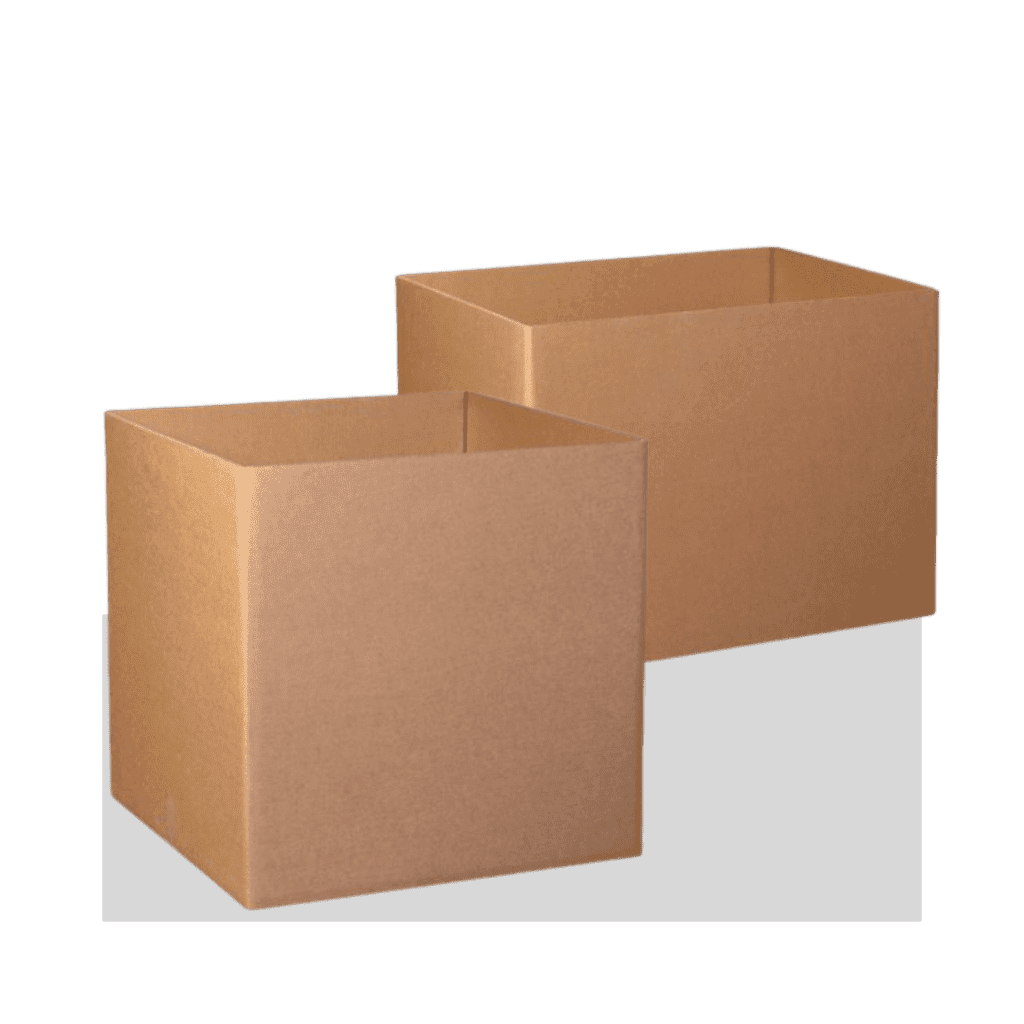
MH-USA Triple Wall Gaylord Bottoms

Kraft Reverse Tuck Folding Cartons

MH-USA White Reverse Tuck Folding Carton

MH-USA Double Wall Gaylord Bottoms

MH-USA Kraft Paper Rolls

MH-USA White Desktop Direct Thermal Labels

MH-USA White Rectangle Laser Labels

MH-USA Mil Clear Top Sheeting

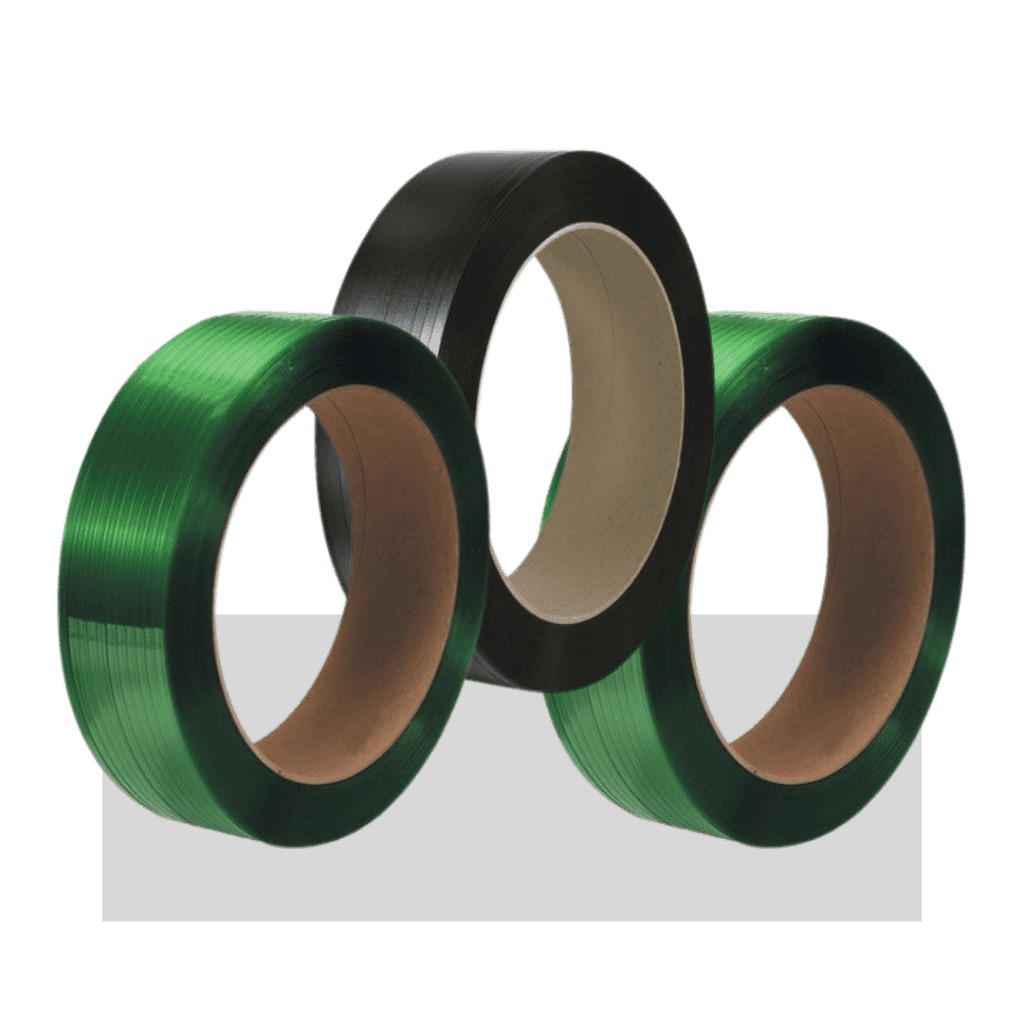
MH-USA 16 x 6 Core Polyester Strapping – Smooth

MH-USA Mil Clear Pallet Covers

MH-USA “Fragile – Handle With Care” Labels

product attributes - to consider picking shipping supplies

Size and Weight: Choose packaging that accommodates the dimensions and mass of your items. Oversized or heavy products may require reinforced boxes or crates.

Fragility: Delicate items necessitate additional protective materials like bubble wrap, foam, as well as loose fills or air pillows to prevent damage during transit. Furthermore, ensuring that these materials are appropriately secured can enhance the overall protection of the package.

Understand Shipping Methods & Conditions

a black track with flash symbol representing Shipping Methods and Conditions

Carrier Requirements: In addition, ensure packaging complies with specific guidelines set by carriers or postal services to avoid delays or penalties. Otherwise, you might face unexpected issues that could hinder timely delivery.

Transit Environment: Consider factors such as temperature fluctuations, humidity, and handling procedures that could affect your package. For example, perishable goods might need insulated containers or poly bags. Moreover, evaluating the transit environment beforehand can help you choose the right materials and methods to safeguard your shipment effectively.

a dollar sign inside a circle with a downward arrow on its outside symbolizing cost reduction

Bulk Purchasing: Buying shipping materials in bulk can lead to significant cost savings. Nevertheless, it is important to balance bulk buying with storage capabilities and actual usage rates in order to avoid overstocking. Moreover, proper planning ensures efficient use of resources and prevents unnecessary expenses.

Material Efficiency: Right-size your packaging to reduce material waste and shipping costs. For instance, overpacking can lead to higher expenses and environmental impact. Therefore, optimizing packaging not only saves money but also contributes to sustainability.

Enhance Branding and Customer Experience

a seemingly award symbol with the word brand inside it

Custom Packaging: To incorporate branded elements like logos, colors, or unique designs, it is essential to reinforce brand identity. Consequently, this creates a memorable unboxing experience. Moreover, right label and tags can significantly help achieve this goal.

Clear Labeling: First and foremost, clear labeling helps ensure that shipping labels are legible. Additionally, it should include all necessary information, such as delivery and return addresses, tracking numbers, and handling instructions.

an empty box with a downward arrow right in the middle and two circling arrows on the outside of the box

Boxes and Mailers: Select from standard cardboard boxes for general use or padded mailers for smaller, less fragile items. Corrugated boxes offer enhanced durability for heavier shipments.

Protective Fillers: To ensure safe shipping, utilize materials like vermiculite, loose fills, or foam sheets as effective options to cushion items. Additionally, fill any voids to minimize movement and further reduce the risk of damage during transit.

Sealing Supplies: Use high-quality packing tape to secure packages. Similarly, water-activated tape provides a strong, tamper-evident seal, which is especially beneficial for heavy or valuable items.

FAQ's

The choice of box actually depends on the item’s size, weight, and fragility. To illustrate, different types of boxes are designed to meet specific shipping needs:

  • Corrugated Boxes: These are particularly ideal for packages with heavy or fragile items because of their durability and ability to withstand pressure during transit.
  • Cardboard Boxes: On the other hand, these are suitable for lighter and non-fragile items, making them a cost-effective solution for standard shipping.
  • Specialty Boxes/Envelopes: For instance, these are designed for specific items like documents or electronics, ensuring they are secure and properly protected.

Ultimately, selecting the right box type ensures the safe delivery of your goods while optimizing your shipping process.

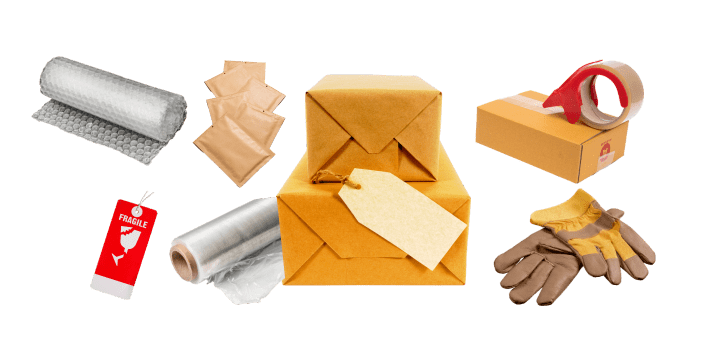
To safeguard delicate items, it is undoubtedly essential to consider the following steps to ensure their safe delivery:

  • Use Cushioning Materials: For example, employ bubble wrap, foam peanuts, or air pillows to absorb shocks and prevent damage during transit.
  • Double Boxing: Additionally, place the item in a box, then pack that box inside a larger one with cushioning between them to provide an extra layer of protection.
  • Proper Labeling: Moreover, affix “Fragile” labels to the package so that handlers are alerted to take extra care.

As a result, these measures help protect fragile items and maintain customer satisfaction by ensuring safe delivery.

Effective sealing is crucial because it prevents tampering and damage, ensuring packages reach their destination securely. To begin with, selecting the right sealing material makes a significant difference:

  • Packing Tape: Acrylic or hot melt adhesive tapes are commonly used as standard solutions for most packages due to their reliability and ease of use.
  • Water-Activated Tape: In contrast, this option provides a strong, tamper-evident seal, which is especially important for heavier or more valuable packages.

Ultimately, using the proper sealing method enhances the security and professionalism of your shipments.

Yes, sustainable options include a variety of materials designed to minimize environmental impact while maintaining functionality. For instance, these options cater to eco-conscious shipping needs:

  • Recyclable Materials: Boxes and fillers made from recycled content are ideal for reducing waste and promoting a circular economy.
  • Biodegradable Fillers: Similarly, options like paper and recyclable vermiculite break down naturally, offering an environmentally friendly alternative.
  • Reusable Packaging: Furthermore, durable materials that can be used multiple times help reduce the need for single-use packaging.

In summary, adopting sustainable packaging not only benefits the environment but also enhances your brand’s commitment to eco-friendly practices.

To ensure proper packaging, it is important to measure the item’s dimensions and add cushioning space for protection. Specifically, this involves the following steps:

  • Length, Width, Height: First, measure the item’s largest points to determine the exact dimensions needed for the box.
  • Cushioning Allowance: Next, add at least 2 inches on all sides to accommodate protective materials, which helps absorb shocks and prevent damage during transit.

As a result, these measurements ensure a secure fit, minimizing movement and enhancing overall safety.

Proper labeling is essential because it ensures accurate handling and helps streamline the shipping process. To put it simply, here are the key types of labels needed:

  • Shipping Labels: First and foremost, these include sender and recipient information to guarantee the package reaches its intended destination.
  • Handling Labels: Additionally, these indicate special instructions like “Fragile” or “This Side Up” to ensure the package is treated with care.
  • Hazardous Material Labels: Moreover, these are required for shipments containing hazardous goods to comply with safety regulations and prevent accidents.

In conclusion, proper labeling not only enhances efficiency but also reduces the risk of errors during shipping.

International shipments require careful preparation to ensure safe and efficient delivery. To begin with, it is crucial to focus on the following aspects:

  • Sturdy Packaging: First and foremost, use durable boxes designed to withstand long transit times and potential handling stresses.
  • Customs Documentation: Additionally, include all necessary forms and declarations to avoid delays or complications at customs checkpoints.
  • Regulation Compliance: Furthermore, ensure that your packaging and contents meet the specific requirements of the destination country, which helps prevent penalties or rejected shipments.

As a result, proper preparation not only guarantees smoother international shipping but also enhances customer satisfaction.