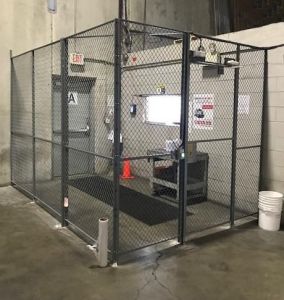
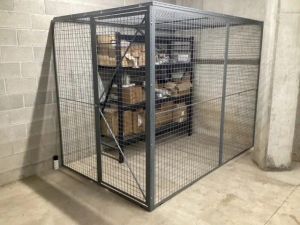
Rethinking your warehouse layout is about more than just moving shelves around. It’s a deep dive into how your products actually move, using real data to place inventory intelligently, and picking the right gear to cut down on travel time and push more orders out the door. A smart layout is a direct investment in your bottom line, boosting picking speed, accuracy, and overall efficiency. It’s the foundation for growth and a much safer place to work.
The Blueprint for a High-Performance Warehouse
A poorly designed layout is like a hidden tax on your daily operations. It quietly adds seconds to every single pick, creates frustrating bottlenecks that jam up your aisles, and puts unnecessary physical strain on your team. Day after day, these tiny inefficiencies pile up, leading to bloated labor costs, sluggish fulfillment, and a hard cap on what your facility can actually achieve.
To get it right, you have to stop seeing your layout as just a floor plan. It’s a dynamic system, and the goal is seamless flow. That means moving past guesswork and making decisions based on cold, hard data. A crucial first step is understanding what to look for in a warehouse storage facility and making sure every element aligns with your unique operational goals.

Why Strategic Layout Design Matters
Think of your layout as the foundation. You can have the best technology and the most talented crew, but if the foundation is cracked, nothing else will work as it should. Any layout optimization project really boils down to a few key goals:
- Slash Travel Time: It’s shocking, but studies show that walking and driving can eat up over 50% of a picker’s time. A strategic layout puts your fastest moving items in the most accessible spots, turning wasted steps into productive work.
- Maximize Every Square Foot: Smart design unlocks the true potential of your building, both horizontally and vertically. Getting this right can often delay or even eliminate the massive expense of expanding your facility.
- Boost Safety and Ergonomics: A clean, well organized space with clearly defined traffic lanes and ergonomic pick heights is not just efficient; it’s safer. It directly reduces the risk of accidents and injuries.
- Increase Throughput: When you remove the obstacles and streamline the workflow from receiving to shipping, you can process more orders with the same team in the same amount of time. Simple as that.
Our team at MH-USA lives and breathes this stuff. We specialize in turning these goals into a concrete plan, offering professional, no obligation warehouse design services to help you build a blueprint that delivers.
Key Components of a Winning Warehouse Blueprint
A truly effective layout isn’t just about where you stick the pallet racks. It’s about creating a cohesive ecosystem where your goods, people, and equipment can move in perfect harmony.
A common mistake I see is designing a layout that’s perfect for today but completely unprepared for tomorrow. A winning blueprint has to be efficient right now and flexible enough to handle changes in your product mix and order volume down the road.
You have to analyze every zone: receiving docks, putaway processes, storage areas (bulk, forward pick, etc.), packing stations, and the shipping department. Each area needs to be optimized on its own, but more importantly, it has to connect seamlessly with the next step in the process.
With planning and installation timelines getting longer across the industry, it pays to start the conversation early. Kicking off the process now ensures your project gets on the schedule and completed without hitting frustrating delays. Give us a call at (800) 326-4403 to get a free quote and start the conversation.
Auditing Your Current Warehouse Operations
Before you can sketch out a better warehouse layout, you have to get brutally honest about what’s happening in your current space. Think of an operational audit less as a report card and more as a diagnostic tool. It’s not about finding fault; it’s about turning raw data and on the floor observations into a clear picture of your facility’s health. This is the only way to make truly informed decisions and build a rock solid business case for making a change.
The entire goal here is to move past gut feelings and assumptions. We need to pinpoint the exact areas of congestion, the long travel paths that are killing your pick times, and all the little instances of wasted motion that add up. By gathering the right data, you build a foundation of facts for a layout that actually helps your team, instead of fighting against them.
Gathering Your Core Operational Data
First things first: you’re on a data gathering mission. Your Warehouse Management System (WMS) is a goldmine, but you can’t stop there. You need to get out on the floor with a clipboard and a stopwatch. The key is to quantify how your inventory, orders, and people actually behave in the real world.
Start with these critical data points:
- SKU Velocity: This is non negotiable. You must know which products fly off the shelves and which ones are collecting dust. An ABC analysis is the classic, time tested method for this, classifying your items into “A” (high velocity), “B” (medium), and “C” (slow movers). This single piece of data will drive your entire slotting strategy.
- Order Profiles: Dig into what a typical order looks like. Are most orders for a single item, or are your pickers dealing with complex, multi line orders that send them all over the warehouse? Understanding this helps you decide on the best picking strategies and whether you need dedicated zones for single pick vs. multi pick orders.
- Inventory Density: Time for some basic math. Calculate your current storage utilization. How much of your available cubic space are you really using? This metric often uncovers huge opportunities to go vertical with taller racking or mezzanines, potentially saving you from a massive, costly expansion.
This data collection phase should also include a full inventory of your physical assets. Pay close attention to any obsolete or underused equipment that’s just taking up prime real estate. As part of this process, it’s also a good time to responsibly clear out old machinery by working with a compliant medical equipment recycling program to free up space efficiently.
To help structure your audit, here are the key areas you should focus on when you’re on the floor.
Warehouse Audit Checklist Key Areas
This checklist summarizes the essential data points and qualitative observations you should collect. It helps translate what you see and measure into actionable insights.
| Audit Category | Key Metrics to Collect | Common Pain Points to Look For |
|---|---|---|
| Receiving & Putaway | – Dock to stock time (hours) – Unloading time per truck – Putaway accuracy rate (%) |
– Congestion at the receiving dock – Pallets sitting for >24 hours before putaway – Frequent misplacement of incoming inventory |
| Storage & Inventory | – SKU velocity (ABC) – Cubic space utilization (%) – Inventory accuracy (%) – Days on hand |
– Honeycombing (empty pallet slots) – Hard to access inventory (stacked too high/deep) – Slow moving items in prime forward pick locations |
| Picking & Order Fulfillment | – Lines per hour per picker – Travel time vs. pick time – Order accuracy rate (%) |
– Pickers crisscrossing the warehouse – Excessive walking/travel between picks – Bending, reaching, and awkward movements to get items |
| Packing & Shipping | – Orders packed per hour – Staging area congestion – Dock door utilization (%) |
– Bottlenecks at packing stations – Completed orders waiting too long for shipment – Shippers waiting for orders to be brought to the dock |
| Safety & Ergonomics | – Number of near misses/incidents – Aisle width vs. MHE requirements – Worker feedback |
– Cluttered or blocked aisles and egress paths – Poor lighting in pick zones – Repetitive strain complaints from team members |
Using a structured approach like this ensures you don’t miss the subtle inefficiencies that, when fixed, can have a major impact on your bottom line.
Mapping Your Existing Workflows
Once you have the numbers, it’s time to visualize how people and products actually move through your building. This is often called a process map, or my personal favorite, a spaghetti diagram. The concept is simple: you literally trace the complete path an order takes, from the moment it’s received until it’s on the truck.
By visually mapping your workflows, you can immediately spot the glaring inefficiencies that raw data might miss. It’s one thing to see a high travel time metric; it’s another to see a diagram showing a picker walking past the same aisle four times for a single order. These diagrams make bottlenecks and redundant travel paths impossible to ignore.
As you map these flows, keep an eye out for the “seven wastes” of lean manufacturing, which apply perfectly to warehousing:
- Transportation: Unnecessary movement of products.
- Inventory: Excess stock that isn’t being processed.
- Motion: Unnecessary movement by people (walking, bending, reaching).
- Waiting: Wasted time waiting for the next step.
- Overproduction: Picking or moving product before it’s needed.
- Over processing: Doing more work than necessary (e.g., re labeling).
- Defects: Errors that force you to do it all over again.
This diagnostic approach arms you with the hard evidence needed to justify changes. The data you collect is the bedrock for designing a layout that doesn’t just look better on paper but delivers real, measurable improvements in throughput, safety, and cost savings.
If you get through this process and need a hand turning your audit data into a professional layout, our team provides free, no obligation designs. Contact us, and let’s see how we can translate your operational needs into a floor plan that works.
Designing for Seamless Product and People Flow
A truly optimized layout is all about movement. Simple as that. Once you’ve audited your current operations, the next job is designing a space that cuts down on travel for both your products and your people, all while cranking up throughput. This goes way beyond just deciding where to put your racking; it’s about mapping the entire journey of an item from the receiving dock to the shipping truck.
The whole point is to create a logical, predictable path that kills backtracking and congestion before they start. When you design for flow, you inherently reduce wasted motion—one of the biggest silent killers of warehouse productivity. It’s not just about moving faster; it’s about creating a calmer, more organized, and fundamentally safer environment for your team.
Choosing the Right Workflow Pattern
Most warehouses follow one of a few fundamental layout patterns. Each has its pros and cons, usually dictated by the building’s shape and how you operate. Nailing this choice is the first major step in getting your material flow right.
- U Shaped Flow: This is probably the most common layout you’ll see, and for good reason. Receiving and shipping docks are on the same side of the building. Goods come in, move through the warehouse in a “U” pattern (putaway, storage, picking), and end up right back near where they started. This setup is great for maximizing space, boosts security by having a single side for truck access, and is a natural fit for cross docking operations.
- I Shaped (or Through Flow): With this pattern, you receive goods on one end of the building and ship them out the other. Product moves in a straight line, clean and simple. It’s the go to for high volume operations where keeping inbound and outbound traffic completely separate is non negotiable to prevent dock congestion.
- L Shaped Flow: This one is often born out of necessity due to a building’s unique architecture, with docks on adjacent walls. It’s less common, but it can work perfectly well if you plan carefully to avoid creating a bottleneck where the two legs of the “L” meet.
The best choice is completely dependent on your operation. A massive distribution center might need an I shaped layout to handle the sheer volume, whereas a smaller facility supporting a manufacturing line could find the U shaped pattern far more efficient. Our team can help you analyze your operational data to determine the optimal flow pattern with a free layout design.
Here’s a look at how a standard warehouse audit informs this design process. It always comes down to collecting the data, mapping the real world movement, and then finding the opportunities.
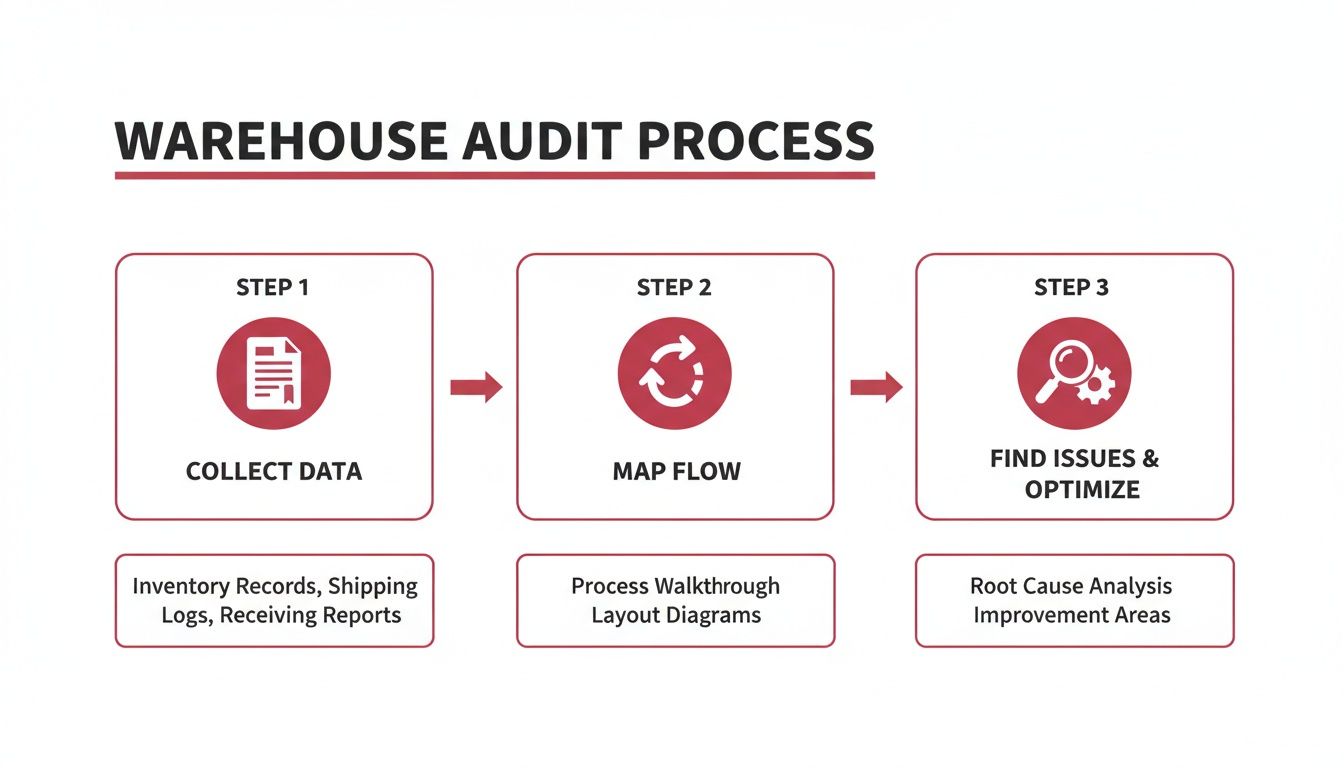
This visual breakdown really drives the point home: before you can design an efficient flow, you have to get your hands dirty with the data to map what’s actually happening and find the root causes of your inefficiencies.
Implementing Smart Slotting and Pick Paths
Once you have the big picture flow locked in, the next layer of optimization is slotting. Think of it as the science of assigning specific products to specific spots based on hard data—primarily your ABC analysis. The golden rule is simple: your fastest moving “A” items belong in the most accessible, ergonomically friendly locations to slash travel time and physical strain on your pickers.
A common mistake is treating all storage locations as equal. Placing a fast moving SKU on a high shelf in the back corner of the warehouse is a recipe for inefficiency. Effective slotting can single handedly reduce picker travel time by 20-40%.
With your inventory properly slotted, you can then map out intelligent pick paths. Instead of letting pickers wander aimlessly, a good WMS can direct them along the most efficient route. This often looks like a serpentine or “S” shaped pattern up and down the aisles, allowing them to grab everything for an order in a single, continuous pass. It’s a systematic approach that stops redundant travel in its tracks.
Dynamic slotting and intelligent space utilization are pushing these concepts even further. The results can be staggering: automated storage systems can free up to 90% of current warehouse space by taking full advantage of a facility’s vertical height. For managers weighing a redesign, these strategies offer a real chance to improve space use by 15-30% when moving away from manual workflows. Discover more about these inventory management trends to see what’s possible.
Improving your warehouse flow is a foundational project with a massive ROI. Given the high demand and extending project timelines in the industry, starting the planning process now ensures you can secure installation slots without getting hit with costly delays. Request a Quote today, and let’s talk about how we can help you map out a more efficient future for your facility.
Selecting the Right Storage and Racking Systems
The hardware you choose is the physical backbone of your entire layout. If your workflow design is the nervous system, then your racking and storage solutions are the skeleton that gives it all structure and strength. This is a critical step that directly impacts storage density, product accessibility, and the daily grind of your picking and putaway teams.
This is where your data driven layout connects to tangible, steel on the floor equipment. It’s not about finding a single, one size fits all solution. It’s about matching the right type of storage totheright inventory based on your operational audit. This is where your ABC analysis truly comes to life, guiding you to place high velocity “A” items in highly accessible racking while housing slower moving “C” items in denser, long term storage.
Comparing Common Pallet Racking Systems
Every warehouse has its own unique rhythm and set of challenges, which is why there are so many types of pallet racking. The real trick is balancing storage density against selectivity—the ease of accessing any specific pallet without moving others.
- Selective Pallet Racking: This is the workhorse of the industry and for good reason. It offers 100% selectivity, meaning every single pallet is immediately accessible from an aisle. It’s ideal for operations with a high number of SKUsand low quantities per SKU. The tradeoff? It offers the lowest storage density.
- Drive In and Drive Thru Racking: When you need to store huge quantities of the same SKU, these high density systems are fantastic. Forklifts literally drive directly intotheracking bays to place or retrieve pallets. Drive In works on a Last In, First Out (LIFO) basis, while Drive Thru allows for First In, First Out (FIFO) access.
- Pallet Flow Racking: Think of this as a dynamic, high density FIFO system. Pallets are loaded from one side onto inclined rails with rollers and flow down to the other side for picking. It’s perfect for date sensitive products like food and beverages, making sure older stock is always used first.
- Push Back Racking: This LIFO system gives you high density storage by placing pallets on a series of nested carts. When a new pallet is loaded, it pushes the others back on the rails. It packs in way more product than selective racking while still giving you good access to different SKUs from the aisle face.
For a much deeper dive into the technical specs and best fit scenarios for each system, check out our comprehensive guide to selecting pallet rack.
Unlocking Your Vertical Space
One of the biggest opportunities in almost any facility is the empty air right above your head. Before you even think about a costly building expansion, just look up. Going vertical is almost always the most cost effective way to boost your storage capacity without increasing your footprint.
The moment you start thinking in cubic feet instead of just square feet, you unlock massive potential. A mezzanine can effectively double your usable floor space for a fraction of the cost and disruption of new construction.
Work platforms and industrial mezzanines are game changers here. They create entirely new levels inside your existing building, perfect for more storage, office space, or light assembly work. When you pair them with vertical lift modules (VLMs) or conveyors, you can build a highly efficient multi level operation that keeps your product flow completely seamless.
The right mix of racking and vertical storage can fundamentally change your facility’s capacity. With industrial space at a premium and project lead times getting longer, acting sooner gives you a major planning advantage. To see how these systems could work in your operation, Request a Quote for a free layout and design.
A Practical Comparison of Storage Systems
Making the right call means understanding the tradeoffs. This table breaks down the core characteristics of each major racking system to help you match them with your inventory and operational goals.
| Storage System | Storage Density | Selectivity (Accessibility) | Inventory Rotation | Best For |
|---|---|---|---|---|
| Selective Racking | Low | High (100%) | FIFO | High SKU counts, low volume per SKU, and fast turnover |
| Drive-In Racking | Very High | Low | LIFO | Storing large quantities of identical, non perishable products |
| Pallet Flow Racking | High | Medium | FIFO | Date sensitive goods, high volume SKUs, and full pallet picking |
| Push Back Racking | High | Medium | LIFO | Operations needing higher density than selective but more SKUs than drive in |
| Industrial Mezzanine | Varies | Varies | N/A | Creating new floor space for storage, offices, or assembly |
Choosing the right equipment is a foundational decision that echoes through everything from your labor costs to how fast you can get an order out the door. Our team offers competitive pricing and some of the fastest shipping in the industry on quality storage systems. Give us a call at (800) 326-4403 to talk about your specific needs.
Integrating Smart Technology and Automation
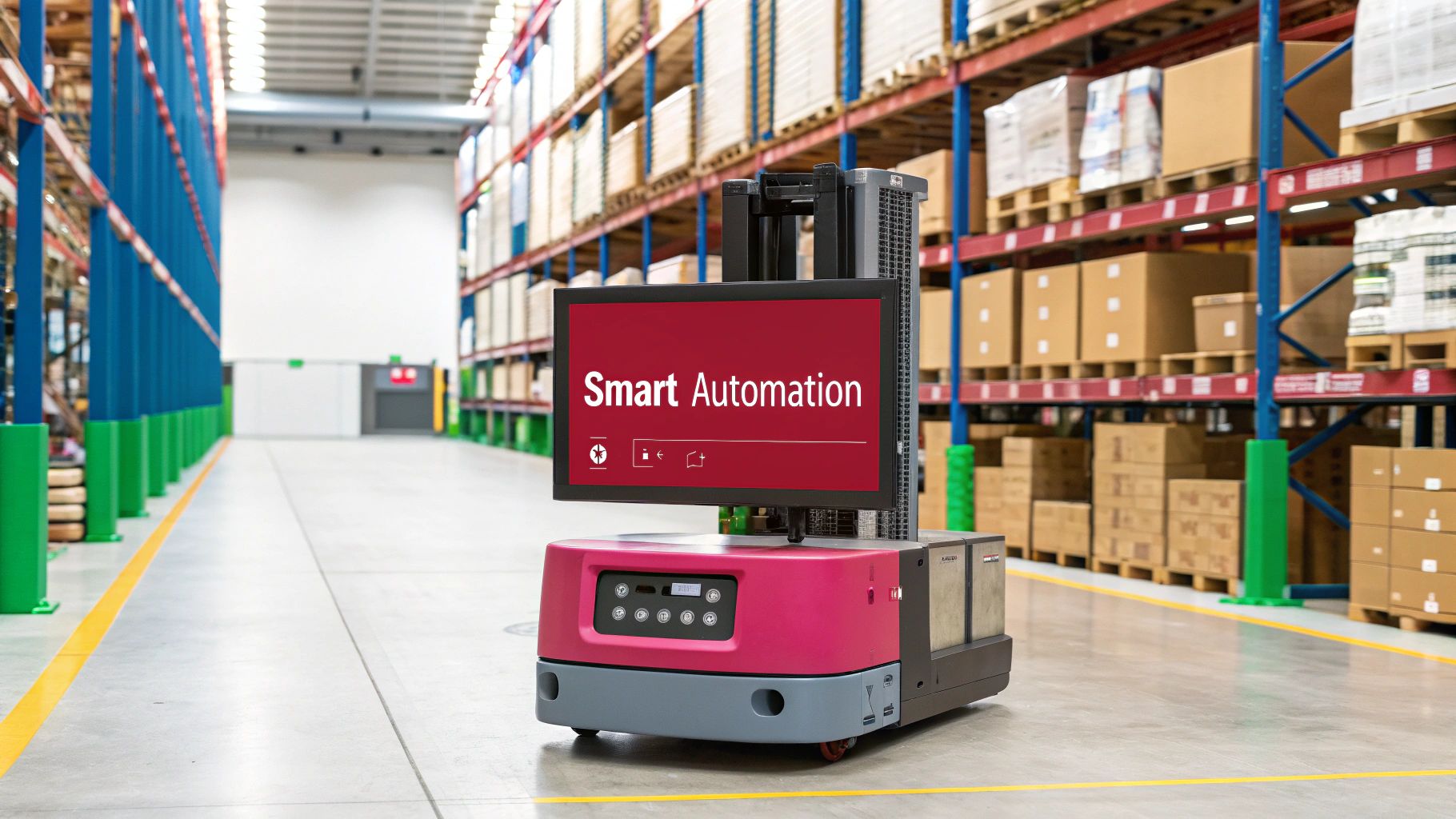
Let’s be blunt: technology is no longer a “nice to have” upgrade in the warehouse. It’s the core engine for staying competitive. Planning for automation from the very first layout sketch is how you achieve a genuine leap in efficiency. If you just drop a few robots onto an inefficient floor plan, you’re only going to automate your existing headaches.
A successful integration starts when you stop seeing your layout and your technology as separate things. They are two parts of a single, cohesive system. Your physical design—the width of your aisles, where you put charging stations, the flow between zones—has to be engineered from the ground up to support the tools you plan to use.
The Central Role of a Warehouse Management System
Think of your Warehouse Management System (WMS) as the brain of your entire operation. It’s the conductor of the orchestra, directing your team, your equipment, and feeding you the critical data you need to keep getting better.
In an optimized layout, a powerful WMS goes way beyond static ABC analysis. It enables dynamic slotting, constantly adjusting inventory placement based on real time demand, seasonality, and order trends. This system tells a forklift operator exactly where to put a new pallet, guides a picker on the most efficient path through the aisles, and directs an Automated Guided Vehicle (AGV) to its next task. Without a WMS tying it all together, even the most advanced hardware will never hit its full potential.
Scaling Automation Within Your Layout
Automation is not an all or nothing switch. It’s a spectrum, and the right level for your facility depends on your order volume, SKU profiles, and budget. The real key is designing a layout today that can accommodate these technologies as you grow into them tomorrow.
- Foundational Automation: This is your starting point. Think conveyor systems that are fantastic for moving goods along fixed paths from receiving to packing, or sortation systems that automatically route packages for shipping. These require dedicated floor space and really need to be planned from day one.
- Mobile Automation: The next tier includes AGVsand Autonomous Mobile Robots (AMRs). AGVs typically follow fixed paths (like magnetic tape or wires), making them great for those repetitive, long distance transport jobs. AMRs are the smarter cousins, navigating dynamically and working right alongside your team, often in goods to person picking setups.
- Advanced Robotic Solutions: At the top end, you have fully robotic picking solutions and automated storage and retrieval systems (AS/RS). These systems deliver incredible storage density and speed but require a layout that is designed specifically around their unique operational footprint.
The growth here is staggering. Facilities that bring in robotics often report efficiency gains of 25-30% in the first year alone. Automated picking systems can boost fulfillment speeds by up to 300% while keeping accuracy near a perfect 99%. On top of that, these technologies are cutting labor costs by 25-30% and improving safety, with a reported 25% reduction in workplace injuries.
The single most important takeaway is this: your physical layout has to be designed for automation from the start. Trying to retrofit a warehouse built for manual processes is exponentially more expensive and far less effective than planning for it from the beginning. Getting an expert involved early is priceless.
The Benefits of an Automation-Ready Design
When you design for automation, you’re really designing for the future. An automation ready layout delivers benefits right away by minimizing how much your team has to travel, reducing physical strain, and pushing order accuracy toward perfection. It creates a safer workplace by handing off the physically demanding and repetitive tasks to machines. You can learn more about how to future-proof your operations with smart warehouse automation design in our detailed guide.
As demand for these systems explodes, planning and installation timelines are getting longer. Partnering with an expert now means you can lock in the equipment and installation resources you need without getting stuck in costly delays down the road.
Ready to Build Your Ideal Warehouse Layout?
We’ve walked through the essential steps for optimizing your warehouse layout, and it’s clear this is not just about tidying up. It’s a foundational investment that pays for itself in growth and profitability. A smart, thoughtfully designed space delivers faster fulfillment, drives down operational costs, improves safety, and genuinely boosts team morale. From auditing your current flow to selecting the right racking, every piece builds toward a more resilient and productive operation.
Now, it’s time to turn these ideas into reality.
The Opportunity Cost of “Good Enough”
The strategies we’ve covered give you a solid roadmap, but the real value is in the execution. Do not let operational drag and hidden inefficiencies keep throttling your facility’s potential. Every single day spent with a subpar layout translates into wasted labor hours, slower ship times, and missed opportunities to scale.
Keep in mind, demand for racking, equipment, and skilled installation crews is growing across the industry. That means planning and project timelines are getting longer. Engaging with an expert partner sooner rather than later ensures your project gets properly scoped, scheduled, and executed without hitting frustrating delays. Acting now puts you ahead of the curve, securing the resources and expertise needed to bring your ideal warehouse to life.
The most successful layout optimization projects begin long before the first rack is moved. They start with a collaborative partnership focused on turning deep operational data into a smart, flexible, and future proof design.
Your Next Step? A Simple Conversation.
We get it. Redesigning your facility is a big commitment. That’s why we make the first step completely straightforward and risk free. Our in house specialists provide free, no obligation layout designs and expert consultations to help you visualize what’s truly possible for your space. We’ll combine our years of industry experience with your unique operational data to create a plan that actually works.
Here’s what we offer:
- Free Quotes to give you clear, upfront budget expectations.
- Free Layouts and Designs that are yours to keep, with no strings attached.
- Quality Materials and products backed byour rock solid commitment to excellence.
- Competitive Pricing to make sure you get the best value for your investment.
- The Fastest Shipping and delivery in the industry to keep your project on track.
Take the first step toward a smarter, more efficient warehouse. Contact Us today or call (800) 326-4403 to get your free quote and design consultation started.
Still Have Questions About Your Warehouse Layout?
Even with a solid plan, a big project like a facility redesign is bound to bring up some questions. Here are a few of the most common ones we hear from managers gearing up to optimize their space. Getting these answers straight can reinforce the key concepts and give you the confidence to move forward.
How Often Should I Re-evaluate My Warehouse Layout?
As a general rule, a deep dive review every 3 to 5 years is a solid industry benchmark. But honestly, you cannot just set it and forget it. If your business goes through a major change, you need to reassess right away.
What kind of changes? Look out for triggers like these:
- Bringing on significant new product lines or a flood of new SKUs.
- A major shift in your order profiles, like moving from full pallet picks to mostly piece picking.
- Rolling out new technology, whether it’s a full blown WMS or a fleet of mobile robots.
The key is to keep a constant pulse on your KPIs. If you’re tracking things like pick rates and travel times, you’ll spot the small inefficiencies long before they snowball into serious problems.
What Is the Biggest Mistake to Avoid When Optimizing a Layout?
Hands down, the most common mistake is designing a layout that only solves today’s problems. It’s a trap. A layout that feels perfect right now can become your biggest bottleneck in two years if you do not build in flexibility for growth. A rigid design is almost always a failed design in the long run.
Another critical error is skipping the data deep dive. Too many redesigns are based on gut feelings instead of hard numbers, especially product velocity (your ABC analysis) and actual order patterns. Always let the data be your guide. It’s the only way to avoid bad slotting decisions and the excessive travel time that absolutely kills productivity.
Can I Improve My Layout Without a Huge Investment in Automation?
Absolutely. While fancy automation has its place, many of the highest impact optimizations cost very little. In fact, simple changes often produce the most significant efficiency gains and the fastest ROI.
Focusing on foundational principles first is key. An expert consultation can often uncover these “low hanging fruit” opportunities that deliver immediate improvements without a massive budget.
For example, just refining your slotting strategy based on real data, reorganizing pick paths into a more logical sequence, and making sure you have the right type of racking for your inventory can produce huge results. Even things like decluttering aisles and upgrading your lighting are low cost, high impact changes that pay for themselves quickly.
How Do I Ensure a New Layout Is Safe for My Team?
Safety cannot be an afterthought—it has to be baked into your design from day one. This means planning for adequate aisle widths that can comfortably and safely accommodate both forklifts and pedestrians. Whenever you can, create clearly marked, separate routes for foot and machine traffic.
It also means thinking about proper lighting, clear signage, and the strategic placement of safety gear like fire extinguishers, first aid kits, and eyewash stations. Any professional design partner will build the layout around OSHA standards and industry best practices to protect your most valuable asset: your people.
Material Handling USA offers free, no obligation layout designs to help you build a smarter, safer, and more productive warehouse. Contact our design team to Request a Quote or call (800) 326-4403 to start the conversation.
Who This Is For
Our optimize warehouse layout solutions are ideal for:
- Warehouse managers
- Facility planners
- Property managers
- Government coordinators
- Manufacturing managers
- Distribution operators
Frequently Asked Questions
Does Material Handling USA offer free quotes?
Yes. Material Handling USA provides free, no-obligation quotes for all warehouse storage and material handling projects. Contact us online or call 801-328-8788.
Do you handle delivery and installation?
Yes. Material Handling USA provides professional delivery and installation for pallet rack, shelving, mezzanines, security cages, and all warehouse equipment. Our team manages the project from layout to final walkthrough.
Related Solutions
Need Help Choosing the Right Solution?
Material Handling USA provides free warehouse design consultations, competitive pricing, and expert project management from layout to installation.
Get a Free Quote or call 801-328-8788
Online Store
Shop at MaterialHandling-USA.com
Ready to optimize? Shop warehouse equipment and supplies online:
Pallet Rack Systems
Corrugated Boxes & Packaging
Stretch Wrap & Shrink Film
Warehouse Equipment & Supplies
Shop all 46,000+ products →