
Warehouse Solutions / Pallet Rack
How to Select Pallet Rack for Your Warehouse
A practical pallet-rack selection guide for warehouse leaders: match pallet data, inventory behavior, lift trucks, building constraints and safety requirements before choosing a system.

6
system types compared
100%
direct access with selective rack
FIFO / LIFO
rotation drives the choice
1 layout
built around your facility
Pallet rack selection starts with the load—not the rack color

“Pallet rack” describes a family of engineered storage systems, not one interchangeable product. The right system gives your team access to the inventory they need while using building cube responsibly. The wrong system can lock a warehouse into too many aisles, poor rotation, damage-prone truck travel or a layout that cannot support the next inventory change.
Begin with the actual unit load: pallet length, width, height, maximum gross weight, pallet construction and whether loads are stable. Then list how many pallets each SKU needs, whether stock must move first-in/first-out (FIFO) or can operate last-in/first-out (LIFO), how it is received and picked, the lift truck you own or plan to buy, and the building constraints. A rack layout should follow those facts—not precede them.
Material Handling USA designs, supplies and installs pallet rack systems. We can also help evaluate an existing installation before you add bays or move beams. For a starting layout, use the Pallet Rack Designer or talk with our team at (800) 326-4403.
A capacity number is never a complete design
A pallet’s gross weight is only one input. Capacity changes with beam span and elevation, frame height and bracing, load arrangement, decking/supports, anchorage, row ties and site conditions. Use approved drawings and manufacturer data for the exact configuration.
Choose the pallet rack type that matches your inventory behavior
Density only helps when it fits SKU quantity, required access and rotation. This comparison gets the conversation moving; a final layout still needs verified load data and equipment clearances.
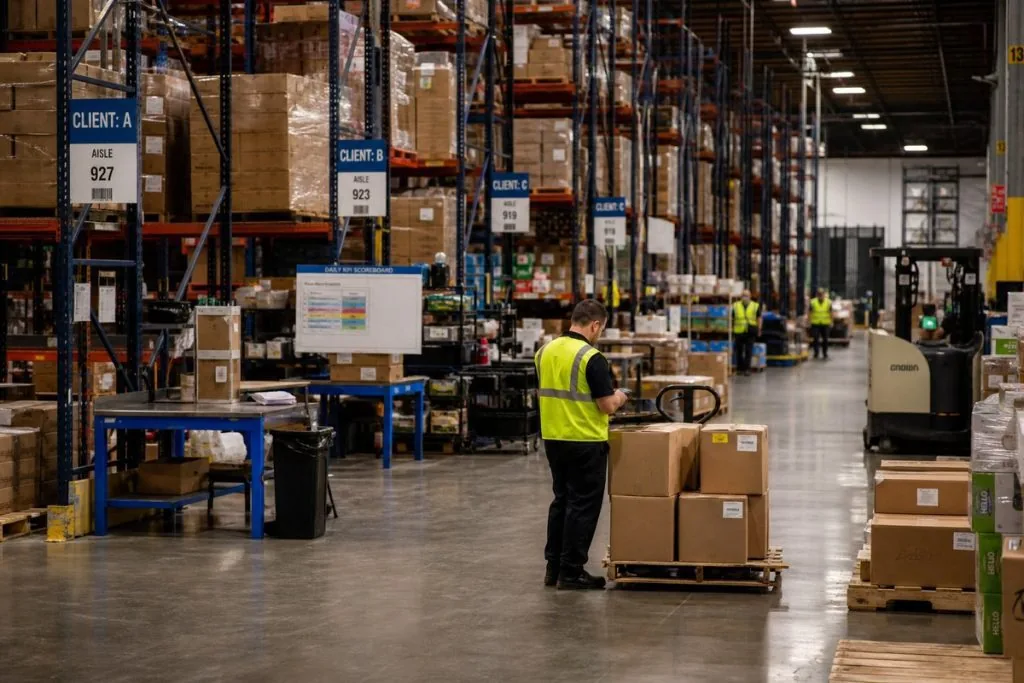 Selective Pallet RackOne pallet deep with an aisle-facing position for every load. This is the default when a warehouse carries many SKUs, needs direct access, or expects the assortment to change. It can support FIFO or LIFO practices because the operator chooses which accessible pallet to remove.
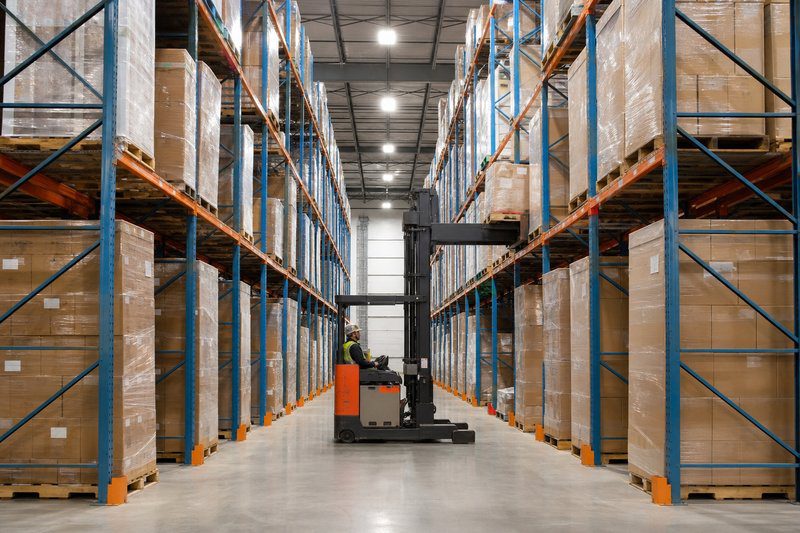 Double-Deep RackTwo pallet positions deep reduces aisle count while keeping relatively strong selectivity. It needs a reach truck with the right attachment and usually works best when each SKU has at least two pallets. Inventory at the back of a lane is not immediately accessible.
 Push-Back RackNested carts ride rails and advance stored pallets to the aisle after a front pallet is removed. This is LIFO storage: useful for multiple pallets of the same SKU where density matters but the lift truck should stay outside the rack.
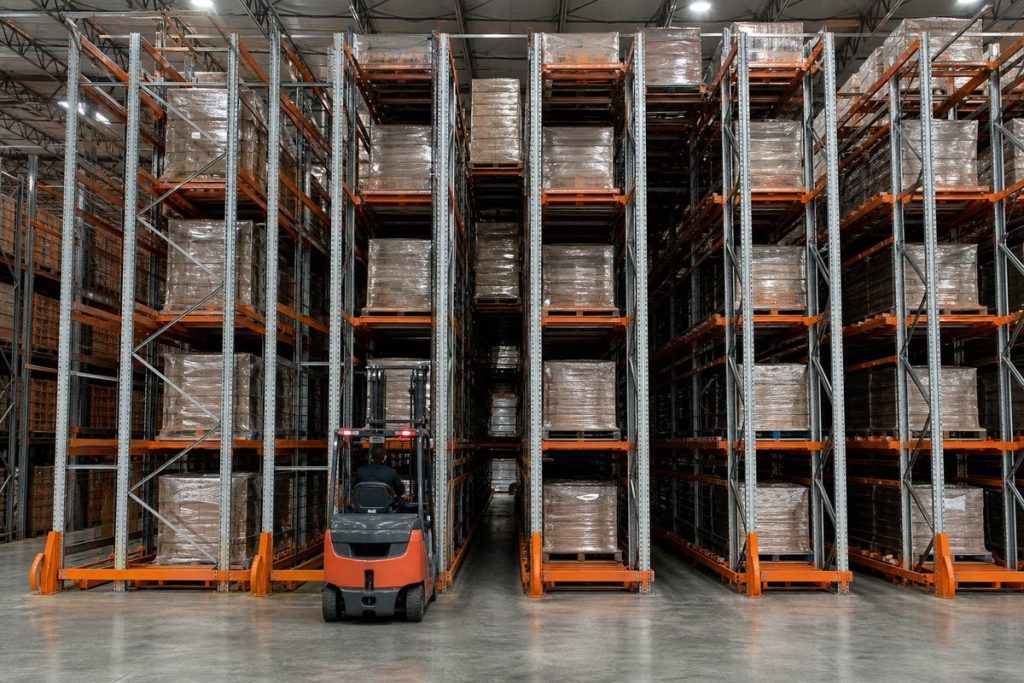 Drive-In / Drive-Through RackThe truck enters deep lanes supported by rails. Drive-in uses one face and is generally LIFO; drive-through has a loading face and a picking face for FIFO. It suits a limited number of high-volume SKUs, especially where cube is expensive.
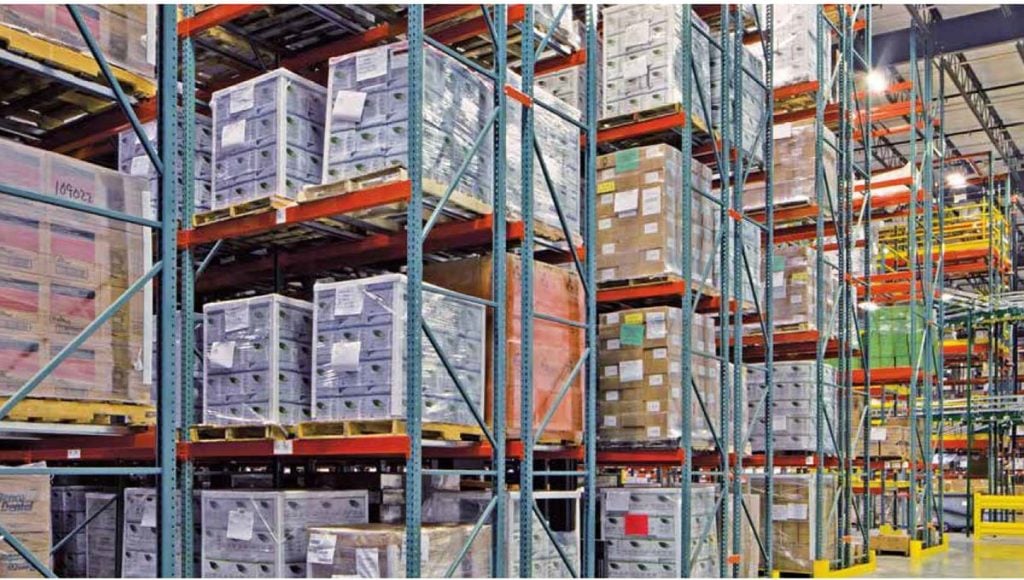 Pallet Flow RackGravity roller or wheel lanes are loaded from the high side and picked from the low side. That creates controlled FIFO rotation for dated, perishable or high-throughput inventory. It needs a real load, pallet and speed-control review—not a generic rack quote.
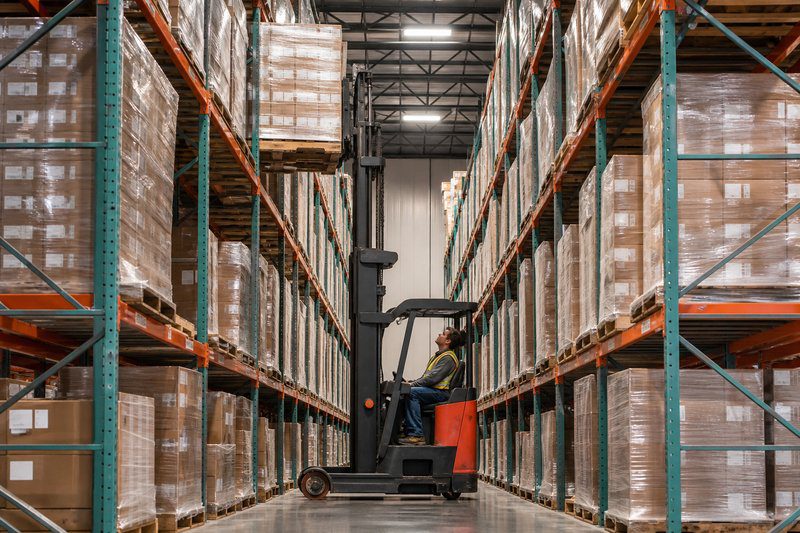 Narrow-Aisle Selective RackSelective access with less aisle width. The gain comes from designing around a specific reach or turret truck, clear height, floor condition, guide system and fire-protection layout. It is a system decision, not simply squeezing a standard aisle.
Quick pallet rack selection comparison
| If your operation looks like this… | Start with | What you gain | What to validate |
|---|---|---|---|
| Many SKUs; one to two pallets per SKU; direct access | Selective rack | Highest selectivity; flexible layout | More aisles than dense systems |
| Several pallets per SKU; lift truck can reach two deep | Double deep | Fewer aisles without deep-lane truck entry | Rear pallet is not directly accessible |
| Multiple pallets per SKU; LIFO acceptable | Push-back | Dense storage served from one aisle | Lane, cart and pallet compatibility are critical |
| Few high-volume SKUs; deep lanes make sense | Drive-in / drive-through | Very high cube efficiency | Lower selectivity; truck operates in the structure |
| FIFO rotation; dated product; high throughput | Pallet flow | Automatic gravity rotation; one pick face | Requires engineered lane and load behavior |
| Cube constrained; specialized truck available | Narrow aisle | Selective access with smaller aisles | Equipment, floor and guidance must align |
Not sure which system fits?
Send a pallet list, rough plan and a photo of the current operation. We will help identify the system types worth laying out before you invest in a detailed quote.
Request a Pallet Rack Quote Use the Pallet Rack Designer Call (800) 326-4403
Plan the layout before sizing frames and beams

1. Capture the facility constraints
Measure the clear height to the lowest obstruction, not just the roof deck. Map columns, dock doors, electrical rooms, exits, fire-protection equipment, heaters, battery charging, floor joints and pedestrian crossings. Record slab information and any known seismic or permit requirements early. These conditions affect frame height, anchoring, aisle layout and the amount of usable cube.
2. Design around the material-handling equipment
Aisle width comes from the truck, load, turning geometry and operating practice. A counterbalance truck, reach truck and turret truck do not use the same aisle. Choose or confirm the truck before committing to a narrow-aisle or double-deep layout. Also account for safe loading clearance, rack-end protection and the travel routes people use around the system.
3. Protect inventory rotation
FIFO does not mean “new pallets happen to be behind old pallets.” It means the layout and operating method give the team a controlled path to use older inventory first. Pallet flow and drive-through can support FIFO in the right application. Selective storage can support it through location discipline. Push-back and one-face drive-in are typically LIFO systems.
- Maximum pallet gross weight, dimensions and overhang direction
- Pallets per SKU today, at peak and after planned growth
- FIFO/LIFO requirement by product family—not just by department
- Truck make/model, lift height, turning requirement and attachment
- Clear height, sprinklers, columns, doors, exits and pedestrian routes
- Floor/slab information, anchorage needs, jurisdiction and design requirements
Different warehouse applications call for different rack strategies
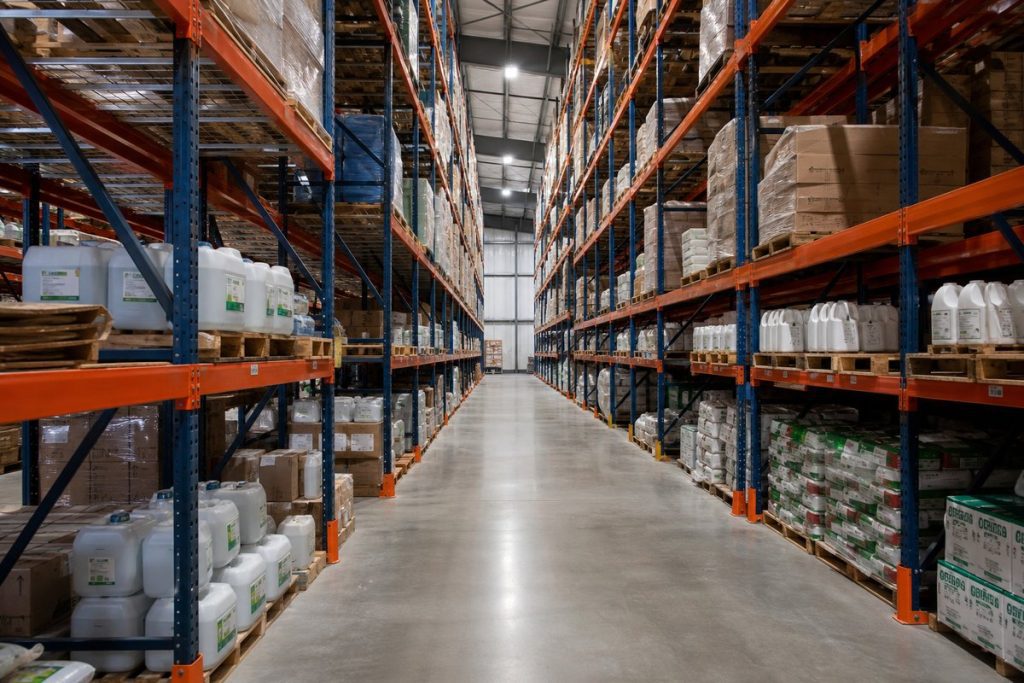 E-commerce & case pickingUse full-pallet reserve with accessible pick faces, then evaluate carton flow or a pick module where travel and replenishment demand it.
 Manufacturing & MROMatch rack to raw material, work-in-process and finished goods. Protect traffic zones and avoid turning a material buffer into a mixed, unlabelled overflow area.
 Food, beverage & cold storageDensity and rotation can have outsized value, but freezer conditions, product dates, truck use, corrosion exposure and fire protection must be planned together.
Understand the components that make a rack system work
A warehouse rack is only as dependable as the installed system. Components that look similar are not automatically compatible or equally rated.
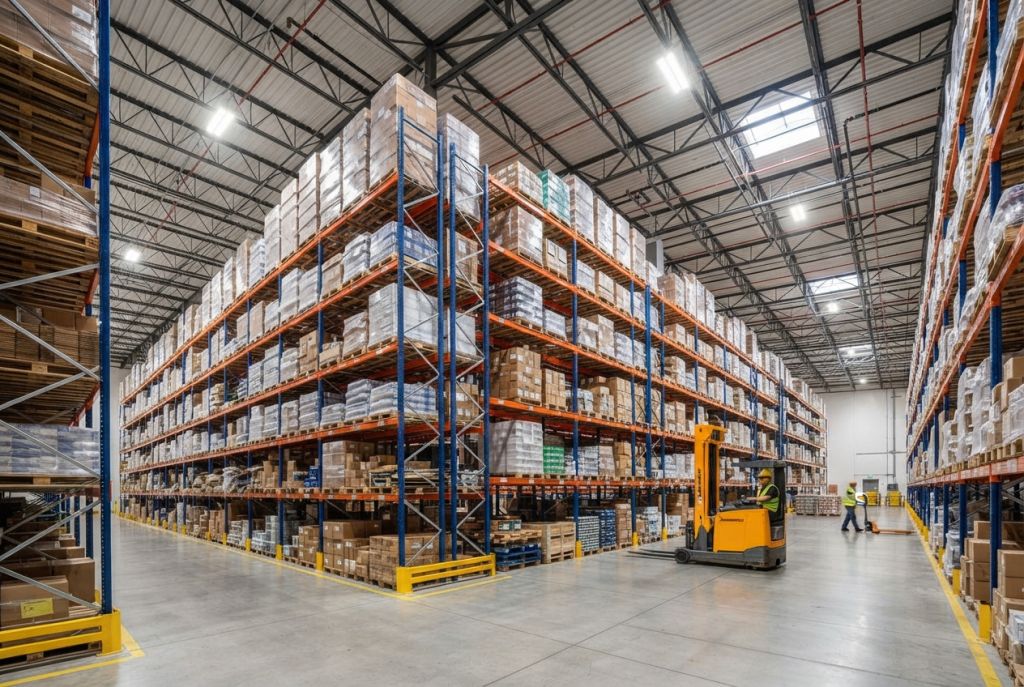 Upright FramesFrames establish rack depth and vertical load path. Frame capacity depends on the exact column, bracing, beam elevations, anchors, row ties, height and load—not simply the color or a claimed “per-frame” number.
 Beams & Safety LocksBeam span and section are selected for the pallet count, pallet weight, load placement and elevation. Connection locks or safety clips belong in every specified connector; changing a beam level can change the rated configuration.
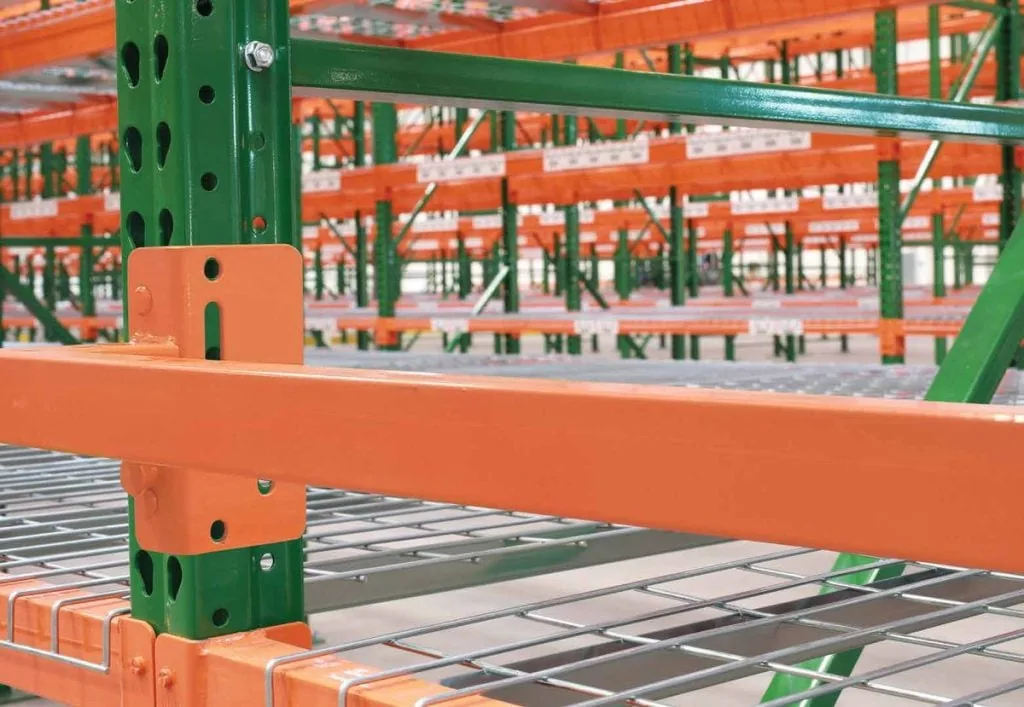 Wire Decking & SupportsWire decking can support stable pallet loads, catch small cartons and allow light and water to pass through. Deck type, support channels and rating must fit the beam step, rack depth and stored load. Loose goods often need supports or a different deck.
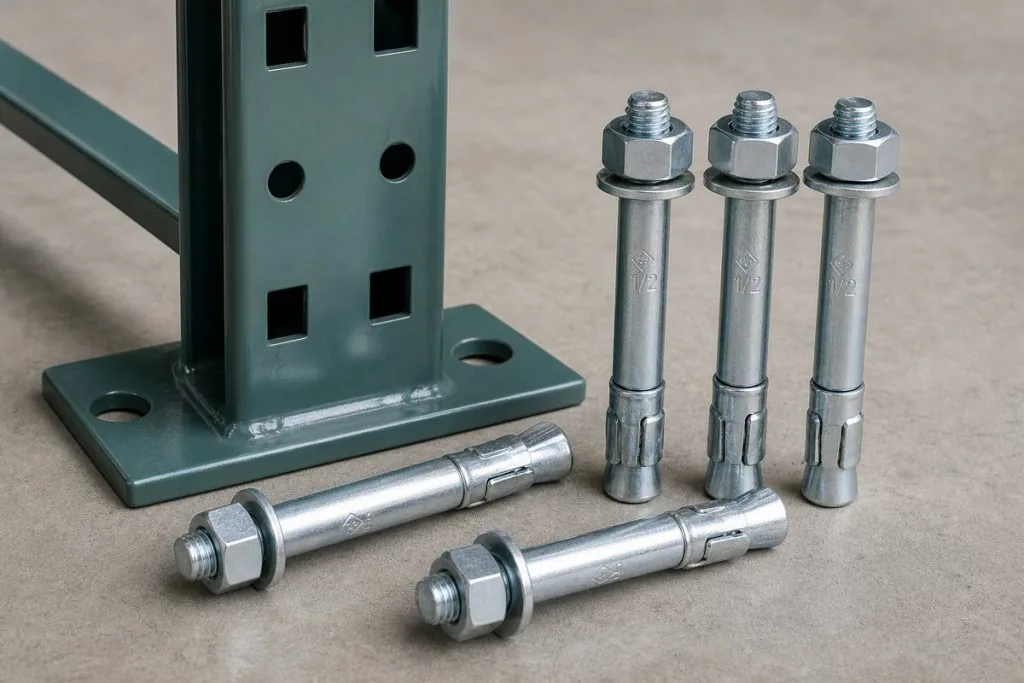 Base Plates, Anchors & ProtectionAnchors connect the designed rack system to the slab. Anchor selection, embedment, slab capacity, shims, row spacers and guards are job-specific details governed by approved drawings and the responsible design professional where required.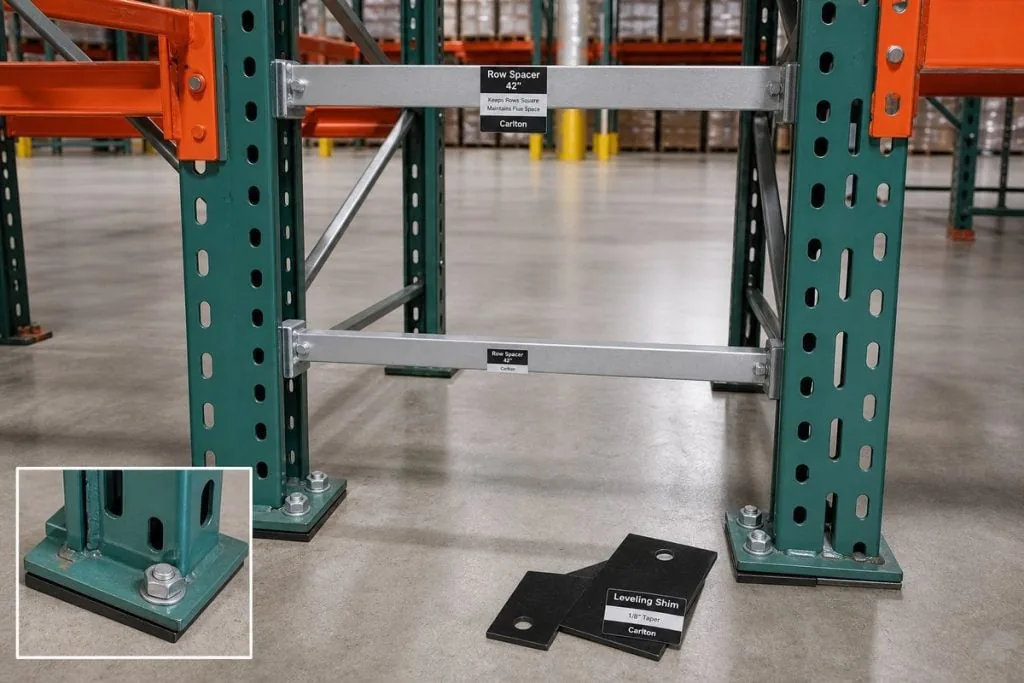
Do not mix components by appearance
It is common to inherit used rack or add on after a move. Be realistic about the cost: the savings from used rack are usually used up at installation, because parts rarely fit back together well after disassembly and the installer time to make them fit often costs more than new would have. Even with rack you already own, new is sometimes the lower total once fix-up time is counted, so a quick call to our sales team with a few pictures is worth it before you commit. Before combining components, identify the manufacturer and exact profile, inspect for damage, and verify the proposed configuration with qualified guidance. A beam may fit a frame opening visually while having the wrong connector, safety lock, capacity basis or load path.
Keep the final record set: approved layout, rack drawings, manufacturer instructions, capacity documentation, installation information and current load plaques. The Rack Manufacturers Institute explains why load plaques matter: they communicate the allowable use of the installed configuration, not an arbitrary maximum printed in a sales brochure.
Pallet rack safety is an operating practice, not an accessory list
OSHA’s materials-handling rule requires secure storage of materials and protection against hazards created by storage. RMI safety resources provide rack-specific guidance. Neither source replaces the manufacturer’s instructions, local code, an engineer’s requirements or a site-specific safety program.
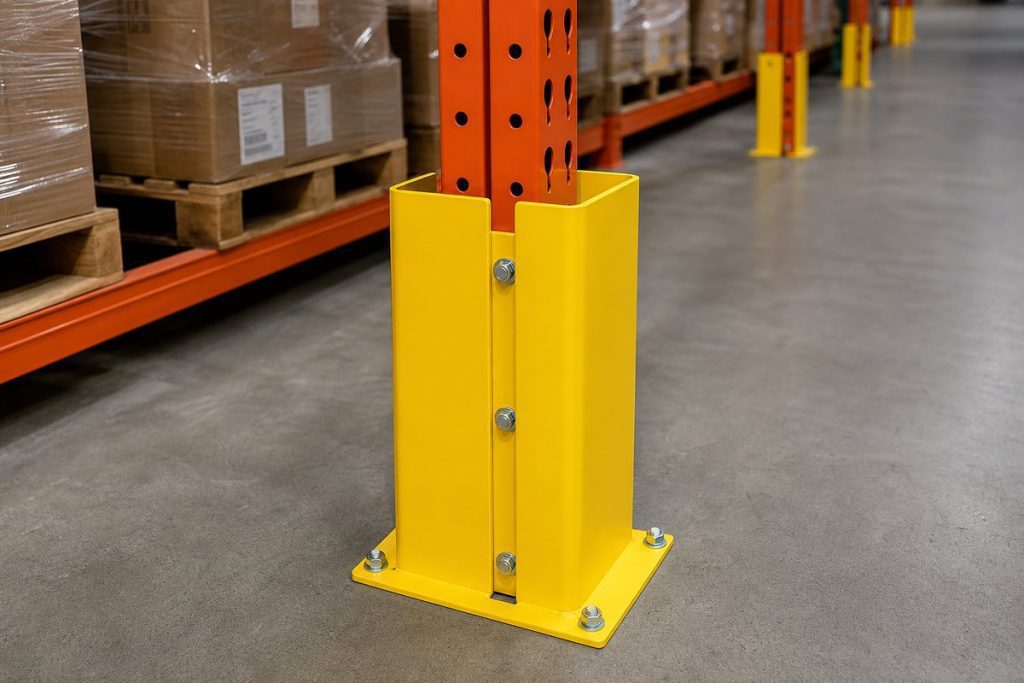 Protect the UprightsEnd-of-aisle guards, post protectors and traffic controls help prevent the forklift impacts that can damage an upright at its most consequential location. A guard supplements, not replaces, disciplined truck operation.
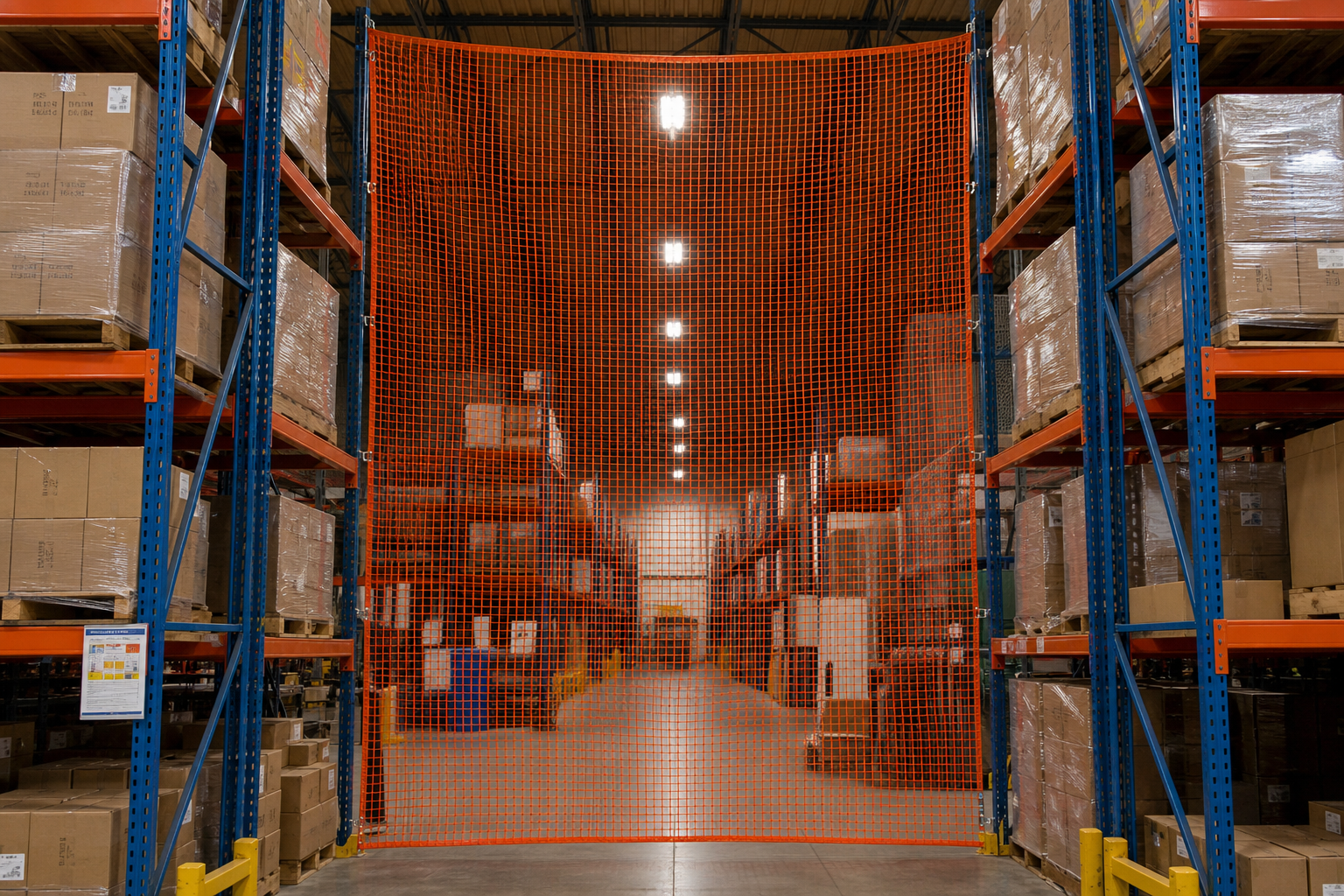 Contain Loose ProductNetting is appropriate where loose cartons or product could enter an aisle, walkway or work zone. It must be selected and installed for the actual hazard and load; it is not a substitute for stable palletization.
 Stop Rear OvertravelWire backing can keep product from being pushed through the rear of a rack row into adjacent storage or people space. Coordinate backing with flue spaces, sprinklers and the storage plan.
 Inspect, Unload, RepairDocument impacts and changes. If a component is bent, displaced or has a missing connection part, isolate the affected area and have a qualified rack professional evaluate it. Do not straighten a yielded member and assume its capacity returned.
When a rack changes, review the system
Moving beam elevations, changing pallet weights, adding decking, relocating a rack run, adding a lift truck type or expanding a building are triggers to review the layout, capacity documentation, plaques and protection—not maintenance details to postpone.
Our pallet rack planning process
Document loads
Collect pallet data, SKU quantity, required positions, rotation and growth assumptions.
Survey constraints
Confirm clear height, obstructions, equipment, traffic, slab information and code-sensitive conditions.
Compare system options
Lay out selective and appropriate dense-storage alternatives against access, rotation and operational needs.
Engineer & install
Finalize the approved system with correct components, installation details, labels and commissioning review.
Ready to turn your inventory data into a layout?
Our team will help you compare access, density and operational tradeoffs—then specify a system appropriate for the actual facility.
Get a Free Pallet Rack Quote Open the Pallet Rack Designer Call (800) 326-4403
Pallet rack selection FAQs
How do I choose between selective, push-back and drive-in pallet rack?
What information is needed for a pallet rack quote?
Can existing pallet rack be added onto or reconfigured?
Are pallet rack anchors and load plaques required?
How often should pallet rack be inspected?
What is the difference between pallet rack capacity and wire deck capacity?
Planning references used for this guide
These authoritative resources help frame the questions. Final system selection and installation documentation must be specific to the site and approved configuration.
Related pallet rack products & resources
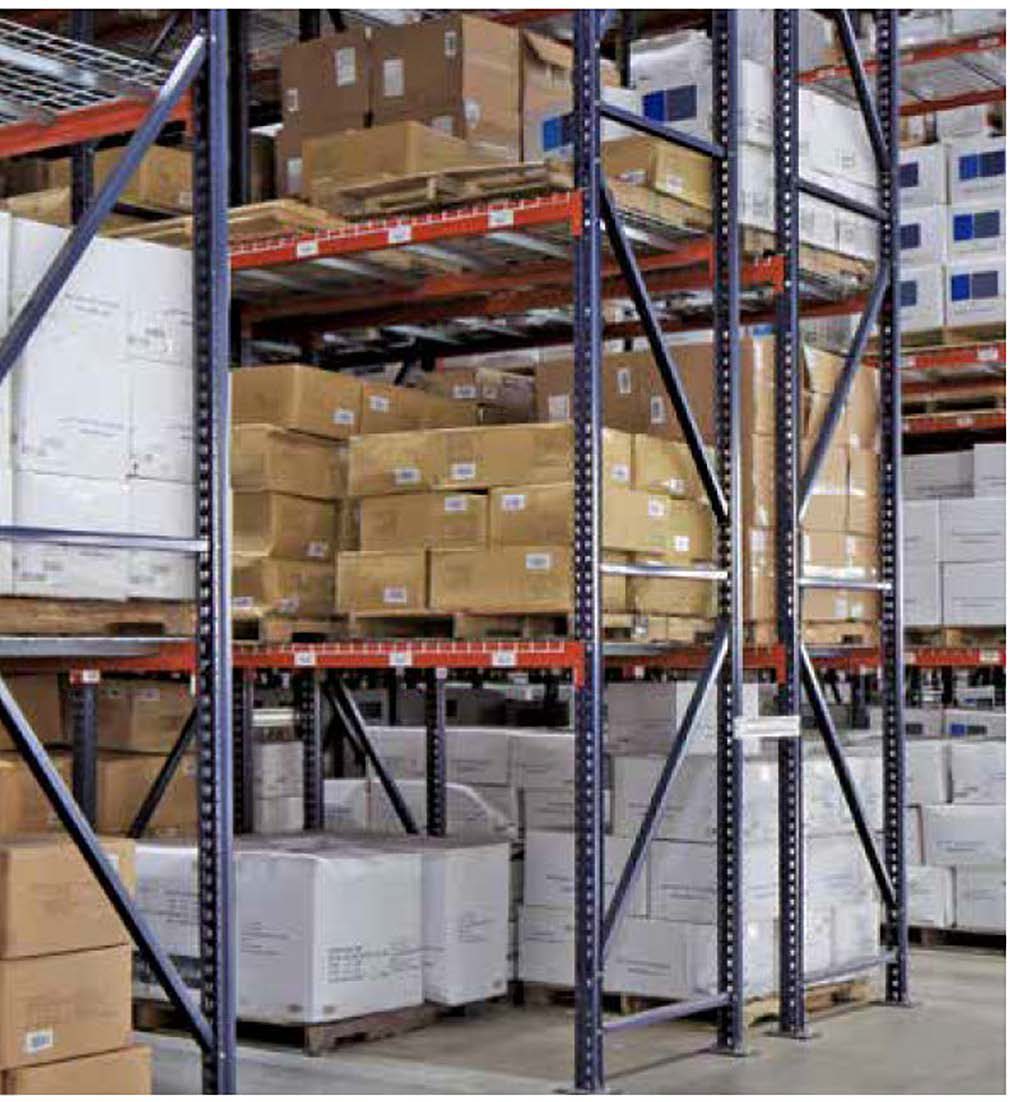 Pallet Rack SystemsExplore pallet rack system types, components, applications and installed solutions.
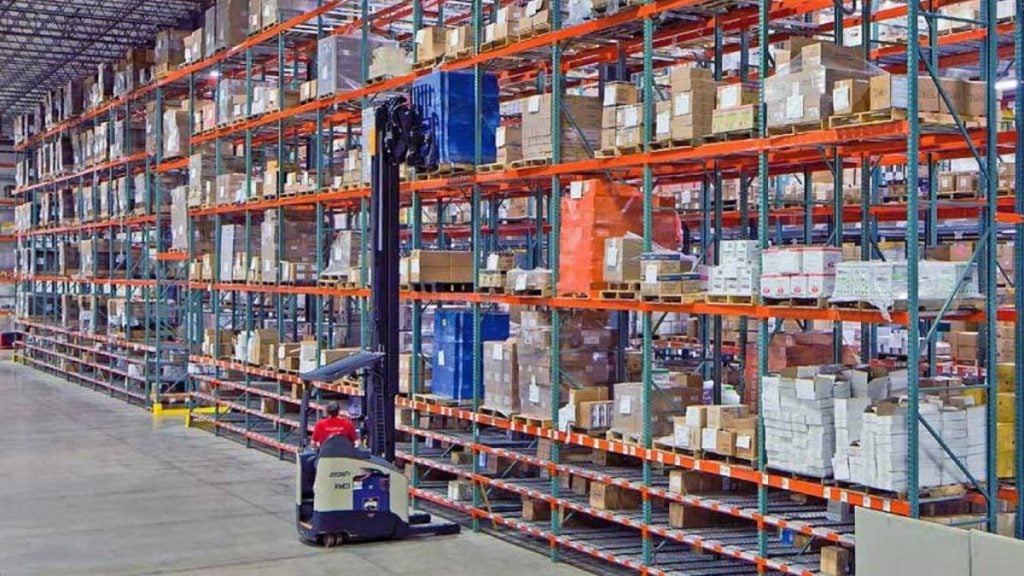 Selective Pallet RackDirect access to every pallet with flexible, widely used selective rack.
 Pallet Flow RackFIFO gravity storage for the right high-throughput inventory.
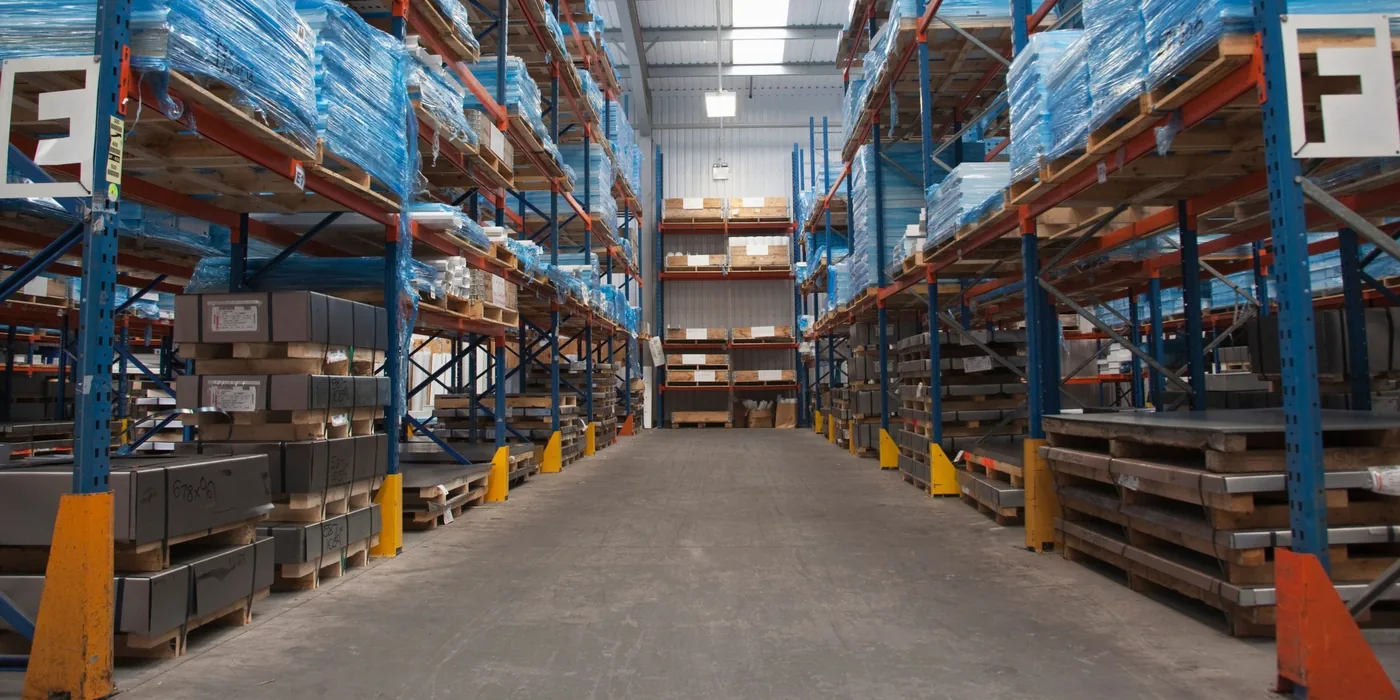 Keep Warehouse Racking SafeInspection and damage-response guidance for warehouse racking.
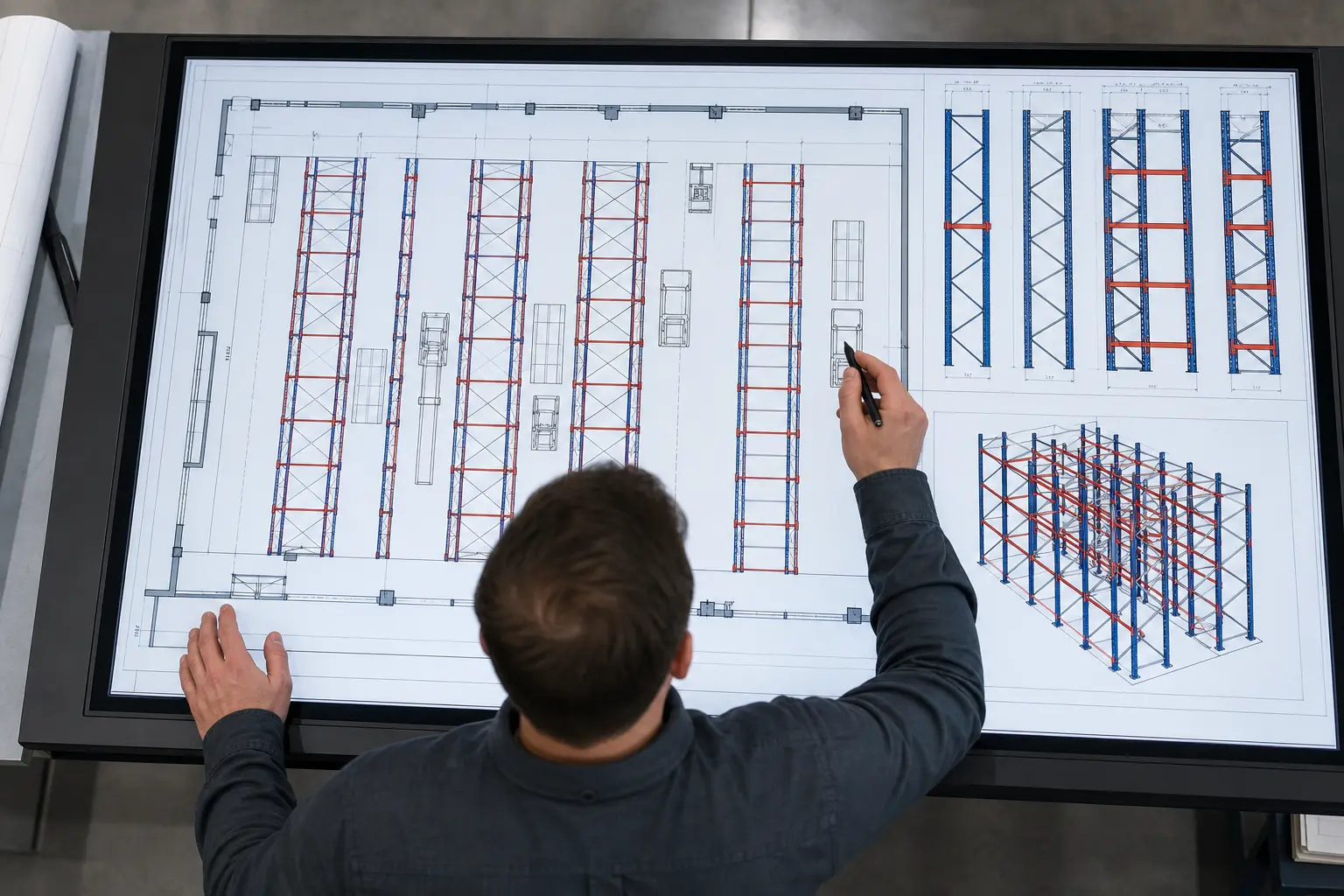 Pallet Rack DesignerStart a preliminary layout using MH-USA’s online design tool.
Get a pallet rack layout built around your warehouse
Tell us what you store, how it moves and where it has to fit. Material Handling USA will help turn those facts into a practical rack plan, installation scope and quote.
Ready to configure your pallet rack system?
Use our guided BuildQuote tool to choose the right configuration, review your parts and submit it for checkout or a formal quote.