Choosing the right storage solution is a strategic decision that enhances your property's value and tenant satisfaction. For most apartment and condo buildings, starting with a free, professional layout plan is the most effective way to balance cage count, tenant access, and overall cost, ensuring you maximize your return on investment.
Why Tenant Storage Matters for Apartments and Condos
In a competitive rental market, on-site storage is a powerful tool for attracting and retaining high quality residents. As apartment and condo units become more compact, residents actively seek properties that solve their primary challenge: a lack of space. Offering secure, accessible storage directly addresses this need. It helps residents declutter, store seasonal items, and feel more at home, making them more likely to renew their lease.
Beyond tenant satisfaction, tenant storage cages for apartments create a new revenue stream. Underused areas like basements, parking garages, or common rooms can be converted from wasted space into valuable, rentable assets. By charging a modest monthly fee, most properties recoup their initial investment quickly and establish a reliable source of income. With high demand for storage solutions, property managers who plan for these additions sooner can avoid potential installation backlogs and start generating revenue faster.

What Are Wire Partition Tenant Storage Cages?
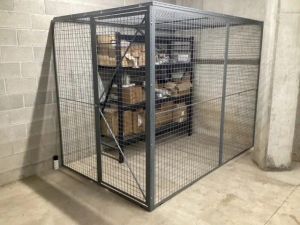
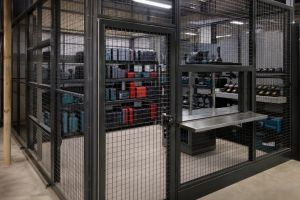
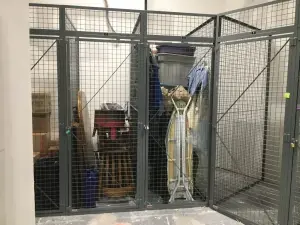
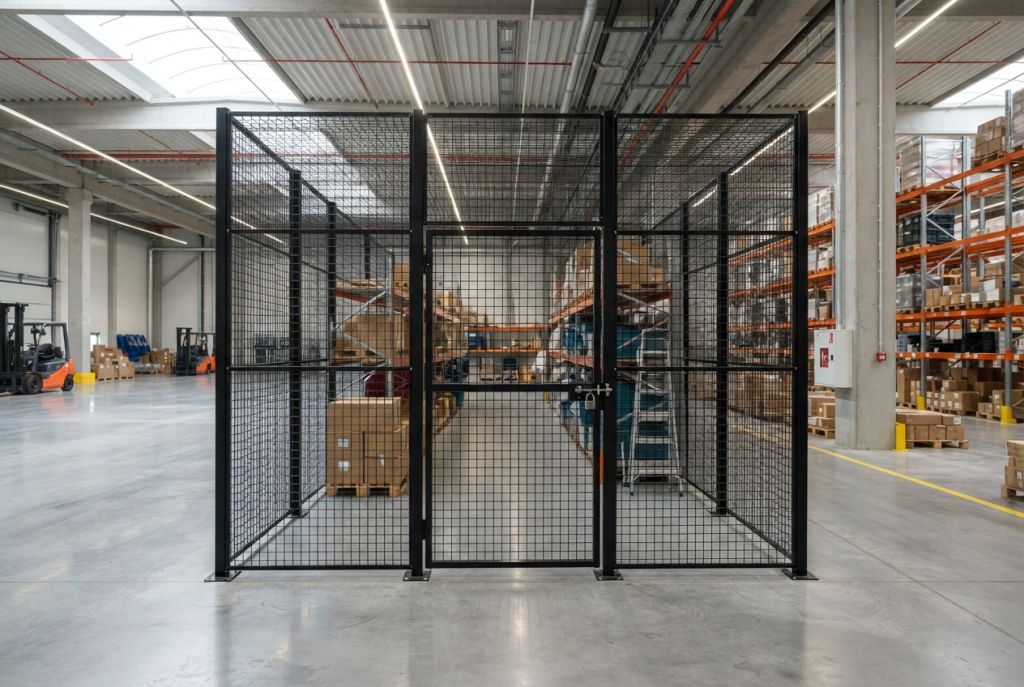
Wire partition tenant storage cages are modular, lockable enclosures made from durable wire mesh panels. They are designed to transform larger shared spaces, like basements or garages, into organized, secure, and rentable storage units for residents.
These are not simple chain link fences. Professional grade systems use heavy 10 gauge welded wire mesh, typically in a 2×2 inch grid pattern. This design is tough enough to deter theft while remaining open enough to comply with safety codes for lighting, ventilation, and fire suppression. Each panel is framed with sturdy 13 gauge steel angle, creating a rigid structure built for long term use.
The modularity of wire partitions is their key advantage. Panels come in standard sizes, allowing property managers to create custom layouts that work around building obstacles like support columns, pipes, or HVAC units. This adaptability makes them a practical and popular amenity in modern multifamily properties. For a closer look at the components, explore our security cages.
Tenant Storage Cages vs. Apartment Storage Lockers
One of the first decisions property managers face is choosing between open wire mesh cages and solid steel apartment storage lockers. While solid lockers offer complete privacy, a feature that can be a selling point in luxury condos, they also have significant drawbacks. Solid lockers block airflow, which can lead to musty odors and mold, a common issue in basement environments.

Visibility, Airflow, and Security
This is where wire partition cages excel. They provide excellent ventilation, which is crucial for preventing moisture damage to tenant belongings. The open design also allows for quick visual inspections by staff, making it easy to spot the storage of prohibited materials. From a safety perspective, the mesh design lets existing lighting, ventilation, and fire suppression systems work without expensive modifications, a major reason wire mesh is standard for most condo storage cages.
Comparison Table: Storage Options
| Storage Option | Best Use | Property Manager Benefit | Planning Notes |
|---|---|---|---|
| Wire Partition Cages | Basements, garages, shared rooms | Excellent visibility, airflow, fire code compliance | Highly flexible layouts, lower cost, fast install |
| Solid Metal Lockers | Climate controlled, high security areas | Complete tenant privacy | Blocks visibility, may need HVAC/sprinkler updates |
| Over-Hood Vehicle Lockers | Parking garages | Utilizes unused space above cars | Limited size, primarily for smaller items |
While some tenants might prefer the privacy of a solid locker, the operational advantages of wire mesh often make it the superior choice for property managers focused on safety, maintenance, and cost effectiveness.
Best Locations for Tenant Storage Areas
The most successful tenant storage projects make smart use of existing, underutilized space. The best locations are typically areas that are secure, accessible to residents, and easy for staff to monitor.
- Basements: Often the largest and most logical choice. Basements are secure and out of the way, but require careful planning around pipes, ductwork, and uneven floors.
- Parking Garages: Another excellent option. Cages can be installed in corners, against walls, or even above parking spaces with specialized over-hood lockers. The key is to maintain clear vehicle and pedestrian pathways.
- Unused Common Rooms: Vacant or underused rooms can be quickly converted into profitable storage areas. These spaces are often already well lit and climate controlled.
When evaluating a location, always consider tenant convenience. A storage area that is difficult to access will be harder to rent and may lead to lower satisfaction.
How Property Managers Can Plan Layouts
A successful tenant locker area is the result of careful planning, not just placing cages in a room. The goal is to maximize rentable units while ensuring the space is safe, accessible, and easy to manage.
The process starts with a detailed site assessment. Create a precise map of the space, noting not just the dimensions but also every permanent obstacle:
- Structural support columns
- Utility panels, meters, and shutoff valves
- Water heaters and HVAC equipment
- Overhead pipes, ductwork, and sprinkler heads
- Floor drains and sloped surfaces
These obstructions will dictate where you can and cannot place cages. Forgetting to account for them can disrupt the entire layout. Our team helps property managers by providing free layouts and designs with no obligation, turning these challenges into an efficient plan.
Security, Visibility, and Access Control Considerations
Security is a primary concern for both tenants and property managers. Wire partition cages offer a unique balance of security and visibility. The tough steel mesh is a strong physical deterrent, while the open design eliminates hiding spots and allows for easy visual monitoring by staff.
For access, the most common solution is a simple but effective padlock hasp. This allows tenants to use their own high security lock, placing the responsibility on them. However, for properties requiring more control, options like built in keyed locks or electronic access systems can be integrated. The best choice depends on your management style and security needs.

Budget and ROI Considerations for Multifamily Buildings
Adding tenant storage is an investment in your property’s financial health. The upfront cost depends on the materials, total square footage, and installation complexity. However, this investment is quickly offset by the new revenue stream it creates.
To calculate your potential return on investment (ROI), start by researching the rates for self storage units in your area. This will help you set a competitive monthly rental fee for your cages. With this information, you can build a business case showing how the system pays for itself and starts boosting your net operating income. Because we offer competitive pricing and fast shipping, you can get your project completed and generating revenue sooner.
Maintenance and Long Term Management Tips
Wire partition cages require minimal maintenance. The durable steel construction and powder coat finish resist damage and are easy to clean. Long term management is also straightforward.
- Regular Inspections: Periodically walk through the storage area to check for damage, unauthorized items, and cleanliness.
- Clear Labeling: Assign a clear numbering system to each cage to simplify assignments and record keeping.
- Access Policy: Establish a clear policy for key or lock management, especially for move ins and move outs.
A well managed storage area maintains its value and continues to be a desirable amenity for residents.
Common Mistakes to Avoid
Even a straightforward project can run into trouble. Avoiding these common mistakes will save you time, money, and operational headaches.
- Poor Space Planning: The most frequent error is designing a layout without precise site measurements. Always map every obstruction before you begin.
- Ignoring Building Codes: Storage areas must comply with fire and accessibility codes. Ensure your layout includes proper aisle widths and clear egress paths.
- Choosing the Wrong Lock System: Tenant provided padlocks are simple, but a master keyed or electronic system might offer better security and control for your property. Decide on your access strategy before ordering.
Anticipating these challenges ensures a smooth installation and a more valuable amenity for your tenants from day one.
5 Step Checklist for Choosing Tenant Storage Cages

- Measure Your Space: Get precise dimensions and map all obstructions.
- Define Your Needs: Determine the number of units you need and the ideal size.
- Prioritize Safety: Plan for code compliant aisle widths and clear exit paths.
- Request a Layout: Work with a professional to get a free, optimized layout design.
- Get a Quote: Once the layout is approved, request a detailed quote for materials and installation.
Decision Scenarios for Different Properties
- Apartments: Focus on maximizing unit count in basements or shared rooms. Standard 3'x3' or 4'x4' cages are often ideal.
- Condos: May require a mix of standard cages and larger units for owners with more belongings. Aesthetics and a clean appearance are important.
- Parking Garages: Use wall space for single row cages or consider over-hood lockers to maximize space without losing parking spots.
- Basement Storage: Ventilation is key. Wire mesh is the best choice to prevent mold and mustiness. Plan carefully around pipes and utilities.
- Mixed Use Properties: Security is paramount. Isolate residential storage from commercial areas and ensure access is controlled.
Questions to Ask Before Requesting a Tenant Storage Quote
Before you Request a Quote, having answers to these questions will help streamline the process and ensure you get an accurate proposal.
- What are the exact dimensions of the storage area (length, width, ceiling height)?
- Are there any obstacles like columns, pipes, or utility panels?
- How many storage units do you ideally want to create?
- What is the preferred size for each tenant locker?
- What type of door and locking mechanism do you need (padlock hasp, keyed lock)?
- Will the cages be freestanding or anchored to walls and floors?
Frequently Asked Questions (FAQ)
How long does installation take?
Once materials are on site, a professional crew can typically assemble a room full of tenant storage cages in just a few days. The modular design of wire partitions means minimal noise and disruption for your residents.
What security features are available?
The standard option is a heavy duty padlock hasp, allowing tenants to use their own lock. For property managers who want more control, we can integrate built in keyed locks or even electronic access systems. The wire mesh itself is a natural deterrent, as it eliminates hiding spots.
Are wire partition cages compliant with fire codes?
Yes. This is a primary reason they are the industry standard for property management storage solutions. The open mesh allows existing sprinkler systems, lighting, and ventilation to function without obstruction, meeting most building code requirements.
Can cages be customized for awkward spaces?
Absolutely. The modular system is ideal for fitting around building columns, pipes, and ductwork. Panels can be configured on site to maximize the use of irregularly shaped rooms, ensuring no rentable square footage is wasted.
What is the typical warranty?
Reputable manufacturers offer a one year warranty on materials and workmanship. Our systems are made with industrial grade steel and tough, powder coated finishes to ensure a reliable, long lasting amenity.
Can I get help with the layout?
Yes. We provide free, no obligation layout and design services. Our experts will work with you to create a plan that is safe, code compliant, and optimized to generate the most revenue from your available space.
How do I get started?
The best way to start is by calling us at (800) 326-4403 or requesting a free quote online. We can help you with everything from initial measurements and layout design to final installation.
What materials are used for tenant storage cages apartments?
Our tenant storage cages for apartments are built from high quality materials. We use 10 gauge welded steel wire mesh for the panels and 13 gauge steel angle for the frames, ensuring a durable and secure product.
Get Your Free Tenant Storage Quote Today
Adding secure tenant storage cages is one of the smartest investments you can make in your property. It boosts tenant satisfaction, increases retention, and creates a valuable new source of revenue from underutilized space. With high demand for storage and our fast shipping times, moving forward with your project sooner means you can start realizing these benefits without delay.
Our team is ready to help you plan the perfect solution for your building. We offer quality materials, competitive pricing, and free, no obligation design services to ensure your project is a success.
Ready to transform your space? Contact Us today to Request a Quote or call our experts at (800) 326-4403 to discuss your project.