Get a Project Quote
Ready to start? Provide your project details, and our team will deliver a comprehensive quote.

Home | Modular Buildings | Energy-Efficient Modular Buildings
Lower your operational costs and environmental impact with high-performance, green modular construction.
Energy consumption and environmental responsibility are major considerations for modern businesses. Traditional construction methods often result in significant material waste and buildings that are expensive to heat, cool, and operate. This approach is no longer sustainable, either for the planet or for a company’s bottom line. Energy-efficient modular construction offers a superior alternative. By combining precision factory manufacturing with green building principles, we create structures that are not only built faster but also perform better. Our process minimizes waste from the start and integrates energy-saving features directly into the design, resulting in a building that is comfortable, healthy, and economical to run. If you are considering a new facility, it is essential to ask, is modular building right for you?
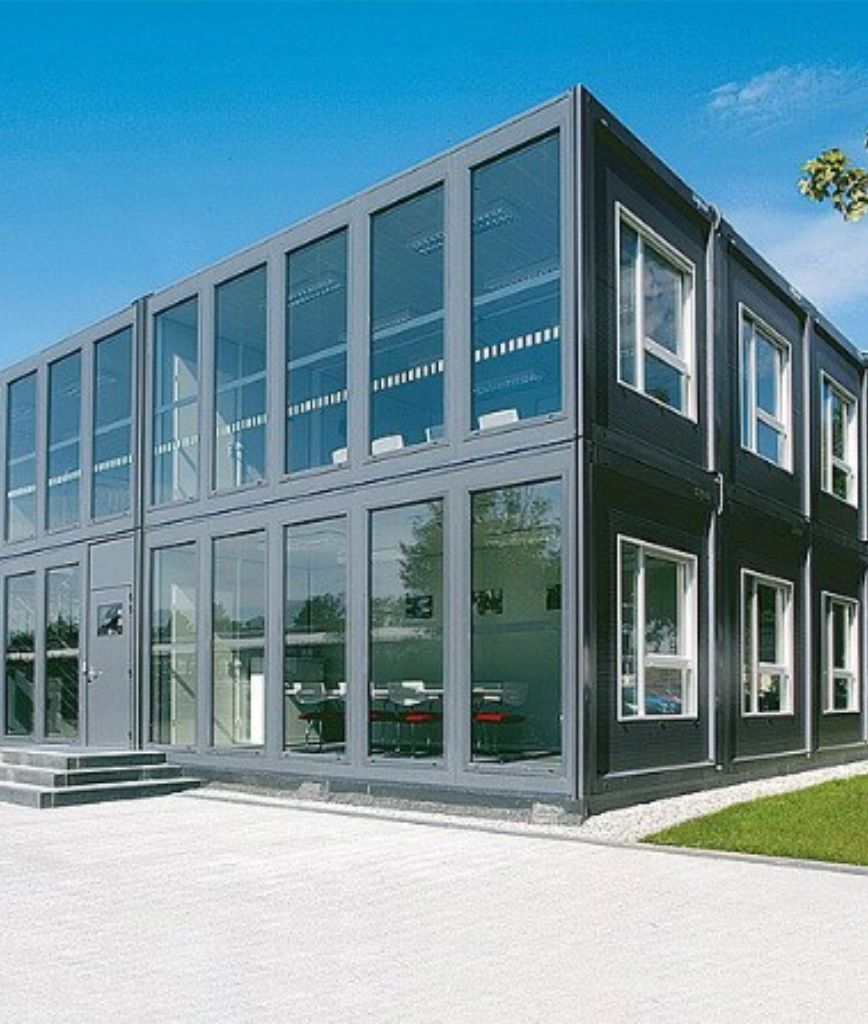
A truly energy-efficient building begins with the materials used to create it. Our commitment to sustainability starts in the factory, where we prioritize the use of eco-conscious and high-performance materials. By carefully selecting each component, we ensure your building is not only durable and code-compliant but also environmentally responsible.
The factory-controlled environment allows for precise material management, drastically reducing the waste common on conventional construction sites. We optimize every cut of lumber and every piece of steel, and we recycle excess materials whenever possible. Key components of our green material strategy include using recycled steel for structural framing, incorporating insulation made from recycled content, and selecting interior finishes like low-VOC (volatile organic compound) paints and formaldehyde-free cabinetry. These choices contribute to a healthier indoor air quality for occupants and reduce the building’s overall environmental footprint. This efficient and responsible approach is a major factor in why modular building sales are on the rise.
Ready to start? Provide your project details, and our team will deliver a comprehensive quote.
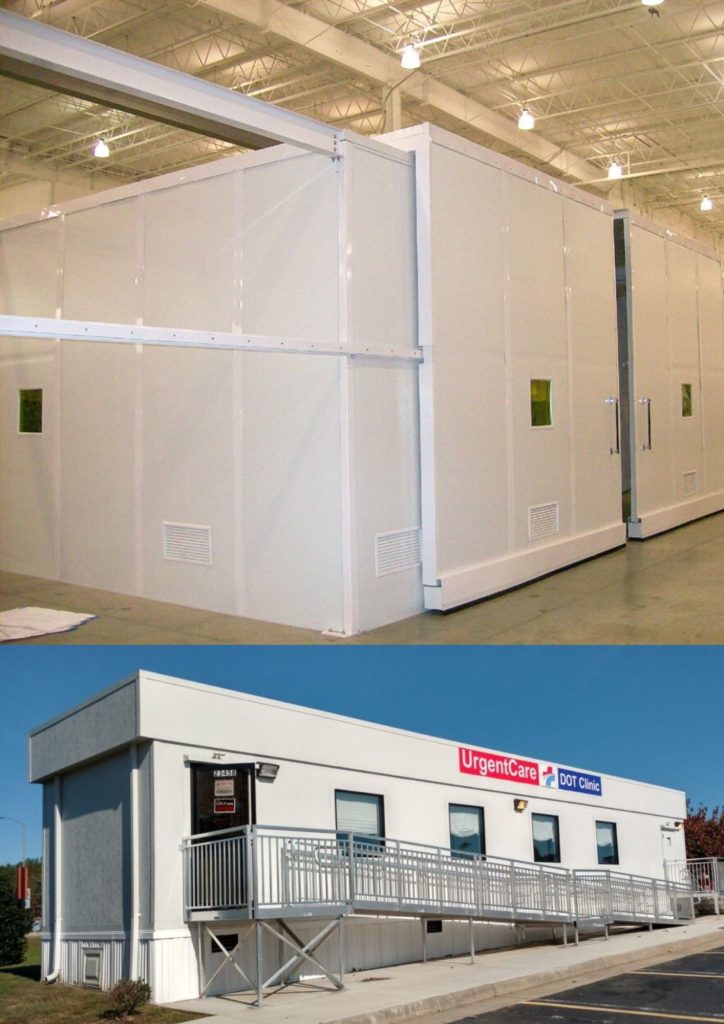
Our modular buildings are designed as high-performance systems where every component works together to minimize energy use. The precision of factory construction allows us to create an exceptionally tight building envelope, which is the foundation of energy efficiency. By minimizing air leakage, we reduce the load on heating and cooling systems, leading to significant energy savings over the life of the building.
We integrate a range of energy-saving features into our standard designs. This includes high-performance windows with low-E coatings, continuous insulation that eliminates thermal bridging, and energy-efficient HVAC systems correctly sized for the building’s needs. We also specify ENERGY STAR-rated appliances and LED lighting to further reduce electricity consumption. From a simple modular shipping & receiving office to complex modular towers, every structure is optimized for performance. Our dedication to quality, as seen in projects demonstrating modular cleanroom excellence with PortaFab, applies to our energy-efficient designs as well.
Beyond materials and systems, we employ smart design strategies to enhance sustainability. Our design process can incorporate passive design principles, such as orienting the building to take advantage of natural light and ventilation, which reduces the need for artificial lighting and mechanical cooling. We can also design roofs to be “solar-ready,” making it simple and cost-effective to add photovoltaic panels in the future.
Water conservation is another key aspect of our eco-conscious approach. We can equip our buildings with low-flow plumbing fixtures, such as toilets and faucets, to reduce water consumption. For larger projects, we can integrate rainwater harvesting systems for irrigation and other non-potable uses. These design choices apply to all our projects, from standard modular offices to specialized facilities like a lactation pod or a modular building on a navy barge. Our work across the country, including modular buildings in Utah, showcases our ability to adapt these green principles to any climate or location.
Have questions? Schedule a no-obligation consultation with a modular construction expert.
Choosing an energy-efficient modular building provides tangible returns for your business and the environment. The advantages extend far beyond a simple “green” label.
The most immediate benefit is a significant reduction in monthly utility bills. An energy-efficient building consumes less electricity, gas, and water, leading to substantial cost savings over its lifespan.
By using low-VOC materials and ensuring superior indoor air quality, our buildings create healthier environments for employees, students, or patients, which can lead to increased productivity and well-being.
A commitment to sustainability is a powerful statement. An energy-efficient building demonstrates your organization's dedication to environmental responsibility, which can enhance your reputation with customers, partners, and the community.
Building to high-performance standards today ensures your asset will remain valuable and compliant as energy codes become more stringent. This is true for all our structures, from a modular office with a storage roof to a modular building on top of a mezzanine for an Air Force base.
While there can be a modest initial investment for high-performance components, these costs are often offset by a faster construction timeline. Furthermore, the long-term savings on utility bills provide a rapid return on investment, making them more cost-effective over the life of the building.
Yes. Modular construction is well-suited for achieving LEED (Leadership in Energy and Environmental Design) certification. The process inherently supports key LEED categories, such as sustainable sites, material and resource management, and indoor environmental quality. We can design your project to meet the specific requirements for any level of LEED certification.
The quality is often superior. The factory-controlled setting allows for more precise construction and tighter tolerances than is possible on a conventional job site. This results in a better-sealed building envelope and more consistent quality, which are critical for energy performance. Our work on a modular clean room in Utah is an example of our commitment to precision.
Our buildings are constructed as permanent structures and have a lifespan equivalent to conventional construction, often 50 years or more. They are built with high-quality, durable materials to meet all the same building codes.
Absolutely. We apply green building principles to all types of projects, from single modular clean rooms to large-scale corporate offices. The strategies are scalable and adaptable to any building size or function.