Get a Project Quote
Ready to start? Provide your project details, and our team will deliver a comprehensive quote.

We design adaptable, multi-client layouts that allow for rapid onboarding, segregated inventory, and scalable operations.
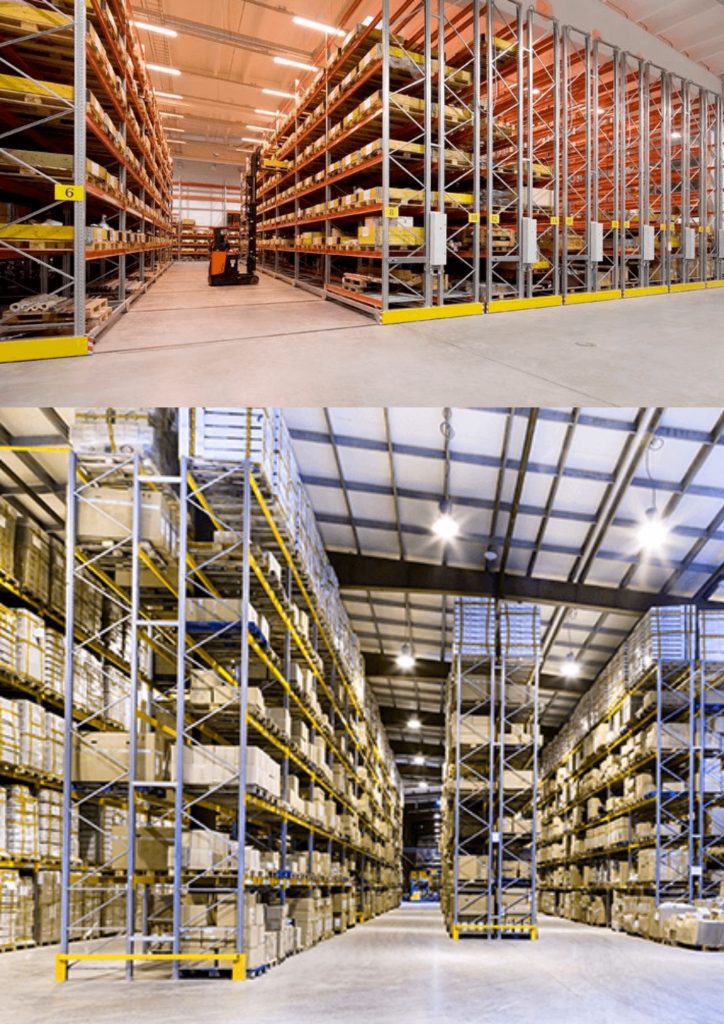
The world of third-party logistics (3PL) is defined by one word: variability. Unlike a warehouse dedicated to a single company, a 3PL facility must be a master of adaptation. You serve a diverse portfolio of clients, each with unique inventory profiles, fulfillment requirements, and seasonal peaks. Your success—and profitability—depends on your ability to seamlessly onboard new clients, scale operations up or down on demand, and manage multiple, distinct workflows under one roof without sacrificing efficiency.
A generic warehouse layout is a critical liability in this environment. A rigid design creates operational friction, making it slow and costly to accommodate new business or adjust to a client’s changing needs. It leads to commingled inventory, inefficient use of space, and an inability to offer the value-added services that differentiate you from the competition. To thrive, a 3PL needs more than just space; it needs a dynamic physical infrastructure that is as flexible as its business model.
We specialize in designing intelligent warehouse layouts specifically for the 3PL industry. We create flexible, scalable, and modular environments that empower you to say “yes” to new opportunities. Our designs focus on creating a foundational infrastructure that allows you to reconfigure spaces, segregate client inventory, and scale resources quickly, transforming your facility into your most powerful sales tool.
Ready to start? Provide your project details, and our team will deliver a comprehensive quote.

The core challenge for any 3PL is managing the inventory and processes of multiple clients simultaneously and securely. A successful 3PL design is built on the principle of modularity, allowing you to create distinct, self-contained operational zones for each client while still sharing core infrastructure like docks and conveyance.
This starts with creating segregated storage areas. Using a combination of physical barriers like warehouse netting solutions or secure caging and logical zoning within your WMS, you can ensure each client’s inventory is kept separate and secure. The choice of storage media is also critical for flexibility. A successful 3PL design incorporates a variety of systems—from bulk pallet racking for one client to high-density tailored shelving for another’s e-commerce operation. This ability to select the right pallet rack for each client’s specific needs is a cornerstone of efficient, multi-tenant warehouse optimization.
Furthermore, workflows must be adaptable. A well-designed facility includes flexible pick-and-pack zones that can be quickly reconfigured to handle different product types and order profiles. This modular approach, detailed in our step-by-step guide to designing an efficient warehouse layout, ensures that you can meet the unique Service Level Agreement (SLA) of each client without compromising the efficiency of others.

Have questions? Schedule a no-obligation consultation with a modular construction expert.

In the 3PL industry, speed to revenue is critical. The faster you can onboard a new client, the faster you can start generating income. Your warehouse design can be either a bottleneck or an accelerator in this process. A scalable design anticipates growth and change, making the onboarding process a simple matter of configuration rather than a major construction project.
Scalability is engineered into the facility’s infrastructure. This includes designing utility drops (power, data) on a grid system, allowing you to easily set up new workstations or automation anywhere in the facility. It means using modular racking and shelving systems that can be easily moved, expanded, or adjusted as a client’s inventory grows or changes. A full warehouse design solution for a 3PL prioritizes this ability to adapt over rigid, fixed layouts.
This forward-thinking approach also applies to technology. The layout should be designed to accommodate future automation, such as Automated Storage and Retrieval Systems (ASRS), even if it’s not part of the day-one plan. By planning for clear travel paths for robotics and sufficient floor loading capacity, you ensure your facility is ready to evolve. This makes your investment worthy for the long term and allows you to offer advanced services like warehouse automation for next-day delivery.
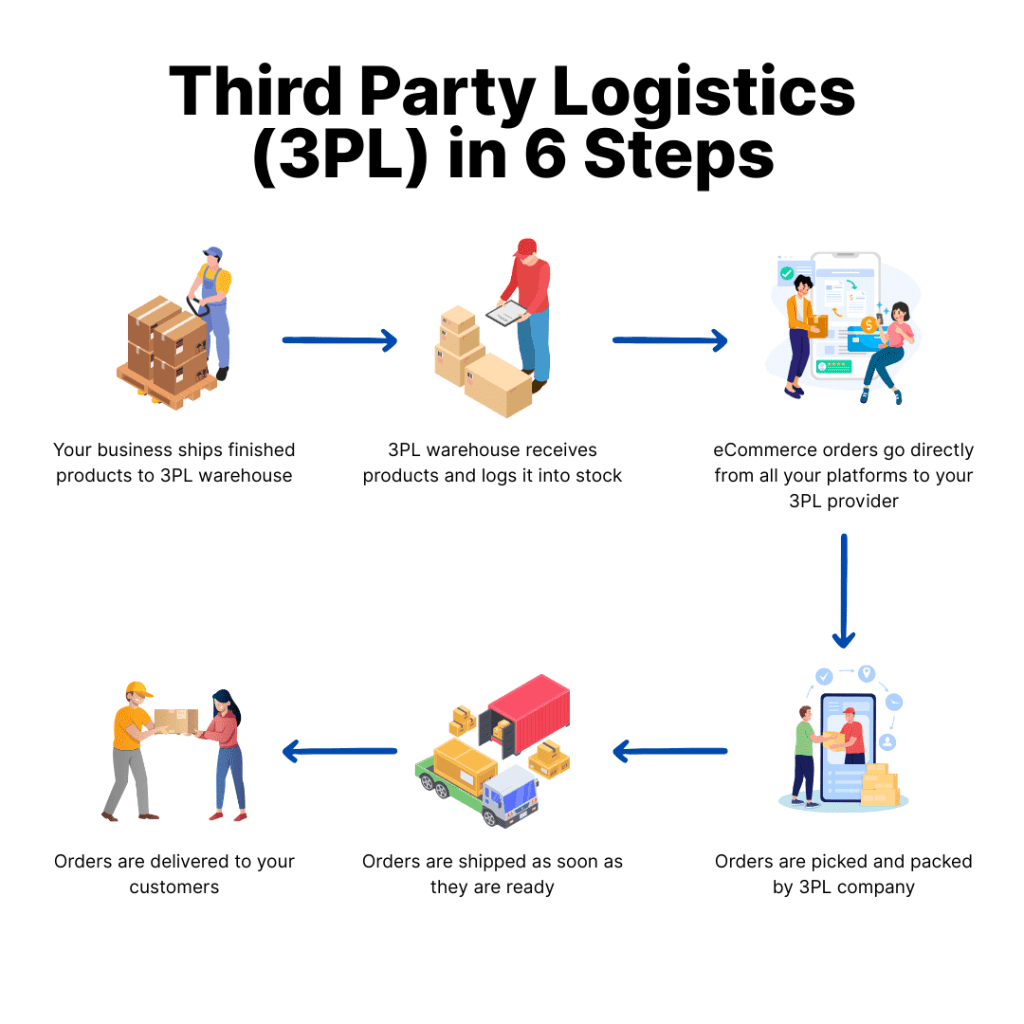
Whether you need to outfit a new facility or upgrade your existing storage, we can provide a competitive quote for high-quality racking and shelving solutions.

The most profitable 3PLs do more than just store and ship. They offer a range of value-added services (VAS), such as kitting, assembly, returns processing (reverse logistics), and custom labeling. The ability to efficiently perform these tasks is directly dependent on the warehouse layout. A facility designed with VAS in mind becomes a significant competitive differentiator.
This requires dedicating flexible, well-equipped space for these activities. A smart design includes dedicated VAS zones located strategically within the workflow to minimize product handling and travel. For example, a returns processing area should be located near the receiving docks, while a kitting station might be positioned just before the packing and shipping area. These zones need proper lighting, ergonomic workstations, and access to power and data to improve warehouse safety and productivity.
By treating VAS as a core operational component, not an afterthought, you create a facility that can generate multiple revenue streams. The layout becomes a vital tool for warehouse organization and safety, enabling you to offer complex, high-margin services with the same efficiency and control as your core fulfillment operations.
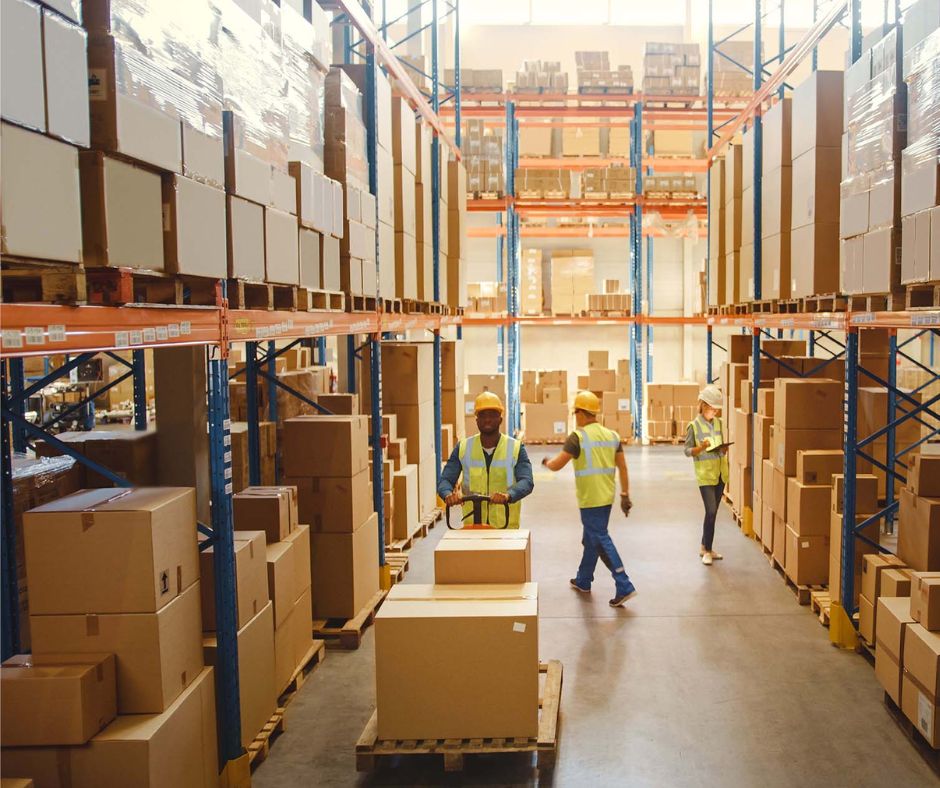
Learn more about how we design and implement the physical infrastructure required to support advanced warehouse automation.
Investing in a warehouse designed for the unique demands of third-party logistics provides a powerful foundation for growth and profitability.
A modular, flexible design allows you to set up new client operations in days, not weeks, accelerating your time to revenue.
The ability to scale and adapt to your clients' changing needs demonstrates your value as a long-term strategic partner.
Segregated workflows and optimized layouts for each client reduce errors, improve labor productivity, and lower your overall cost to serve.
A mix of storage solutions tailored to a diverse client base ensures you are using every square foot of your facility effectively.
We focus on creating a flexible “vanilla box.” This means installing a versatile base infrastructure—like a grid-based utility layout and standard pallet racking—that can be quickly and inexpensively customized with specialized storage or workstations as you onboard clients.
Yes. This is a common 3PL requirement. We design hybrid facilities with distinct zones and workflows optimized for each type of fulfillment, often sharing common receiving and shipping areas.
Safety is paramount. We design clear traffic flows, ensure all systems meet or exceed standards for keeping warehouse racking safe, and implement robust warehouse fire safety protocols that protect the entire facility, regardless of client activity.
Our warehouse design and layout services focus on creating a diverse storage environment. We’ll specify a mix of storage media, from high-density shelving for small items to cantilever or pallet racking for larger goods like pool and hot tub supplies.
A custom design is an investment in efficiency and scalability. We can help you build the business case by demonstrating the ROI through reduced labor costs, faster client onboarding, higher space utilization, and the ability to offer profitable value-added services.