Automotive Parts Room Organization: Layout, Storage & Workflow Tips
A well-organized parts room is the engine that drives a profitable service department. When technicians can find the right part in 30 seconds instead of 5 minutes, every repair order moves faster, and customer satisfaction goes up.
We’ve designed parts rooms for dealerships, fleet maintenance facilities, and independent shops across the country. Here are the strategies that consistently deliver the biggest improvements in efficiency and space utilization.
The 5 Principles of Parts Room Organization
1. Organize by Velocity, Not Part Number
The most common mistake is organizing everything alphabetically or by part number. Instead, group parts by how frequently they move:
- A-movers (top 20%): Place at waist height, closest to the counter. These are your filters, brake pads, rotors, and belts.
- B-movers (middle 30%): Standard shelving, accessible but not prime real estate.
- C-movers (bottom 50%): High shelves, back wall, or mezzanine storage. Slow-moving but still needed.
2. Right-Size Your Shelving
One-size-fits-all shelving wastes space. Use different systems for different part types: For the small-parts half of that mix, see our guide to modular drawer cabinets for automotive parts rooms.
- Small parts bins: Bin shelving or drawer cabinets for O-rings, clips, and fasteners
- Standard parts: Adjustable steel shelving with 12″–24″ depth
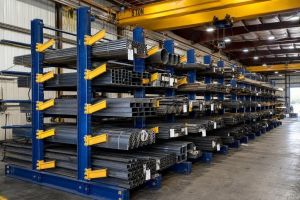
- Bulky items: Wide-span shelving or pallet rack for bumpers, hoods, and large assemblies
- Tires: Tire racks or cantilever arms
3. Create Clear Zones
Every parts room should have distinct zones:
- Receiving zone: Where deliveries are checked in and sorted
- Active storage: Fastand medium movers on accessible shelving
- Bulk/overflow storage: Slow moversand backup stock
- Return staging: Parts waiting for return to suppliers
- Counter/window: Where technicians pick up parts
4. Label Everything
Every bin location needs a label — not a handwritten sticker, but a printed barcode label tied to your DMS or inventory system. When a part is scanned in, the system tells the stockperson exactly where to put it. When a tech needs it, the system tells the counter person exactly where to find it.
5. Maximize Vertical Space
Most parts rooms have 12–16 feet of clear height but only use the bottom 6 feet. Add:
- Taller shelving with rolling ladders or pick steps
- Catwalk or mezzanine systems for a second level
- Mobile shelving to eliminate wasted aisle space
Recommended Storage Systems by Part Type
| Part Type | Recommended System | Why |
|---|---|---|
| Filters, belts, pads | Bin shelving, drawer cabinets | Small, high-velocity, need dense storage |
| Rotors, calipers, pumps | Adjustable steel shelving | Medium size, need adjustable shelf heights |
| Bumpers, hoods, fenders | Cantilever rack, wide-span | Oversized, need open front access |
| Tires | Tire racks, pallet rack | Heavy, stackable, seasonal volume swings |
| Fluids | Heavy-duty shelving, spill containment | Heavy, require containment trays |
For a complete automotive storage layout consultation, visit our automotive parts room design page.
Frequently Asked Questions
How do I make my parts room more efficient?
Start with velocity-based organization (A-B-C analysis), then right-size your shelving, add proper labeling, and maximize vertical space. These four changes typically improve pick times by 40%+.
What’s the best shelving for auto parts?
Adjustable steel shelving with a mix of open shelvesand bin fronts works for 70% of automotive parts. Add drawer cabinets for small itemsand cantilever/wide-span for oversized parts.
How much does a parts room renovation cost?
A full parts room renovation including shelving, labeling, and layout redesign typically costs $20,000–$80,000 depending on size. Most dealerships see ROI within 12 months through improved efficiency.
Free Parts Room Assessment
We’ll evaluate your current parts room layout and provide a detailed improvement plan with shelving recommendations, layout drawings, and pricing.
Request a free parts room assessment → or call (801) 328-8788.
Who This Is For
Our automotive parts room organization tips solutions are designed for:
- Warehouse managersand operations directors
- Facility plannersand engineers
- Property managers
- Government facility coordinators
- Manufacturing plant managers
- Distribution center operators
Common Applications
Warehouse & Distribution
Optimize storage capacity and material flow with automotive parts room organization tips.
Manufacturing
Improve organization and efficiency with industrial-grade automotive parts room organization tips.
Government & Military
Meet security and compliance requirements with certified automotive parts room organization tips solutions.
Common Applications
- Optimizing dealership parts department inventory storage for faster technician retrieval
- Implementing high-density shelving systems for automotive gasket and seal organization
- Designing ergonomic workflow layouts for heavy automotive component storage areas
- Organizing small hardware and fastener bins for efficient parts counter service
- Creating dedicated storage zones for oversized automotive body panelsand bumpers
- Streamlining inventory management for automotive repair shop fluid and chemical storage
- Utilizing vertical space for efficient tire and wheel assembly storage racks
- Improving parts room safety with organized heavy-duty automotive shelving units
- Standardizing bin labeling systems for rapid automotive part identification and picking
Why Choose Material Handling USA?
Expert Guidance
Our team helps you choose the right products for your application, facility, and budget. We work with you from planning through installation.
Trusted Brands
We partner with leading manufacturers to offer high-quality, durable products backed by real warrantiesand factory support.
Nationwide Service
Based in Utah with service across the U.S. We handle quoting, project coordination, delivery, and installation support.
Free Quotes
Request a no-obligation quote for any project. We provide layout assistance, product recommendations, and competitive pricing.
Ready to Get Started?
Material Handling USA can help you find the right products for your facility. Get a free quote and expert guidance.
Or call 1-800-326-4403
Maximizing Vertical Space and High Density Storage Solutions
One of the most effective ways to improve parts room efficiency involves maximizing vertical space through high density storage systems. By utilizing the full height of a facility, managers can often double their storage capacity without expanding the building footprint. These systems can be configured for various ceiling heightsand floor loads, allowing for a more organized inventory of bulky items like exhaust components or body panels. Implementing modular shelving units typically reduces the time spent searching for items, as parts are stored in a logical, tiered manner that remains accessible to staff.
Workflow optimization relies heavily on the strategic placement of high demand inventory within the primary work zone. Parts that are frequently requested, such as oil filters, brake pads, and common gaskets, should be stored at waist height to minimize bending or reaching. This ergonomic approach can be achieved through adjustable shelving and bin systems that adapt to changing inventory levels. When the layout prioritizes the most active SKUs, the overall speed of the service department improves, leading to higher throughput and more consistent repair timelines for customers.
Specialized storage solutions are often necessary for automotive components that do not fit standard shelving profiles. Options may include dedicated racks for tires, vertical storage for windshields, and heavy duty drawers for small hardware or specialized tools. These tailored solutions help prevent damage to sensitive inventory while ensuring that every square foot of the parts room serves a specific purpose. By integrating these specialized units into a cohesive floor plan, facility managers can maintain a professional environment that supports both safety and long term operational growth.
- Modular shelving units that can be adjusted as inventory needs evolve over time
- High density drawer systems for organized storage of small fastenersand electrical components
- Specialized racks designed for the safe handling of tiresand large body panels
- Ergonomic layouts that place high velocity parts in easily accessible locations to reduce retrieval time
- Durable construction materials that typically withstand the rigors of a busy service environment
Online Store
Shop at MaterialHandling-USA.com
Organize your parts room with bins, labels, shelving, and more:
Bins & Totes
Shipping Labels & Tags
Work Tables & Workbenches
Storage Cabinets
Shop parts room supplies →