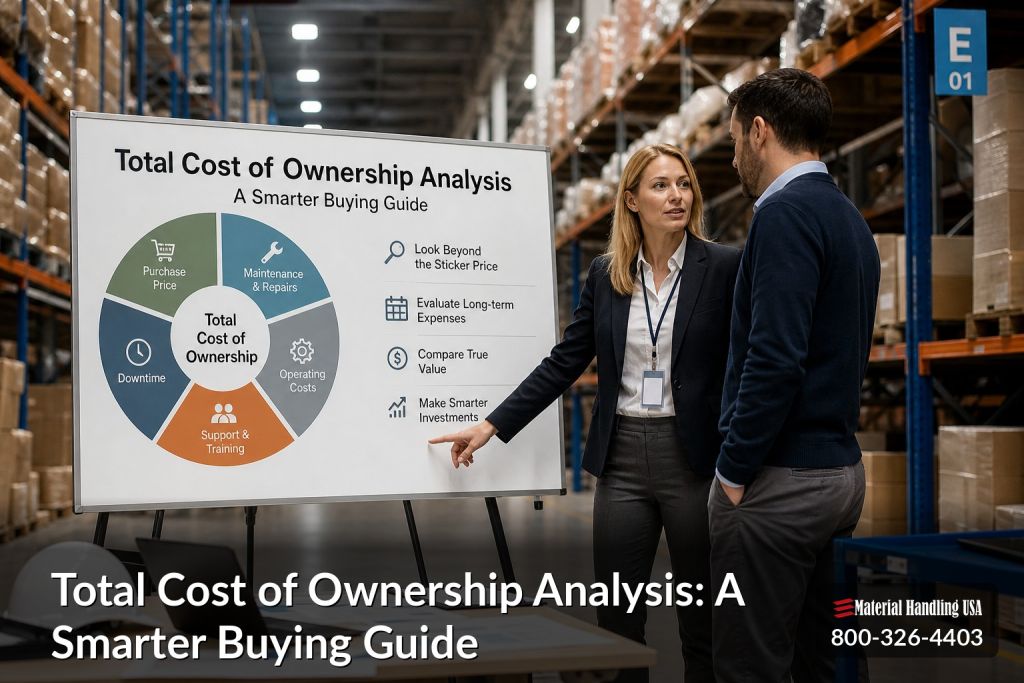
A total cost of ownership analysis changes the first question from “What does it cost today?” to “What will it cost to own over time?” For warehouse buyers, that means comparing the quote with the project, operating, maintenance, change, and end-of-life costs that follow it.
Why Purchase Price Alone Misleads Warehouse Buyers
A low sticker price feels simple. It's easy to compare, easy to approve, and easy to defend in a purchasing meeting. The problem is that the quote only shows one slice of the full bill, and in facilities work that slice is often the smallest one.
That is why a lifecycle view matters. In material handling, the cost of a racking system, modular office, mezzanine, or conveyor line includes more than the invoice. The project can also involve site preparation, installation, operating work, maintenance, downtime, changes, and eventual removal or resale.
What buyers usually miss
A warehouse team may focus on the equipment quote and miss the costs that show up later in operations. Installation can require labor and disruption. Training takes time. Energy use, repairs, and missed output can overtake the original purchase price.
Practical rule: If two options look similar on price, compare the costs that affect daily throughput, not just the buying department's budget line.
This is why a lifecycle view is especially useful when comparing assets that look interchangeable at first glance. A business buying refurbished office equipment, for example, may find it helpful to think beyond the resale tag and check the long-term service and replacement costs too, which is why a resource like find business-grade refurbished PCs can be useful when price is only one part of the decision.
In facilities projects, the buyer who looks ahead usually gets a cleaner budget, fewer surprises, and a better operating result over a 5, 10, or 15 year horizon. That's the value of TCO. It turns purchasing into planning.
What Is Total Cost of Ownership?
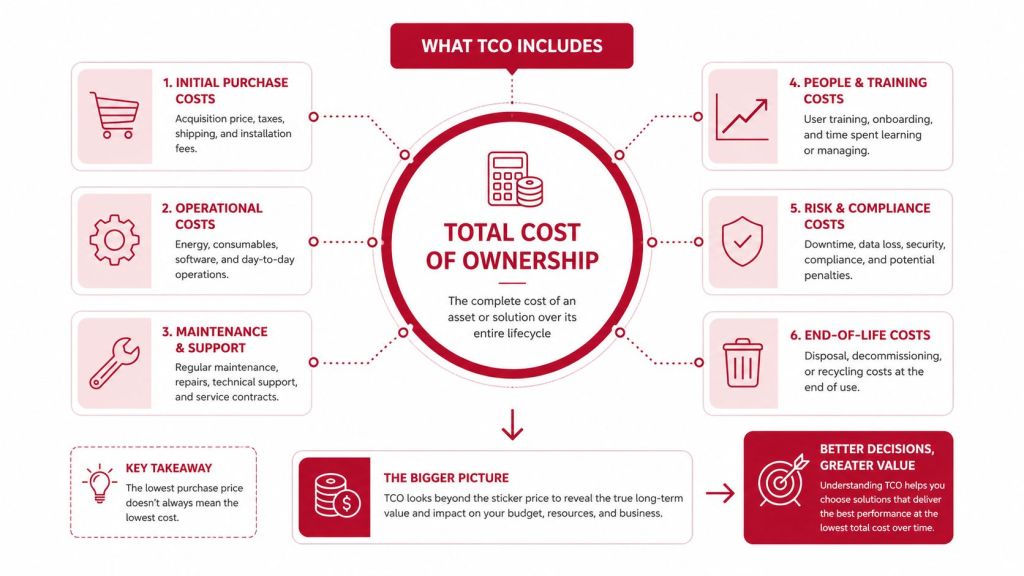
Total cost of ownership is the full cost of getting, using, maintaining, and eventually retiring an asset or service. In plain language, it is the amount a buyer pays across the full life of the item, not only at the counter. Treasury guidance describes it as a lifecycle decision that covers procurement, installation, deployment, operation, upgrading, maintenance, and disposal (South African Treasury SPF guidance).
A standard way to write it is:
TCO = acquisition cost + installation cost + training cost + annual operating cost × years + annual maintenance cost × years + annual downtime cost × years + disposal cost − salvage value
That formula shows why ownership is more than buying. It also shows why the time horizon matters. A 5 year view can tell a different story than a 10 year view, and a 15 year view can change the ranking again, especially for warehouse structures and systems that last through several operating cycles.
A warehouse example makes the formula easier
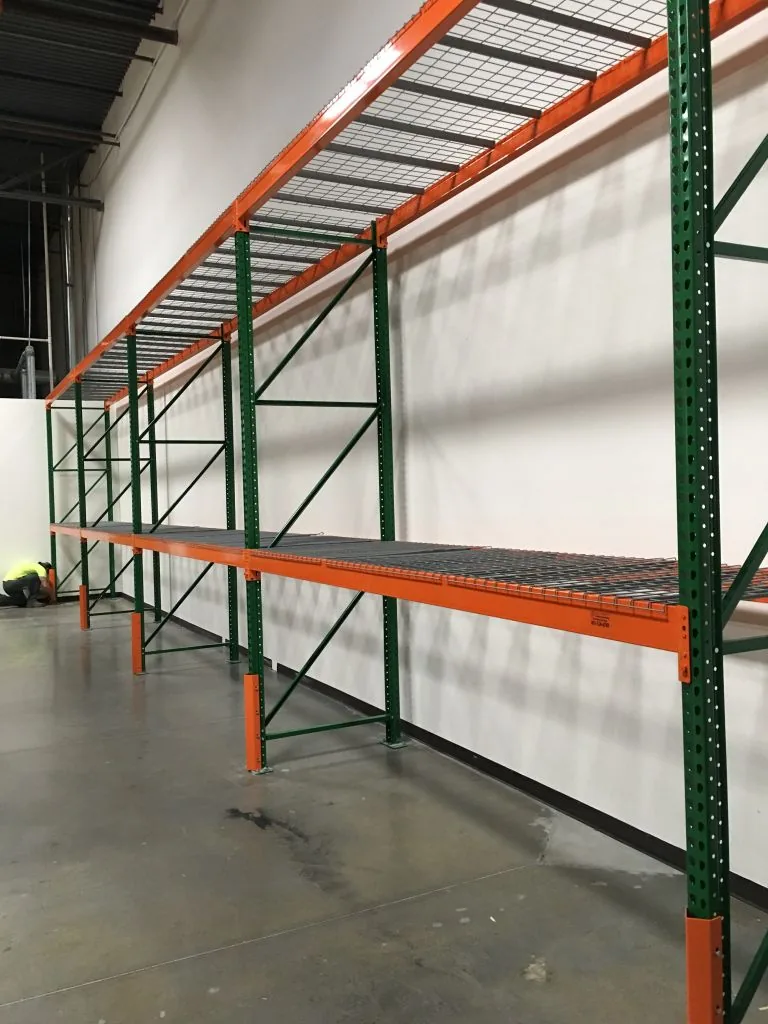
Two pallet rack systems can look similar on the quote, then diverge once they are in service. One may cost less upfront, while the other holds up better under heavier use, needs fewer repairs, or causes less disruption during layout changes. The more expensive option can still win if its annual operating and maintenance burden stays lower for long enough.
That is the main shift in thinking. The question is not, “Which one is cheaper today?” The question is, “Which one costs less to own across the period that matters to this facility?”
For buyers comparing storage, offices, or conveyor equipment, this one formula is the anchor. Everything else fills in the line items and shows how the decision affects daily operations, not just the first invoice.
Should Cost Model vs. Total Cost of Ownership
A should cost model estimates what a supplier’s product or project should reasonably cost to provide. It looks at inputs such as material, labor, freight, installation scope, and overhead. Procurement teams use it to test whether a quote is understandable and to prepare for a supplier conversation.
Total cost of ownership, or TCO, starts from the buyer’s side. It asks what the business will spend to buy, install, use, maintain, change, and retire an option. A should cost model can help validate one price. A TCO analysis helps compare the full impact of two or more choices on the operation.
| Question | Should Cost Model | Total Cost of Ownership |
|---|---|---|
| Primary purpose | Estimate a reasonable supplier price. | Compare the buyer’s full lifecycle cost. |
| Main inputs | Scope, materials, labor, freight, and project assumptions. | Purchase, installation, labor, energy, maintenance, downtime, changes, and end-of-life treatment. |
| Best time to use it | Before or during quote review. | Before selecting between options. |
| Decision it supports | Is the quoted scope clear and complete? | Which option is the better long-term fit for this operation? |
When to use each tool
Use a should cost model when the team needs to understand a proposal line by line. Use a TCO plan when a lower initial quote may change labor, service access, storage density, safety work, or future layout changes. For a warehouse project, the strongest review often uses both. First, make sure the proposed scope is complete. Then compare how each viable option will work over the planning period.
Total Cost of Ownership in IBM, HCM, and Enterprise Architecture
Total cost of ownership is also used for technology decisions. When someone searches for an IBM total cost of ownership definition, the practical idea is the same: count the costs to acquire, deploy, operate, support, upgrade, and retire a product or service. The specific line items change with the purchase.
For an HCM system, a total cost of ownership model may include implementation work, integrations, training, administration, support, security work, and future migration. For total cost of ownership in enterprise architecture, teams may also compare platform fit, integration effort, operating support, and the cost of replacing or retiring connected systems. These are decision categories, not universal cost amounts.
| Type of decision | Typical lifecycle questions | What carries over to a warehouse project |
|---|---|---|
| IBM or other technology product | What does deployment, support, upgrading, and retirement require? | Look beyond the initial quote and identify recurring work. |
| HCM system | What work is needed for implementation, integrations, training, and administration? | Include training, workflow change, and internal support when they apply. |
| Enterprise architecture | How do connected systems affect operating and change costs? | Consider how a storage or layout choice affects future changes and daily operations. |
This article focuses on warehouse equipment and layout decisions, but the method is consistent: define the scope, use comparable assumptions, list the applicable costs, and test the result when the uncertain inputs change.
Every Cost Category to Include in Your TCO
A useful TCO analysis needs more than a purchase price and a guess. It needs a complete list of cost lines, tied to the way the equipment will work in your building. Industry and government models break these costs into acquisition, commissioning, operation, maintenance, production, disposal, and feedback, with acquisition covering items like engineering, procurement, equipment, auxiliary equipment, inspections, and documentation (engineering and manufacturing TCO framework).
TCO Cost Categories Explained for Warehouse Equipment
| Cost Category | What It Covers | Sample Line Items |
|---|---|---|
| Acquisition cost | Getting the asset and everything needed to buy it | Unit price, freight, engineering, procurement, inspections, documentation |
| Installation and commissioning | Preparing it for use | Construction, testing, training, technical support |
| Operating cost | Day-to-day use | Energy, consumables, labor, internal support time |
| Maintenance cost | Keeping it in service | Planned service, replacement parts, repairs, service contracts |
| Downtime and productivity loss | Lost output when the asset is unavailable | Missed shipments, delayed picking, overtime to recover work |
| Indirect cost | Hidden internal burden | Admin time, compliance overhead, opportunity cost |
| End-of-life cost | Removing or retiring the asset | Disassembly, recycling, disposal, salvage value |
How to think about each line
Acquisition cost is bigger than the vendor quote. It can include freight, site prep, inspections, and the paperwork that goes with a project. Installation and commissioning can be just as important, especially when the project needs testing, training, or technical support before it can go live.
Operating cost is where many buyers underestimate the long tail. Energy use, consumables, and labor all belong here. Maintenance should include both planned service and the repair work nobody budgeted for. Downtime belongs in the model because a system that stops work can cost more than one that keeps running.
Indirect cost is the quiet one. It covers the admin time, internal support, and compliance work that teams often absorb without tracking. End-of-life cost matters too, since a system that is hard to disassemble or recycle can carry a real retirement burden.
If your project also involves moving or reconfiguring equipment, it's smart to review related budget items such as warehouse equipment tax deduction considerations while you build the financial case. That keeps the ownership view aligned with the actual project structure.
Useful check: If you can only estimate one line with confidence, start with the cost that stops work. In a warehouse, that's often downtime.
Ownership Cost Modeling: Build a TCO Plan
A total cost of ownership analysis works best when it is treated like a worksheet, not a hunch. For warehouse equipment, that means putting each cost in the same frame so a forklift, pallet rack, conveyor, or modular office can be compared on equal footing.

Tractian's TCO framework also uses a structured formula and a 5, 10, or 15 year comparison horizon, so the time frame needs to be set before the numbers go in (Tractian TCO glossary).
A practical workflow
- Define the scope. Decide whether you are comparing one asset, one system, or a full warehouse buildout. A rack-only decision needs a different model from a layout change that also affects labor flow and equipment access.
- Choose the horizon. Match the period to the expected service life and the business plan. A short window can hide maintenance and replacement costs, while a longer one may show the full cost of keeping the asset in service.
- List every cost line. Include acquisition, installation, labor, energy, maintenance, downtime, and retirement. For warehouse buyers, that often means adding site work, operator training, inspection time, and the cost of stopping work during setup.
- Estimate the timing. Separate one-time costs from annual costs. A cost paid at the start of the project does not behave the same way as a recurring service charge.
- Apply discounting. Future cash flows are not equal to present cash flows, so use a present-value approach if finance requires it. This keeps later repairs, replacements, and service contracts from being overstated or understated by accident.
- Set a salvage value. Some assets still have value at the end of the period. That residual value matters most for equipment that can be resold, reused, or repurposed instead of scrapped.
- Stress test the result. Check what happens if energy, downtime, maintenance, or replacement timing changes. A choice that looks close on paper can separate quickly once those assumptions move.
Why discounting matters
Discounting keeps the model honest when costs happen in different years. A repair in year one weighs differently than a repair in year eight, just as a late replacement for a rack section or conveyor drive does not hit the budget in the same way as an upfront purchase.
That matters for engineered systems, where replacement cycles and residual value can change the final number more than buyers expect.
Practical rule: If Finance and Operations disagree on the best option, compare the same assumptions side by side before debating the vendor.
A simple spreadsheet can handle this well. Use one tab for inputs, one for assumptions, and one for the summary. Built that way, the model is easy to revise when a quote changes, which is useful when you are comparing warehouse equipment that will affect cost over several years rather than just at purchase.
Warehouse Equipment Examples and a Spreadsheet Template

The easiest way to understand TCO is to compare two real choices side by side. A standard rack system may look cheaper at purchase, but a heavier engineered rack may behave better over the same planning period. The same idea applies to a basic in-plant office versus a modular panel office, especially when you factor in setup and future changes.
Below is a simple example format buyers can copy into a spreadsheet and adjust for their own site. If your project also involves transport or a staged move, it can help to review compare insurance for warehouse moves so the relocation risk side of the model stays realistic.
Pallet Rack TCO Comparison Over 10 Years
| Cost Line | Standard Rack ($) | Engineered Rack ($) |
|---|---|---|
| Acquisition | Lower upfront cost | Higher upfront cost |
| Installation | Basic install | More involved install |
| 10 year operating | Higher ongoing burden | Lower ongoing burden |
| 10 year maintenance | More frequent service | Less frequent service |
| Downtime | More disruption risk | Less disruption risk |
| Salvage value | Modest residual value | Stronger residual value |
| Total | Lower purchase, not always lower ownership | Higher purchase, potentially lower ownership |
The point of the table isn't to invent the answer. It's to show where the answer comes from. Buyers often discover that the line with the biggest sticker price is not the line with the biggest total cost.
For a pallet rack project, use the pallet rack configurator to define the layout choices you need to compare. For a conveyor-focused project, the same logic applies to system uptime and service access. A useful internal reference is warehouse conveyor systems, since the model needs to reflect both equipment and throughput impacts.
How to build the template
Use three tabs in your spreadsheet.
- Inputs: Enter quotes, utility assumptions, labor rates, and downtime estimates.
- Assumptions: Record the time horizon, discount rate, and salvage treatment.
- Summary: Show total cost by option and highlight the lowest lifecycle cost.
That structure keeps the model readable. It also makes it easier to update when quotes change, which they often do during planning.
Stress Testing for Risk and Hidden Variables
A model is only as good as the assumptions behind it. That's why the most useful TCO analysis does not stop at one set of estimates. It checks what happens when the numbers move.

Variables worth testing first
- Energy use: Compare low, base, and high utility assumptions.
- Downtime hours: Test what happens if service interruptions happen more often.
- Replacement parts: Check parts availability and service timing.
- Inflation: See how ongoing costs change if prices rise.
- Lead time risk: Include the cost of delay if the project slips.
- Sustainability costs: Add disposal, recycling, or other ESG-related items where they belong.
- Discount rate: Align the financial basis with Finance before final approval.
Practical rule: If one assumption can change the ranking of the options, it deserves a second look.
Hidden cost thinking becomes more useful than a static spreadsheet. A system that looks attractive on base numbers may not hold up when lead times stretch or downtime increases. Finance should be involved early so the team agrees on the discount rate and salvage treatment before the model goes to approval.
The goal is not to make the model complicated. The goal is to make it honest enough that the final decision holds up after installation, when the operating costs begin.
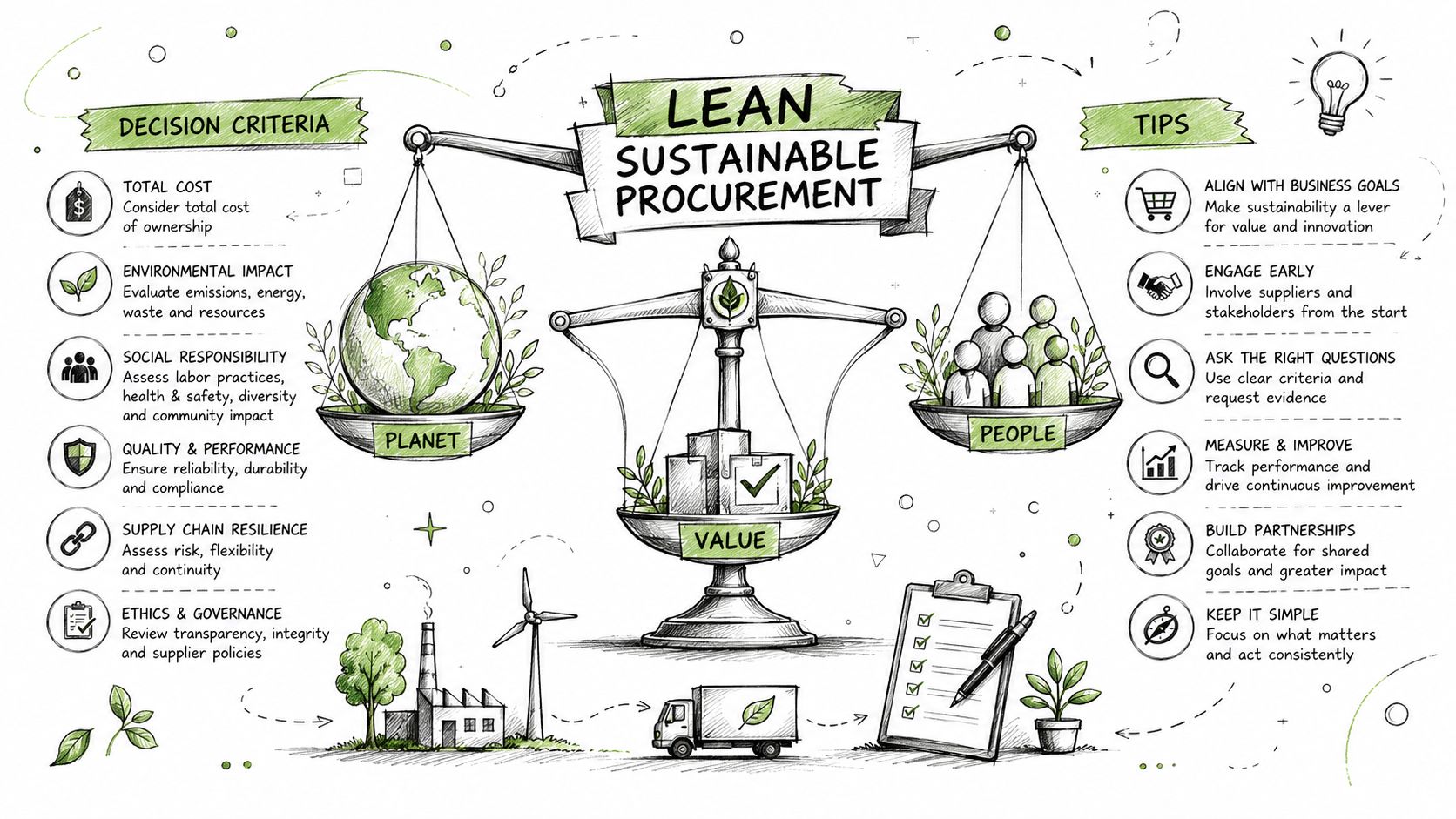
Decision Criteria and Tips for Lean Sustainable Procurement
TCO changes procurement from a quote comparison into a business decision. The cheapest bid on paper can still be the wrong fit if it adds service calls, slows installation, or forces an earlier replacement. For warehouse buyers, the better question is simple, which option will fit the facility, support the workflow, and keep ownership costs under control after the purchase order is signed?
What to score before you buy
- Lifecycle cost: Compare the full cost of ownership, not just the purchase price.
- Durability: Judge how the system holds up under real warehouse use.
- Lead time: Faster delivery can reduce project delay and labor overlap.
- Installation disruption: Less downtime during install usually means less hidden cost.
- Supplier support: Quick answers and practical layout help can save time later.
- Replacement cycle: A longer useful life can lower the cost per year.
A lean procurement review makes these tradeoffs visible before the order goes out. Modular offices can be easier to change as the operation grows. Rack-supported mezzanines can make better use of vertical space. Efficient lighting and durable finishes can reduce operating friction over time. As the green warehouse and sustainable design for efficiency savings discussion shows, design choices that save energy and reduce waste can also support long-term cost control.
Sustainability belongs in the same conversation as cost and uptime. If a material, layout, or equipment choice lowers waste, reduces rework, or lasts longer, it deserves attention alongside the quote. That keeps the decision grounded in how the warehouse will run in practice, not just how the price sheet looks on day one.
The best procurement decisions usually come from the same place. They protect the budget, support the workflow, and leave room for future growth.
FAQ: Total Cost of Ownership Analysis
What is total cost of ownership?
Total cost of ownership is the full cost of acquiring, using, maintaining, changing, and eventually retiring an asset or project over the period you are evaluating.
What is the difference between a should cost model and TCO?
A should cost model estimates a reasonable supplier price from the project scope. TCO compares the buyer’s full lifecycle costs, including the effects of operating and maintaining each option.
Which costs belong in a warehouse ownership cost model?
Start with equipment, freight, site work, installation, training, operating labor, maintenance, downtime, project changes, and end-of-life treatment. Include a cost only when it applies to the option and the facility.
How often should a TCO model be updated?
Update it when a quote, design, operating plan, or major assumption changes. A model should reflect the decision the team is actually making.
Does TCO apply only to hardware?
No. It can be used for equipment, services, software, and facility projects. The method is useful whenever setup, support, operating, or retirement costs matter.
How does payback period relate to TCO?
Payback estimates how long it takes to recover an investment. TCO shows the cost to own an option over the full evaluation period. Use both when the decision needs both a timing view and a lifecycle view.
Does a lower upfront cost always mean lower value?
No. A lower upfront cost can still lead to higher ownership cost if it creates more maintenance, more disruption, or a shorter useful life. Compare the full decision criteria before choosing.
Can TCO help with warehouse planning?
Yes. It helps teams compare storage systems, mezzanines, modular offices, conveyor layouts, and support equipment using the costs that affect the facility after purchase.
Turn a quote into a complete decision
Material Handling USA can help you connect the equipment, layout, and ownership assumptions before you select a system. Review your options with our warehouse design and layout team, request a quote, or call (800) 326-4403.