Effortless Storage Solutions with Boltless Shelving
How Can Boltless Shelving Simplify Your Storage Needs?
Talk with a specialist. Call (800) 326-4403 or Email Sales@MH-USA.com
Most Popular Shelving Products
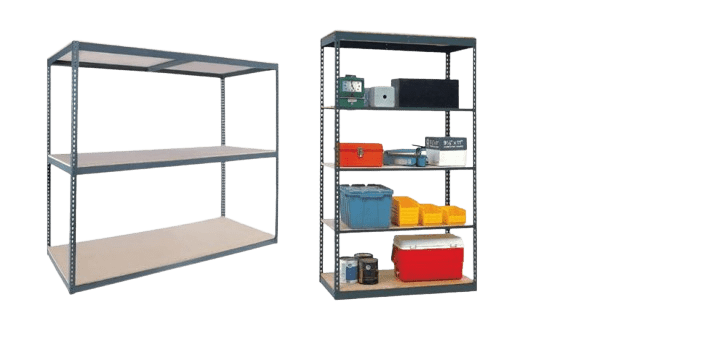
Browse our complete shelving catalog — from quick-assembly boltless units to high-density mobile systems.


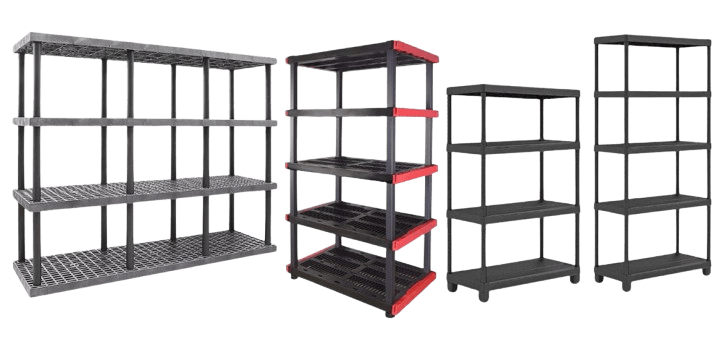
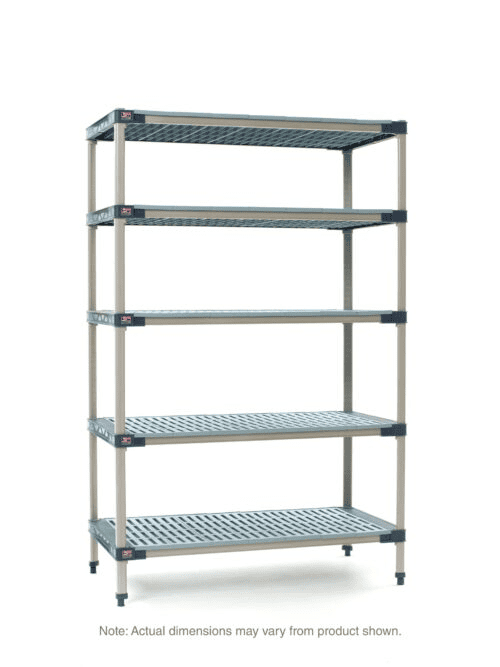

What is Boltless Shelving?
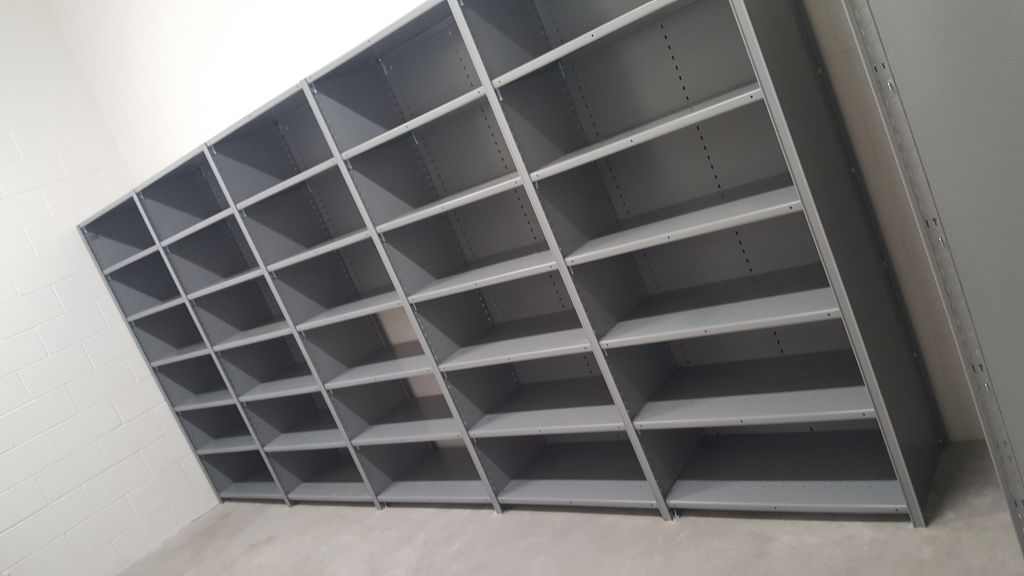
Boltless shelving is a type of storage system that requires no nuts or bolts for assembly. It uses a simple slide-and-lock technology to secure shelves and posts to a frame, making it incredibly easy and quick to set up. This system is ideal for both temporary and permanent storage applications, providing a high level of structural rigidity and stability.

Key Benefits of Boltless Shelving
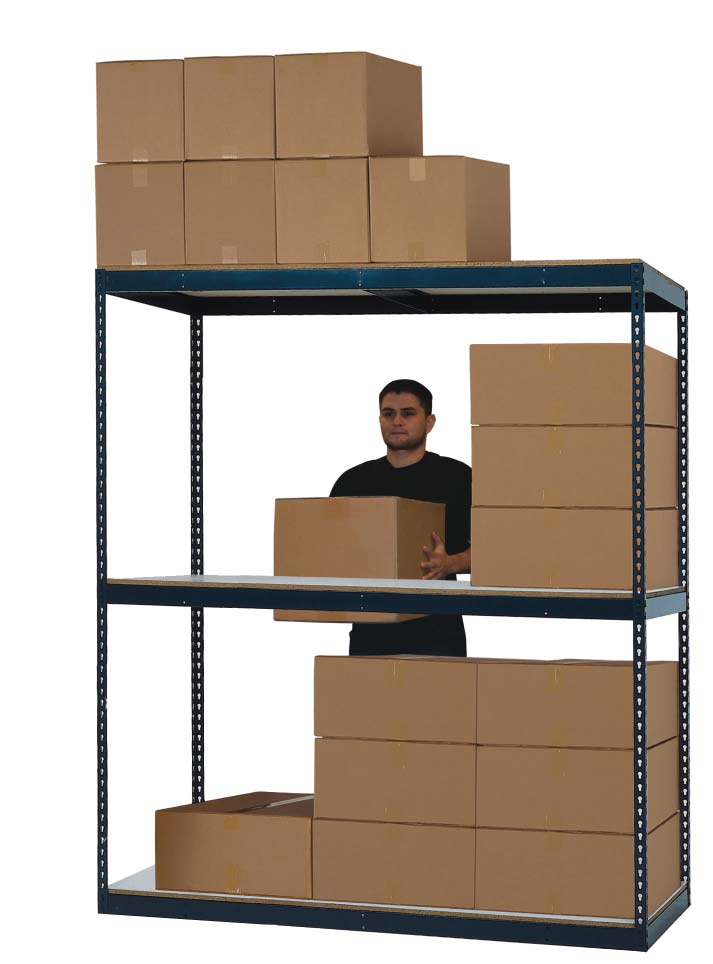
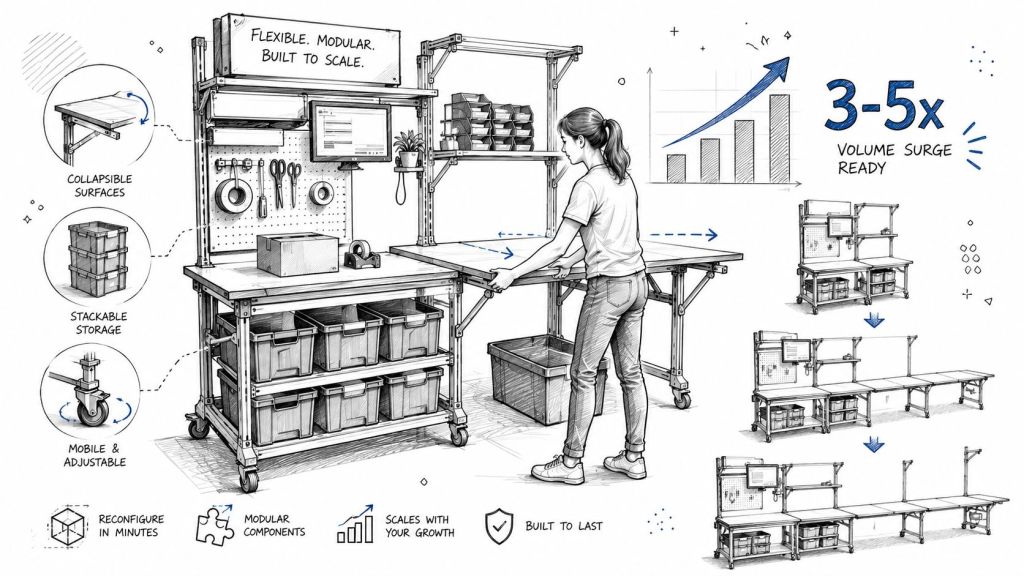

Applications of Boltless Shelving
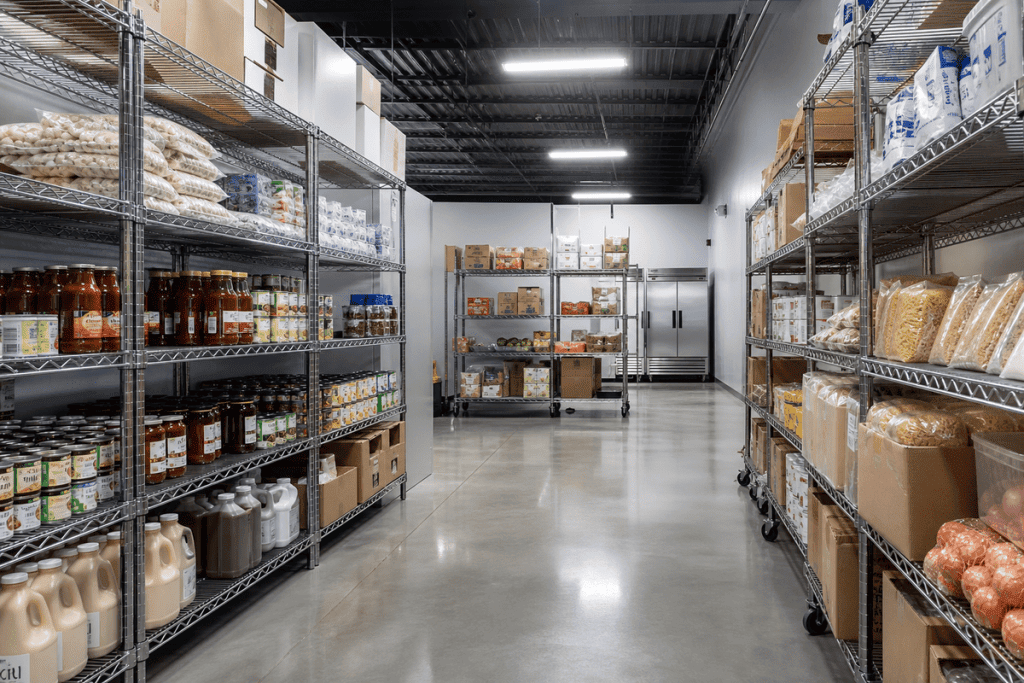
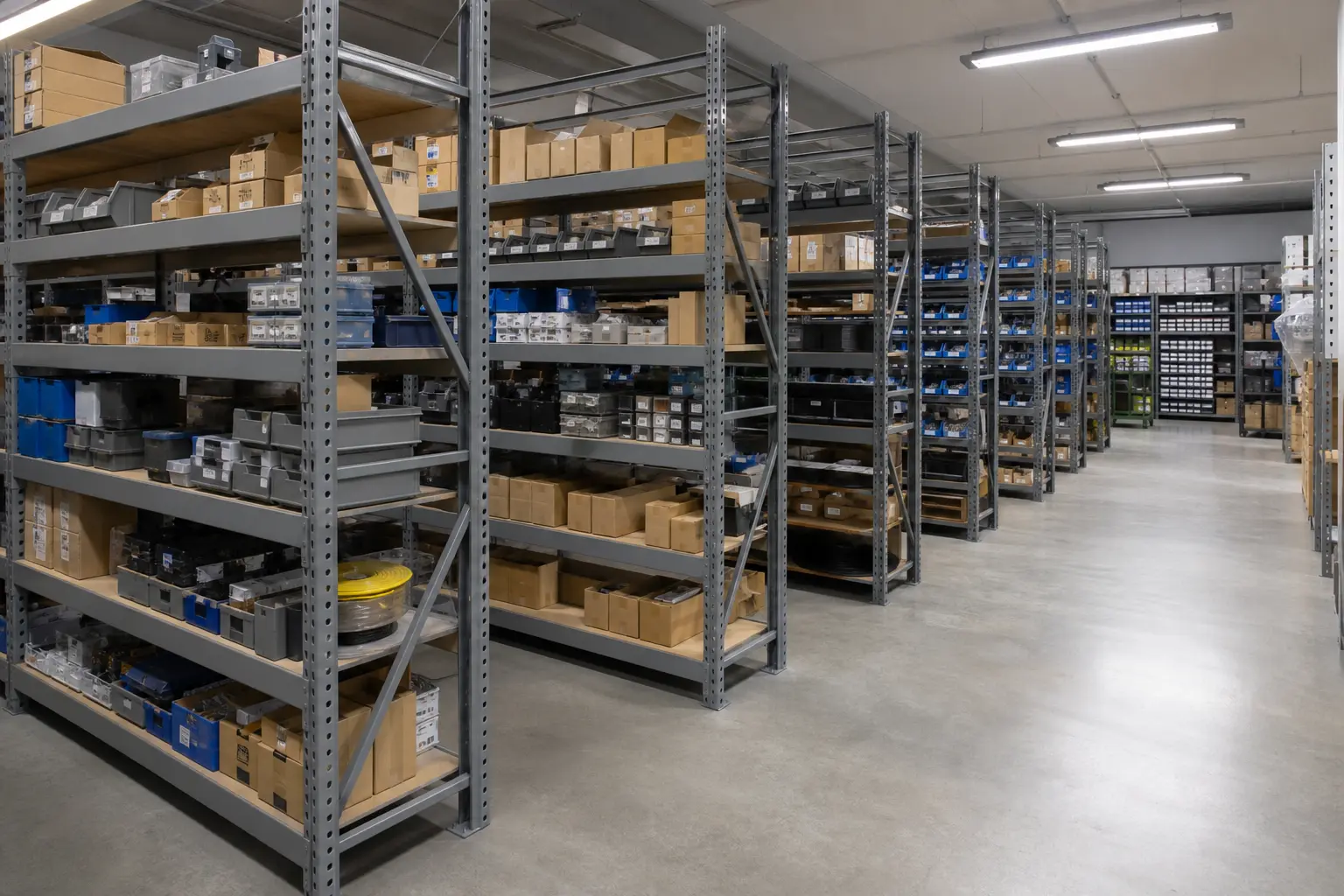
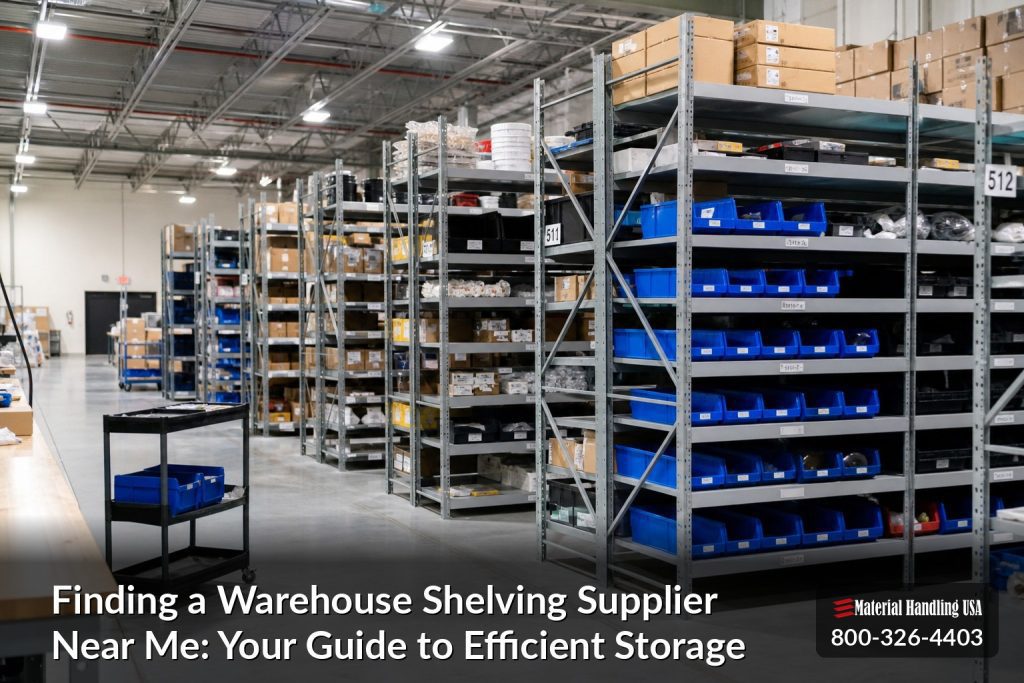
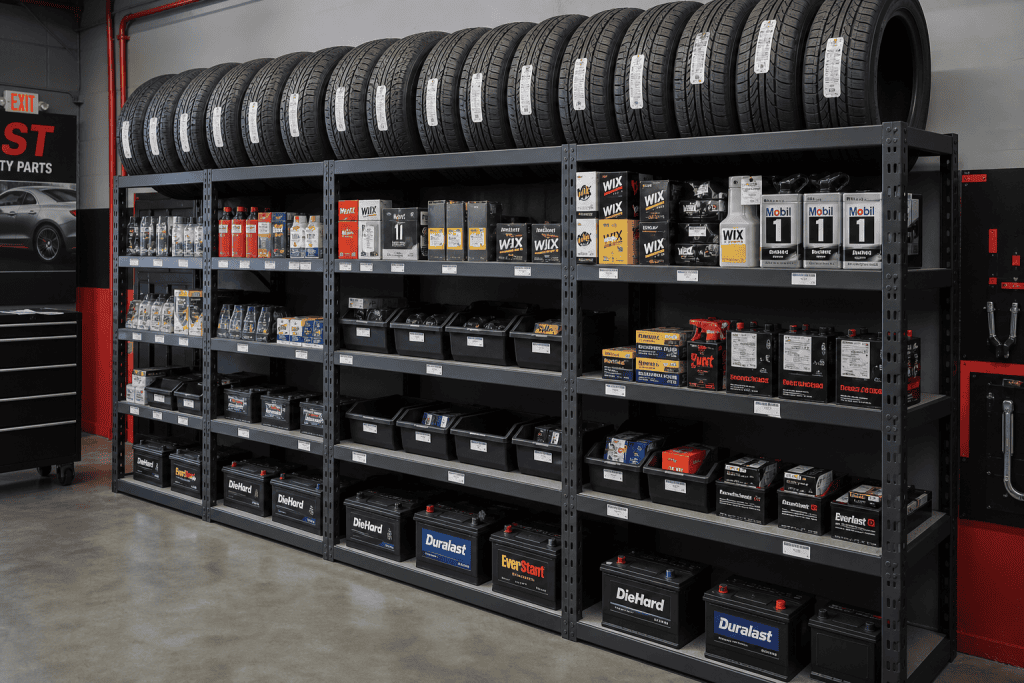
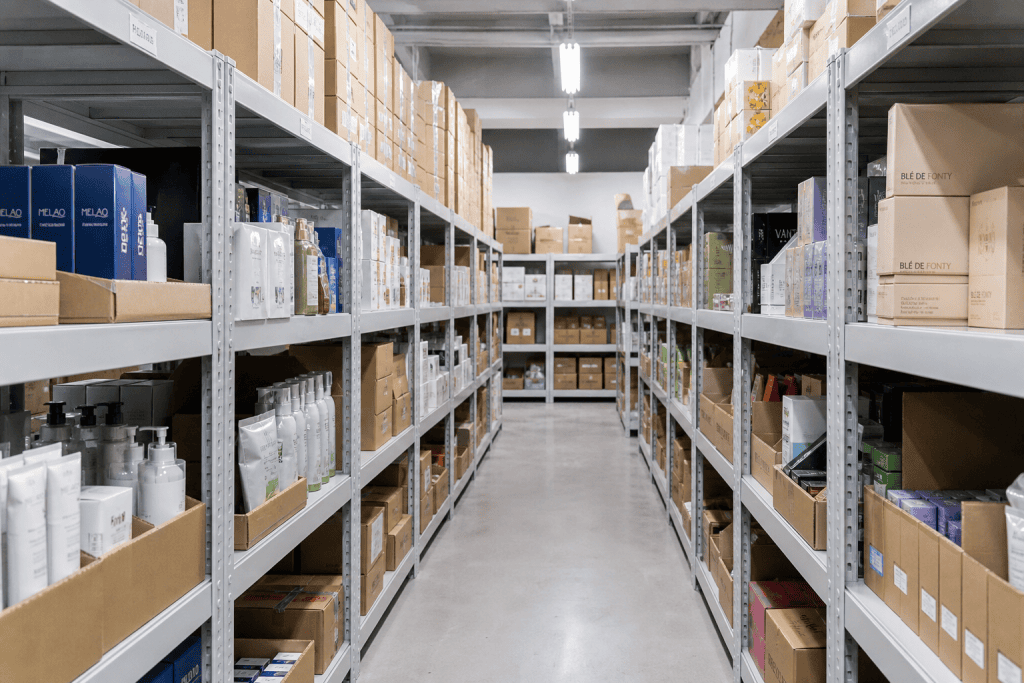
Boltless shelving is used across industries for fast, flexible storage.


Types of Boltless Shelving
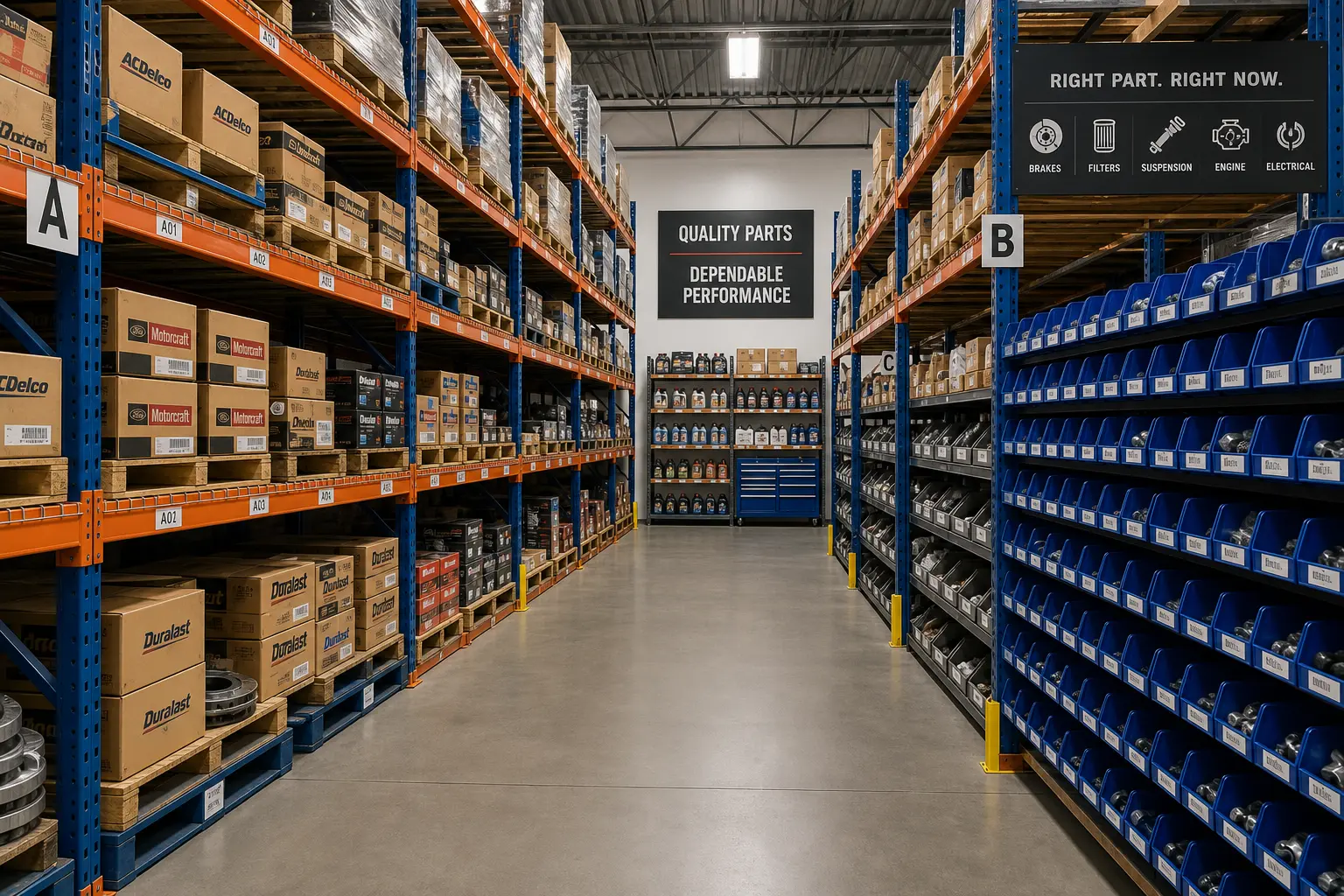
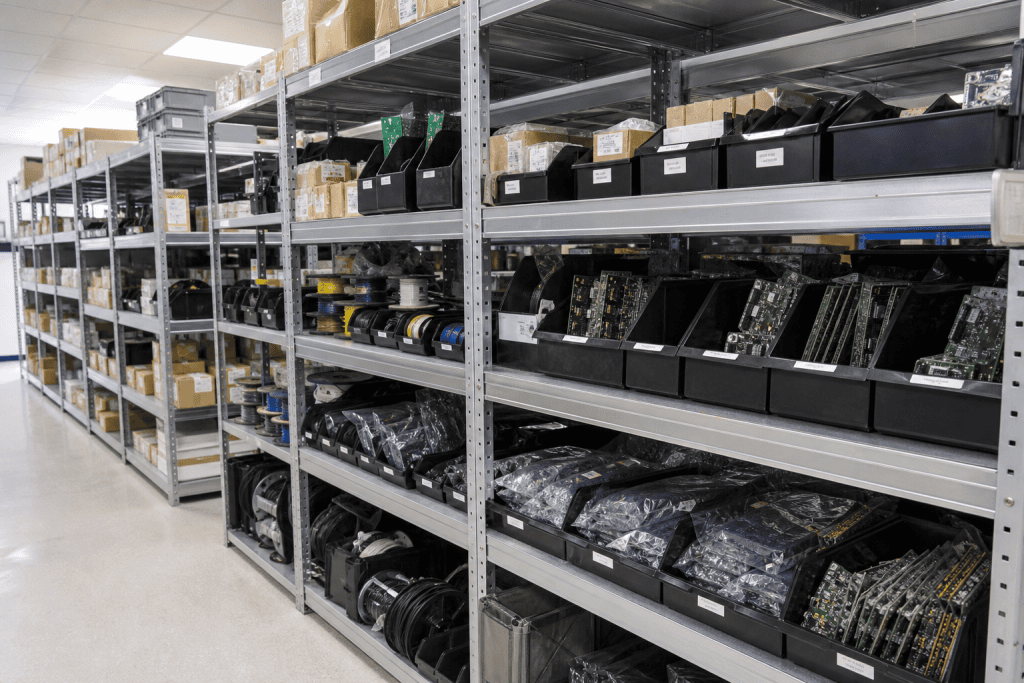
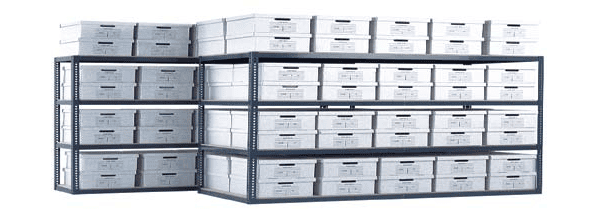
Transform your storage with boltless shelving solutions designed for every industry and application.
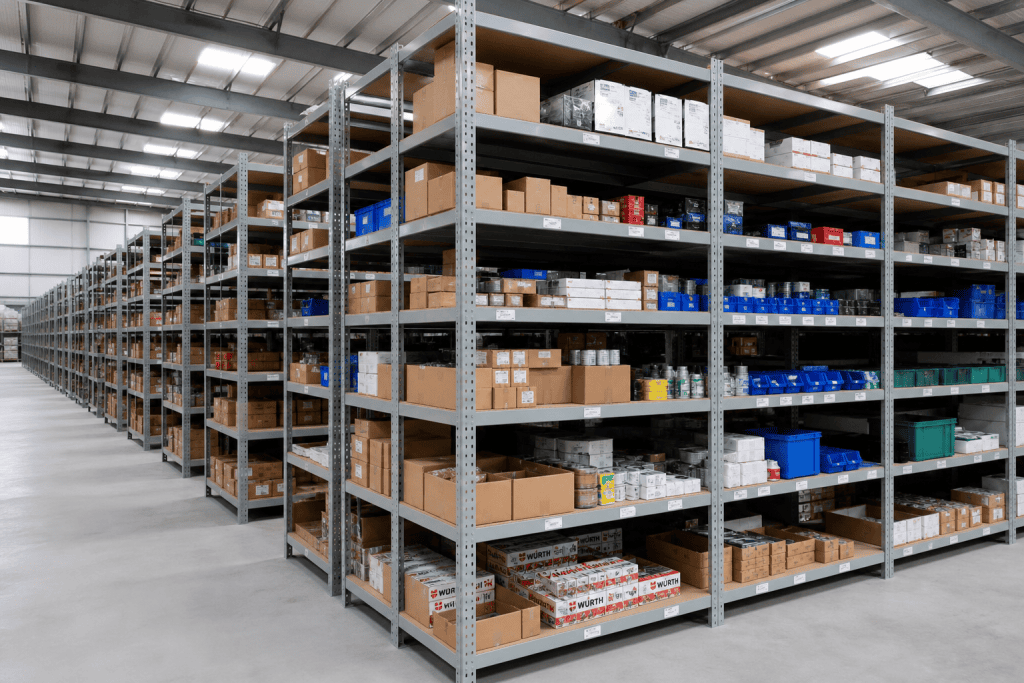
Why Choose Boltless Shelving?
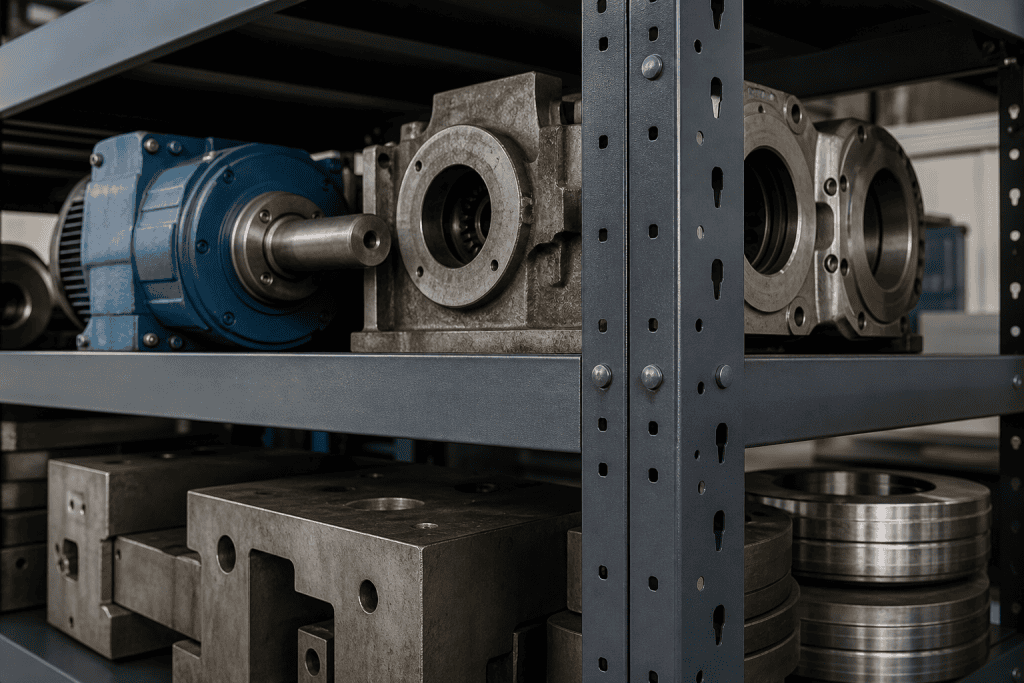
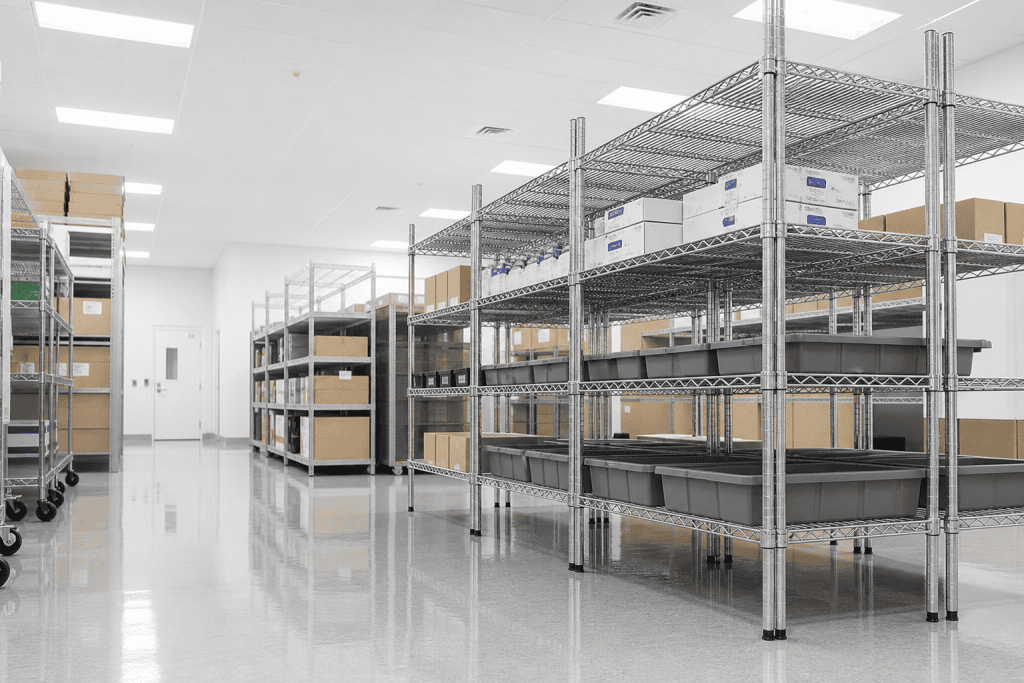
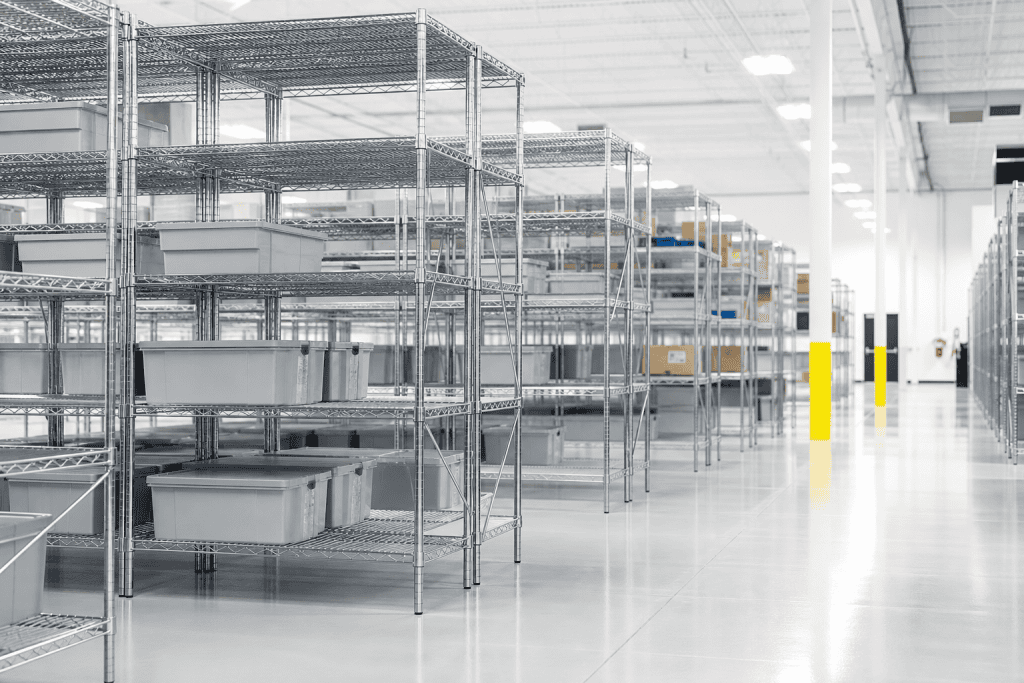
Unlock Your Storage Potential
Enhance Your Storage Solutions


Shop Our Full Line Of Boltless Shelving For Sale
Our Top Brands
We partner with leading shelving manufacturers to deliver quality you can trust.
 Hallowell


 Western Pacific


Boltless Shelving Buying Guide
Whether you are outfitting a warehouse, retail backroom, or garage workshop, choosing the right boltless shelving system means matching your storage needs with the correct size, weight capacity, and brand. This buying guide walks you through each decision step so you invest in the right system the first time.
Choosing the Right Size
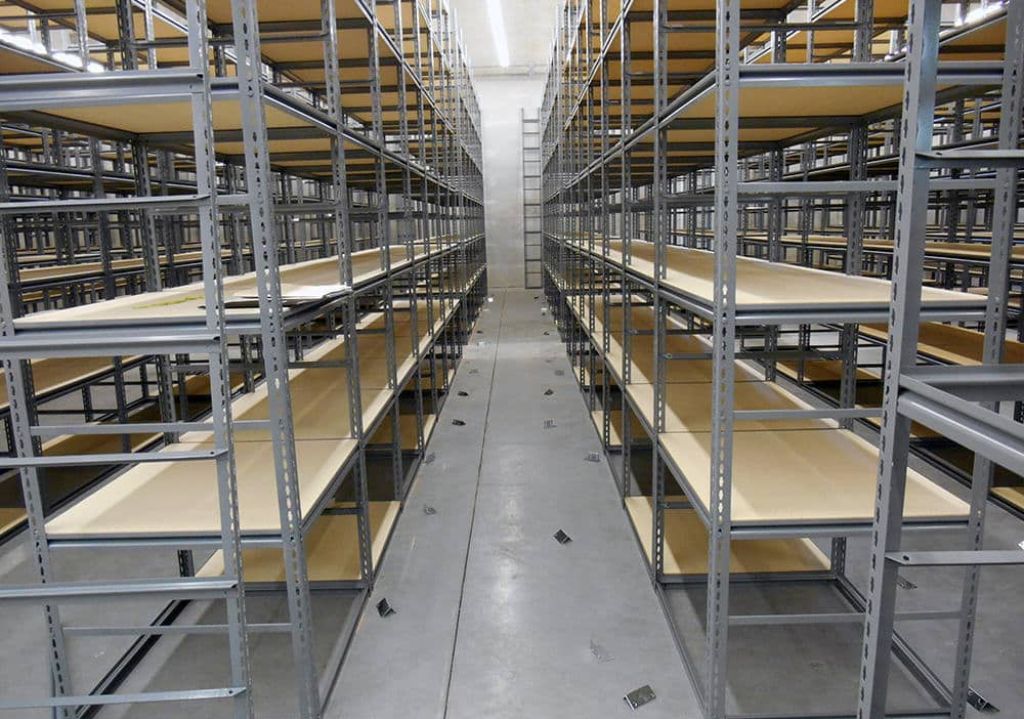
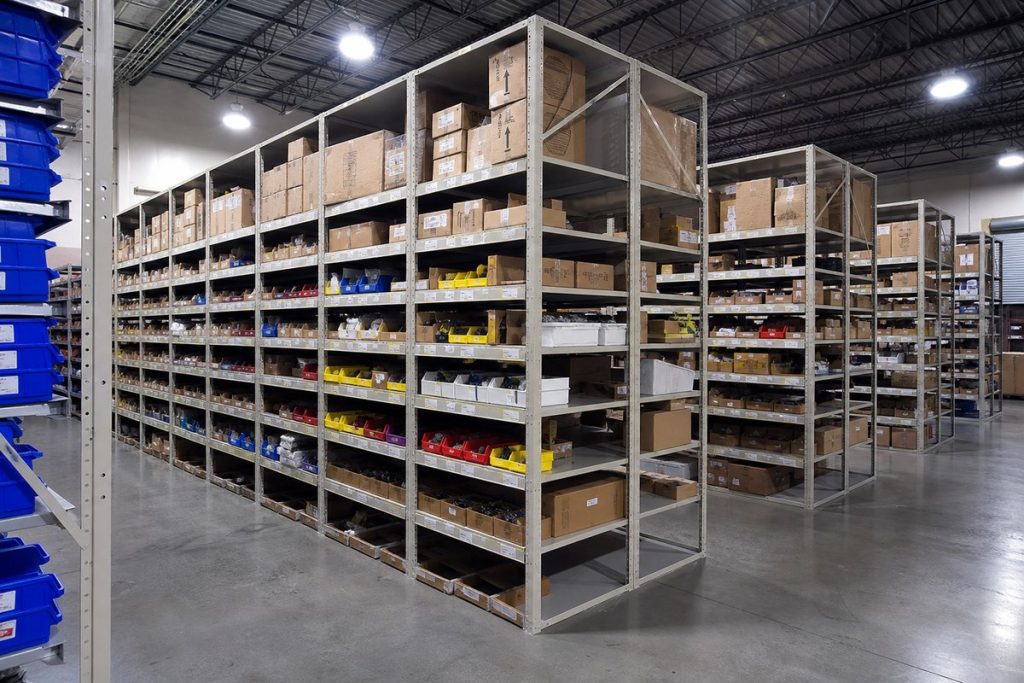
Boltless shelving comes in standard widths of 36″, 48″, 60″, and 72″ with depths ranging from 12″ to 48″. Heights typically span 60″ to 96″. For stockrooms and warehouses, 48″W × 24″D × 84″H units strike the best balance between capacity and aisle clearance. Deeper 36″ and 48″ shelves work well for bulky items like totes, bins, and automotive parts. Measure your available floor space first, then plan your aisle widths — 36″ minimum for hand-loaded aisles and 60″ or more if forklifts or carts will pass through.
Understanding Weight Capacity
Shelf capacity ratings range from 300 lbs per shelf on light-duty units up to 1,500 lbs or more per shelf on heavy-duty rivet shelving. When evaluating capacity, pay attention to two numbers: per-shelf capacity (how much each individual shelf can hold) and per-unit capacity (total weight the entire frame supports). Always plan for at least 20% more capacity than you think you need — inventory grows, and overloading shelving is both unsafe and voids most warranties. Heavy-duty beams and particle board or steel decking provide maximum strength for parts storage and bulk goods.
Decking Options
The shelf deck determines both strength and usability. Particle board is the most common option — affordable, provides a flat surface, and supports heavy loads. Wire decking allows air circulation and fire sprinkler water to pass through, making it ideal for food storage and fire-code compliance. Steel decking offers maximum strength for extremely heavy items. Some systems offer no deck at all, relying on the beam structure to support pallets or large containers directly.
Boltless Shelving Brands We Carry
Material Handling USA partners with the leading American boltless shelving manufacturers. Every brand we carry is built for commercial and industrial use with heavy-gauge steel and backed by manufacturer warranties.
Hallowell
A trusted name in industrial storage since 1905, Hallowell manufactures heavy-duty boltless shelving units with capacities up to 1,250 lbs per shelf. Their HiTech and Rivetwell lines feature 14-gauge steel posts and double-rivet beam connections for maximum rigidity in warehouses and distribution centers.
Tennsco
Tennsco builds their boltless shelving in Dickson, Tennessee, with a focus on quick-ship availability and value pricing. Their Stur-D-Stor line offers 750 lb shelf capacity in a clean, commercial-grade design ideal for office stockrooms, retail backrooms, and light industrial environments.
Tri-Boro (Rivet Rak)
Tri-Boro’s Rivet Rak system is one of the original rivet shelving designs, engineered for high-density parts storage. Their shelving features hat-shaped steel shelves with rolled edges and double-rivet post connections that deliver up to 1,500 lbs per shelf in heavy industrial applications.
Borroughs (Rivet-Span)
Borroughs has been manufacturing storage solutions since 1906. Their Rivet-Span boltless shelving uses a unique keyhole-and-tab connection that eliminates hardware while providing rock-solid stability. Popular in automotive parts departments and manufacturing facilities for their quick reconfigurability.
Penco (RivetRite)
Penco’s RivetRite shelving is designed for medium to heavy-duty storage with shelf capacities from 400 to 1,000 lbs. The beams snap into die-punched slots on the upright posts, creating a rigid connection that resists lateral sway. Penco is a GSA-approved supplier, making their shelving a go-to choice for government and military storage.
Western Pacific
Western Pacific manufactures their boltless shelving at their Oregon facility with a focus on seismic-rated designs suitable for West Coast installations. Their heavy-duty rivet shelving systems feature 2″ vertical adjustability and are available in both single-rivet and double-rivet configurations for varied load requirements.
Boltless Shelving Assembly Guide
One of the biggest advantages of boltless shelving is its no-tool assembly. Most units go together in 15–30 minutes with just a rubber mallet. Here is the step-by-step process.
Lay Out the Components
Unpack and identify all parts — upright posts, beams (horizontal supports), and shelf decks. Verify quantities match the packing list. Group components by type so assembly goes smoothly.
Connect the Bottom Beams to Two Posts
Stand two upright posts on the floor. Insert the rivet tabs on one front beam and one rear beam into the bottom slots of both posts. Tap with a rubber mallet until the rivets seat fully into the keyhole slots. This creates the first end frame.
Add the Remaining Posts and Beams
Stand the other two upright posts and connect them using the same bottom beams on the opposite end. You should now have a rectangular base frame standing upright. Repeat the beam insertion process for each additional shelf level, working from the bottom up.
Place the Shelf Decks
Drop particle board, wire, or steel shelf decks onto each beam level. Ensure they sit flat and are fully supported by all four beams. The decking should rest securely without any gaps or overhang.
Level and Anchor
Check that the unit is level and plumb. On concrete floors, use anchor bolts to secure the base posts to the floor for stability, especially for units taller than 72″. For seismic zones, anchoring to the floor and optionally to the wall is often required by code.
Pro Tip: A single person can assemble a standard 4-shelf boltless unit in about 15 minutes. For large installations (10+ units), two-person teams typically average 10 minutes per unit once they have a rhythm going. No wrenches, no bolts, no special tools — just a rubber mallet.