
Modular Building Financing, Leasing and Tax Considerations
Cash, equipment loans and leases: how buyers pay for modular buildings, the tax questions to raise with your advisor, and the documents lenders usually need.
Call (800) 326-4403 or email Sales@MH-USA.com
Buy or Lease
Common Paths
Equipment
Possible Tax Treatment*
Ask Your Tax Advisor
Before You Decide
Relocatable
Take It With You
Paying for a modular building
Most buyers pay for a modular building in one of three ways: cash, an equipment loan or line of credit, or a lease. Because many modular buildings are relocatable and not permanently attached to real estate, lenders often treat them more like equipment than like a construction project, which can make financing simpler.
This page explains the common options, the tax questions to raise with your advisor, and the documents lenders usually ask for. It is general information, not tax, legal or financial advice.

Start with a quote for your actual configuration; our modular building cost guide explains what moves the price. For the building range, see the in-plant buildings hub and in-plant offices.
Financing and leasing options compared
| Option | How it works | Often chosen when |
|---|---|---|
| Cash purchase | Pay from capital budget; you own the building | Capital is available and you want the simplest path |
| Equipment loan | Lender finances the building; you own it and repay over a term | You want ownership but prefer to spread payments |
| Line of credit | Draw on an existing business credit line | You have an established banking relationship |
| Lease | Lessor owns the building; you make lease payments for its use | You want predictable payments or may change needs later |
| Lease-to-own | Lease with a purchase option at the end | You expect to keep the building but want lower upfront cost |
Terms, rates and approval depend on the lender and your credit. Your bank or an equipment lender can explain which structure fits; your accountant can explain how each one is treated on your books.
Tax considerations to discuss with your advisor
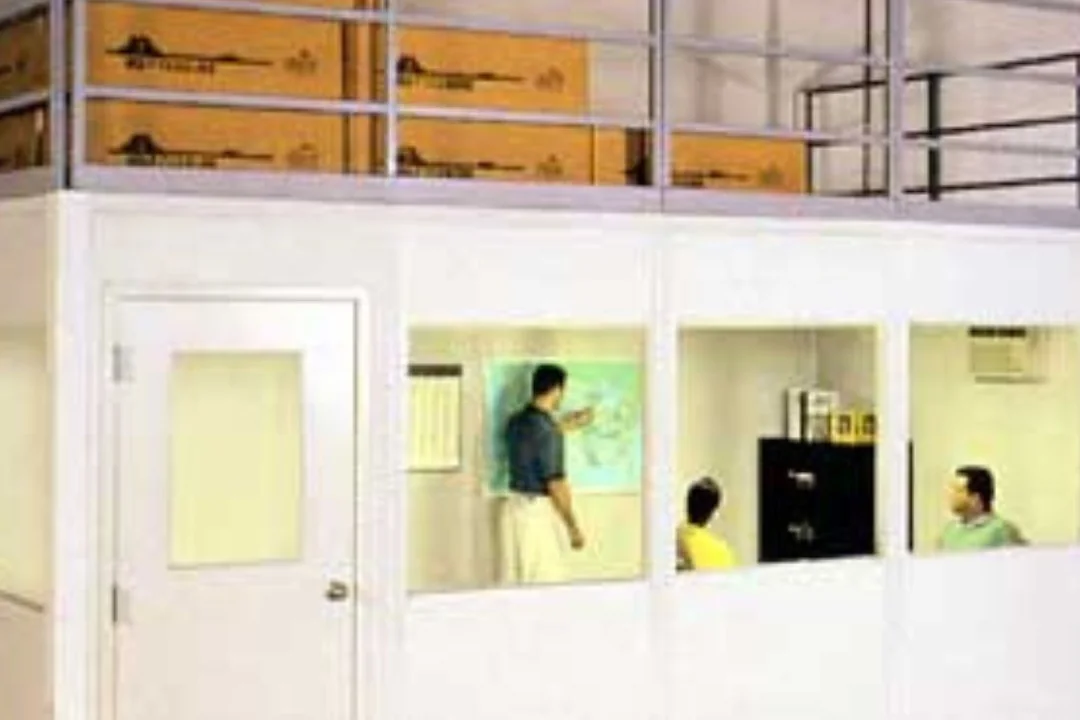
How a modular building is treated for tax depends on the facts: whether it is relocatable, how it is attached, how it is used and current tax law. Some relocatable buildings are treated as tangible personal property (equipment) rather than as part of the real property, which can change the depreciation options available, such as Section 179 expensing or bonus depreciation.
Eligibility, limits and rules vary and change, so confirm with your tax advisor before you rely on any treatment. We do not provide tax advice.
- Is the building tangible personal property or real property in my situation?
- Which depreciation method and recovery period apply, and is Section 179 or bonus depreciation available this year?
- How do property taxes treat it in my county and state?
- If I lease, who claims depreciation, and how are lease payments treated?
- What records do you need from us: quote, invoice, drawings, specifications?
Leased facilities: an improvement you can take with you
If you lease your warehouse or plant, a drywall office built into the space usually stays with the landlord when you leave. A modular office can be disassembled and moved to your next location. Review your lease terms and landlord approval requirements before you install.
Read how a tenant handled it in in-plant offices in leased warehouse space, and compare with a conventional drywall buildout.
What lenders and advisors usually ask for
Next steps: read the buyer’s guide, compare renting a trailer vs. owning a modular building, and check standard sizes such as an 8×10 or 12×12 office.
Budget planning: what to include
Lenders and finance teams want the whole project, not just the building. Make sure your budget covers each line.
| Budget line | Usually in our quote | Usually by others |
|---|---|---|
| Building package (panels, doors, windows, ceiling or roof) | Yes | |
| HVAC unit and pre-wired electrical | Yes | |
| Freight and installation | Yes | |
| Final electrical feed | Your electrician | |
| Permit fees | You or your contractor | |
| Foundation or slab work | Quoted separately or by your contractor | |
| Sprinkler and alarm changes | Your fire protection and alarm contractors | |
| Furniture, IT and phones | You | |
| Bollards and guardrail | Can be added | Or bought online |
| Consideration | Buying (cash or loan) | Leasing |
|---|---|---|
| Ownership | You own the building | Lessor owns it during the lease |
| Upfront cash | Higher (cash) or a down payment (loan) | Usually lower |
| Flexibility | Keep, move or resell | Return, renew or buy out per the lease terms |
| Accounting and tax | Ask your accountant and tax advisor | Ask your accountant and tax advisor |
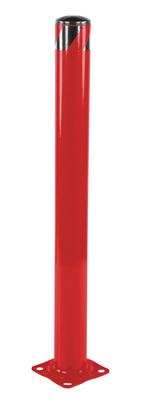
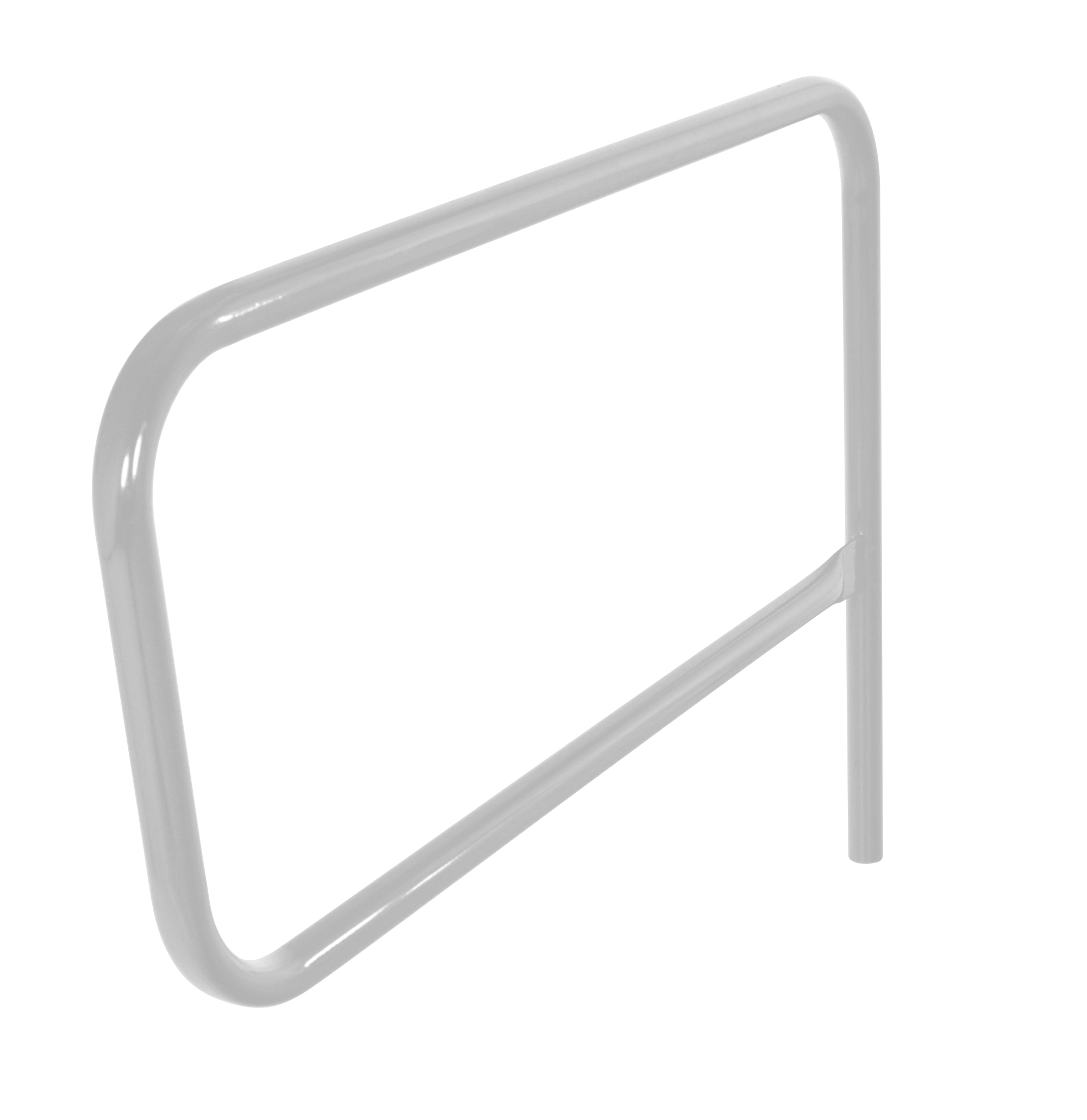
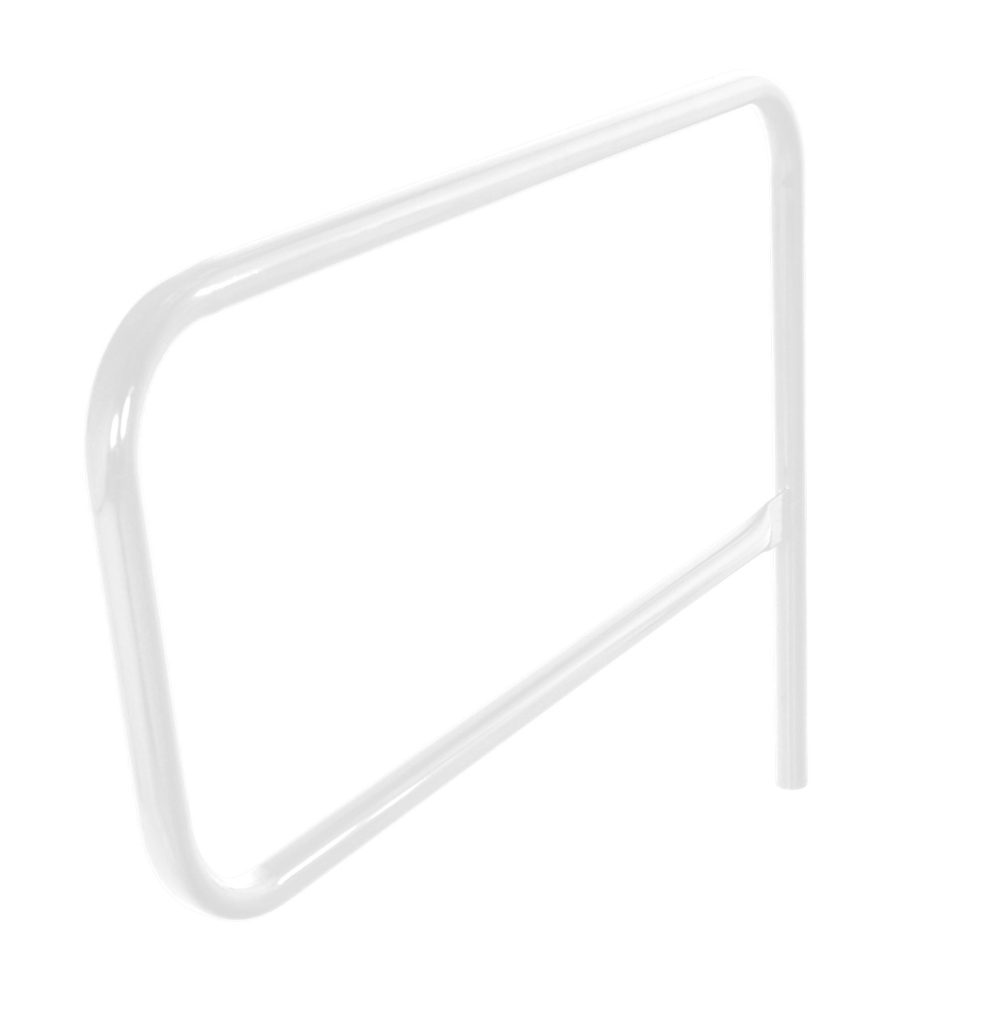
Small Purchases Online: Bollards and Railing
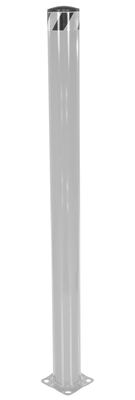
Buildings are quoted and financed per project; site protection can simply be bought online. Steel pipe bollards and safety railing gates.
Frequently asked questions
Can a modular building be financed?
Does a modular building qualify for Section 179?
Is leasing better than buying?
Can I take a modular office with me if I move out of a leased building?
What documents will my lender need?
How do I get a number to finance?
Get a quote you can finance
Send the building type, size and location. We will return an itemized quote and the documents your lender and advisor need.