
Two-Story Modular Offices for Warehouses and Plants
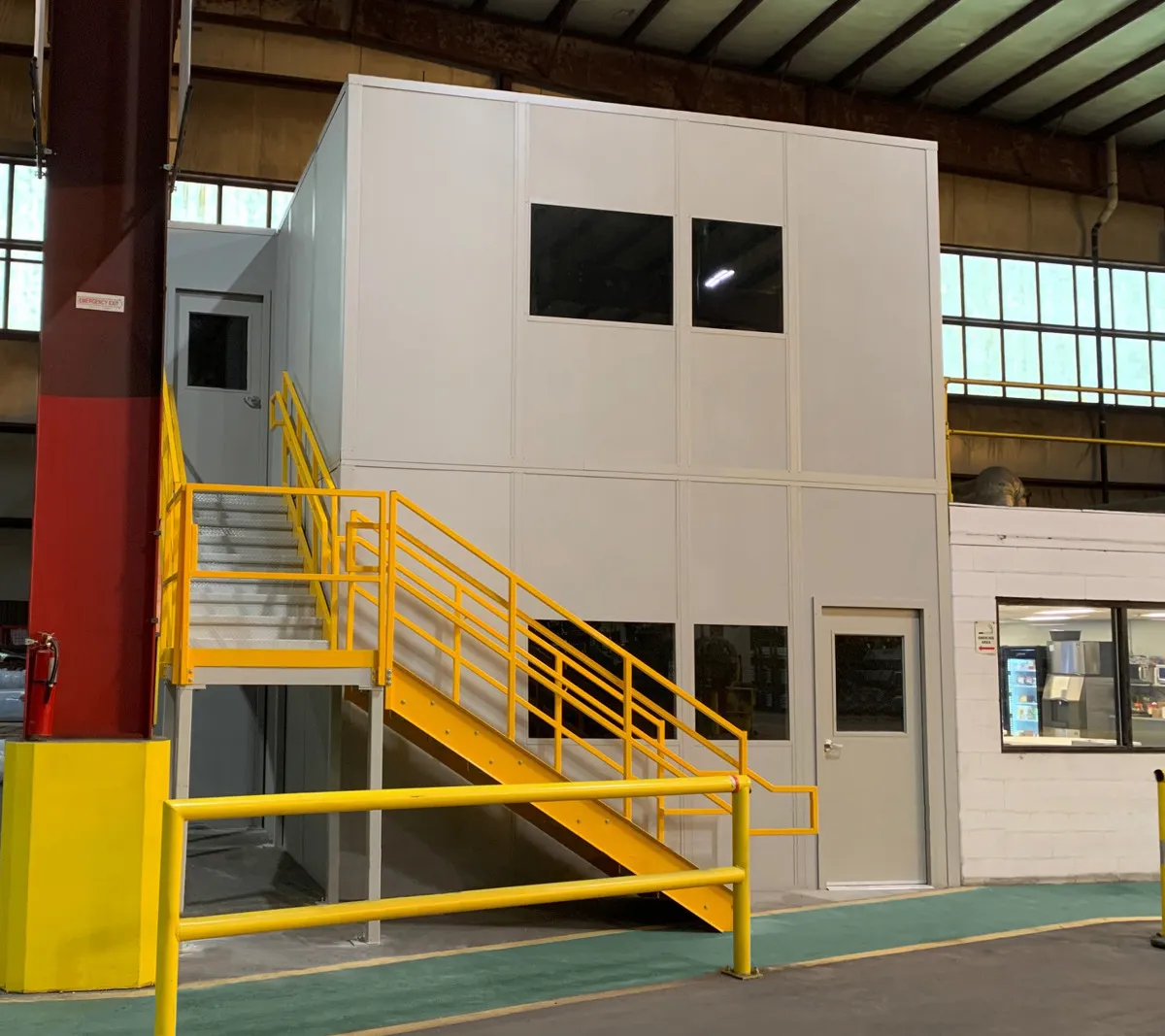
Two levels of modular offices, meeting rooms or break rooms on an engineered steel structure, so you add space without giving up floor area.
Call (800) 326-4403 or email Sales@MH-USA.com
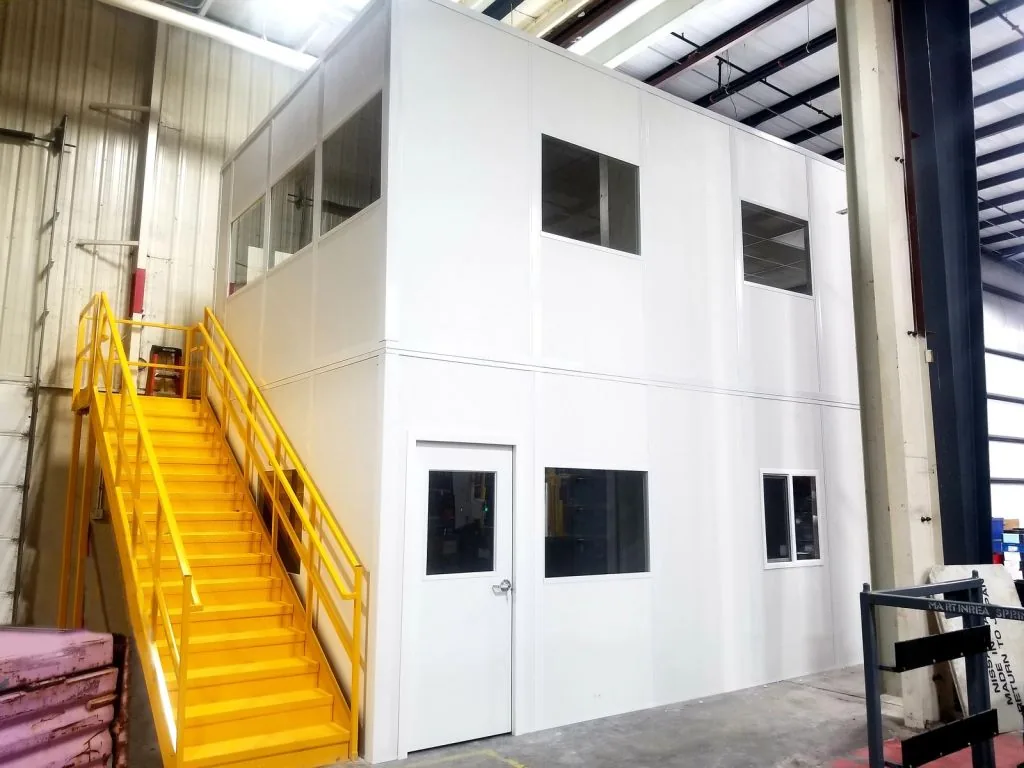
Two Levels
Same Footprint
Engineered
Upper Floor and Stairs
4 to 8 Weeks
Typical Lead Time, Subject to Confirmation
Relocatable
Panel System
Why go vertical with a two-story modular office?
Floor space in a warehouse or plant is where the work happens. A two-story modular office puts offices, meeting rooms or a break room on a second level and keeps the footprint small, or uses the ground level for shipping offices, storage or production support.
The lower level uses the same panel system as a single-story office. The upper floor is carried by an engineered steel structure, with a stair, landing and guardrail designed for the location.
Two-story offices are part of our modular in-plant offices line and the wider in-plant and industrial modular buildings range. For single rooms, start with standard sizes such as the 12×12 or 12×16 modular office.
Two-story configurations
 Stacked office suitesOffices on both levels with a stair, for shipping and supervision below and management above.
 Offices under a mezzanineSingle-story offices below a steel mezzanine used for storage or more offices.
 Raised supervisor officeOne room on a steel platform, with the floor below left open for traffic or storage.
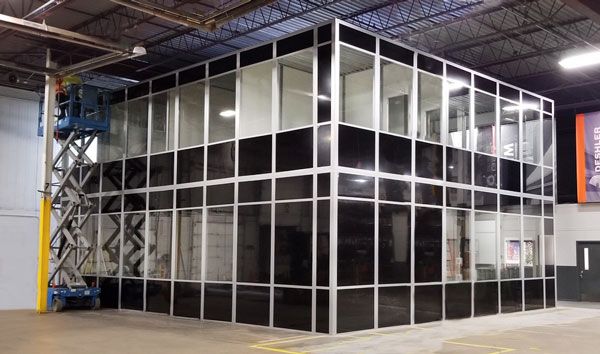
 Glass offices on a mezzanineGlass-walled offices on a mezzanine above an open work area.
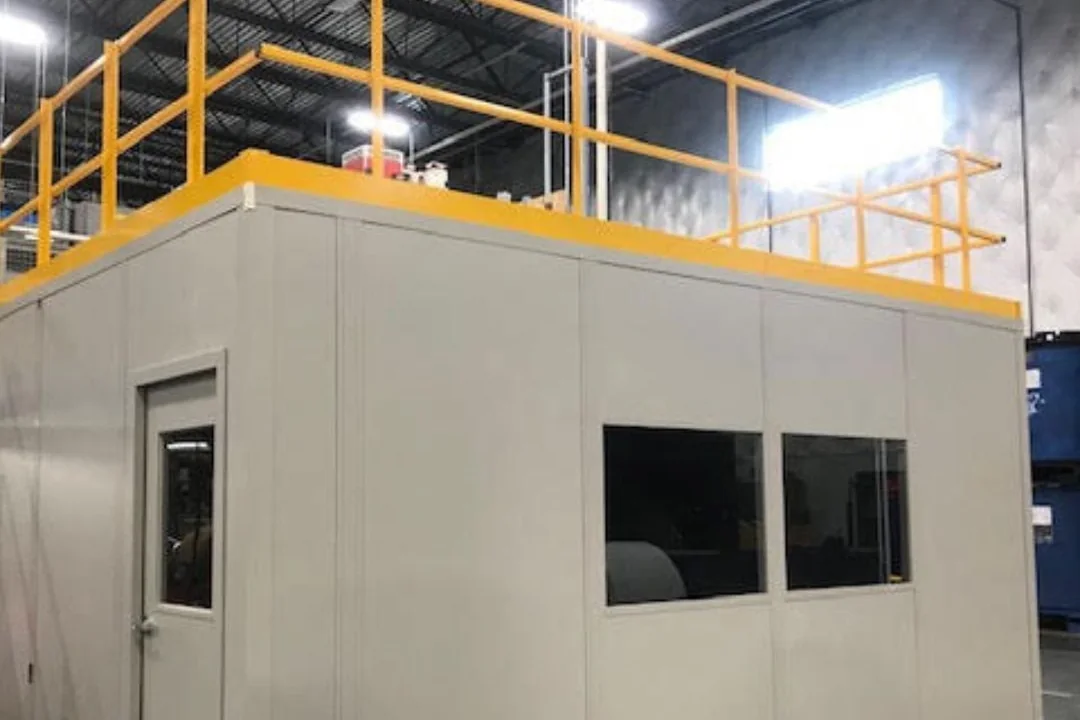 Storage roof instead of a second floorA load-bearing roof with guardrail for storage, when people do not need to work upstairs.
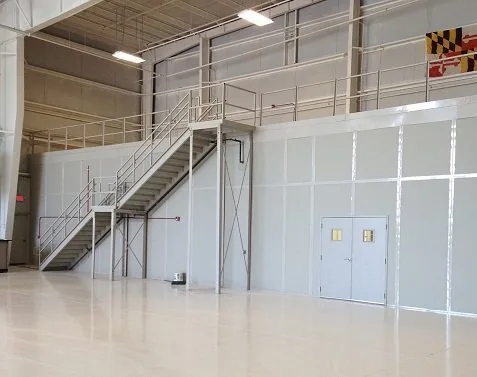 Two-level plant enclosuresStacked rooms for control, electrical or test areas in a plant.
Which configuration fits: two-story modular office, office on a mezzanine or single-story office?
All three use the same modular wall system, so the rooms look and work the same. The choice comes down to what you need on the floor underneath, how many rooms you need, and how much structure you are willing to pay for. If you mainly need open floor or storage under the upper level, compare our industrial mezzanines.
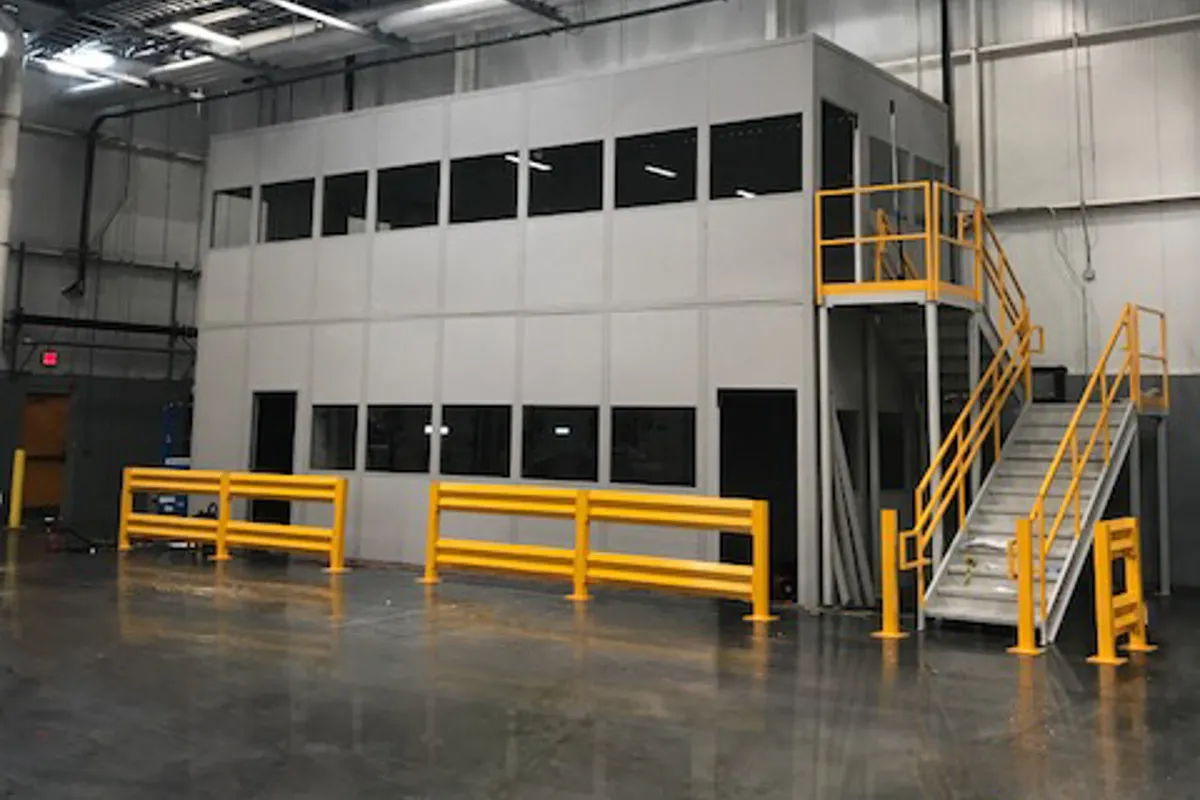 Two-story modular officeBest fit: a compact block of rooms on two levels with the smallest footprint. Common use: production or shipping office below, management or training above. Think about: the stair and structure add cost per room, so it pays off as room count grows.
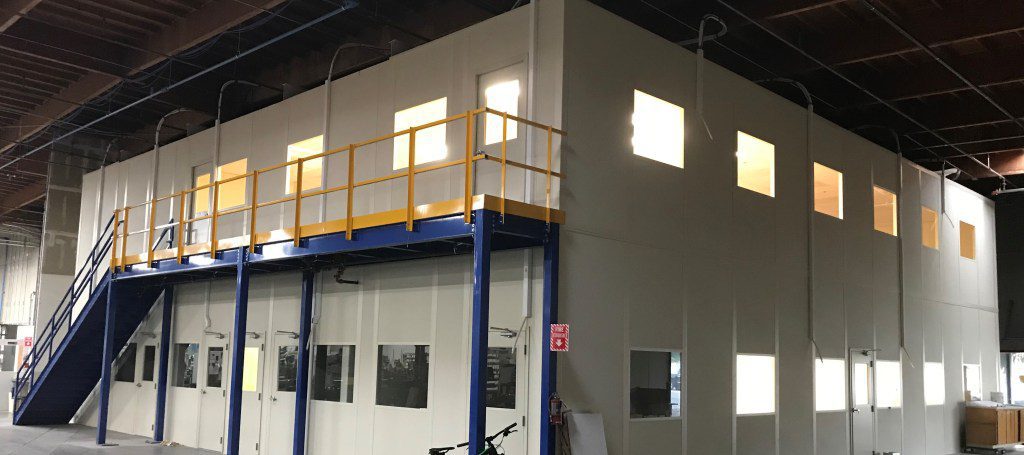 Office on a structural mezzanineBest fit: you need rooms up top and open floor or storage underneath. Common use: offices over docks or parts storage. Think about: a larger steel structure, column grid, slab capacity and code limits on enclosed rooms.
 Single-story in-plant officeBest fit: one level of offices where floor space is not the constraint. Common use: shipping, QC and foreman offices. Think about: adding a load-bearing storage roof later if you need space above.
Side by side
| Factor | Two-story modular office | Office on a structural mezzanine | Single-story in-plant office |
|---|---|---|---|
| Floor space used | Footprint of the lower level plus stair | Columns and stair only; floor below stays open | Full footprint of the office |
| Upper level | Second level of modular rooms | Offices, break room or storage on the deck | None, or a storage roof |
| Under the upper level | Rooms on the lower level | Racking, staging, production or more rooms | Not applicable |
| Structure | Engineered steel frame carrying the upper rooms | Steel columns, beams and deck sized for the use | Modular wall panels; roof load if storage is added |
| Engineering and permit | Stamped drawings for the upper floor and stair | Stamped structural drawings; mezzanine code rules apply | Usually simplest to permit |
| Relocation later | Panels and frame can be taken down and reset | Bolted steel and panels can be taken down and reset | Easiest to move or reconfigure |
| Pick it when | You want many rooms in a small footprint | You need floor space below and people above | You only need one level of offices |
Still deciding? Our modular office vs. drywall buildout guide covers the build-in-place option, and the mezzanine cost guide breaks down what the structure adds.
Structure, loads and stairs

The upper floor is engineered for its use: offices, files, storage or equipment each carry different loads, and the structure, columns and base plates are designed for them. Your slab is checked for the column loads, and the drawings are stamped for plan review.
Stairs, landings and guardrails follow the building code and OSHA walking-working surface rules for the use. An exterior stair saves space inside; an interior stair keeps people out of forklift aisles.
| Item | What to plan |
|---|---|
| Upper floor use | Offices, conference, break room, storage or equipment |
| Floor loads | Set by the use and engineered on the drawings |
| Stairs | Interior or exterior, direction, landing size |
| Guardrail | Around open edges, landings and roof areas |
| Slab | Check for column loads and anchors |
| Fire and life safety | Exits, sprinklers and detection as your code requires |
| Accessibility | Requirements for access to the upper level depend on use and code; confirm with your building official |
Two-story office specs at a glance
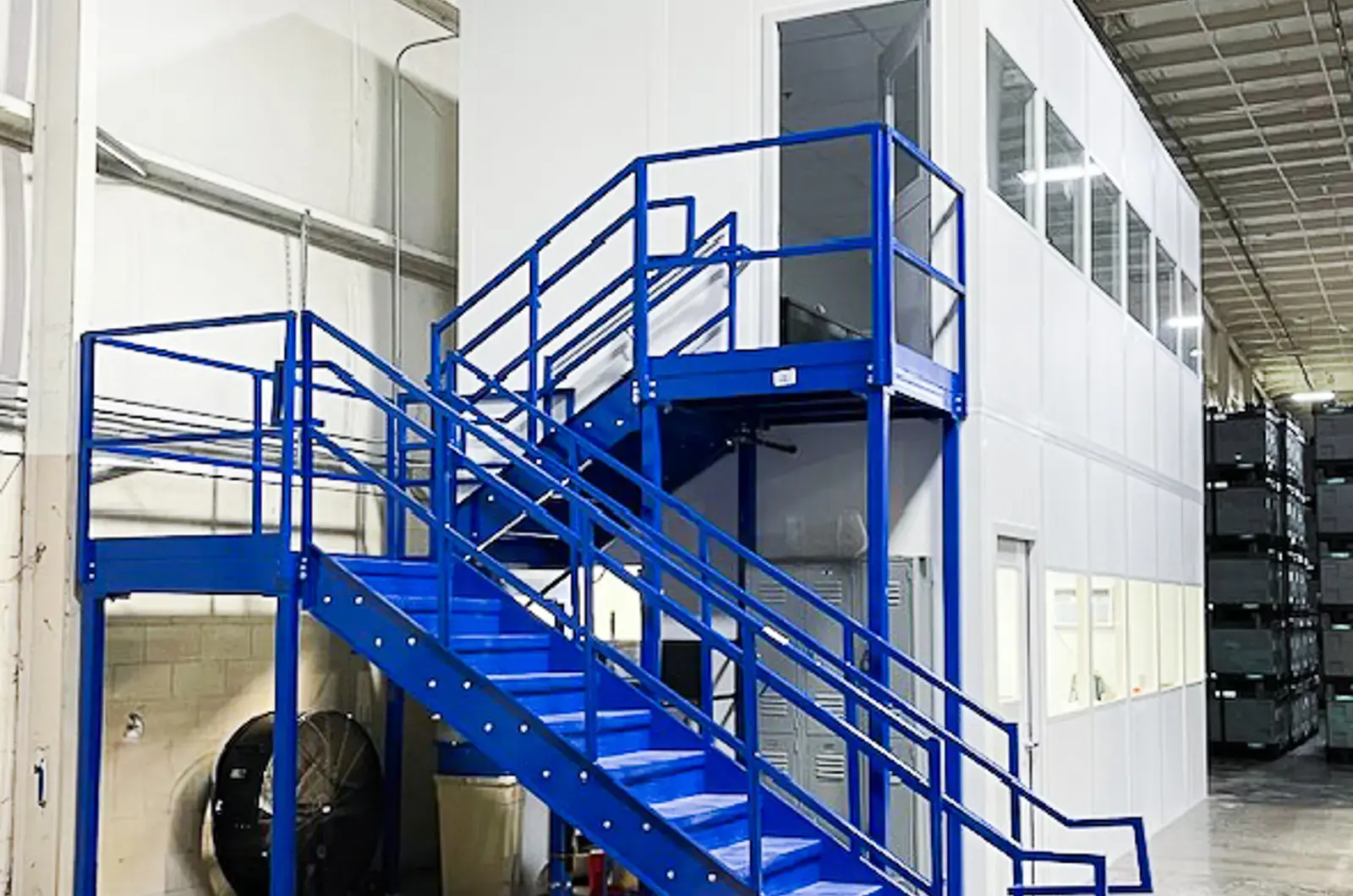
A two-story modular office has two parts: the steel structure that carries the upper level and the rooms on each floor. The structure is engineered first, because the upper floor carries people, furniture, files and the wall panels themselves. The building code sets minimum floor loads by use; offices are lighter than storage or file rooms, so tell us early if any upper room will hold records or stock.
Access matters as much as structure. Stairs, landings, guardrail and gates are laid out so people reach the office without crossing forklift aisles, and so the stair lands where people actually work.
| Item | What to expect |
|---|---|
| Structure | Bolted steel columns, beams and deck on anchored base plates; column grid set around racking, docks and traffic |
| Floor loads | Designed for the use shown on the drawings; office areas, file rooms and storage areas are rated separately |
| Upper floor | Steel deck with a solid walking surface under the upper rooms; a storage roof area can carry its own load rating |
| Clear height | Both levels plus the floor structure must fit under the lowest roof steel, sprinkler mains and lights; we confirm clear height before drawings |
| Code review | Your building official decides how the upper level is classified and what exits, sprinklers and accessibility it needs |
| Stairs | Interior or exterior, straight or switchback, built to the building code for occupied spaces |
| Guardrail | Guardrail with a 42 in top rail at open edges, landings and any walkable roof area |
| Office walls | Insulated modular panels, window bands facing the floor, doors with closers and locksets |
| Utilities | Lighting, outlets and data on each level; HVAC per level or one ducted system |
| Fire and life safety | Sprinklers and detection inside the rooms as your fire protection contractor and code require; exits sized for occupancy |
Code items are confirmed with your building official during plan review. Need a deck for storage beside the offices? See mezzanine safety gates for pallet and slide gates.
Two-story modular vs. alternatives
| Option | Best for | Tradeoffs |
|---|---|---|
| Two-story modular office | Office and support space on two levels with a small footprint | Stair and structure add cost per room |
| Single-story office with storage roof | One level of offices plus light storage above | No occupied space upstairs |
| Office on a mezzanine | Large upper areas for offices or storage | Larger structure; more engineering |
| Drywall office in the building | Permanent office built into the shell | Longer build, dust, not relocatable |
See also modular in-plant office vs. drywall buildout and mezzanines.
Features on each level
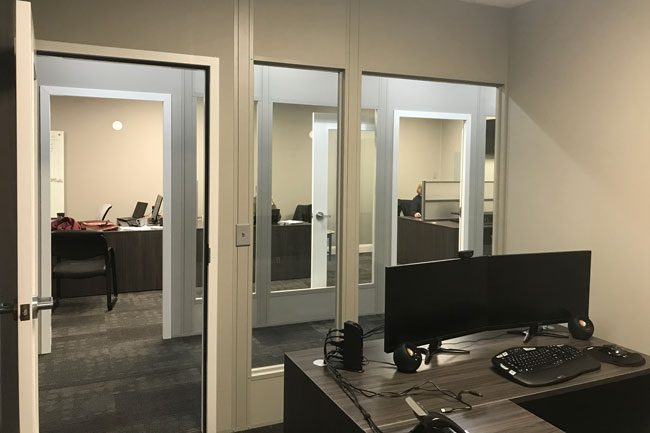
Both levels get the same commercial features as a single-story office: insulated panels, doors with closers and locksets, window bands facing the floor, lighting, outlets and data. HVAC can be wall-mounted on each level or a ducted unit serving both.
See HVAC options, doors and windows and electrical options.
How a two-story office project runs
Tell us the use
What happens inside the two-story office, how many people or what equipment, where it sits and when you need it.
Layout and drawings
We return a layout and drawings with doors, windows, HVAC and electrical shown, plus a quote with exclusions listed.
Fabrication
After drawing approval, lead times are typically 4 to 8 weeks, subject to confirmation, for fabrication and freight.
Delivery and install
Panels or finished units arrive by truck and are assembled or set in place, then your trades make the final connections.
What we need to quote a two-story modular office
Good inputs get you an accurate quote the first time. Send what you have; a phone photo and a tape-measure sketch are enough to start, and we will tell you what is missing.
If the site has unknowns, such as slab thickness or sprinkler layout, we note them in the quote so nothing turns into a surprise change order later.
Send us
- Rooms you need on each level and headcount.
- Configuration: rooms on both levels, rooms below with a storage roof, or “not sure”.
- Footprint available, with column, dock door and rack locations.
- Clear height to the lowest roof steel, sprinkler mains and lights.
- Upper floor use and any file or storage loads.
- Slab thickness and condition, if you know it.
- Stair location and forklift traffic nearby.
- HVAC, electrical and data needs for each room.
- Photos of the area and a rough sketch with dimensions.
- City or county for the permit, plus your timeline and work windows.
What you get back
- A layout showing rooms, stair, landing and guardrail on your floor plan.
- A quote with the structure, office, options and exclusions listed line by line.
- Options where they help, such as two-story vs. single-story with a storage roof.
- Stamped drawings and calculations for plan review after you approve the layout.
- A schedule for fabrication, delivery and installation around your operation.
Related projects
Multi-level offices, mezzanine-based rooms and offices in busy plants.
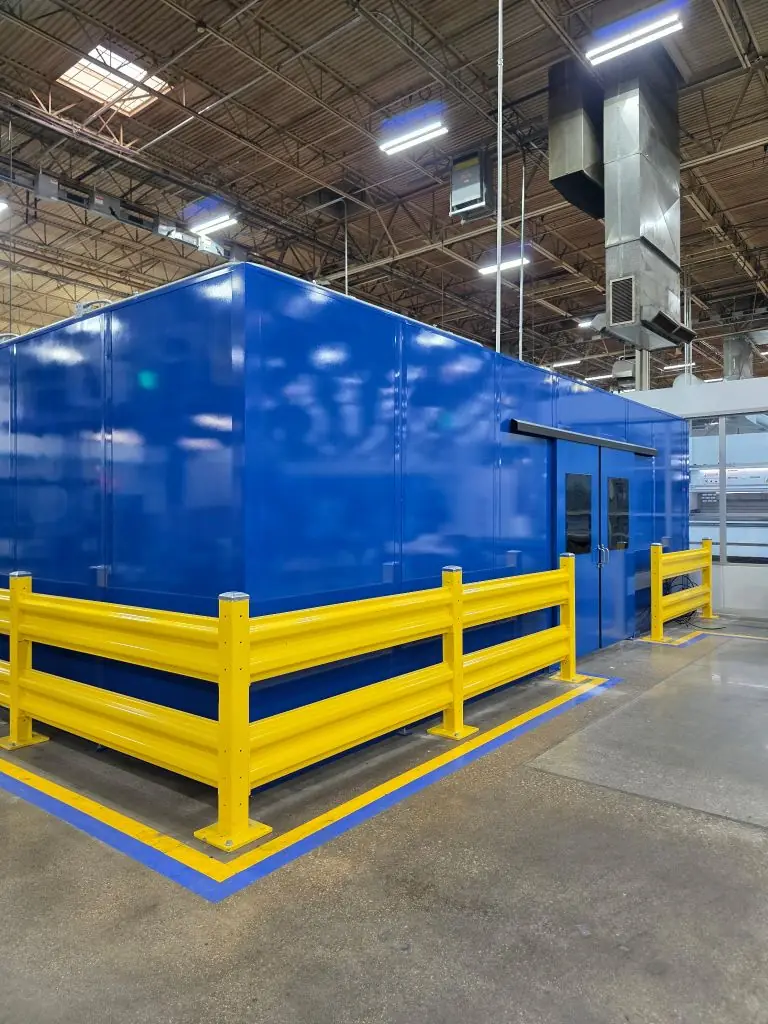 Hydro Extrusions: high-heat metal plantIn-plant offices in a high-heat aluminum extrusion plant: heat load, HVAC and protection.
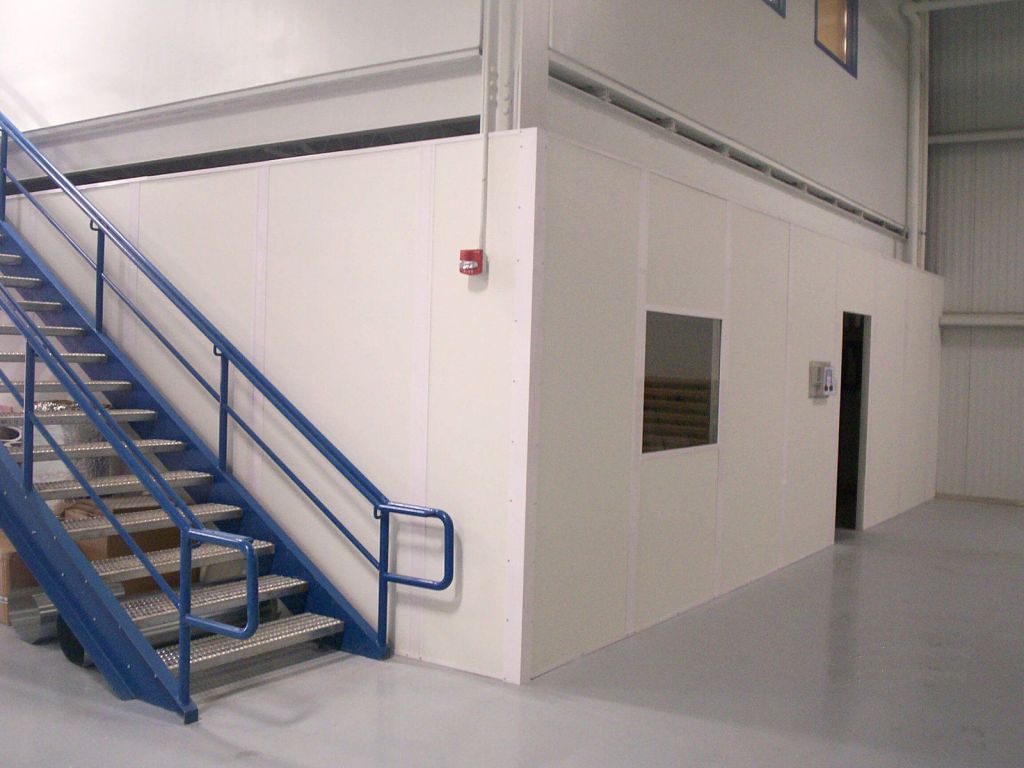 Western States Equipment: dealer service facilityModular rooms for a heavy equipment dealer’s service and parts operation.
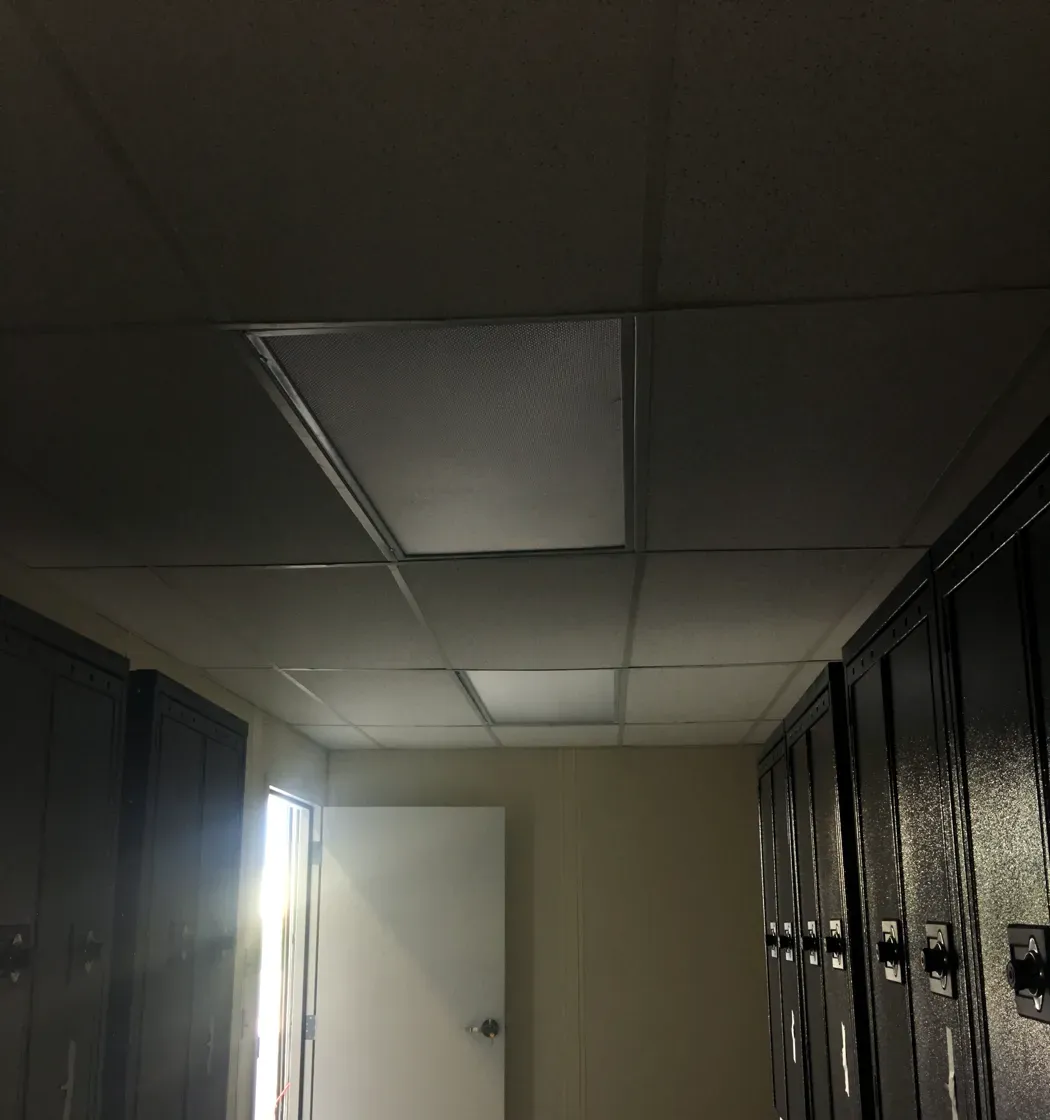 Stork, Salt Lake City: modular change roomA modular change room built under a storage mezzanine, with lockers, ventilation and power.
Protect the Office Base: Bollards and Railing
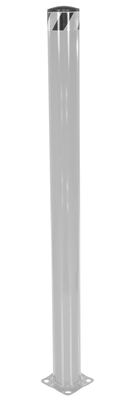
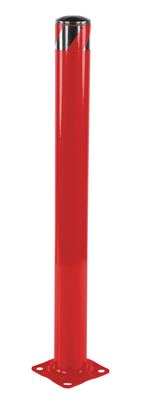
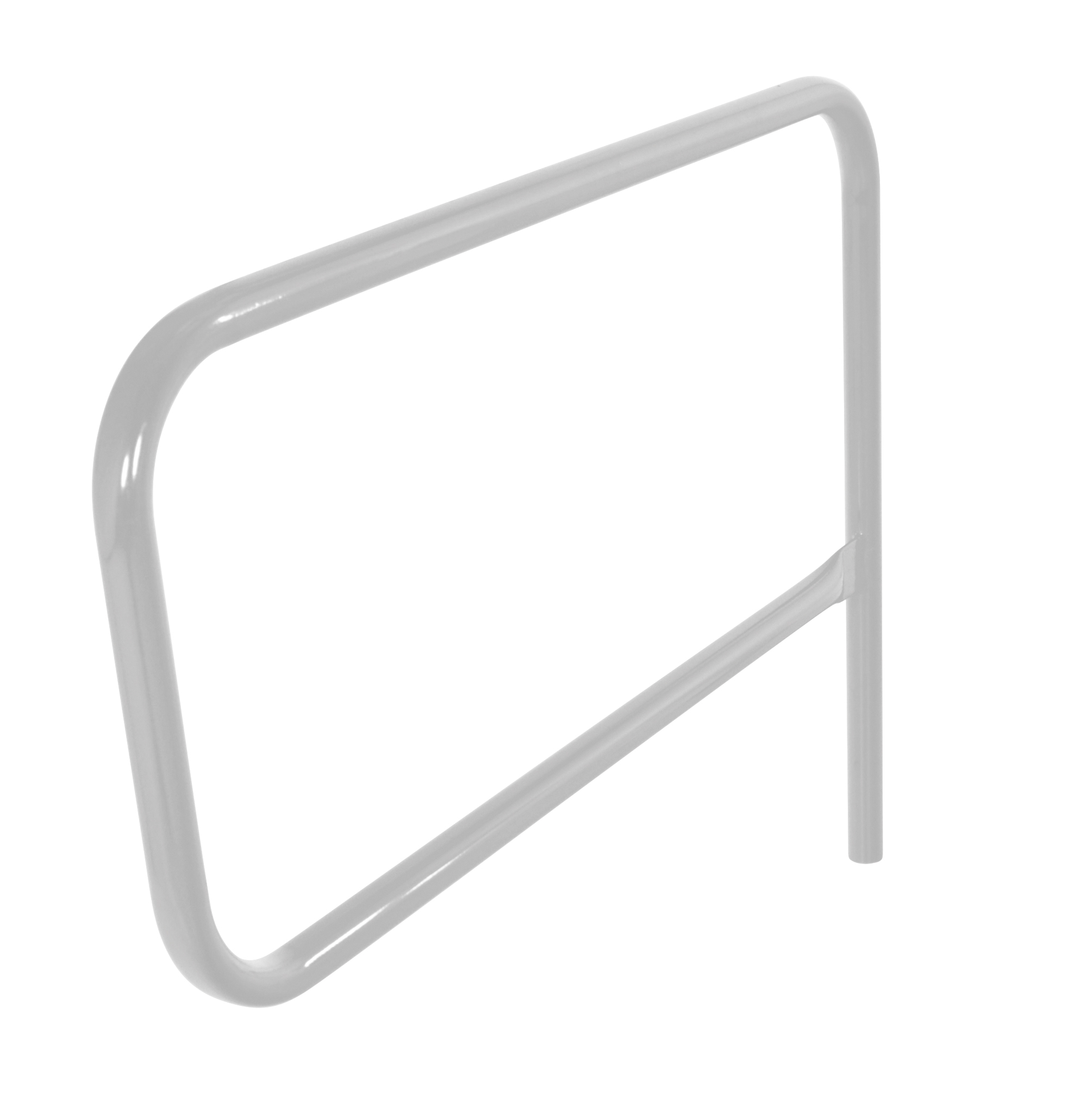
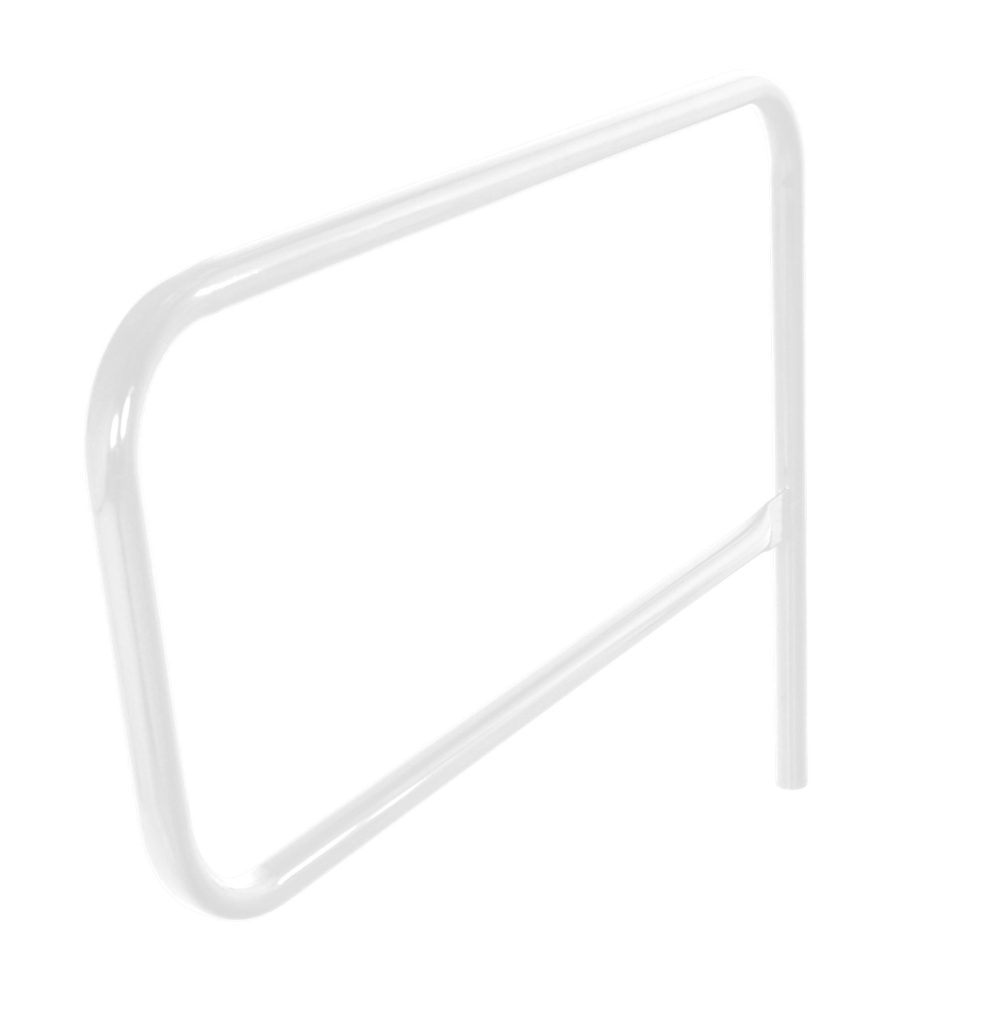
Two-story offices are quoted per project. Steel bollards and pipe safety railing that protect columns, stairs and walls from forklifts can be ordered online.
Get a free two-story office quote
Tell us the rooms you need, the footprint and your timeline. A project specialist will follow up with a layout and pricing. Prefer to talk? Call (800) 326-4403.
Frequently asked questions
What is a two-story modular office?
What is the difference between a two-story modular office and a mezzanine office?
What drives the cost of a two-story modular office?
How much weight can the upper floor carry?
Do two-story modular offices need sprinklers?
Is an elevator required for the upper level?
Can a two-story office be moved?
How long does a two-story office take?
Do I need a permit?
Plan a two-story office
Send the rooms you need, the footprint and clear height. We will return a layout, drawings and a quote.