
Modular Buildings vs. Shipping Container Offices
Container offices are rugged steel boxes; modular buildings are designed as buildings in any footprint. Compare size, comfort, windows, use inside plants, delivery and when each fits.
Call (800) 326-4403 or email Sales@MH-USA.com
8 ft Wide
Standard Container Width
Any Footprint
Panelized Modular
Inside or Outside
Modular Placement
Your Use
Decides the Winner
The short answer
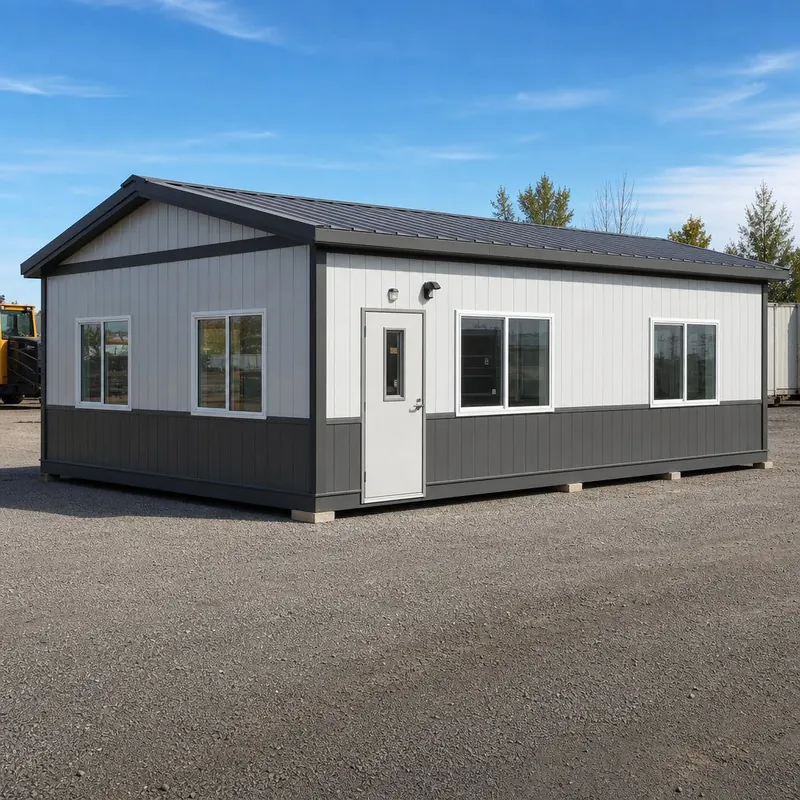
A shipping container office is a steel ISO container converted with insulation, windows, doors, power and HVAC. A modular building is designed as a building from the start, either as panels assembled on site or as factory-built modules, in the size and layout the work needs.
Containers suit rugged, temporary or remote outdoor uses where their steel box and standard logistics are an advantage. Modular buildings suit offices, break rooms, labs and booths that people use all day, and almost every building that goes inside a plant or warehouse.

Below is a side-by-side comparison, then where each one makes sense. For the trailer alternative, read modular buildings vs. portable office trailers; for site-built construction, see modular building vs traditional construction. Building types are on the in-plant buildings hub.
Container offices vs. modular buildings, side by side
| Factor | Shipping container office | Modular building |
|---|---|---|
| Size and shape | Fixed boxes, typically 20 or 40 ft long and 8 ft wide; wider rooms mean joining units | Footprint, wall height and layout set to the job; standard office sizes from 8×8 ft |
| Usable width | Interior width under 8 ft, less after insulation and finishes | Room widths set by the layout |
| Ceiling height | Fixed by container height (standard or high-cube) | Wall height chosen; taller rooms and two stories possible |
| Windows and doors | Cut into the steel shell; large openings need reinforcement | Framed into the panel layout wherever the work needs them |
| Insulation and comfort | Steel conducts heat; insulation reduces interior space; condensation must be controlled | Insulated panels with cores chosen for the climate and use |
| Inside a plant | Rarely practical: heavy, fixed size, needs a crane or large forklift | Panels carried in through a standard door and assembled on the slab |
| Delivery | Standard container trucking; crane or tilt-bed to set | Flatbed delivery of panels or modules; forklift or crane to set |
| Relocation | Lift and move as one box | Disassemble and reassemble, or move modules whole |
| Codes and permits | Usually reviewed like any occupied building once converted | Usually reviewed like any occupied building; drawings provided |
| Appearance | Industrial container look | Office, booth or building finishes; can match nearby buildings |
When a shipping container office makes sense
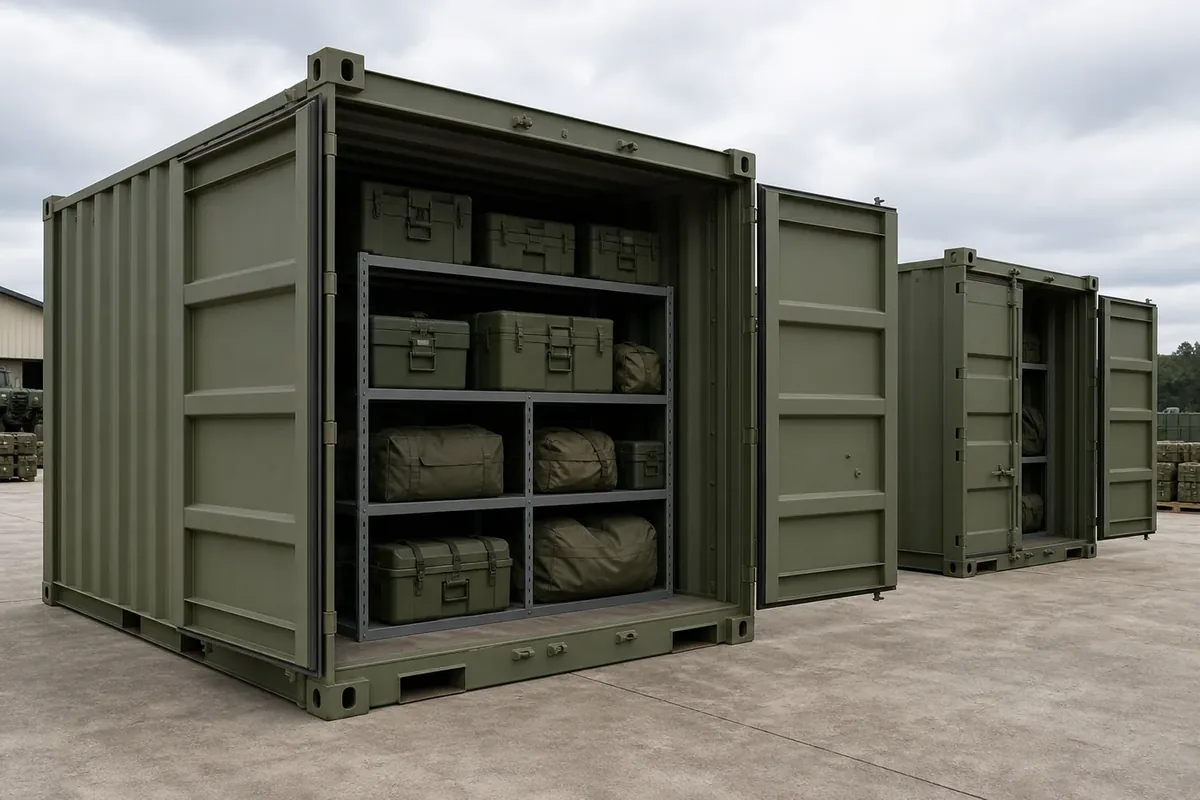
Containers are hard to beat for secure storage, rugged job-site use and places where standard container logistics are the easiest way in. A converted container can be a site office, tool room or storage unit that is locked up at night and moved to the next job as one piece.
The trade-offs show up when people work inside all day: a narrow room, heat and cold through the steel, and limited window space.
- Short-term or mobile job sites where the unit moves with the crew.
- Secure storage of tools, parts and records outdoors.
- Remote sites where a sealed steel box survives rough handling and weather.
- Simple, narrow rooms where an 8 ft width is enough.
When a modular building is the better choice
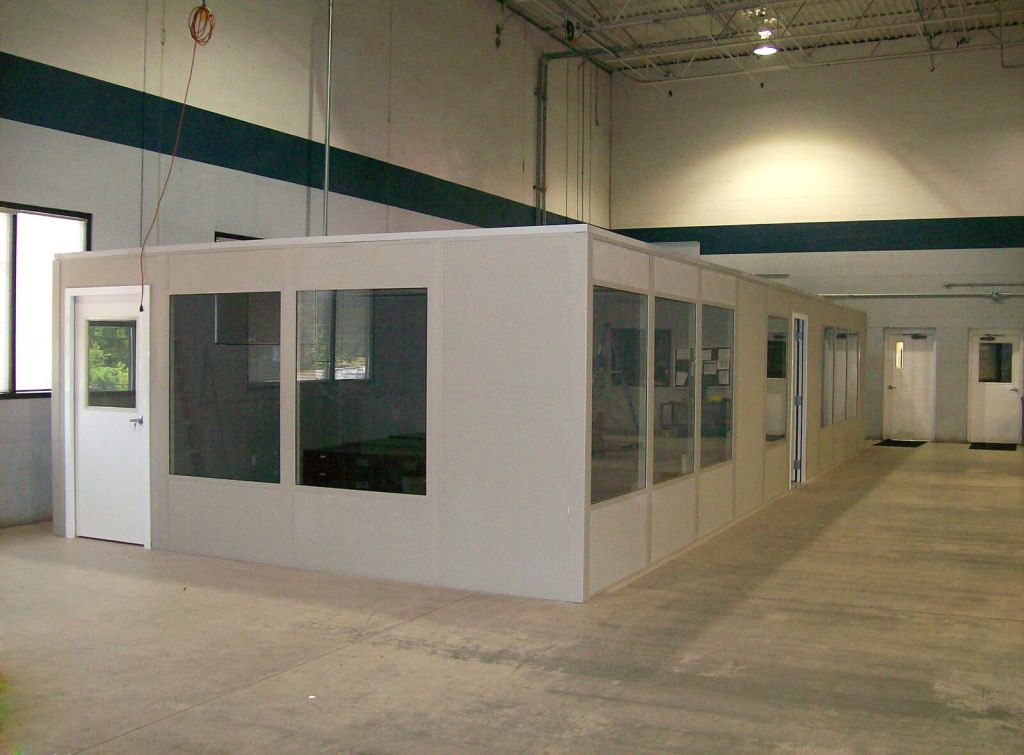 In-plant officesSupervisor, shipping and quality offices on the plant floor, assembled from panels on your slab.
 Break rooms and meeting roomsWider rooms with plumbing, appliances and finishes for daily use.
 Exterior buildingsStand-alone offices and buildings with a proper roof, insulation and foundation.
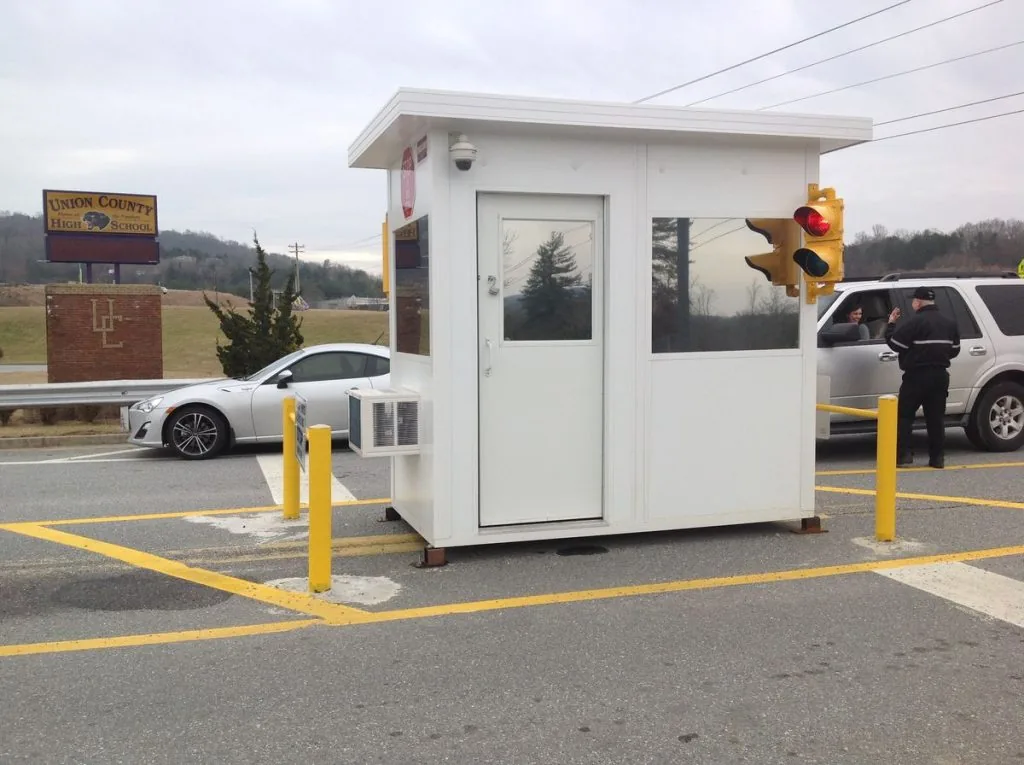 Guard boothsGlass on every side, transaction windows and HVAC sized for a staffed post.
If people will work in the room every day, if it goes inside a building, if it needs more than 8 feet of width or lots of glass, or if it should look like part of the facility, a modular building is usually the better fit. Panels also make it easy to add a room or move the building later.
Start with standard sizes like a 10×12 or 12×16 office, or lay one out in the modular building configurator.
Remote and rugged sites
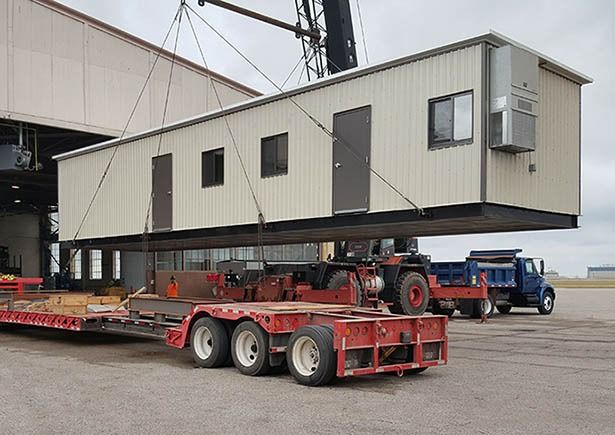
Remote sites are where containers are most often considered, and where modular buildings also do well when they are planned for freight, access and weather. Our project pages show how real remote buildings were handled: modular buildings for remote mine sites and remote-site buildings at Antelope Island State Park.
Weather details are in roofing and weather protection, and bases in foundation options.
Related comparisons: modular in-plant office vs. drywall buildout and the modular building cost guide. Planning steps are in the buyer’s guide.
What converting a container into an office involves
| Step | What it means for the finished room |
|---|---|
| Cut openings | Doors and windows are cut from the corrugated steel; large openings need framing to restore strength |
| Insulate | Spray foam or panels on the walls and ceiling, which narrows an already narrow room |
| Control condensation | Steel surfaces sweat when warm, moist air meets cold metal; insulation and ventilation must be right |
| Wire and condition | Electrical, lighting and an HVAC unit are added as in any building |
| Finish | Wall and floor finishes over the steel shell |
| Permit | An occupied, powered container is usually reviewed like any other building |
Questions to ask before choosing a container office
- Is 8 feet of outside width enough once desks, chairs and insulation are in?
- Will people work inside all day, in heat or cold?
- Does it need to go inside a building? If so, can you lift it in?
- How much glass do you need to see the work?
- How long will you use it, and where will it go next?
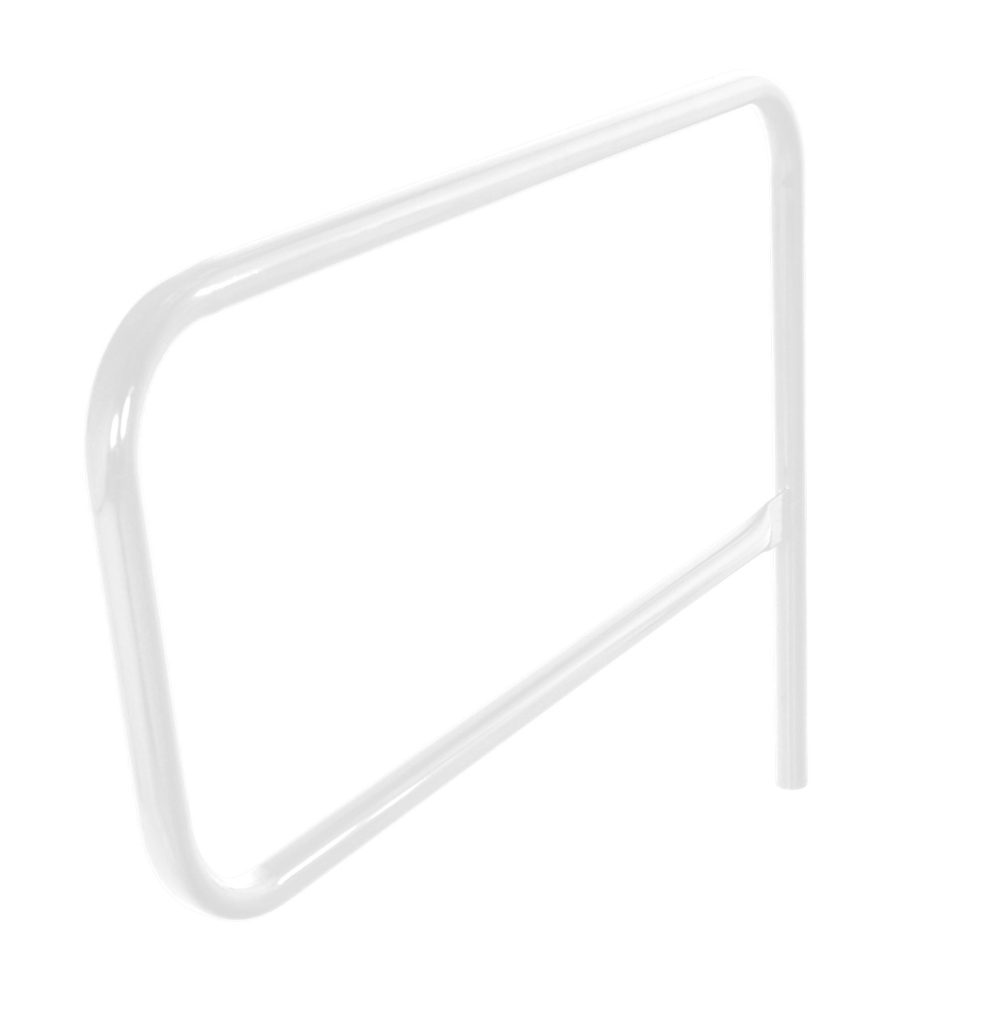
Protect Any Site Building: Bollards and Railing
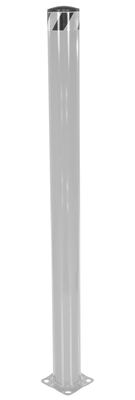
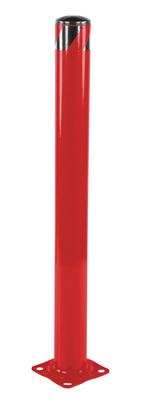
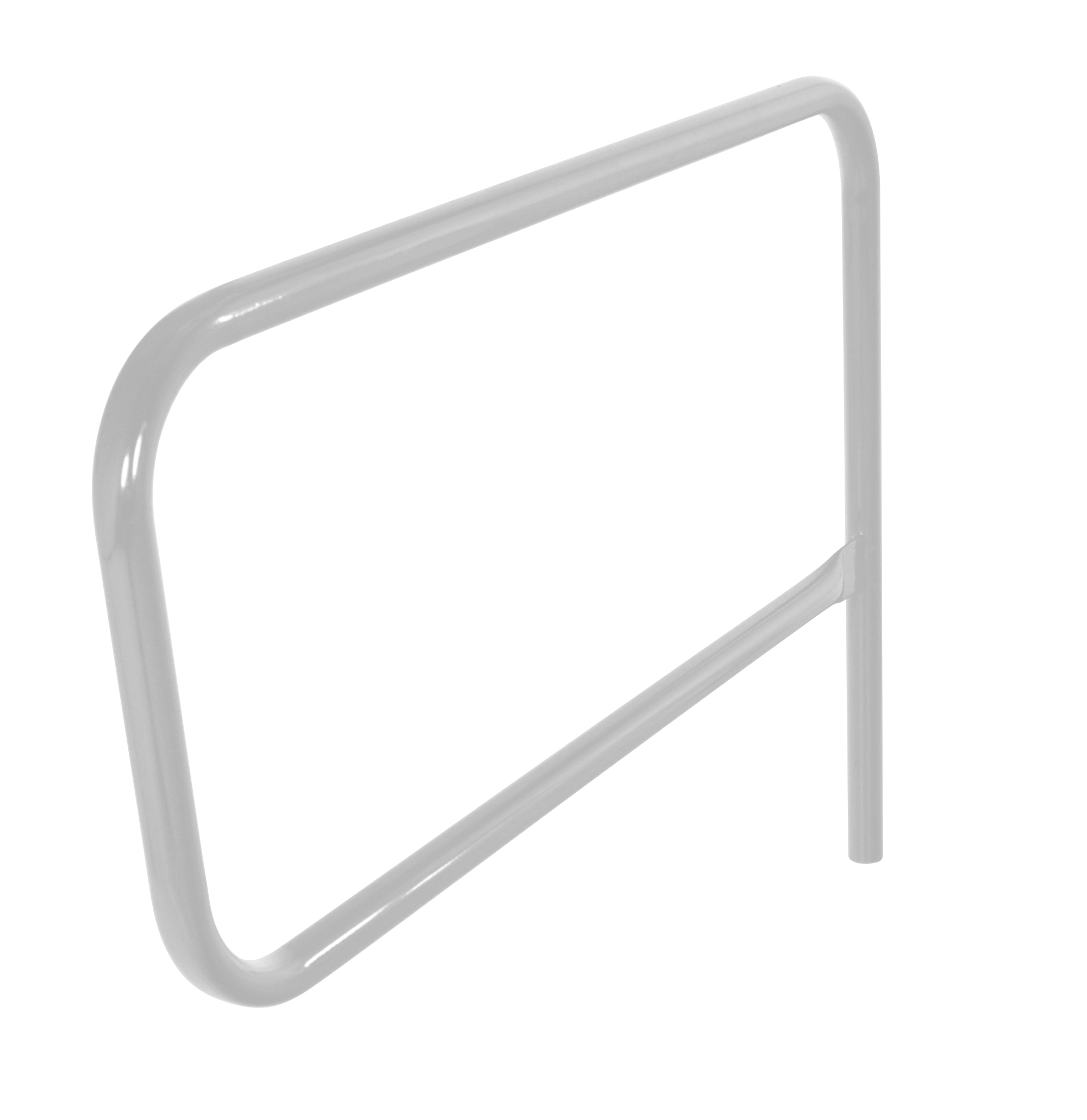
Container or modular, site buildings need protection from vehicles. Steel pipe bollards and safety railing gates can be ordered online.
Frequently asked questions
What is the difference between a container office and a modular building?
Are container offices cheaper than modular buildings?
Can a shipping container go inside a warehouse as an office?
Do container offices need permits?
When is a container the right choice?
How wide is a shipping container office?
Compare options for your site
Tell us how the space will be used, where it goes and for how long. We will recommend a modular configuration and quote it.