
Modular vs. Conventional Construction — Complete Comparison
Side-by-side analysis of modular and conventional construction: cost, timeline, quality, flexibility, and total ROI. Data-driven comparison for facility managers making real building decisions.
Call (800) 326-4403 or Email Sales@MH-USA.com

Two Approaches to the Same Goal
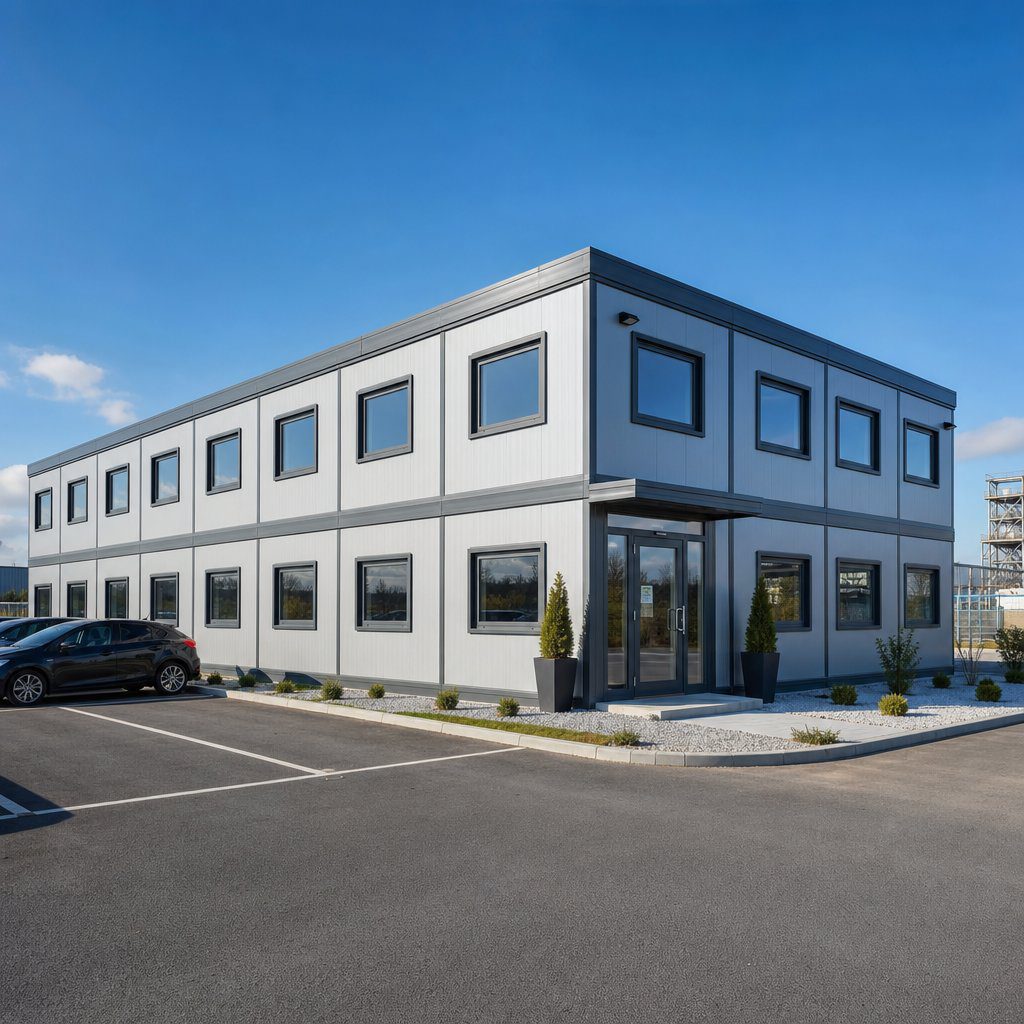
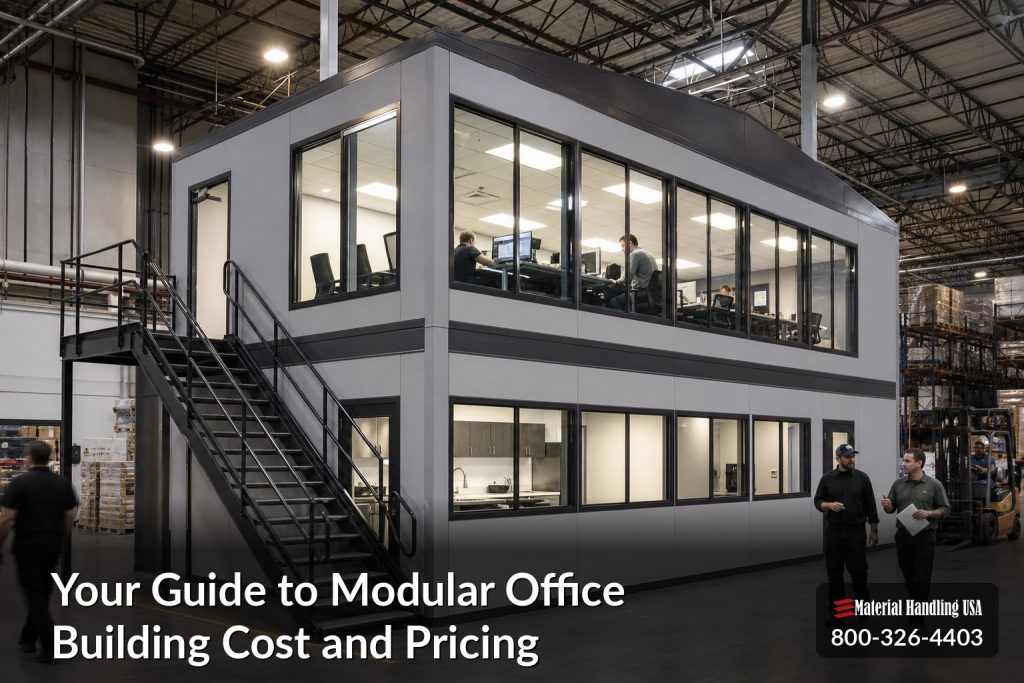
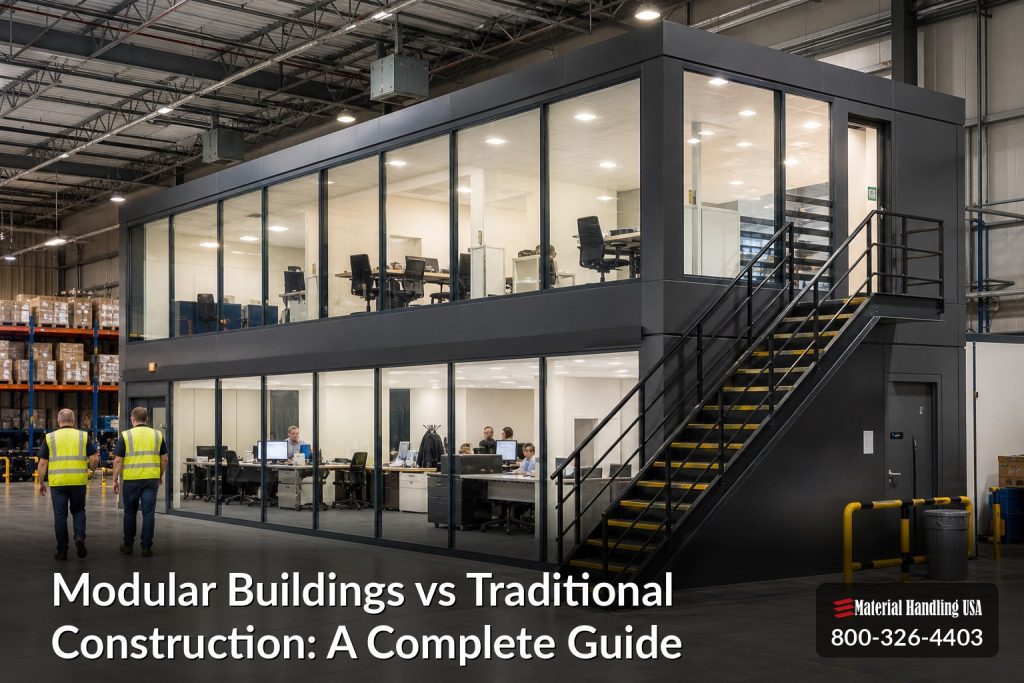
Conventional construction and modular construction both create enclosed, code-compliant spaces for people to work in. But they take fundamentally different paths to get there. Conventional construction builds on-site from raw materials — framing lumber or steel, drywall, concrete — with skilled tradespeople working sequentially through weather, inspections, and inevitable delays. Modular construction builds in a factory using the same materials, but in a controlled environment with parallel processes, consistent quality, and zero weather impact.
This comparison isn’t theoretical. It’s based on real projects where facility managers chose between modular and conventional construction for offices, break rooms, quality labs, cleanrooms, and production floor enclosures. The data consistently shows that modular construction delivers equivalent or superior quality at 20–35% lower total cost in 50–70% less time. Here’s exactly why — and where conventional construction might still make sense.
Head-to-Head Comparison
Direct comparison across the factors that matter most to facility managers and building owners.
| Factor | Modular Construction | Conventional Construction |
|---|---|---|
| Total Cost | $75–$250 per sq ft (installed) | $120–$400+ per sq ft (completed) |
| Timeline | 2–8 weeks (order to occupancy) | 3–12 months (design to occupancy) |
| Quality | Factory-controlled, consistent tolerances | Field-dependent, variable by crew |
| Disruption | 1–5 day on-site installation | Weeks–months of on-site construction |
| Flexibility | Relocatable, reconfigurable | Permanent, demolish to remove |
| Tax Treatment | Section 179 (deduct year one) | 39-year depreciation (real property) |
| Change Orders | Rare (factory pricing is fixed) | Average 10–15% of project cost |
| Weather Impact | None (factory manufacturing) | Significant delays possible |
| Waste Generated | < 5% material waste | Up to 30% material waste |
| Resale Value | Retains value, can be sold/moved | Zero — demolition cost to remove |
Where Modular Construction Wins
In most facility applications, modular construction outperforms conventional on these critical factors.
Speed
Factory manufacturing and site preparation happen simultaneously. A modular building that takes 4 weeks to manufacture and 2 days to install delivers in 5 weeks total. The same space built conventionally takes 3–6 months because every trade works sequentially — framing waits for foundation, drywall waits for framing, paint waits for drywall.
Cost Certainty
Modular pricing is fixed at order. Factory material costs, labor rates, and timelines don’t change. Conventional construction averages 10–15% in change orders (per the Construction Industry Institute) — costs that appear after you’ve committed to the project.
Zero Operational Disruption
A modular building installs in 1–5 days using battery-powered tools. No welding, no concrete, no extended noise. Conventional construction inside an active facility creates weeks of dust, noise, restricted areas, and operational workarounds.
Tax Advantages
Modular buildings qualify as tangible personal property under Section 179 — deduct the full cost in year one (up to $1.16M). Conventional construction is classified as real property and must be depreciated over 39 years. This tax difference alone can shift the ROI calculation dramatically.
Relocatability
When your needs change — and they will — a modular building relocates to a new position or new facility. Conventional construction gets demolished at your expense. This is particularly valuable for leased spaces where your investment walks out the door with the landlord.
Environmental Impact
Factory manufacturing generates less than 5% material waste versus up to 30% for conventional construction. Controlled manufacturing uses 67% less energy than on-site building processes. Modular buildings are inherently more sustainable.
Where Conventional Construction Still Makes Sense
To be fair, conventional construction has advantages in certain situations. Large-scale, architecturally distinctive buildings (corporate headquarters, public-facing facilities) where unique design is the primary goal often justify the cost and time of conventional construction. Building additions that must seamlessly integrate with existing structures architecturally may require the flexibility of on-site construction methods.
Buildings requiring deep foundations, significant below-grade work, or complex structural connections to existing structures may be more practical as conventional projects. And buildings in locations where a factory-built structure cannot be transported due to road restrictions, bridge weight limits, or access constraints may require on-site construction. For everything else — and that’s the vast majority of commercial and industrial enclosed spaces — modular construction delivers more value.
The Hidden Costs of Conventional Construction
Frequently Asked Questions
Explore More Modular Building Solutions
See the Modular Difference for Yourself
Get a free side-by-side quote — modular vs. conventional — for your next building project. Material Handling USA.
Related Buyer Resources: