
Pallet Rack Anchor Bolts & Base Plates
Anchor bolts connect your rack frames to the floor — the right anchor, pattern and embedment depend on your engineer of record and your actual concrete, not a one-size chart.
Talk with a pallet rack specialist. Call (800) 326-4403 or email Sales@MH-USA.com

Why Anchoring Isn’t Optional
Pallet rack base plates transfer column forces to the supporting floor, and the specified anchors restrain the rack at that connection. The rack, base plate, anchor and concrete must be considered together. Changing one piece without checking the assembly can change the design assumptions.
The Rack Manufacturers Institute explains that not every base-plate hole necessarily requires an anchor. Some plates have alternate holes. The installation drawings identify the required number, size, depth and placement for that system; neither the number of visible holes nor a neighboring bay establishes your requirement.
Use the current project drawings and the specified anchor manufacturer’s technical documentation. MH-USA can help coordinate the rack information and installation scope, while the responsible design professional resolves the anchorage requirements.
A rack column base plate is a steel plate welded to the bottom of an upright that rests on the concrete floor and distributes the rack’s weight to it. Base plates come with pre-drilled holes for anchoring — but per Jonathan Hirst, P.E., VP/GM of North American Storage (an RMI member), “there’s a common misconception that all holes require an anchor, but that’s not always true. Not every hole in a base plate necessarily requires an anchor.”
The rack design engineer specifies the exact number, size, depth and placement of anchors on the installation drawings, based on the design’s sliding, seismic-uplift and overturning forces — not a chart that applies to every job. RMI’s ANSI MH16.1 governs how pallet rack anchoring is engineered and tested, alongside the building code adopted in your jurisdiction.
We work from your engineering package and your actual floor, not a generic anchor rule.

How Common Anchor Types Work
Wedge, screw and adhesive anchors use different mechanisms. The category name does not establish a product’s suitability for cracked concrete, seismic loading, an edge location or a particular slab thickness. Confirm the exact manufacturer, model, size and applicable evaluation documentation—not just “an equivalent anchor.”
 Wedge AnchorsA mechanical expansion anchor develops resistance through its designed engagement with the concrete. Confirm the specific product’s installation requirements, approved concrete conditions and project specification. A marking or visible protrusion alone does not prove the installed embedment or capacity.
 Adhesive (Epoxy) AnchorsAn adhesive anchoring system bonds a specified rod or reinforcing element into prepared concrete. The adhesive, rod, hole preparation, temperature and curing requirements belong to that exact system. Do not assume adhesive solves a crack, joint or edge-distance problem without a reviewed design.
 Concrete Screw AnchorsA concrete screw anchor uses its specified thread engagement in a prepared hole. Confirm the exact product’s substrate and installation requirements. Removal, reuse and reuse of an existing hole are separate questions; none should be assumed from the word “screw.”
How Many Anchors, and Why the Count Varies
There is no single anchor count for every rack in Utah, Idaho or another state. Required anchorage depends on the rack configuration, loading, base connection, slab and site design conditions. Follow the approved pattern for each column location rather than adding or omitting anchors by habit.
RMI’s soil, slab and seismic design guidance describes the interaction of loaded structure weight, site seismicity, concrete slab thickness and soil classification. These are project inputs, not a statewide seismic category or a general-purpose sizing chart.
If drawings are missing, conflict with the supplied base plate, or do not cover the intended configuration, resolve that gap before installation. Ask who will review the discrepancy and which drawing revision the installer is to follow. An old project’s engineering is not approval for a relocated rack.
Your Concrete Floor Is Part of the Anchor Design
Provide available slab records and tell the project team about visible cracks, floor joints, previous anchor holes, repairs, uneven areas or unknown construction. A concrete surface that looks sound does not establish its thickness, reinforcement, strength or suitability for the proposed anchorage. Our guide to concrete slab requirements for pallet racking explains which slab details the rack engineer needs and how to check an existing or spec-building floor.
Confirm who obtains missing floor information and who reviews it. The responsible professionals determine whether further investigation, testing or a revised design is needed; these services should be identified in the scope rather than presumed included.
- Slab and reinforcement: Identify known reinforcement, embedded services or post-tensioning. Do not drill until the location and installation method have been cleared through the project’s review process.
- Holes, cracks and joints: Document their locations relative to the proposed rack. Do not reuse an old hole, choose a nearby hole or change anchor type without approval for that condition.
- Uneven floors: Flag where base plates do not bear as intended. Shimming, leveling or base-plate changes need the detail specified for the system; this page does not provide a field-fix recipe.
- Installation records: Confirm what product identification, installation checks, testing or inspections are required and who records them. An inspection requirement for one anchor or project is not automatically the same for another.
Changing the Anchor, Base Plate or Frame Later?
Anchor bolts, base plates and frames are specified together as a system. If you’re adding rack to an existing anchored area, replacing damaged frames, or considering a different anchor brand or base plate than what was originally installed, that’s a substitution question for review — not an automatic same-size swap.
A matching bolt diameter or similar-looking base plate does not confirm the new combination carries the original engineered design’s rated capacity. We review the actual frame, base plate and anchor together, and work with your OEM and anchor partner where needed, before recommending a change.
What to include with a substitution request
Send the specified part and proposed substitute, current rack drawings, frame and base-plate identification, relevant anchor technical documents and the reason for the change. Include any slab or hole-location constraint. Keep the proposed change separate from an approved revision until the responsible reviewer accepts it.
For installation pricing, identify who supplies anchors, coordinates engineering, prepares the work area and provides access equipment. Confirm any testing, inspection or closeout requirements separately. Availability of a common-size anchor is useful for sourcing, but does not establish interchangeability with the specified product.
Shop Anchor Bolts & Related Rack Accessories
Current Interlake listings (we have access to some common sizes in stock at select manufacturers; availability must be confirmed).
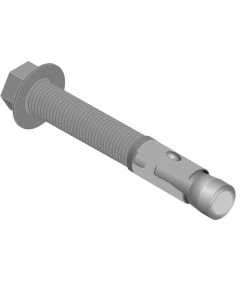 Interlake Pallet Rack Anchor Bolts$3.64 each — confirm the anchor type your engineering documentation specifies.
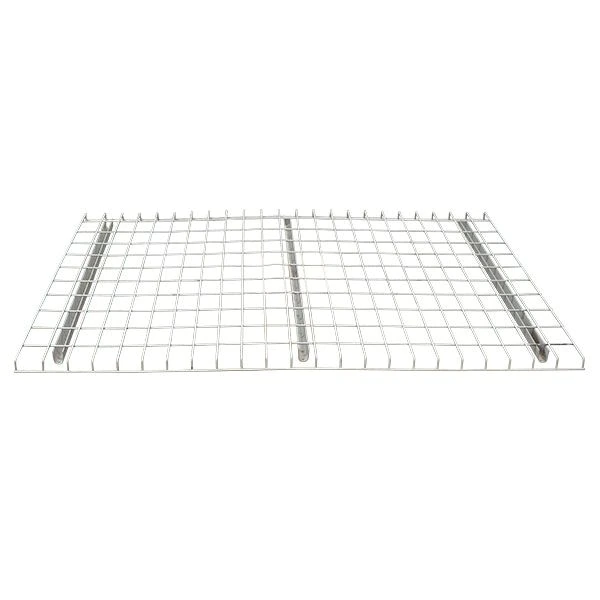 Interlake Wire Deck for Pallet RackFrom $95.38 per panel, depending on configuration.
 Interlake Pallet Rack Column ProtectorFrom $69.68, depending on configuration.
Anchor Bolt FAQ
Are anchor bolts required for pallet rack?
Do all base plate holes need an anchor?
What size and how many anchor bolts do I need?
Can an old or uneven floor still be used?
What does anchoring installation include?
Pallet Rack Accessories
Wire Decking · Rack Guards · Rack Netting · Installation, Repair & Inspection · All Pallet Rack →
Design Your Pallet Rack System in 3D
Use our free interactive Pallet Rack Configurator to lay out your rack, see a 3D preview, get a bill of materials and request a quote.
Need Pallet Rack Anchoring Reviewed or Installed?
Tell us your rack, floor condition and any existing anchors — we’ll confirm the right anchor and install it to spec.