
Cleanrooms Images
Discover high-quality cleanroom images showcasing advanced designs for controlled environments across industries.
Talk with a specialist. Call (800) 326-4403 or Email Sales@MH-USA.com
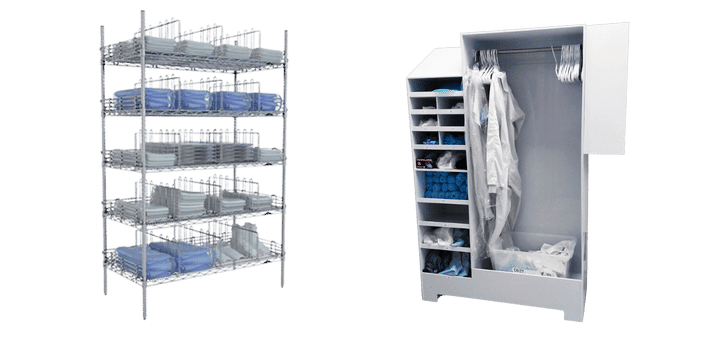
What Are Cleanrooms?
Cleanrooms are specially designed environments that control contamination by regulating air quality, temperature, and humidity. Used in industries like pharmaceuticals, biotechnology, and electronics, cleanrooms help ensure that products are manufactured under strict conditions free from pollutants such as dust, airborne microbes, and chemical vap or s. These spaces play a vital role in maintaining product integrity and safety.
Become a member!
Quick and simple registration for new customers.
Register for a personalized shopping experience.
Why Register?
- Faster and more customized checkout experience.
- Easy management of returns and payment options.
- Convenient order t racking and history access.
- Create wish lists and manage subscriptions effortlessly.
- Exclusive access to special offers and promotions.
How It Works
Experience the streamlined process of Material Handling USA’s Warehouse Solutions, guiding you from consultation to implementation with personalized solutions and ongoing support.
Frequently Asked Question
Cleanrooms are essential in industries such as pharmaceuticals, biotechnology, semiconductor manufacturing, aerospace, and food processing to ensure contamination control.
Cleanrooms are classified by ISO standards, with ISO Class 1 being the cleanest and ISO Class 9 being the least clean, based on particle count per cubic meter of air.
Air quality is controlled by High-Efficiency Particulate Air (HEPA) filters that remove particles from the air. Some cleanrooms also use Ultra Low Particulate Air (ULPA) filters for stricter standards.
Humidity control is crucial to prevent moisture from affecting sensitive materials, particularly in electronics or pharmaceuticals where moisture can cause defects.
Materials like stainless steel, glass, and special polymer flooring are commonly used because they are non-p or ous and easy to clean, minimizing the chance of particle buildup.
Ready to Get Started?
Contact our team for a free design consultation and quote.