
Museum Storage Cabinets
Discover museum storage cabinets designed to protect and preserve priceless artifacts with secure, customizable solutions.
Talk with a specialist. Call (800) 326-4403 or Email Sales@MH-USA.com
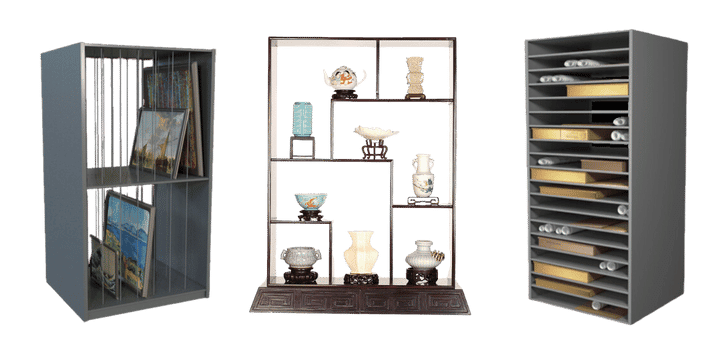
Museums house some of the world’s most invaluable artifacts and historical pieces. With limited display space, museum storage cabinets offer an essential solution to preserve these treasures. Museum professionals rely on quality storage options to keep their collections safe from damage caused by light, moisture, pests, and other environmental factors. By investing in high-quality, durable museum storage cabinets, museums ensure that their collections are safeguarded for future generations.
Why Museum Storage Cabinets Matter
Museum storage cabinets are a vital component in any museum’s storage plan. They’re designed to store and protect delicate items like artwork, artifacts, and archival materials. These cabinets come with a range of features to prevent deteri or ation from external threats like dust, humidity, and temperature fluctuations. Museum storage cabinets provide a safe, organized environment for both large and small items.
Explore Custom Solutions Today!
Ready to Improve Customer Flow and Minimize Queue Confusion? Connect with Our Signage Experts for Tail or ed Solutions Today!
Choosing the Right Museum Storage Cabinet
The choice of museum storage cabinet depends on the type of artifacts stored. Larger, irregularly shaped items, like taxidermy specimens or geological samples, often require high-density, heavy-duty storage solutions. Smaller artifacts, such as pottery, artwork, or archival documents, might fit better in flat file cabinets or drawers.
Key Features of Museum Storage Cabinets
Museum storage cabinets are designed with unique features that cater specifically to the needs of museums:
- Durable Construction: Museum cabinets are built to withstand time, with sturdy materials that prevent warping, sagging, or deteri or ation.
- Flexible Design Options: Museums often need a variety of cabinet types for different artifacts. Options such as drawers, shelves, and racks allow curators to store a wide range of items efficiently.
- Protective Seals and Locks: Good-quality museum cabinets offer tight seals to keep out dust, moisture, and pests.
- UV and Light Protection: Many cabinets include materials and coatings that protect artifacts from harmful light exposure.
- Customizable Accessories: Museums can adapt storage cabinets with adjustable shelves, pull-out drawers, and modular designs to meet specific storage needs.
Contact Material Handling USA today for personalized assistance. Boost Safety and Efficiency in High-Traffic Areas – Explore Our Signage Options to Enhance Queue Management and Customer Satisfaction!
High-Density Museum Storage Solutions
High-density storage is crucial for museums with large collections and limited space. It allows museums to maximize their storage area by using mobile shelving systems and compact, stackable cabinets. High-density museum storage cabinets are especially valuable for artifacts that require a large, stable environment.
Types of Museum Storage Cabinets
- Flat File Storage Cabinets(H3): Ideal for flat items such as maps, artwork, and blueprints.
- Upright Artwork Storage Racks(H3): Perfect for storing framed artwork, allowing easy access and protection.
- Specimen Storage Cabinets(H3): Customizable cabinets designed to hold taxidermy and other scientific specimens.
- Archival Document Cabinets(H3): Secure, climate-controlled cabinets for sensitive documents and historical records.
Benefits of Custom Museum Storage Cabinets
Choosing custom storage cabinets allows museums to meet specific needs with optimal flexibility. With customized dimensions, unique shelving configurations, and built-in security features, custom cabinets cater to a museum’s unique collection. Custom cabinets also future-proof storage solutions, allowing museums to adapt as collections grow.
The Role of Museum Storage Cabinets in Artifact Preservation
Preserving artifacts goes beyond locking items away; it involves carefully controlling the environment they’re stored in. Museum storage cabinets help regulate temperature, humidity, and light exposure to prevent damage. These cabinets create stable conditions, safeguarding the delicate materials and ensuring artifacts remain intact.
Protecting Artifacts from Environmental Damage
Artifacts are sensitive to environmental changes, and even slight fluctuations in temperature or humidity can cause irreversible damage. Museum storage cabinets provide controlled conditions, ensuring that items remain in pristine condition.
Our Clients
Don’t just take our w or d for it
What types of museum storage cabinets are available?
Museum storage cabinets include flat file cabinets for documents, upright racks for framed art, and customizable cabinets for unique artifacts.
How do museum storage cabinets protect artifacts?
They prevent exposure to dust, light, pests, and moisture, creating an optimal environment for preservation.
Can museum storage cabinets be customized?
Yes, many cabinets offer customizable options like adjustable shelving, modular configurations, and secure locks to fit specific needs.
What is high-density storage, and why is it important?
High-density storage maximizes limited space, allowing museums to store more items securely while saving floor space.
How do I know which museum storage cabinet is right for my collection?
Contact our team for expert guidance on selecting the right cabinets based on your collection type and storage needs.
Can signage be customized for branding purposes?
Yes, signage systems can be branded with colors, logos, and messages to reinforce brand identity and communicate essential information.
- -21%Double Tier, Tennsco Tennsco 45″ W Three-Wide Assembled Double Tier Locker With Legs, Black – TO-DTS-151830-3-BLK$1,686.00Original price was: $1,686.00.$1,325.49Current price is: $1,325.49. Add to cart
- -15%Locker Accessories, Tennsco Tennsco 15″W x 18″D One-Wide Closed Locker Base, Black$80.00Original price was: $80.00.$67.73Current price is: $67.73. Add to cart
- -21%Bulk, Tennsco Tennsco 36″D x 84″H Bulk Upright, Medium Grey$179.00Original price was: $179.00.$140.73Current price is: $140.73. Add to cart
- -15%Tennsco, Workbenches Tennsco 36″D x 27-35″H Adjustable Legs for Workbench, Sand$104.00Original price was: $104.00.$88.05Current price is: $88.05. Add to cart
- -21%Box, Tennsco Tennsco 36″ W x 18″D Three-Wide Unassembled Six-Tier Box Locker without Legs, Sand$1,446.00Original price was: $1,446.00.$1,136.81Current price is: $1,136.81. Add to cart
- -21%Double Tier, Tennsco Tennsco 12″ W One-Wide Unassembled Double Tier Locker With Legs, Sand – TO-DTK-121536-1-SND$522.00Original price was: $522.00.$410.38Current price is: $410.38. Add to cart
- -15%Q-Line, Tennsco Tennsco 15″D x 75″H Welded Upright for Q-Line Shelving, Light Grey$102.00Original price was: $102.00.$86.36Current price is: $86.36. Add to cart
- -21%Box, Tennsco Tennsco 36″ W x 18″D 3-Person Assembled Wall Mounted Box Locker, Light Grey$604.00Original price was: $604.00.$474.85Current price is: $474.85. Add to cart
Related Products & Resources
Ready to Get Started?
Contact our team for a free design consultation and quote.