
Security Cage Locks and Cage Door Access Control
Keyed partition locks, padlock hardware, keypads, card readers, electric strikes and mag locks for wire mesh cage doors — how each one works, where it fits and what to plan before you add access control.
Supplied and installed nationwide from Salt Lake City — call (800) 326-4403.
Keyed
Partition locks and padlock lugs
Keypad & card
Codes, cards or fingerprints
Strike or mag lock
Hinged vs sliding doors
Free egress
Planned exit from inside
How a security cage door actually locks
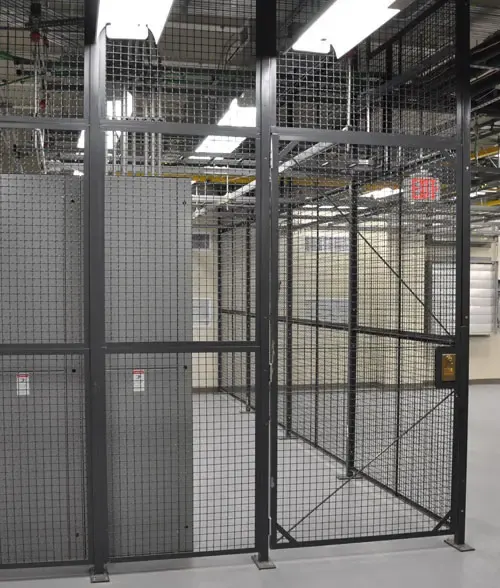
A wire mesh cage is only as secure as its door, and the door is only as secure as the hardware on it. On a modular wire mesh security cage, the lock usually sits in a steel lock box welded into the door frame, with a strike or keeper on the door post. That box is what separates a partition lock from a padlock hung on a hasp: the bolt is shielded, the mounting screws are on the inside and the face plate is the only part a person outside can reach.
Every lock decision comes down to three questions: who needs to get in, how you want to know who went in, and how people get out if they are inside when the door closes. Answer those and the hardware choice is usually obvious.
- Padlock lugs are the baseline on most cage doors — the user brings the padlock.
- Keyed partition locks add a cylinder lock in the welded lock box, with a thumb turn or key inside.
- Electronic access pairs a locking device (electric strike or magnetic lock) with a credential reader (keypad, card or fingerprint).
- Egress hardware — thumb turns, levers and push bars — lets people inside leave without a key.
Mechanical cage locks: keyed, padlock and latch options
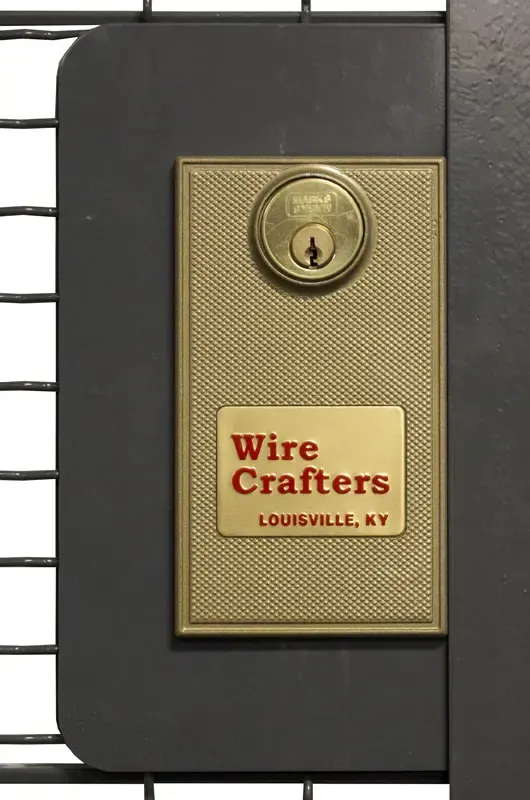
Wire Crafters, the Louisville, Kentucky wire partition manufacturer we represent, builds its standard cage lock as two halves: a front (the outside face) and a back (the inside face). Any front can be paired with any back, which is why the same lock box can serve a tool crib, a records room or a cage people work inside all day.
| Option | Side | What it does | Typical use |
|---|---|---|---|
| Standard key lock | Outside | Keyed cylinder locks and unlocks the door | Tool cribs, stockrooms, most storage cages |
| Thumb-turn latch | Outside | Latches only — does not lock | Interior divisions that just need to stay shut |
| Door knob entry | Outside | Latches only — does not lock | Staffed cages where the door should not drift open |
| Cylinder-less (interchangeable core) | Outside | Accepts a small-format core so the cage joins your master key system | Campuses, hospitals, plants with key control programs |
| Recessed thumb turn | Inside | Lets someone inside lock or open the door without a key | Cages people work inside |
| Interior key | Inside | Keyed on both sides, matched to the outside key | High-value storage where no one should exit unrecorded |
| Door knob or lever | Inside | Normal-feeling exit from inside | Staffed cages, issue windows |
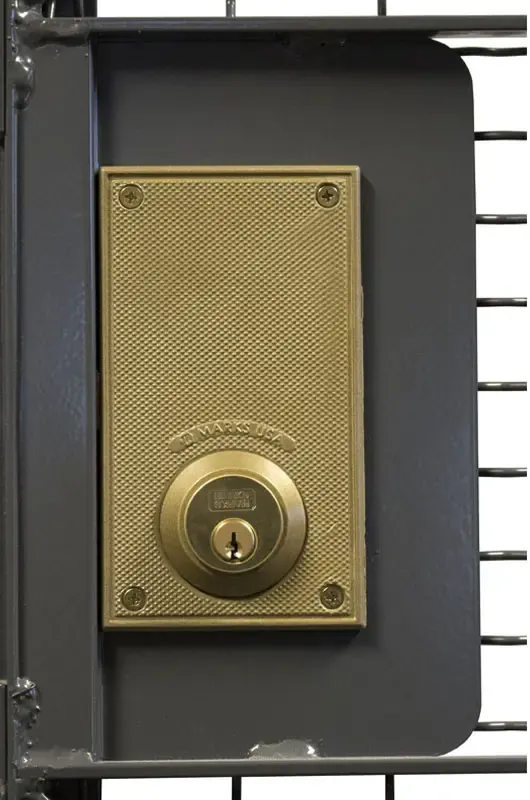
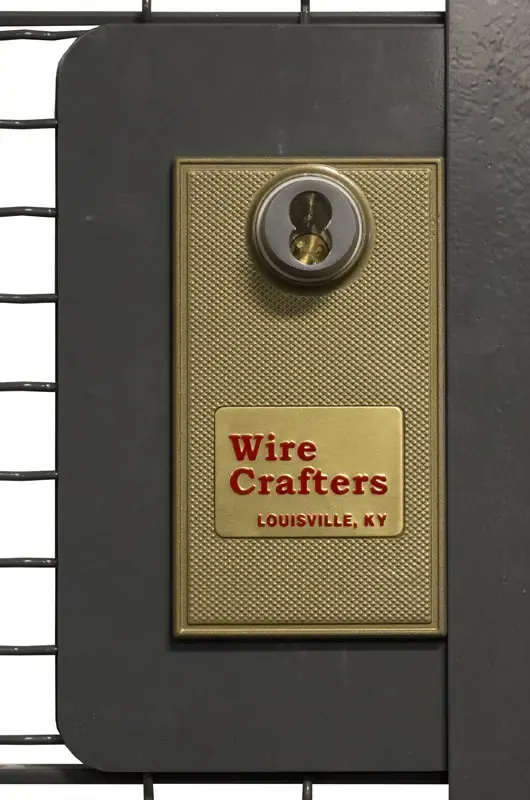
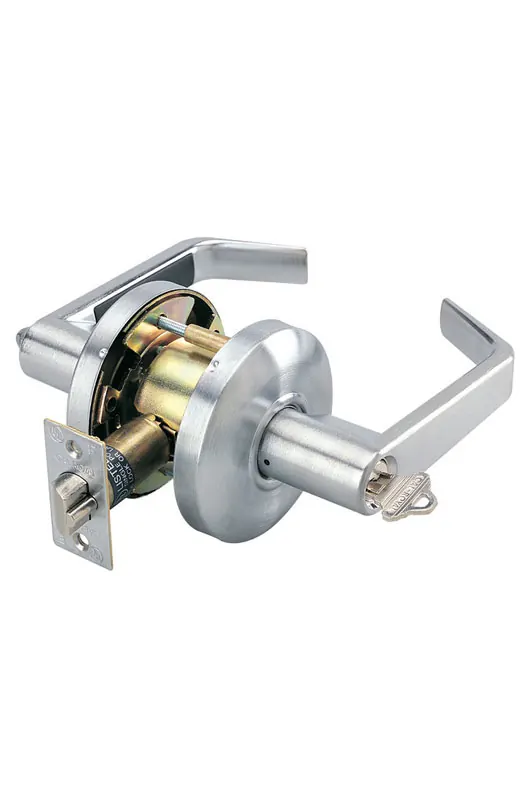
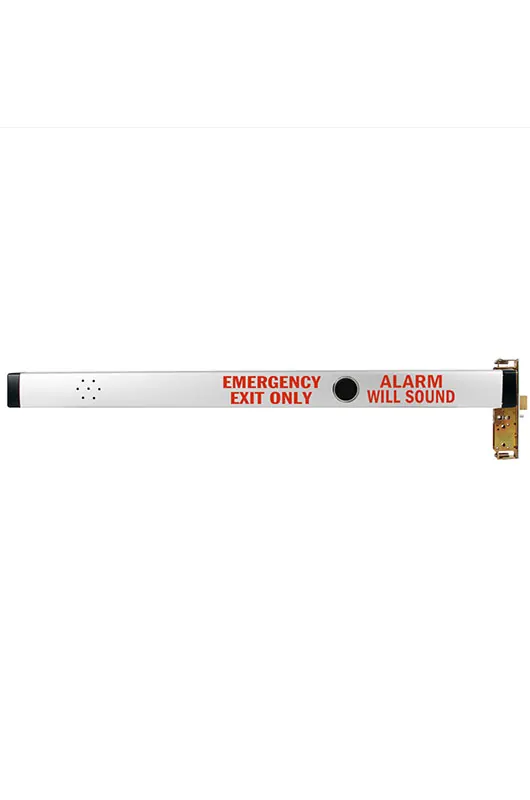
Padlock lugs remain the default on most cages and on tenant or employee storage, because the user supplies and controls the padlock. Lockers and taller doors often use a three-point lock that throws rods into the top and bottom of the frame while a central lug takes the padlock. If you are comparing off-the-shelf kits, our lockable storage cage kits page covers padlock, keyed and combination options on standard sizes.
Product photos courtesy of Wire Crafters, the Louisville, Kentucky manufacturer; MH-USA is an authorized Wire Crafters dealer.
Cage door access control: strikes, mag locks and readers
Electronic access control on a cage is two pieces of hardware working together. The locking device holds the door closed; the credential reader decides who can release it. A controller and power supply tie them together, and in larger facilities the controller reports to the building’s access control system so every opening is logged.
| Locking device | Door type | How it works | Planning note |
|---|---|---|---|
| Surface-mount electric strike | Hinged doors | The strike releases the latch when the reader grants access; the door still latches mechanically | Keeps a working key override in the lock box |
| Magnetic lock (mag lock) | Sliding doors | An electromagnet holds an armature plate on the door; cutting power releases it | Needs continuous power and a planned release for egress and fire alarm |
| Keypad lever lock | Hinged or sliding | A stand-alone keypad and lever in one unit — no separate wiring run to a controller | Good for single doors where a full access system is overkill |
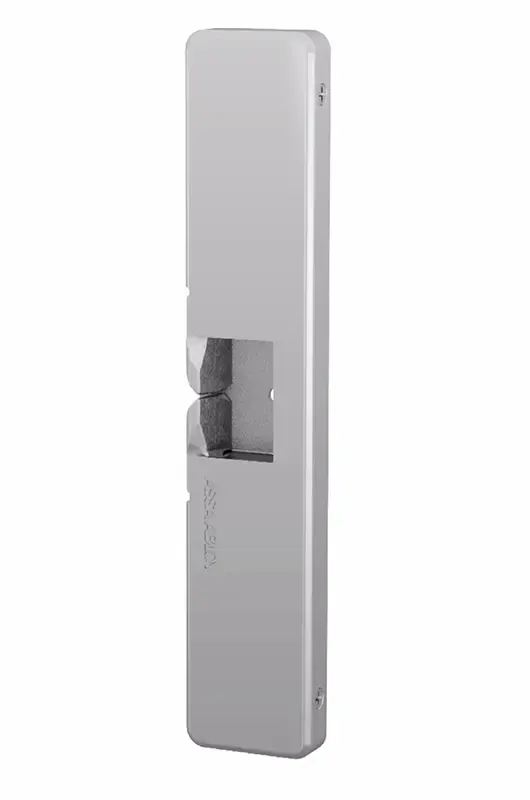
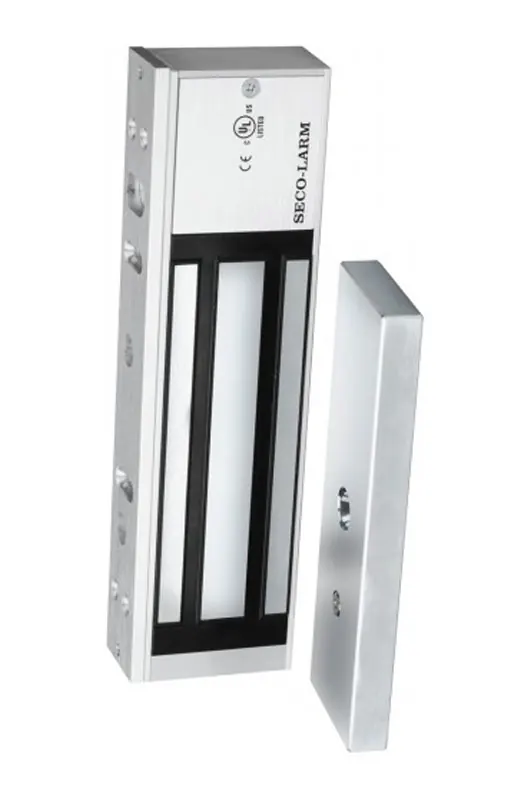

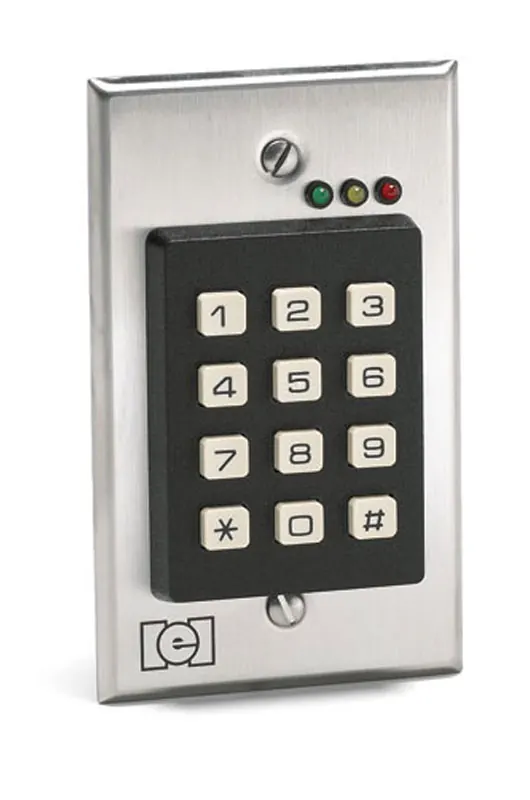
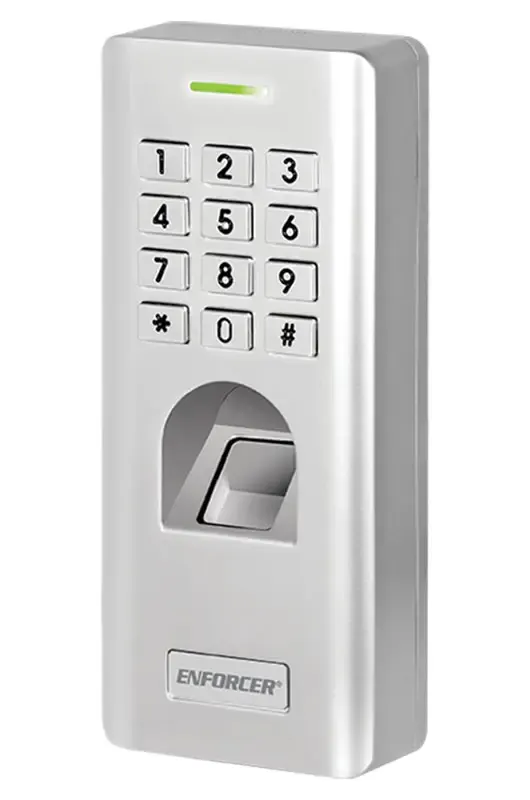
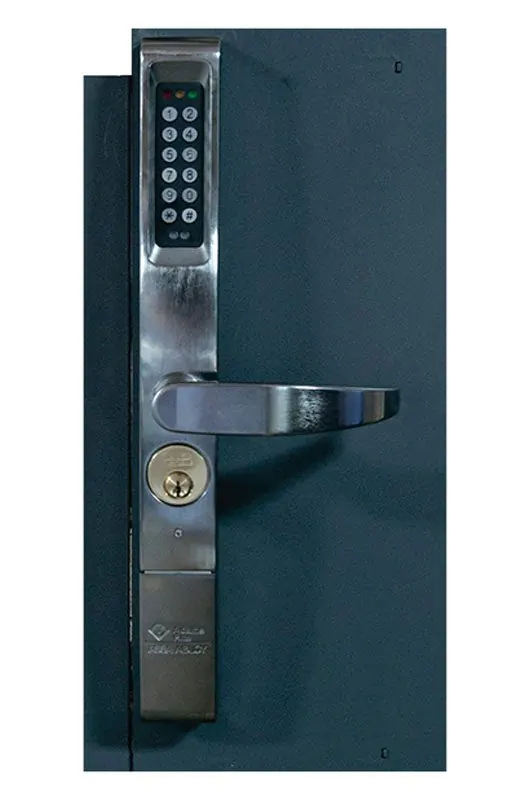
When does a cage need access control? When more than a handful of people need in, when you need to know who went in and when, or when keys keep going missing. Data center colocation cages, IT depots, pharmacy and controlled-substance cages, evidence rooms and high-value parts cribs are the usual candidates. Our IT depot cage door access control project for Unisys shows how a card reader fits a working depot cage, and our data center security cages page covers colocation-style access.
Power and data are the planning items people forget: a reader needs low-voltage cable to the controller, a mag lock needs a reliable power supply, and the access system may need a network drop. Wire Crafters can supply the locking devices; the reader and controller can also come from your security integrator so the cage joins the system you already run.
Which lock fits which cage?
| Cage type | Common lock choice | Why |
|---|---|---|
| Tenant and employee storage | Padlock lug or three-point lock | Each user controls their own padlock; no key management for the building |
| Tool crib | Keyed partition lock + service window | Attendant works inside; tools issue through the window, not the door |
| DEA / controlled substances | Keyed lock or electronic access with a log | Access limited to authorized people; confirm specifics with your regulator |
| Data center / server cage | Card reader or biometric + strike or mag lock | Per-tenant access and an audit trail |
| Driver cage | Keyed outside, push bar or lever inside | Drivers leave freely; nobody enters the warehouse side without a key |
| Evidence storage | Keyed or card access, limited key holders | Supports chain-of-custody procedures |
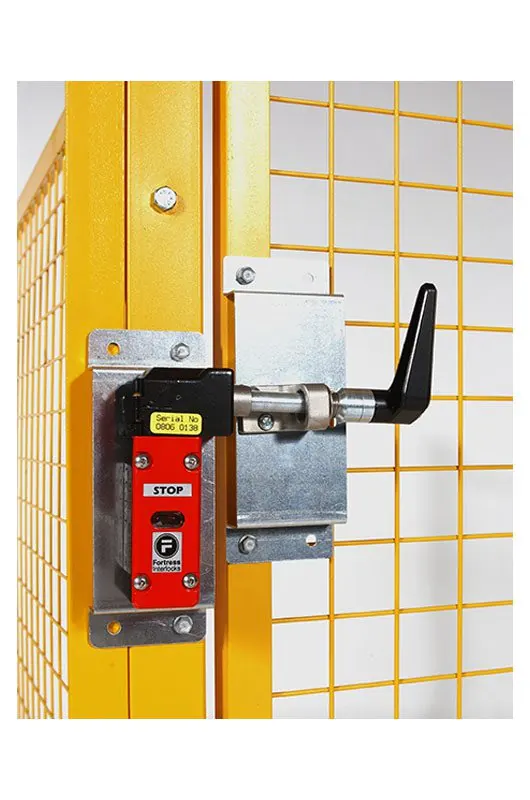
| Machine guarding | Safety interlock switch | Opening the guard door cuts power to the equipment |
A machine guard is a different problem from a security cage: the goal is stopping the machine, not keeping people out. That is why guarding doors use a handle-operated safety interlock that shuts off power when the door opens, rather than a security lock.
Egress and life safety: plan how people get out
Any cage someone can walk into is a cage someone can be locked inside. Before choosing hardware, decide whether people will ever be inside with the door closed. If they will, the inside of the door needs free-exit hardware — a thumb turn, a lever or a push bar — and electronic locks need a planned release.
Questions to answer first
- Will staff work inside the cage (tool crib attendant, pharmacy tech, server work)?
- Is the cage on an exit path, or does it share a wall with one?
- Will a mag lock release on power loss and on fire alarm, and who confirms that?
- Does anyone need to lock the door from inside for their own safety?
Who decides
- Your local fire code official and building department decide egress requirements for your building
- Your access control or security integrator wires readers and fire alarm interfaces
- Your regulator or auditor sets any controlled-substance or evidence access rules
- We design the cage and doors to the criteria they give us — see security cage regulations by industry
Key control and audit trails
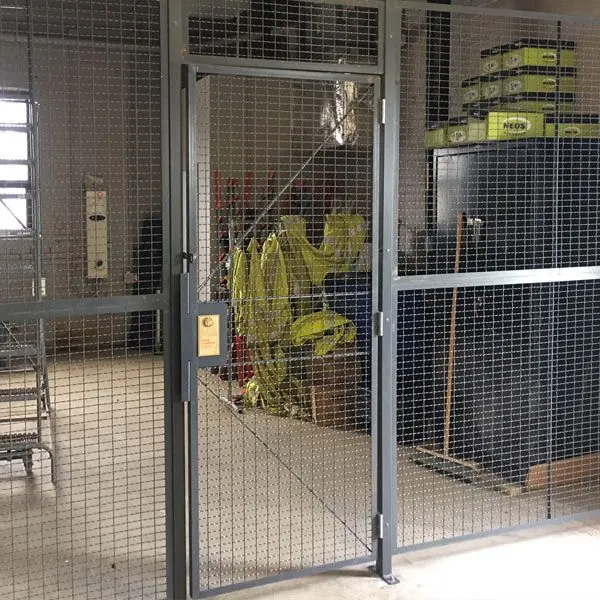
Locks fail more often through keys than through hardware. Copies get made, keys get lent, and former staff keep them. A few habits make a big difference:
- Keep a written list of who holds each cage key or code, by position
- Use interchangeable cores where you already run a master key system, so a lost key means a core swap, not a new lock
- Change keypad codes when people leave, and give each user their own code where the hardware allows
- Prefer card or fingerprint access where you need a record of every entry
- Review access logs alongside cycle counts for high-value cages
Adding locks or access control to an existing cage
Many existing cages can take a better lock: a keyed lock box on a padlock-only door, an interchangeable core, or an electric strike or mag lock with a reader. Whether it fits depends on the door type, the frame and lock box size, the clearance on the post and the brand of cage. Older doors and doors from different manufacturers do not always accept new hardware cleanly, and sometimes a new door is the simpler fix.
Send photos
Front and back of the door, the lock box, the hinge or track side, and the post the door closes against.
Tell us the access rule
Who needs in, whether you need a log, and whether anyone works inside.
We match hardware
We spec a lock, strike or mag lock that suits the door, or recommend a replacement door.
Install and test
Hardware is installed, wired by your integrator if needed, and tested with every user group.
Door styles themselves are compared on our security cage doors page, and service windows and pass-throughs cover cages where people should be served without opening the door at all.
Shop Pre-Configured Wire Mesh Cage Kits Online
Standard-size welded wire cage kits, priced online, for smaller storage needs. Every kit still needs to be anchored to sound concrete — for tall, braced or engineered enclosures, request a quote with your building location and floor details.

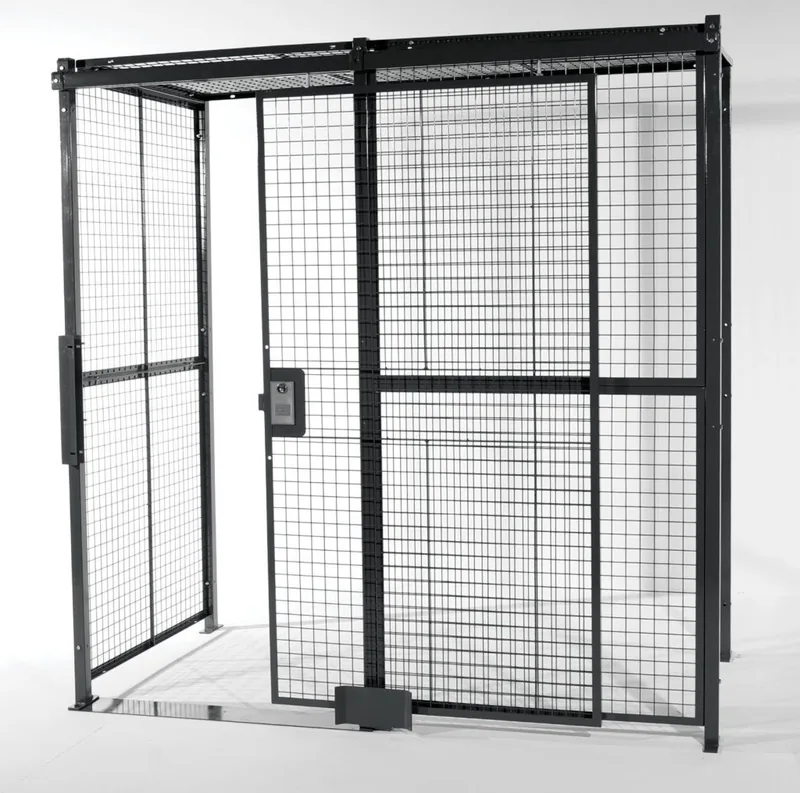
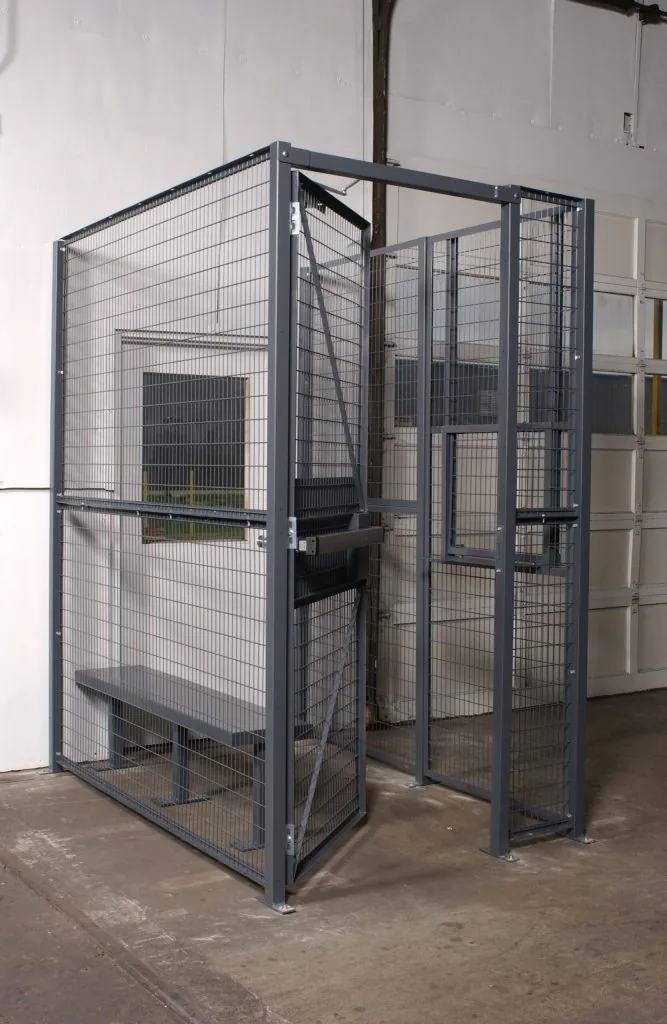
Prices are the current online prices. See all security cage kits · Need a custom size? Request a security cage quote.
Security Cage Lock FAQs
What kind of lock goes on a wire mesh security cage?
What is cage door access control?
Should I use an electric strike or a mag lock on a cage door?
Can someone get locked inside a security cage?
Can I add a keypad to my existing cage door?
Can a cage lock be keyed to our building master key system?
What lock is used on a machine guarding door?
Related security cage components
- Security cage doors — hinged, sliding, Dutch, tunnel and vertical rise
- Security cage panels and posts — mesh styles, panel sizes and posts
- Security cage ceilings — closing the top of the cage
- Security cage cost guide — what drives the price
- Wire Crafters partitions and cages — the manufacturer behind these components
Need a lock or access control on a cage?
Send photos of the door or a sketch of the new cage and tell us who needs in. We will match the hardware and quote it, supplied and installed nationwide from Salt Lake City.