
Enhance Workplace Safety with Flexible Delineator Posts
Use flexible delineator posts to make a planned route or boundary easier to recognize. Compare locations, visibility, mounting and upkeep with the actual traffic-control needs of your facility.

Define what the posts need to communicate

Flexible delineator posts can help people recognize a route, edge or restricted area. Their usefulness depends on a clear layout and an appropriate product selection. Begin by describing what a person approaching the area should understand, rather than choosing posts only by color or appearance.
A marked parking edge, a temporary work boundary and a pedestrian approach involve different decisions. Identify who uses the area, how they arrive and what movement the layout is intended to guide. Include visitors who may be unfamiliar with the site. Note seasonal changes such as different delivery patterns or outdoor storage, because the layout should be reviewed when those conditions alter the approach.
Flexible posts are visual guidance devices. Do not assume they can stop a vehicle or provide an impact-rated barrier between people and moving equipment. If the problem requires physical vehicle restraint or protection from a collision, have the responsible team specify a system designed and rated for that application.
Review the route before placing individual posts

Draw the area and mark entrances, exits, parking spaces, pedestrian approaches and delivery movements. Show the intended route as a continuous path, including where it starts and finishes. A row of posts can create confusion if it ends at an unclear crossing or directs a person toward an unsuitable opening.
Walk the route from the perspective of a first-time visitor. Check what can be seen from each approach and whether parked vehicles, landscaping or equipment hide the next part of the route. Review busy periods as well as quiet ones.
- Identify the specific boundary or route being communicated.
- Mark openings that must remain available.
- Check turning and maneuvering space for the vehicles that use the area.
- Coordinate posts with existing signs, pavement markings and lighting.
Have the facility’s responsible safety and traffic-planning staff review the arrangement. A product photograph is not a traffic-management plan for your site.
Distinguish guidance from physical separation
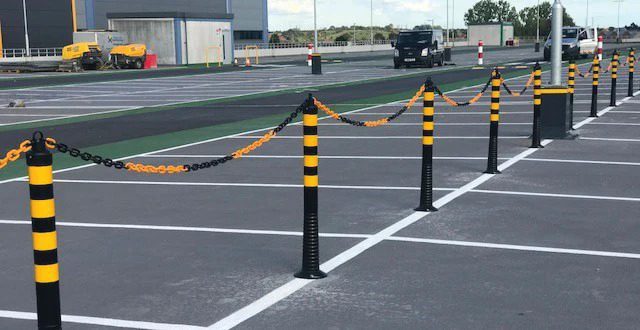
A flexible post may bend or move when contacted, depending on its design. That behavior should not be described as a promise that a vehicle, person or post will remain undamaged. Ask for the actual manufacturer’s documentation if a specific performance claim matters to the application.
Plastic chain between posts can make a boundary more apparent, but it does not create a vehicle barrier. Decide whether the purpose is to indicate an area, manage an approach or physically restrict access. Different purposes may require different equipment.
Route guidance
Help users recognize where the intended path continues.
Temporary boundary
Identify a controlled area within an approved site procedure.
Impact protection
Specify a separately evaluated barrier where vehicle restraint is required.
Evaluate color, contrast and reflective elements
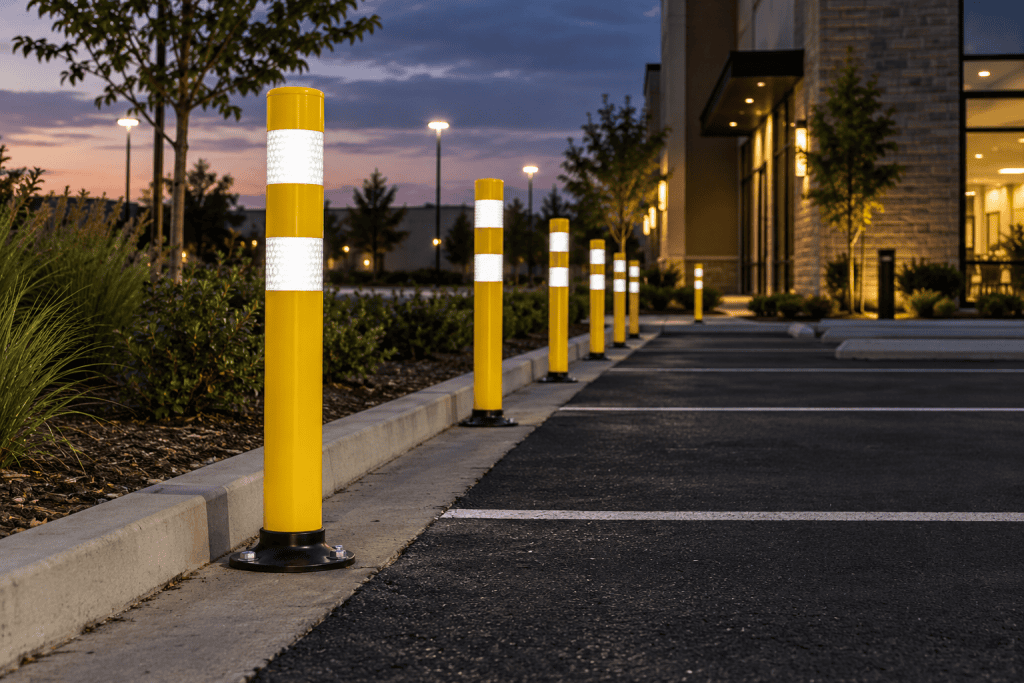
Visibility changes with the background and the direction of approach. A post that stands out beside light pavement may be harder to distinguish against equipment or a busy backdrop. Consider the entire line of posts rather than judging a single sample against a plain wall.
Review the site in the conditions when it is used. Lighting, shadows, rain and parked vehicles can affect what an approaching user sees. Reflective elements rely on suitable illumination and viewing conditions; they should not be treated as a substitute for an adequate lighting plan.
Ask the supplier to identify the selected color and reflective treatment in the quotation. For traffic applications subject to specific requirements, have the responsible authority or qualified project reviewer confirm the appropriate device and arrangement. Do not assume that a catalog item is approved for every roadway or work-zone use.
Choose the mounting approach for the surface and use
Posts may be offered with different mounting arrangements. A portable base and a surface-mounted post involve different setup, storage and maintenance considerations. Confirm which arrangement is available for the exact model rather than assuming that accessories from another post will fit.
Describe the surface and the expected use to the supplier. Include whether the area is indoors or outdoors, whether the layout changes and whether facilities work limits drilling or other attachment methods. Have the responsible installer review the substrate and the manufacturer’s mounting instructions.
Ask what comes with the product. Posts, bases, anchors and other hardware may be supplied separately. The order should identify every required component, along with responsibility for installation. Avoid purchasing an incomplete set because a photograph shows hardware that the item description does not include.
Check chain, clips and planned openings
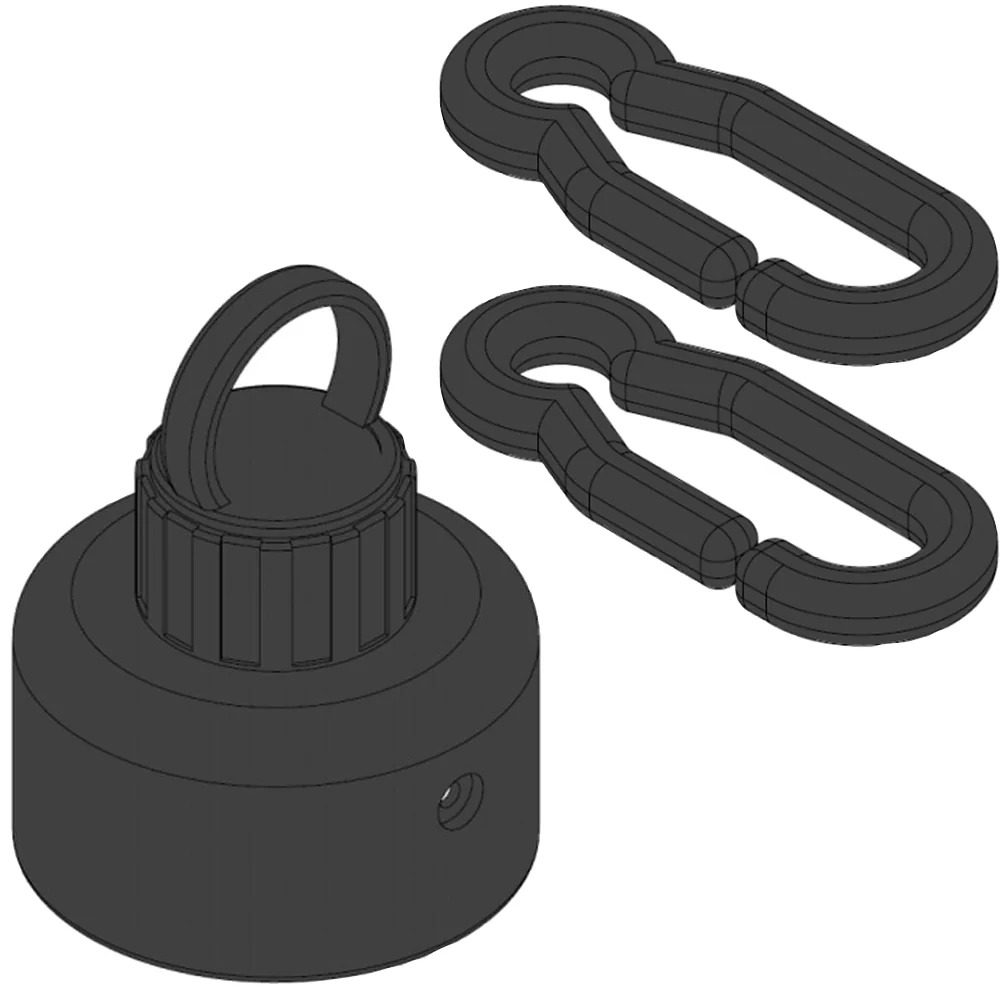
Where a linked boundary is appropriate, specify compatible chain and attachment fittings with the posts. Confirm how the connection is made and how authorized access is provided. Do not improvise a connection that changes the intended function or creates a snagging point.
Keep required exits and access routes unobstructed. A chain that staff can step over is not an acceptable way to preserve a required passage. Review door swings, accessible routes and emergency access with the responsible facility team before positioning the boundary.
Identify who opens, closes or relocates a temporary arrangement. Give removed chain and fittings a designated storage position so they do not become loose material in a walkway. If the opening is routinely left unmanaged, revisit the layout or choose equipment better suited to that access pattern.
Plan spacing around the actual boundary
There is no single post spacing that can be taken from this page and applied to every site. The purpose, approach, visibility, device and applicable requirements all affect the arrangement. Ask the project reviewer to define the layout rather than dividing the boundary length by an arbitrary interval.
Pay particular attention to starts, ends and changes in direction. An interrupted line can suggest an opening even when none is intended. Conversely, closely placed posts can obstruct movement that needs to remain available. Check both the message the layout sends and the space it physically occupies.
Document the accepted locations on a simple plan. Include the position of intentional openings and any associated signs or markings. This gives maintenance staff a reference when replacing a damaged post or restoring a temporary arrangement after other work.
Inspect posts, bases and surrounding pavement
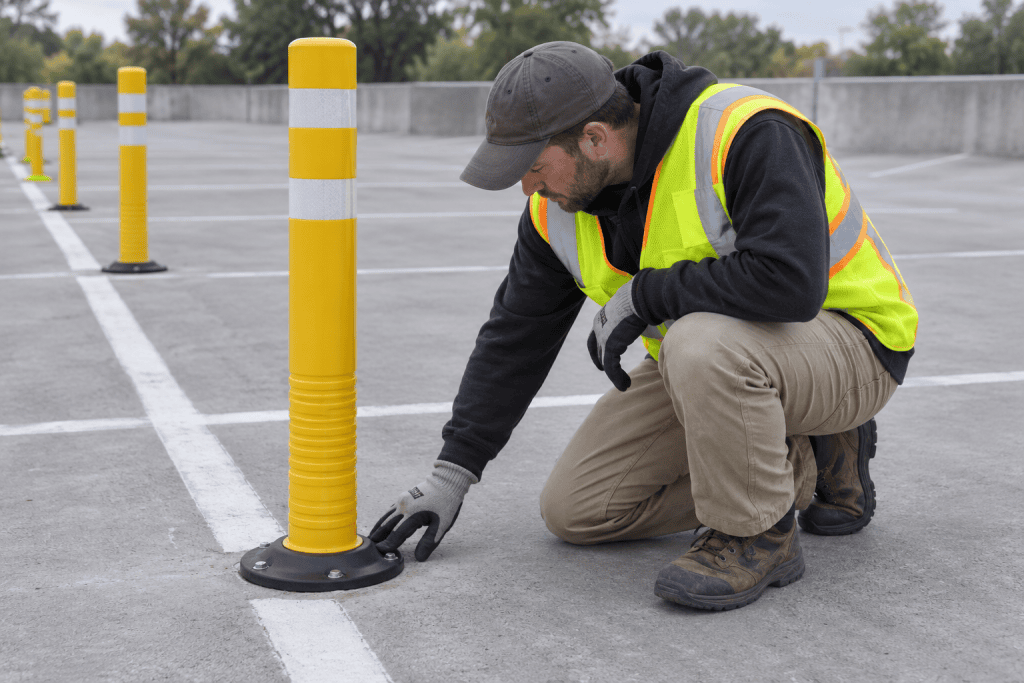
Assign responsibility for condition checks and obtain the instructions for the selected product. Include the post, reflective material, connections, base and surrounding surface. A post can remain upright while a mounting or visibility problem needs attention.
Report damaged, loose or missing components through the facility’s normal maintenance process. Follow the manufacturer’s instructions when deciding whether a component can remain in service. Do not assume that a post which springs back after contact is undamaged or that its mounting needs no review.
Check whether the original route still makes sense. New parking patterns, delivery activity or equipment placement can change how the area is used. Repeated damage may indicate a layout conflict that deserves investigation rather than an endless cycle of replacement.
Prepare for cleaning and replacement
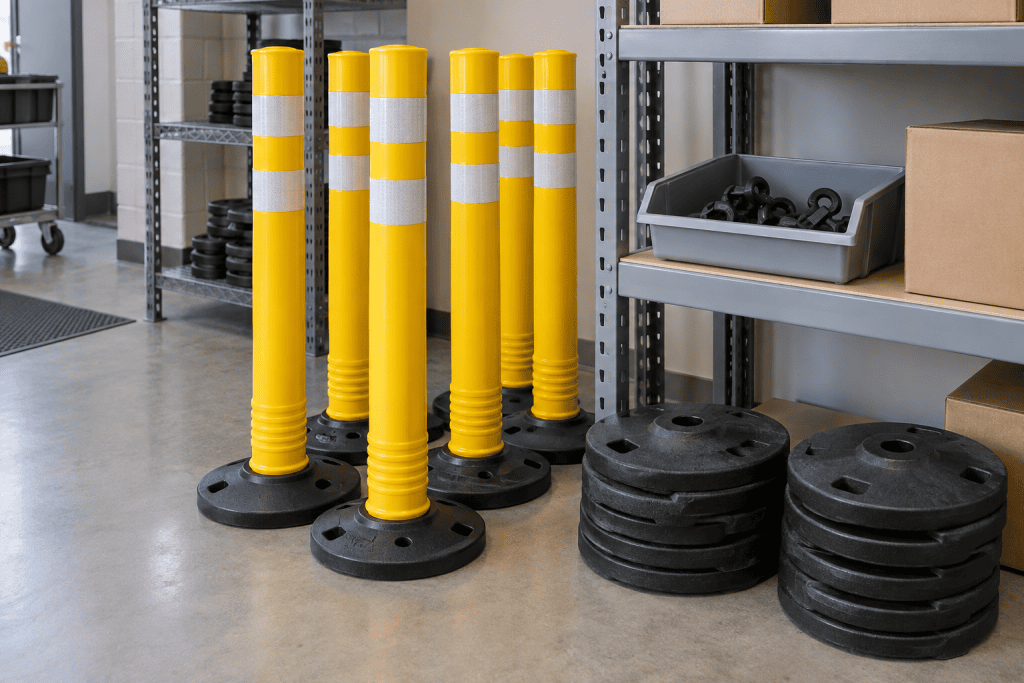
Ask which cleaning methods are suitable for the post and reflective material. Use the product instructions rather than an aggressive cleaner chosen only for convenience. Keep the surrounding area free of material that hides the base or interferes with the intended route.
Maintain a record of the installed model and compatible parts. A visually similar replacement may use a different base or attachment. Keep the original supplier information and component references so a future order can be checked accurately.
Where the facility needs spare parts, decide how many to hold using its own maintenance experience and response requirements. Store them in a designated location. Avoid leaving portable bases or removed posts in circulation space while waiting for the next installation task.
Compare the complete purchase, not just the post price
A useful comparison includes the equipment and the work needed to put it into service. Give the supplier a clear description of the application and ask for an itemized selection. Resolve assumptions about accessories and installation before placing an order.
| Item to confirm | Why it matters |
|---|---|
| Exact post and dimensions | Appearance alone does not establish suitability or compatibility. |
| Base or mounting arrangement | The selected product must suit the reviewed surface and use. |
| Reflective treatment and color | The delivered selection should match the approved plan. |
| Chain, clips and other accessories | Required components may be separate order items. |
| Instructions and replacement parts | Maintenance needs a reliable reference after installation. |
For related catalog alternatives, shop Traffic Barricades and Accessories in our online store. This category contains related barricade products; it is not a listing for the flexible posts pictured here. To discuss a specific delineator, send your requirements or call (800) 326-4403.
Review the completed layout with regular users
After installation, compare the post locations with the accepted plan. Walk the area from each normal approach and check the intended openings. Ask a person unfamiliar with the arrangement to explain where they believe the route continues. Their interpretation can reveal an ambiguity that regular staff overlook.
- Check the delivered components against the order.
- Have the installer confirm the mounting work and applicable instructions.
- Verify required access remains available.
- Review visibility in the site’s normal operating conditions.
- Record unresolved items and assign a person to address them.
Keep a dated record of the accepted arrangement. If the facility later changes the route, update that record so staff do not restore posts to an outdated position. For wider circulation planning, explore our warehouse design and layout services.
Frequently asked questions
Are flexible delineator posts vehicle barriers?
Do not treat them as impact-rated vehicle barriers. Their role is to make a route or boundary more apparent. If the application requires vehicle restraint or collision protection, have the responsible team specify an appropriately rated system.
Can we use the same post indoors and outdoors?
That depends on the exact product and its instructions. Tell the supplier about exposure, the surface and the intended use. Confirm the selected model rather than assuming every post in the category has the same environmental suitability.
Are mounting anchors included?
Do not assume so. Ask the quotation to identify the post, base, anchors and accessories individually. The correct attachment also depends on the reviewed surface and the manufacturer’s installation instructions.
Can plastic chain run across an exit route?
Required exit routes must remain unobstructed. Review the boundary with the responsible facility team and preserve required access. A chain that someone can step over does not resolve an obstruction.
How far apart should the posts be?
Spacing depends on the purpose, approach, visibility, selected device and applicable project requirements. Use an approved site layout rather than a universal spacing value. Review starts, ends, turns and intentional openings carefully.
Does bending back mean a post needs no inspection?
No. Check the product and its mounting according to the manufacturer’s instructions and the facility’s maintenance process. A post can return upright while another component or the surrounding surface still needs attention.
Can we order the pictured flexible posts through the linked store category?
The linked category is for related traffic barricades and accessories, not an exact listing for the pictured posts. Contact Material Handling USA with the desired application and product details to confirm a suitable delineator selection.
Make the intended route easier to follow
Share photographs, a simple site plan and your access requirements. We can help organize the questions needed to select suitable delineators or a different traffic-control product.