
Museum and Archives Collections Mobile Shelving Case Study: Oxford, North Carolina
How a North Carolina museum and archives added a mobile shelving system to an existing building room, gaining collections storage capacity without cutting a new sub-floor.
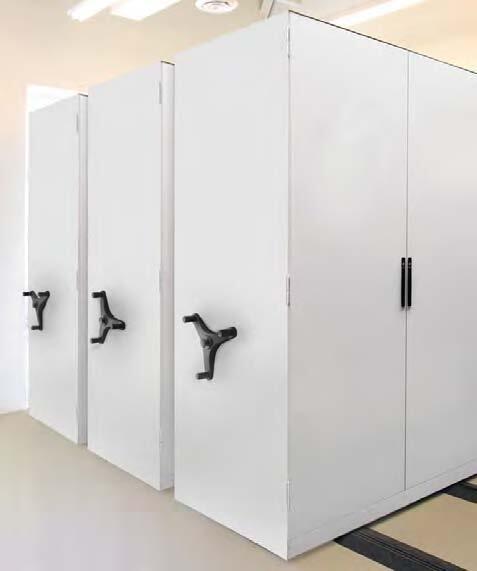
Customer
A museum and archives collection in Oxford, North Carolina
Location
Oxford, North Carolina
Product
Mobile shelving with a twin ramp and laminate end panels
Application
Museum and archive collections storage
About the project
This project supplied mobile shelving for a museum and archives collection in Oxford, North Carolina. The scope covered a dedicated collections storage room in an existing building, the kind of space most museums and archives inherit rather than design from scratch.
Material Handling USA supplied a mobile shelving system sized to the room, with a twin ramp at the aisle openings and laminate end panels throughout. The project closed in October 2020, with delivery and installation scheduled around a roughly six-week lead time.
The situation
Museum and archive collections grow every year, but the room built to hold them almost never grows with them. Photographs, documents, textiles, and small artifacts all need protected, climate-stable storage, and static shelving on fixed aisles uses a large share of that limited room just for walkways between the ranges.
The collection in Oxford needed more storage density in a room whose walls, ceiling and floor were already set. Adding square footage was not an option. The only way to add capacity was to reduce the number of fixed aisles the existing shelving depended on.
The other constraint was the floor. Many mobile shelving systems run their carriages on a rail recessed into a new sub-floor, which is a heavier construction step for an existing building already in use for collections work. This project needed the storage gain without that extra construction phase.
What Material Handling USA supplied
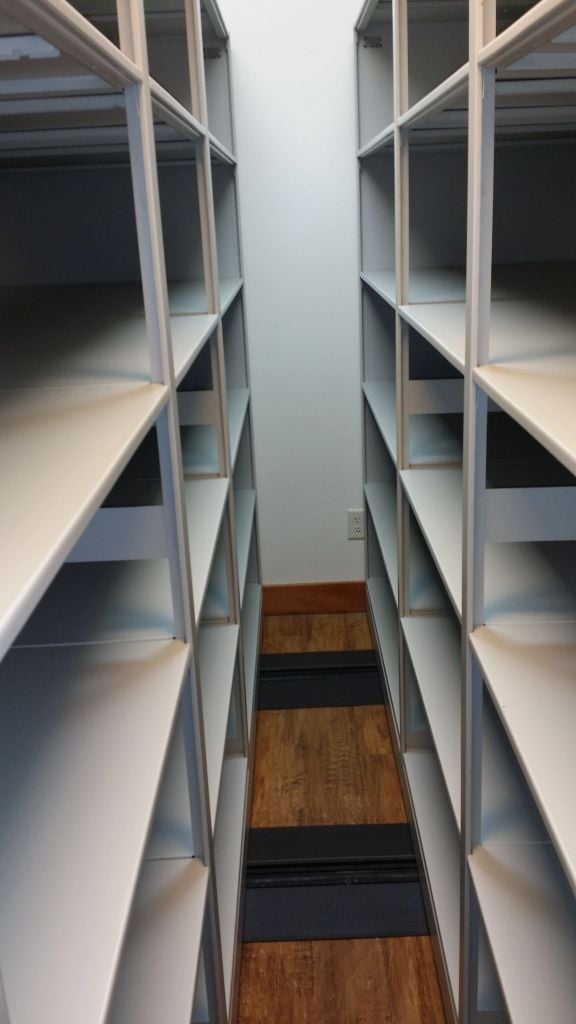
We supplied a mobile shelving system sized to the collections room, with a twin ramp at the aisle openings, laminate end panels, and four shelf levels per section.
The rail and carriage components are part of the same product family covered on our recessed vs. surface-mounted rail and museum and archival collections mobile shelving pages.
Why a ramp instead of a sub-floor
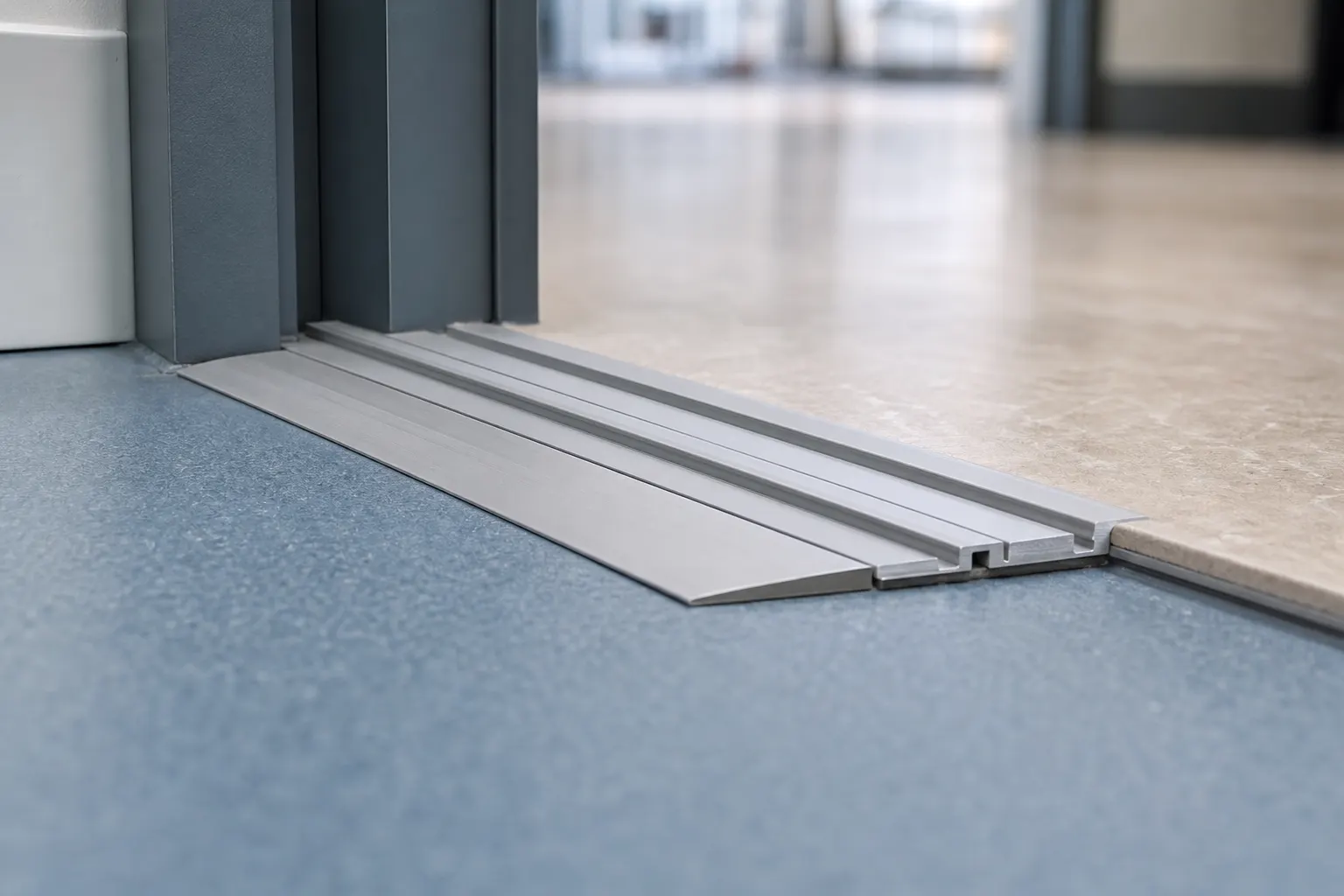
Mobile shelving needs a rail for the carriages to roll on, and that rail has to sit flush with the surrounding floor. There are two ways to get there: recess the rail into a new sub-floor, or keep the rail on the surface and ramp up to it on both sides.
A recessed track looks the cleanest once finished, but it means cutting or building up the existing floor before the shelving goes in. That is a heavier construction step to add to an occupied museum building, especially one where the room below or around the collections space cannot be easily disturbed.
A surface-mounted rail with a twin ramp skips that step. The shelving sits on top of the existing floor, and a short ramp on each side carries foot traffic and book trucks up and over the rail. For this project, the ramp option meant the collections room could be fitted with mobile shelving without a separate floor construction phase or the downtime that comes with it.
We cover both options in more detail on the rail comparison page if you are weighing the same decision for a museum, archive, or library retrofit.
Shelf levels and collection fit
Museum and archive collections rarely fit a single shelf standard. Document boxes, bound volumes, oversized items and small artifacts all call for a different mix of shelf spacing.
Four levels per section gave the collection enough vertical divisions to sort by box size and item type, rather than stacking mismatched materials on shelves sized for only one kind of item.
Laminate end panels gave every section a finished look appropriate for a room that staff and, at times, researchers or visitors access, rather than an exposed industrial frame.
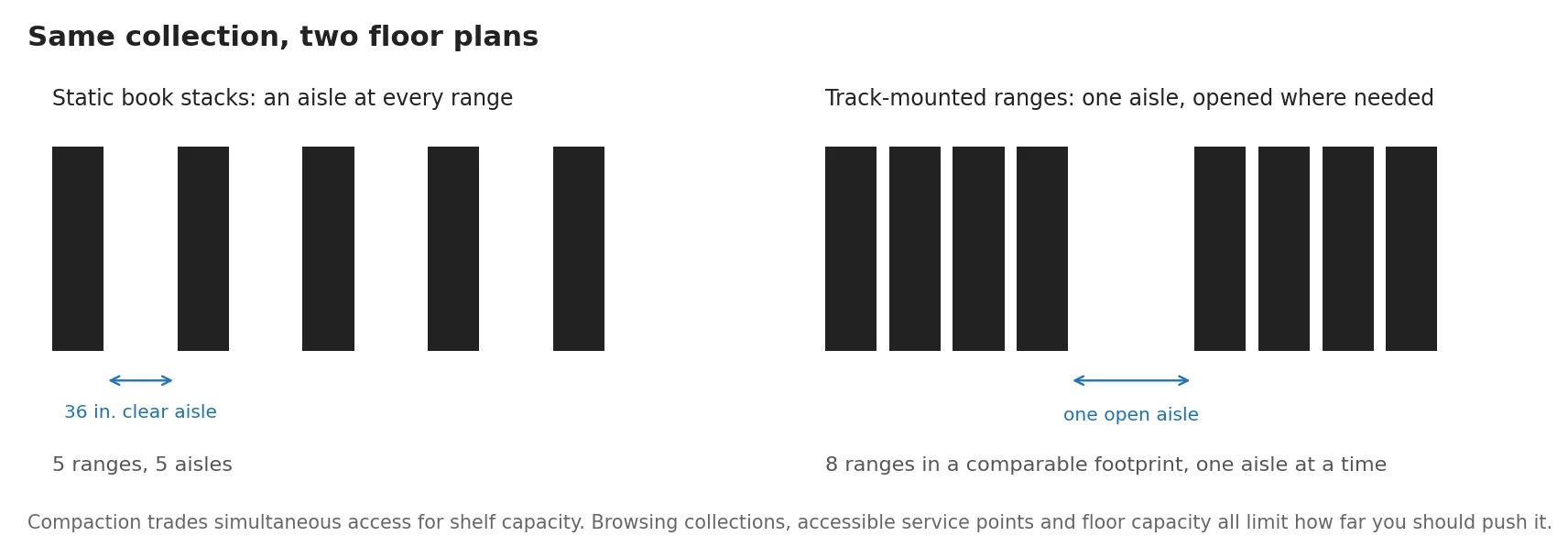
Mobile carriages meant the number of aisles needed at once dropped to one, freeing up floor space in the room for the shelving itself instead of walkways.
The result is a collections room that holds substantially more material than the fixed shelving arrangement it replaced, in the same four walls.
Benefits the collection gained
More capacity in a fixed room. Sharing one moving aisle across several rows of shelving turned a limited collections room into meaningfully more storage volume without any change to the building envelope.
No sub-floor construction. The twin-ramp approach kept the shelving install to the room itself, without a separate floor construction phase.
A finished, collections-appropriate look. Laminate end panels fit a room that staff and visitors use, rather than an industrial warehouse appearance.
Shelf levels sized to the collection. Four levels per section gave room to sort by box size and item type instead of one generic shelf spacing.
Room to grow. The layout leaves a path to add sections later as the collection continues to grow, without redesigning the whole room.
How the project ran
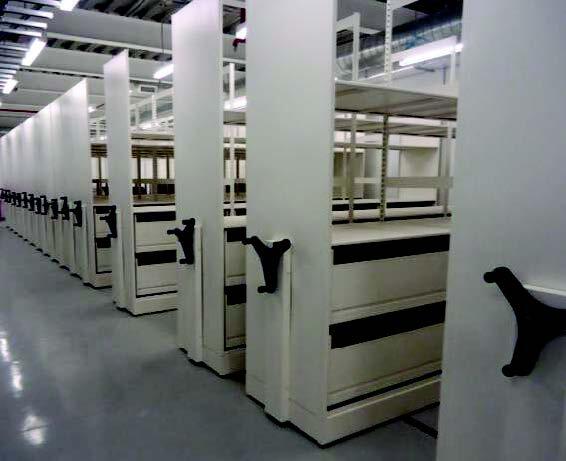
The sequence on this project matches most museum and archive mobile shelving installs we run.
Where a project needs a crew rather than a self-build, our installation process page covers what to expect from measurement through anchoring.
Serving museums and archives nationwide
Material Handling USA has supplied mobile shelving to museums, archives and libraries across the country, including this collections room in Oxford, North Carolina. The same storage problem shows up in almost every historic building pressed into service as a collections space: the room was not designed for the volume of material it now holds.
Mobile shelving is often the most direct fix, because it adds storage density without asking for more square footage or heavy floor construction. Whether a project needs a recessed rail or a surface-mounted ramp depends on the building, and we help work through that decision on a case-by-case basis.
If you are planning a similar project, see our museum and archival collections mobile shelving page, then look at mobile shelving cost and budget drivers and the installation process for planning.
Call (800) 326-4403 to start a mobile shelving project for your museum, archive, or library collection.
Frequently asked questions
Does museum mobile shelving always need a recessed track in the floor?
How many shelf levels does a museum collections room typically need?
Can a mobile shelving layout be adjusted as a collection grows?
What end panel finish works best for a public-facing collections room?
How long does a museum mobile shelving project take from order to installation?
Do you supply mobile shelving for museums and archives outside North Carolina?
What information do you need to quote a museum collections storage project?
Planning mobile shelving for a museum, archive, or library collection?
Tell us your collections room footprint and the type of material you store, and we will lay out a mobile shelving system that fits the room. Nationwide delivery and installation available.