
Driver Access Cages & Building Access Security Enclosures
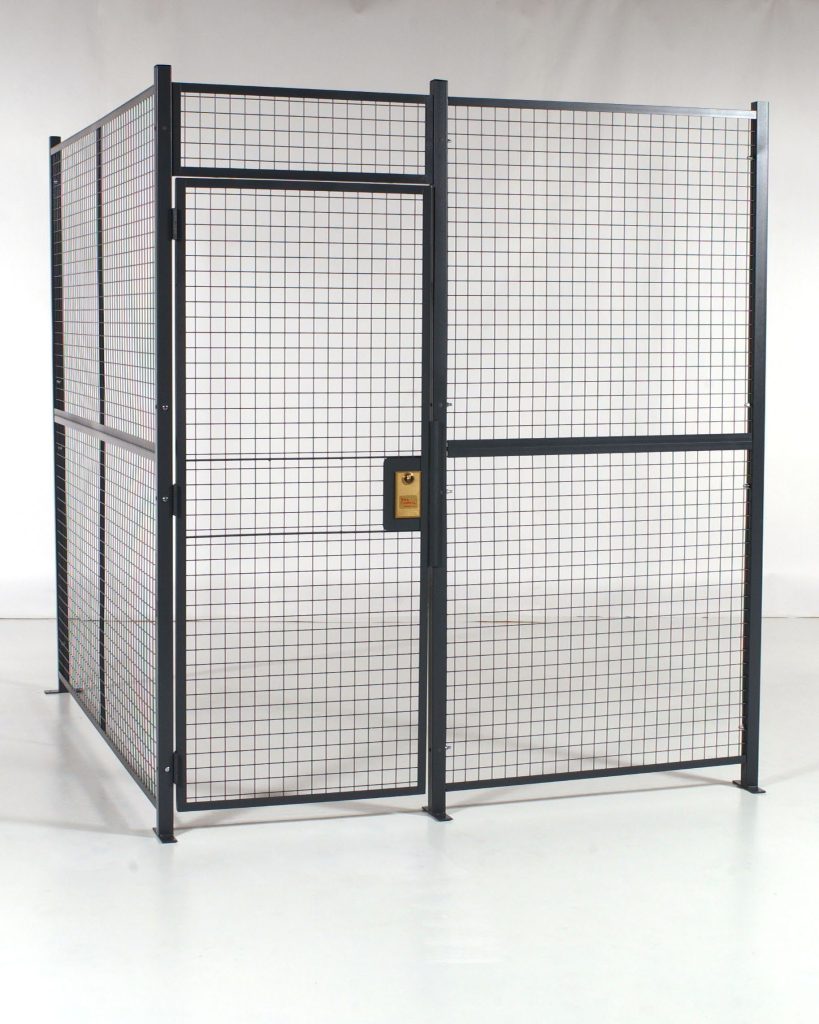
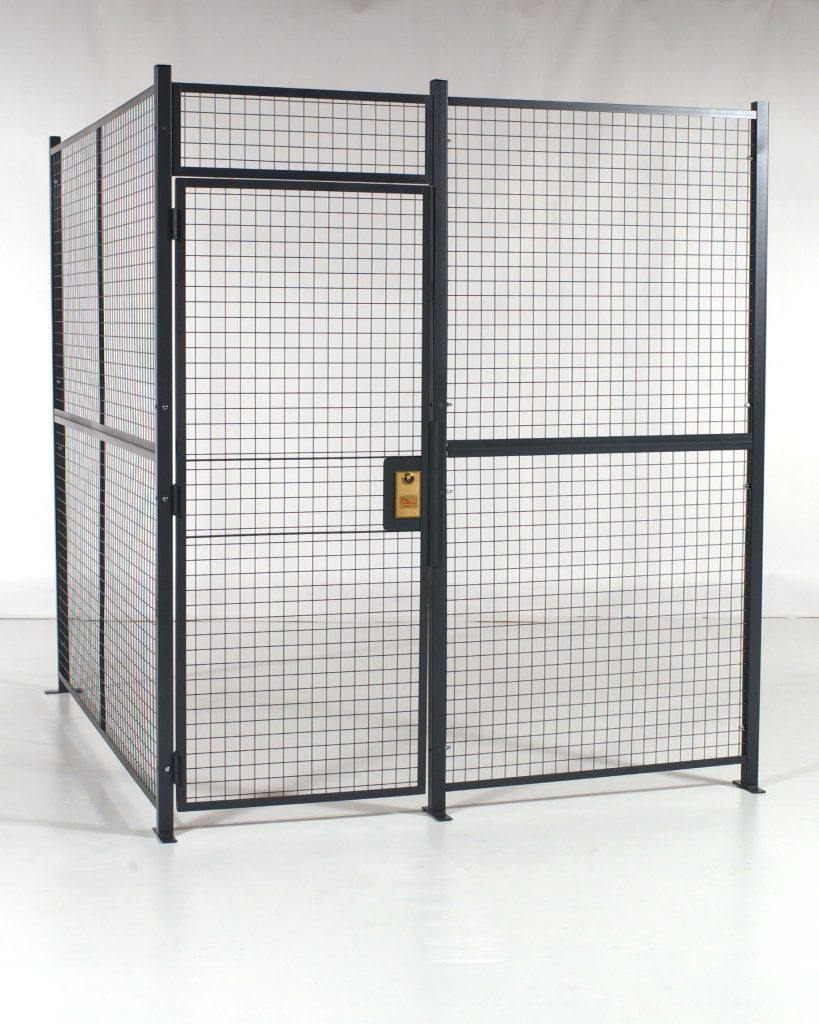
Control access at shipping docks and receiving areas with wire mesh driver cages. Push-bar exits, service windows, and controlled pathways keep delivery drivers in designated areas while protecting warehouse inventory from unauthorized access.
Talk with a security cage specialist. Call (800) 326-4403 or Email Sales@MH-USA.com

Why Driver Access Cages?
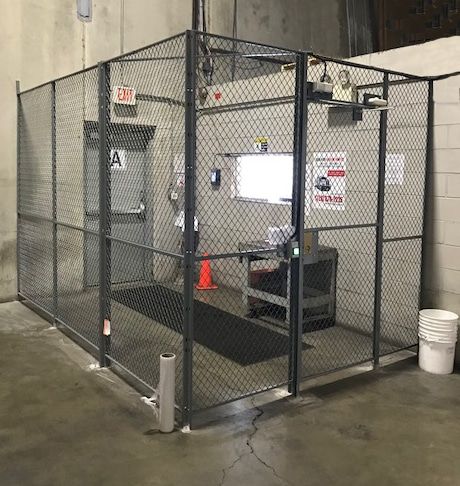
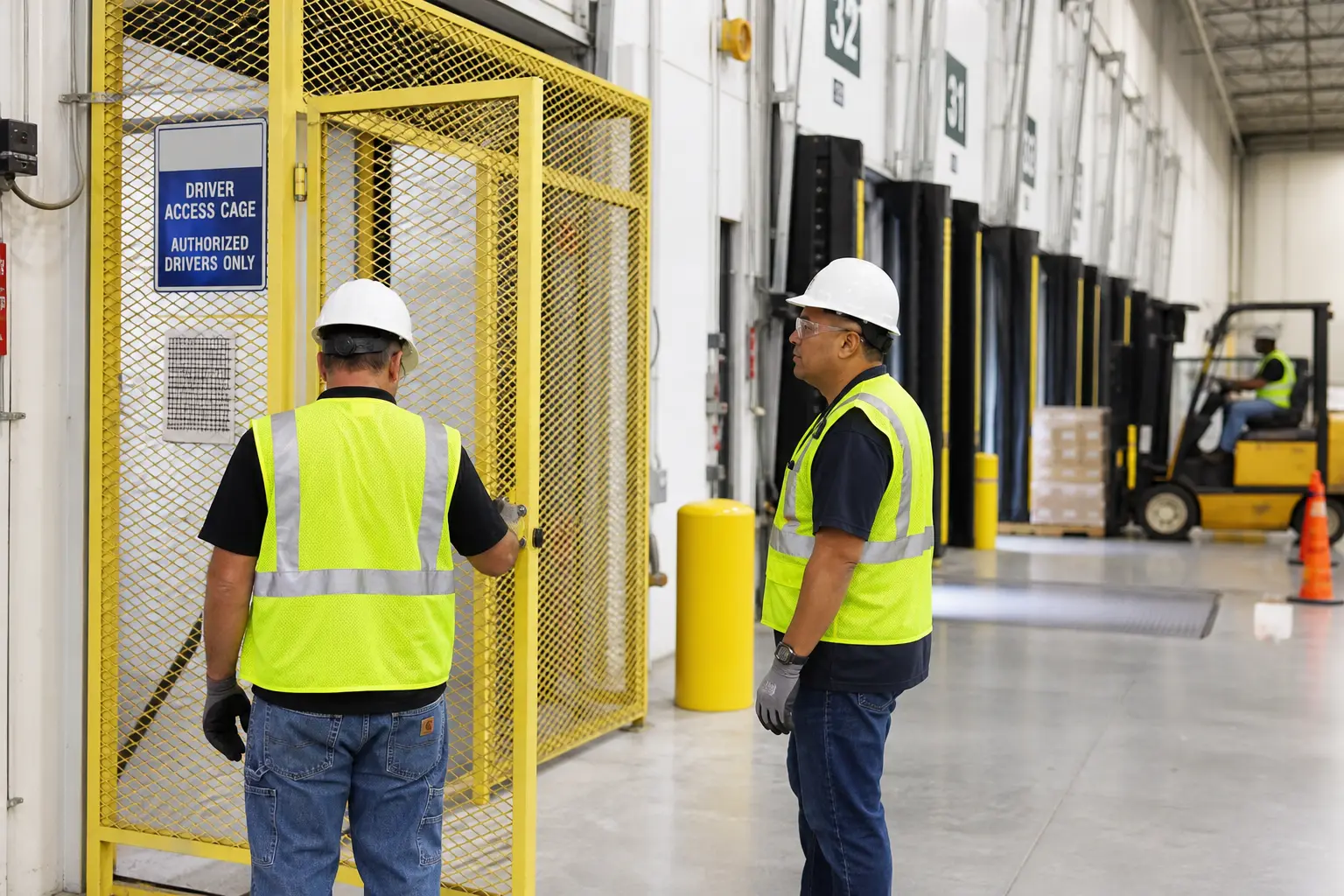
Every time a delivery driver enters your facility, it is a potential security gap. Driver access cages create a controlled pathway between the dock door and a designated check-in area — allowing drivers to enter the building for paperwork, restroom access, and load coordination without entering the warehouse floor.
These cage systems use push-bar exits on the warehouse side (allowing emergency egress while preventing re-entry), service windows for passing paperwork and small items, and hydraulic door closers that automatically secure the door after each use.
💡 Good to know: a driver cage keeps visitors off the warehouse floor without an escort. Whether it changes your insurance premium depends on your carrier and policy, so ask your insurance broker before counting on any savings.
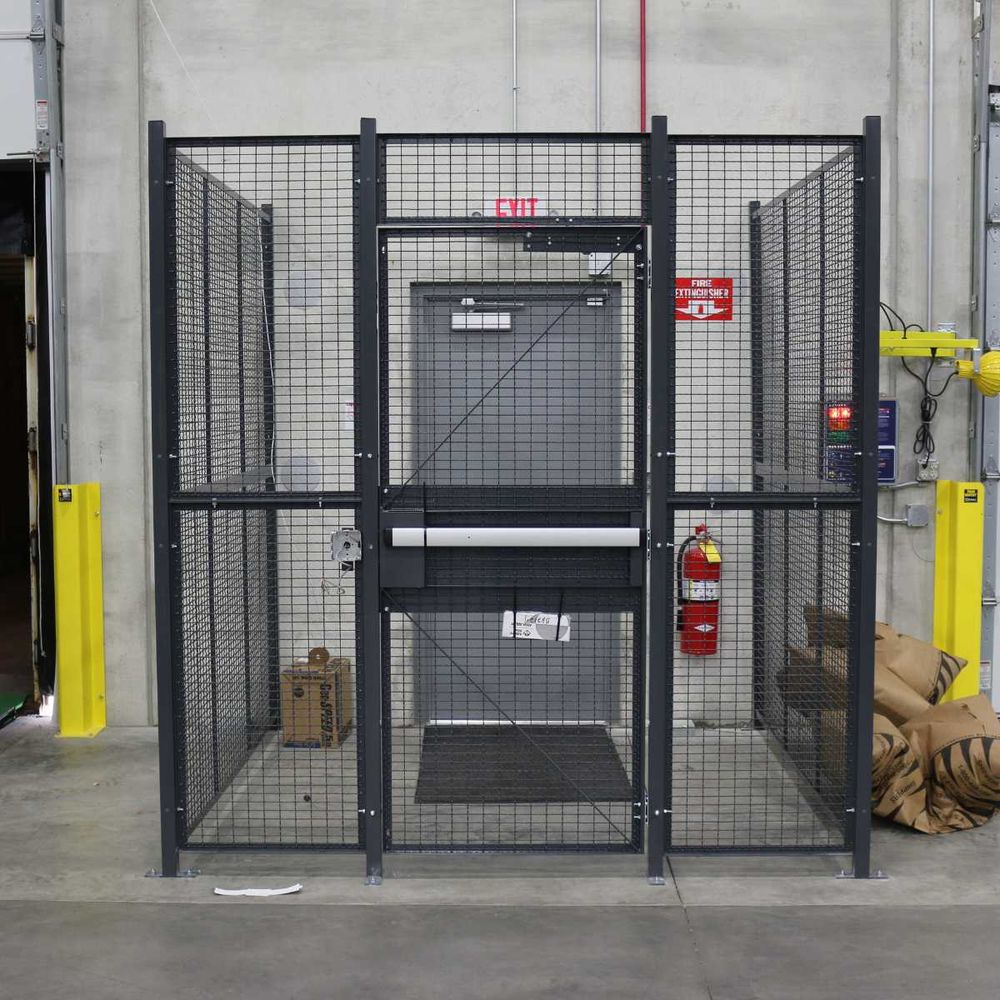
Standard Driver Cage Features
Every driver access cage from Material Handling USA includes these essential security and safety components.

- Push bar exit doors — emergency egress from the warehouse side, no re-entry from outside
- Service windows with shelves — pass paperwork, badges, and small items through a secure opening
- Hydraulic door closers — doors close and lock automatically, no manual action needed
- Wire mesh ceiling panels — full enclosure prevents climbing over the top
- Heavy-duty steel bench — 11-gauge welded bench bolted to the floor for driver seating
- Surface mount electric strikes — electronic access control compatible with badge systems
Driver Cage Layout Options
Choose the configuration that matches your dock traffic and facility layout.
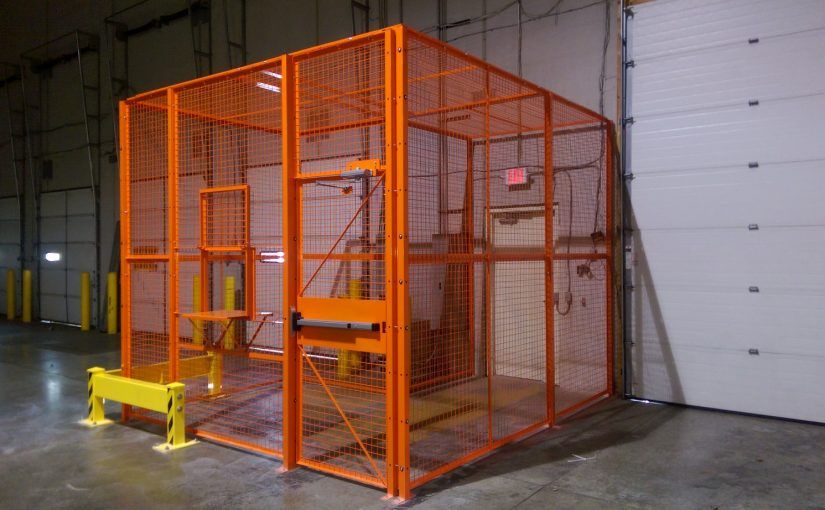
Single-Door Check-In
A compact cage near the dock door with a single entry, service window, and bench. Drivers enter from the dock, check in at the window, and exit via a push bar back to the dock area. Best for facilities with 1–3 dock doors and moderate daily deliveries.

Multi-Door Receiving Hub
A larger cage or caged area that serves as a receiving hub for multiple dock doors. Drivers enter through a controlled door, pass through the cage for check-in, and access is managed by warehouse staff through a service window. Ideal for distribution centers with 5+ dock doors.
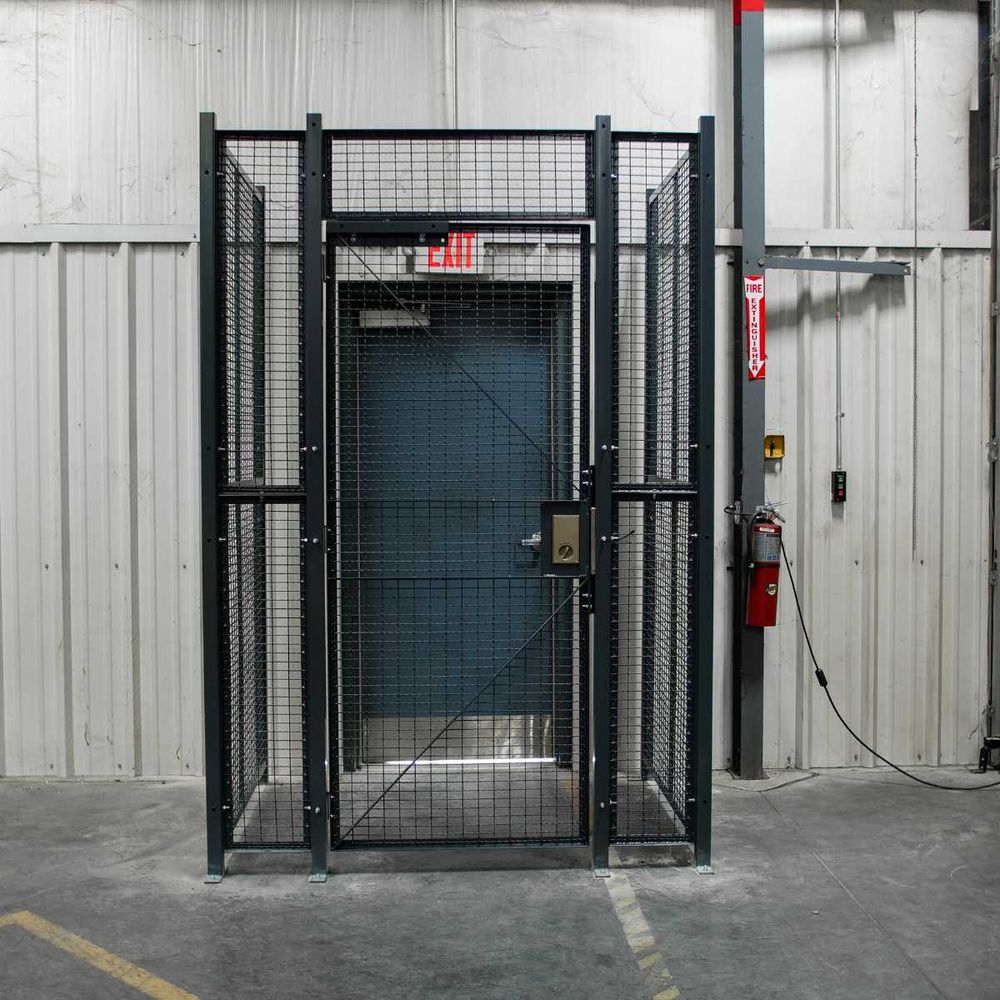
Corridor-Style Access
A wire mesh corridor connects the dock door to the driver check-in area. Drivers walk through a controlled pathway that prevents them from accessing the warehouse floor. Best for large facilities where drivers need to traverse a significant distance to reach the office or restroom.
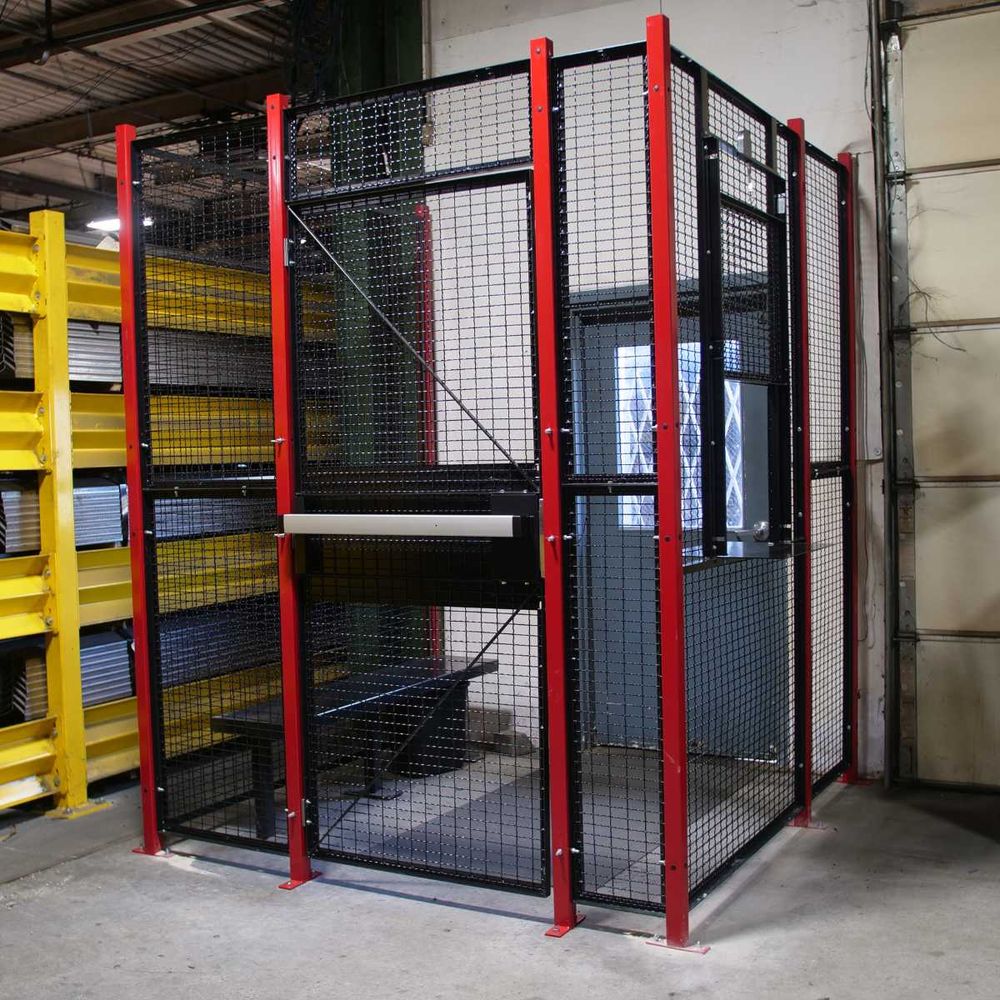
Restroom Access Pathway
Wire mesh corridors extend from the dock area to a driver restroom, keeping the pathway separated from the warehouse floor. Meets OSHA requirements for providing restroom access to drivers without granting warehouse access.
Dock Security Challenges
The loading dock is the most vulnerable point in any warehouse security perimeter. During active shipping and receiving, dock doors are open, personnel are focused on loading operations, and multiple third-party drivers may be present simultaneously. Without physical access controls, drivers can wander into high-value storage areas, observe security camera blind spots, and identify theft opportunities for future exploitation. The customer pickup side of the building needs its own boundary — see our will-call and customer pickup security cage case study.


Some insurance carriers ask about documented dock security. A properly installed driver access cage shows proactive risk management, but any premium change depends on your carrier and policy, so ask your insurance broker before counting on savings.
Driver Cage Configuration Options
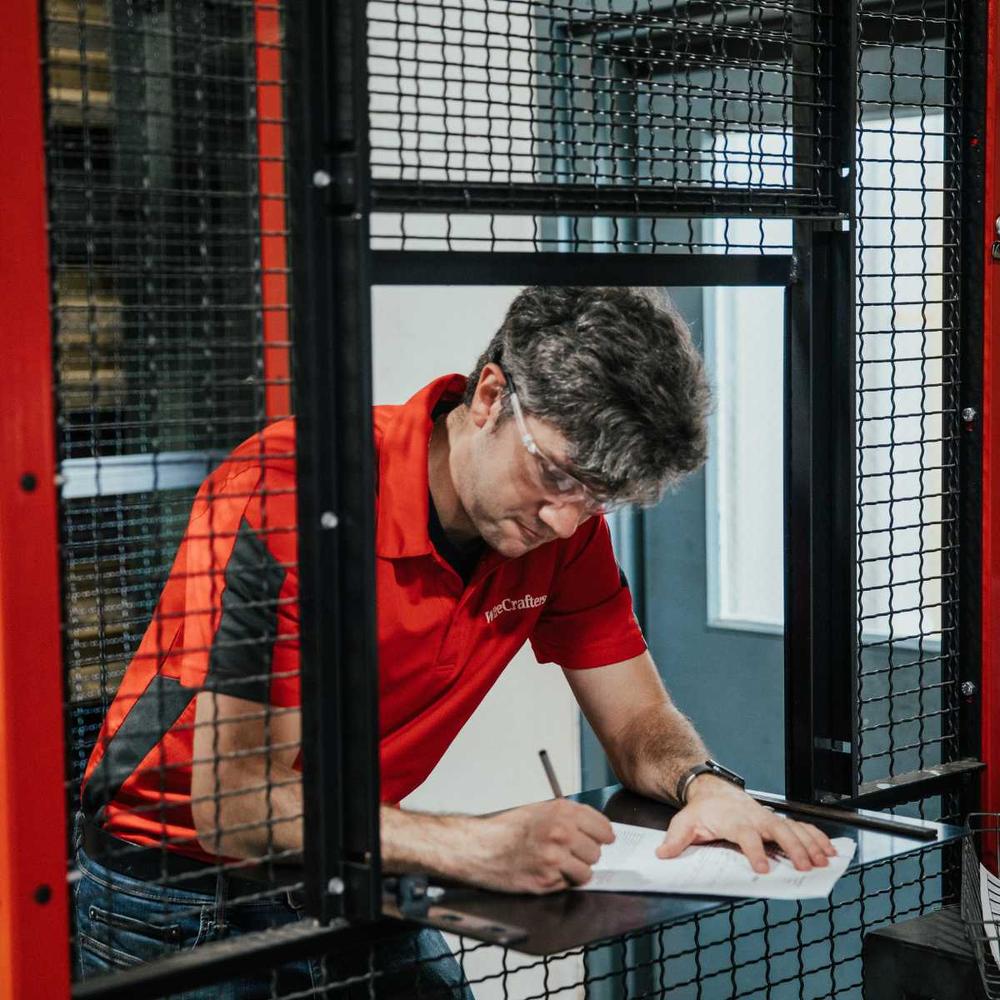
Driver access cages typically include a waiting area with seating, a restroom (or restroom access corridor), a document exchange window, and clear sightlines for dock supervisors. The cage creates a defined path from the dock door to authorized areas while blocking access to the warehouse floor.
Pass-through windows allow bill of lading exchange, delivery documentation, and communication between drivers and dock staff without opening the cage door. Self-closing hinged doors with panic hardware ensure emergency egress compliance while preventing propped-open doors. Electronic access control with timed lockout prevents drivers from remaining in the facility after their assigned window.
Integration with Warehouse Management Systems
Advanced driver cage installations integrate with warehouse management systems (WMS) and dock scheduling software. When a driver checks in at the cage entry point, the system can automatically assign a dock door, notify receiving staff, and initiate the unloading workflow. This integration reduces driver wait times by 30–45 minutes on average while maintaining strict access control throughout the process.
Multi-Carrier Dock Operations
Facilities handling 20+ deliveries per day from multiple carriers benefit from larger driver cage configurations with separate waiting zones, individual document exchange windows, and queuing systems. These high-throughput installations may include vending machines, Wi-Fi access, and charging stations — amenities that keep drivers contained in the authorized area rather than wandering the facility while waiting for their load.

Advanced Dock Security with Driver Cages
Modern driver access cages integrate with comprehensive dock security systems. Camera systems monitor the cage interior and entry points. Access logs record every driver entry and exit with timestamps. Intercom systems allow communication between drivers and dock supervisors without face-to-face contact.
Loss Prevention Integration
Driver cages work alongside other loss prevention measures including dock seals, trailer locks, and GPS-tracked shipments. The cage eliminates the most common loss scenario — unauthorized access to the warehouse floor by delivery personnel. Keeping drivers in a defined area also makes dock-area losses easier to trace.
Design for Driver Comfort & Compliance
A well-designed driver cage balances security with driver comfort. Uncomfortable or poorly equipped driver cages encourage complaints, reduce cooperation, and may create compliance issues with carrier contracts. Include adequate seating, climate control where possible, clear signage in multiple languages, and easy restroom access.
OSHA requires that visiting workers have access to restroom facilities. Driver cages must include either a restroom within the cage or a secure, controlled pathway to the nearest restroom. Properly equipped driver cages reduce complaints, improve compliance with containment policies, and maintain positive relationships with carrier companies.
Shop Pre-Configured Wire Mesh Cage Kits Online
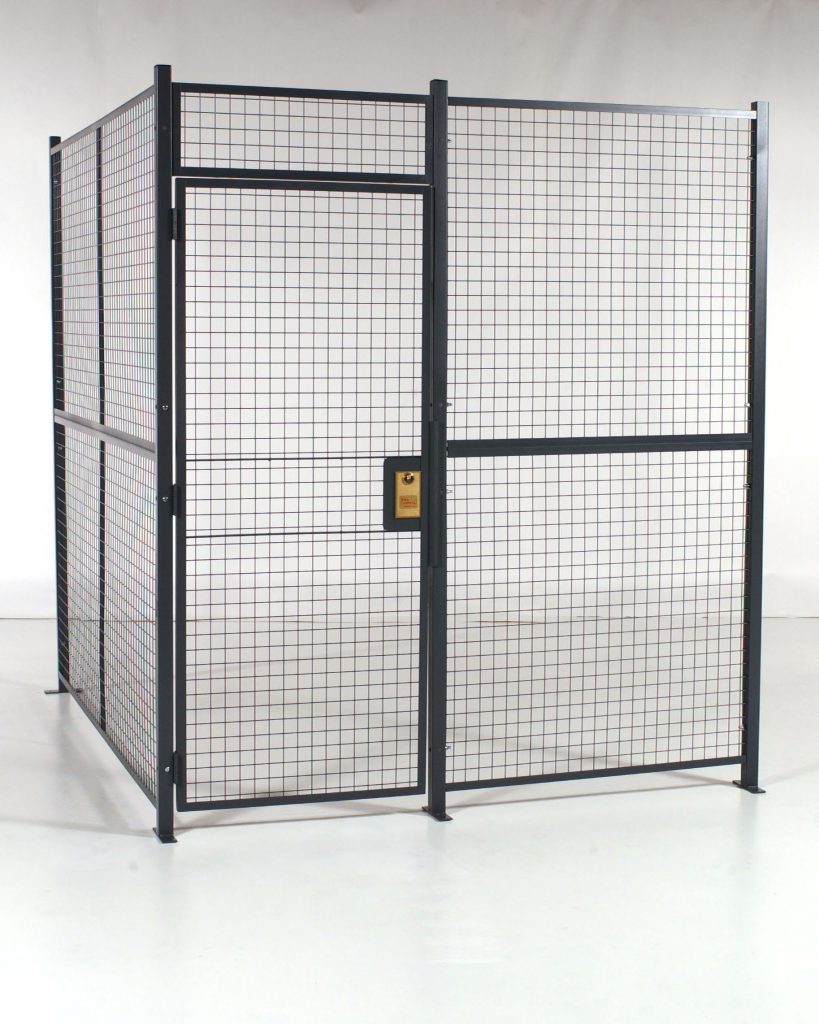
Standard-size welded wire cage kits, priced online, for smaller storage needs. Every kit still needs to be anchored to sound concrete — for tall, braced or engineered enclosures, request a quote with your building location and floor details.
ROI of Dock Security
Estimate the return from your own numbers rather than industry averages. These are the three drivers to price out.


Add up those drivers for your dock and compare them with the quoted cost of the cage. Our security cage cost guide shows how to estimate payback without relying on industry averages.
Frequently Asked Questions
How large should a driver access cage be?
Size depends on simultaneous driver count. For facilities receiving 5–10 deliveries per day, a 10′ × 12′ cage with seating for 4–6 drivers is adequate. High-volume docks handling 20+ daily deliveries need 15′ × 20′ or larger with multiple seating areas and service windows. Include restroom access and document exchange windows in your space calculation.
Do driver cages comply with OSHA regulations?
Driver access cages support OSHA dock safety requirements by controlling pedestrian traffic in active loading areas. OSHA requires clear separation between pedestrian and powered industrial truck traffic — driver cages provide this separation by confining visiting drivers to safe zones away from forklift operations. Emergency egress must comply with OSHA requirements — all cage doors must open outward with panic hardware.
Can drivers access restrooms from inside the cage?
Yes — most driver cage designs include either a restroom within the cage or a secure corridor from the cage to the nearest restroom. This keeps drivers within controlled pathways while providing necessary facilities. State labor regulations may require restroom access for visiting workers, making this a compliance consideration as well as a convenience.
How do driver cages reduce insurance costs?
Documented dock security measures demonstrate proactive risk management to insurance carriers. Driver access cages reduce the likelihood of theft claims, workers’ compensation claims from dock accidents, and general liability claims from unauthorized personnel on the warehouse floor. Whether that changes your premium depends on your carrier and policy, so ask your insurance broker before counting on any savings.
What amenities should a driver cage include?
Essential amenities include seating, restroom access, and a document exchange window. Recommended additions include Wi-Fi, phone charging stations, vending machines, climate control (heating/AC), clear signage in multiple languages, and a queuing/numbering system for busy docks. These amenities keep drivers comfortable and contained — reducing the temptation to wander into unauthorized areas.
How much do driver access cages cost?
Pricing depends on the size, configuration, wire gauge, door type, and accessories required for your specific application. Material Handling USA provides free, no-obligation quotes that include CAD layout design, material specifications, and professional installation costs. Contact us at (800) 326-4403 or email sales@mh-usa.com for a detailed estimate within 1–2 business days.

What is the installation timeline?
Most driver cage projects follow a 2–3 week timeline from initial contact to completed installation. Week 1 covers site assessment and design. Week 2 handles order processing and material preparation. Week 3 is delivery and professional installation. Expedited timelines are available for urgent security needs — some projects can be completed in as little as 5 business days from initial contact.
Do you provide free site assessments?
Yes. Material Handling USA provides complimentary on-site measurements and CAD layout design for all driver cage projects. Our assessment includes detailed measurements, obstacle identification, workflow analysis, and a complete proposal with pricing. For projects outside the Wasatch Front, we can conduct virtual assessments using photos and measurements you provide.
Can driver cages be customized?
Absolutely. While standard panel sizes handle most configurations, our custom security cage capabilities include non-standard dimensions, angled walls, multiple door types, height transitions, and integration with existing structures. Custom powder coat colors, galvanized finishes, and specialized hardware are also available.
Do you serve locations outside Utah?
Yes. While headquartered in Salt Lake City, Material Handling USA serves the entire Intermountain West including Utah, Idaho, Colorado, Nevada, Arizona, Wyoming, and Montana with direct installation crews. Nationwide projects are supported through our installation partner network and direct-ship capabilities.
Explore More Security Cage Solutions
Need a Driver Access Cage Design?
Material Handling USA provides free CAD layouts, professional installation, and 25+ years of dock security expertise across the Intermountain West.
Related Applications:
Online Store
Shop at MaterialHandling-USA.com
Need barriers, access control, or secure storage? Shop online:
Lockers
Warehouse Equipment & Supplies
Browse security & access control products →