
Dealership Tire Rack Storage in Salt Lake City: Mark Miller Subaru
A Salt Lake City Subaru dealership ordered tire rack storage to organize service-department inventory. Here is what the primary records support, what they do not, and how another dealership can plan a safe, workable tire room.
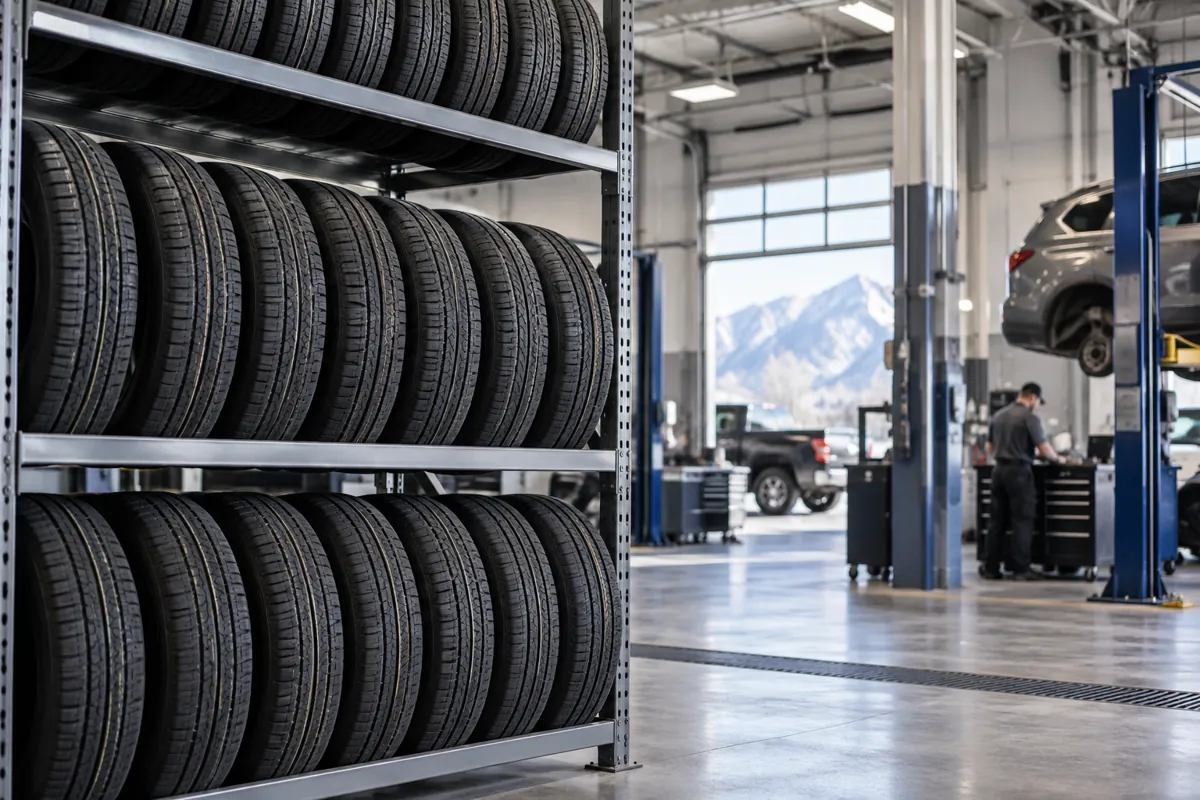
Salt Lake City, UT
Dealership location
2024
Order year
Tire rack
Verified application
Service department
Buyer context
A tire-storage project for a dealership service department
Mark Miller Subaru is a Salt Lake City automobile dealership. In July 2024, its tire-rack purchase was recorded as a closed-won project in MH-USA’s CRM. The associated customer proposal and purchase documents describe a steel tire-rack order, with freight included. That is enough to document the project’s application and location, while being careful not to imply more than the records prove.
The proposal included two rack configurations for consideration. Both were built around steel uprights and beams with foot plates. The options differed in scale, giving the dealership a choice between two equipment packages rather than a one-size-fits-all answer. The record set supports that a tire rack was ordered and invoiced; it does not establish that MH-USA completed an installation or measure a resulting improvement. We therefore focus below on how a dealership can use this project as a planning reference, not as a performance testimonial.
For the broader Utah market, this project supports the Utah Tire Storage Rack hub. The main Tire Storage Rack hub explains system types and technical planning considerations; our pallet rack systems provide the wider platform context.
What the source documents establish
- Customer: Mark Miller Subaru, Salt Lake City, Utah
- Application: tire rack storage for an automotive dealership
- Order: closed-won July 2024 deal, supported by a customer proposal, purchase-order record and supplier invoice
- Equipment: sectional steel tire-rack components, including uprights, beams and foot plates
- Scope limit: no independently verified installation-completion record or measured outcome was found in the sources reviewed
We have intentionally left out exact equipment quantities, measurements, prices, drawings, contacts and internal layout details.
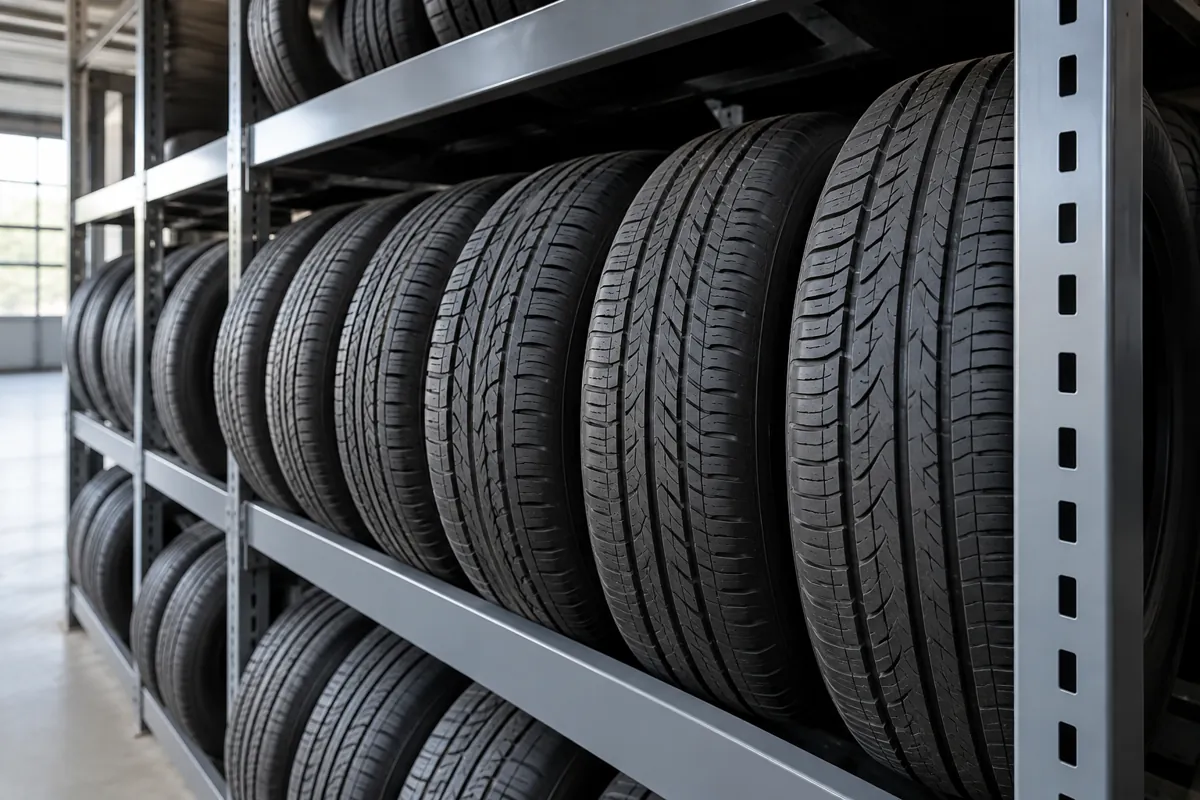
Why dealership tire storage needs its own plan
A dealership service department handles several tire flows at once: replacement inventory, seasonal customer sets, tires removed during service, and sometimes mounted wheel assemblies. Those items have different dwell times, handling needs and retrieval patterns. A design that mixes them without clear locations can consume aisle space and make a technician search through unrelated stock.
Dealerships also differ from high-volume tire warehouses. A service department may need an orderly back-room footprint adjacent to the work area, rather than a deep reserve-storage layout built around frequent forklift replenishment. The correct solution depends on peak inventory, building geometry, how tires arrive, and who retrieves them.
Plan around the service workflow
Map the path from receiving to inspection, storage, picking and the service bay. Keep temporary staging out of the travel aisle. Assign dedicated locations for seasonal customer sets and saleable inventory, and define how take-off tires are held before they are returned, recycled or disposed of.
Our dealership tire storage guide compares static rack, holding-room and vertical-storage approaches. If the store also operates a tire counter, see the separate tire-shop storage guide.

Choosing a tire rack layout for a dealership
For a conventional static system, rack bays are arranged as a short run along a suitable wall or in a dedicated tire room. Select bay width and level spacing around the largest tires in each group, not only the average tire. Leave workable clearance for hands, carts and any handling equipment. Labeling by size, vehicle or customer-set identifier is useful only if staff can read it from the picking aisle.
Some dealerships prefer individual open positions and direct access; others value denser storage and are willing to manage a more controlled access pattern. A stackable tire rack can help with temporary overflow if the rack is rated for the intended configuration and handled with the right equipment. A mobile tire rack may reduce fixed aisle count but requires a properly engineered carriage/rail system and a clear operating zone. Mounted wheel assemblies need separate dimensional and handling checks; see tire and wheel assembly storage.

| Planning question | What to verify before selecting a system |
|---|---|
| What is stored? | Loose tires, mounted assemblies, seasonal customer sets, replacement inventory, or a defined mix. |
| How much must fit? | Peak seasonal quantities by size group, not an average-week estimate. |
| Where will it go? | Usable footprint, clear height, doors, columns, fire protection, and aisle/travel paths. |
| How is it handled? | Manual picking, carts, lifts or other equipment; include safe reach and staging. |
| Can it grow? | Expected inventory growth and whether additional compatible sections can be added. |
Two documented options, not one assumed capacity
The July 2024 customer proposal listed two configurations. One used a smaller group of rack components; the second used a larger group. Both specified steel frames and beams, with foot plates and freight included. The options show why confirming the actual tire mix and available footprint matters: “a tire rack” can describe different equipment quantities and layouts.
Those source documents do not provide a current universal capacity for every tire type, nor should their configuration be treated as a model recommendation for another store. The rack design, components, configuration and loading must be reviewed for the project. We do not publish an estimated tire count from a drawing or quote as though it were a verified operating capacity.
Use the proposal as a process example
- Identify the store’s actual storage problem and peak volume.
- Compare configurations that fit the room and handling method.
- Confirm equipment components and any required engineering review.
- Verify delivered scope and completion separately from the quote or order record.
This case study documents an order, not a completed installation or measured result.

Storage, rack and fire-protection checks
Use tire-manufacturer or tire-industry guidance for the product and intended storage duration. Keep tires in a clean, dry and appropriate environment, and avoid arrangements that can deform or damage them. For rack design, confirm the rack’s rated configuration, beam and frame condition, connection details, and the building slab and anchorage requirements with a qualified rack engineer.
OSHA’s materials-handling rule requires stored materials to be stable and secure against sliding or collapse, and storage areas to be maintained with clear aisles. Fire-protection requirements for rubber tires depend on the current applicable code, storage arrangement, building conditions and sprinkler design. Have the fire-protection engineer and authority having jurisdiction review the actual plan; do not rely on a generic height or sprinkler rule.
Keep clear space around the rack
Define receiving and temporary staging areas separately from aisles. Mark travel paths where appropriate, prevent stock from leaning into pedestrian routes, and keep sprinkler heads, exits, electrical equipment and fire-protection components unobstructed. Review the arrangement whenever the tire mix or storage density changes.
For tall or heavily loaded storage, require a project-specific structural review. Never assume an existing floor, rack or anchorage has capacity for a changed configuration.
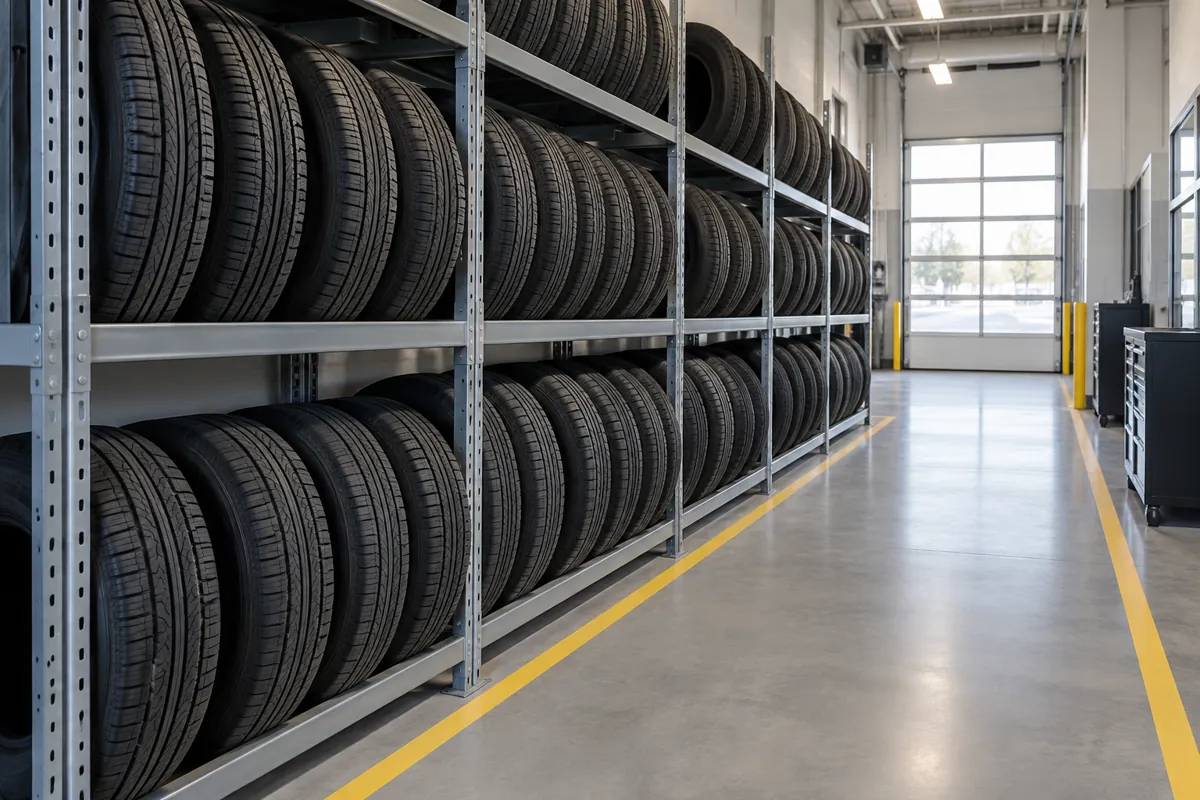
Dealership tire-rack planning checklist
Before requesting a layout or quote, collect the inputs that drive the system choice. This helps distinguish a compact service-room rack from seasonal overflow, mounted-wheel storage or a distribution-style application.
Inventory
List peak tire quantities by size/type and identify seasonal customer sets, new stock and take-offs.
Measure
Record usable floor dimensions, clear height, door openings, obstructions and existing fire-protection equipment.
Map the path
Show receiving, staging, retrieval routes and the nearest service work areas.
Choose handling
Describe manual picks, carts and any powered handling equipment.
Review requirements
Ask about rack engineering, slab/anchorage, fire-protection review and local AHJ requirements.
Confirm scope
Compare the final proposal to the approved configuration; keep installation and completion claims tied to verified records.
For high-volume operations, compare conventional rack against high-density tire storage and the alternatives in the commercial Tire Storage Rack hub. For general facility projects beyond tires, explore pallet rack planning and systems.
Related tire-storage planning
Static rack is not the only answer. Match the approach to the building and workflow, and compare the relevant system types before deciding.
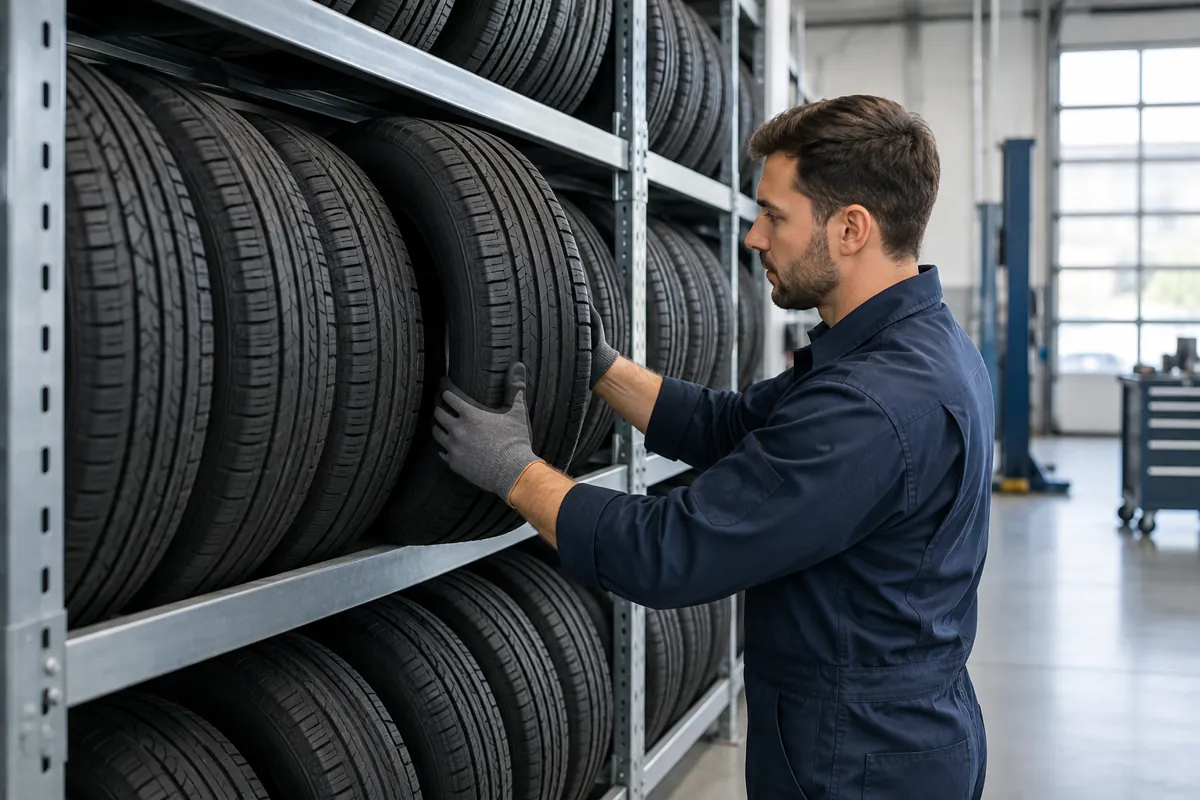 Dealership tire storageStatic rack, holding rooms and workflow planning for dealership service departments.
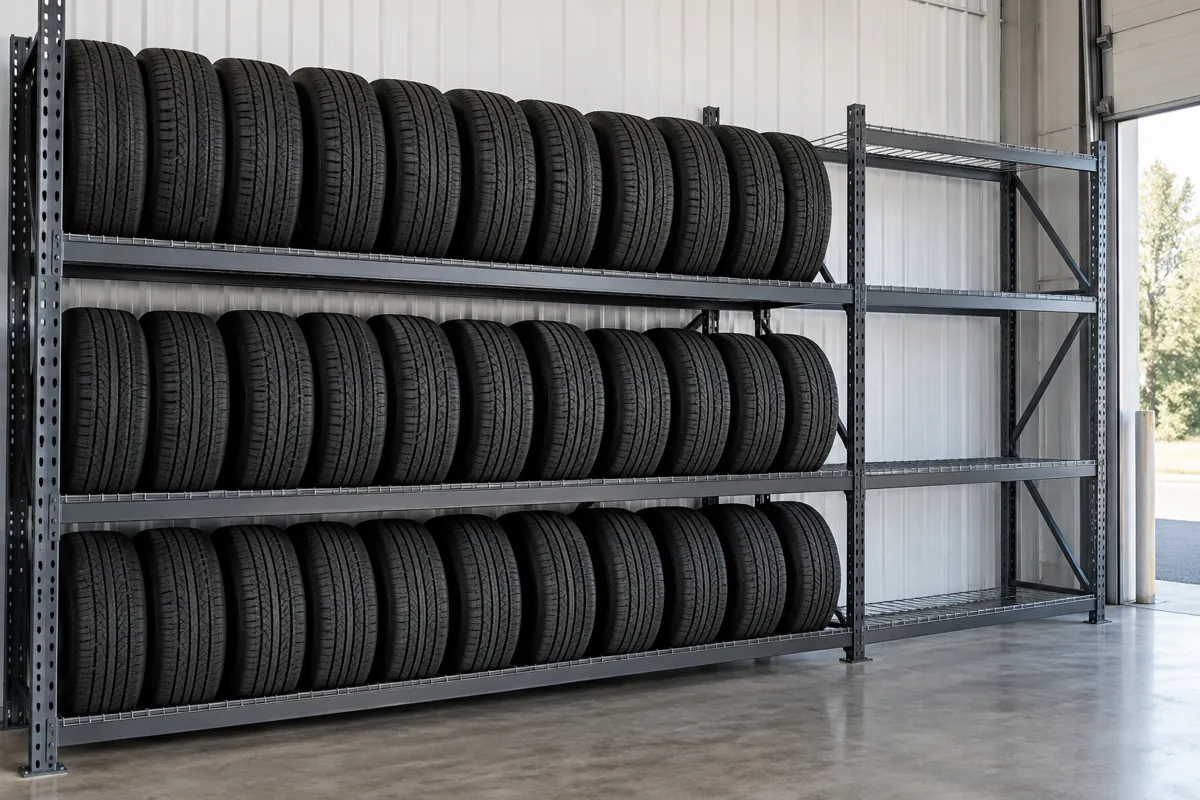 Tire and wheel assembliesPlan for the different dimensions and handling of mounted sets.
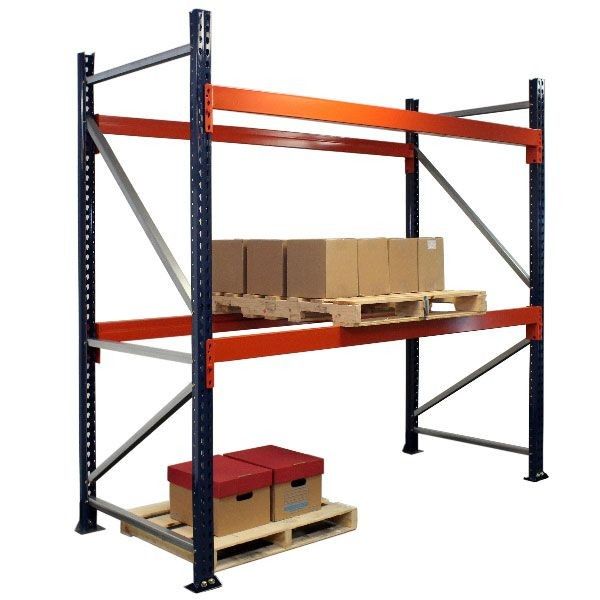
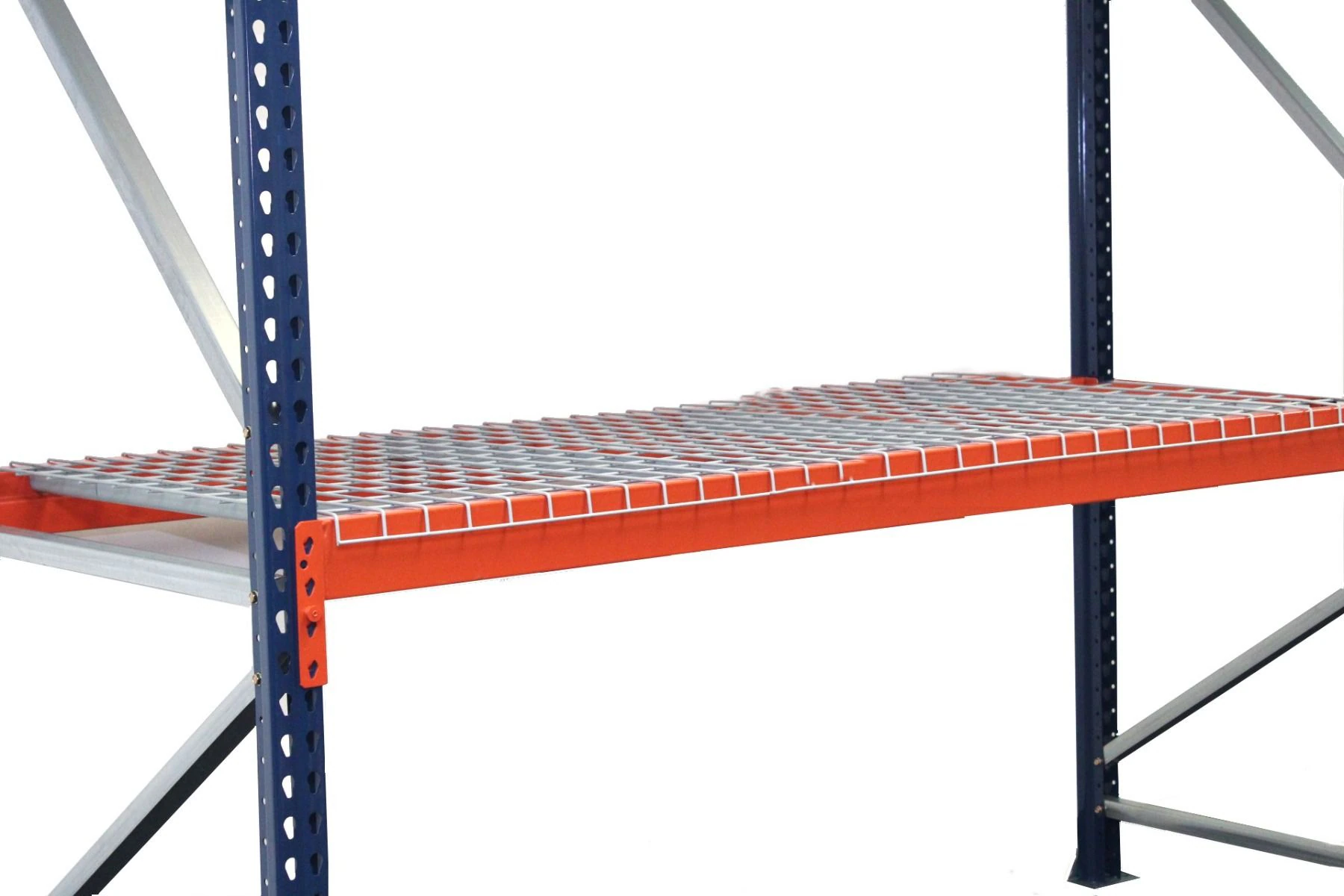
Shop These Products Online
Buy select items directly from our online store, or request a quote for volume, custom sizes and freight-rated orders.
Frequently asked questions
What tire rack options were quoted for Mark Miller Subaru?
Was the Subaru dealership tire rack installed by MH-USA?
How should a dealership plan tire storage?
Should dealership tires be stored on the tread or sidewall?
Can a tire rack be extended later?
Does Utah tire storage always require seismic review or anchoring?
What information should I provide for a tire-rack quote?
Planning tire storage for a Utah dealership?
Share your store location, seasonal tire mix, available footprint and handling needs. We can help compare a practical rack layout and identify which engineering or fire-protection reviews are needed.