
Loading Dock Equipment
Dock levelers, dock boards and plates, yard ramps, dock lifts, trailer jacks, wheel chocks, bumpers, seals, lights, safety nets and traffic signage — everything between the trailer and your warehouse floor. Buy standard dock equipment online, or send us a photo of the dock and we will size the right leveler, board or ramp and quote it with freight.
Since 1997 · 50 states shipped · sales@mh-usa.com
1,000+
Dock products online
30,000 lb
Leveler capacities to
48–52 in.
Standard dock height
1997
Serving the West since
Which Loading Dock Equipment Do You Need?
Every dock problem falls into one of three jobs. Start with the job, and the equipment list gets short fast.
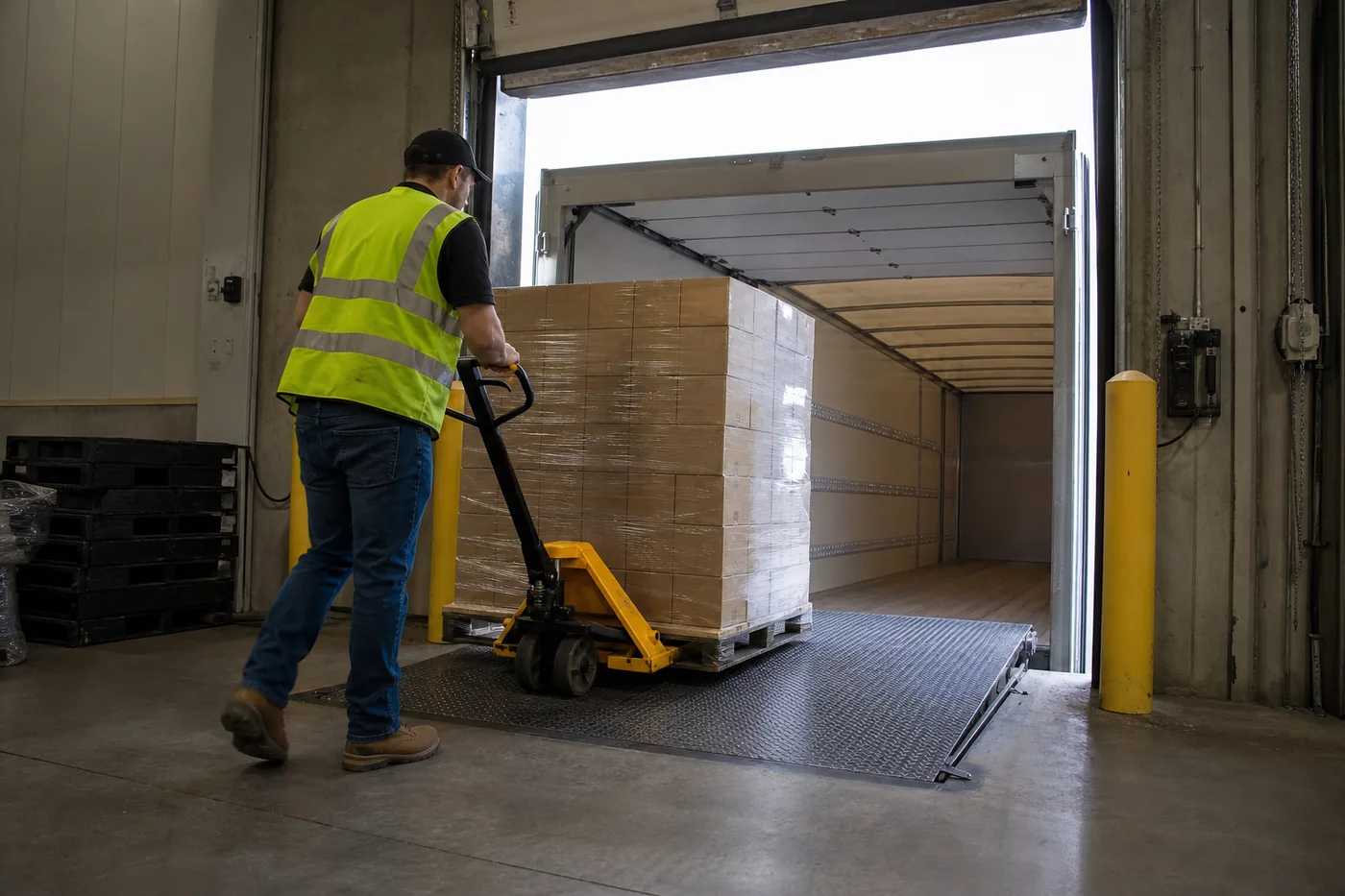 Bridge the gapTrailer beds sit anywhere from 44 to 56 inches off the pavement; your dock is fixed. Edge-of-dock levelers, pit levelers, dock boards, dock plates and yard ramps each close that gap for a different traffic level and budget. Compare bridging equipment →
 Secure the trailerTrailer creep, early pull-away and landing-gear collapse are the three dock accidents that kill. Wheel chocks, vehicle restraints and trailer stabilizing jacks stop all three. See restraints and jacks →
 Protect the building and peopleBumpers take the trailer impact, seals and shelters keep weather and pests out, dock lights let drivers see the trailer floor, and nets, gates and signage keep forklifts and people from going over the edge. Protection equipment →
Not sure which one? The comparison table below puts the five bridging options side by side, and the sizing section shows how to read your dock before you buy anything. If you already know you want Vestil, the Vestil loading dock equipment page covers that line model by model.
Loading Dock Equipment Types at a Glance
Ten equipment families make up a complete dock. Most facilities need four or five of them; very few need all ten. Each family has a detailed section further down the page.
Dock Levelers: Edge-of-Dock vs. Pit-Style
A dock leveler is the plate that bridges the dock to the trailer and floats with the trailer as it loads and unloads. The choice is between a face-mounted edge-of-dock unit and a pit-style unit recessed into the concrete.
Edge-of-dock levelers
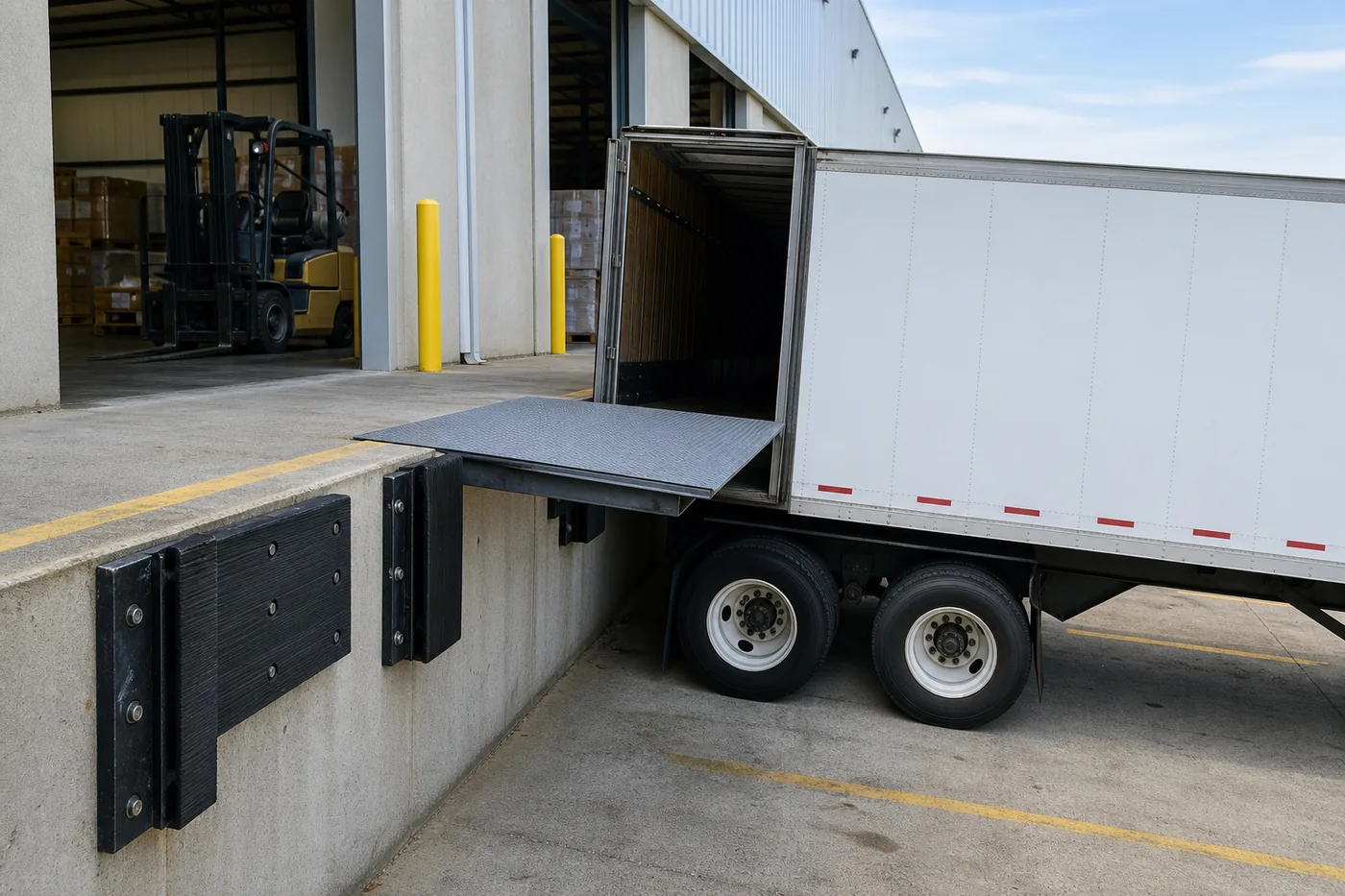
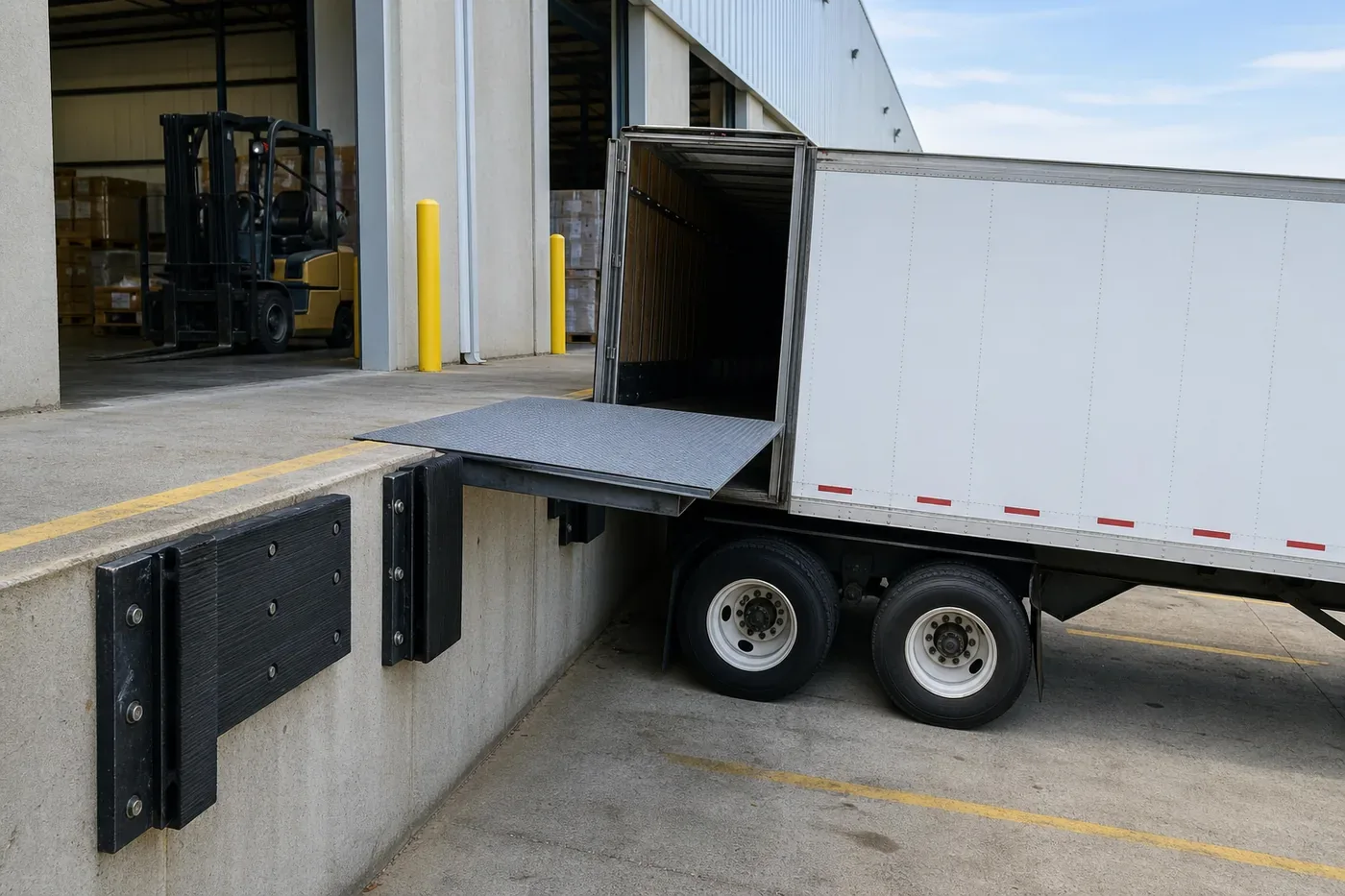
An edge-of-dock (EOD) leveler bolts or welds to the dock face and replaces the dock bumpers. A spring, hand pump or hydraulic cylinder raises the lip, which then drops onto the trailer bed and floats about five inches above or below dock height. Because there is no pit, it can be added to an existing dock in an afternoon, and it costs a fraction of a pit leveler.
The trade-off is range. An EOD serves trailers within roughly ±5 in. of dock height and is rated for pallet jacks and lighter forklift traffic, with capacities from 20,000 to 30,000 lb. It is the right choice for docks that see a handful of trailers a day with consistent trailer heights, and for adding a working leveler to a door that never had one.

Pit-style dock levelers
A pit leveler sits in a recessed pit cast into the dock, with a deck typically 6 × 8 ft or 7 × 10 ft that services trailers up to 12 in. above and below dock height. Mechanical (pull-chain) units use springs and a hold-down; hydraulic units use a push-button pump. Capacities run 25,000 to 40,000 lb and higher for high-cycle docks.
Pit levelers are the standard for distribution centers and any door cycling trailers all day with forklifts. They need a formed pit — new construction, or a saw-cut retrofit — and curb angles cast into the concrete. If you have a pit and a worn-out unit, a replacement leveler is a straightforward swap; if you have no pit, compare the cost of forming one against an EOD or a dock lift first.
| Leveler | Working range | Capacity | Traffic | Install | Typical use |
|---|---|---|---|---|---|
| Edge-of-dock, spring/hand pump | ±5 in. | 20–30k lb | Pallet jacks, light forklift | Face mount, no pit | Retrofit, low-cycle docks |
| Edge-of-dock, hydraulic | ±5 in. | 25–30k lb | Light–medium forklift | Face mount + power | Ergonomic retrofit |
| Pit, mechanical pull-chain | ±12 in. | 25–40k lb | Forklift all day | Formed pit, curb angles | Distribution docks |
| Pit, hydraulic | ±12 in. | 30–50k lb+ | High-cycle forklift | Formed pit + power | New DCs, heavy loads |
Dock Boards and Dock Plates
The portable way to bridge a dock. The two look alike and are constantly confused, and the difference is the one that matters for safety.
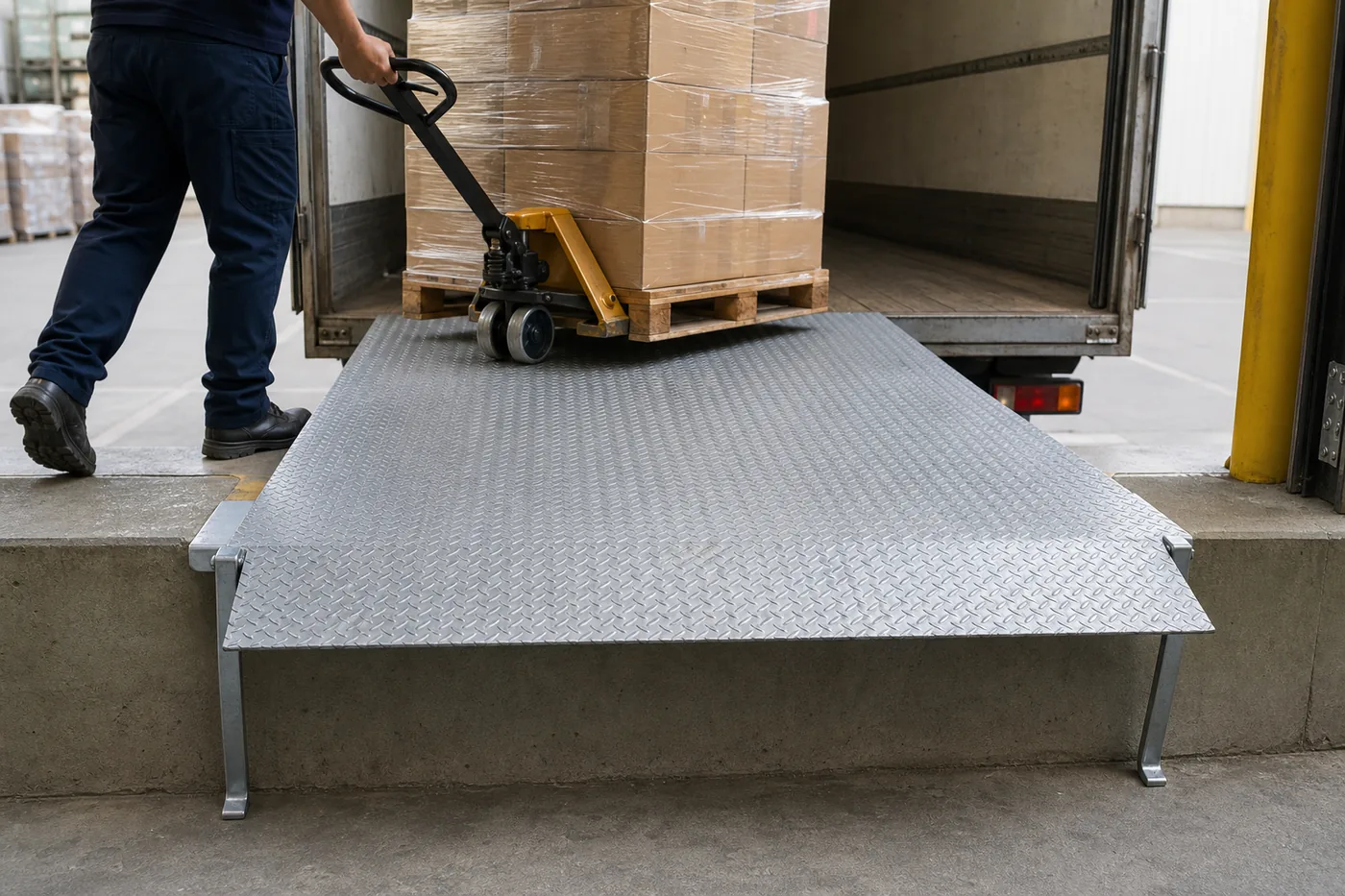
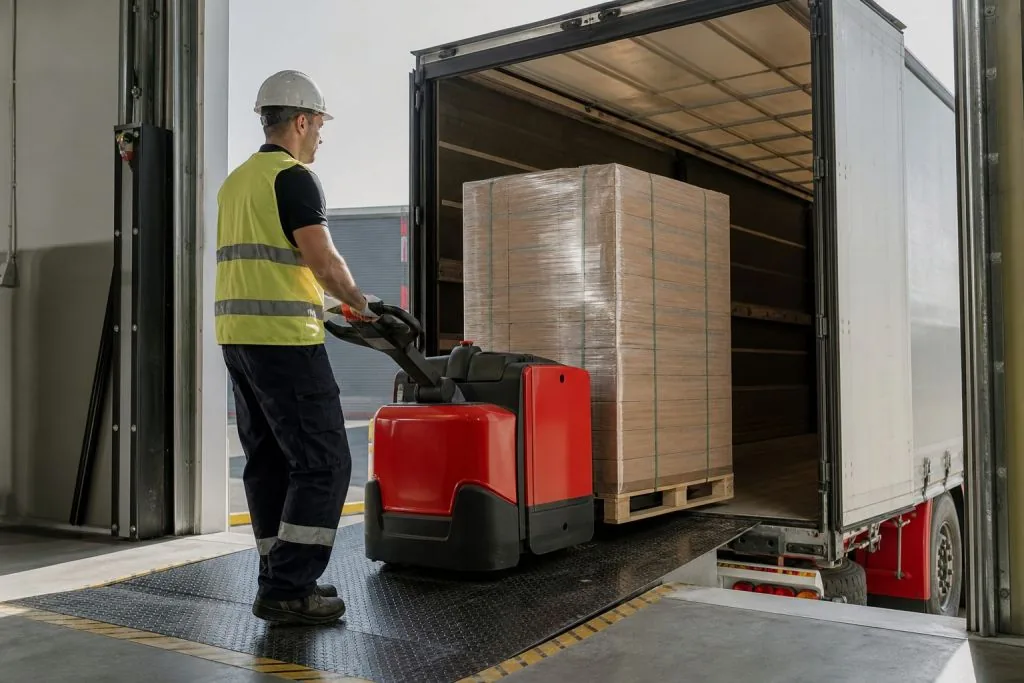
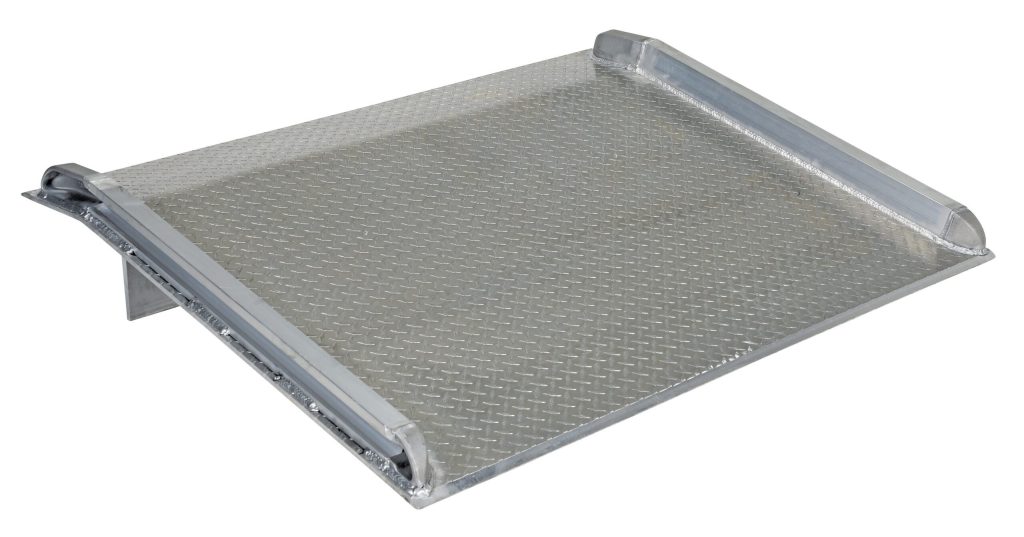
Dock plates are flat aluminum plates with a bent lip on each end and no side curbs. They are rated for hand trucks and manual or electric pallet jacks — typically 500 to 10,000 lb — and are light enough for one or two people to place by hand. Use them at box-truck doors, between a dock and a trailer of nearly the same height, and anywhere the traffic is walk-behind.
Dock boards add welded steel or aluminum curbs along both sides. Those curbs are what OSHA and the manufacturer require the moment a forklift drives across, because a forklift wheel that slides off an uncurbed plate goes over the edge. Boards run 10,000 to 25,000 lb and up in aluminum with steel curbs or all-steel, with locking pins or loop chains that anchor the board to the dock so it cannot walk under traffic.
- Match the rated capacity to the gross weight of the forklift plus its heaviest load plus the operator — not the load alone.
- Width should exceed the forklift’s overall width by at least 12 in.; length is set by the height difference (roughly 12 in. of board per inch of height difference for a 1:12 grade at the lip).
- Boards with a height difference over about 5 in. need enough length that the forklift’s undercarriage does not high-center on the crown.
- Every board and plate must be anchored (pins or chains) and stored on a hanger or handle-side-up, never leaned against the dock face.
Yard Ramps and Portable Dock Ramps
A yard ramp is a dock you can move. It lets a forklift drive from the pavement into a trailer, or from the pavement up to a dock, at a building that was never built with a raised dock.
Steel yard ramps in 16,000 to 30,000 lb capacities with serrated grating decks are the workhorse for ground-level warehouses, manufacturing plants that receive by truck a few times a week, and any site that needs to unload containers in the yard. A hydraulic hand pump raises the ramp to trailer height, a hitch or towbar lets a forklift reposition it, and safety chains hold it to the trailer while in use.
Aluminum yard ramps cut the weight by roughly half for the same capacity, which matters when the ramp is moved often or travels between sites. Stationary ramps with a level-off platform sit permanently at a ground-level door and create a true dock position. All ramps should be specified at a grade no steeper than about 12% for standard counterbalance forklifts — check your forklift’s ramp rating before you settle on length.
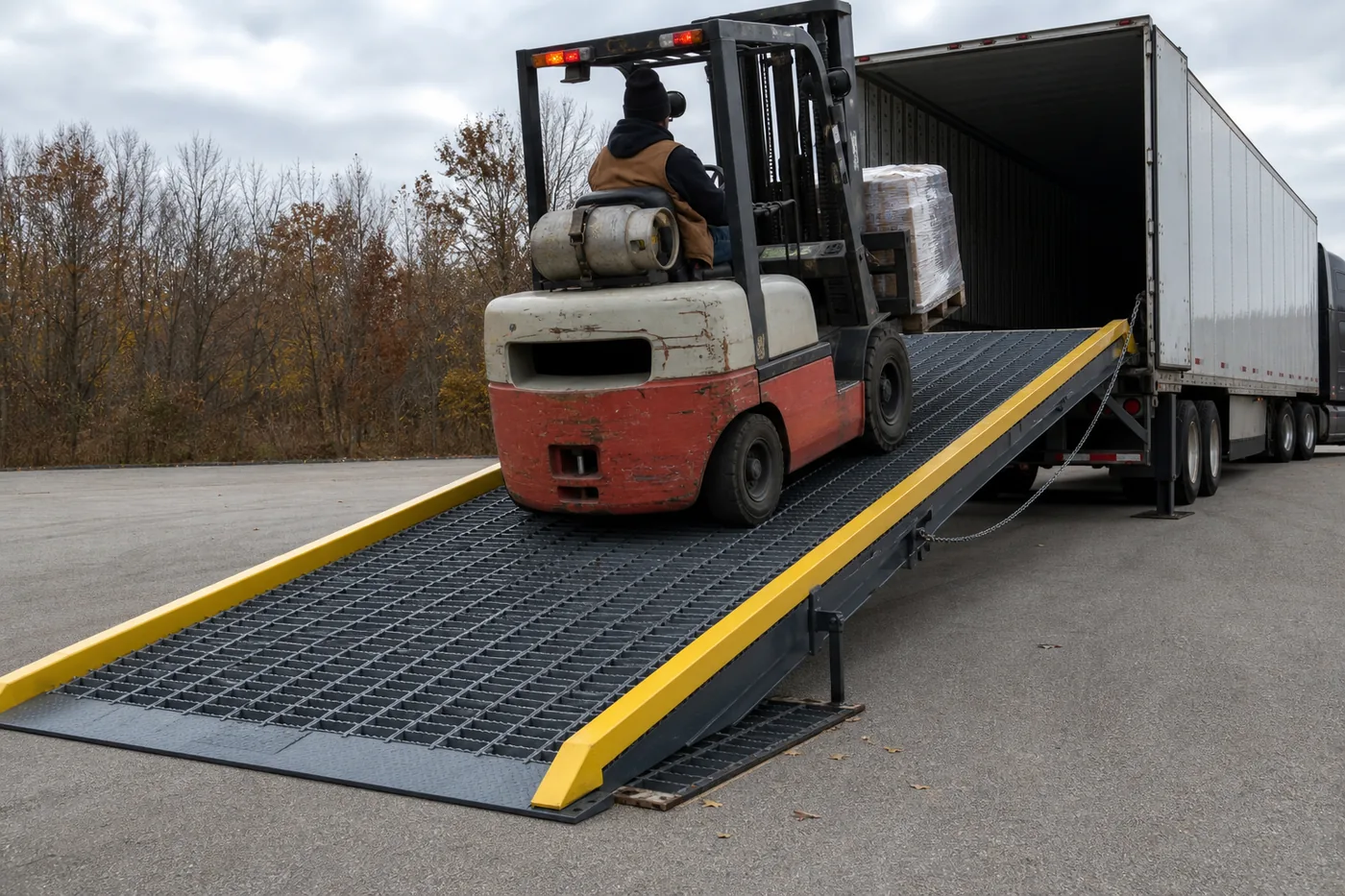
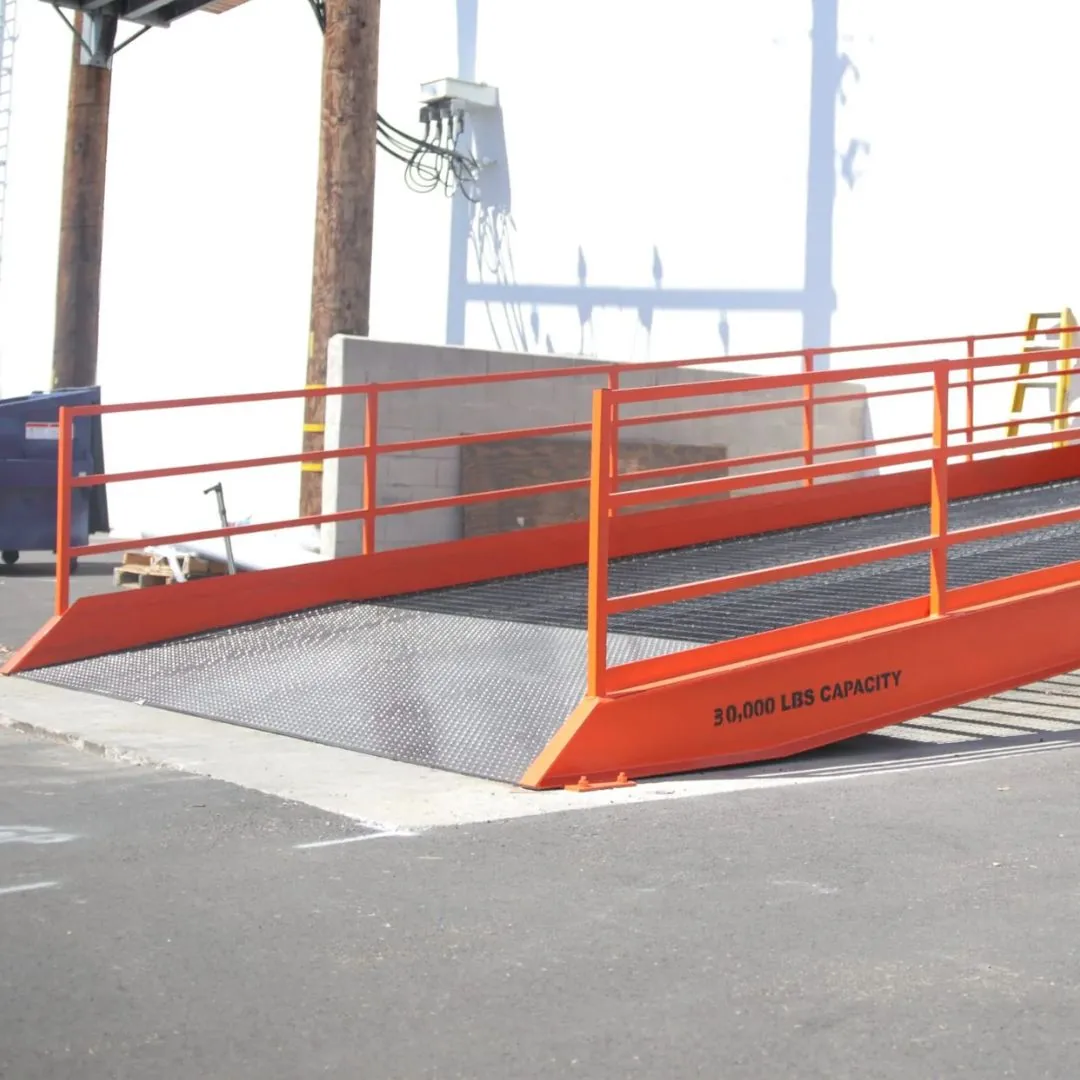
Sizing a yard ramp: a 36 ft ramp with a 30 ft incline and 6 ft level-off reaches a 48–55 in. trailer bed at a workable grade; the 30 ft ramps are for lower trailers and lighter trucks. Usable width should be at least 70 in. for standard forklifts and 84 in. or more where operators need room to correct. If the ramp will serve both trailers and a fixed dock, buy a mobile unit with a hydraulic range covering both heights.
Dock Lifts for Buildings Without a Dock
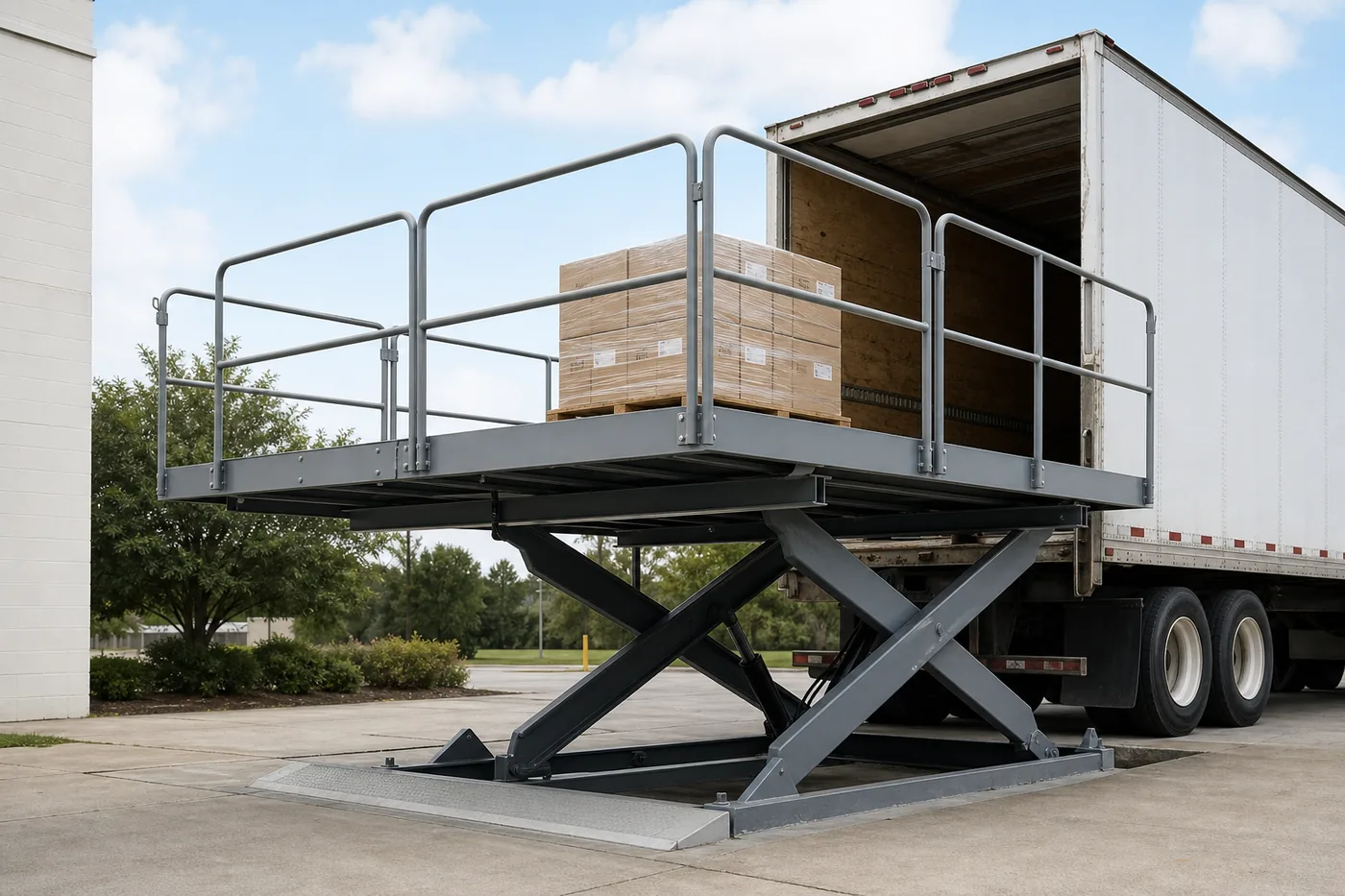
When there is no raised dock and no room for a ramp, a hydraulic dock lift brings the load to the truck. It is also the only bridging equipment that serves every truck height, from a cargo van to a high-cube trailer, at the same door.
A scissor dock lift sits in a shallow pit or on the pavement at grade. The forklift or pallet jack rolls onto the platform, the operator raises it to trailer height — up to 58 or 60 in. — and the bridge plate flips onto the truck bed. Capacities from 5,000 to 12,000 lb cover pallet jacks and most walkie and rider trucks; platform sizes of 6 × 8 ft and 8 × 10 ft handle a pallet and a jack with room to turn. Guardrails, toe guards and safety chains are standard on units built for dock service.
Dock lifts pay for themselves at receiving doors that see a mix of straight trucks, step vans and 53-ft trailers, and at retrofit sites where forming a pit for a leveler is impractical. Pair one with a dock light and a wheel chock and a ground-level door becomes a complete receiving dock.
Wheel Chocks, Vehicle Restraints and Trailer Jacks
Three low-cost items prevent the three dock accidents that hurt people most: trailer creep, premature pull-away and landing gear collapse under a spotted trailer.
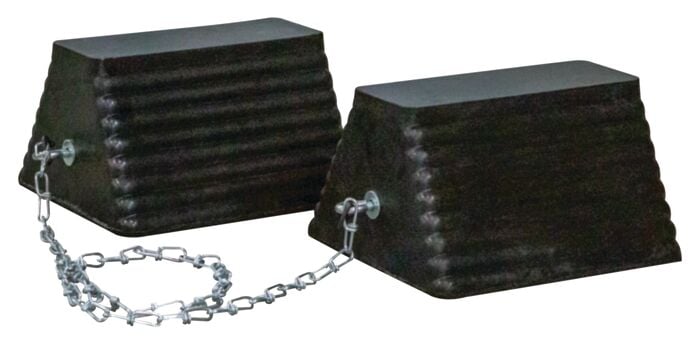
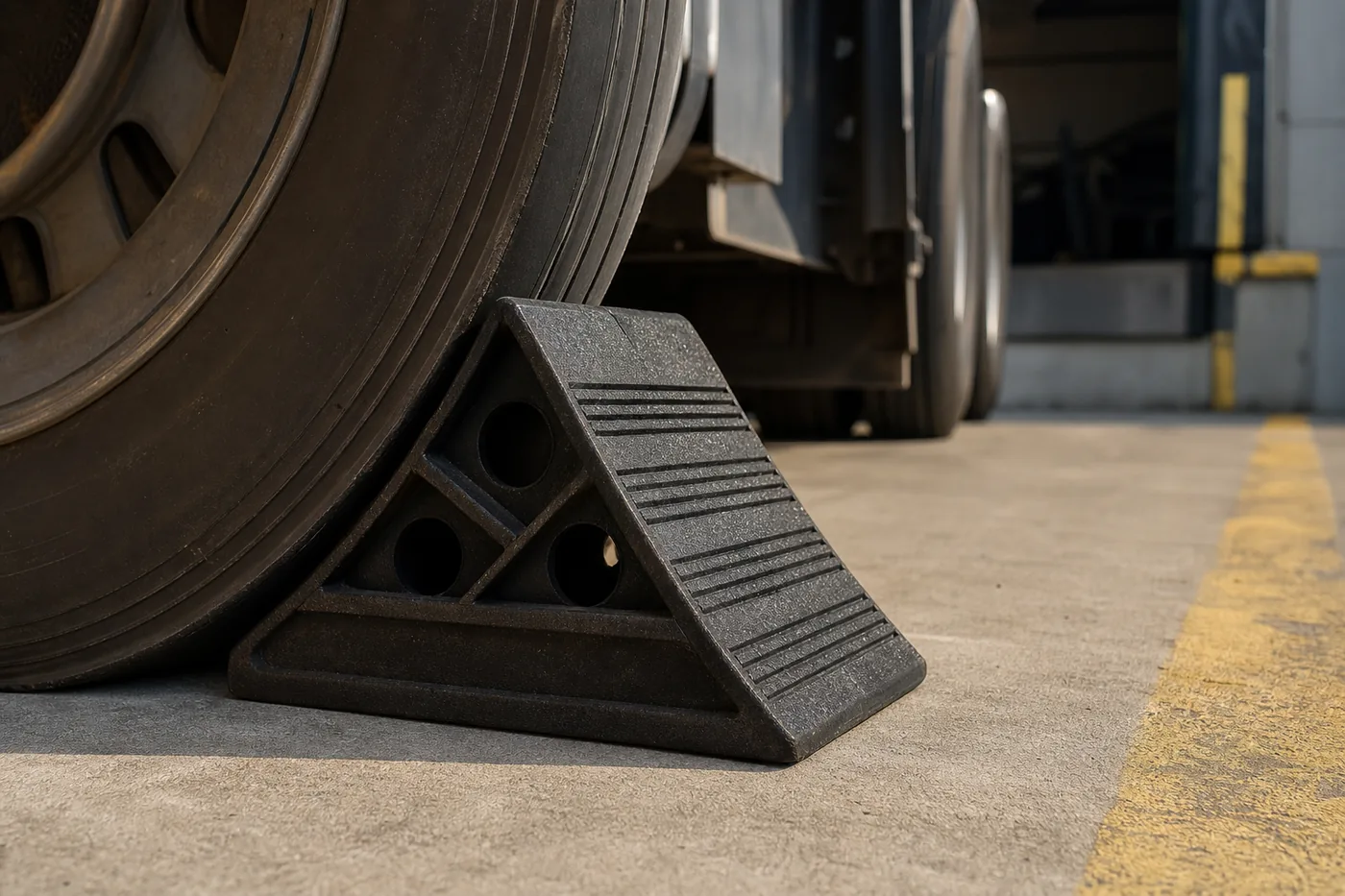 Wheel chocksOSHA 1910.178(k)(1) requires brakes set and wheels chocked on any trailer being boarded by a forklift. Rubber and urethane chocks in 8 to 12 in. sizes handle trailers; steel chocks with eye bolts and chains stay at the dock so drivers stop taking them. Laminated rubber lasts longest in freeze-thaw climates.
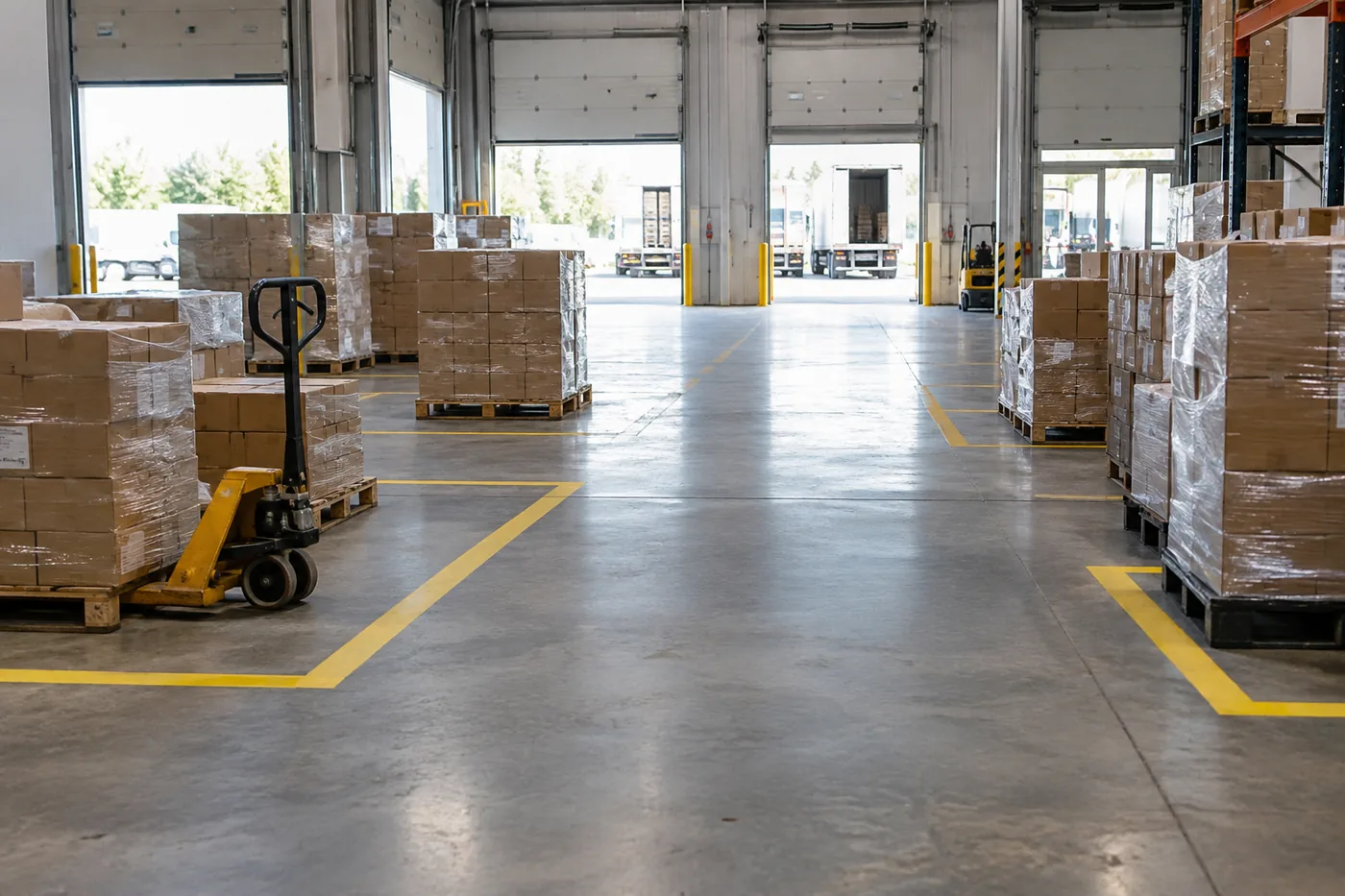 Vehicle restraintsA mechanical or hydraulic restraint hooks the trailer’s rear impact guard and holds it against the bumpers until the operator releases it, with interior and exterior lights that tell driver and forklift operator the trailer status. Restraints replace chocks at high-volume docks and eliminate the chock-in-the-snow argument.
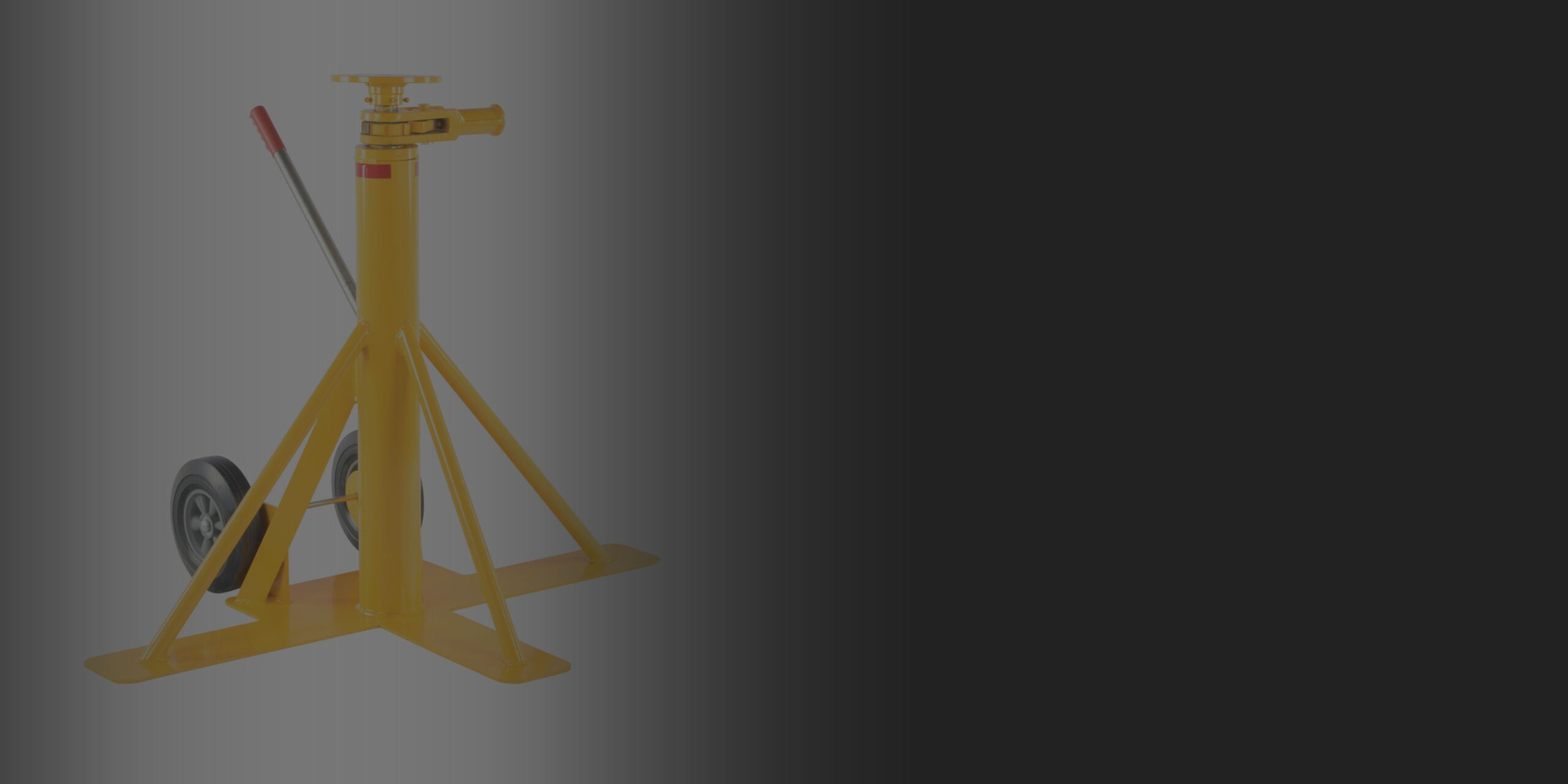 Trailer stabilizing jacksA spotted trailer’s landing gear was never designed to carry a 9,000 lb forklift and a pallet. A ratchet or hydraulic stabilizing jack (40,000 to 100,000 lb) placed under the trailer nose carries that load and stops the nose-dive that happens when a driver pulls the tractor early. Two per door is the standard.
Dock Bumpers, Seals, Shelters and Dock Lights
The equipment on the dock face protects the building envelope and the people working inside the trailer.
Dock bumpers
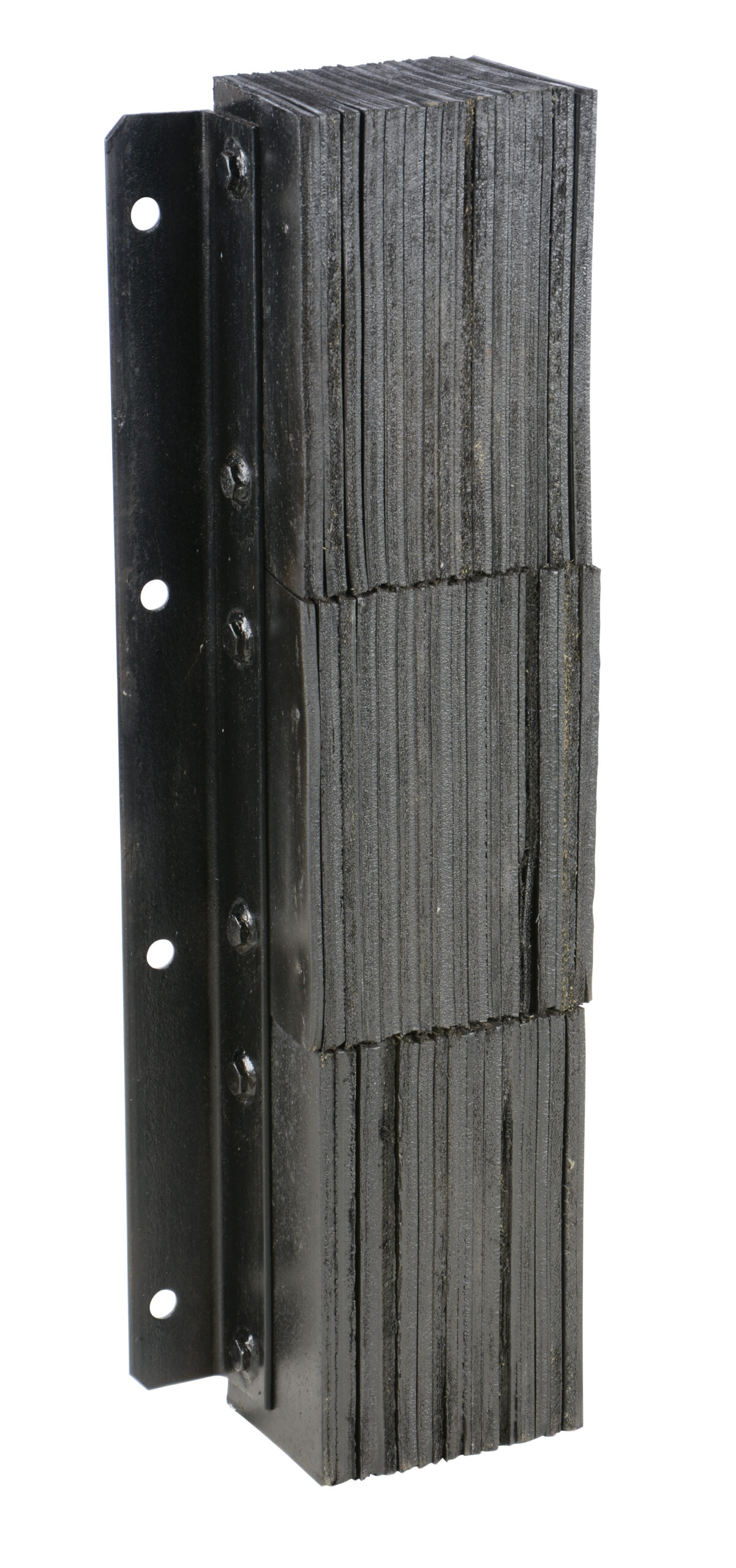
Every trailer backs in at a walking pace and stops when it hits the dock. Laminated rubber bumpers — layers of truck-tire rubber bolted between steel angles — absorb that impact for years; molded rubber bumpers are lighter and less expensive for lower-traffic docks. Standard bumpers project 4 to 6 in.; use extra-long or extended bumpers on declined approaches so the trailer stops before its top rail hits the wall. Replace bumpers when they are worn through the top layers, mounted at the wrong height for your trailer mix or missing on one side.
Dock seals and shelters
A dock seal is a set of foam pads the trailer compresses against for a tight seal on docks with a consistent trailer size — the choice for cold storage and climate-controlled receiving. A shelter is a fabric-and-frame hood the trailer backs into that accommodates any trailer size and leaves the full door width clear; it seals less tightly but suits mixed fleets. Draft blockers, head curtains and weather stripping close the remaining gaps at the header and the pit.
Dock lights and fans
A trailer interior is dark even at noon. Swing-arm LED dock lights on 40 to 60 in. arms mount beside the door and reach into the trailer, and are the single cheapest fix for pallets stacked crooked, wrong SKUs pulled and forklift tines through the trailer wall. Dock fans on the same swing arms move air through a trailer that has been baking in the sun. Combination light-and-fan arms save one mount.
Dock Safety Nets, Barrier Gates and Shipping & Receiving Signage
Open dock doors are a 4-ft fall for a person and a rollover for a forklift. The traffic-control layer keeps both back from the edge and tells drivers where to go.

Dock safety nets and barriers. A dock net stretches across an open door on hooks or a track and stops a forklift or a person at the edge; it is the fastest way to protect a door left open for ventilation or an empty dock position. Swing gates and lift gates give a rigid barrier that opens for the trailer; rail-mounted barrier gates rated for forklift impact are the choice for high-traffic edges. Our loading dock nets page covers sizing and mounting.
Signage and traffic control. Shipping and receiving signs, driver check-in signs, dock door numbers, and speed and stop signs cut the mix-ups that back up a truck yard — the wrong trailer at the wrong door, drivers walking into the warehouse to find someone, and forklifts crossing truck paths. Dock traffic light systems on the interior wall tell forklift operators when a trailer is restrained and safe to enter. Our guide to shipping and receiving signs walks through what goes where.
Shop Loading Dock Equipment Online
A few of the dock products in stock in our online store, from a category of over a thousand levelers, boards, ramps, chocks, bumpers, seals and lights.

How to Size Loading Dock Equipment
Five measurements decide almost every dock equipment purchase. Take them once and every quote gets faster.
Dock height
Measure from the pavement at the trailer’s rear wheels to the dock floor. 48 to 52 in. is standard; 44 to 46 in. is common at older buildings and grocery docks.
Trailer bed heights
List the trailers you actually receive: 53-ft dry vans run 48–52 in. loaded, refrigerated trailers 50–56 in., flatbeds around 60 in., straight trucks and step vans 36–48 in. The spread sets whether an EOD (±5 in.), pit leveler (±12 in.) or dock lift (any height) fits.
Heaviest gross load
Forklift weight + rated capacity + operator, or the pallet jack + heaviest pallet. Size boards, levelers, ramps and lifts to that gross figure with margin, never to the load alone.
Door and approach
Door width and height, whether the approach is level, inclined or declined (declines need longer bumpers and stronger restraints), and how much apron there is for a yard ramp.
Traffic and climate
Trucks per day, forklift vs. pallet jack, and whether the door needs a seal for temperature control or pest exclusion. High-cycle docks justify hydraulic levelers and restraints; low-cycle docks are well served by EODs, boards and chocks.
| Dock-to-trailer height difference | Hand truck / pallet jack | Forklift |
|---|---|---|
| 0–3 in. | Dock plate | Dock board or EOD leveler |
| 3–5 in. | Dock plate (longer) or EOD leveler | Dock board 60 in.+ or EOD leveler |
| 5–12 in. | EOD leveler or pit leveler | Pit leveler or long dock board with low grade |
| Over 12 in. / no dock | Dock lift | Yard ramp or dock lift |
Compare Bridging Equipment
The five ways to get a load from the dock into the trailer, side by side. Prices are broad ranges for standard sizes in our store and are confirmed on every quote.
| Equipment | Portable | Height range | Forklift OK | Capacity | Install | Budget range |
|---|---|---|---|---|---|---|
| Dock plate | Yes | 0–5 in. | No — pallet jacks only | 0.5–10k lb | None | $$ |
| Dock board | Yes | 0–8 in. | Yes (curbed) | 10–25k lb | None (pins/chains) | $$–$$$ |
| Edge-of-dock leveler | No | ±5 in. | Yes, light–medium | 20–30k lb | Face mount, half day | $$$ |
| Pit dock leveler | No | ±12 in. | Yes, all day | 25–50k lb+ | Formed pit | $$$$ |
| Yard ramp | Yes (towable) | Grade to trailer | Yes | 16–30k lb | None | $$$$ |
| Dock lift | Semi (pit or surface) | Grade to 60 in. | Yes, within capacity | 5–12k lb | Pit or surface mount + power | $$$$ |
OSHA Requirements and Dock Safety
OSHA does not have a single loading dock standard; the requirements are spread across the walking-working surfaces, powered industrial truck and materials handling rules. These are the ones that drive equipment purchases.
- 29 CFR 1910.26 — Dockboards. Dockboards must support the maximum intended load, have run-off protection (curbs) unless the employer can show no risk of a truck running off, be anchored or otherwise secured, and portable dockboards need handholds or lift devices for safe handling.
- 29 CFR 1910.178(k)(1) & (m)(7). Trailer brakes set and wheels chocked (or an equivalent restraint) before a forklift enters; fixed jacks may be needed to support a semi-trailer that is not coupled to a tractor.
- 29 CFR 1910.28(b)(1). Fall protection at unprotected sides and edges 4 ft or more above a lower level — an open dock door with no trailer is exactly that edge, which is what dock nets, gates and chains are for.
- 29 CFR 1910.176. Aisles and passageways kept clear with permanent markings where mechanical handling equipment is used — the basis for painted dock lanes and shipping/receiving signage.
- Dock height and trailer heights written on the wall at each door so operators pick the right board.
- One chock pair or restraint per door, chained to the dock, plus a stabilizing jack at any door that spots trailers.
- Boards and plates inspected for cracks, bent lips and missing pins each shift; damaged units tagged out.
- Bumpers intact on both sides of every door; leveler lips stored in the down position; open doors netted or gated.
- Dock lights working at every active door; traffic lights or a communication system where restraints are used.
Loading Dock Equipment by Facility Type
The right dock package depends less on what you ship than on how many trucks you see and what kind of trucks they are.
 Distribution and 3PLPit levelers or hydraulic EODs at every door, vehicle restraints, seals or shelters, LED dock lights and dock traffic lights. High-cycle docks earn hydraulic equipment on downtime alone.
 Schools, government and institutionsA few trucks a week and a mixed fleet: an EOD leveler or dock board, a dock plate for the box-truck deliveries, chocks, a dock light and a net for the door that stays open. Cooperative contract pricing available.
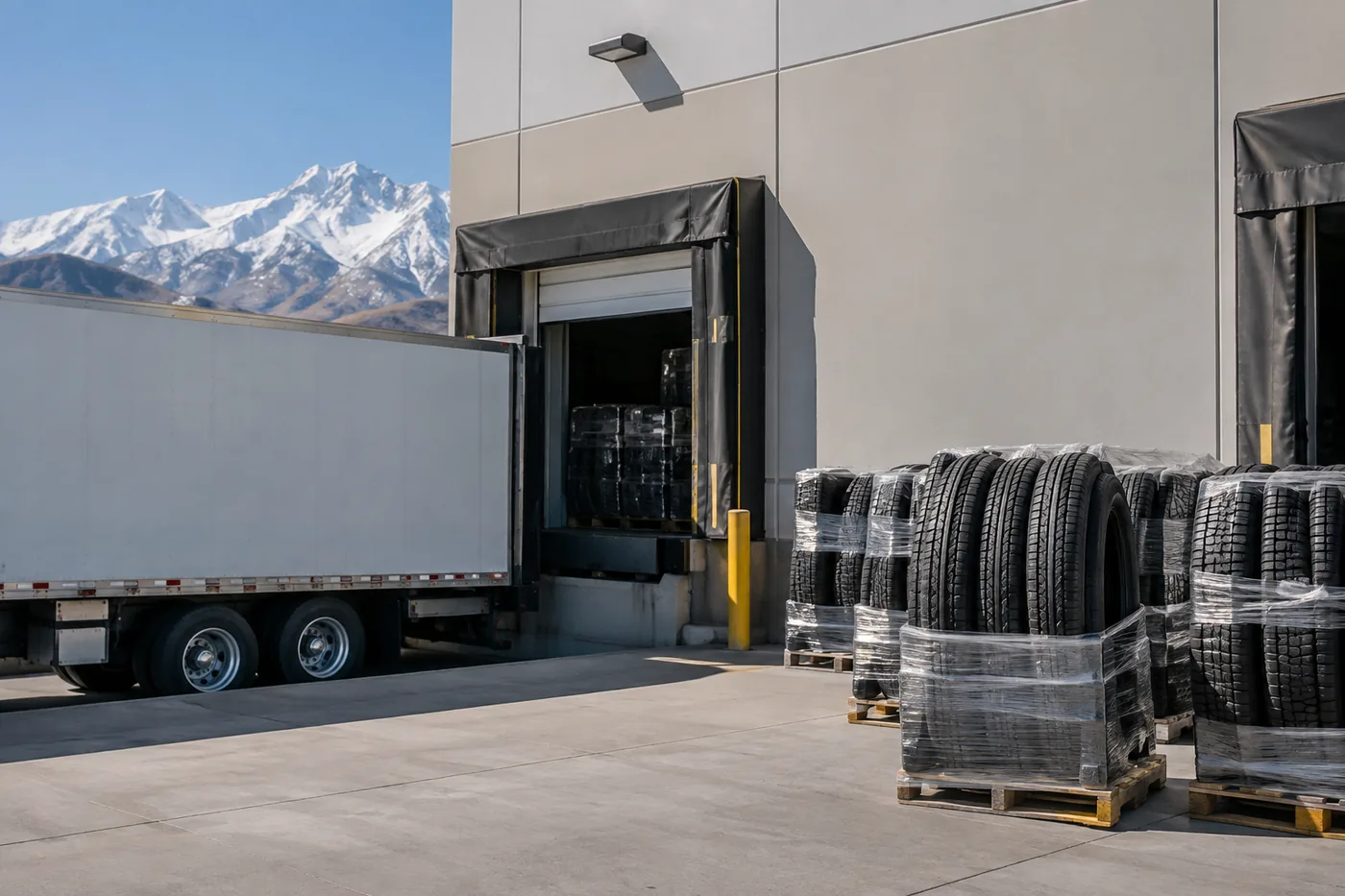 Manufacturing and tire distributionHeavy, awkward loads and full-truck shipments: 25,000 lb+ dock boards or pit levelers, stabilizing jacks at every spotted-trailer door, and yard ramps for container unloading in the yard.
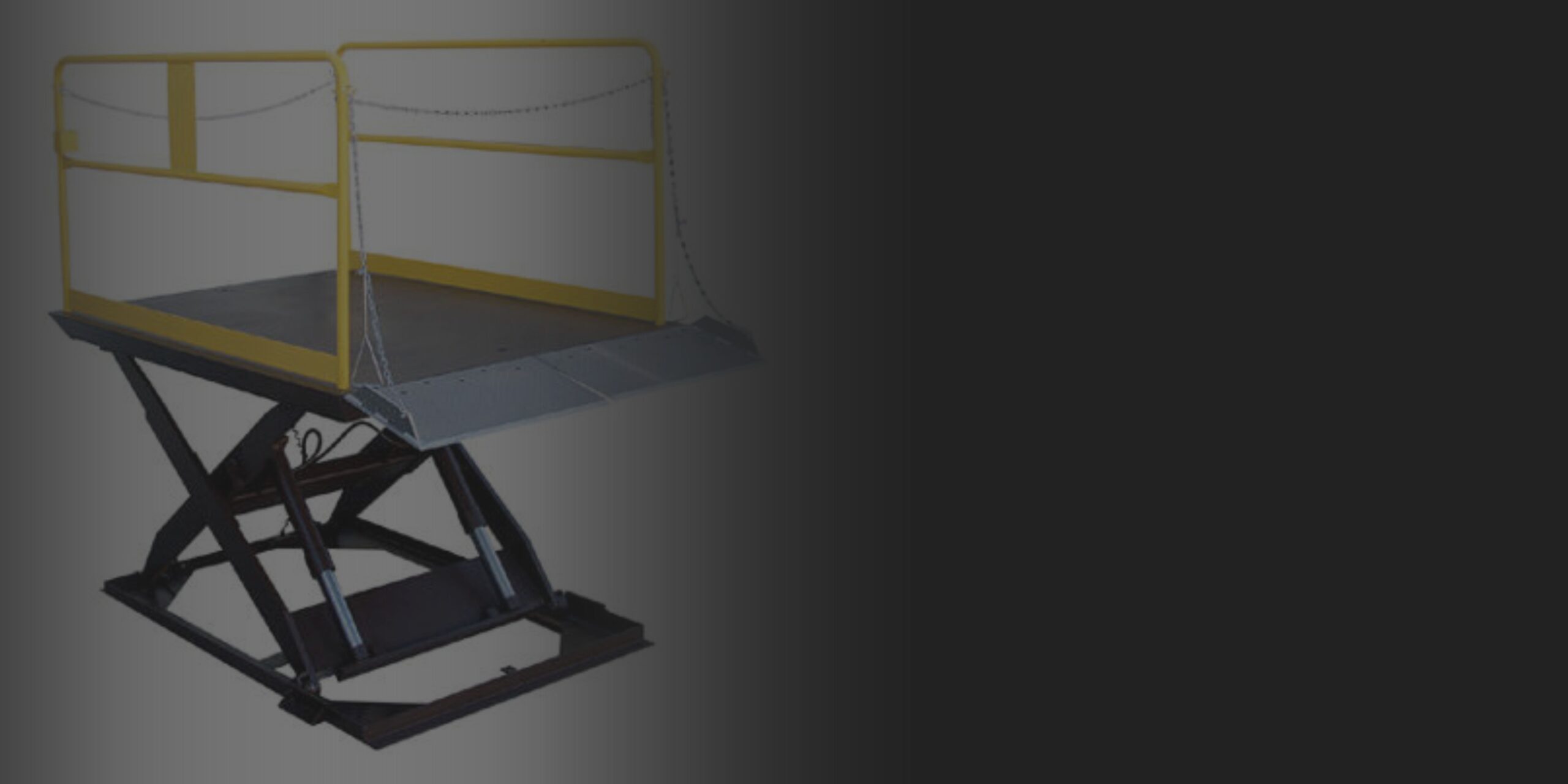 Ground-level buildingsNo raised dock: a dock lift at the main door, a yard ramp for the forklift, and a portable dock plate for vans. The most common retrofit we quote for light industrial and flex space in Utah, Idaho and Nevada.
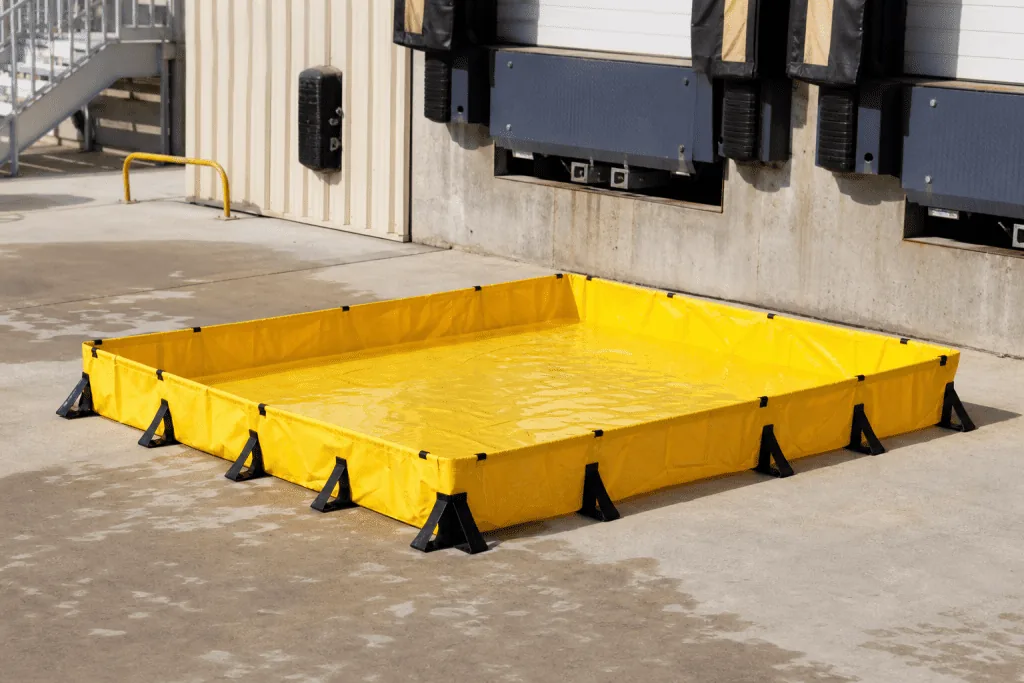 Food, cold storage and chemicalDock seals for tight closure, draft blockers and head curtains, wash-down rated bumpers, spill containment at the dock apron and vehicle restraints so the door opens only when the trailer is locked in.
 Retail and wholesale backroomsPallet jacks, not forklifts: an EOD leveler or aluminum dock plate, a chock pair and a dock light. Signage that sends drivers to the right door keeps the front of the store quiet.
How Dock Equipment Ordering Works with MH-USA
Standard items ship from our online store; anything that needs sizing goes through a quick review so it fits the first time.
Send the dock
A photo of the door from the yard, the dock height, the trailers you receive and what drives across the gap. Five minutes on your end.
Sizing and options
We confirm leveler range, board length and width, ramp length and grade, or lift platform and capacity, and flag anything about the approach or door that changes the pick.
Quote with freight
Line-item pricing, freight to your dock (levelers, ramps and lifts ship LTL or flatbed), lead time and any install notes.
Order online or by PO
Buy standard items in the store or send a PO; government and education buyers can use cooperative contracts.
Delivery and setup
Curbside or inside delivery, with install coordination for EOD levelers, pit levelers and dock lifts along the Wasatch Front and in Boise and Las Vegas.
Loading Dock Equipment Frequently Asked Questions
What is considered loading dock equipment?
What is the difference between a dock plate and a dock board?
Edge-of-dock leveler or pit leveler — which do I need?
How do I know what capacity I need?
What size yard ramp do I need?
Does OSHA require wheel chocks at a loading dock?
What are dock bumpers for and when should I replace them?
Dock seal or dock shelter?
Can I add a dock to a building that does not have one?
Do you install dock levelers and dock lifts?
Which brands of dock equipment do you carry?
What information do you need for a dock equipment quote?
Loading Dock Resources and Related Equipment
Detailed guides for each part of the dock and the equipment that works alongside it.
Dock Equipment Guides
Shipping & Staging Equipment
Warehouse Planning
Get Your Dock Equipment Sized and Quoted
Send a photo of the dock, the dock height and the trailers you receive. We will return the right leveler, board, ramp or lift with capacity, freight and lead time.