
Loading Dock Nets: Select and Plan the Complete Barrier System
Loading dock nets can provide a removable barrier at an opening when the selected system is suitable for the facility's requirements. A useful project considers the opening, nearby activity, supporting structure and the way staff will deploy and store the barrier. Material Handling USA can help organize those details and discuss InCord Loading Dock Safety Net equipment for your dock.
Select the complete system using current manufacturer documentation and a review of the actual application. A net photograph or a single load figure does not establish suitability for every dock, vehicle or operating condition.
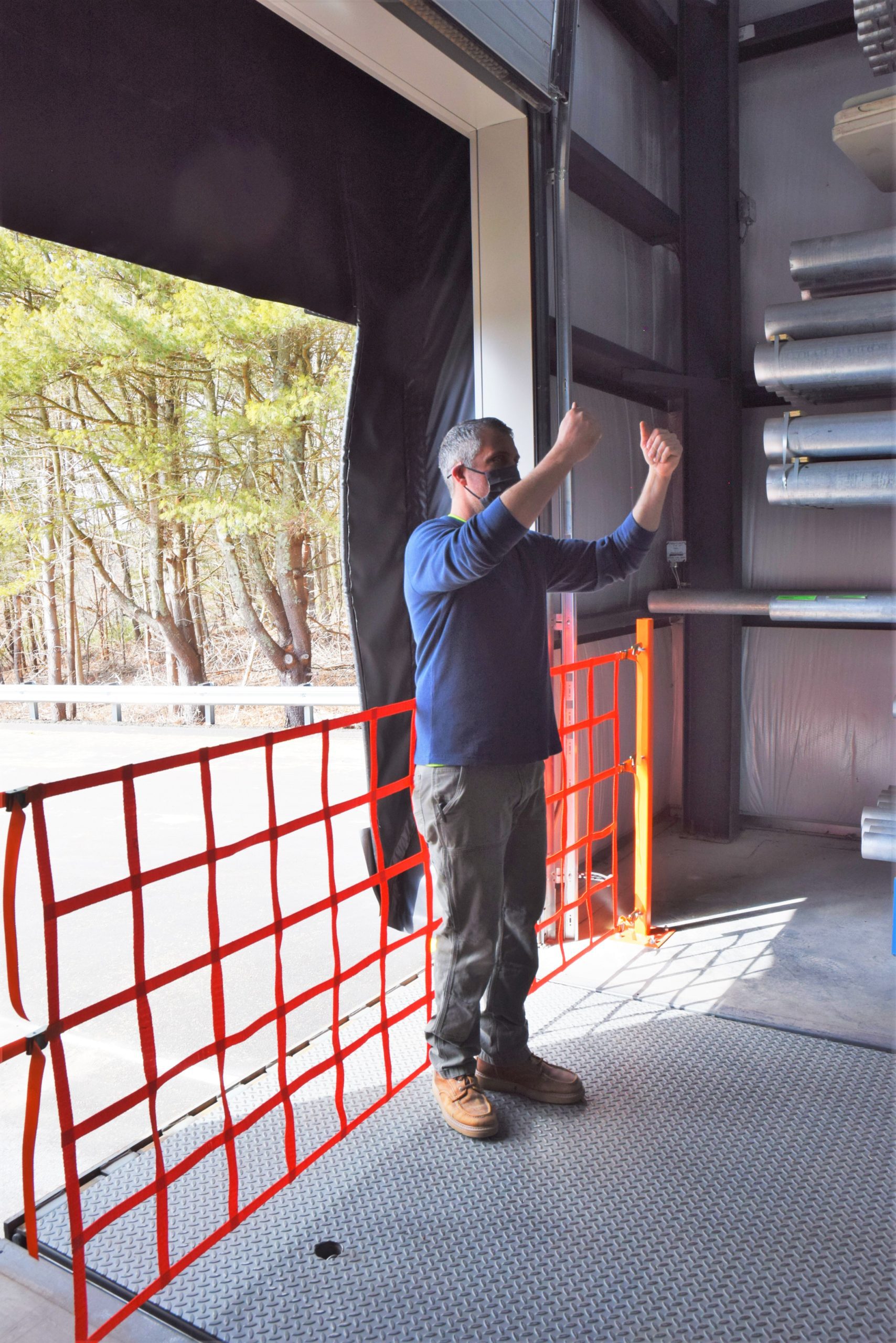
Identify the opening and the operating need
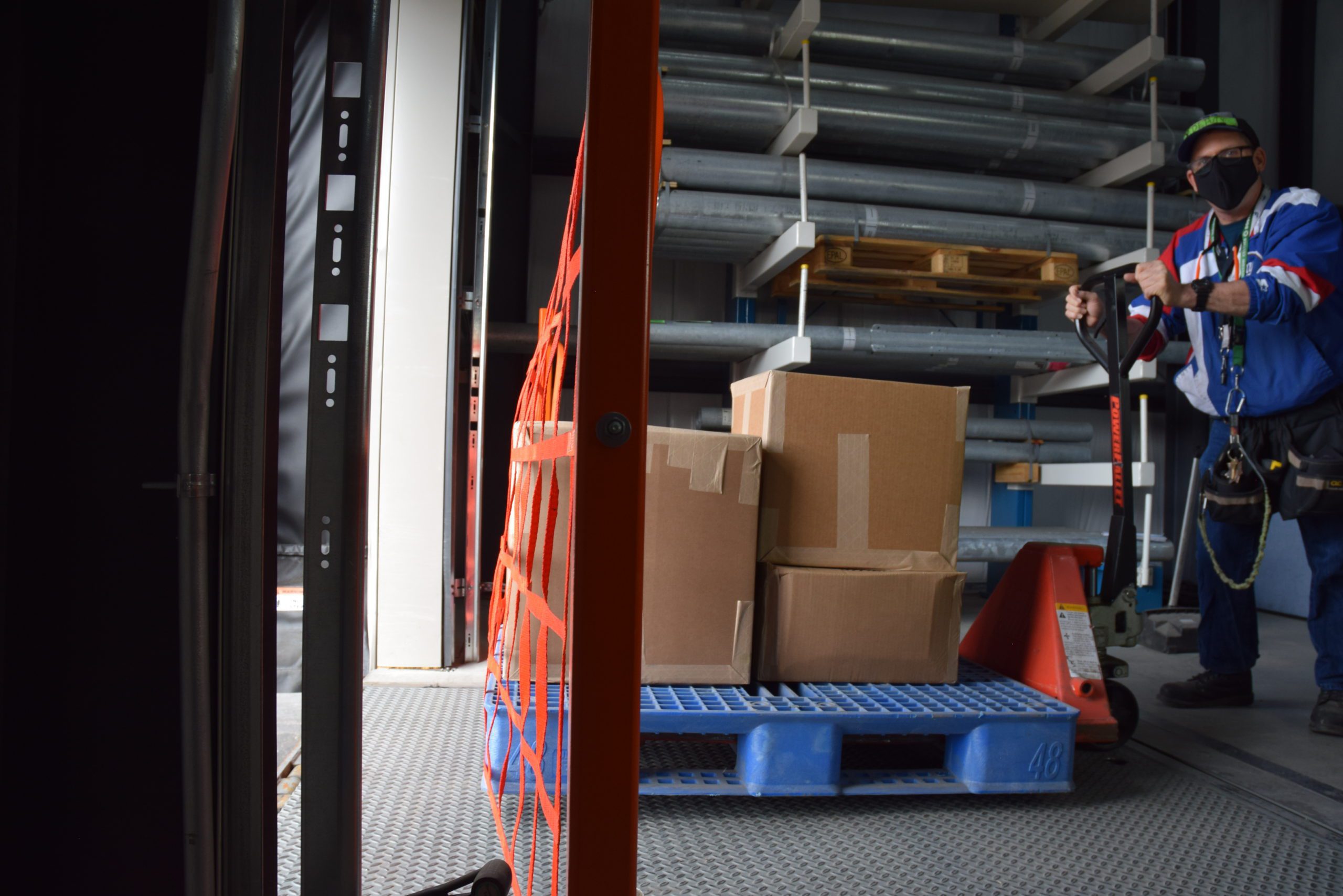
Begin with the condition the facility wants to address. Record when a dock door is open, what work occurs nearby and how the area is controlled during that period. Distinguish an inactive opening from a dock actively serving a trailer. The operating plan should explain where the proposed barrier fits within those different conditions.
Walk the area with the people responsible for dock operations, maintenance and safety. Note the overhead door, dock equipment, adjacent openings and routes used by people and handling equipment. Ask staff to describe routine activities and exceptions, including deliveries arriving outside the usual schedule.
Record the application clearly
- Opening dimensions and the proposed barrier location.
- Door and dock-equipment arrangements.
- Nearby pedestrian and handling-equipment routes.
- The periods when the barrier is intended to be deployed.
- The people responsible for selection, operation and review.
Avoid treating every open-edge problem as the same application. A visual warning, a pedestrian barrier and vehicle-impact protection are different requirements. Tell the supplier what the facility needs the system to do and request documentation for that intended use.
The result should be a short application brief that the manufacturer and facility reviewers can assess. If a requirement is unresolved, record it explicitly. Selecting a net first and trying to justify its use afterward can leave important operating assumptions outside the equipment discussion.
Understand the InCord system and its stated limits

InCord identifies its Loading Dock Safety Net as a tensioned web system for loading-dock openings. Its published description specifies a 300-pound containment rating with a 2:1 safety factor. The manufacturer also identifies one-inch polyester webbing and an eight-inch on-center mesh arrangement for the described product.
Those details belong to that documented system. A safety factor is not permission to increase the stated operating rating, and a containment figure is not a universal vehicle-impact rating. Ask InCord or the supplier to confirm the applicable documentation for the exact configuration being quoted.
Keep different claims separate
| Information | What to confirm |
|---|---|
| Product identity | Exact system and configuration in the proposal |
| Published rating | Meaning, conditions and limitations of the stated figure |
| Included components | Net panel, supports, hardware and connection arrangement |
| Application suitability | Review for the actual opening and operating need |
| Documentation | Current instructions and supporting manufacturer information |
The Explore our related solutions is a starting point for that review. Final suitability depends on the supplied system, its installation and the facility's intended use. Do not present a general product statement as approval of every loading dock.
Keep the equipment description precise when comparing alternatives. A proposal for a flexible web barrier is not equivalent to one for a rigid gate or vehicle restraint simply because each appears near a dock. Compare products against the defined requirement and have the responsible reviewers resolve any gap in the evidence.
Measure the opening and coordinate the supports
Opening
Verify dimensions and the intended barrier position.
Door travel
Show the door and nearby equipment through their operating ranges.
Supports
Record construction and the approved connection requirements.
Stored position
Define where removed components remain available and protected.
Provide a dimensioned description of the proposed location. Include the opening width, adjacent construction, door tracks, nearby equipment and the space available for supports. Photographs help explain relationships that a simple width measurement misses. Mark dimensions that still require field verification.
The supporting structure and connections are part of the system. Ask the supplier to identify the supplied support arrangement and the information needed about the building or slab. Installation and anchorage must follow the reviewed requirements for the actual equipment and site.
Show the complete interface
Include the door through its normal travel and any dock equipment that operates near the proposed barrier. Identify service access and areas that need to remain available. The layout should show how the installed system and its stored position relate to everyday work.
Do not assume that a component can attach to any convenient wall, post or existing guard. Have the responsible installer and project professionals confirm the proposed support conditions. The equipment brief should identify who verifies those conditions and who provides any additional work.
For multiple openings, describe each location rather than assuming they are identical. Differences in width, construction or adjacent equipment can affect the scope. Ask the manufacturer to review any proposed shared-support arrangement for the exact configuration. Keep the approved details with the equipment schedule so installation is based on the reviewed plan rather than a repeated assumption from another bay.
Plan deployment, removal and storage
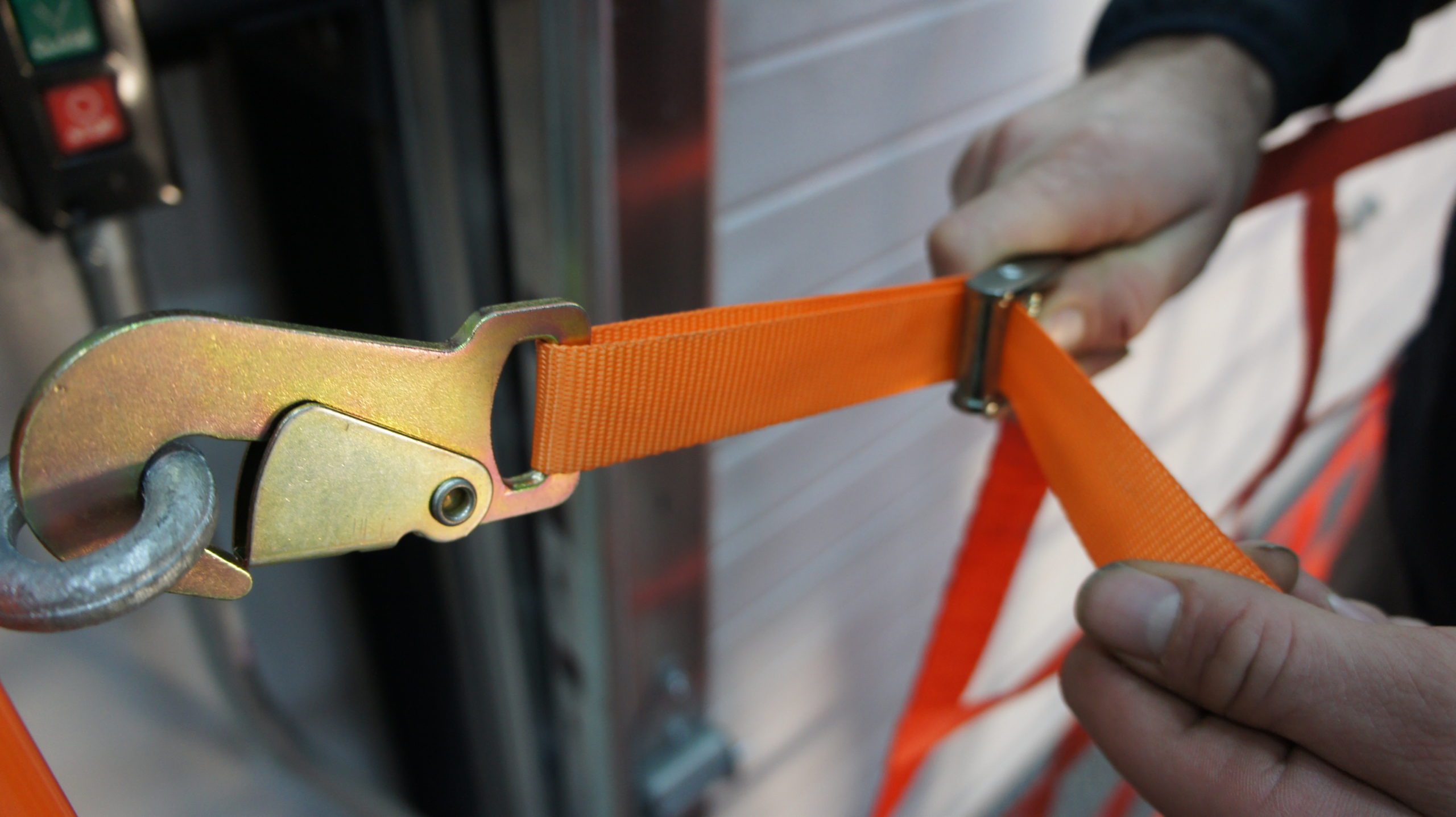
A removable barrier needs an operating routine that matches the dock's activity. Identify who deploys it, who confirms that the area is ready for a change in use and where the equipment is kept when removed. Those responsibilities should be understood by the people working each shift.
Review the handling task using the selected product's instructions. Staff need practical access to the connections and a suitable place for the net when it is not in service. Storage should protect the equipment from avoidable damage and keep it clear of circulation and other dock tasks.
Work through a normal operating cycle
Discuss how the barrier fits into opening the area, beginning dock work, ending that work and returning the opening to its intended condition. The facility's approved procedures should establish the sequence; the equipment supplier should provide the product-specific operating information.
- Identify the person responsible at each change of use.
- Keep product instructions available to trained users.
- Define where removed components are stored.
- Establish how a missing or damaged component is reported.
Consider shift changes and temporary staff. An operating arrangement that depends on one experienced employee's memory can be difficult to maintain. Include the barrier in the site's training and handover process, with a clear way to escalate questions.
Observe the arrangement after it enters routine use. If staff repeatedly find the storage location inconvenient or the operating sequence unclear, review the issue with the responsible team and supplier. Changes to components or installation should follow the approved process rather than becoming improvised adjustments.
Coordinate the barrier with the wider dock layout
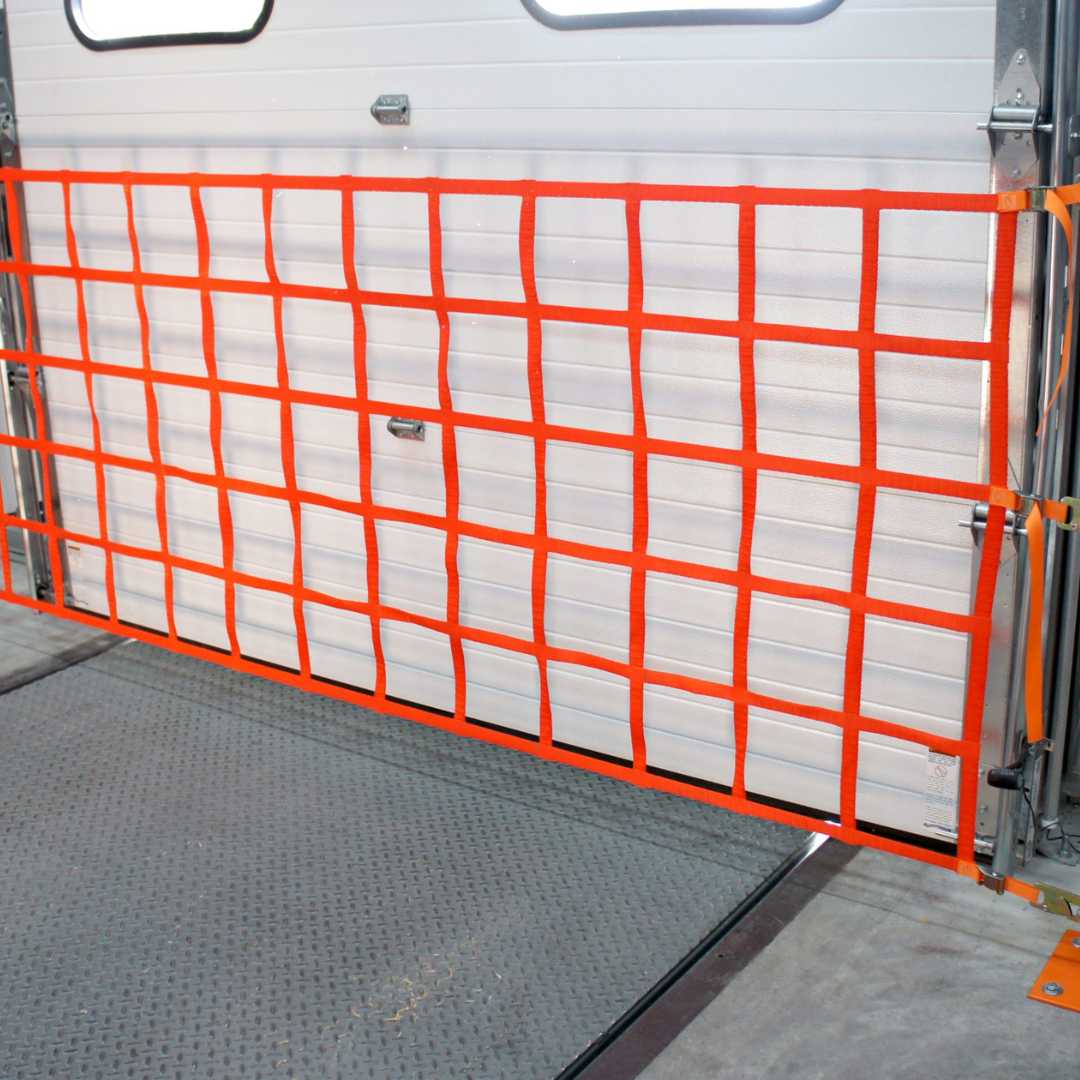
The net is one component in a larger working area. Review receiving, staging, pedestrian access and the movement of handling equipment around the opening. A barrier should be selected within that operating plan, with its purpose and limits understood by the facility team.
Identify where incoming goods wait and how they move onward. Unassigned staging can put materials in locations that interfere with the barrier or its connections. Show the intended storage and travel areas on the layout and establish who keeps those areas available during busy periods.
Review adjacent equipment and activities
Include doors, levelers, controls, lighting, signage and service access in the discussion. The objective is to identify interfaces that need coordination, not to assume one supplier's equipment automatically resolves the entire dock operation.
Our warehouse design guide covers receiving and circulation planning, while the warehouse netting page provides context for other netting applications. Keep each product's intended use distinct. Netting selected for a rack or another location should not be substituted at a dock without an appropriate application review.
Where the facility is considering equipment or workflow changes, include them in the brief. A future handling vehicle, different staging pattern or revised door use may change the assumptions behind the original selection. Review those changes with the responsible specialists before relying on the existing barrier arrangement for the new operation.
Specify inspection, maintenance and replacement information
Request the manufacturer's inspection and maintenance instructions with the proposal. Identify the components to be checked, the conditions that require further review and the process for obtaining replacement parts. The facility should know how to identify the installed product and contact the supplier when a question arises.
Assign responsibility for keeping the system's records. Product identification, installation documents and replacement information should remain accessible after staff changes. A photograph can help locate the equipment, but it does not replace the configuration and instructions used to select it.
Create a practical equipment record
| Record item | Why it matters |
|---|---|
| Product and configuration | Identifies the correct instructions and parts |
| Approved installation information | Records the reviewed supports and connections |
| Inspection responsibilities | Establishes who checks and reports concerns |
| Service contacts | Provides a route for technical questions |
| Replacement history | Tracks changes to the supplied components |
Have trained staff report damage, abnormal conditions or missing components through the facility's established process. The manufacturer and responsible reviewers should determine the appropriate response for the equipment. Do not assume a field repair or substituted connector is equivalent to the supplied system.
Include storage conditions in the maintenance discussion. A removable net can be affected by handling when it is not deployed as well as by conditions at the opening. Review where it is kept, how components are protected and how it is returned to service under the facility's procedures and product instructions.
Request a complete dock-net proposal
Send Material Handling USA photographs, verified opening dimensions and a description of the intended use. Include the door and nearby equipment, the operating periods that matter and any known support or installation constraints. Identify the facility representatives who will review the application and final arrangement.
Ask the proposal to distinguish supplied equipment, installation services and work by others. List supports, hardware, net panels and any accessories clearly enough to compare the delivered components with the order. Request the current product documentation alongside the commercial scope.
Compare the whole project
Confirm delivery, unloading, installation access, training and handover responsibilities. If site conditions are still uncertain, record the assumptions and the action needed to resolve them. A price without an application and installation scope is difficult to evaluate consistently.
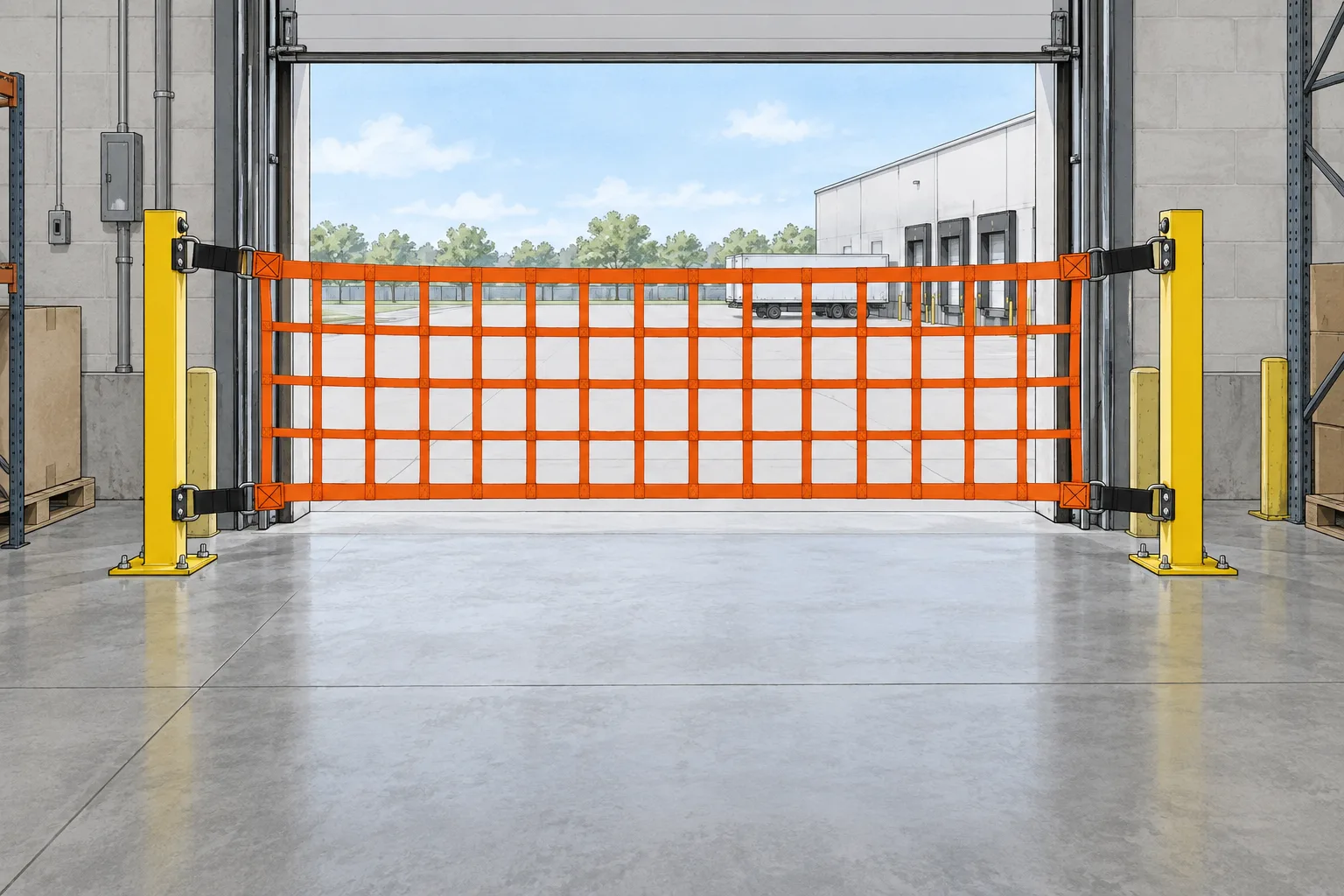
The supporting illustration is an AI-generated planning concept. It shows a web barrier at a doorway to help explain the equipment category. It does not specify anchor locations, dimensions, capacity or approval for an actual dock. Use the manufacturer's documentation and the reviewed site information for those decisions.
Before the equipment is accepted for use, arrange the completion review required by the project team. Check the supplied system against the approved scope, collect instructions and record outstanding items. Contact Material Handling USA to begin with the opening, operating need and installation conditions so the proposal can address the complete barrier system.
Frequently asked questions
What is the published InCord loading-dock net rating?
InCord describes a 300-pound containment rating with a 2:1 safety factor for its documented system. Confirm the current rating, conditions and exact configuration with the manufacturer before selection.
Does the safety factor allow a higher operating load?
No. Do not treat a safety factor or test figure as permission to increase a stated operating rating. Ask the manufacturer to explain the applicable limits for the supplied system and intended use.
Is a loading-dock net a forklift-impact barrier?
Do not assume that it is. Vehicle-impact protection is a specific requirement needing suitable documented equipment. Describe the actual application and have the manufacturer and facility reviewers confirm the appropriate product.
Can one arrangement serve several dock openings?
That requires review of the exact configuration. Provide the dimensions, support conditions and equipment at each opening, and ask the manufacturer to confirm any proposed shared-support arrangement.
What should happen if a component is damaged?
Follow the facility's procedures and manufacturer instructions for reporting and reviewing the condition. Obtain guidance on replacement or service; do not assume an improvised repair or substituted part is equivalent.
What information is needed for a quote?
Provide photographs, opening dimensions, the intended operating need, nearby equipment and support conditions. Identify installation constraints and the people responsible for application review, operation and maintenance.
Select a dock-net system for the actual opening
Share your room measurements, photographs and requirements with Material Handling USA to start a focused project discussion.