
Modular Building Wall Panels & Insulation Systems
The wall panel is the foundation of every modular building. Understand panel types, insulation values, fire ratings, and sound performance to choose the right system for your application.
Call (800) 326-4403 or Email Sales@MH-USA.com
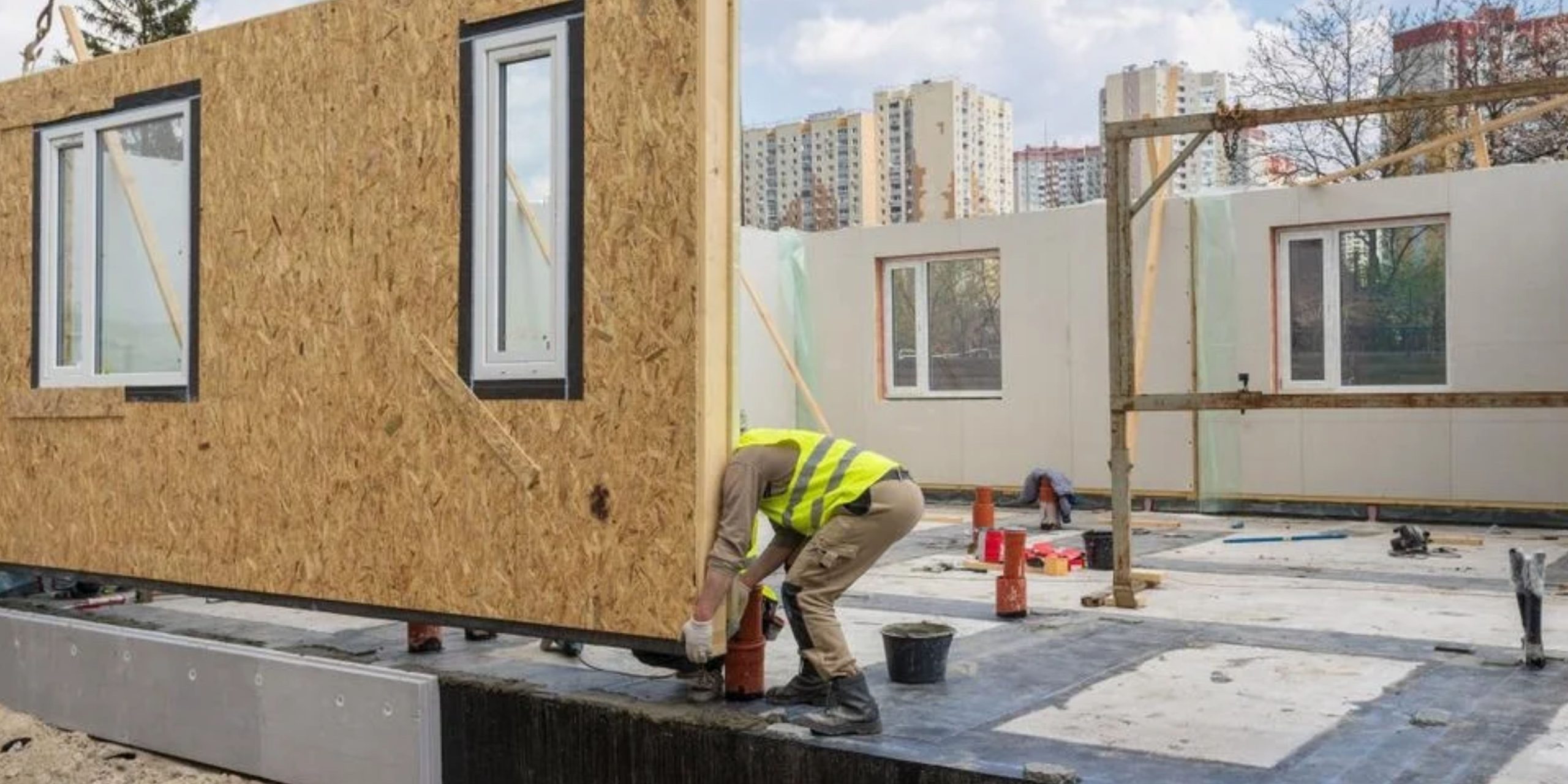
Wall Panels — The Core of Modular Construction
Every modular building is built from wall panels — pre-engineered, factory-manufactured assemblies that combine structure, insulation, interior finish, and exterior finish into a single component. Understanding panel types, insulation values, fire ratings, and acoustic performance helps you specify the right system for your application — whether that’s a simple warehouse office or a pharmaceutical cleanroom.
Material Handling USA uses panel systems from leading manufacturers, selecting the appropriate panel type for each project based on thermal requirements, sound isolation needs, fire rating requirements, chemical resistance, and budget. This guide explains the options so you can make an informed decision about your modular building’s most important component.
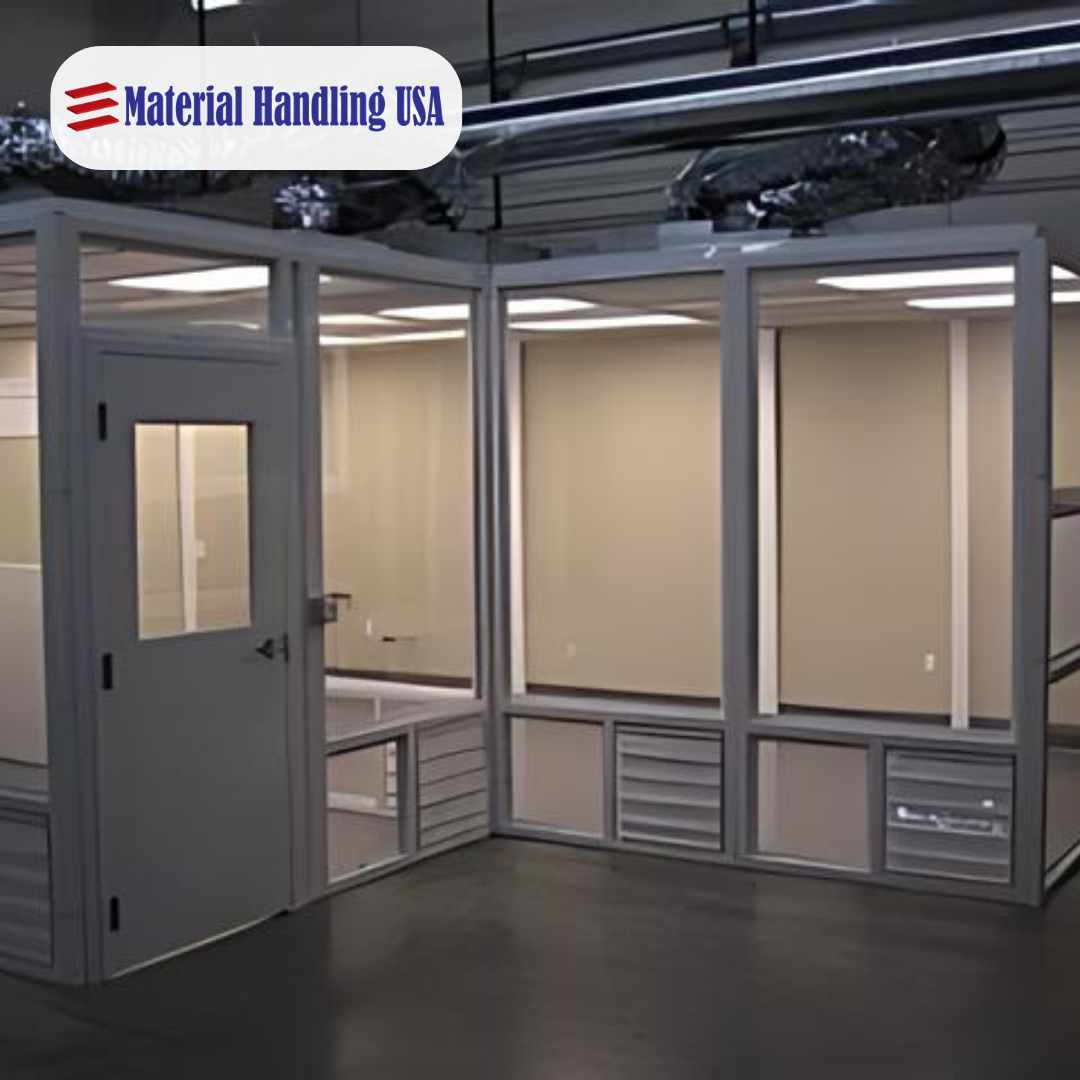
Wall Panel Types
Different panel systems serve different performance requirements. Here are the primary types used in modular construction.
Standard Vinyl-Clad Panels
Gypsum core panels with vinyl-finished surfaces. R-11 to R-13 insulation value, STC 35–38 sound rating, Class A fire rating. The standard choice for offices, break rooms, and general-purpose enclosures. Easy to clean, durable, and economical.
Steel-Faced Insulated Panels
Steel skin panels with EPS, polyurethane, or mineral wool core. R-15 to R-38+ insulation values, STC 35–45 sound rating. Used for exterior buildings, cleanrooms, cold storage, and high-performance thermal applications.
FRP (Fiberglass) Panels
Fiberglass reinforced plastic surface panels for sanitary, wet, and chemical-exposure environments. Smooth, non-porous, washdown-compatible. Used in food processing, pharmaceutical, laboratory, and cleanroom applications.
Acoustical Panels
Double-panel assemblies with air gap and absorptive material for maximum sound isolation. STC 42–50+. Used for sound enclosures around noisy equipment, music rooms, testing labs, and applications requiring high acoustic isolation.
Ballistic Panels
Steel-reinforced panels rated to UL 752 ballistic standards from Level 1 through Level 8. Used in guard booths, security buildings, safe rooms, and ballistic-resistant enclosures. Significantly heavier and thicker than standard panels.
Understanding Panel Performance Ratings

R-value measures thermal insulation — higher R-values mean less heat transfer through the panel. Standard vinyl-clad panels provide R-11 to R-13 (adequate for most in-plant applications). Steel-faced insulated panels provide R-15 to R-38+ (needed for exterior buildings, cold storage, and extreme temperature environments). Your climate zone and HVAC efficiency goals determine the appropriate R-value.
STC (Sound Transmission Class) measures sound isolation — higher STC means less sound passes through the panel. Standard panels achieve STC 35–38, which reduces normal conversation to an unintelligible murmur. Double-panel acoustical assemblies achieve STC 42–50+, blocking even loud equipment noise effectively. If your modular building is near stamping presses, compressors, or other loud equipment, higher STC panels significantly improve interior comfort.
Benefits of Panel-Based Construction
Frequently Asked Questions
Explore More Modular Building Solutions
Specify the Right Wall System
Material Handling USA helps you select wall panels optimized for your performance requirements — contact us for panel options and specifications.
Related Features & Specs: