
3M Industrial Tapes, Safety-Walk and Dispensers
Selecting an industrial tape starts with the job it needs to perform. Masking a surface, marking a floor, adding traction and sealing a carton are different applications. Material Handling USA can help identify the information needed to compare 3M products and direct buyers to relevant categories in our online store.
This guide covers the tape and dispenser families featured on this page, with practical questions about surfaces, operating conditions, dimensions and replenishment. Use the exact product number and current manufacturer literature when making a selection. A brand name, color or photograph alone does not establish that a product is suitable for a particular task.
For routine purchases, browse our masking tape and dispenser selection. Check the manufacturer, size, case quantity and current listing before ordering; the category includes multiple products and is not a promise that every item shown here is available in every configuration.
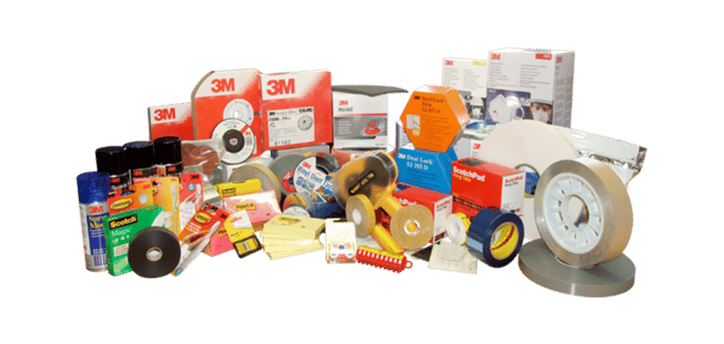
Start with the application and surface
Write down what the tape needs to do and where it will be used. Temporary masking needs a different balance of adhesion and removal behavior from a permanent bonding task. A visible floor line has a different purpose from a textured tread intended to improve traction. Keeping these applications separate makes product comparisons more useful.
Identify the actual surface rather than using a broad description such as metal or plastic. A painted panel, coated floor and unfinished carton can behave differently. Surface condition, contamination and the way the product will be applied can matter as much as the nominal tape width.
Prepare a short selection brief
- Describe the task and the material receiving the adhesive.
- State whether the application is temporary or intended to remain.
- Record temperature, moisture and cleaning exposure where relevant.
- Identify abrasion, handling or traffic conditions.
- Include removal requirements and acceptable surface appearance.
Provide a sample or photograph when the application is difficult to describe. Ask the supplier what testing is appropriate before a larger purchase. A controlled trial on a representative surface can help reveal problems that are not obvious from a catalog description.
Keep the test conditions in the purchasing record. If the surface coating, cleaning product or operating temperature changes, the earlier result may no longer represent the current application. Review substitutions through the same process instead of treating similar-looking rolls as interchangeable.
The goal is a repeatable material choice. A useful record connects the exact product to the task, application instructions and observed result, so later orders support the same process rather than restarting the selection from a photograph.
Choose masking tape for the actual process
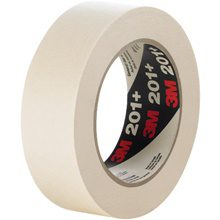
Masking tape selection should account for the surface, duration and process conditions. General-use masking, paint masking and exposure to elevated process temperatures are not automatically the same application. Ask for the product literature that corresponds to the intended task and exact tape designation.
3M's General Use Masking Tape 201+ is one documented product family. Its identification is useful when matching a repeat purchase, but the name should not be extended into claims about every paint system, surface or production cycle. Review the manufacturer's stated uses and limitations for the selected item.
Compare more than roll width
| Requirement | Question to resolve |
|---|---|
| Surface | What material or coating will receive the tape? |
| Process | What happens while the tape is applied? |
| Duration | How long will it remain before removal? |
| Appearance | What edge quality and residue limits matter? |
| Format | Which width, length and package quantity fit the work? |
Include the person performing the task in the evaluation. Handling, tearing and positioning can affect the process even when two tapes share a similar description. If a dispenser is used, confirm compatibility with the roll format and the workstation arrangement.
Browse the masking tape category for purchasing options, then check the individual listing. A category may contain different brands and grades. Match the exact manufacturer and product number when the work instruction calls for a specific 3M item.
For recurring production work, record the accepted tape and any approved alternatives. That record helps purchasing distinguish a routine replenishment from a material change that needs another application review.
Use vinyl marking tape within a clear visual system

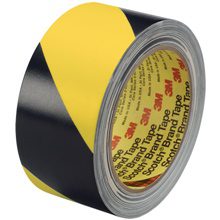
Vinyl tape can support color coding, area identification and other documented applications. 3M identifies Vinyl Tape 471 for uses that include lane marking, temporary surface protection and color coding. Its vinyl backing and rubber adhesive distinguish it from other tape families; they do not make every surface or traffic condition equivalent.
Begin with the facility's marking plan. Decide what each color means, where lines belong and who maintains the system. A collection of bright lines is less useful if different departments interpret the same color differently. Coordinate the arrangement with the people responsible for the work area.
Define the marking before ordering
Record the intended route or area, the surface condition and the exposure to traffic and cleaning. Confirm the selected product's application instructions. Avoid adding unsupported claims that a particular tape color establishes regulatory compliance or physically separates people from moving equipment.
Use floor marking tape, shapes and applicators to compare purchasing formats. Verify the product identity and dimensions on the listing. A marking shape, a continuous roll and a striped warning tape may serve different purposes within the same facility plan.
Plan inspection and replacement as part of the purchase. Worn or partially removed markings can make a route harder to interpret. Assign responsibility for identifying damage and restoring the agreed layout, particularly after equipment or storage locations move.
When the overall arrangement needs review, our warehouse design guide covers receiving, staging and circulation planning. Marking materials should support that layout. They cannot resolve an unsuitable traffic arrangement simply by making it more visible.
Distinguish Safety-Walk from identification tape
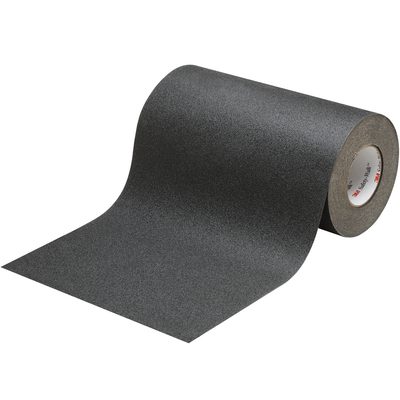
3M Safety-Walk products address a different task from ordinary color marking. The manufacturer's General Purpose 600 Series is a mineral-coated, slip-resistant tape and tread family. Select the exact product for the surface and conditions, using current instructions and the facility's application review.
Do not infer traction performance from a product's black or striped appearance. A vinyl marking tape and a textured tread can look similar from a distance while serving different purposes. The purchasing description should identify the product family and intended application clearly enough to prevent an accidental substitution.
Review the location and maintenance conditions
- Identify the surface and its current condition.
- Describe expected pedestrian use and environmental exposure.
- Review cleaning methods and possible contamination.
- Confirm the required format, dimensions and edge arrangement.
- Establish inspection and replacement responsibilities.
Use the manufacturer's instructions for preparation and application. A general web page cannot specify the complete installation method for every substrate. Where the condition involves a broader walking-surface problem, have the responsible facility specialists review it before relying on an adhesive product alone.
Request the exact product number when asking Material Handling USA about availability. Include photographs and the intended location if you need help identifying which documentation to review. Keep performance claims tied to the specific product and conditions described by the manufacturer.
After installation, retain the product information with the facility's maintenance record. If conditions change or the material becomes damaged, review the application through the established maintenance process. A slip-resistant surface still requires appropriate upkeep and does not eliminate every source of a slip or trip.
Match the dispenser to the tape and workstation

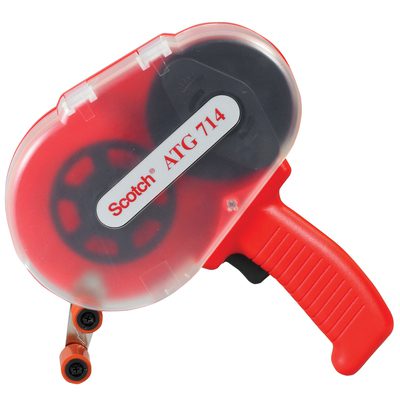
A dispenser is part of the application process. Tabletop units, handheld carton-sealing dispensers and adhesive-transfer applicators handle different materials and tasks. Before ordering, identify the tape format, roll dimensions and how the operator will use the equipment.
The photographs show distinct dispenser types recovered from the original product selection. They are not interchangeable accessories. Confirm the exact model and compatible consumables using the current listing or manufacturer documentation, particularly when replacing a dispenser already used in a production process.
Check compatibility and handling
| Item | What to verify |
|---|---|
| Tape format | Carton-sealing roll, transfer adhesive or another specified material |
| Roll dimensions | Width, core and outside diameter supported by the dispenser |
| Work position | Handheld operation or stable tabletop placement |
| Replenishment | Loading procedure and compatible replacement rolls |
| Maintenance | Manufacturer instructions and available replacement parts |
Consider how the dispenser fits the rest of the workstation. The carton, work surface and supply location affect the reach and movement involved in repeated application. Ask operators to evaluate the proposed arrangement before standardizing a new setup across multiple stations.
Browse our adhesive transfer tape and dispenser category for that specific product family. Check each listing for the manufacturer and model. An applicator that resembles an existing tool may still require a different tape or accessory.
Keep dispenser instructions available at the workstation and follow the manufacturer's loading and maintenance guidance. Record the consumable used with each tool so replenishment orders do not depend on memory or a handwritten description such as the red tape gun.
Standardize ordering and replenishment
Once a product is selected, turn the decision into a clear purchasing record. Include the manufacturer, exact product number, dimensions, color where relevant and package quantity. A roll, a pack and a case may represent different order units, so compare the unit of purchase as carefully as the listed price.
Link the record to the application or workstation. The same facility may legitimately use several tape families, each for a different reason. Naming the task helps receiving staff and operators distinguish similar materials and keeps a substitute from moving into the wrong process.
Keep a useful stock record
Track the accepted product, storage location, expected usage and replenishment responsibility. Follow the manufacturer's storage guidance and review any date or shelf-life information supplied for the specific material. Avoid assuming all adhesive products share the same storage conditions or usable life.
For a new process, begin with an appropriate evaluation quantity before committing to a large replenishment program. Compare the actual handling result and consumption with the original assumptions. The cheapest roll may not be the best purchasing choice if its dimensions or application behavior create unnecessary rework.
Review inventory after changes to production volume, packaging or facility layout. A tape that was useful for a temporary project can become obsolete stock if no one closes out the requirement. Keep purchasing, operations and maintenance aligned on which materials remain approved.
Current availability, delivery terms and product details belong to the live listing or quotation. This guide helps structure the selection; it does not represent a stock guarantee or an authorization to substitute one product for another without review.
Bring the product choice into the wider facility plan
Tapes and dispensers often support a larger improvement: a revised packing station, clearer storage identification or a more consistent maintenance process. Describe that objective when contacting Material Handling USA. The surrounding equipment and workflow can change what information is needed to select the consumable.
For a packing task, share the carton or material, work rate, current tape and dispenser. For floor identification, include the surface, intended marking and traffic conditions. For a traction application, provide the location and conditions so the appropriate manufacturer information can be reviewed.
Send enough detail for a focused response
Include an existing product number if you have one, photographs where useful, desired quantities and the required timing. State whether you need a repeat order or are evaluating a new application. These are different requests and should receive different levels of product review.
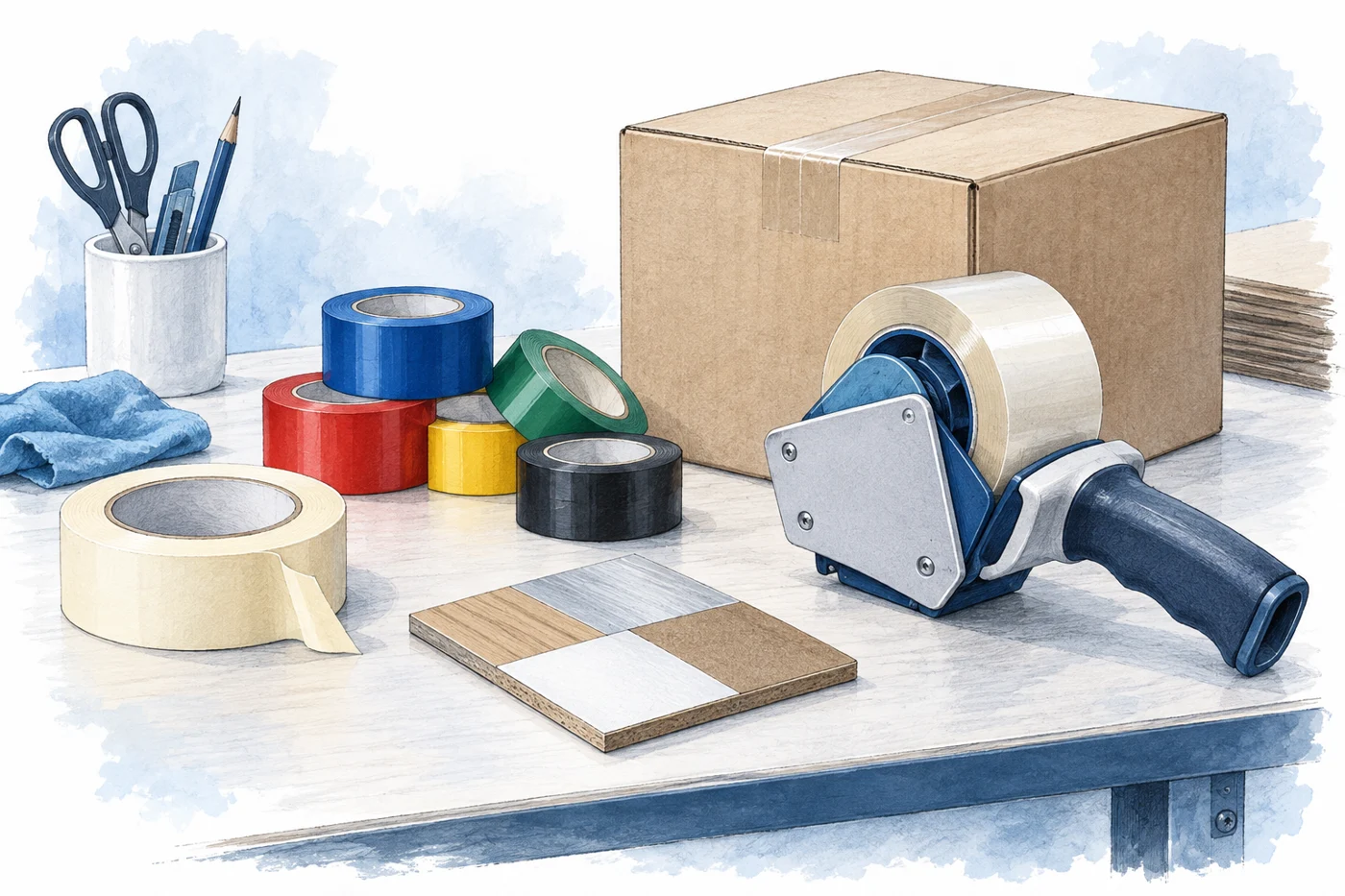
The supporting drawing is an AI-generated concept showing generic tape-handling objects. It does not depict a certified 3M workstation or establish dispenser compatibility. Use the actual product listing and documentation for purchasing decisions.
Contact Material Handling USA for help organizing the requirement, or use the linked store categories for routine purchases. Confirm the manufacturer and exact configuration before checkout. A precise order description helps the delivered material match the work it was selected to support.
Frequently asked questions
Is every product in the linked store categories made by 3M?
No. Categories can contain multiple brands and product families. Check the manufacturer, product number, dimensions and package quantity on the individual listing.
Are marking tape and Safety-Walk interchangeable?
No. Visual identification and a slip-resistant tread are different applications. Select the exact product using its intended use, instructions and the actual surface conditions.
What information helps identify a replacement tape?
Provide the existing product number, width, length, color, package quantity and application. A photograph can help, but should not replace an exact identification where one is available.
Will any dispenser work with a similar-looking roll?
No. Confirm the tape format, width, core and roll diameter supported by the dispenser. Use the manufacturer instructions for loading and maintenance.
Does colored floor tape establish safety compliance?
No. Markings support a facility's reviewed layout and operating procedures. Their presence alone does not establish that the overall arrangement meets applicable requirements.
Can Material Handling USA help with a new application?
Share the task, surface, operating conditions and desired result. Our team can help organize the product inquiry and identify the information needed for a focused selection discussion.
Match the product to the work
Share your application details, photographs and requirements with Material Handling USA to start a focused project discussion.