A Utah repair shop can lose a lot of time in the parts room before anyone blames the shelving. Filters get mixed in with electrical parts. Heavy brake parts end up above shoulder height. Cartons creep into the aisle. A good auto shop parts room boltless shelving plan treats storage as part of the service workflow, not as overflow space.
This guide is for service managers, parts leads, facility managers and buyers at independent garages, dealerships, fleet shops and maintenance facilities across Utah. It covers what the room stores, which boltless setups fit, how to lay out the room around real reach zones, and the Utah permit, seismic and fire code checks to make before you order. For more local applications, see our Utah boltless shelving guide.
Quick answer
- Use shallow bin shelving for fast-moving small parts and medium-depth open shelves for boxed parts.
- Keep busy picks between about 38 and 47 inches high and heavy parts on lower shelves.
- In Salt Lake City, racking over 5 feet 9 inches needs a building permit. At 8 feet and up, plan for stamped drawings and special inspection.
- Keep oils, solvents and aerosols out of general parts bays until the fire code questions are answered.
Why Utah Auto Shops Are Rethinking the Parts Room
Most shops start with a few metal shelves beside the service counter. Then vehicle coverage grows, and the room fills with filters, belts, sensors, brake parts, fluids, tools and special-order parts. Techs spend more time hunting, moving cartons or stepping around stock on the floor. That time comes straight out of billable hours.
The demand for service work in Utah keeps that pressure on. The Utah Department of Workforce Services counted about 9,930 automotive service technicians and mechanics in the state, with employment projected to reach about 11,820 and roughly 1,110 job openings a year. Utah automotive service technician occupational data. More techs and more bays mean more parts moving through the same room. For market size and growth trends, see IBISWorld reports on Utah auto mechanics.
The takeaway for a buyer is simple. A parts room needs clear locations, shelves you can adjust, safe reach zones and room to grow. Boltless shelving fits that model because you can move shelf levels without tools and add bays as the inventory changes.
What an Auto Shop Parts Room Actually Stores
The inventory mix is the design problem. One shelf depth rarely works for everything in the room.

Fast-moving small parts
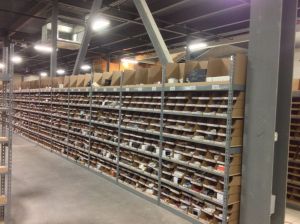
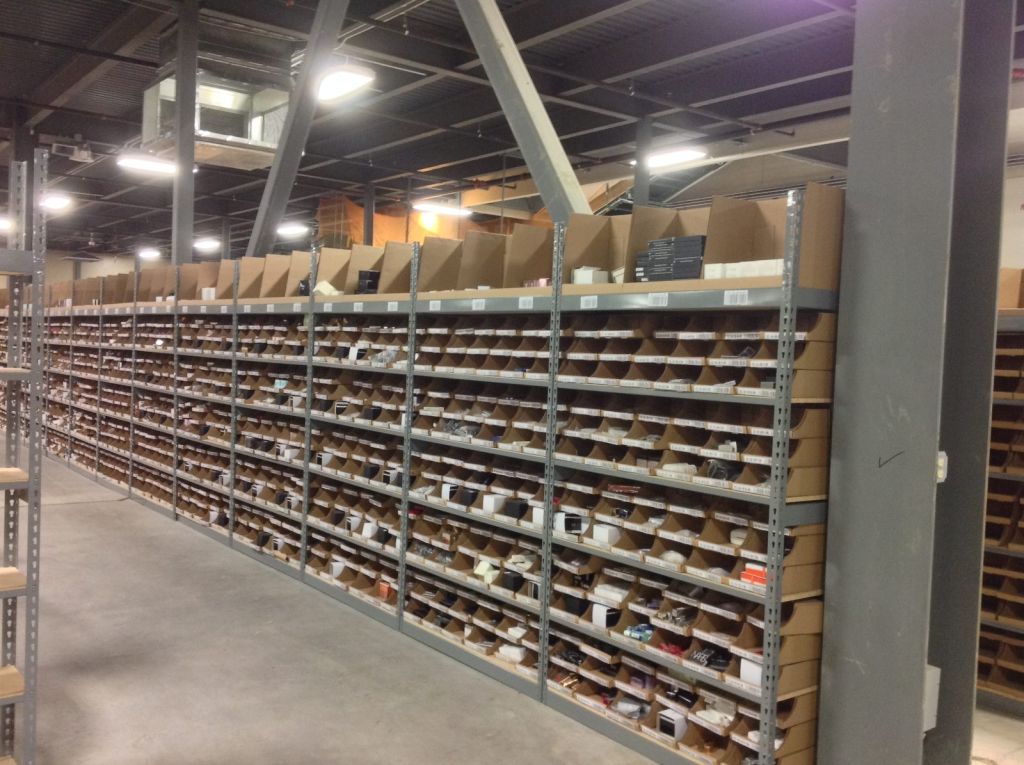
Filters, belts, sensors, spark plugs, fasteners, electrical parts and service kits move every day. They work best in labeled plastic bins, hopper-front bins or shallow shelves with dividers. Face labels toward the aisle, and keep one part family or part number group per bin. The Parts & Kitting Storage Planner helps you count bins and shelf levels for this zone. Our small parts storage systems page shows the bin and cabinet options.
Boxed assemblies
Brake calipers, water pumps, suspension parts, exhaust parts, air intakes and boxed tools come in many sizes and weights. A deeper shelf can help, but depth can also hide labels and push parts out of reach. Use the shallowest depth that fits the carton instead of filling every bay with deep shelves.
Specialty and controlled inventory
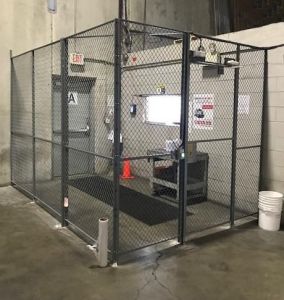
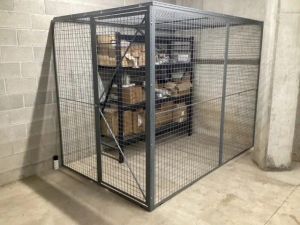
Electronic control units, turbochargers, transfer cases, high-value tools and vehicle-specific assemblies may need lockable sections, protective packaging or their own location. Damaged returns, warranty parts and obsolete stock also need a defined review area so they do not mix with sellable inventory.
Practical rule: Separate ordinary boxed parts from oils, solvents, fuel additives, aerosols and other regulated liquids before you assign shelf locations.
Seasonal or specialty components also deserve a second look at packaging, moisture, labels and handling, rather than being treated like ordinary shelf stock.
Boltless Configurations That Fit an Auto Shop
The right setup depends on what workers pick, how often they pick it and whether part of the room needs controlled access. A small garage may only need one mixed wall. A dealership or fleet facility may need runs of mixed depths with bins, dividers and heavier bays.
Standard open bays are a flexible start for boxed parts and general stock. Shelf levels adjust and assembly is fast. The weak spot is that open shelves get messy if nobody defines locations, labels and load zones.
Taller bays add storage without adding floor space, but height raises permit, anchorage and access questions. Upper levels should hold light, slow-moving stock, never dense brake parts or fluid cases.
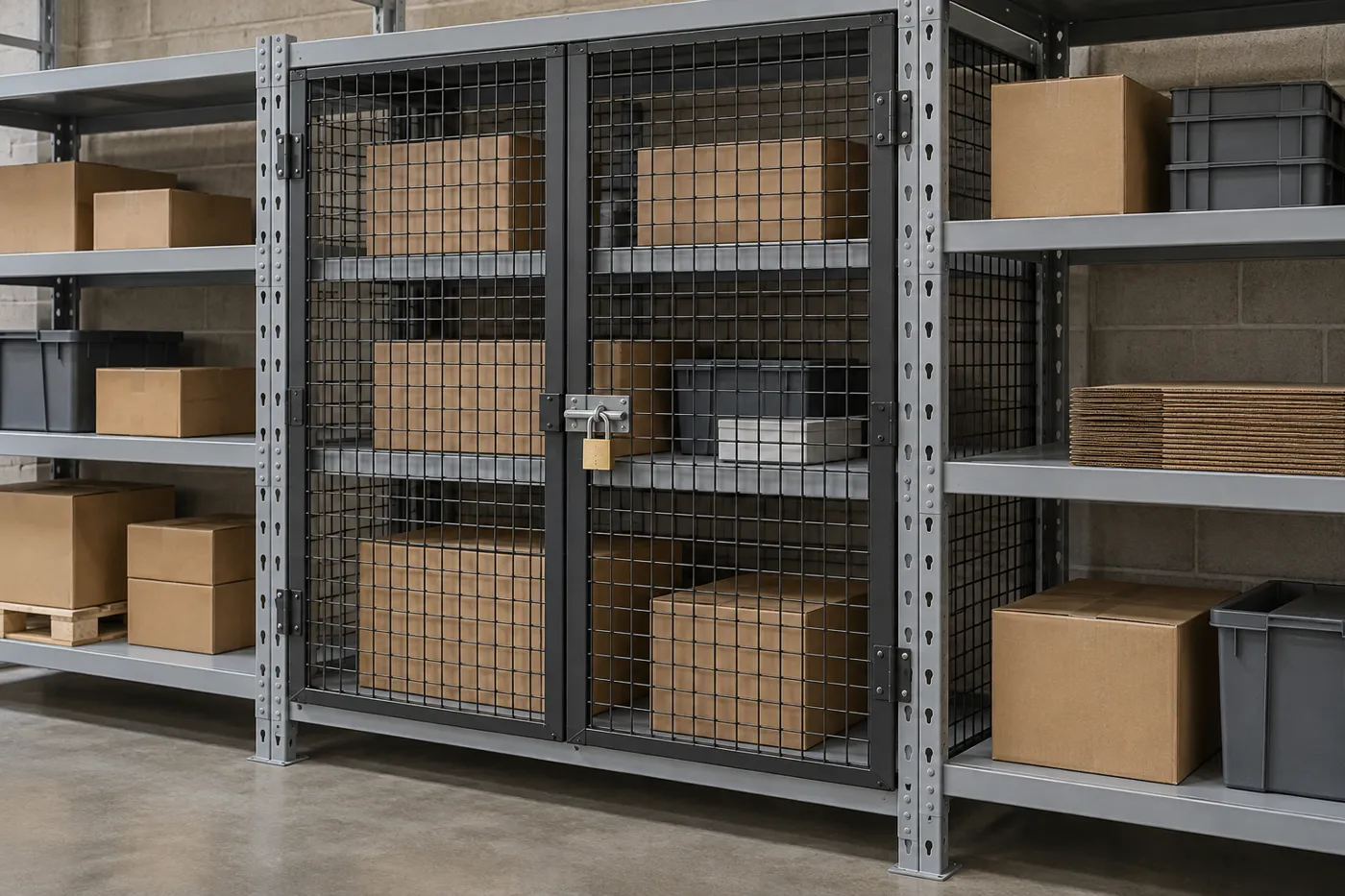
Closed or lockable sections protect electronic parts and specialty components. They cost more and slow access, so use them where control matters instead of enclosing the whole room.
| Configuration | Typical use | Height | Depth | Best fit |
|---|---|---|---|---|
| Standard open bay | Boxed parts and general stock | Low to medium | Shallow to medium | Independent shops and retrofit rooms |
| Tall adjustable bay | Light, slow-moving reserve stock | Medium to tall | Medium | Shops short on floor space |
| Bin shelving bay | Fast-moving small parts | Low to medium | Shallow | Filters, sensors, hardware and electrical parts |
| Heavy-duty bay | Dense or bulky assemblies | Medium | Medium to deep | Brake, suspension and boxed component storage |
| Closed or lockable section | Controlled or high-value stock | Low to medium | Shallow to medium | ECUs, specialty tools and restricted stock |
The height and depth columns are planning categories, not a replacement for a manufacturer load chart or a project review. Ask for the rated capacity of the complete bay, not just one shelf deck.
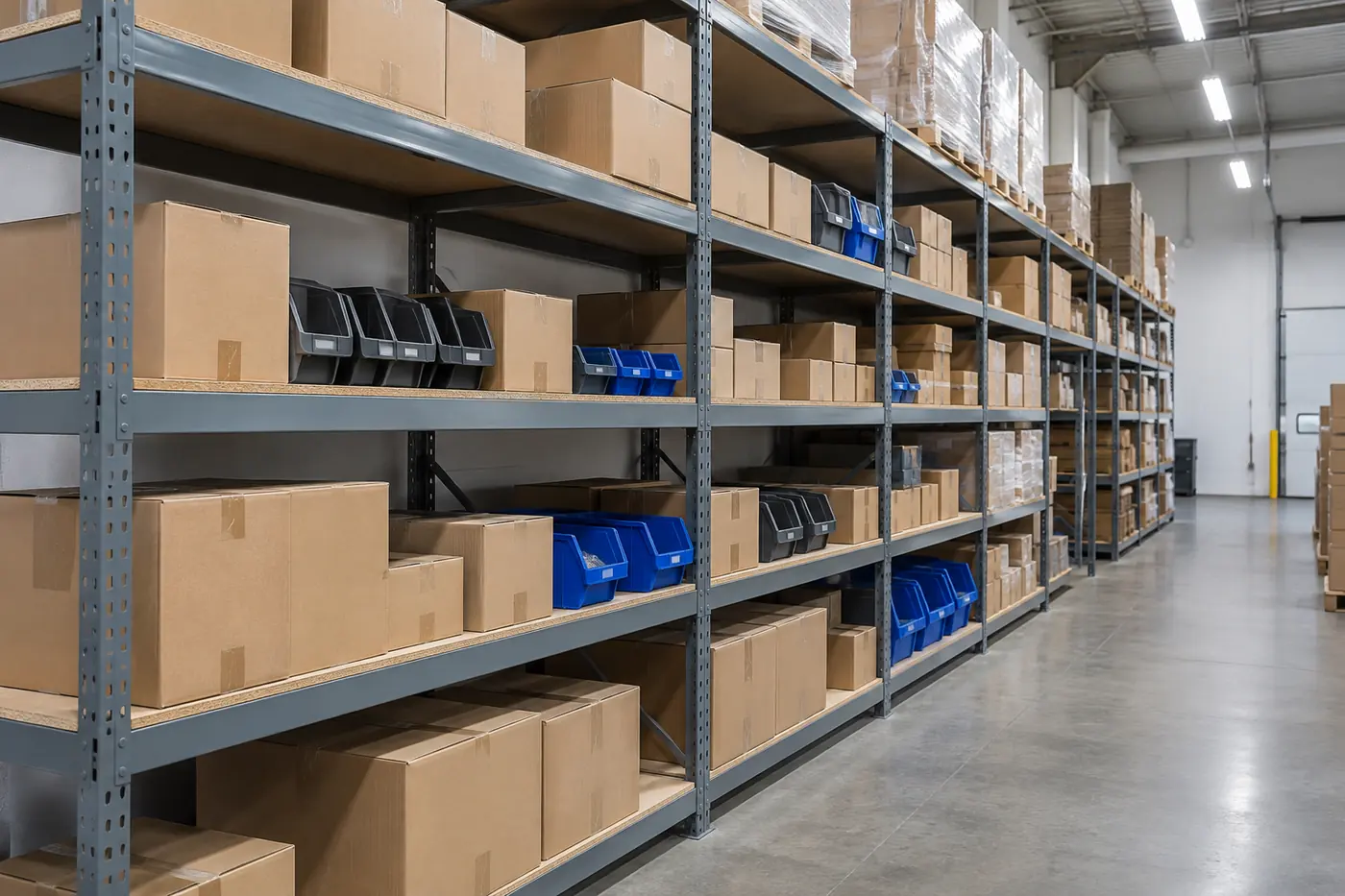
Material Handling USA supplies boltless shelving, bins, dividers, labels and layout help for Utah shops. Compare options on our boltless shelving product hub, see how odd room sizes are handled with custom boltless shelving, and look at our parts department shelving and storage systems for dealership-scale rooms.
Try a layout first. The free shelving designer lets you set bay sizes, shelf levels and run length, then send the design to our team for a quote. Prefer to talk it through? Call (800) 326-4403.
Sizing, Layout and Access for Real Workflows
Lay out a parts room around human reach, not maximum shelf count. NIOSH ergonomic evaluations recommend a standing hand working height of about 38 to 47 inches, or 42 inches when the height is fixed, and placing parts bins less than 16 inches from the worker. NIOSH ergonomic evaluation guidance
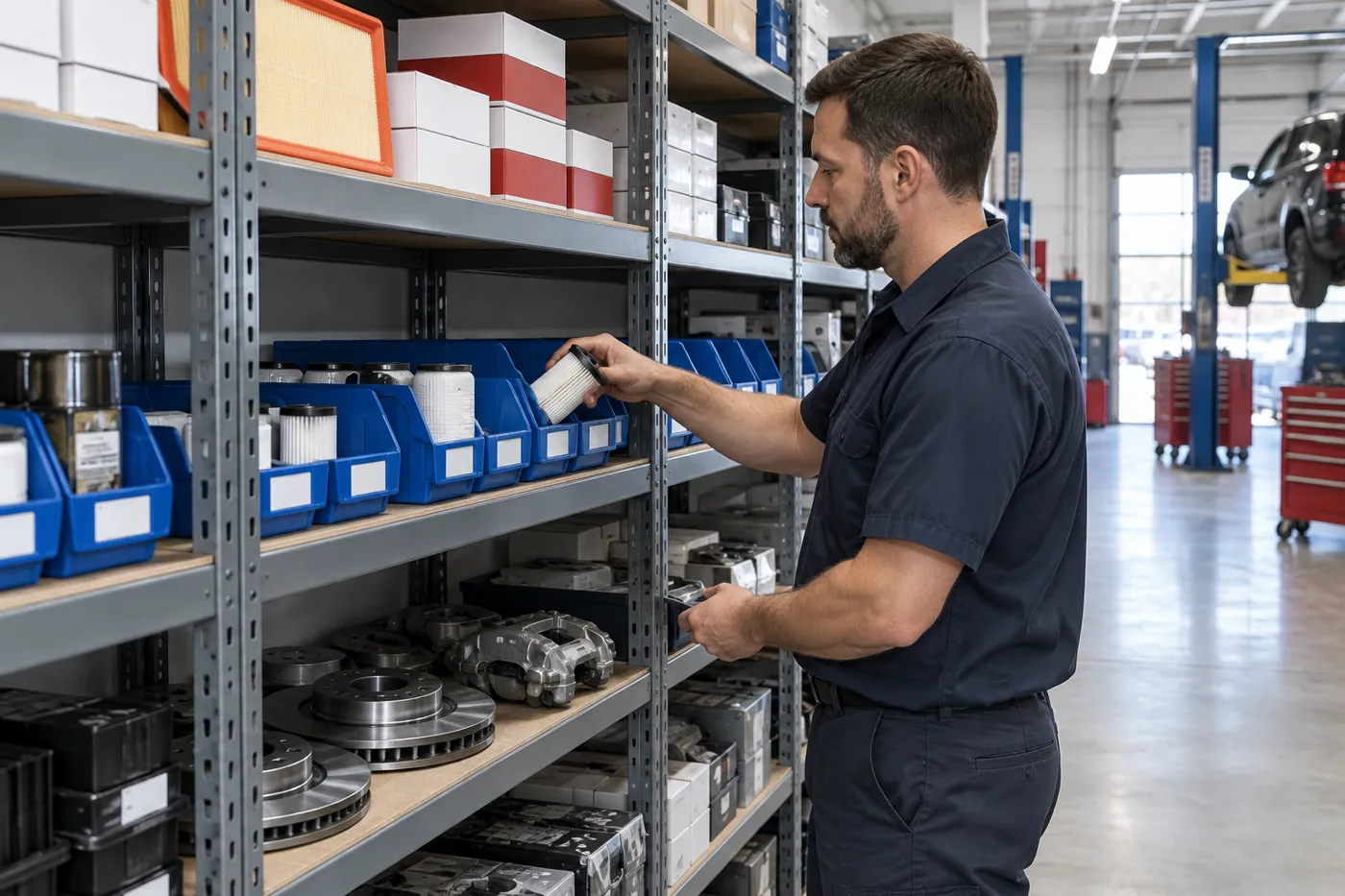
How to lay out an auto shop parts room
- Zone by how often parts move. Put daily picks like filters, belts and service kits closest to the service counter or bay door. Move slow and seasonal parts to the back or the ends of runs.
- Set the main pick height. Use a standing hand height of about 38 to 47 inches, or 42 inches if it is fixed, for the parts techs grab all day. NIOSH uses this range in its ergonomic evaluations.
- Keep reaches short. Place busy bins so workers reach less than 16 inches to get to them. Avoid deep shelves that hide parts behind other parts.
- Put weight low. Store rotors, calipers, pumps and fluid cases on the lower and middle shelves. Save the top shelf for light, bulky, slow-moving boxes.
- Label every location. Give each bay, shelf and bin a location code that matches your parts system, with labels facing the aisle.
- Check the room before you order. Confirm slab condition, door swings, columns, lights, sprinklers and a clear aisle path. Note any shelf height that may need a permit.
The layout should also follow your work order process. If techs pull parts against a digital ticket, put the most common locations along one predictable route. Tools such as repair work order software can support that flow, but software will not fix shelves that are too deep or badly labeled. If the parts room also feeds a workbench area, our guide to workbenches for Utah auto repair and fleet shops covers that side of the shop.
For a full review, our automotive parts room design service turns an inventory list and a room sketch into a working storage plan. For very small parts in a tight room, the STOREGANIZER designer plans high-density pocket storage that fits more small-parts pick faces into the same aisle.
Utah Code, Seismic and Fire Safety Checks
A boltless frame goes together without welding, but the finished parts room still falls under building, seismic and fire code review. In a Utah shop, shelf height, bay weight, anchors, slab condition and what you store decide the right path.
Height and seismic triggers
Salt Lake City requires a building permit for racking taller than 5 feet 9 inches. Because the whole city sits in Seismic Design Category D or E, storage racks 8 feet or taller need periodic special inspection during anchorage, plus drawings and calculations stamped by a Utah-licensed engineer. Salt Lake City storage rack guidance. The city updated its racking guidance in 2026, so check the current Salt Lake City racking permit design guidance before you submit. Under that guidance, racking between 5 feet 9 inches and 8 feet needs the manufacturer’s installation details and specs instead of stamped plans. Other Utah cities set their own rules, so ask your local building department.
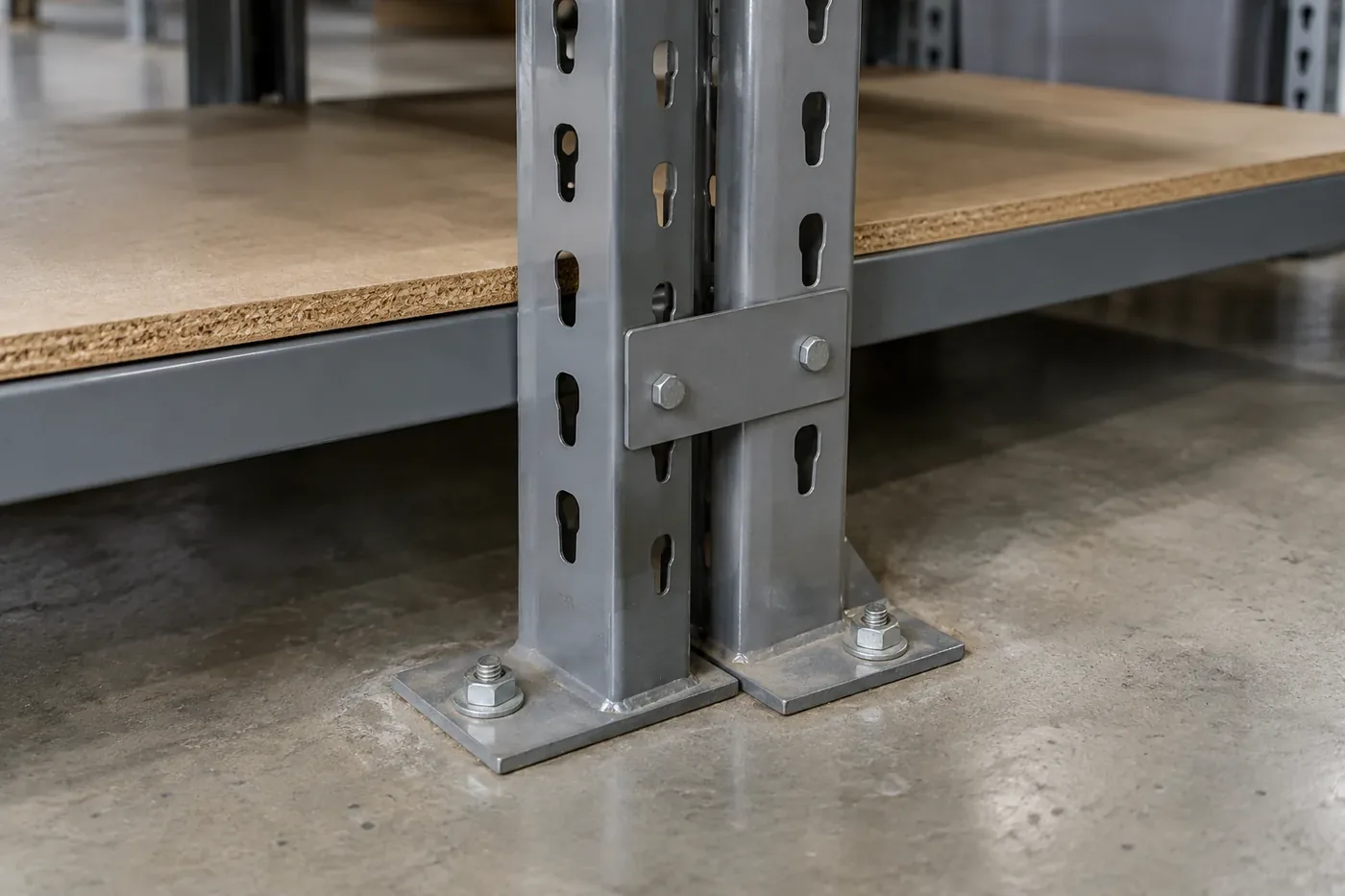
Even shorter shelving can matter in an earthquake. FEMA E-74 guidance points to seismic design for permanent floor-supported shelving over 6 feet tall in Seismic Design Categories C through F, and the weight of the contents counts. Before approving a tall layout, read our seismic anchorage compliance guidance for parts-room shelving. Have a project engineer or local plan reviewer check the building, slab, shelf height, total bay weight, height-to-depth ratio, anchors and stored load. OSHA’s OSHA storage safety publication covers the day-to-day side: stable stacking, clear aisles and safe lifting.
Keep regulated liquids out of general parts bays
Repair garages must store and use flammable and combustible liquids under fire code Chapter 57 and the repair garage sections of Chapter 23. The code also bans dispensing these liquids by gravity from tanks, drums, barrels or similar containers. Utah Fire Code repair-garage provisions
Larger amounts of hazardous materials bring more rules. Once a space passes the allowed quantity for a material, the code can add limits on storage density, plus ventilation and spill containment. For example, the code caps certain nonflammable hazardous materials in store and storage areas at 200 pounds per square foot for solids and 20 gallons per square foot for liquids. Utah hazardous-material provisions
Permits can apply at small amounts. The fire code requires an operational permit to store more than 5 gallons of Class I flammable liquids indoors or more than 10 gallons outdoors, and more than 25 gallons of Class II or IIIA combustible liquids indoors or more than 60 gallons outdoors, with some exceptions. Salt Lake County also has its own rules for storing flammable liquids. Salt Lake County flammable-liquid code
Give the quoting team a liquid inventory, container sizes, room use and your existing fire protection details. Shelving does not replace approved cabinets, ventilation, spill control or review by the fire authority.
Installation, Delivery and Service Considerations
A good shelving quote describes more than steel. It should show the layout, shelf levels, bin types, labels, load ratings, anchor assumptions, freight terms, installation scope and anything excluded.

Ask what the design team needs up front: a room drawing, ceiling height, door sizes, slab details, photos of the inventory or a list of stored liquids. Sending these early cuts revisions and flags permit questions before material arrives.
Delivery timing depends on the exact configuration, stock at the manufacturer, your location and the install scope. Special depths, lockable sections, unusual bin mixes, engineered anchors and large mixed layouts take more planning, so get the timeline in writing with your quote.
Plan the install around shop operations
An open repair shop often needs a phased install. Clear one wall at a time, protect active service paths and decide where current inventory will sit during the changeover. A professional installer should confirm floor conditions, assemble and level the bays, install approved anchors or restraints where required, and walk the loading plan with your parts lead. Our commercial shelving installation in Utah page explains how we handle this, and our boltless shelving assembly time and labor guide helps if your own crew will build it.
Compare quotes on total project value, not just the steel price. Check what each one includes for layout, freight, installation and anchors. A low equipment price loses its edge if freight and install show up later as change orders.
Decision Guide for Different Shops
| Shop type | Main constraint | Start with | Ask about |
|---|---|---|---|
| Small independent garage | One wall, mixed stock | Shallow bin shelving for filters and hardware, plus medium-depth open shelves for boxed parts | Whether your planned height needs a local permit |
| Multi-bay dealership | Several inventory zones | Separate zones for daily service stock, special orders, returns and high-value electronics | Engineered seismic and anchor review for tall runs |
| Fleet shop retrofit | Existing doors, columns and slab | Photos, clear room dimensions and a list of the heaviest items | Bay placement around columns, lights and vehicle paths |
For real-world examples, see the rivet boltless shelving parts room for an auto parts store in Cedar City, how we set up a dealership parts department for Young Subaru in South Ogden, and how boltless shelving organized shop and storage rooms for the City of Draper public works.
The fastest quote is not always the most useful one. A useful quote tells you what fits, what needs review and what the installer will do on site.
Use the boltless shelving buying guide to gather the basics. Then send your room dimensions, inventory types, preferred pick route and any permit concerns to Material Handling USA.
Frequently Asked Questions
What should I send for an accurate quote?
Send the room length, width and clear height, plus door and column locations, a few photos and a rough sketch. List your fast-moving parts, the heaviest items, any bins or lockable areas you want, and every liquid you plan to store nearby. Say whether the building is new or existing.
Is boltless shelving a good fit for an auto shop parts room?
It works well for boxed parts, bins, filters, belts, hardware and most service supplies when the bay is rated for the load and laid out around how techs pick. It is not a fix for every case. Fluids, very tall runs and dense assemblies need a project review first.
Should heavy brake parts go on upper shelves?
No. Keep rotors, calipers and other dense parts on the lower and middle shelves so nobody lifts them overhead. OSHA’s materials handling guide lists changing the height of a shelf as one way to cut lifting strain, and it asks employers to keep aisles clear.
Does boltless assembly get me out of seismic rules?
No. How a shelf goes together does not decide whether you need a permit, anchors, stamped drawings or a special inspection. Height, attachment, the building and the stored load decide that. In Salt Lake City, a permit is required for racking over 5 feet 9 inches.
Can oil and fluids share a bay with boxed parts?
Do not assume they can. Oils, solvents, fuel additives and aerosols can fall under fire code rules for storage, containment and ventilation. Keep them in their own zone or approved cabinets, and give your installer the full liquid list before the layout is final.
How tall should a parts room shelving unit be?
Pick the height from your ceiling, your stock and your local permit rules. Taller units add storage, but in Salt Lake City anything over 5 feet 9 inches needs a building permit, and 8 feet or taller adds stamped drawings and special inspection. Use the top levels for light, slow-moving stock.
How do I know when common sizes can ship?
Ask for availability in writing on your exact configuration. Height, depth, shelf deck type, bins, accessories and your delivery address all affect timing, so a quote should state it clearly rather than promise a generic number.
Should I buy online or request a quote?
Buy online when you already know the exact unit and load you need. Request a quote when the room needs mixed shelf depths, bins, lockable sections, seismic review, liquid separation, installation or permit help.
The best auto shop parts room boltless shelving plan speeds up picking, protects your techs and leaves room for inventory to change. It also catches seismic, anchor, aisle and flammable liquid questions before they turn into install delays.
Design your parts room, then get a quote
Start with the free shelving designer for boltless bays, or use the Parts & Kitting Storage Planner to size your bin zones. Send the design to our team for a free layout review and quote, request a quote online, or call (800) 326-4403 to talk through your Utah shop with a specialist.