
Cantilever Racking for Furniture Storage
Sofas, case goods, mattresses and tabletops don’t stack neatly on a pallet. Cantilever arms support furniture along its length with an open, column-free face for loading oversized pieces.
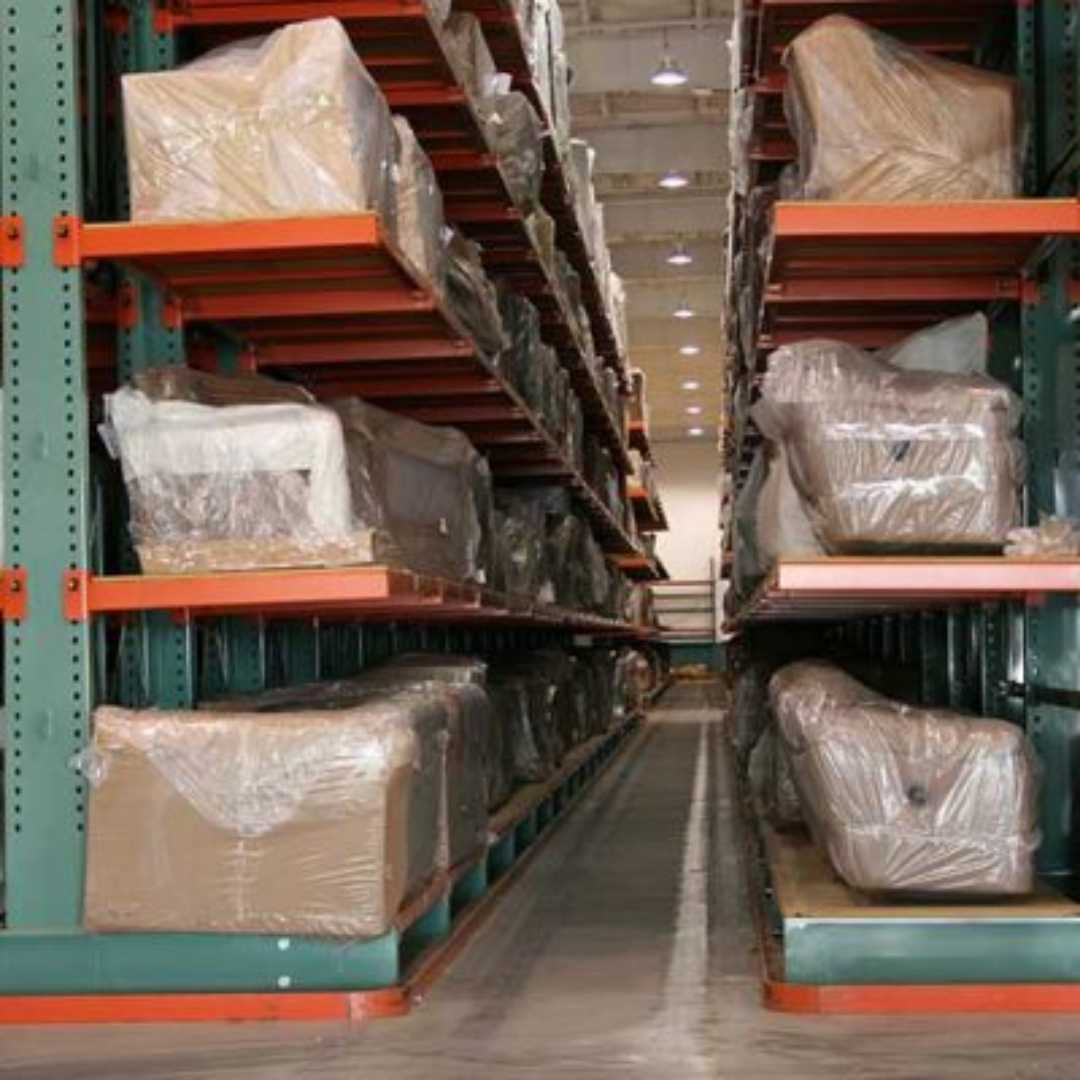
No pallet required
Support the piece directly along its length or width
Open face loading
No front columns to maneuver oversized furniture around
Padded arm options
Arm covers and padding protect finished surfaces
Scales with demand
Add columns and arms as inventory grows
Shop Cantilever Rack for Furniture Storage
Furniture sits on arms sized to the piece depth, with no front beam in the way. Each card opens a shop category with current prices. Prices are current online prices; freight is quoted by destination and some common sizes in stock at select manufacturers, subject to confirmation. For a full layout, longer arms or freight-rated orders, request a free quote or plan it in the Cantilever Rack Configurator.
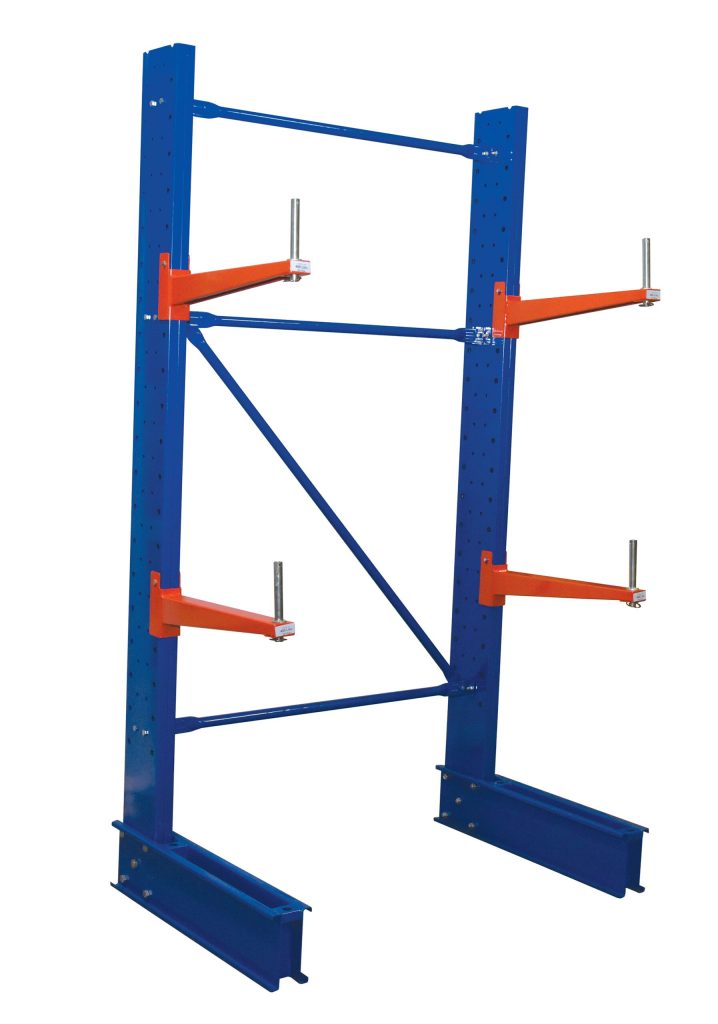
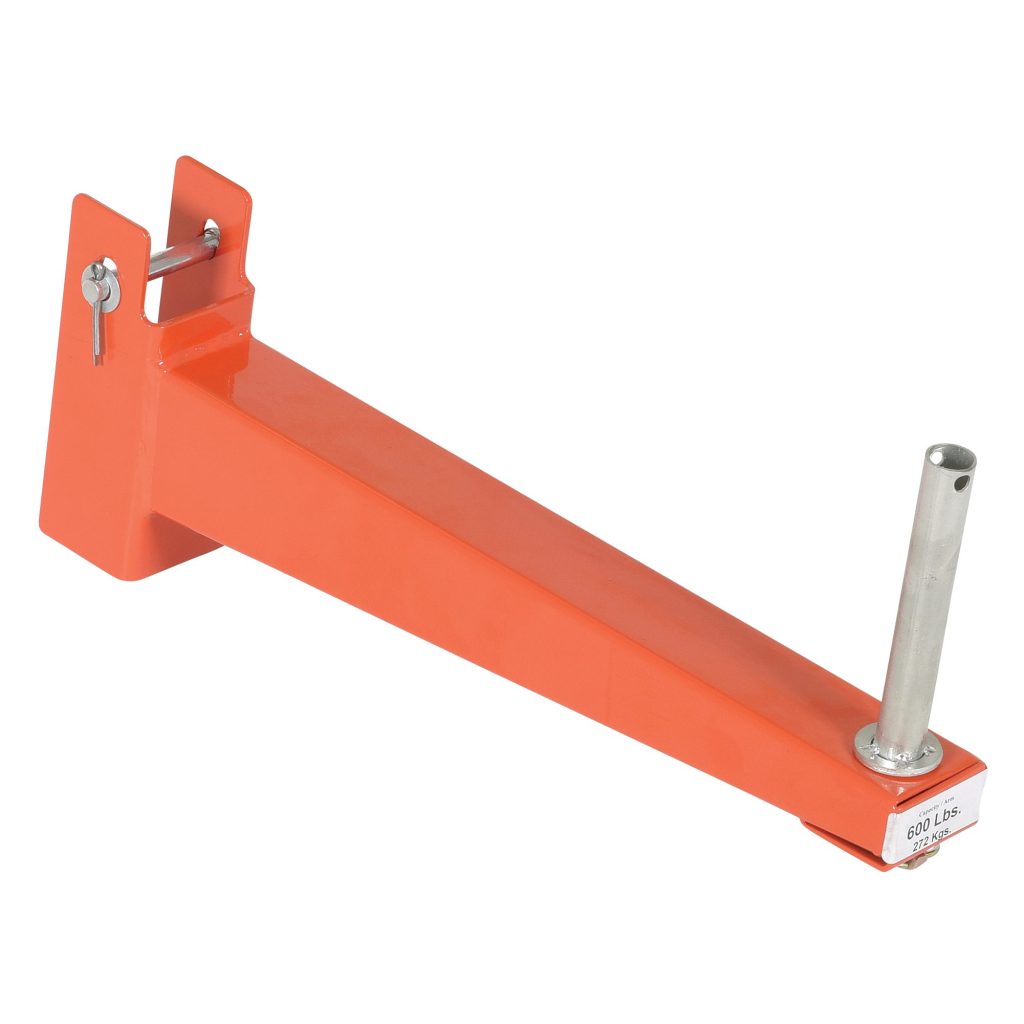
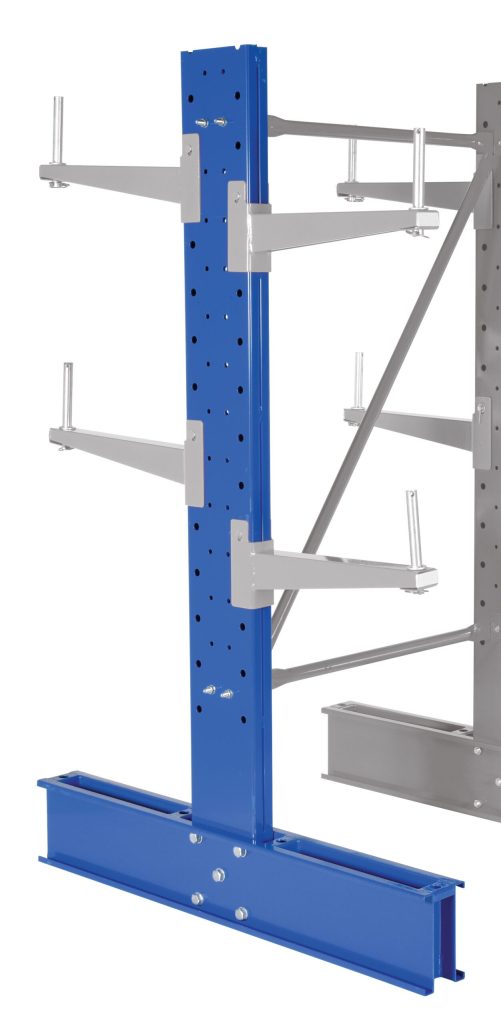
Why furniture doesn’t belong on a pallet rack beam
Most furniture is irregular by design — long, wide, curved, upholstered or fragile in ways a standard pallet was never built to hold. Forcing it onto a pallet wastes space around the edges and risks damage every time it’s loaded or unloaded. Cantilever racking supports the piece itself, directly along its length, with an open face and no front columns to maneuver a bulky item around.
- No pallet, no wasted footprint. A sofa or headboard sits on the arm at its actual size, not a pallet-shaped box around it.
- Open loading face. Slide oversized or wrapped furniture straight onto the arms from the side.
- Supports irregular shapes. Arms bear the load along its length, so curved, angled or asymmetric pieces don’t need a flat pallet base.
- Keeps inventory visible. An open rack face makes it easy to spot-check condition and location without unstacking.

Protecting finish, fabric and edges on the rack
Bare steel arms are fine for lumber and pipe, but a finished tabletop or upholstered arm shouldn’t rest directly on them. Arm covers, foam or carpet strips on the contact surface, and keeping pieces wrapped the way they’d travel in a moving truck all protect furniture in storage the same way they protect it in transit. Space arms so a large piece is supported at more than one point instead of balanced on a single edge, especially for long tabletops and headboards that can bow under their own weight if underspaced.
Sizing arms for furniture inventory
Furniture cantilever bays vary more in arm length than almost any other application because the inventory itself varies so much — a boxed case-goods warehouse and a wrapped-sofa distribution center have very different footprints.
| Furniture type | Typical arm length | Notes |
|---|---|---|
| Boxed case goods (dressers, cabinets) | 30″–36″ | Heavier-duty arms for weight, not length |
| Sofas, sectionals, upholstered pieces | 42″–60″ | Padded arm surface protects fabric and frames |
| Tabletops, headboards, long panels | 48″–72″ | Multiple support points prevent bowing across the length |
| Mattresses (upright) | 36″–48″ | Confirm arm spacing keeps the mattress supported without sagging |
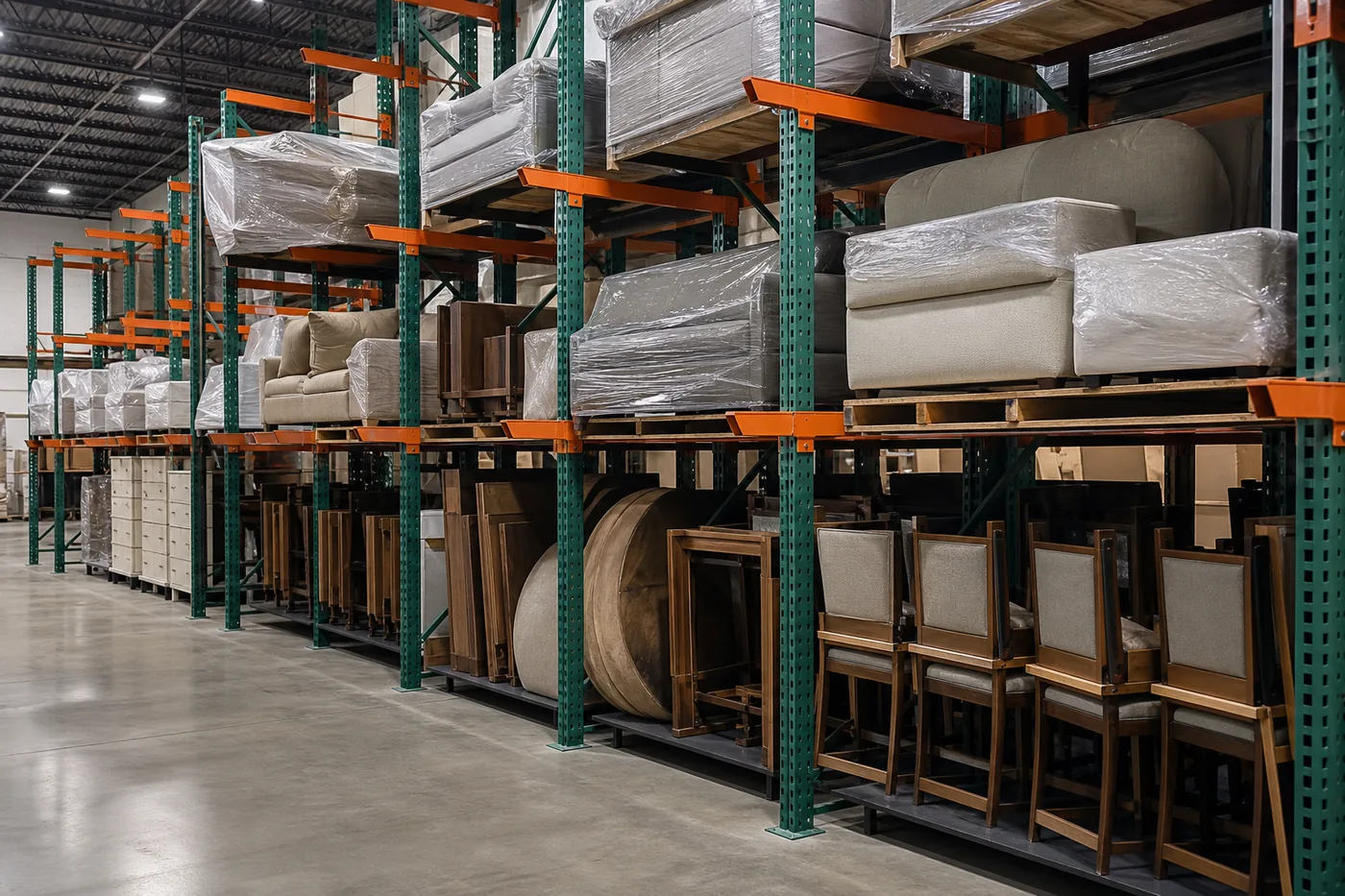
Who uses cantilever racking for furniture
Furniture retailers and distribution centers, event and staging companies, and moving-and-storage operations all use cantilever racking to keep bulky, wrapped inventory off the floor without forcing it onto pallets. See how a furniture bay fits into a broader storage plan on the cantilever pallet racking hub, or browse all pallet racking options if furniture shares a warehouse with palletized goods. To price parts for a furniture bay, browse cantilever rack uprights, arms and kits online.
Laying out a furniture storage bay
Single-sided runs along a wall are the most common layout for furniture retailers and distribution centers, since they keep a full aisle open for staging orders, wrapping and loading trucks. Group similar item types on the same levels — upholstered goods together, boxed case goods together, tabletops and panels together — so staff aren’t hunting across mismatched sizes to find one SKU. As with any cantilever system, plan the tallest, heaviest and longest pieces for the lowest levels where they’re easiest and safest to load and unload.
Because furniture inventory often turns over by season or by floor-model changeover, many operations also leave one or two arm levels unassigned as flex capacity rather than filling every level to its rated limit on day one.
Get a free quote
Tell us what you are storing, the room size and your timeline. A project specialist will follow up with layout options and pricing. Prefer to talk? Call (800) 326-4403.
FAQs About Cantilever Racking for Furniture Storage
Why use cantilever racking instead of pallet rack for furniture?
How do you protect furniture finish on cantilever arms?
What arm length works for furniture storage?
Is cantilever racking used by furniture retailers and movers?
Can cantilever racking hold heavy case goods like dressers or cabinets?
Plan Your Furniture Storage Layout
Tell us your largest common piece dimensions and weight — we’ll spec arm length, spacing and protection to fit.