
Home › Shelving › Tennsco Q Line Shelving
Tennsco Q Line Shelving
Q Line is Tennsco’s clip-style steel shelving platform — adjustable on one-inch centers, assembled without tools, and rated for everything from file boxes to machine components. Here is how to size it, which decking and accessories matter, and where it beats the alternatives.

1 in
Shelf adjustment increment
0
Tools required to assemble
4–7
Openings per standard unit
USA
Tennsco domestic manufacturing
What Q Line Actually Is
Q Line is Tennsco’s clip-style steel shelving system. Cold-rolled steel posts are slotted on one-inch centers; formed steel shelves are held by clips that engage the post slots and the shelf channel at the same time. Load locks the joint. Assembly and reconfiguration take a rubber mallet and nothing else.
What makes it a workhorse rather than just another shelving line is the combination of three things: genuinely arbitrary shelf placement in one-inch increments, a duty range that spans office file storage through machine components, and a domestic manufacturing base that keeps replacement components available years after the original order.
It is not the cheapest steel per cubic foot — boltless rivet shelving holds that title. Q Line wins where you need a finished appearance, closed sides, tight adjustability, and a shelf that will still be flat after a decade of being loaded and reloaded.
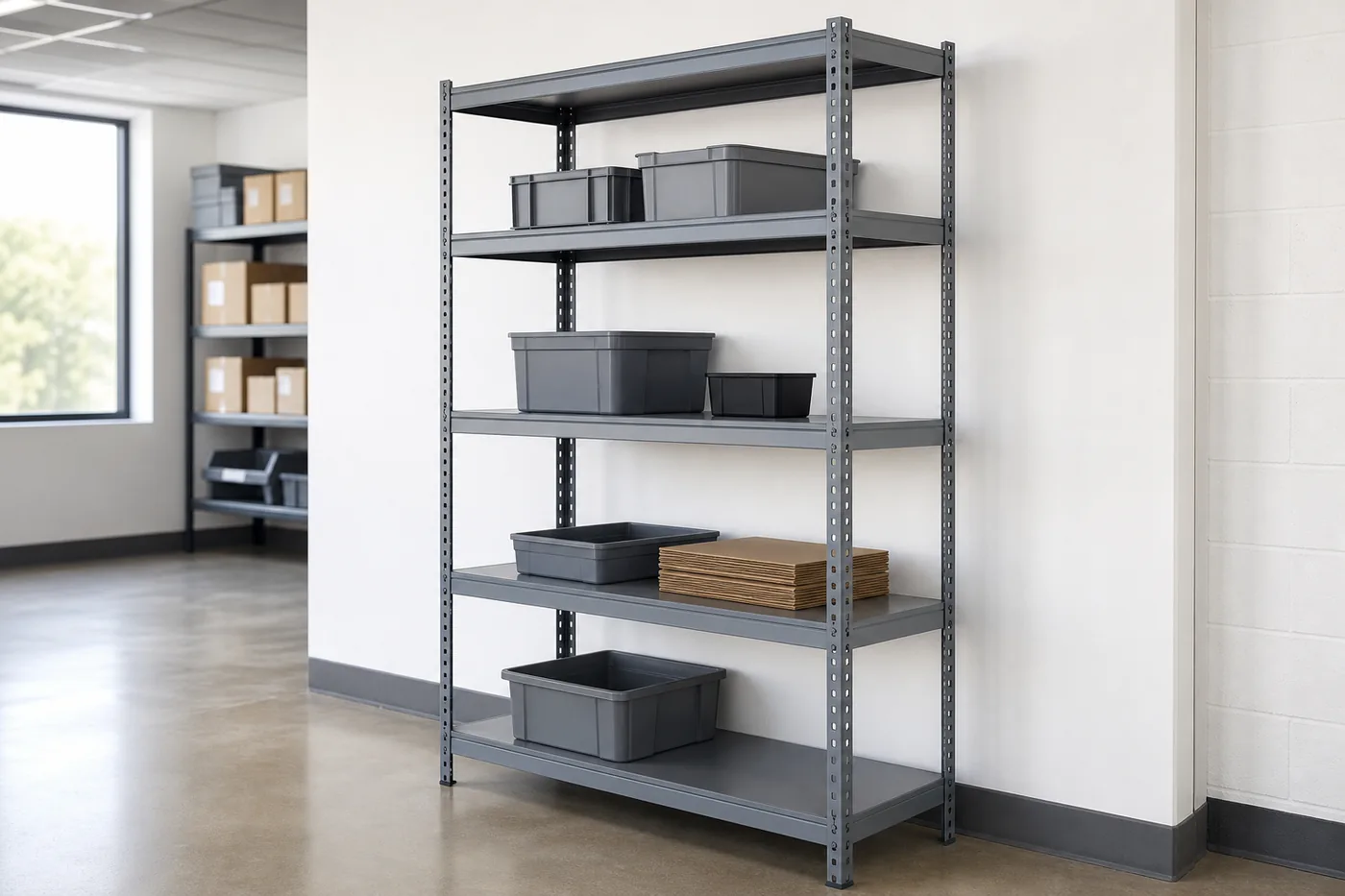
Adjustability is the feature that pays for itself
Most shelving is bought once and reconfigured five times. Every reconfiguration on a bolted system costs an hour and a handful of lost hardware. On a clip system it costs a mallet and ten minutes — which is why parts rooms and supply rooms with a changing stock profile keep coming back to it.
Assembly and Reconfiguration
Lay out the footprint
Chalk the full run on the floor before standing anything. On a multi-bay run this is what keeps the last unit from ending up an inch out of square against the wall.
Stand the posts
Four slotted steel posts per starter unit. Post gauge sets the duty rating, so confirm the series before you assume a capacity.
Set clips at the height you want
Clips insert into the post slots. Because slots run on one-inch centers, opening heights are set by your tallest item on each level rather than by dividing the unit evenly.
Seat the shelves
Formed shelf channels engage the clips. Tap down with a rubber mallet until each shelf sits flat against all four posts — three-point contact means the shelf will rock under load.
Brace and square
Open units take back and side sway bracing; closed units get rigidity from their panels. Measure both diagonals and correct before loading.
Level, anchor, load bottom-up
Shim on uneven slab, anchor tall or narrow units, and put the heaviest product on the lowest levels. Seismic anchoring applies across most of the Intermountain West.

Assembly faults we see most often
- Clips not fully seated. The single most common fault on any clip system, and it cuts effective shelf capacity substantially.
- Sway bracing left in the box. On open units it is structural. Without it the unit racks under lateral load.
- Equal opening heights. Dividing a unit into identical shelves is the biggest source of wasted cube in a stockroom.
- Picks above 72 inches. If operators need a stool on the pick path, the layout is wrong regardless of how good the shelving is.
- Tall units left free-standing. Above roughly a 5:1 height-to-depth ratio, anchor or brace back-to-back.
- Mixing series in one run. Slot pitch and clip geometry are series-specific.
Sizes and Load Capacity
The only capacity figure worth quoting is per shelf, at your width and depth, evenly distributed. Ratings drop as shelf width grows because the same channel spans further, so a 48-inch shelf never matches a 36-inch shelf in the same series.
| Duty Level | Typical Shelf Capacity | Common Widths | Common Depths | Best For |
|---|---|---|---|---|
| Light duty | About 350–500 lb | 36 in | 12–18 in | Offices, file boxes, light retail and classroom storage |
| Standard duty | About 500–800 lb | 36–48 in | 18–24 in | Supply rooms, stockrooms, healthcare and institutional storage |
| Heavy duty | About 800–1,200 lb | 36–48 in | 24–36 in | Parts rooms, maintenance shops, warehouse picking |
| Extra heavy duty | 1,200 lb and above | 36–48 in | 30–36 in | Machine components, castings, dies, heavy assemblies |
| Reinforced shelves | Raises rating within a width | Any | Any | When you need width and capacity without moving up a series |
| Widespan configurations | High, over long spans | 60–96 in | 24–48 in | Cases, totes, and bulk where fewer posts per foot is the goal |
Standard heights and openings
Q Line units are commonly supplied at 75, 87, and 99 inches tall, giving four to seven openings depending on how you space them.
75 inches is the practical choice wherever people pick by hand — every shelf stays within reach and nothing on the pick path requires a stool.
87 and 99 inches make sense when the top levels are overstock and reserve rather than active picks, or when floor area is genuinely the binding constraint.
Set opening heights from the tallest item that will live on each level, and leave roughly two inches of clearance above it so product can be lifted out rather than dragged.
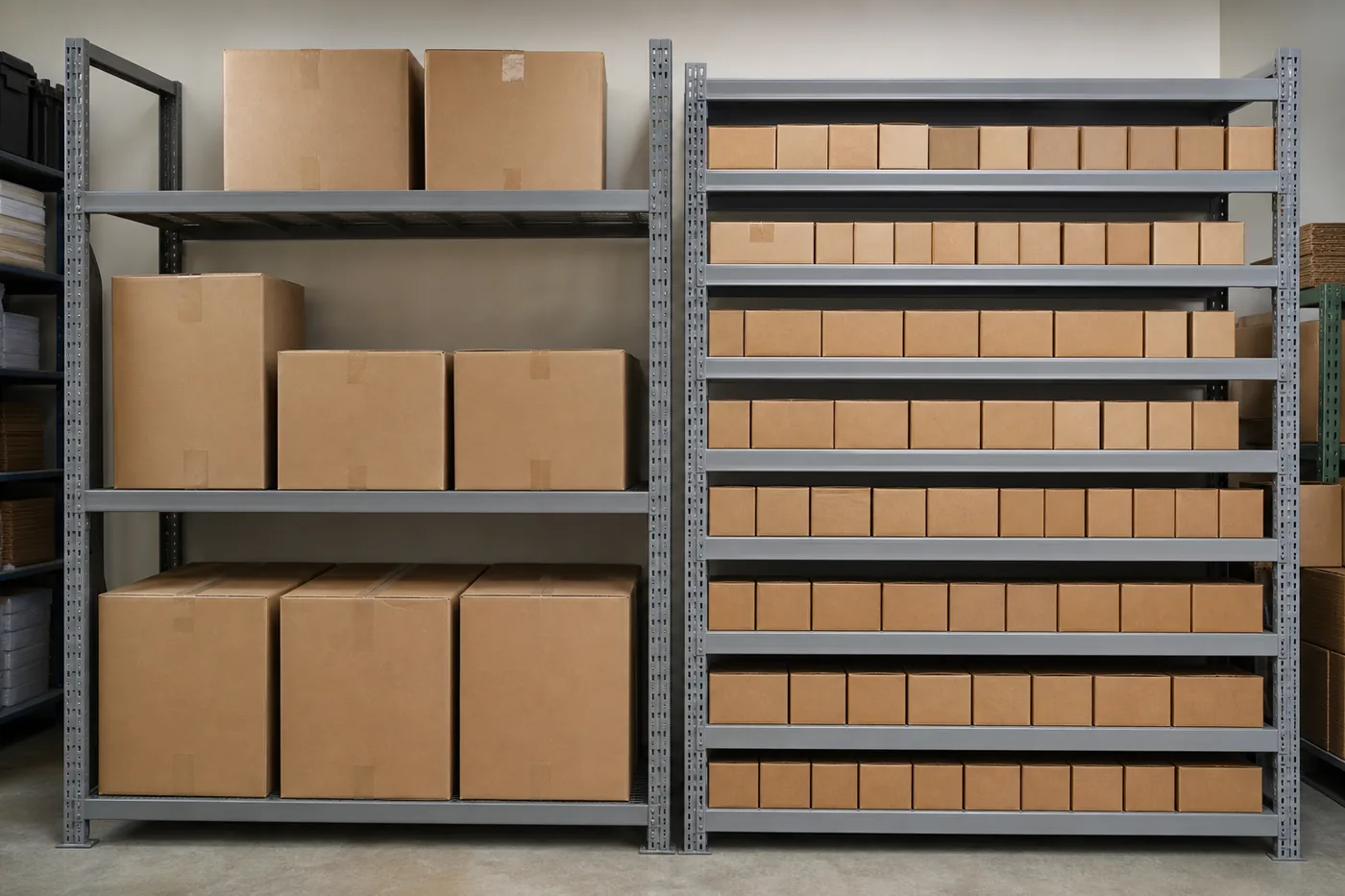
Open Style or Closed Style?
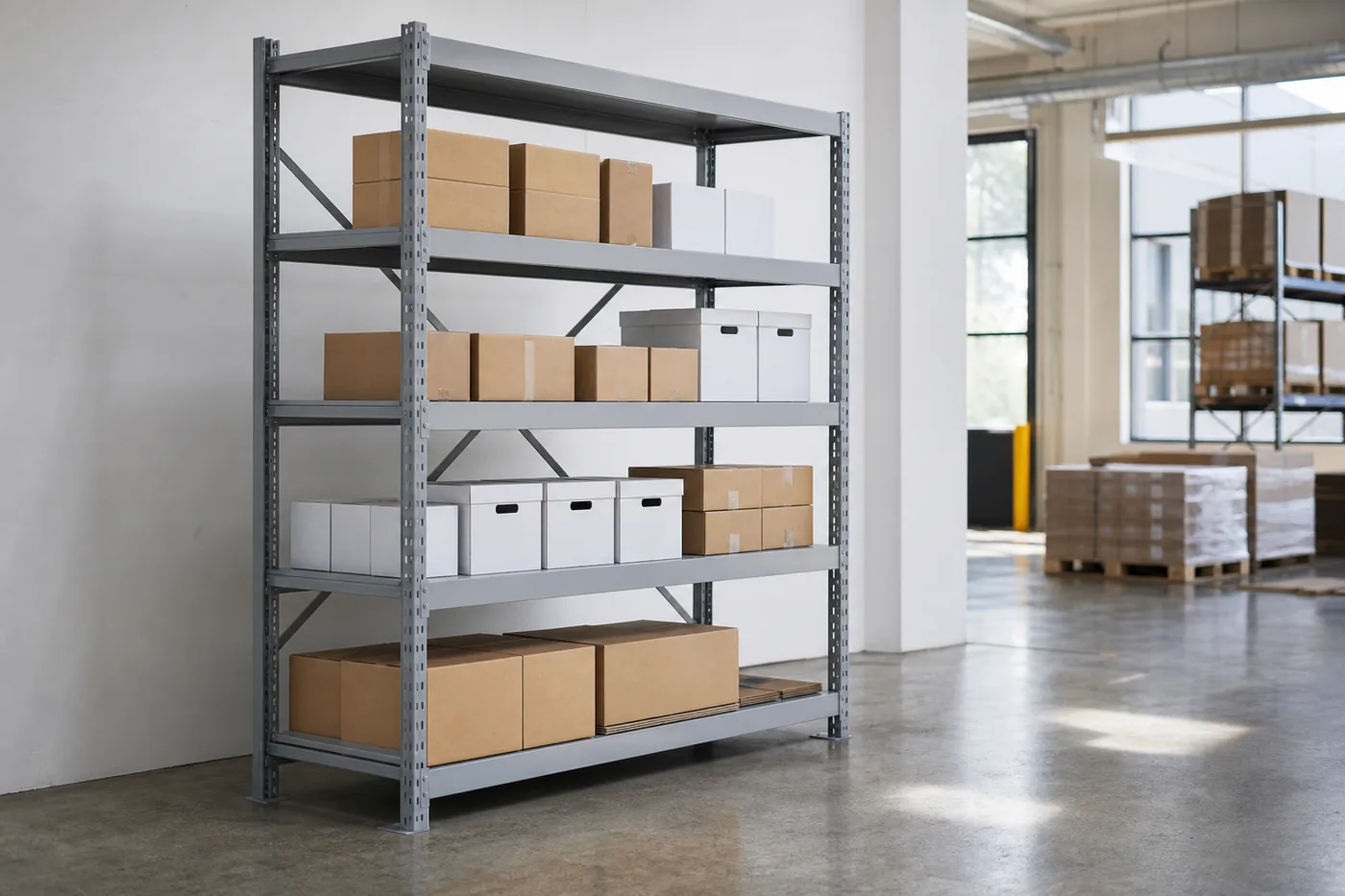 Open StylePosts, shelves, and sway bracing. Lower cost, better visibility, loads from front or back, and the right choice for back-to-back double rows where two runs brace each other. The warehouse default.
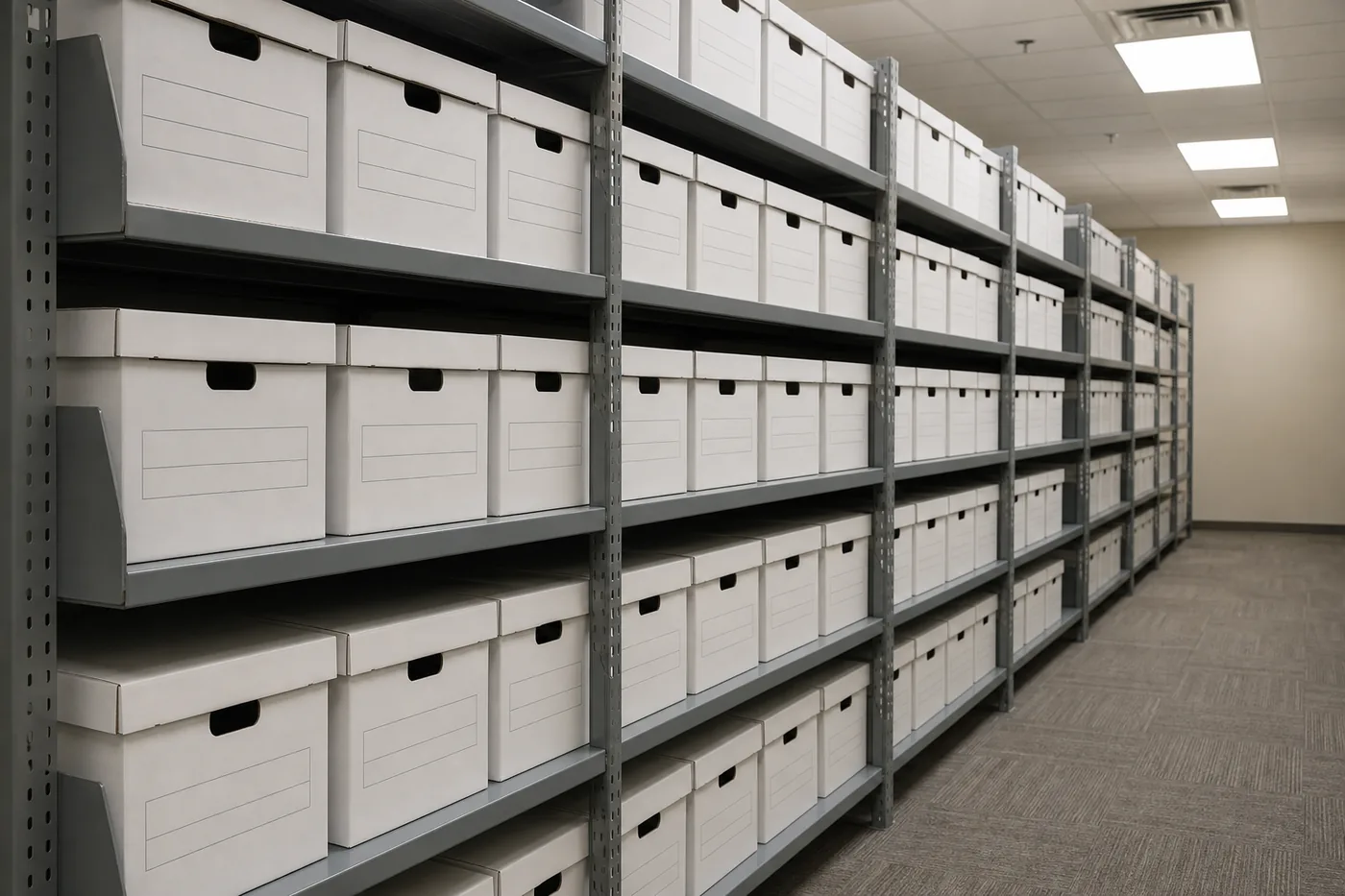
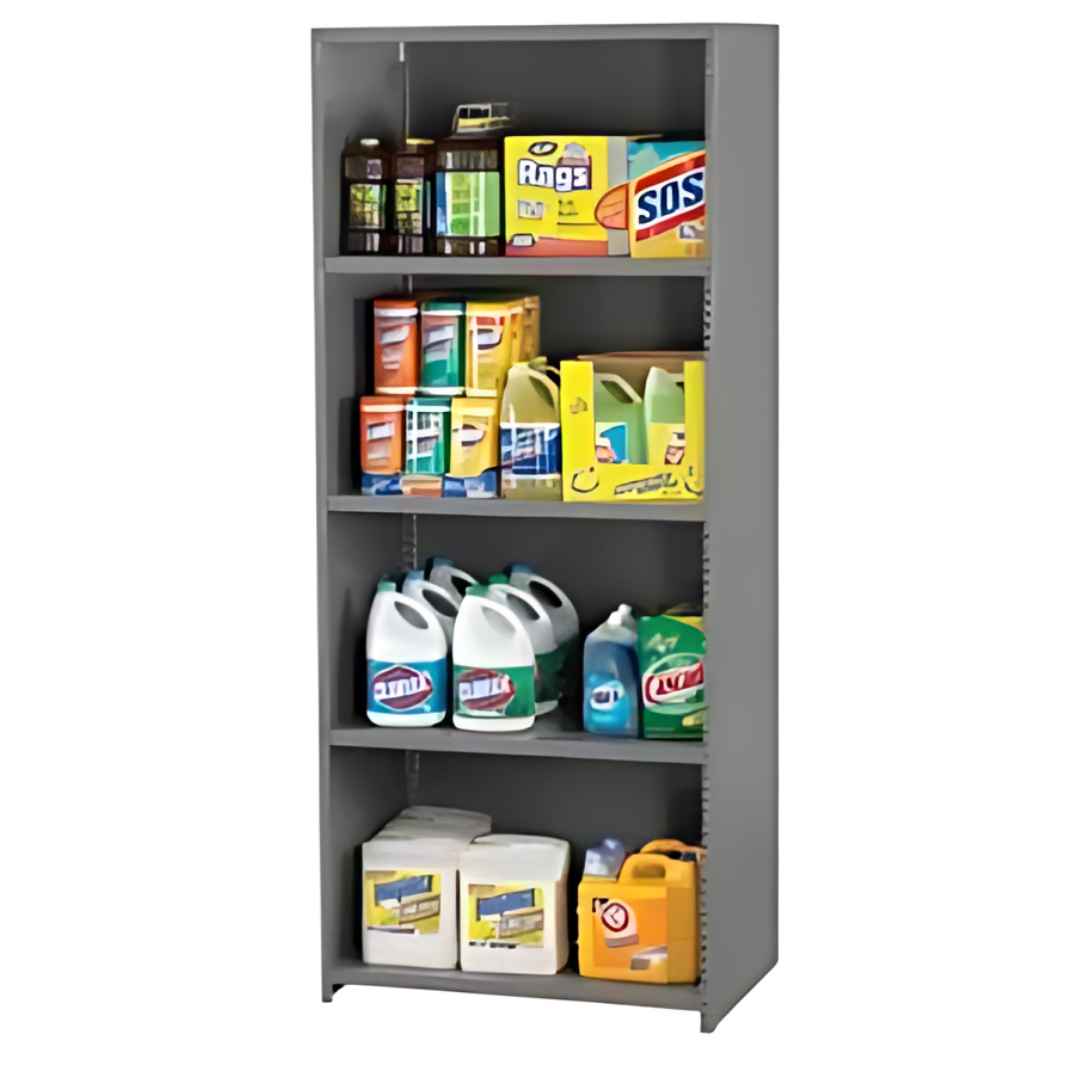 Closed StyleAdds solid back and side panels. Panels contain product, hide clutter, and stiffen the unit without separate bracing. Specify it where shelving is visible to customers or where items get pushed off the back.
 Enclosed and Secured SectionsDoors, security panels, and locking sections turn part of a run into secured storage — useful for tools, PPE, and high-value consumables without buying separate cabinets.
| Consideration | Open Style | Closed Style |
|---|---|---|
| Relative cost | Lower | Higher, but panels replace separate bracing |
| Rigidity source | Diagonal sway braces | Back and side panels |
| Product retention | Items can be pushed off the back | Contained on three sides |
| Light and visibility | Best | Interior is darker |
| Dust accumulation | Less | More |
| Loading access | Front or back | Front only |
| Typical use | Warehouse, parts rooms, double rows | Records, offices, retail-facing, janitorial |
Decking and Accessories
On most projects the accessories drive daily productivity more than the shelving series does. A run of bare steel shelves is storage; a run with bins, dividers, and barcoded label holders is an inventory system.
- Shelf dividers — split one shelf into several SKU locations without buying another shelf
- Plastic bins — small parts loose on a shelf are lost parts; bins turn one level into a dozen countable locations
- Label holders and barcodes — every opening should be a discrete WMS location; cheapest accuracy gain available
- Particle board or wood decking — a solid surface over steel shelves for loose or small items
- Wire mesh inserts — where sprinkler water penetration or dust control matters more than a solid surface
- Drawer units — drop-in drawers for high-count or high-value small parts
- Back and side panels — retrofit to open units when product starts migrating off the back
- Anchors, shims, and seismic hardware — required on tall units and across most of our service area
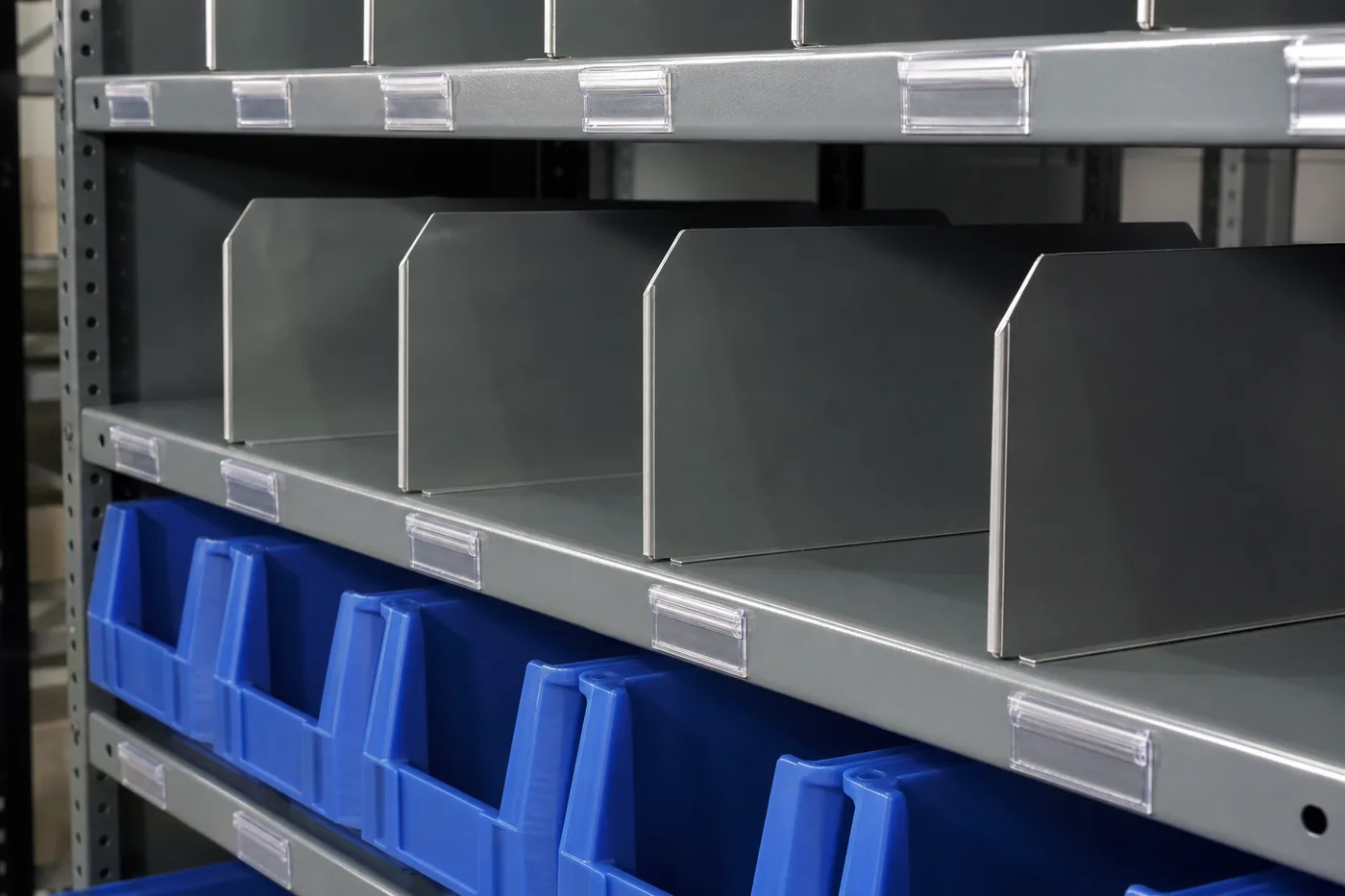
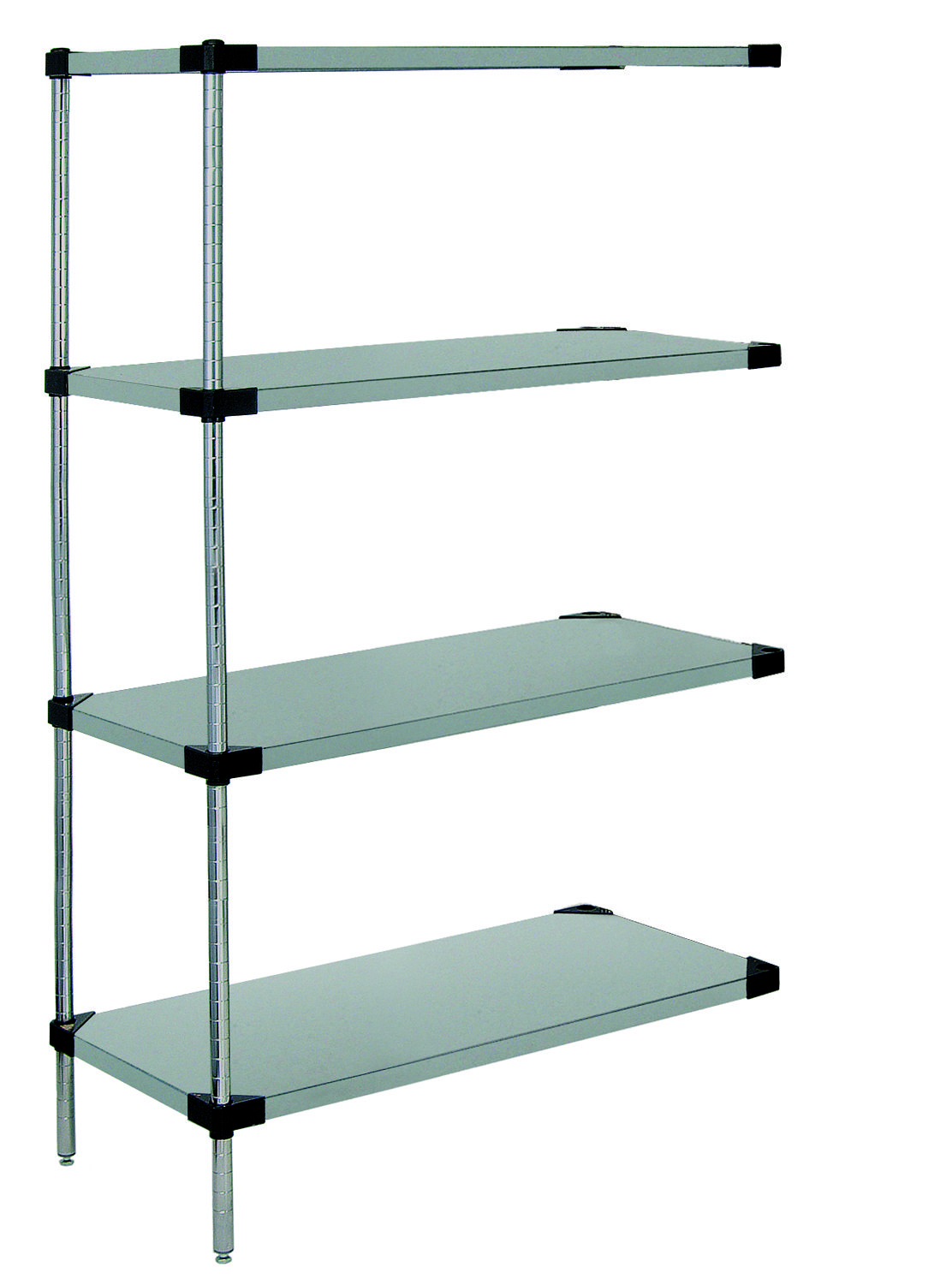
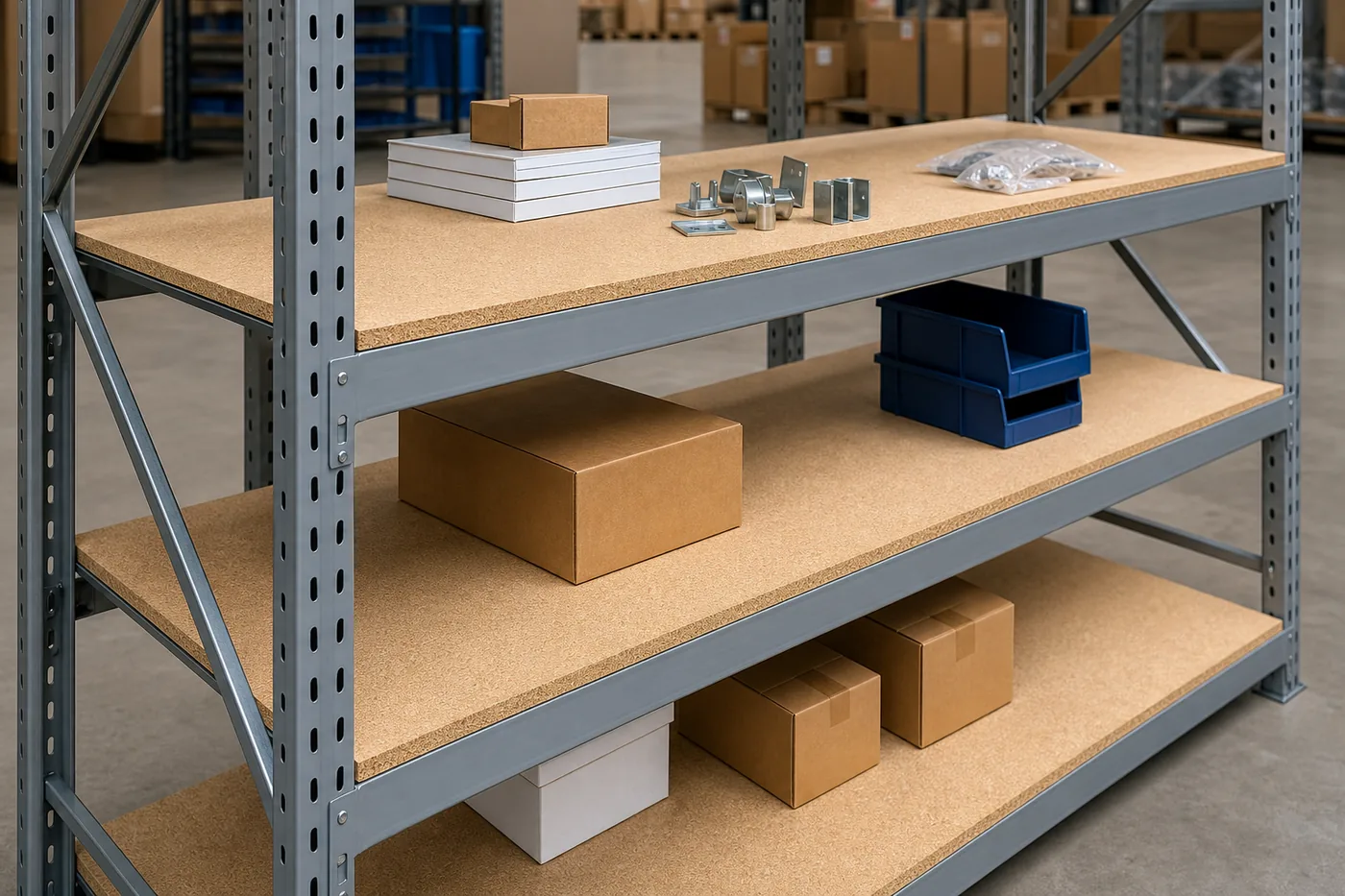 Solid DeckingWood or particle board over steel shelves for loose items and small parts. Confirm sprinkler requirements before ordering a large run of solid deck.
 Wire MeshOpen grid lets sprinkler water and light through, does not trap dust, and lets you see stock from below. Bins go on top for small parts.
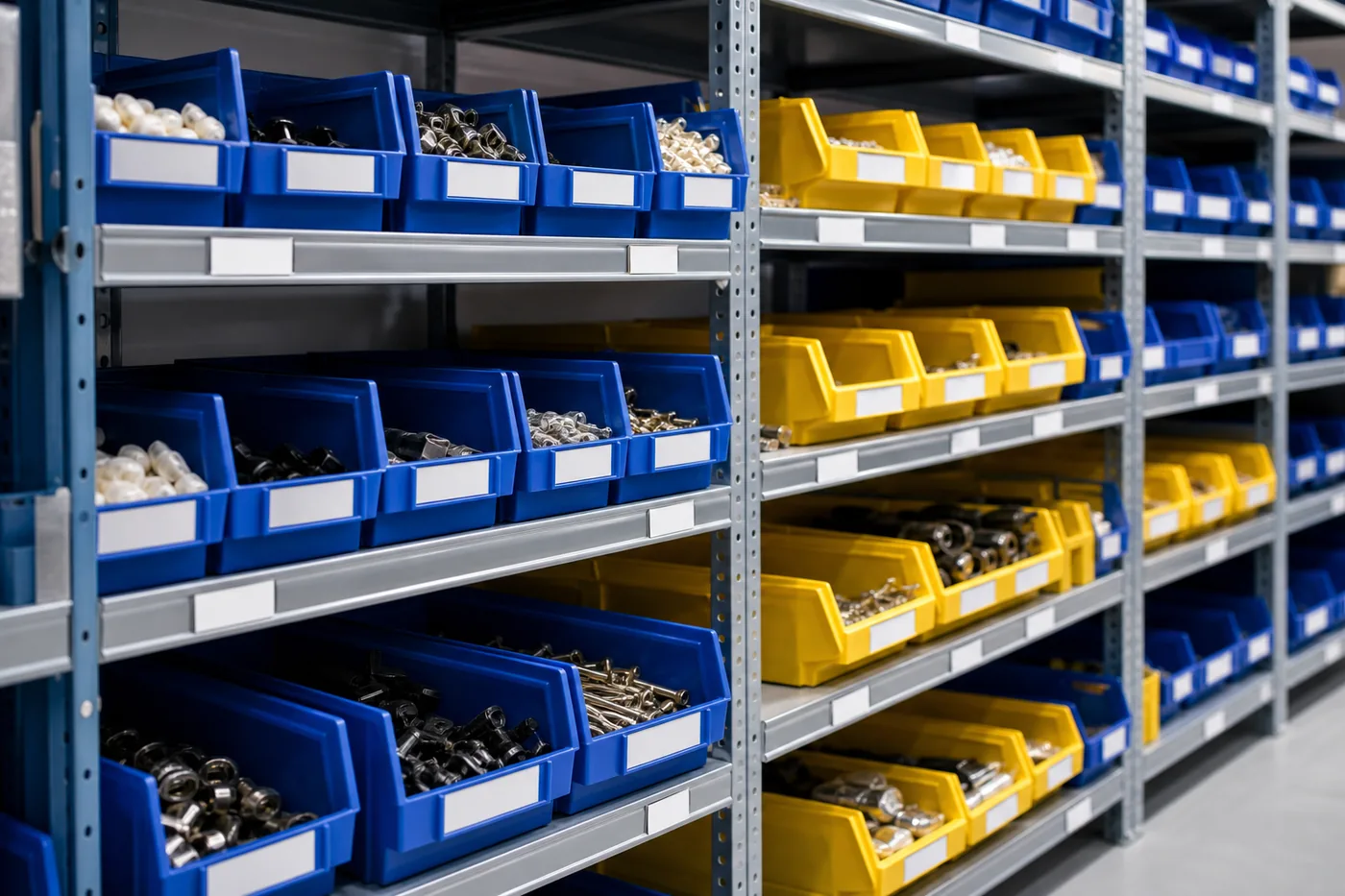 Bins and DividersThe single highest-return accessory on a parts-room project. Converts shelf area into labelled, countable locations.
Shop Online at MaterialHandling-USA.com
Q Line shelf clips, bins, dividers, and decking ship from stock. Full runs are quoted with freight — call for a layout.
Where Q Line Gets Used
| Environment | Typical Configuration | Why It Fits |
|---|---|---|
| Warehouses and distribution | Open style, heavy duty, 48×24, wire deck | Adjustable pick faces that keep up with a changing SKU mix |
| Maintenance and parts rooms | Open style, 36×24, bins on solid deck | One-inch adjustment plus bins handles a wide dimensional range |
| Offices and records | Closed style, light duty, 36×12 | Standard box footprints slot cleanly; panels keep files contained and tidy |
| Retail stores and backrooms | Closed style front, open style back | Finished appearance where customers see it, cheaper build where they do not |
| Healthcare facilities | Closed style with bins and dividers | Cleanable, contained storage that converts to mobile carriages to double capacity |
| Libraries and education | Open or closed, standard duty | Tool-free reconfiguration between terms and no loose hardware around students |
| Janitorial and housekeeping | Closed style, standard duty | Contains bottles and supplies; panels stop items being knocked off the back |
| Manufacturing WIP and tooling | Open style, extra heavy duty, 36×36 | Rated for castings, dies, and fixtures that would deflect a lighter shelf |

How These Projects Usually Look
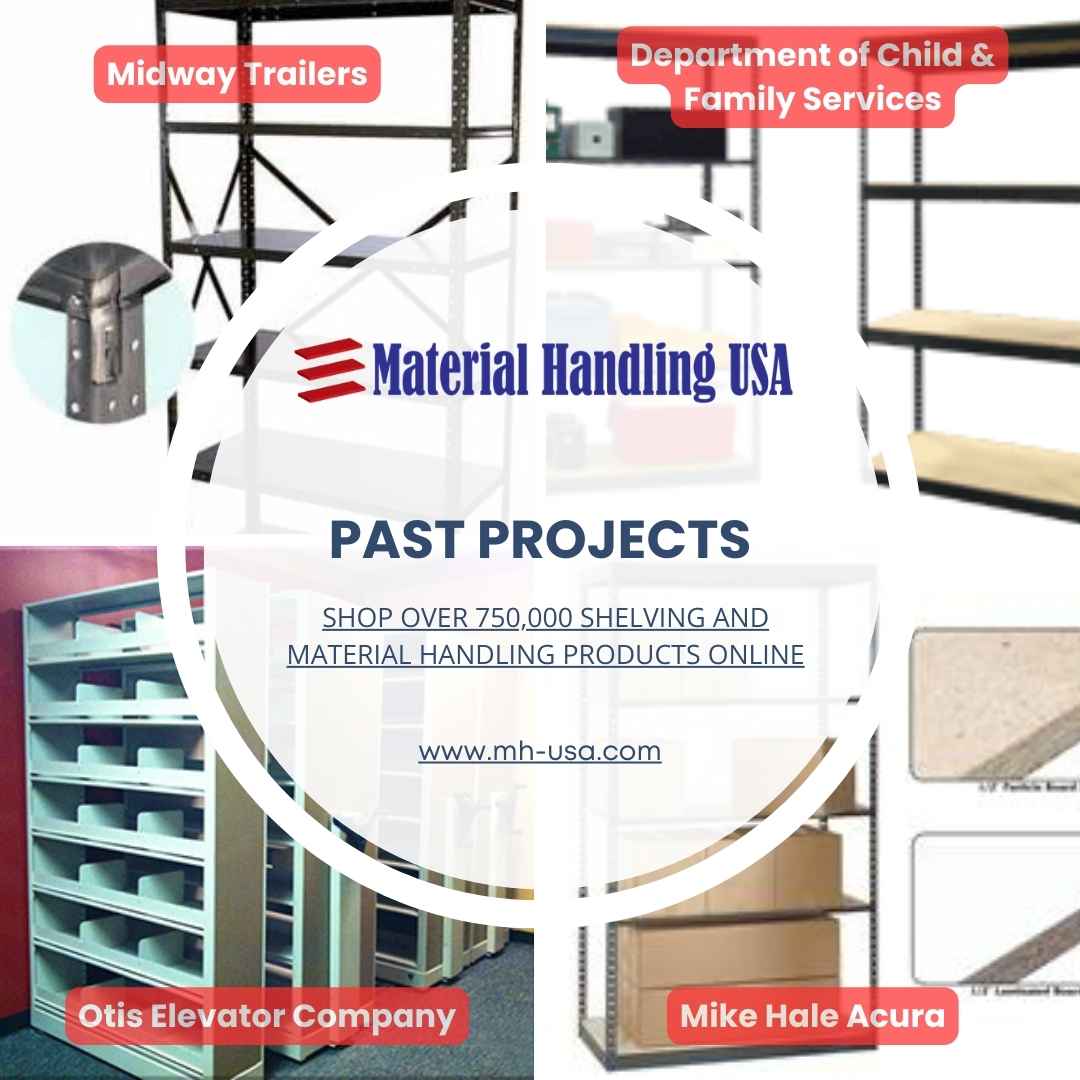
We have supplied and installed clip-style shelving for trailer manufacturers, state agencies, distribution operations, retail chains, and healthcare facilities across the Intermountain West. A few patterns repeat often enough to be worth naming.
The parts room that outgrew its bins. Symptoms: operators hunting for SKUs, cycle counts short, and product on the floor. Fix: open-style heavy duty with bins and dividers, opening heights set per level, and every opening barcoded before go-live.
The records room at capacity. Symptoms: boxes double-stacked in aisles. Fix: closed-style light duty sized exactly to the box footprint, and where the room is truly full, conversion to mobile carriages to remove fixed aisles.
The retail backroom nobody can walk through. Symptoms: seasonal stock blocking egress. Fix: a mixed run — closed style where it faces the sales floor, open style behind — with the seasonal levels sized to actual carton dimensions.

Q Line vs. Other Shelving Options
| Option | Cost per Cubic Foot | Adjustability | Enclosure | Choose It When |
|---|---|---|---|---|
| Q Line (clip-style) | Moderate | 1 in increments | Open or closed | You need tight adjustability, a finished look, or closed sides |
| Boltless / rivet shelving | Lowest | 1 in increments | Open frame only | Maximum usable cube for the least money |
| Wire shelving | Moderate to high | Fixed increments | Open only | Airflow, visibility, or wash-down sanitation drives the choice |
| Plastic shelving | Moderate | Fixed | Open | Corrosive, wet, or chemical environments where steel fails |
| Mobile high-density shelving | Higher install cost | Good | Either | Floor area is the binding constraint and aisles can be shared |
| Pallet rack | Lowest for pallets | Beam increments | Open | Product arrives and leaves on pallets by lift truck |
| Vertical carousel or VLM | Highest | Software managed | Fully enclosed | Pick rates and labor cost justify automation and secured access |
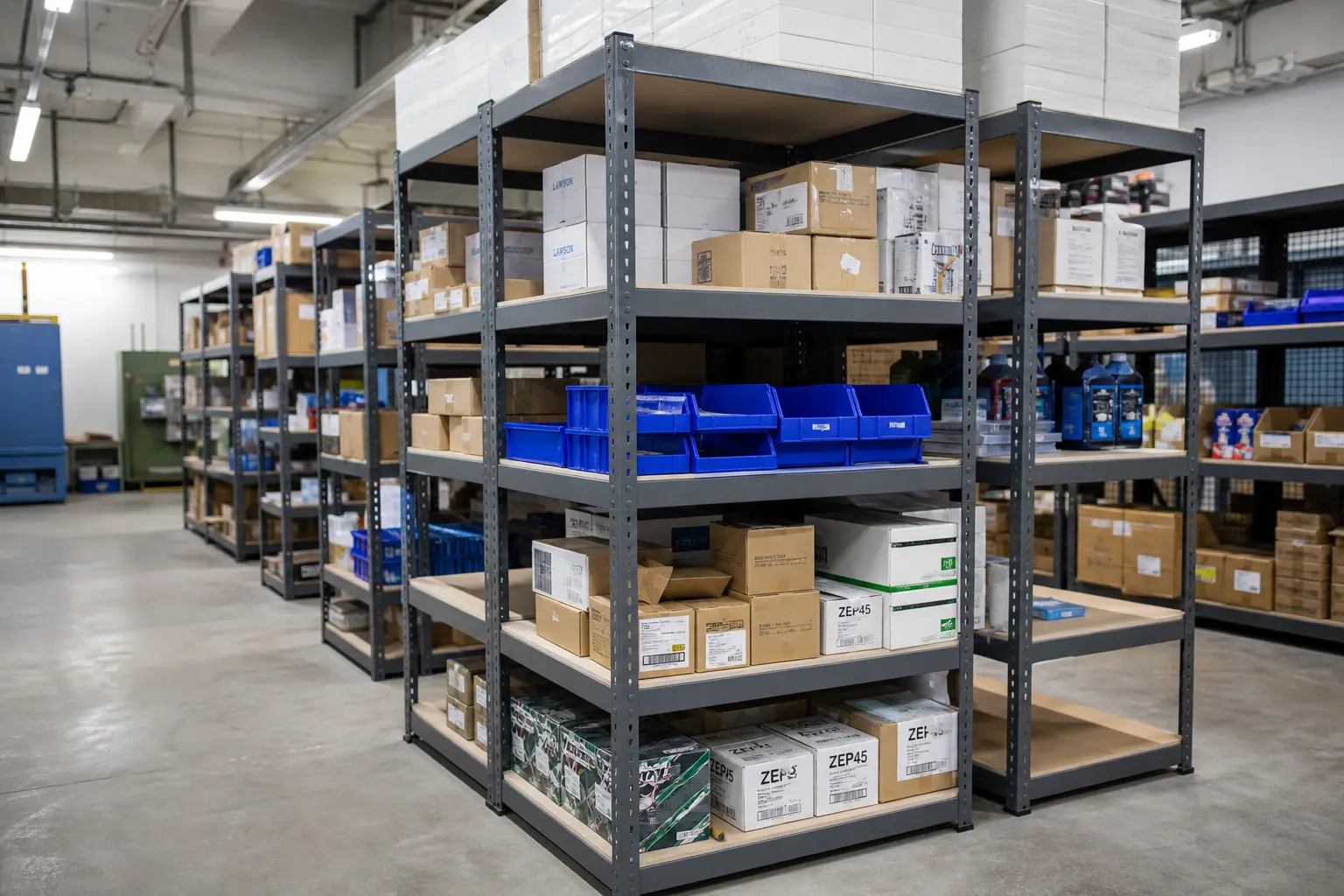 Boltless ShelvingLowest cost per cubic foot, in rivet and widespan configurations with wire or solid decking.
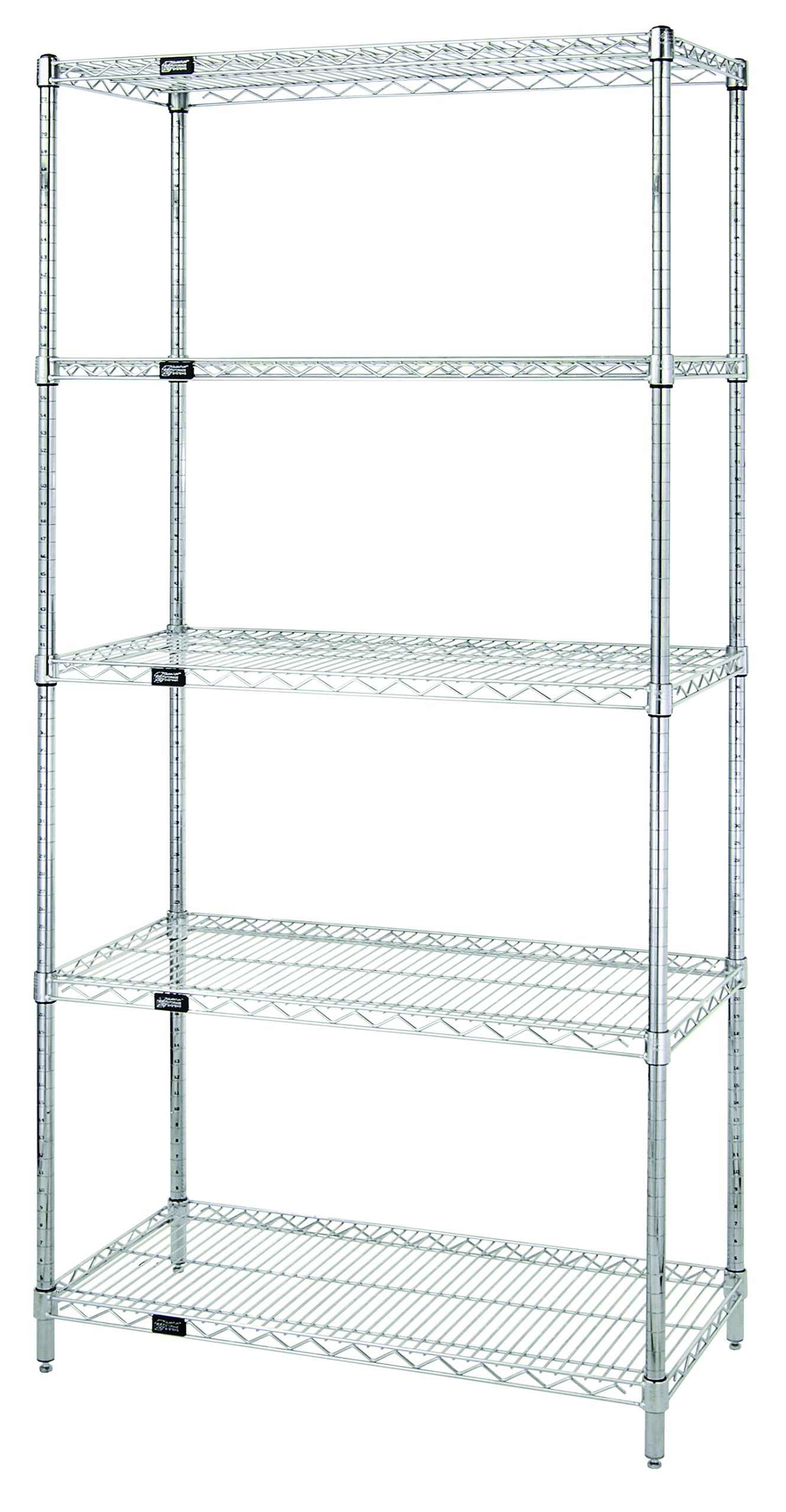
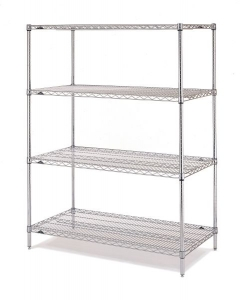 Wire ShelvingOpen-grid shelving for food service, clinical, and cleanroom spaces where airflow matters.
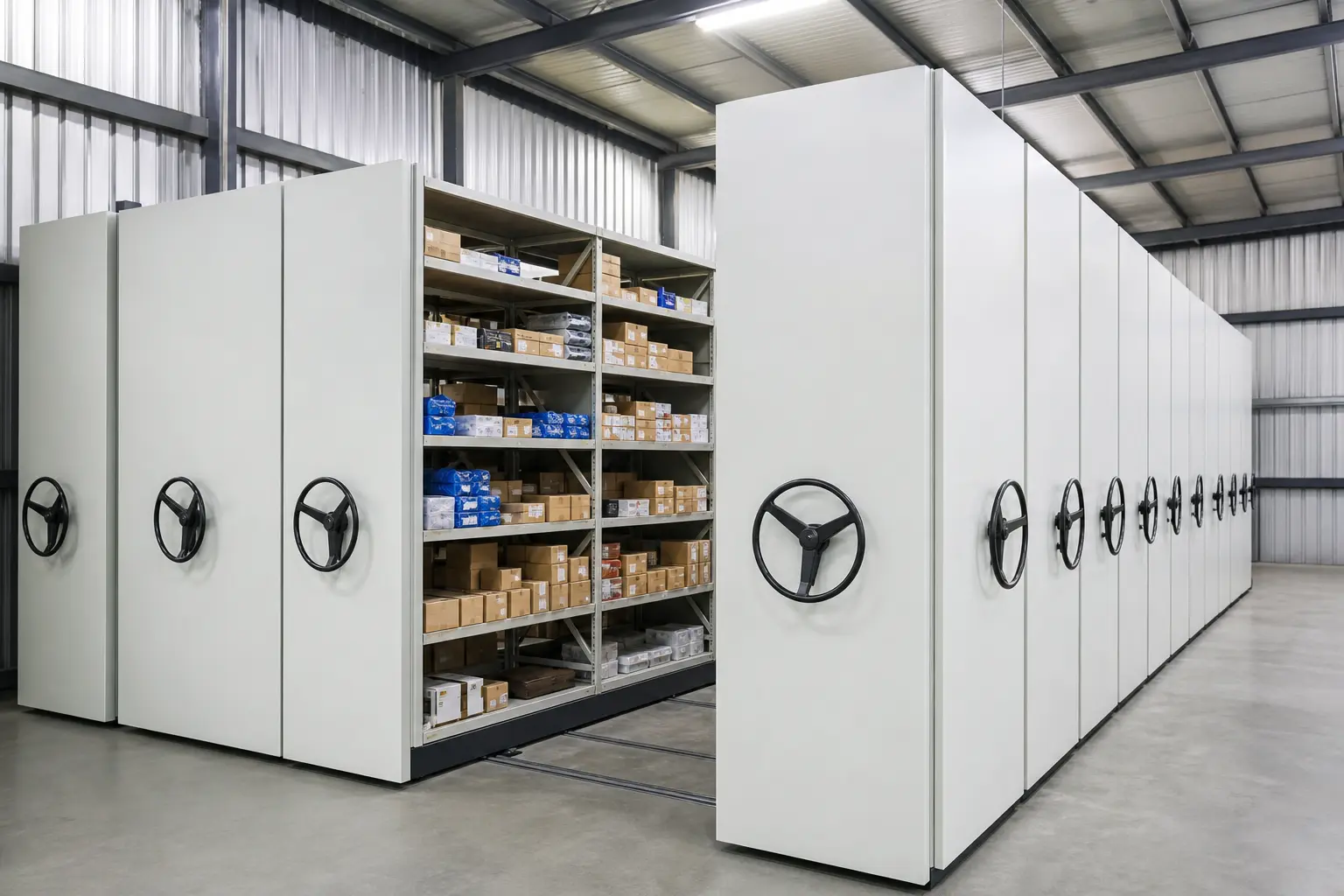 Mobile ShelvingEliminate fixed aisles and roughly double capacity in records rooms and central supply.
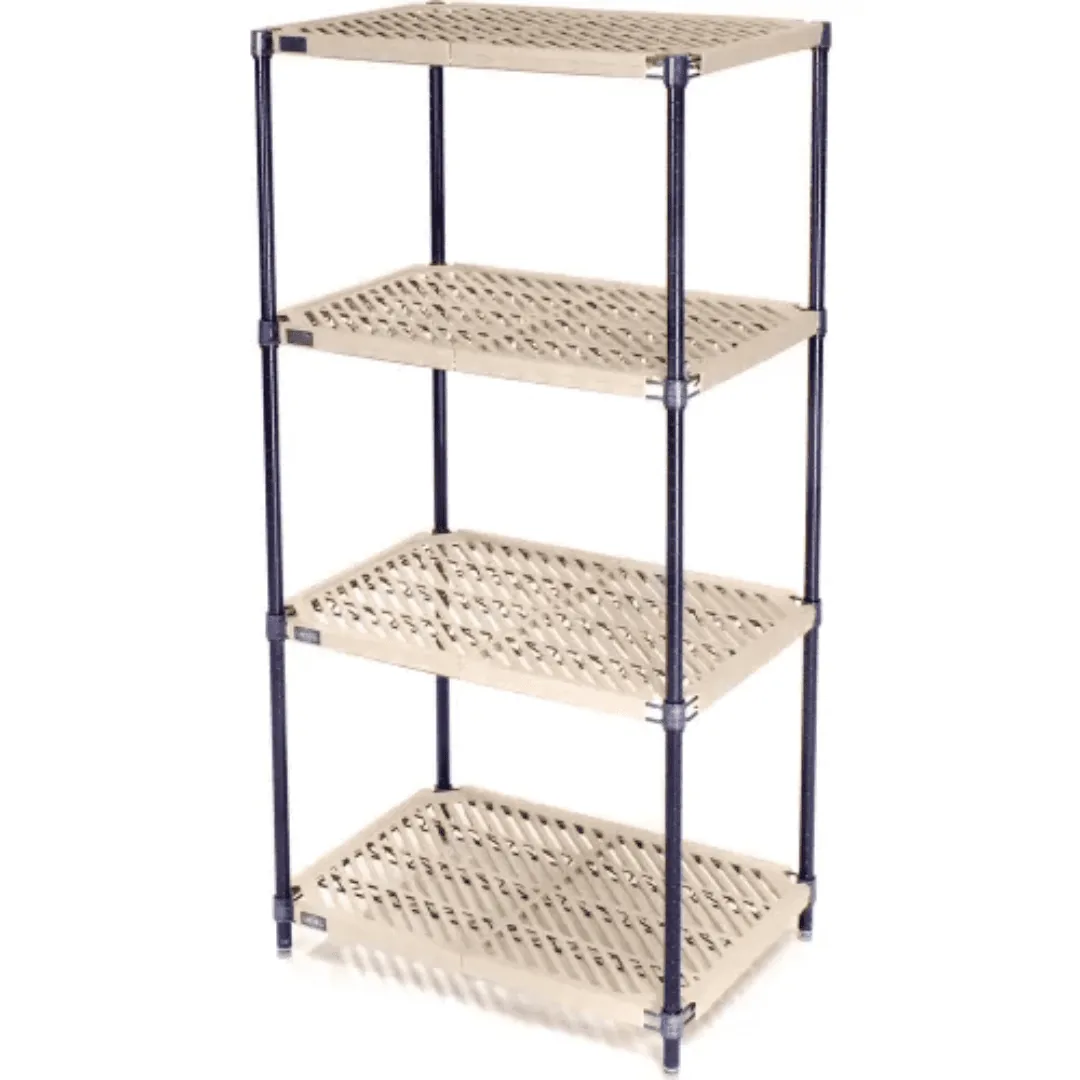 Plastic ShelvingCorrosion-proof shelving for wash-down, chemical, and wet storage areas.
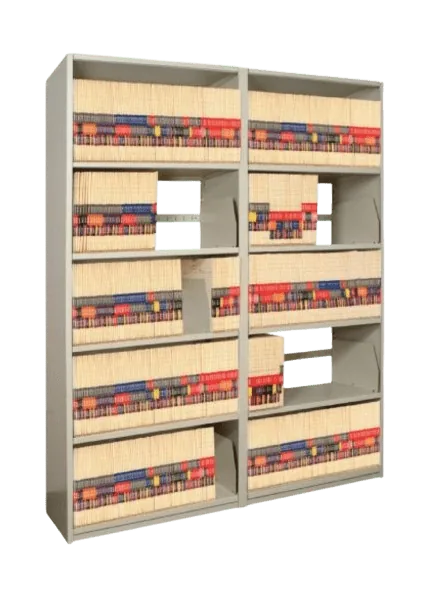 All Shelving SolutionsEvery shelving family we supply, with free layout and slotting support.
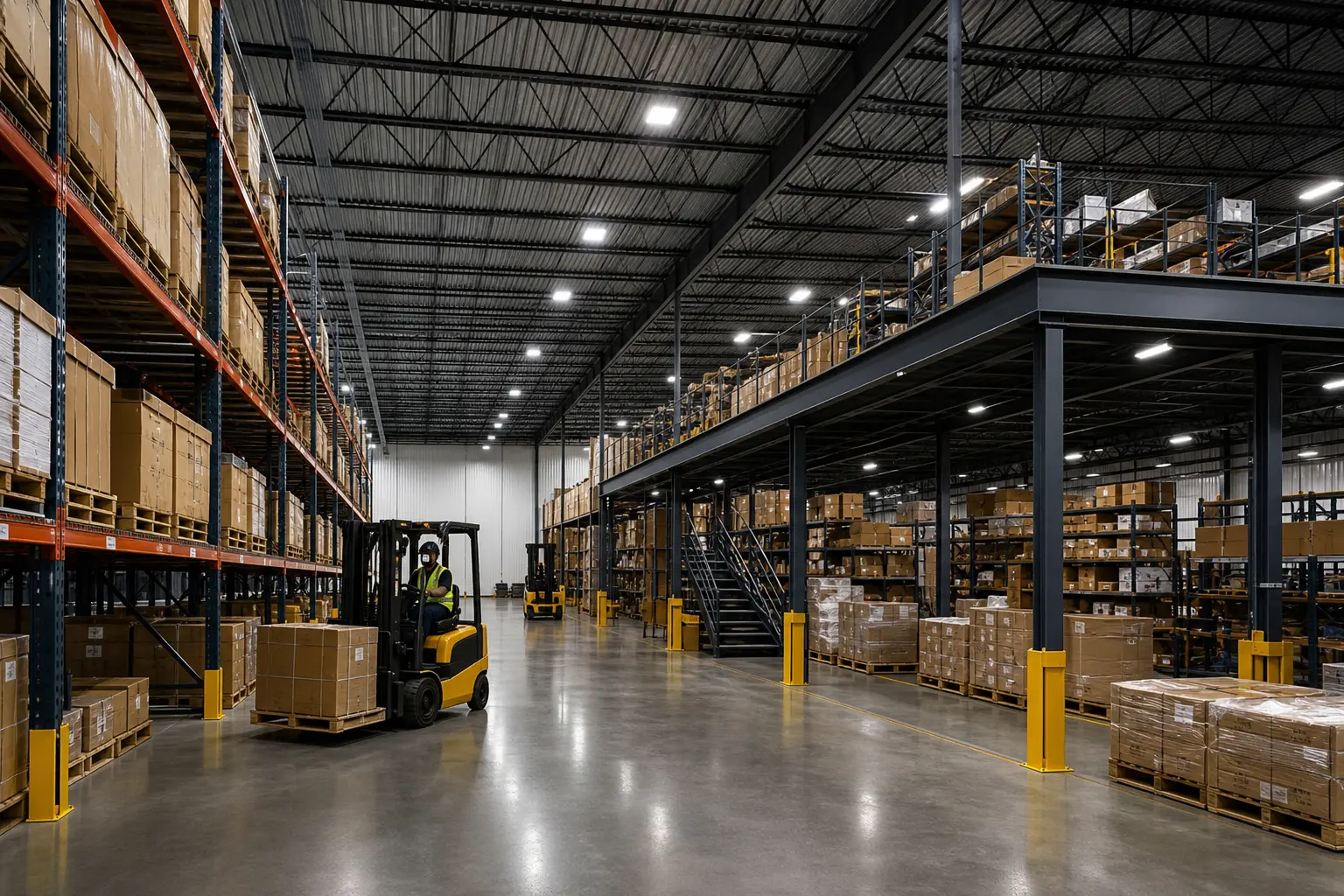 Warehouse DesignLayout, slotting, and flow design so the shelving ends up in the right place.
What We Need to Quote a Run
Shop Shelving Kits Online
Buy select items directly from our online store, or request a quote for volume, custom sizes and freight-rated orders.

Frequently Asked Questions
How much weight will a Q Line shelf hold?
Do I need tools to assemble it?
How adjustable are the shelves?
Should I order open style or closed style?
Can I add to an existing Q Line run later?
Does it need to be anchored?
Can Q Line be converted to high-density mobile shelving?
Do you install, or is this customer-assembled?
Get a Q Line Layout and Quote
Send us room dimensions and what you are storing. We will return a scaled layout, opening heights set to your product, a starter and add-on breakdown, and a quote with freight. Call (800) 326-4403.