
Vidir Vertical Storage for Warehousing & Logistics
Use vertical carousels and lift systems to recover floor space, organize inventory, and bring the right materials to an ergonomic access point.
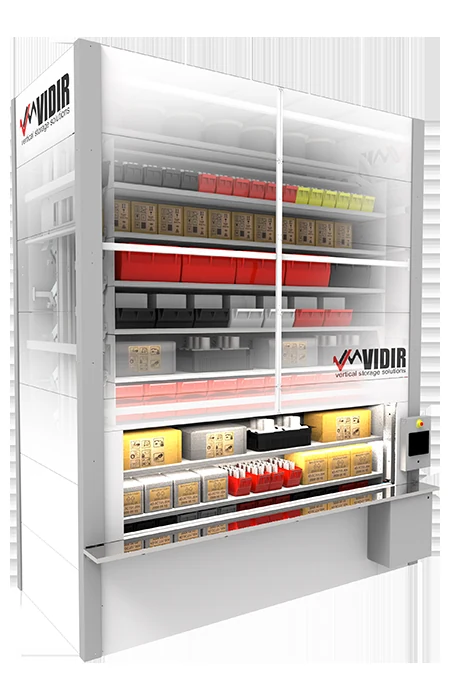
Vertical storage begins with your inventory and available height
Warehousing and logistics operations often run out of usable floor space long before they run out of building height. Vidir vertical storage systems can use that height to consolidate material in a smaller footprint, but the right approach depends on what is being stored, how often it moves, and the retrieval process.
Bring stored material to the operator
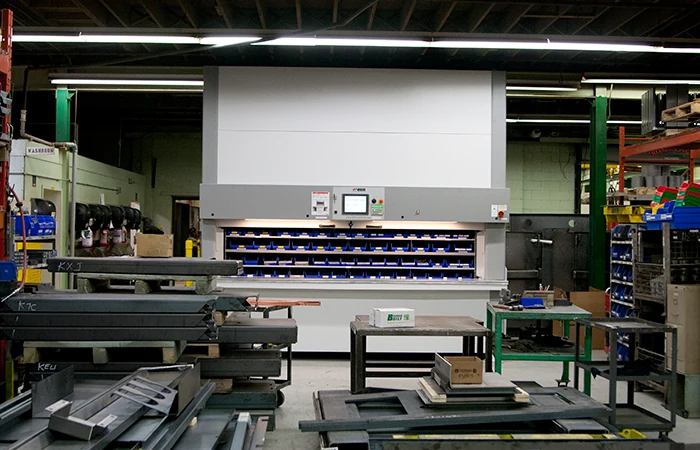
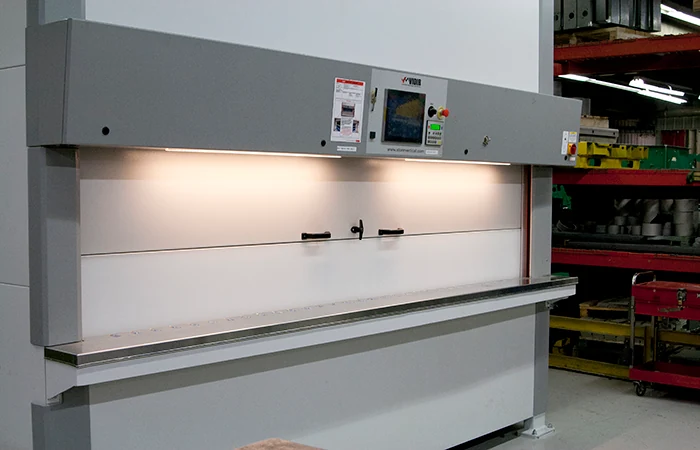
Vertical carousels rotate carriers to an access point. Vertical lift systems retrieve a stored tray or carrier to the operator. Both can reduce the travel associated with conventional shelving, but the equipment should be selected around the inventory profile, load, ceiling height, throughput, and installation conditions.
- Material dimensions, weight, and handling method
- Inventory quantity and required access frequency
- Available height, footprint, and loading location
- Operator workflow and ergonomic access needs
- Electrical, structural, and installation constraints
- Future capacity and integration priorities
Choose the Vidir system around the application
Vidir offers several vertical-storage approaches. The goal is not simply to fit a machine into an open area—it is to match the storage method to the material and the work your team needs to complete.
Vertical carousels
Rotating carriers present stored items at an operator access point for many parts, files, supplies, and specialty applications.
Vertical lift systems
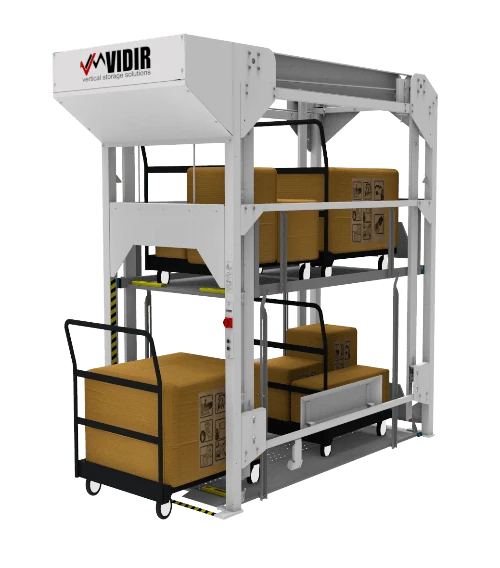
Lift systems can store material vertically and present trays or carriers at an accessible loading and retrieval level.
Wire & cable carousels
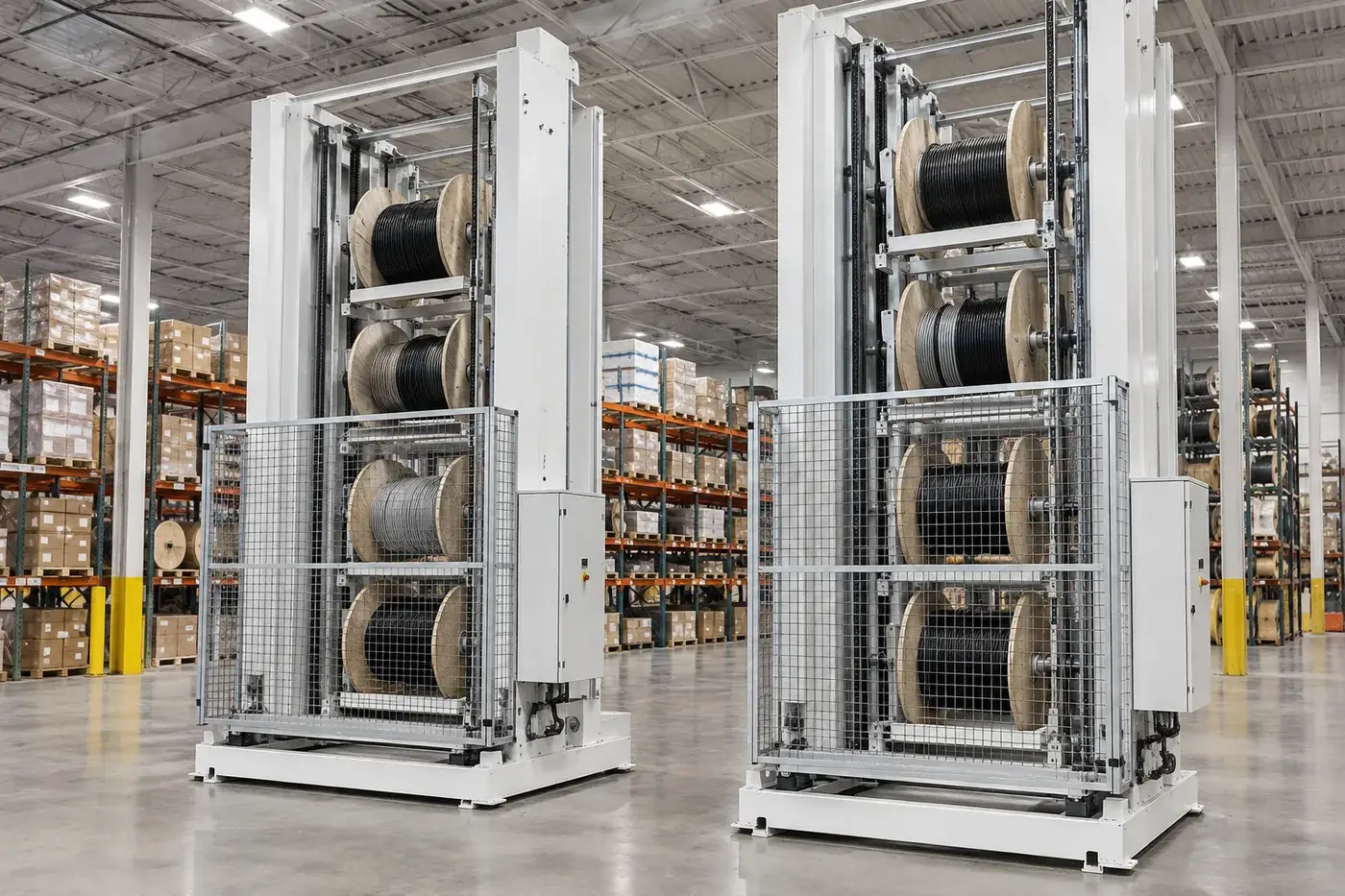
Configured vertical storage for wire spools, cable reels, and electrical-distribution inventory.
Tire carousels
Vertical tire storage for service and tire-distribution operations where access and floor space matter.
Sheet & bar storage lifts
Vertical systems for sheet metal, bar stock, pipe, and other long or heavy industrial material.
Custom storage applications
Vidir equipment can be configured around unique carts, parts, supplies, and retrieval workflows.
A practical warehouse vertical-storage planning path
A productive project moves from inventory and workflow to a defined equipment scope. Starting with dimensions and the operating process prevents an attractive concept from becoming an awkward fit on the floor.
Test the workflow before the equipment is specified
We can help warehouse teams evaluate whether the desired outcome is better access, more storage density, faster retrieval, safer material handling, or a combination. The right Vidir configuration follows from that goal, the building conditions, and the material being stored.
Profile the inventory
Review material types, loads, quantities, and movement frequency.
Assess the space
Confirm footprint, height, power, access, and installation constraints.
Match the system
Select carousel or lift approach around the application and workflow.
Plan implementation
Coordinate scope, installation, training, and operational transition.
A Warehouse and logistics partner for vertical storage projects
Material Handling USA is headquartered in Salt Lake City. We work with warehousing and logistics facilities to understand the inventory and space constraints before recommending a vertical-storage approach.
Local project context matters
Receiving, replenishment, picking, packing, and staging all matter to the storage decision. We can help define a usable project scope before a machine is specified.
Warehousing & logistics applications for Vidir vertical storage
Vertical storage can support many Warehousing and logistics operations when the equipment is configured around the material and retrieval process.
From parts and wire to tires, sheets, and custom carts
Applications include manufacturing parts, electrical supply inventory, tire service, metal fabrication, aerospace components, healthcare equipment, government supplies, retail pickup, and warehouse stock. The specific configuration should be based on the actual material, loads, and workflow—not an industry label alone.
Manufacturing & fabrication
Parts, tools, sheet, bar stock, and production-support material.
Electrical distribution
Wire, cable, reels, and small-parts inventory arranged for retrieval.
Tire service & distribution
Vertical tire storage that can reclaim floor area in a service operation.
Aerospace & defense
Organized component and wire storage for defined operational workflows.
Healthcare & government
Space-efficient storage for approved equipment, materials, and supplies.
Retail & warehouse operations
High-density storage to support pickup, replenishment, and stock organization.
Service-parts distribution, multi-client bins and returns
For each-item, bin, tote and carton inventory, the equipment decision starts with how a part is received, identified and released. The following are planning examples for evaluating Vidir systems—not descriptions of verified installations or a complete 3PL service. A tray-based Vidir vertical lift module and a Pan Carousel are different candidates; carrier size, loaded weight and retrieval demand determine which merits a layout.
Long-tail service-parts picking
Example: A forward stocking location keeps many packaged repair parts but only a few of each SKU. Receive against the part number and revision, assign a labeled bin location, retrieve the requested quantity, then confirm the remaining balance before returning the carrier.
Keep repair-exchange inventory distinguishable from new stock. Where serial identity matters, agree which record owns the serial number and how an operator verifies the actual item—not just the bin. Fast-moving stock may still belong outside the machine when simultaneous picking is more useful than density.
Multi-client 3PL ownership
Example: Two clients own visually similar replacement components. Their stock needs distinct ownership records and clearly separated locations or containers. The pick instruction should identify the owner, item and quantity; a shared part number alone is not enough.
Before specifying access permissions, test whether an operator can see, retrieve or replenish another client’s stock. WMS ownership, billing, lot/serial handling and client reporting are integration requirements to validate separately, not automatic results of installing a carousel or lift.
RMA receipt to released stock
Sequence: Receive the return → identify its RMA and owner → place it in inspection hold → inspect outside the storage machine as needed → record disposition → release accepted stock to its approved location.
A returned part is not available-to-promise simply because a bin has space. Define a physical hold area, the status that blocks issue, and who may release it. Rejected, leaking or otherwise unsuitable returns need a separate handling route; do not mix them into clean service inventory.
Test the peak, not just the average day
| Planning question | What the answer changes |
|---|---|
| How many urgent picks arrive during the busiest replenishment period? | Model the combined machine demand, operator handoff and replenishment window; do not assume a quoted retrieval time is finished-order throughput. |
| Which service parts must remain accessible during maintenance, loss of power or a control-system outage? | Agree an approved urgent-spares access plan and consider a separately located critical reserve. Do not promise emergency retrieval without a model-specific procedure. |
| Can one machine serve several pickers without delaying priority work? | Test actual order lines, carrier changes and queue rules with the proposed inventory mix. |
| Where does an order wait after it is picked? | Provide distinct checking, packing, dispatch and returns-hold positions rather than treating the machine access opening as a staging shelf. |
Keep consumer order fulfillment separate from service-parts replenishment: ecommerce fulfillment storage addresses its own order flow. If a job also needs controlled package handoff after picking, compare the Vidir Automated Locker Carousel as a separate product, with compartment fit and user-access requirements reviewed independently.
Request a project-specific storage quote
Share your inventory, packaged dimensions and weights, available space and required workflow. We will review the equipment fit and configuration with you.
Frequently asked questions
What is the difference between a vertical carousel and a vertical lift?
A vertical carousel rotates carriers to an operator access point. A vertical lift retrieves a stored tray or carrier to a loading and retrieval opening. The appropriate choice depends on the stored material, workflow, available height, and project conditions.
Can a Vidir system be used for wire, tires, or sheet metal?
Vidir offers application-specific systems for a range of materials, including wire and cable, tires, sheet metal, bar stock, carts, and general parts. The configuration should be reviewed for the particular material and loads.
Can vertical storage support a warehouse picking workflow?
It can when the carousel or lift is configured around the stored items, replenishment method, access frequency, and the operator’s task. Review the workflow before selecting equipment.
What information helps you prepare a quote?
Share the stored materials, dimensions and weights, quantities, available space and height, desired workflow, and any site or installation constraints you know.
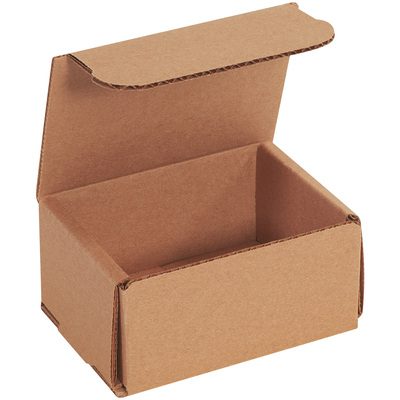
Related Boxes & Packaging Supplies
Browse these general packaging items from our online store. They are not Vidir vertical-storage equipment; for those systems, contact us for a project quote.


Plan the right Vidir vertical-storage system for your warehouse or logistics operation
Tell us what you store, how it moves, and the space you have available. We’ll help compare a practical Vidir configuration and prepare a quote.